



1 Michelin Star · Black Pearl 1 Diamond · The Best Chef One Knife
Our verdict
A Michelin-starred and Black Pearl one-diamond address on Sichuan Road, Obscura runs a prix-fixe seasonal menu that recasts Chinese culinary memory through Western technique. A travelling duo of chefs keeps the kitchen moving across regional China, surfacing ingredients and references that shift with each season. The non-alcoholic pairing program is worth serious attention.

Pearl is the En Primeur Club membership app — saves, bookings, and concierge access live there. Same editors, same standards.
- Address
- 670 Sichuan Rd (M), Waitan, Huangpu, Shanghai, China, 200080
- Phone
- +86 21 6321 3986
- Hours
- Daily 11:30 AM–2:30 PM, 5–10 PM
- Directions
- Get directions
The menu
What to order
- Cantonese roast pork ice cream
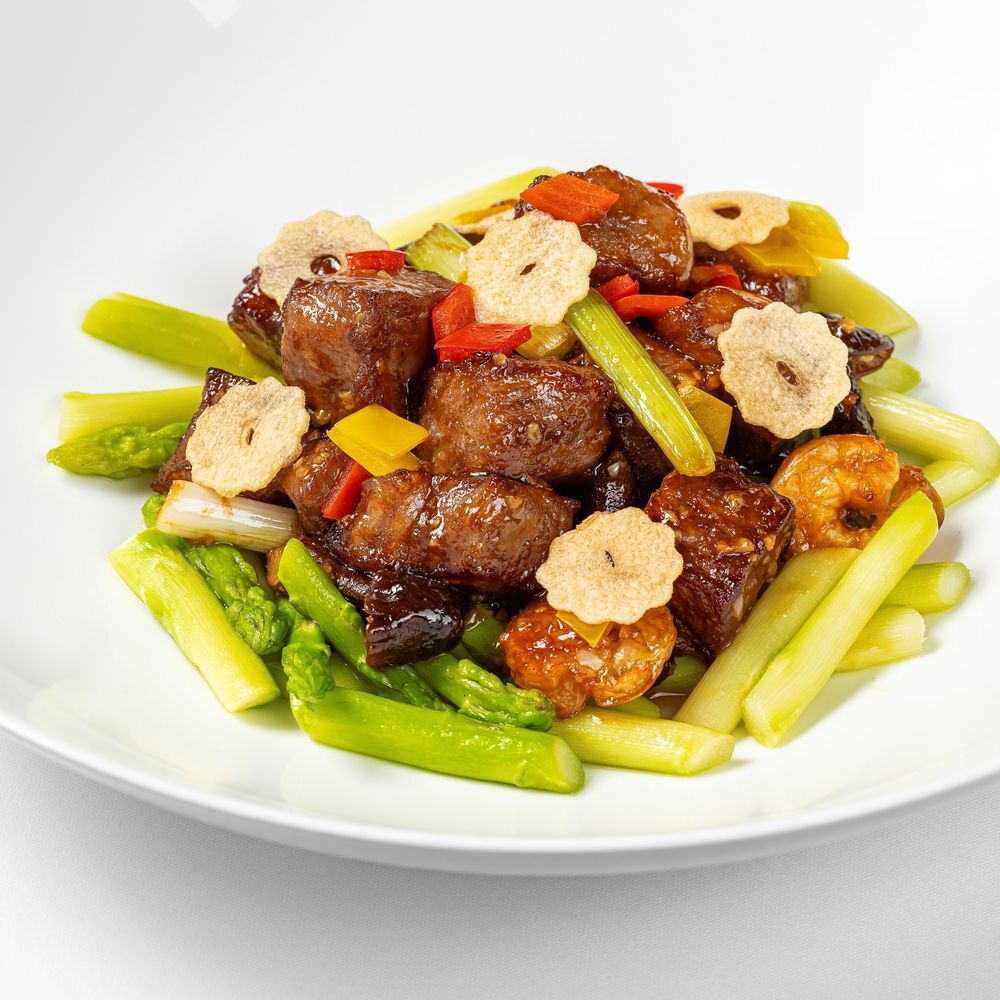
- Hunan spicy beef
- Hangzhou dragonwell shrimp
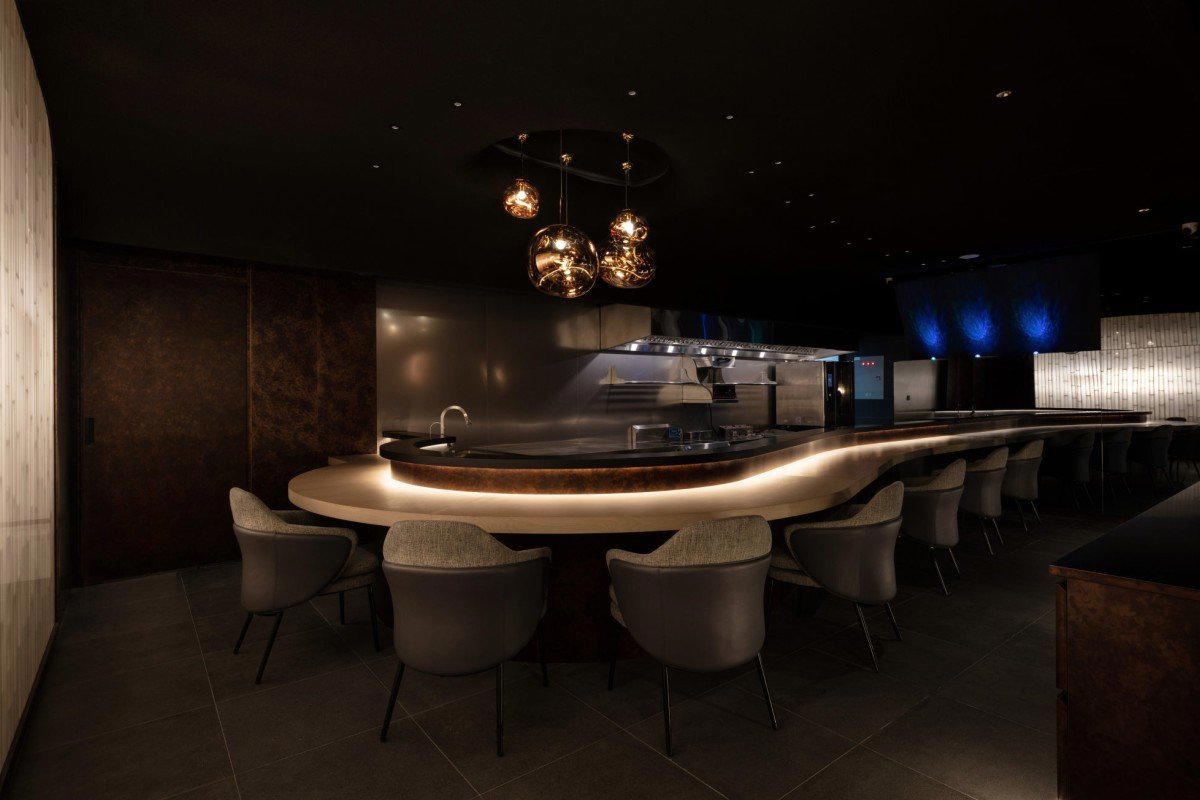
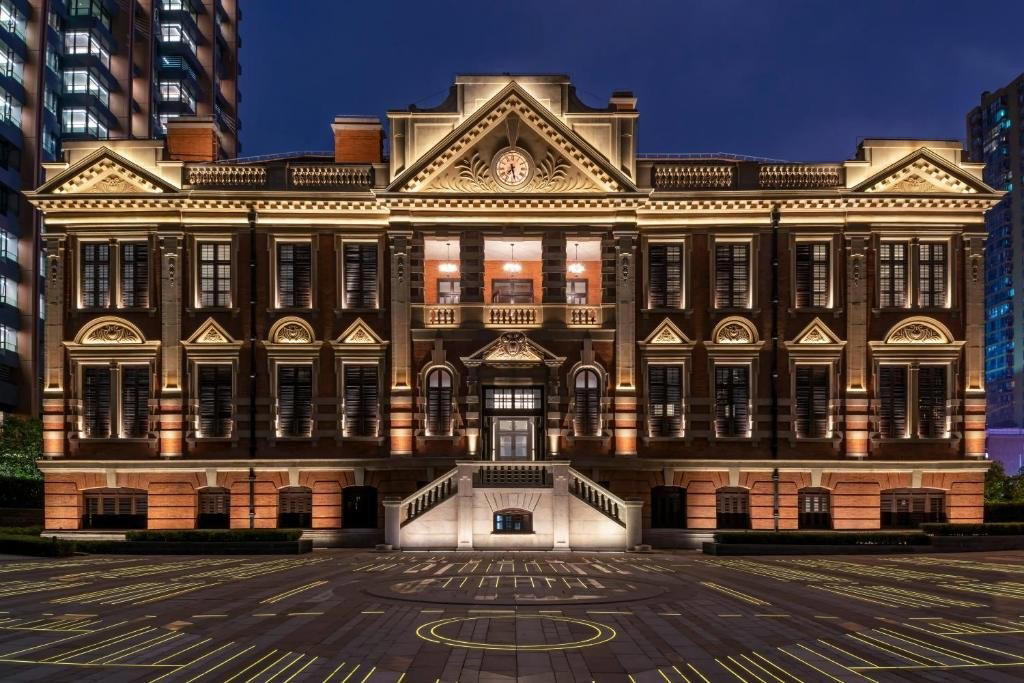
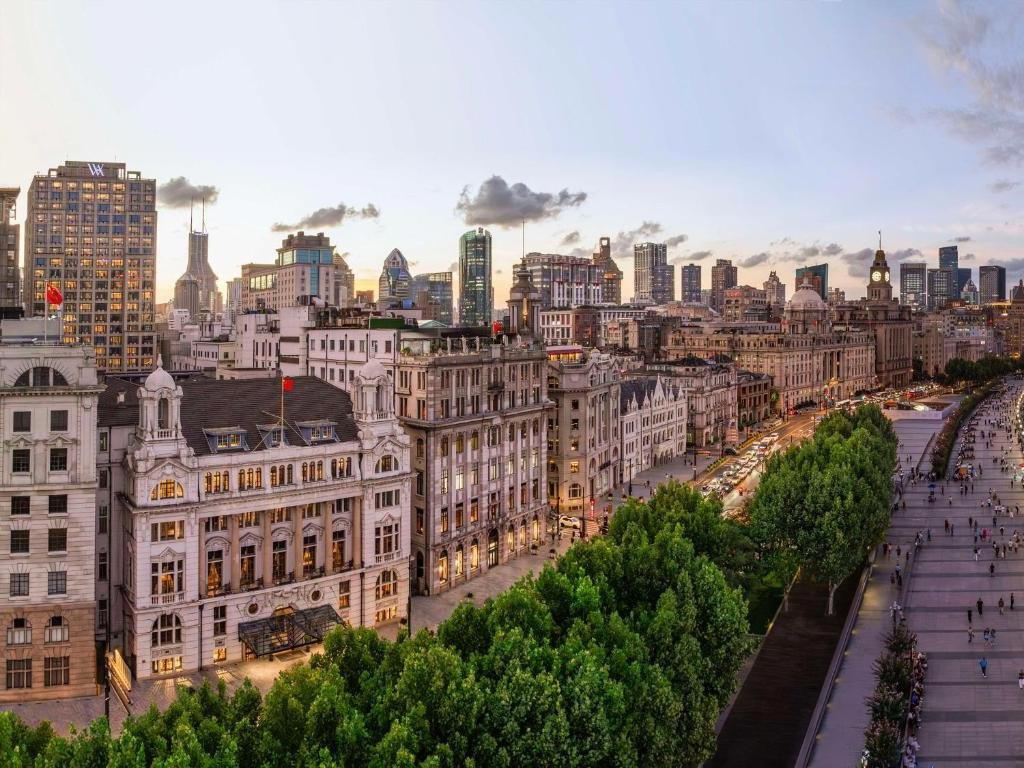
On Middle Sichuan Road in Huangpu, the approach to Obscura sets up exactly what the kitchen intends to do to your expectations: disorient them, then reorder them. The address sits within a district where colonial-era facades and contemporary dining have long overlapped, and the restaurant's chiaroscuro ring logo signals the same duality the food pursues, a tension between light and dark, familiarity and surprise. The name is deliberate. So is everything else.
Where Shanghai's Innovative Dining Has Arrived
Shanghai's top-tier innovative restaurants have, over the past decade, split into two broadly recognisable camps. The first applies continental fine-dining grammar to local ingredients, producing menus that read as European with a Chinese accent. The second, and the more structurally interesting camp, attempts the reverse: Chinese culinary memory as the foundation, Western technique as the instrument.
The Opinionated About Dining rankings track this trajectory clearly: recommended in 2023, ranked 390th across Asia in 2024, climbing to 394th in 2025. The movement is incremental rather than meteoric, which tends to be a more durable signal of consistent execution than a sudden spike. That kind of gradual, sustained recognition across multiple independent systems, Michelin, Black Pearl, and OAD, suggests a kitchen that is not optimising for a single evaluative lens.
For context on how Shanghai's fine-dining tier is structured more broadly, our full Shanghai restaurants guide maps the competitive set across cuisines and price points. For the highest-concentration Cantonese cooking in the city, 102 House occupies a different tradition at the same price tier. The vegetarian-forward counterpoint at ¥¥¥¥ is Fu He Hui, which pursues seasonal Chinese ingredients through an entirely plant-based framework.
The Duo Model: How Collaboration Shapes the Menu
The editorial angle that makes Obscura most legible is not any single chef's biography but the structure of how the kitchen is organised. Two chefs, described in the restaurant's own credentialing as an enthusiastic duo, share both the creative authority and the sourcing labor. They travel across China regularly, returning with regional references, ingredients, and memories that are then translated into a prix-fixe seasonal format. This is not a token sourcing trip; the travel is the method. The menu exists as a direct output of what the pair find and how they interpret it together.
That collaborative model has specific consequences for what appears on the plate. No single regional Chinese tradition dominates. Instead, dishes move between provinces, drawing on the scent profiles of one region, the texture logic of another, and occasionally recasting a recognisable Chinese reference in a form that initially reads as something else entirely. The example that has entered Obscura's public record is Cantonese roast pork presented in the format of ice cream, a dish that works precisely because both the visual misdirection and the underlying flavour are handled with equal seriousness. The whimsy is structural, not decorative.
For comparison, the duo model at Obscura contrasts with the solo auteur approach more common at internationally recognised innovative restaurants across Asia. MAZ in Tokyo and alla prima in Seoul both operate within the innovative category but are built around individual chef identities. The collective authorship at Obscura produces a different kind of menu coherence, one shaped by dialogue rather than singular vision.
Chef Jian Zhang is named as the credited chef, which suggests a lead figure within the duo structure, but the restaurant's positioning consistently foregrounds the partnership over any individual. That framing matters for how the menu reads: dishes land as the result of a shared editorial process, tested against two perspectives before they reach the table.
The Prix-Fixe Format and the Case for Non-Alcoholic Pairing
Obscura operates on a prix-fixe seasonal menu, the format that now anchors most serious fine-dining operations across Asia's major cities. The seasonal rotation is not cosmetic. Because the menu content is tied directly to what the chef duo sources during their regional travel, it shifts as their itineraries shift, which means repeat visits across different seasons will produce materially different experiences rather than a stable signature set with rotating garnishes.
The non-alcoholic pairing program is worth treating as the primary pairing option rather than an afterthought. The restaurant's own framing explicitly recommends it, which is an unusual piece of editorial confidence for a fine-dining kitchen to exercise. At the ¥¥¥¥ price tier, most comparable Shanghai addresses build their pairing programs around wine as the default and present non-alcoholic alternatives as a concession. Obscura's inversion of that hierarchy suggests the non-alcoholic pairings have been designed with the same structural intention as the food itself, matched to the flavour logic of dishes that carry Chinese regional references and therefore may not resolve cleanly against a conventional European wine list.
This connects to a broader pattern visible in innovative Asian fine dining. The most technically coherent pairings for menus that work across a range of fermented, aged, smoked, and fresh flavour profiles often come from non-alcoholic programs built around tea, fermented juices, and house preparations rather than wine. Obscura's recommendation to consider the non-alcoholic route reads as an informed editorial stance from a kitchen that has thought carefully about how the two sides of the table should interact.
Obscura in the Regional Innovative Dining Context
Across the broader region, the prix-fixe seasonal format that interprets Chinese culinary tradition through Western technique is not exclusive to Shanghai. Ru Yuan in Hangzhou and Xin Rong Ji in Chengdu each work within variants of this framework, as does Xin Rong Ji in Beijing. The approaches differ significantly: Xin Rong Ji operates within a recognisable Taizhou seafood tradition, while Ru Yuan works from a Hangzhou-rooted seasonal sensibility. Obscura is the most geographically nomadic of these operations, precisely because the sourcing model is pan-Chinese rather than anchored to a single regional kitchen tradition.
Further afield, Chef Tam's Seasons in Macau, Imperial Treasure Fine Chinese Cuisine in Guangzhou, and Dai Yuet Heen in Nanjing represent the more classical Chinese fine-dining tradition, where regional identity is fixed rather than itinerant. Obscura sits at a different point on that spectrum: its identity is constructed from movement rather than rootedness.
Within Shanghai itself, the French-influenced end of the innovative spectrum is covered by addresses like La Scene Ronde and Les Nuages, both of which apply a fundamentally European culinary grammar to the Shanghai context. Obscura operates in the opposite direction, which makes it the more distinctive option for a reader whose interest is in understanding how Chinese cuisine is being rethought from the inside out.
Know Before You Go
Planning Details
- Address: 670 Sichuan Rd (M), Waitan, Huangpu, Shanghai 200080
- Price tier: ¥¥¥¥
- Format: Prix-fixe seasonal menu
- Awards: Michelin 1 Star (2024); Black Pearl 1 Diamond (2025); Opinionated About Dining Leading Restaurants in Asia #394 (2025)
- Pairing: Non-alcoholic pairing explicitly recommended by the kitchen
- 4.7
- Further reading: Shanghai hotels guide | Shanghai bars guide | Shanghai experiences guide | Shanghai wineries guide
Frequently asked questions
Is Obscura child-friendly?
At ¥¥¥¥ with a prix-fixe format in one of Shanghai's most formally structured fine-dining tiers, Obscura is not designed with children in mind.
How would you describe the vibe at Obscura?
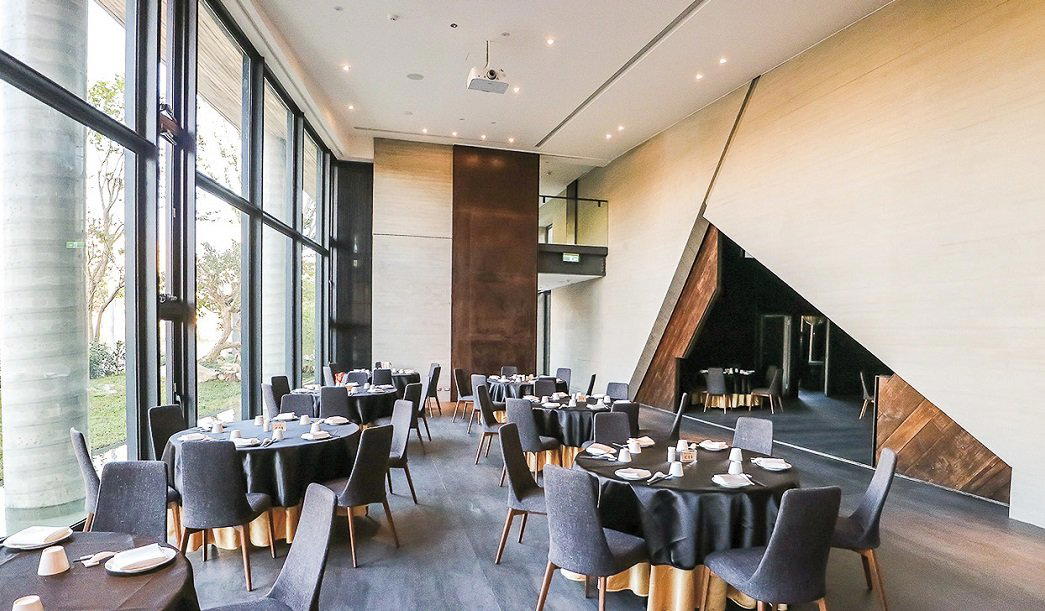
Think of Shanghai's Michelin-starred innovative tier, where the Black Pearl recognition and ¥¥¥¥ pricing signal a serious, considered atmosphere. Obscura sits within that bracket but angles toward the conceptual rather than the formal: the chiaroscuro identity, the whimsy embedded in technically precise dishes, and the deliberate inversion of familiar references produce an environment that is attentive without being stiff. It is a room where the food asks for your concentration and the service is presumably structured to support that focus.
What do regulars order at Obscura?
The prix-fixe format removes the ordering decision entirely, which is part of the point. The kitchen, awarded a Michelin star and a Black Pearl diamond under chef Jian Zhang and a collaborating partner, sequences the meal according to their current seasonal sourcing. The non-alcoholic pairing is the one active choice the kitchen encourages you to make, and based on the restaurant's own framing, it is the more considered option for engaging with what the food is doing.
What It’s Closest To
| Venue | Cuisine | Price | Awards | Notes |
|---|---|---|---|---|
| ObscuraThis venue — the venue you are viewing | Modern Innovative Chinese | $200–300 | 1 Michelin Star · Black Pearl 1 Diamond | Not listed |
| Fu He Hui | Modern Seasonal Vegetarian Fine Dining | $200–300 | 2 Michelin Stars · World's 50 Best #11 | Vegetarian |
| Ming Court | Cantonese with Shanghainese Influences | $30–50 | 1 Michelin Star · Black Pearl 1 Diamond | Cantonese |
| Polux | French Bistro | $30–50 | Michelin Bib Gourmand | French |
| Royal China Club | Modern Cantonese fine dining | $50–100 | Michelin Plate | Chinese, Cantonese |
| Scarpetta | Refined Italian Pasta & Pizza | $50–100 | Michelin Plate · Wine Spectator Best of Award of Excellence | Italian |
Recognition history
Dated appearances from independent guides and award organizations, with the underlying list record or original source where available.
Michelin 1 Star
Michelin
Opinionated About Dining Top Restaurants in Asia Recommended
Opinionated About Dining
Black Pearl 1 Diamond
Black Pearl
The Best Chef One Knife
The Best Chef
Full recognition history (8 entries)
Opinionated About Dining Top Restaurants in Asia Ranked #394
Opinionated About Dining
Michelin 1 Star
Michelin
Opinionated About Dining Top Restaurants in Asia Ranked #390
Opinionated About Dining
Opinionated About Dining Top Restaurants in Asia Recommended
Opinionated About Dining


Details
- Sophisticated
- Elegant
- Intimate
- Whimsical
- Special Occasion
- Business Dinner
- Date Night
- Solo
- Chefs Counter
- Design Destination
- Historic Building
- Sommelier Led
- Tasting Menu
- Prix Fixe
Current opening hours
- Monday
- 11:30 AM–2:30 PM, 5–10 PM
- Tuesday
- 11:30 AM–2:30 PM, 5–10 PM
- Wednesday
- 11:30 AM–2:30 PM, 5–10 PM
- Thursday
- 11:30 AM–2:30 PM, 5–10 PM
- Friday
- 11:30 AM–2:30 PM, 5–10 PM
- Saturday
- 11:30 AM–2:30 PM, 5–10 PM
- Sunday
- 11:30 AM–2:30 PM, 5–10 PM
Hours can change for holidays and private events. Last verified .
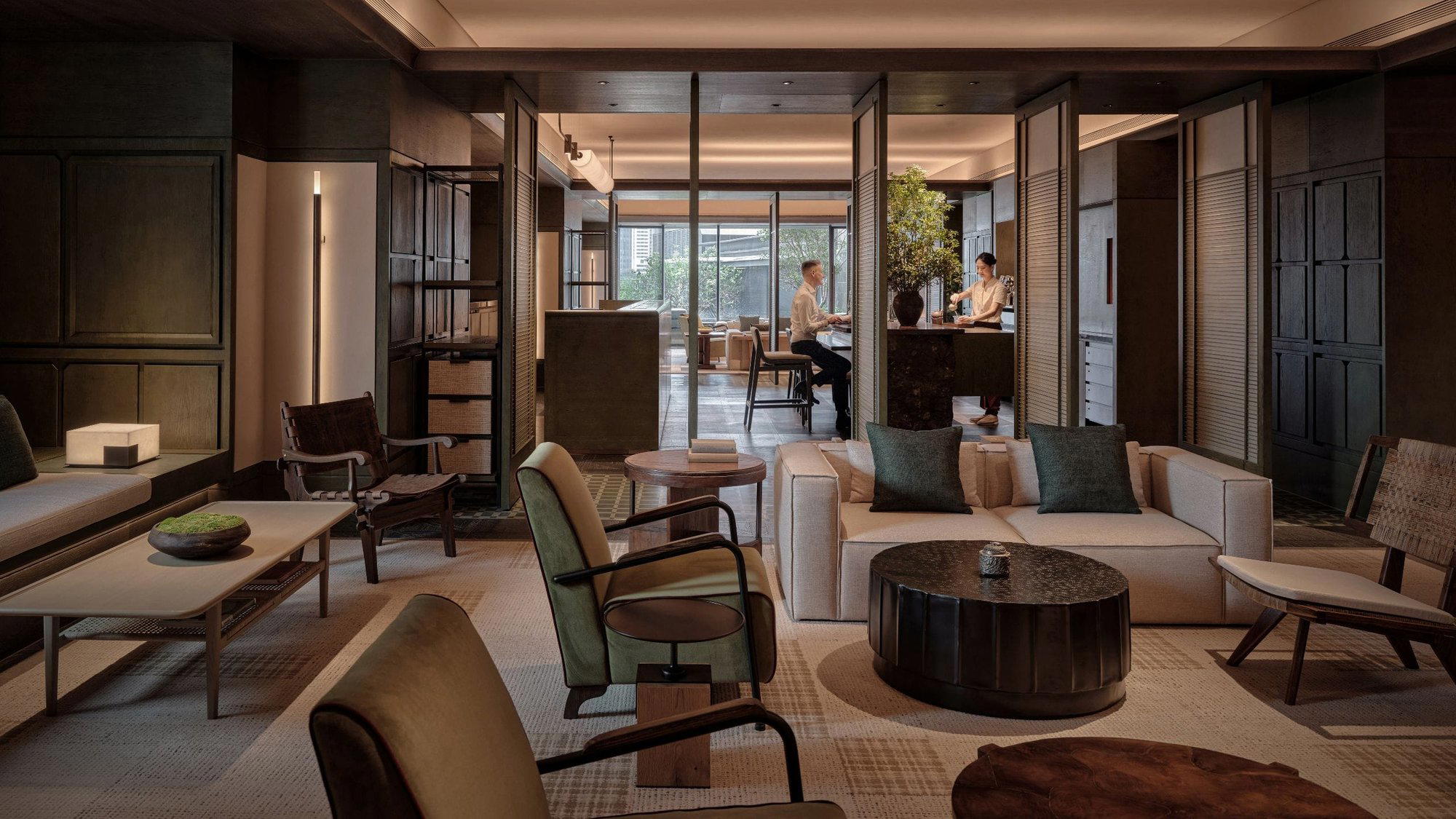
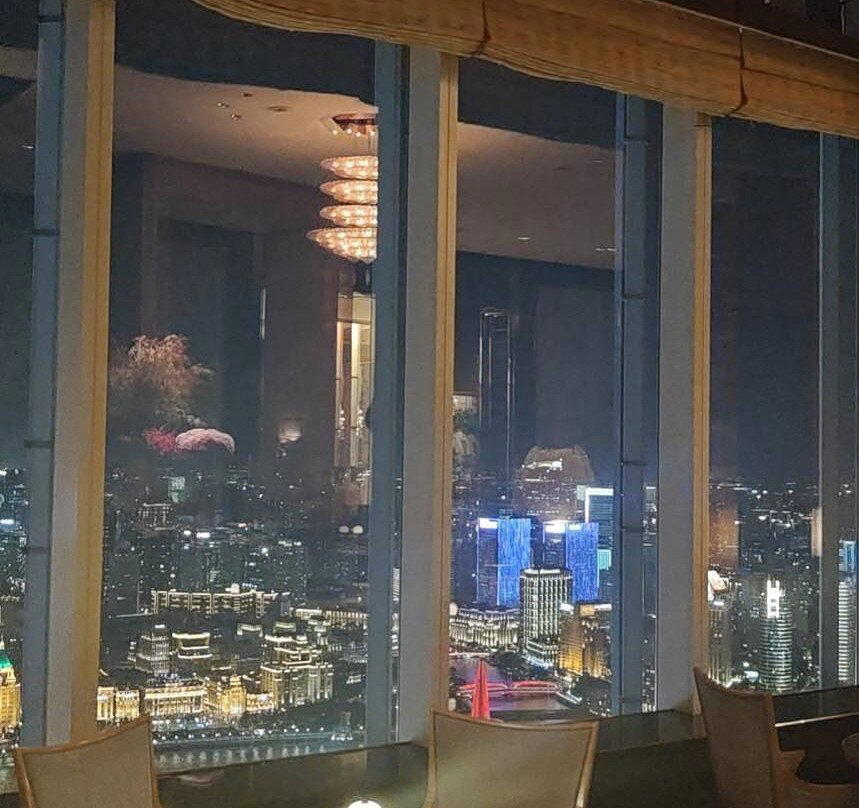
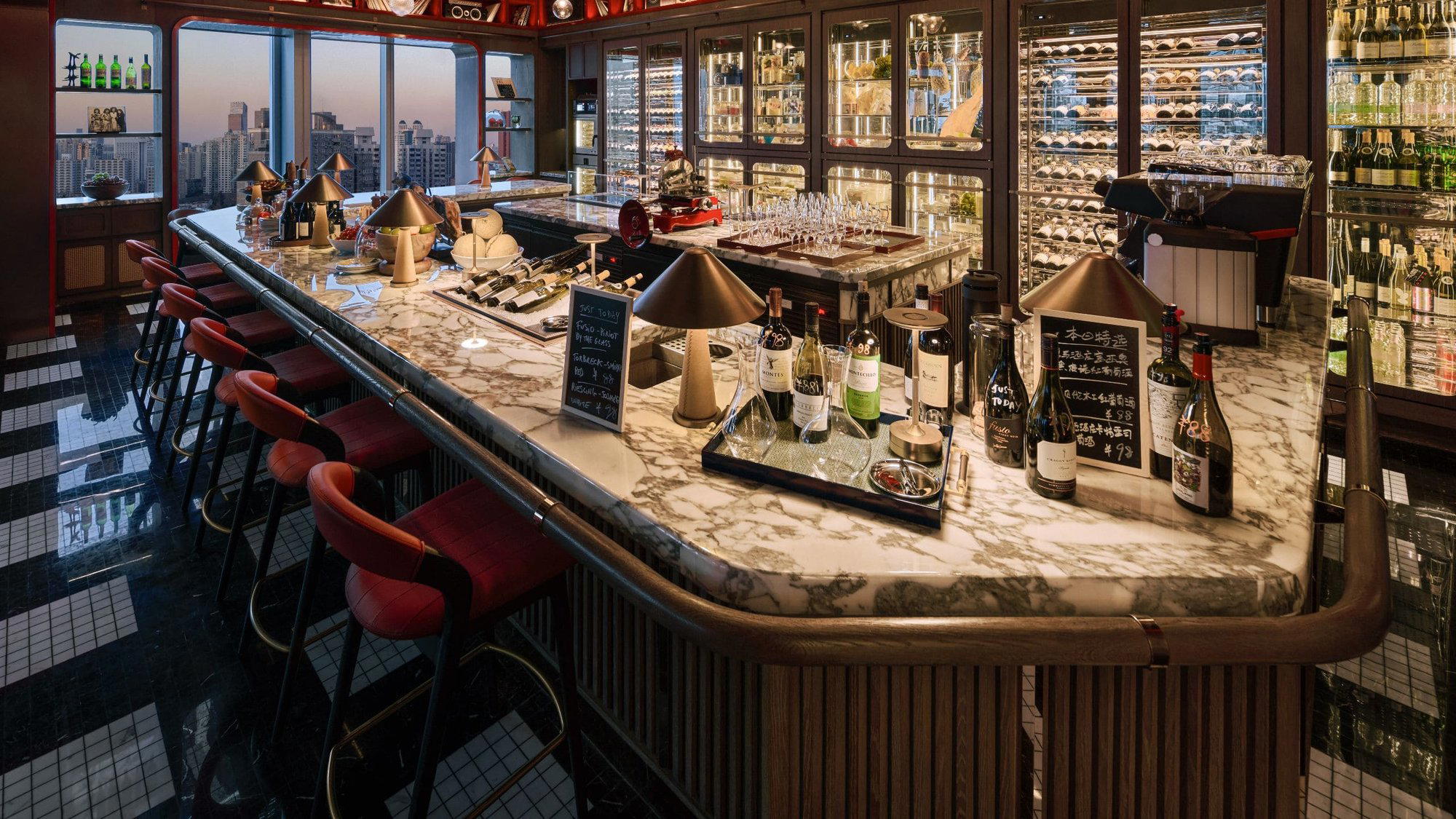
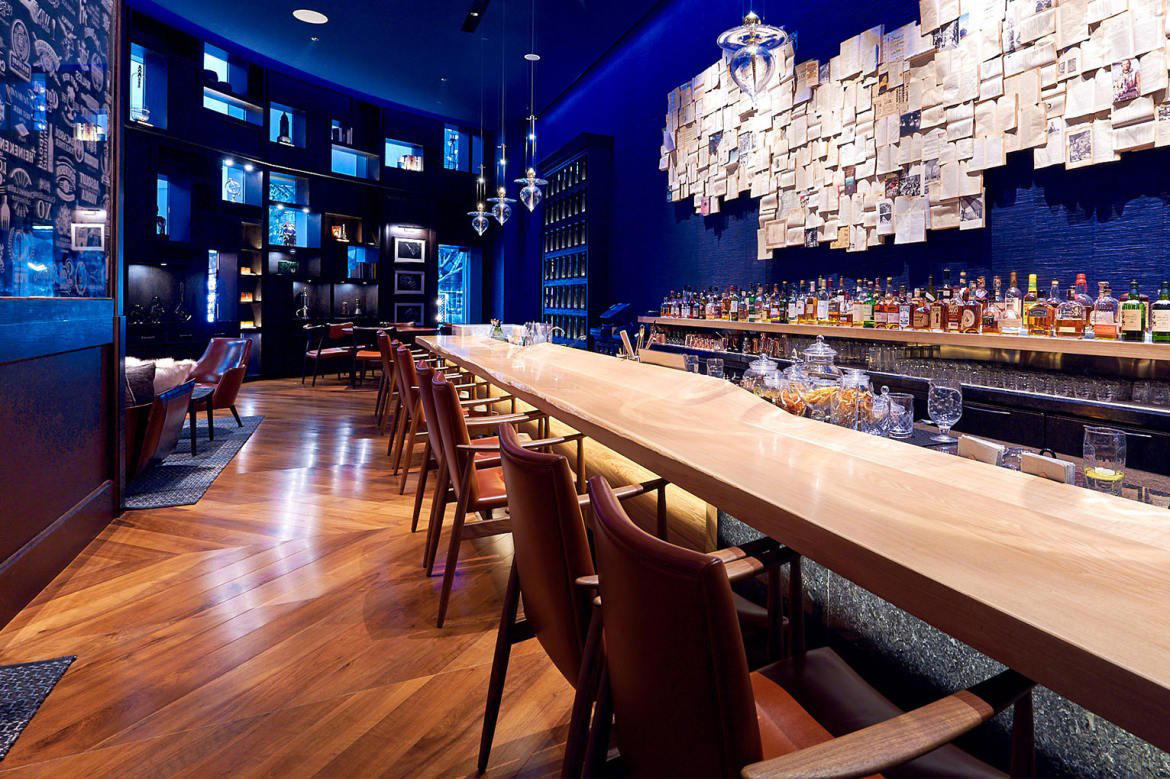
Low-lit, polished wood dining room with chiaroscuro lighting creating a mysterious and sophisticated atmosphere.