On Carrer de l'Argenteria in the heart of El Born, Taller de Tapes occupies one of Barcelona's most food-saturated streets, where the tapas format sits at the intersection of neighbourhood ritual and visitor expectation. The address places it squarely inside the city's casual dining circuit, where grazing culture and architectural heritage share the same pavement.
Pearl is the En Primeur Club membership app — saves, bookings, and concierge access live there. Same editors, same standards.
- Address
- Carrer de l'Argenteria, 51, Ciutat Vella, 08002 Barcelona, Spain
- Phone
- +34932688559
- Website
- tallerdetapas.com
- Directions
- Get directions
 Saves & bookings on Pearl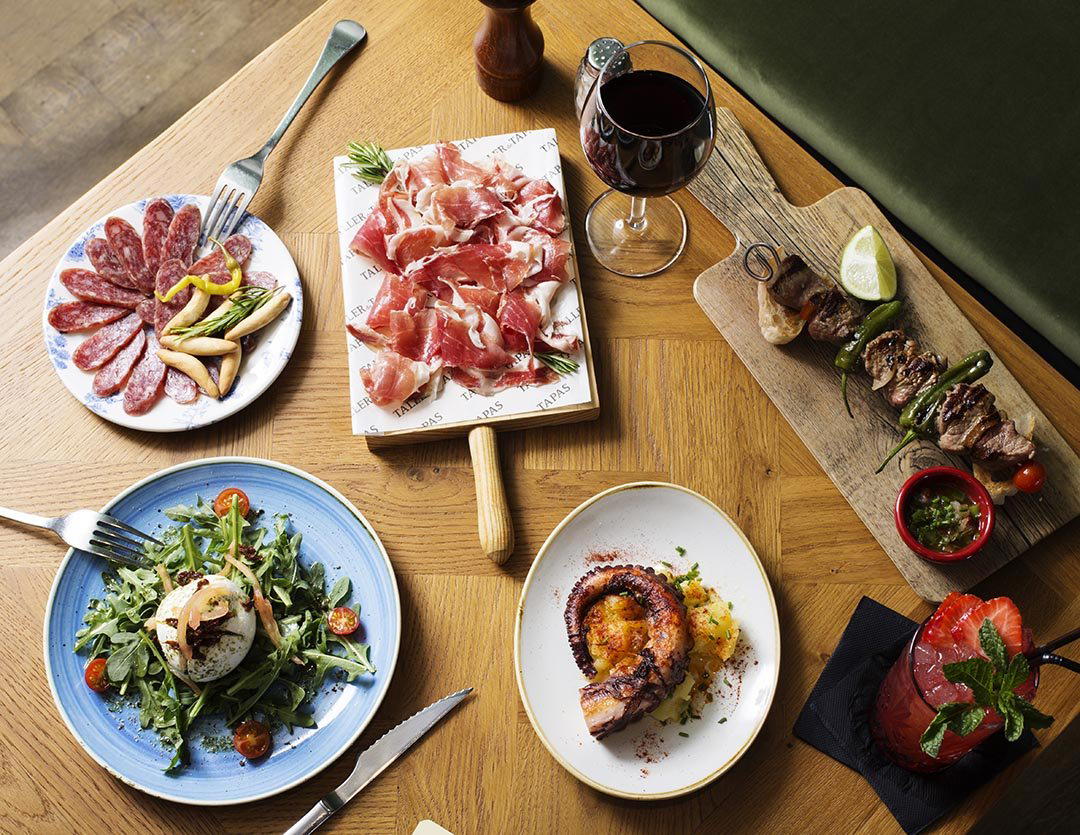
El Born's Tapas Circuit and Where Taller de Tapes Sits Within It
Carrer de l'Argenteria runs through the middle of El Born, a district that has done more than most Barcelona neighbourhoods to define how the city's casual dining culture presents itself to the outside world. The street connects the arc of the Gothic Quarter to the Basílica de Santa Maria del Mar, and the density of restaurants, wine bars, and tapas counters along its length means that a visitor choosing where to stop is making a decision about format and tone as much as about food. Taller de Tapes sits at number 51, inside this corridor, and its presence here is inseparable from what the address means: a pedestrian-heavy, heritage-framed stretch where the tapas tradition operates in full public view.
El Born's dining character has shifted noticeably over the past decade. The neighbourhood gentrified quickly after the city invested in the Born Cultural Centre and surrounding infrastructure, and the restaurant mix moved with it. What was once a locals-led circuit of vermouth bars and market stalls is now shared between long-established neighbourhood spots, design-conscious wine bars, and tourist-facing operations with laminated menus and outdoor seating. Taller de Tapes occupies the middle ground that most visitors are actually looking for: a recognisable tapas format on a street that rewards walking, with the El Born context doing significant atmospheric work before you order anything.
The Tapas Format in a City That Invented Pressure-Testing It
Barcelona's relationship with tapas is more complicated than Madrid's or San Sebastián's, partly because the city has always had one foot in the Catalan tradition of pa amb tomàquet and shared plates, and another in the broader Iberian tapas culture that arrived later and stuck. What this means in practice is that the format is under constant editorial pressure in Barcelona: from the high-end creative end represented by houses like Disfrutar (Progressive, Creative) and ABaC (Creative), which deconstruct the shared plate tradition entirely, down through mid-market venues that work within it seriously, and then to the volume operations that rely on foot traffic rather than kitchen credibility.
The El Born address situates Taller de Tapes firmly in the accessible tier of this spectrum, where the value proposition is proximity, approachability, and the social logic of grazing rather than tasting-menu progression. For a visitor who has already planned a dinner at Lasarte (Progressive Spanish, Creative) or Enigma (Creative), a lunch stop at a neighbourhood tapas address like this one serves a completely different function: it is where the city's food culture is most legible at street level.
Spain's wider dining canon, which includes houses like El Celler de Can Roca in Girona, Arzak in San Sebastián, and Mugaritz in Errenteria, operates in a register entirely separate from the tapas circuit. But understanding where venues like Taller de Tapes fit requires knowing that context: Spanish fine dining's global credibility has refined the entire category, including the neighbourhood tapas bar, because international visitors now arrive with a more sophisticated frame of reference than they did twenty years ago.
What the El Born Address Delivers Beyond the Plate
In Barcelona, neighbourhood identity does real work on a dining experience. El Born is one of the few areas of the city where medieval street layout, independent retail, and a high density of serious food operations coexist without one cancelling the others out. Carrer de l'Argenteria in particular benefits from proximity to the Santa Maria del Mar basilica, which anchors the southern end of El Born with enough architectural weight to slow foot traffic and encourage the kind of extended, pavement-level engagement that tapas culture depends on.
The timing of a visit matters here more than at a formal restaurant. The El Born tapas circuit works best in the hours that Spanish eating culture has long understood: a late lunch beginning around 2pm, or a pre-dinner round starting around 7pm before the city's main dining hour. Arriving in the early afternoon, when the street is less saturated with tourist foot traffic and the neighbourhood's working rhythm is still visible, changes the character of the experience significantly. This is true of Barcelona's casual dining addresses broadly, from the Barceloneta seafood counters to the Gràcia neighbourhood bars, but El Born's compact geography makes the timing effect more pronounced.
For those building a Barcelona itinerary that moves through multiple price points, the neighbourhood tapas format serves as connective tissue between the city's architectural programme and its formal restaurant calendar. A morning at the Picasso Museum on Carrer de Montcada, which runs parallel to l'Argenteria, followed by lunch at a tapas address, is the kind of sequence that uses El Born's density deliberately rather than accidentally.
Barcelona in Its Broader Spanish Context
Barcelona's casual dining circuit connects to a national tapas tradition that varies significantly by region. The pintxos bars of San Sebastián, represented at the leading end by Martin Berasategui in Lasarte-Oria, operate on a different social logic than Barcelona's seated tapas format. The rice-focused sharing culture of Valencia, where Ricard Camarena in València represents the creative upper tier, has its own distinct grammar. And the Andalusian tradition, anchored in venues like Aponiente in El Puerto de Santa María, inflects the sharing format through marine produce in ways that are specific to the Atlantic south.
Barcelona sits between these traditions geographically and absorbs influences from all of them, while the Catalan kitchen adds its own layer: the tradition of sofregit-based sauces, salt cod preparations, and the integration of mountain and sea produce that Catalan cooking has always organised around. A tapas address in El Born is operating within all of this historical context, whether or not that context is made explicit on the menu. For comparison, international visitors accustomed to the rigour of a counter like Atomix in New York City or the seafood authority of Le Bernardin in New York City will find the El Born tapas format a deliberately looser, more sociable proposition, one measured by conviviality and neighbourhood texture rather than technical precision.
Barcelona's restaurant scene spans everything from creative fine dining addresses, including Cocina Hermanos Torres (Creative), down through the neighbourhood operators that define daily eating in each district. Spain's creative dining circuit also extends well beyond the city, with houses like Azurmendi in Larrabetzu, Quique Dacosta in Dénia, Atrio in Cáceres, and DiverXO in Madrid representing the wider national range.
Planning Your Visit
Address: Carrer de l'Argenteria, 51, Ciutat Vella, 08002 Barcelona. Getting there: Jaume I metro station (L4) is the closest stop, placing the venue a short walk from both El Born and the Gothic Quarter. Timing: The El Born tapas circuit operates most authentically at Spanish lunch hours (2 to 4pm) or early evening (7 to 9pm); mid-afternoon visits outside these windows tend to catch the street at lower energy. Reservations: Recommended. Walk-in availability on this street varies significantly by season, with summer and weekend evenings carrying the highest foot traffic in the neighbourhood. Context: Position this address as part of a broader El Born sequence rather than a standalone destination; the neighbourhood rewards movement between the market, the basilica, and the dining strip.
Peers Worth Knowing
Comparable venues nearby, for context on price, style, and recognition.
| Venue | Cuisine | Price | Notes |
|---|---|---|---|
| Taller de TapesThis venue — the venue you are viewing | Traditional Spanish Tapas | $$ | Not listed |
| Tramendu El caliu de la brasa | Traditional Catalan Grill | $$ | la Bordeta |
| El Mercat | Traditional Spanish Tapas | $$ | la Dreta de l'Eixample |
| Demo Gastrobar | Modern Spanish Gastrobar Tapas | $$ | la Vila de Gracia |
| Olaberria Bcn | Authentic Basque Cuisine | $$ | Sant Gervasi - Galvany |
| TXALAPARTA | Authentic Basque Tapas & Pintxos | $$ | Sants |
Continue exploring
More in Barcelona
Restaurants in Barcelona
Browse all →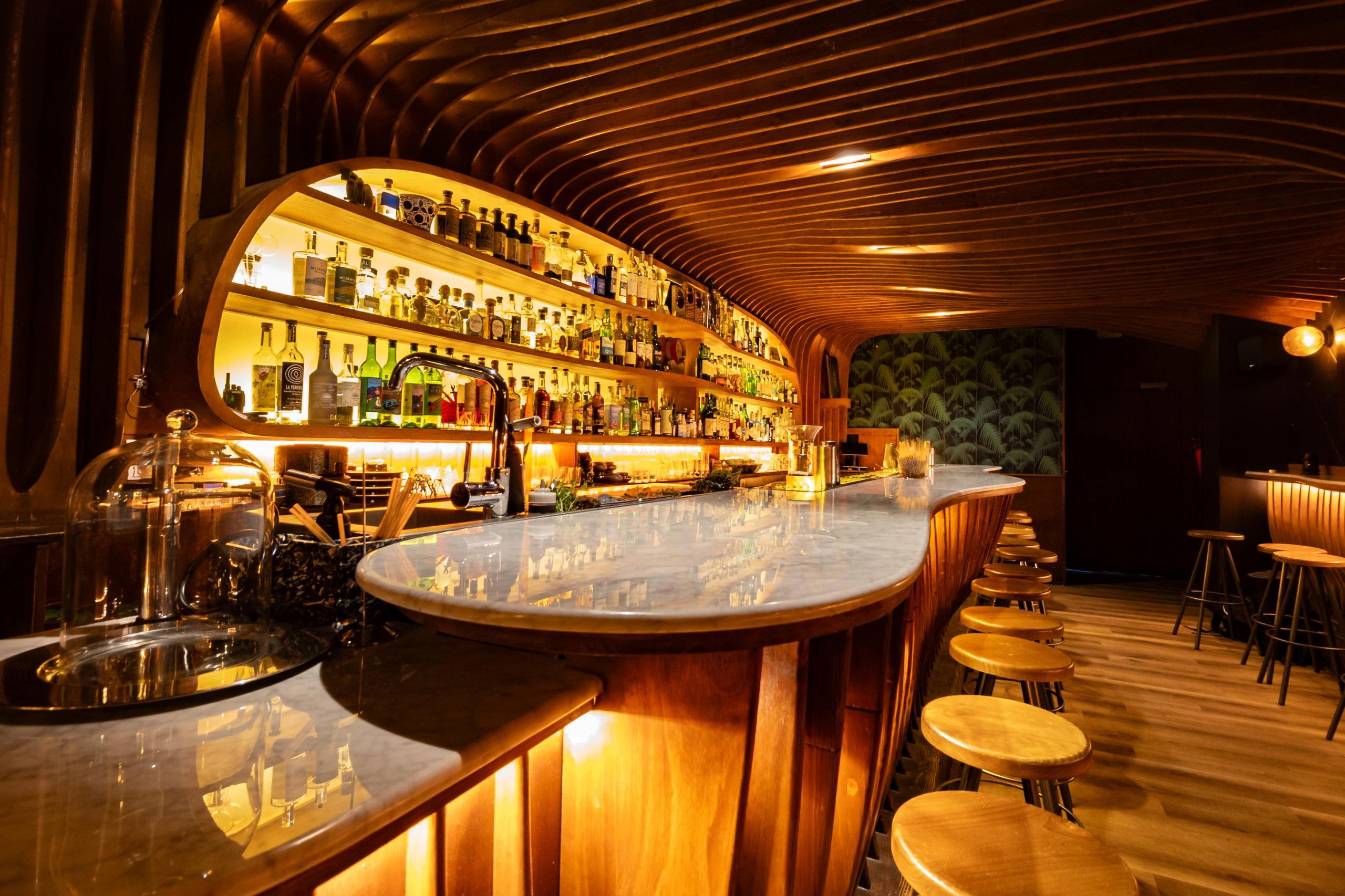
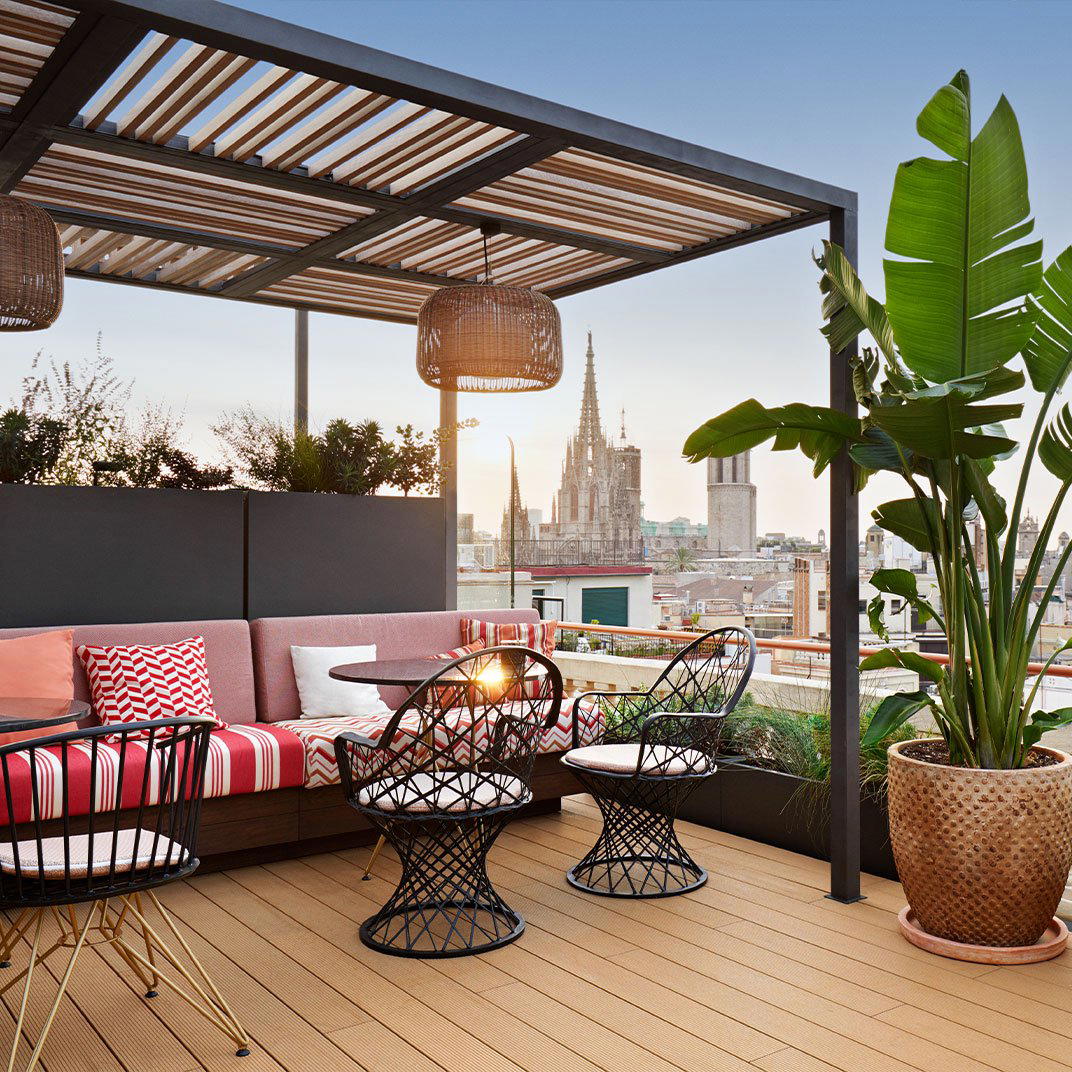
Bars in Barcelona
Browse all →
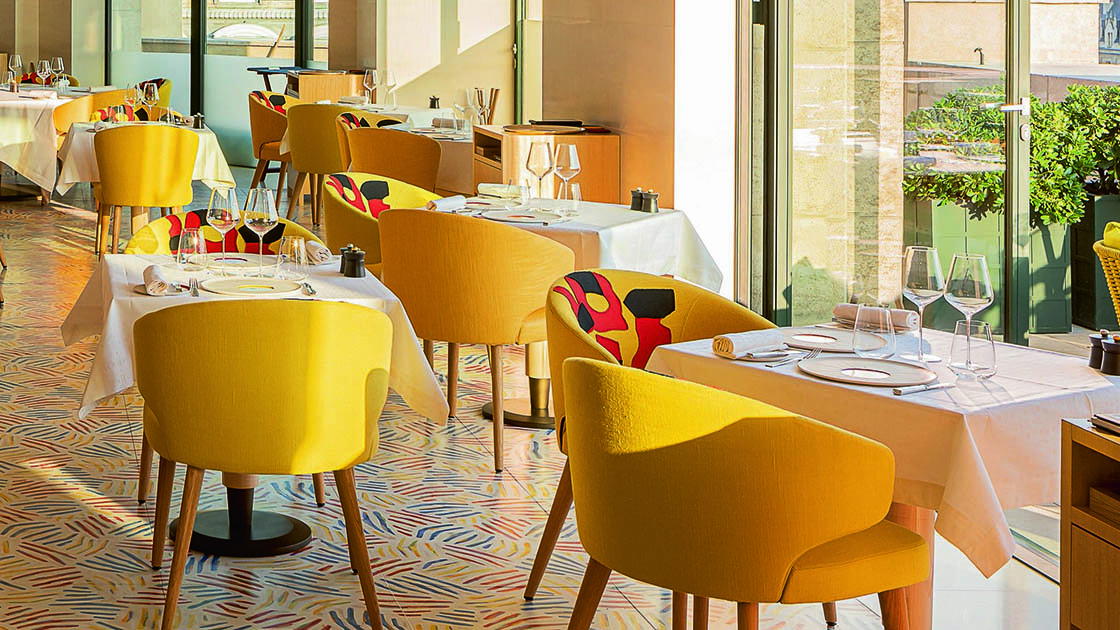
Hotels in Barcelona
Browse all →
At a Glance
- Lively
- Trendy
- Casual Hangout
- Group Dining
- Terrace
- Open Kitchen
- Extensive Wine List
- Local Sourcing
- Street Scene
Current opening hours
- Monday
- 12 PM–12 AM
- Tuesday
- 12 PM–12 AM
- Wednesday
- 12 PM–12 AM
- Thursday
- 12 PM–12 AM
- Friday
- 12 PM–12:30 AM
- Saturday
- 12 PM–12 AM
- Sunday
- 12 PM–12 AM
Hours can change for holidays and private events. Last verified .
Warm and inviting atmosphere with terrace seating for people-watching on lively boulevards.