On Praterstraße in Vienna's 2nd district, Taeko Ramen brings Japanese ramen technique to a city better known for Wiener Schnitzel and Tafelspitz. The address places it squarely in the Leopoldstadt neighbourhood, where a younger, internationally-minded dining crowd has been reshaping the local food scene for the better part of a decade. For anyone tracing Vienna's expanding pan-Asian dining tier, this is a reference point worth understanding.
Pearl is the En Primeur Club membership app — saves, bookings, and concierge access live there. Same editors, same standards.
- Address
- Praterstraße 55, 1020 Wien, Austria
- Phone
- +434312126749
- Website
- taeko.at
- Directions
- Get directions
 Saves & bookings on Pearl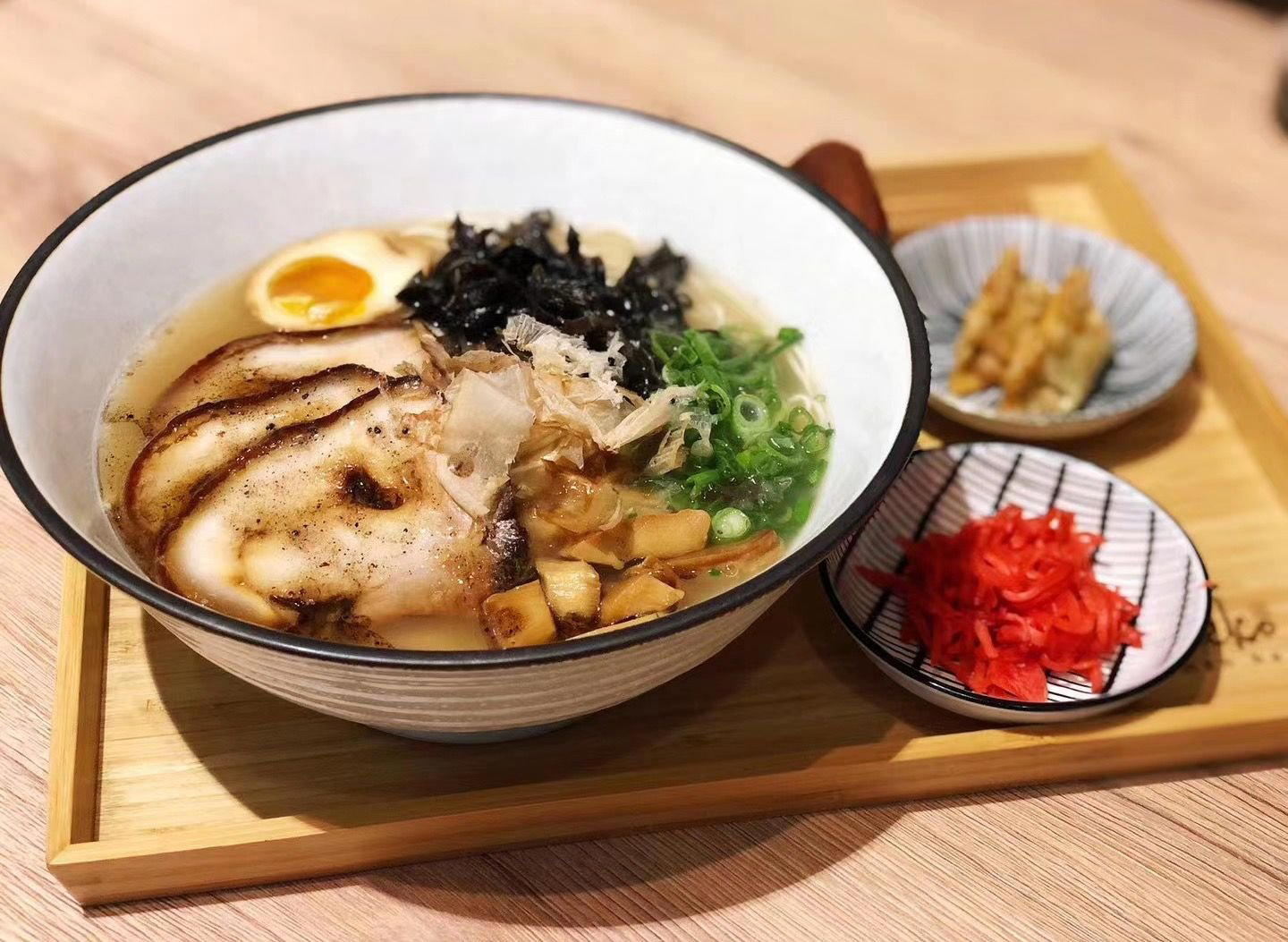
Ramen in the Shadow of the Prater: How Japanese Broth Culture Landed in Vienna's Second District
Japanese ramen reached European capitals in a particular sequence. London and Berlin absorbed it first, driven by large expat communities and high tourist volumes. Paris followed with a cluster of serious shops around the 13th arrondissement. Vienna came later, and its ramen scene remains smaller, more diffuse, and less documented than those in its western counterparts. Taeko Ramen is a Japanese ramen restaurant at Praterstraße 55, 1020 Wien, Austria, serving authentic Japanese ramen in Vienna's Second District.
The Leopoldstadt district, once the historic Jewish quarter of Vienna, has spent the past decade attracting a particular kind of operator: smaller, more focused, often immigrant-led, and oriented toward an international clientele that crosses between the 1st and 2nd districts daily. Ramen fits that pattern. It is a category that requires technical discipline, precise broth extraction times, controlled fat ratios, noodle hydration calibrated to the bowl, but relatively modest front-of-house infrastructure. A small room with focused execution can compete with much larger operations if the fundamentals are right.
Imported Method, Local Setting
The editorial angle that makes ramen in Vienna worth discussing is not novelty but transfer: specifically, what happens when a cuisine defined by its regional specificity in Japan, tonkotsu from Fukuoka, shoyu from Tokyo, miso from Sapporo, is transplanted to a city with its own deeply codified food culture. Vienna's culinary establishment, represented at its apex by restaurants like Steirereck im Stadtpark and Mraz & Sohn, has long operated at the intersection of Austrian product sourcing and international technique. The city's fine dining tier, which also includes Amador, Konstantin Filippou, and Doubek, has normalized the idea that imported method and local ingredient can coexist productively. Ramen shops operate at a different price tier and with a different cultural register, but the underlying logic is the same.
What distinguishes serious ramen outside Japan from tourist-oriented approximations is sourcing fidelity combined with local adaptation. The broth is the benchmark. A properly constructed tonkotsu requires pork bones cooked at a rolling boil for twelve hours or more to achieve the characteristic creamy opacity; a shoyu tare demands aged soy and careful seasoning calibration. These are not techniques that can be approximated with shortcuts. Whether the pork bones come from Austrian producers or are sourced specifically for their fat content, whether the noodles are made in-house or imported, these are the details that separate a ramen shop worth discussing from one that trades on aesthetic alone. Taeko Ramen's position on Praterstraße places it in a neighbourhood where that kind of operational seriousness tends to get noticed, because the customer base is informed enough to make comparisons.
For context on how far the technique-meets-local-sourcing model has travelled, consider Atomix in New York City, where Korean technique operates at the highest tier of American fine dining, or Le Bernardin, where French classical method has been applied to American seafood sourcing for decades. The transfer of method across geography is not inherently a compromise; it is, at its leading, a refinement driven by what the local supply chain offers.
Vienna's Ramen Position in the Austrian Context
Austria's most formally recognised restaurants sit outside Vienna as often as inside it. Döllerer in Golling an der Salzach, Obauer in Werfen, and Ikarus in Salzburg represent the national fine dining benchmark, while regional operators like Griggeler Stuba in Lech, Gourmetrestaurant Tannenhof in Sankt Anton am Arlberg, Kräuterreich by Vitus Winkler, Landhaus Bacher in Mautern an der Donau, Schwarzer Adler in Hall in Tirol, Ois in Neufelden, and Restaurant 141 by Joachim Jaud in Mieming maintain the country's standards across diverse formats and price tiers. Vienna's informal dining scene exists in a different register entirely, one that the formal awards infrastructure does not always capture. Ramen, as a category, operates below that radar, which means the shops that are genuinely good tend to build their reputations through word of mouth and repeat visits rather than critical coverage. That is not a disadvantage. It often produces more honest operations.
For a broader map of where Taeko Ramen fits within the city's overall dining picture, the full Vienna restaurants guide covers the range from fine dining to neighbourhood operators across multiple districts.
Planning Your Visit
Praterstraße 55 is accessible from the U1 line at Nestroyplatz, roughly a five-minute walk. The address sits on a stretch of the street that has accumulated independent operators over the past several years, which means the immediate surroundings reward a longer visit rather than a single-stop approach. Ramen, by its nature, is a lunch-or-early-dinner format in most European cities; broth-based shops tend to see the highest quality output in the first service of the day, when the broth has been freshly prepared and has not sat through multiple hours of service.
| Detail | The restaurant | Typical Vienna Ramen Peer | Vienna Fine Dining (e.g., Steirereck tier) |
|---|---|---|---|
| Price tier | Not confirmed | €–€€ | €€€€ |
| Booking required | Not confirmed | Usually walk-in | Essential, weeks in advance |
| Typical seat count | Not confirmed | 20 to 40 | 40 to 80 |
| Service format | Not confirmed | Counter or casual table | Full table service |
| District | Leopoldstadt (2nd) | Varies | Varies (1st, 3rd, 19th) |
Cuisine and Recognition
Comparable venues nearby, for context on price, style, and recognition.
| Venue | Cuisine | Price | Notes |
|---|---|---|---|
| Taeko RamenThis venue — the venue you are viewing | Authentic Japanese Ramen | $$ | Not listed |
| Ramen Makotoya Landstraße | Japanese Ramen | $$ | Wien-Mitte |
| Mochi Ramen Bar | Japanese Ramen Bar | $$ | Riesenrad |
| Mari's Metcha Market | Authentic Japanese Street Food | $$ | Neubau |
| Shokudo Kuishimbo | Authentic Japanese Izakaya | $$ | Mariahilf |
| Ichi go Ichi e | Japanese Ramen Bar | $$ | Landstrasse |
Continue exploring
More in Vienna
Restaurants in Vienna
Browse all →

Bars in Vienna
Browse all →
Hotels in Vienna
Browse all →


At a Glance
- Cozy
- Trendy
- Casual Hangout
- Group Dining
- Family
- Open Kitchen
- Sake Program
- Street Scene
Current opening hours
- Monday
- 11 AM–3 PM, 5:30–11 PM
- Tuesday
- 11 AM–3 PM, 5:30–11 PM
- Wednesday
- 11 AM–3 PM, 5:30–11 PM
- Thursday
- 11 AM–3 PM, 5:30–11 PM
- Friday
- 11 AM–3 PM, 5:30–11 PM
- Saturday
- Closed
- Sunday
- 1–11 PM
Hours can change for holidays and private events. Last verified .
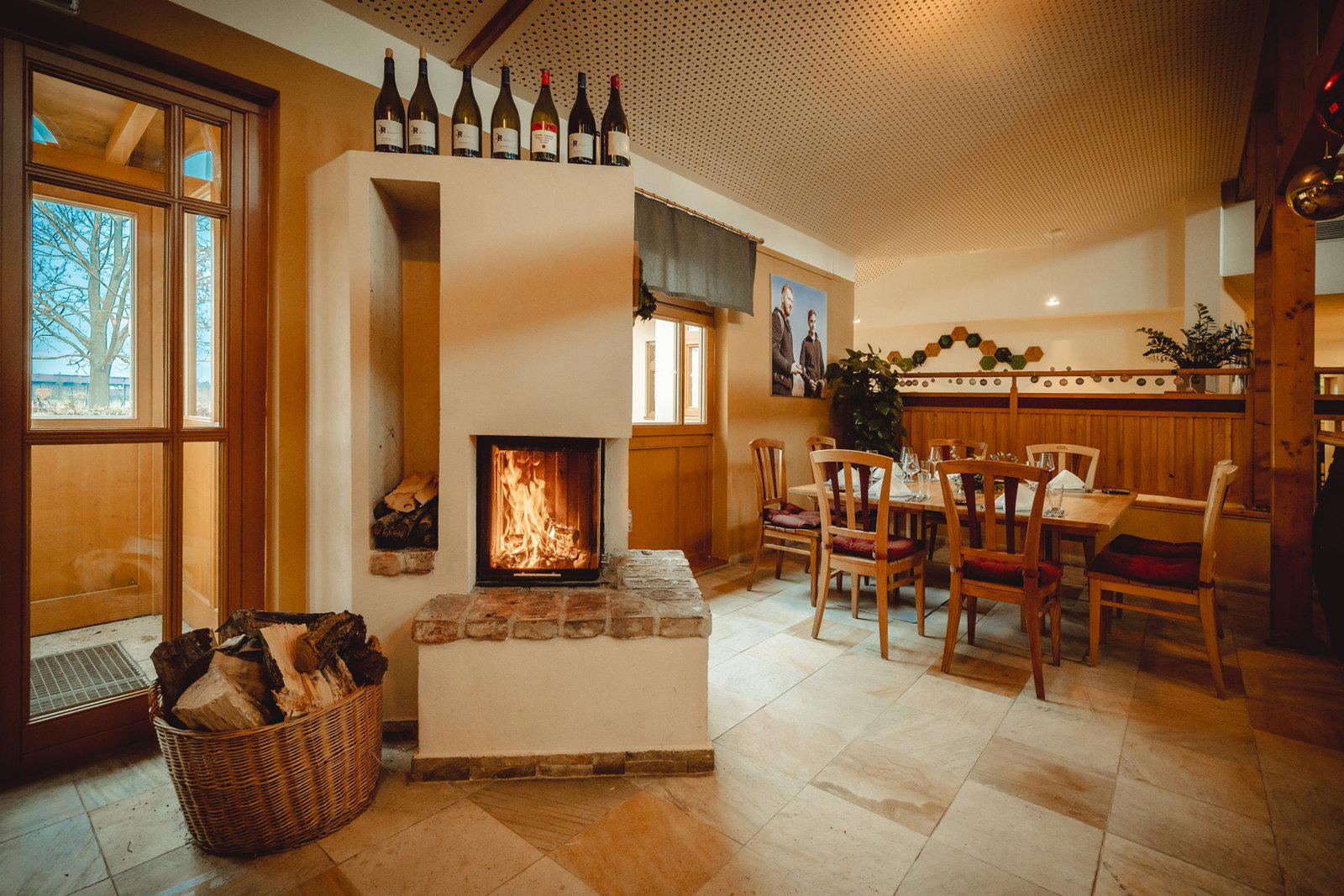
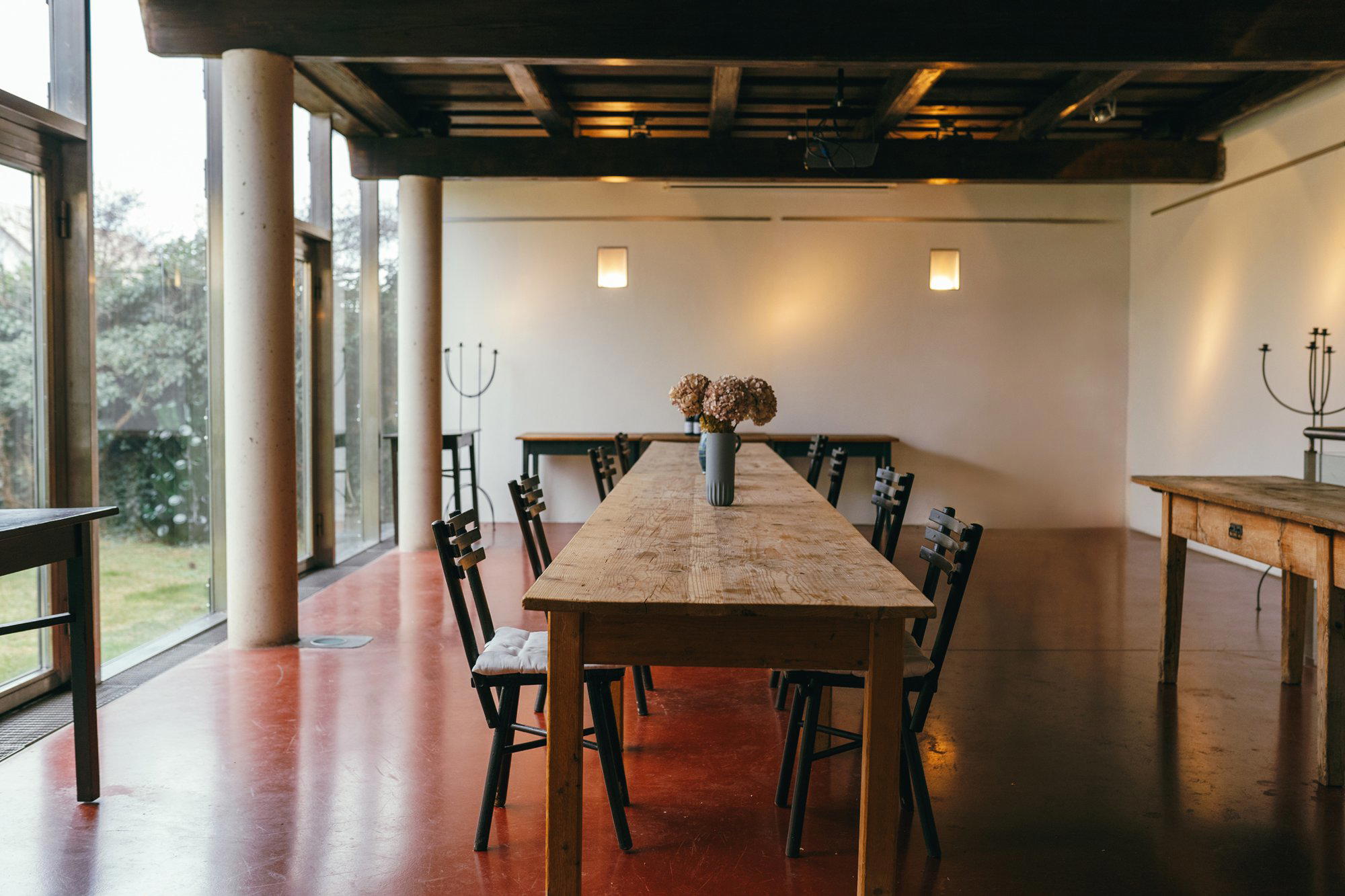
Casual and welcoming atmosphere with friendly service, nice background music, and lively energy suitable for conversations.