Tabule on Yonge sits on a stretch of Yonge Street that has quietly become one of Toronto's more consistent addresses for Lebanese and Middle Eastern cooking. The restaurant occupies a mid-casual tier in a city whose dining ambitions increasingly skew toward omakase counters and tasting menus, and it has earned a loyal neighbourhood following by holding a clear position in a cuisine category that Toronto's fine-dining conversation rarely centres.
Pearl is the En Primeur Club membership app — saves, bookings, and concierge access live there. Same editors, same standards.
- Address
- 2009 Yonge St, Toronto, ON M4S 1Z8, Canada
- Phone
- +14164833747
- Website
- tabule.ca
- Directions
- Get directions
 Saves & bookings on Pearl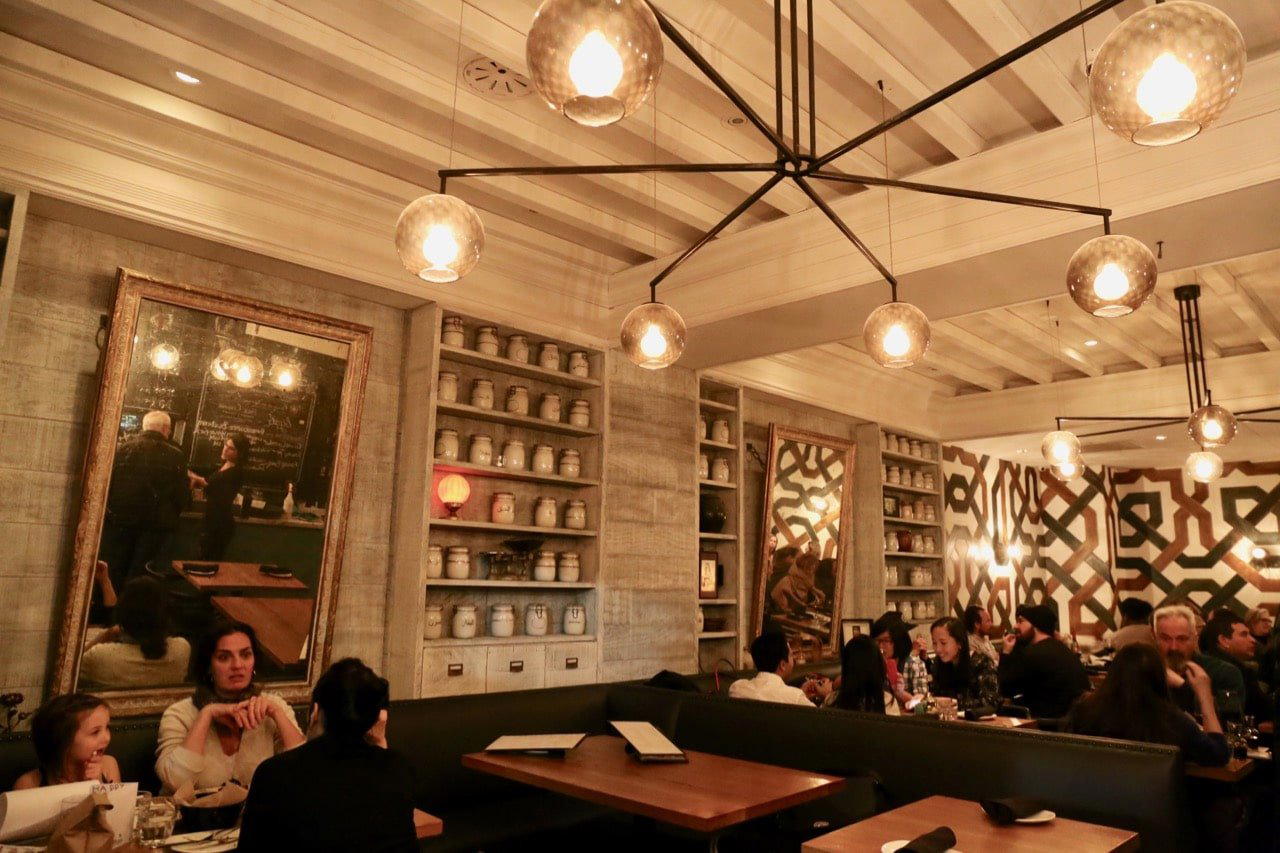
Yonge Street and the Middle of the Market
Toronto's restaurant conversation in 2024 pulls hard toward the extremes: the $300-per-head omakase counter typified by venues like Sushi Masaki Saito and Aburi Hana, or the approachable neighbourhood room that charges accordingly. The middle tier, where a kitchen asks for genuine technique without demanding tasting-menu commitment, has become harder to sustain in a city of rising rents and shifting expectations. Tabule on Yonge has occupied that middle position on a stretch of Yonge Street that runs through the Davisville-Yonge corridor, a residential strip whose dining options have gradually thickened over the past decade without ever generating the concentrated critical attention that Ossington or King West attract.
That relative quiet is part of what defines the experience here. The address, 2009 Yonge St, sits north of the Eglinton crossing, in a zone the city's food press visits less reflexively than it should. Lebanese cooking in Toronto has historically clustered around different postal codes, which makes this location something of an outlier, and that geography shapes who the room serves: largely local, largely repeat, with fewer of the occasion-dining tourists who fill rooms closer to downtown.
Lebanese Cooking in a City Still Figuring Out What to Do With It
Middle Eastern restaurants in Canada's major cities occupy an unresolved position in the dining hierarchy. The cuisine is widely eaten, genuinely popular, and almost never awarded at the level of the French-influenced or Japanese formats that dominate Michelin attention. That structural gap means kitchens working in this tradition tend to compete on consistency and value rather than prestige signals, and that competition runs both ways: it keeps prices accessible, but it also limits the room to charge for complexity. Tabule has operated within that reality since it established itself as a multi-location concept in Toronto, with the Yonge Street address serving as one node in a small group of linked sites rather than a single flagship.
The evolution of the broader Tabule operation reflects a pattern common to Lebanese restaurants that found audiences in the mid-2000s and early 2010s: initial positioning as a step above the falafel-and-shawarma casual tier, then gradual refinement as the city's general food literacy improved and its appetite for the format deepened. What started as a point of difference, Lebanese cooking presented with care and consistency in a sit-down room, has become a more competitive category as Toronto's Middle Eastern dining options have widened. That shift has pushed Tabule to define itself more precisely, leaning on the Yonge corridor's neighbourhood character rather than novelty.
The Room and What It Signals
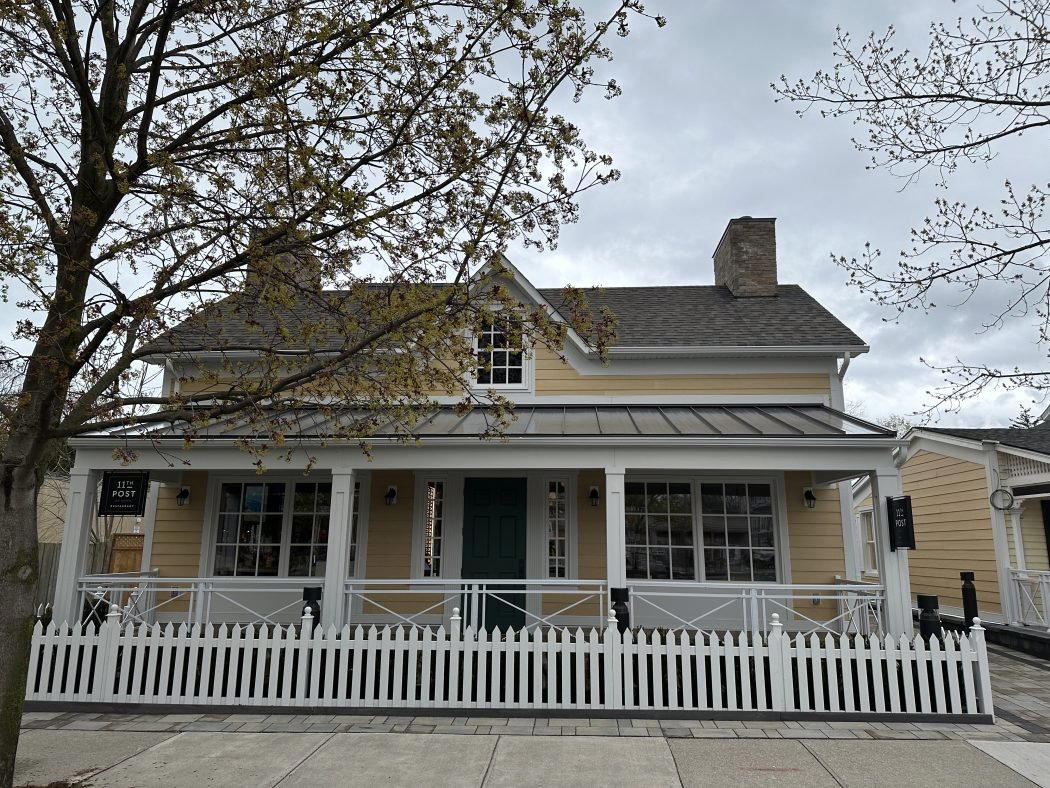
Approaching from either direction on Yonge, the restaurant reads as deliberately unpretentious: a street-level storefront that doesn't perform its ambitions from the outside. Inside, the format is casual enough that solo diners and small groups make up a visible part of the room at any given service. This is not the architecture of occasion dining in the mode of Alo or the Italian formality of Don Alfonso 1890. It is a room built for repeat visits, which is the correct ambition for a Yonge Street address at this latitude.
The experience of Lebanese dining in a room like this one differs structurally from what tasting-menu formats in Toronto have trained diners to expect. Meals are not sequenced with a chef's narrative; they are assembled from a spread of dishes that arrive with relative simultaneity, encouraging the table to eat communally and in its own order. That format places different demands on the kitchen, where consistency across many simultaneously prepared dishes matters more than the precision of a single composed plate. It also produces a different social register at the table, one that Toronto's most decorated rooms, from DaNico to the omakase tier, rarely attempt.
How the Category Has Shifted
The evolution of Lebanese and Levantine cooking in Canadian cities over the past fifteen years tracks a broader story about how immigrant cuisines move through the market. The genre entered most Canadian cities through affordable, high-volume formats. A second wave, which Tabule was part of, brought sit-down service, wine lists, and menus organised to present the full range of the cuisine rather than its most exportable hits. A third wave, still forming, is beginning to produce chefs who treat the cuisine as a starting point for more experimental work rather than a tradition to be faithfully reproduced. The Yonge Street location sits in that second generation, which makes it a useful reference point for understanding where the category has been and what the next iteration is pushing against.
Across Canada, the pattern holds in different cities. The same arc from casual to considered plays out in Montreal venues covered in our guide to Jérôme Ferrer - Europea in Montreal, and in the farm-to-table pivot that defines places like Eigensinn Farm in Singhampton or Restaurant Pearl Morissette in Lincoln. The question for a second-generation restaurant like Tabule is whether continued refinement or a sharper reinvention is the more durable path in a market that keeps adding options below and above its price point.
Where It Sits in Toronto's Broader Dining Map
For context on where Tabule on Yonge fits relative to the city's wider range of options, our full Toronto restaurants guide covers the spectrum from neighbourhood rooms to multi-award-holding counters. Tanière³ in Quebec City, AnnaLena in Vancouver, Narval in Rimouski, The Pine in Creemore, Aux Anciens Canadiens in Quebec, Barra Fion in Burlington, and Bearspaw Golf Club in Calgary illustrates how different formats address regional ingredients and expectations. For international comparison on what a more technically ambitious Middle Eastern-adjacent dining format can look like, Atomix in New York City and Le Bernardin in New York City represent the ceiling of what award recognition does to a restaurant's positioning and price architecture.
Planning Your Visit
A Pricing-First Comparison
Comparable venues nearby, for context on price, style, and recognition.
| Venue | Cuisine | Price | Notes |
|---|---|---|---|
| Tabule on YongeThis venue — the venue you are viewing | Davisville Village, Modern Lebanese | $$ | Not listed |
| Queen of Persia | Humewood, Authentic Persian | $$ | Not listed |
| Papyrus | Not listed | $$ | Playter Estates-Danforth, Authentic Egyptian |
| Romi's | Humewood, Israeli Bakery Café | $$ | Not listed |
| Laylak Lebanese Cuisine Toronto | Not listed | $$$ | Church-Yonge Corridor, Modern Lebanese Fine Dining |
| Tabule | Not listed | $$$ | South Riverdale, Traditional Lebanese Middle Eastern |
Continue exploring
More in Toronto
Restaurants in Toronto
Browse all →
Bars in Toronto
Browse all →
Hotels in Toronto
Browse all →

At a Glance
- Cozy
- Modern
- Group Dining
- Casual Hangout
- Date Night
- Open Kitchen
Current opening hours
- Monday
- 11:30 AM–9:30 PM
- Tuesday
- 11:30 AM–9:30 PM
- Wednesday
- 11:30 AM–9:30 PM
- Thursday
- 11:30 AM–9:30 PM
- Friday
- 11:30 AM–10 PM
- Saturday
- 12–10 PM
- Sunday
- 12–9:30 PM
Hours can change for holidays and private events. Last verified .
Warm and inviting atmosphere with tantalizing Middle Eastern aromas and friendly hospitality.