






Don Alfonso 1890 brings the Iaccarino family's Michelin-starred Southern Italian legacy to Toronto's waterfront, occupying the 38th floor of the Westin Harbour Square. Awarded a Michelin star in 2024 and ranked among La Liste's top restaurants globally, the kitchen runs an eight-course tasting menu that balances Amalfi Coast heritage with Canadian ingredient sourcing. The wine list spans nearly 5,000 bottles with depth across Piedmont, Tuscany, Burgundy, and Bordeaux.
Pearl is the En Primeur Club membership app — saves, bookings, and concierge access live there. Same editors, same standards.
- Address
- 1 Harbour Square 38th Floor, Toronto, ON M5J 1A6, Canada
- Phone
- +1 416-214-5888
- Website
- donalfonsotoronto.com
- Directions
- Get directions
 Saves & bookings on Pearl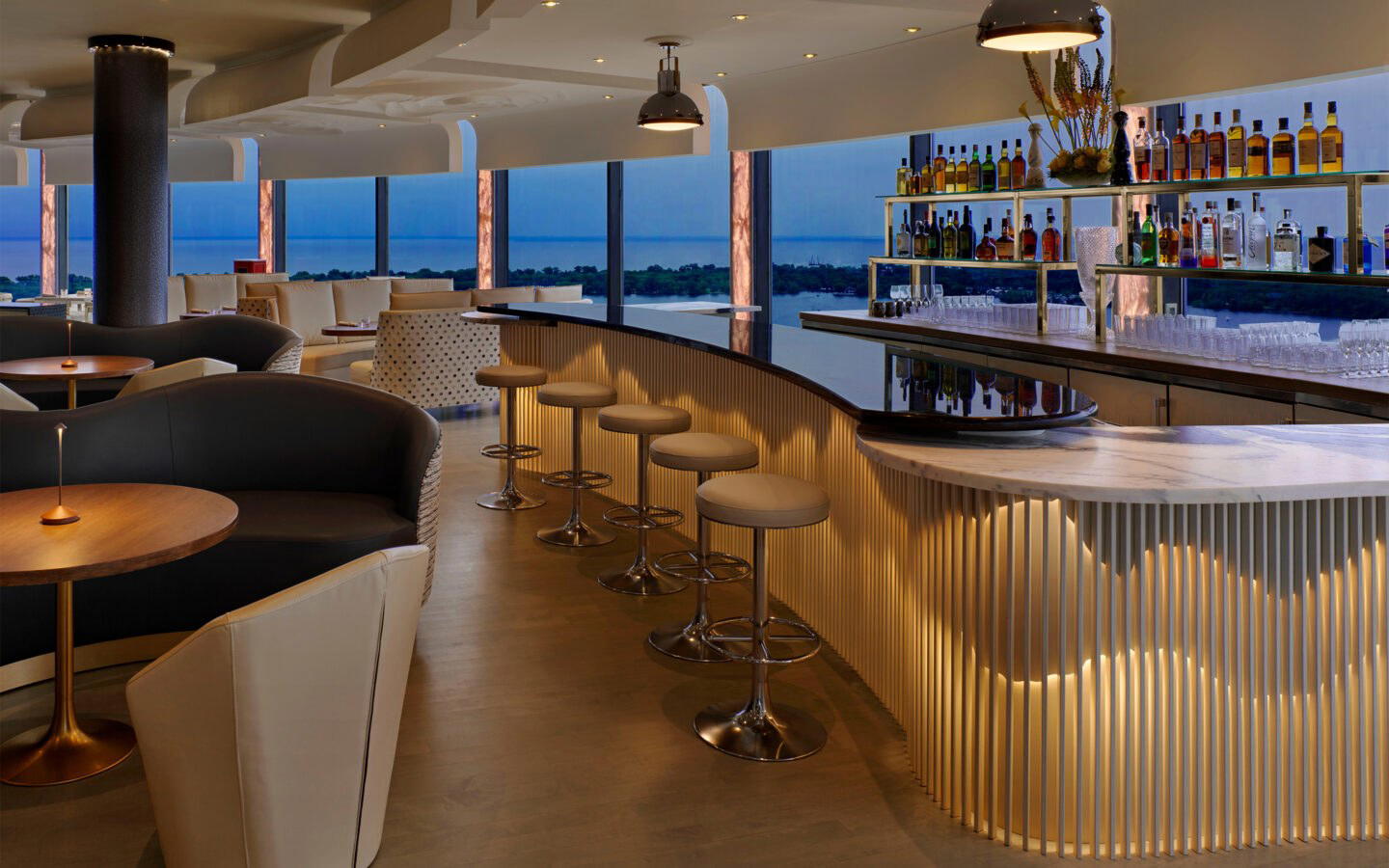
Thirty-Eight Floors Above the Harbour
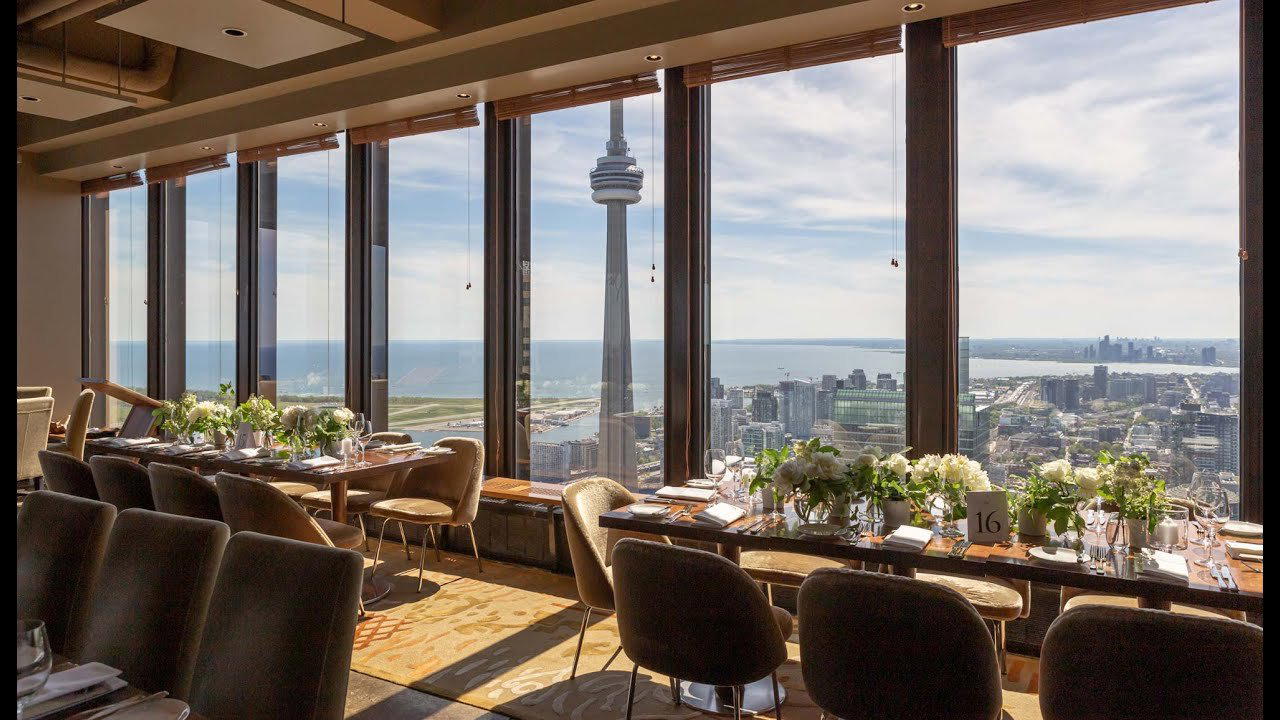
Don Alfonso 1890 is a one-star Michelin restaurant in Toronto, Ontario, with a price of about $225 per person. There is a specific kind of Toronto dining room that uses elevation as its opening argument. The city's waterfront, seen from the 38th floor of the Westin Harbour Square, offers the lake pressing out to the horizon on one side and the downtown grid tightening behind you on the other. Don Alfonso 1890 occupies this position, and the view is the first thing you register. Its first Michelin star arrived in 2024. The tension between spectacle and substance is exactly where the restaurant's identity sits.
Southern Italian Cooking in a Canadian Context
The Amalfi Coast's culinary tradition is built around a particular discipline: produce of near-obsessive provenance, restrained technique that defers to ingredient quality, and a coastal pantry anchored by seafood, citrus, and olive oil. The original Don Alfonso 1890, operated by the Iaccarino family in Sant'Agata sui Due Golfi, earned its reputation over decades in that tradition and holds recognition as the number-one Italian restaurant outside of Italy according to its category ranking. Transplanting that identity to Toronto requires more than replicating dishes; it requires a kitchen that understands which elements of the source tradition travel and which ones need Canadian re-anchoring.
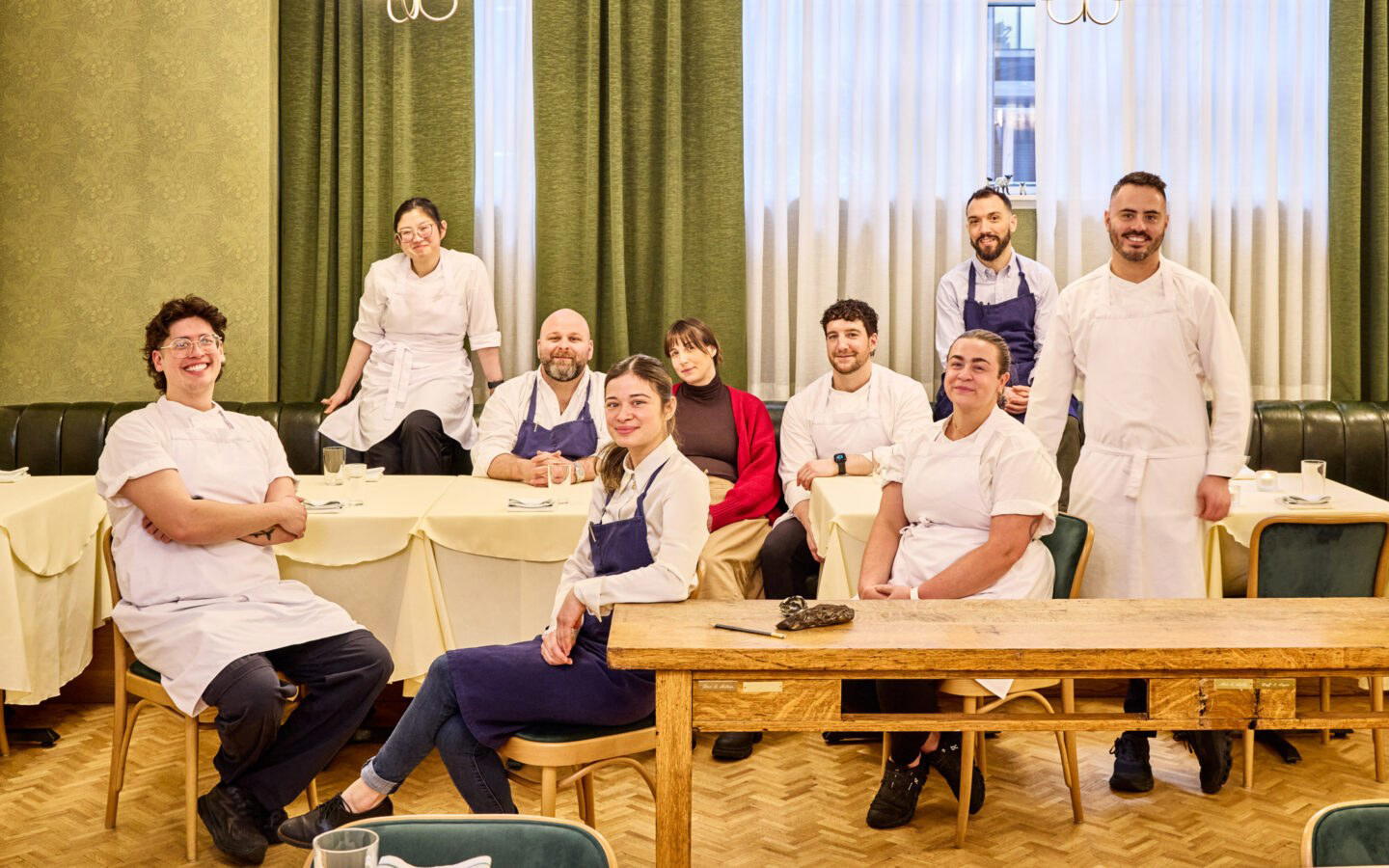
Chef Davide Ciavattella runs that translation at the Toronto address. The eight-course tasting menu moves between reference points: some dishes draw directly from the Amalfi original, including the wild-rose-scented tagliatelle with eel gelato that has become a signature of the family's broader culinary approach, while others are built around distinctly Canadian sourcing. This is not fusion in the diluted sense; it is a considered negotiation between a well-documented Southern Italian canon and the ingredient geography of Ontario. Compared to peers in Toronto's $$$$ contemporary tier, including Alo and Aburi Hana, Don Alfonso occupies a different conceptual position: it carries a named international lineage rather than emerging from the Toronto scene itself.
What the Kitchen Actually Does
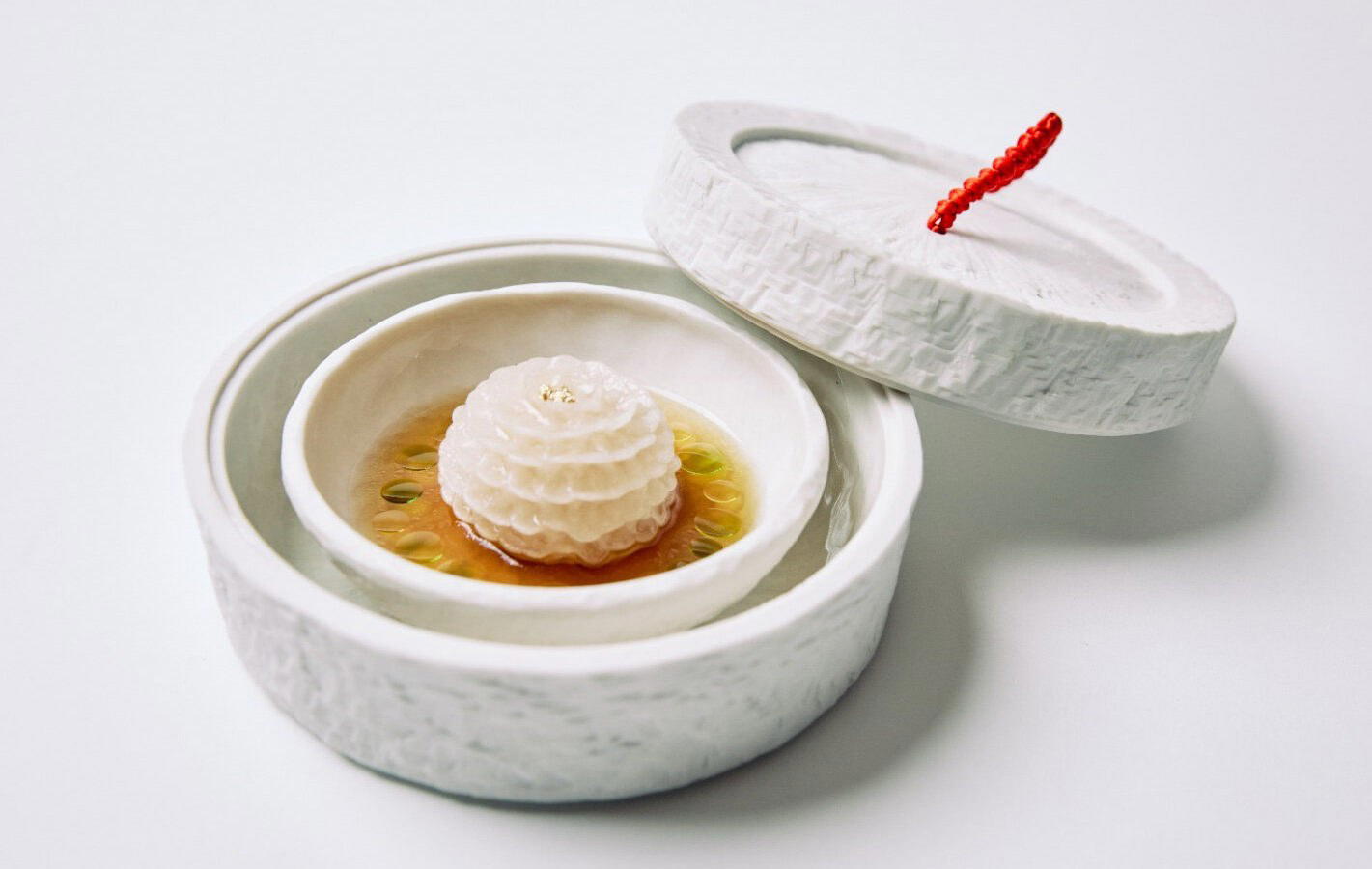
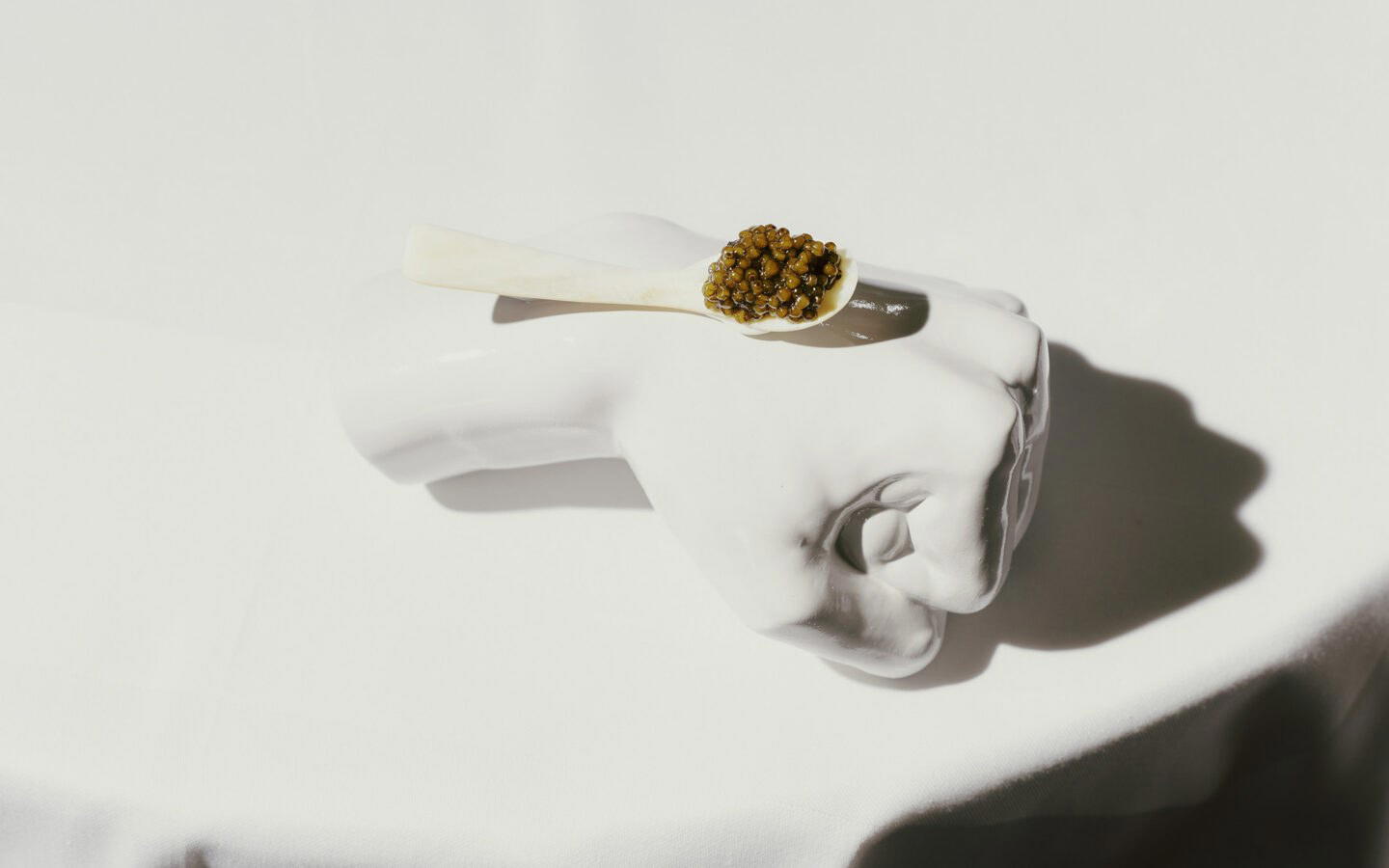
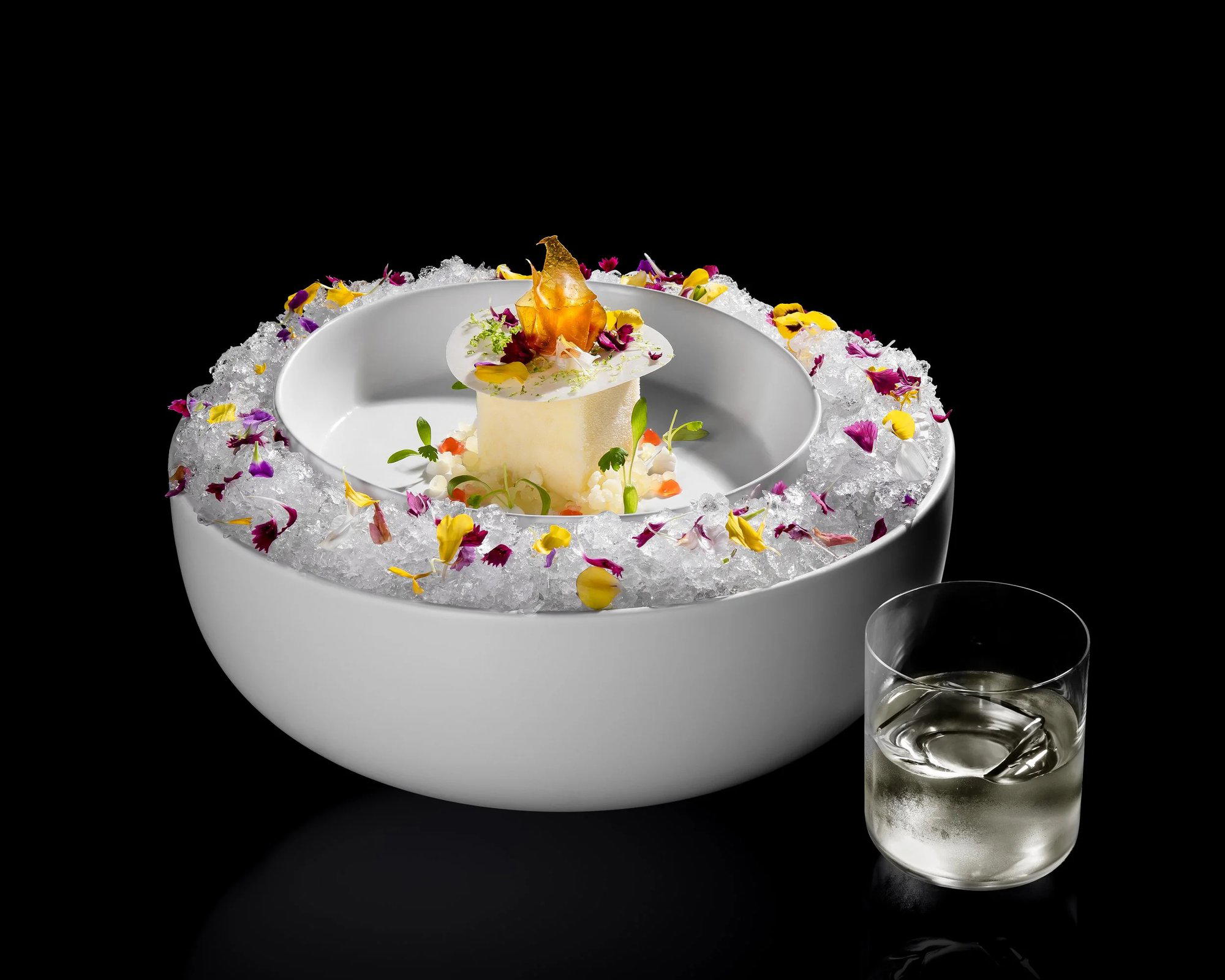
The menu's construction reflects a kitchen that treats texture and flavour as co-equal concerns. Documented dishes include a seared Muscovy duck that opens with confident intensity, vermicelli with mackerel and pine nuts where the interplay of technique and texture is deliberate, and a honey-glazed porchetta that demonstrates the kitchen's control of fat and sweetness. The presentation style, described by critics as maximal and artful, positions Don Alfonso closer to the theatrical end of the contemporary Italian spectrum than to the restrained modernist pole occupied by some of its Michelin peers.
The prix fixe format gives diners an alternative to the full tasting menu, but the eight-course route is where the kitchen's logic is most legible. Italian fine dining at this level is a category that Toronto has not historically been dense with; the city's Italian restaurant culture skews toward neighbourhood trattorias and mid-market regional cooking. Don Alfonso operates in a tier that has few direct local comparators, which makes its La Liste placement, 87 points in 2025 and 78 in 2026, a more meaningful signal than domestic ranking alone. For another perspective on how Italian cooking is developing in Canada's major dining cities, Jérôme Ferrer's Europea in Montreal offers a contrasting model of European culinary heritage adapted to a Canadian context. In Toronto itself, DaNico represents a younger, more casual Italian direction.
The Wine Program
A cellar of 4,900 bottles is substantial by any metropolitan benchmark. Wine Director Julie Garton oversees a list whose declared strengths run across Piedmont, Tuscany, Burgundy, Bordeaux, and Champagne, with pricing in the $$$ tier indicating a meaningful concentration of bottles above the $100 mark. For a restaurant rooted in Southern Italian cooking, the emphasis on Northern Italian regions, particularly Piedmont and Tuscany, reflects the broader prestige architecture of the Italian wine market rather than strict geographic fidelity to the Amalfi kitchen. That is a deliberate positioning choice: the list is designed to serve serious collectors and business dining as much as it is to complement individual dishes.
Sommeliers Jeffrey Roel, Justin Madol, and Felipe Avendaño work a floor where the wine list's depth can easily become its own navigation challenge. The team's role is to make 980 selections legible rather than overwhelming, and a list with this kind of Burgundy and Bordeaux depth places it in a comparable set more commonly associated with French fine dining than Italian. Among Canadian wine-forward restaurants, Restaurant Pearl Morissette in Lincoln represents a contrasting philosophy, built around the estate's own Ontario production rather than an international cellar. Both approaches serve a serious wine audience but from entirely different premises.
Where It Sits in Toronto's Fine Dining Picture
Toronto's Michelin-starred tier has grown in coherence since the guide's arrival in the city. The current cohort includes Japanese counters at different levels of formality, Sushi Masaki Saito at two stars and Aburi Hana at one, Canadian-influenced contemporary rooms like Edulis, and European-trained kitchens working through different lenses. Don Alfonso is distinctive within this group for being a franchise extension of an internationally recognised Italian restaurant rather than a Toronto-native concept. That carries advantages in terms of brand legibility and international diner familiarity, and it creates a different kind of expectation management: guests arriving with knowledge of the Amalfi original will be measuring the Toronto kitchen against a specific standard.
The broader Canadian fine dining scene offers useful comparators for understanding how international culinary lineages travel. Tanière³ in Québec City builds its authority from deep regional rootedness rather than imported heritage, while AnnaLena in Vancouver works a Pacific Northwest ingredient story. Don Alfonso's approach, anchoring a European fine dining identity in a major Canadian city, is closer in model to Fasano in São Paulo, which has sustained Italian fine dining authority in a South American context across multiple decades. The comparison is instructive: both restaurants trade on a named Italian heritage while building operational independence in their respective cities.
For New York diners familiar with how European lineages operate at the summit of North American fine dining, the model is recognisable. Le Bernardin in New York City demonstrates how a French culinary identity, maintained with rigour, can hold sustained relevance in North America over decades. Don Alfonso is at an earlier stage of that arc in Toronto.
Planning Your Visit
Don Alfonso 1890 operates Wednesday through Sunday, opening at 5 PM each evening and closing at 9:30 PM Thursday, 10 PM Friday and Saturday, and 9 PM Sunday. The restaurant is closed Monday and Tuesday. It occupies the 38th floor of 1 Harbour Square, placing it on Toronto's waterfront within reach of the financial district and the PATH network. The setting makes it a natural choice for occasions where the room needs to carry as much weight as the food, including business dinners and significant personal milestones, though the kitchen's Michelin recognition positions it equally for serious food-focused visits.
For a wider view of where Don Alfonso sits relative to Toronto's full dining range, see our full Toronto restaurants guide. If you are building a broader trip around the city, our Toronto hotels guide, bars guide, wineries guide, and experiences guide cover the surrounding options. Outside the city, The Pine in Creemore and Narval in Rimouski represent the range of what serious Canadian cooking looks like beyond the major urban centres.
What Regulars Order
What do regulars order at Don Alfonso 1890?
The eight-course tasting menu is the clearest expression of what the kitchen is doing, and documented dishes point toward the wild-rose-scented tagliatelle with eel gelato as one direct link to the Iaccarino family's Amalfi original. Among the menu's more grounded courses, the seared Muscovy duck and honey-glazed porchetta carry the strongest critical endorsements for flavour intensity and technical execution. On the wine side, the list's declared depth in Piedmont and Tuscany makes it the natural starting point for guests who want Italian regional pairings, while the Burgundy and Bordeaux selections serve those treating the cellar as an independent draw. The prix fixe remains an option for guests who want to engage with the kitchen's range without committing to the full tasting format, and the wine team's breadth across three sommeliers means the floor can navigate most pairing requests across both routes.
What It’s Closest To
Comparable venues nearby, for context on price, style, and recognition.
| Venue | Cuisine | Price | Awards | Notes |
|---|---|---|---|---|
| Don Alfonso 1890This venue — the venue you are viewing | Modern Italian Fine Dining | $$$$ | Michelin 1 Star | Not listed |
| Restaurant 20 Victoria | Modern Seasonal Tasting Menu | $$$$ | Michelin 1 Star | Church-Yonge Corridor |
| Osteria Giulia | Modern Northern Italian (Ligurian) | $$$$ | Michelin 1 Star | Annex |
| Alo | Modern French Fine Dining with Asian Influences | $$$$ | Michelin 1 Star | Queen West |
| Enigma Yorkville | Modern Contemporary Fusion | $$$$ | Michelin 1 Star | Bay Street Corridor |
| Kaiseki Yu-zen Hashimoto | Traditional Japanese Kaiseki | $$$$ | Michelin 1 Star | North York |
Recognition history
Dated appearances from independent guides and award organizations, with the underlying list record or original source where available.
Canada's 100 Best Restaurants #85
Canada's 100 Best
La Liste Top Restaurants
La Liste
Opinionated About Dining Top Restaurants in North America Recommended
Opinionated About Dining
Star Wine List
Star Wine List
Wine Spectator Best of Award of Excellence
Wine Spectator
Canada's 100 Best Restaurants #70
Canada's 100 Best
La Liste Top Restaurants
La Liste
Michelin 1 Star
Michelin
Wine Spectator Best of Award of Excellence
Wine Spectator
World Culinary Awards North America's Best Fine Dining Experience 2025 #1
World Culinary Awards
Michelin 1 Star
Michelin
Continue exploring
More in Toronto
Restaurants in Toronto
Browse all →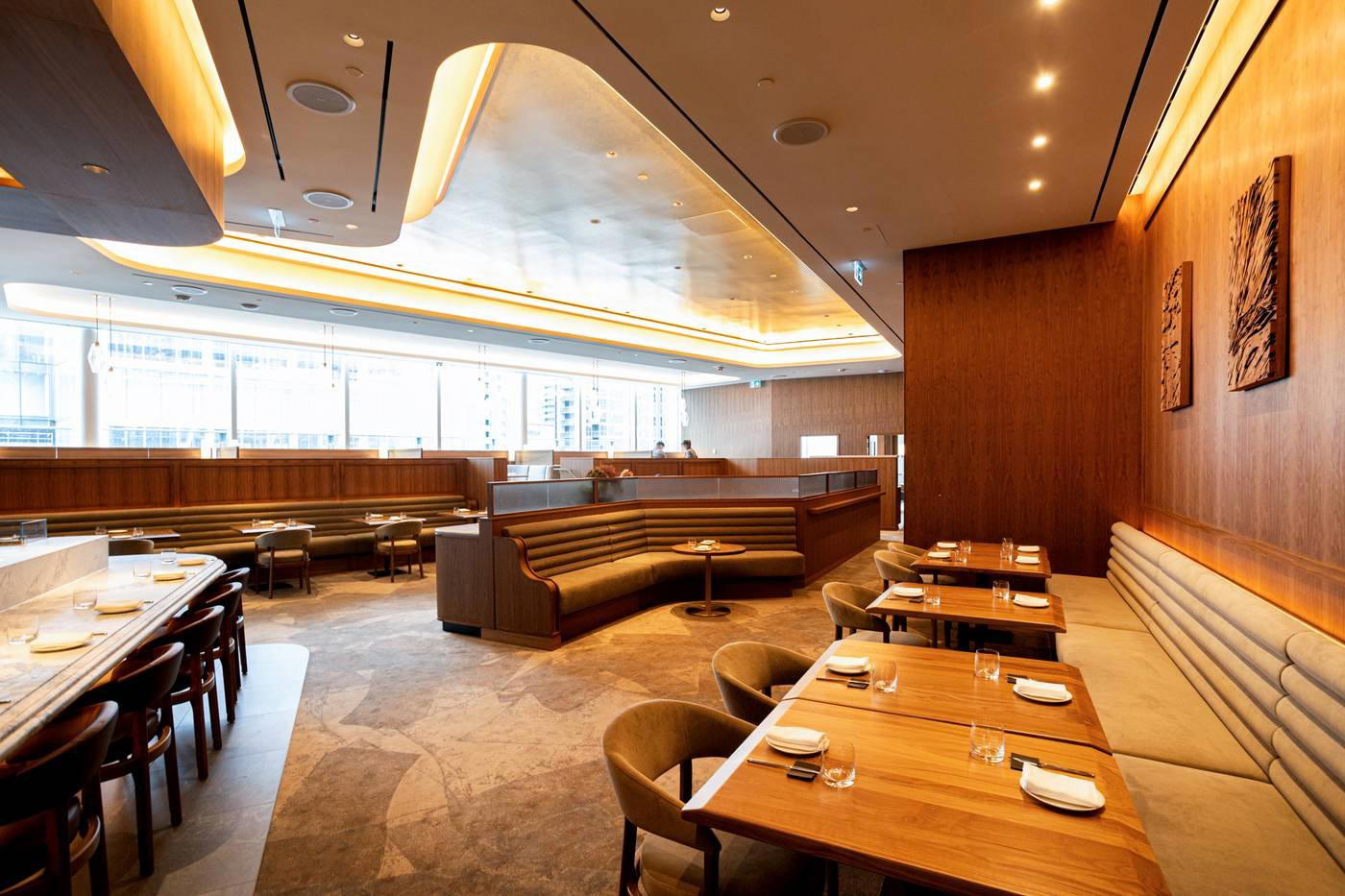
Bars in Toronto
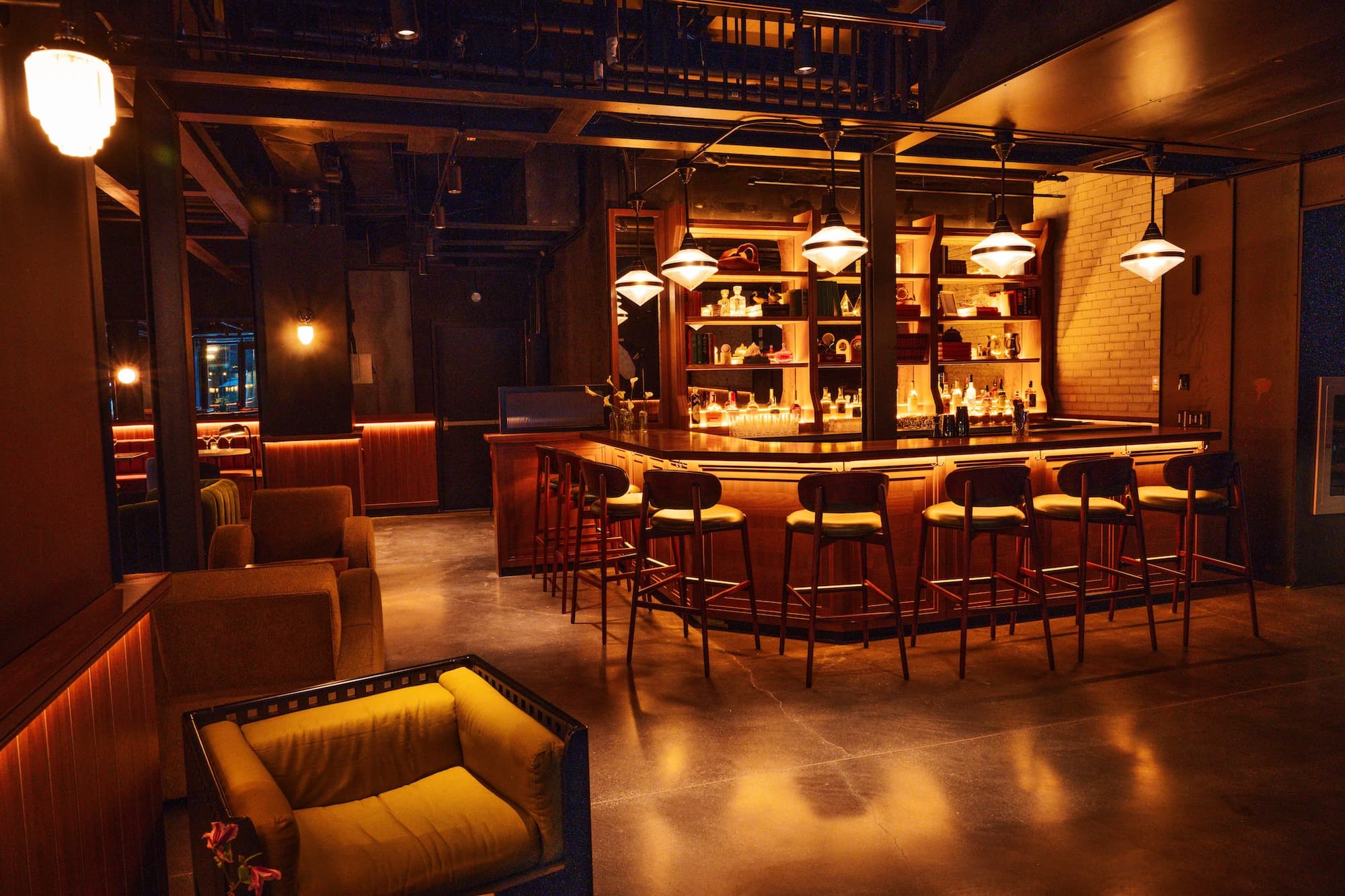
Browse all →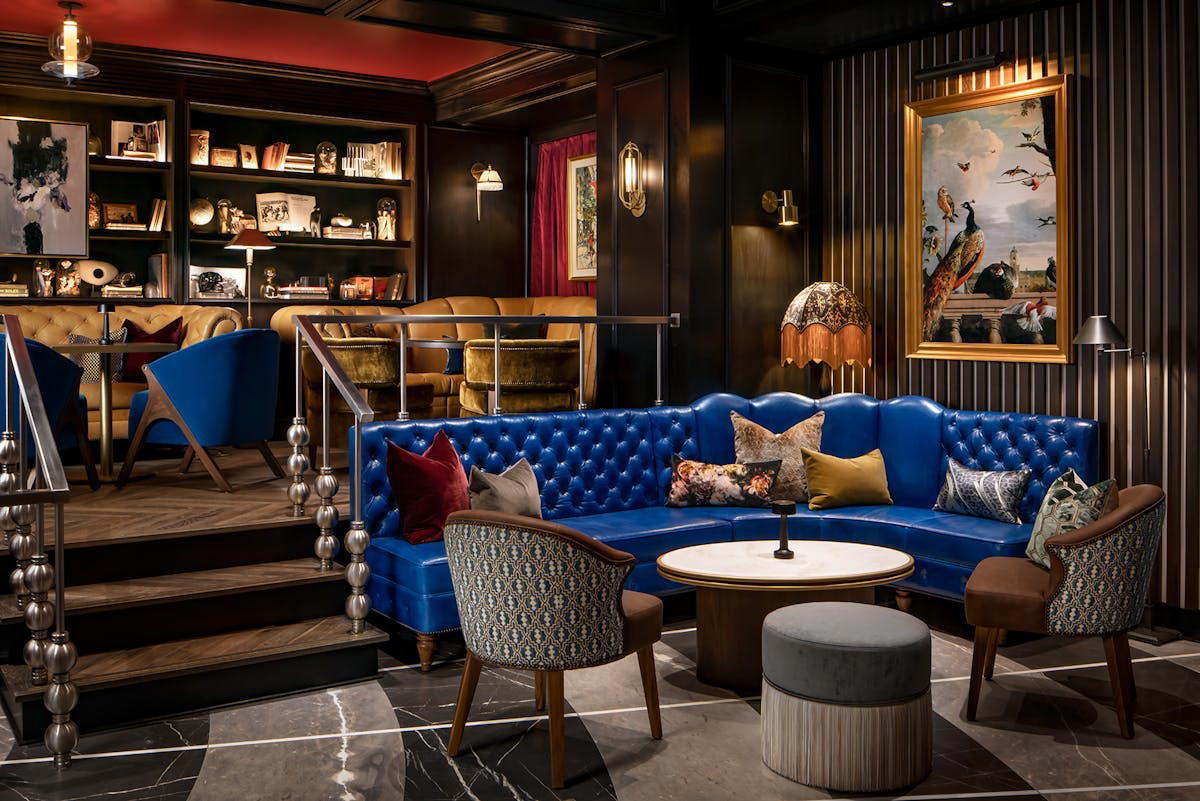
Hotels in Toronto
Browse all →

At a Glance
- Elegant
- Sophisticated
- Intimate
- Date Night
- Special Occasion
- Business Dinner
- Open Kitchen
- Historic Building
- Hotel Restaurant
- Extensive Wine List
- Sommelier Led
- Local Sourcing
- Organic
- Skyline
Current opening hours
- Monday
- Closed
- Tuesday
- Closed
- Wednesday
- 5–9 PM
- Thursday
- 5–9:30 PM
- Friday
- 5–10 PM
- Saturday
- 5–10 PM
- Sunday
- 5–9 PM
Hours can change for holidays and private events. Last verified .
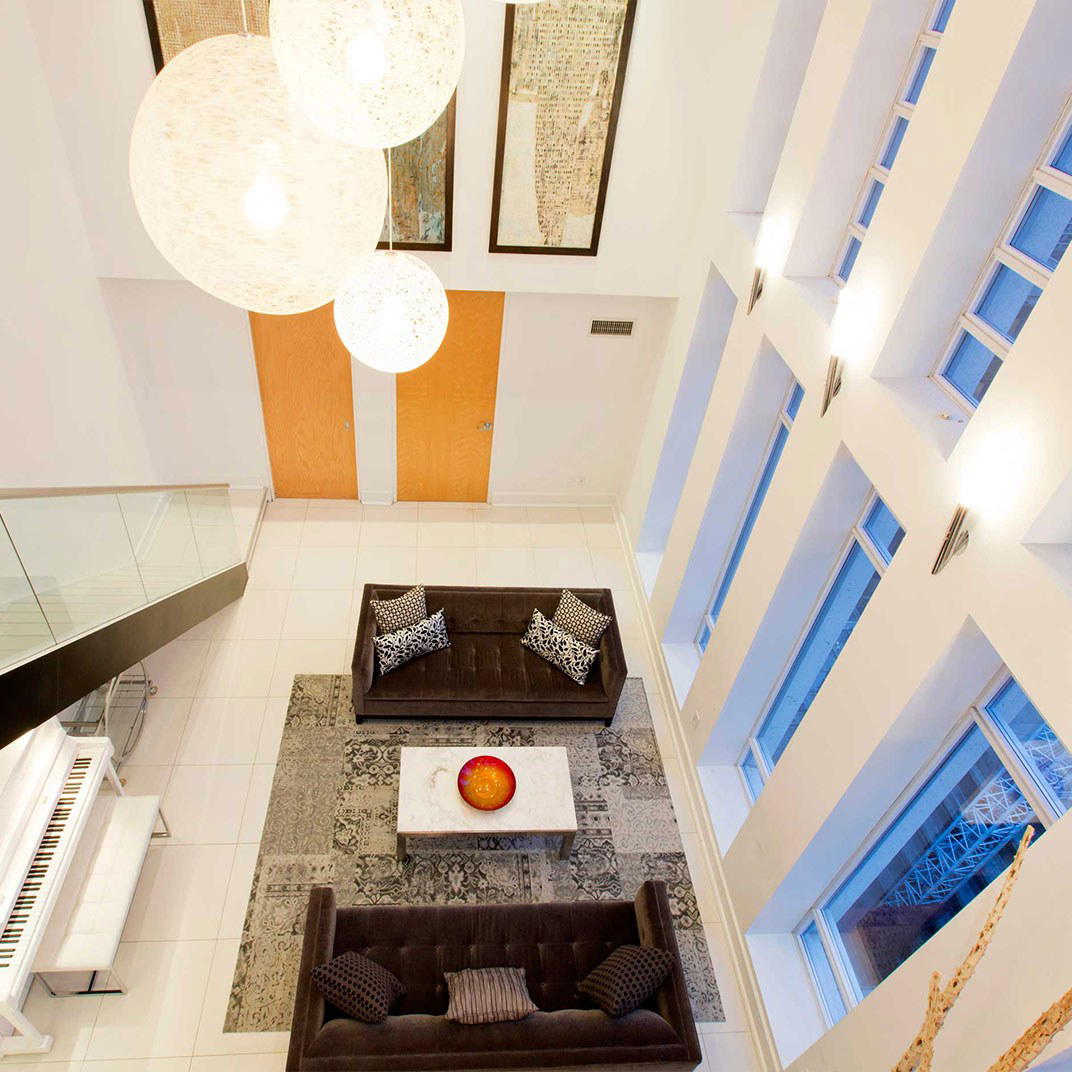
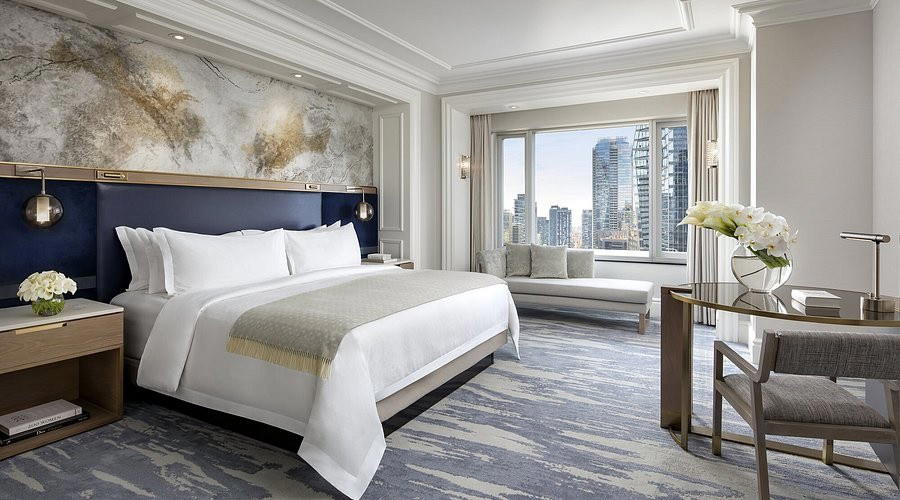
Elegant and warm atmosphere with high ceilings, floor-to-ceiling windows offering dramatic city views, and professional, attentive service.