On Toronto Street in the Financial District, Laylak Lebanese Cuisine occupies a different register from the city's dominant fine-dining tier. Where much of Toronto's premium scene runs toward omakase formats and tasting menus, Laylak positions Lebanese cooking as a serious sit-down proposition in a neighbourhood better known for expense-account steakhouses and power lunches.
Pearl is the En Primeur Club membership app — saves, bookings, and concierge access live there. Same editors, same standards.
- Address
- 25 Toronto St, Toronto, ON M5C 2R1, Canada
- Phone
- +16473688838
- Website
- laylak.ca
- Directions
- Get directions
 Saves & bookings on Pearl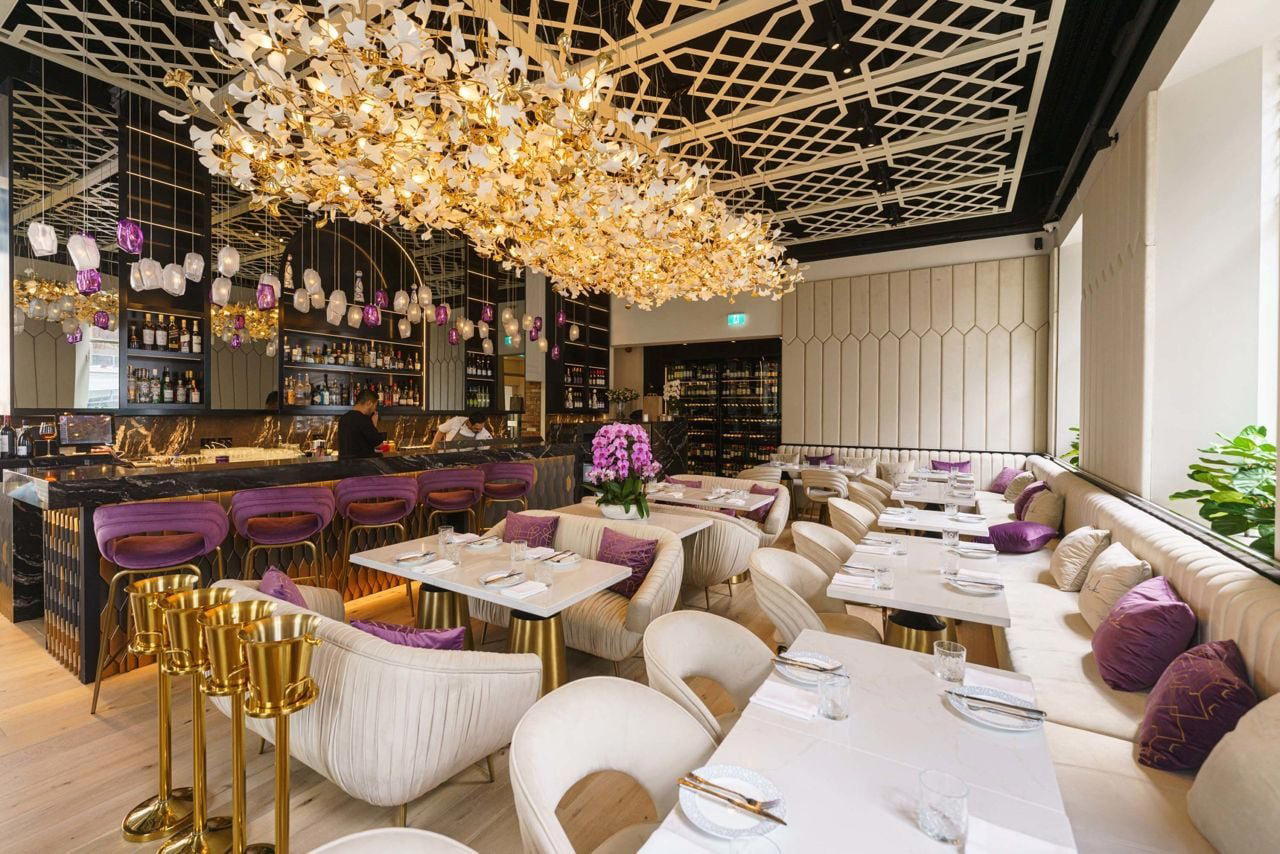
Toronto Street and What It Says About This Restaurant
Toronto Street is an unusual address for a Lebanese restaurant. The short, formal block connecting King Street East to Adelaide runs through the heart of the Financial District, flanked by heritage stone facades and office towers. The restaurants that have traditionally anchored this stretch serve a predictable rotation of business-lunch formats: grilled proteins, club sandwiches, expense-account wine lists. Laylak Lebanese Cuisine at 25 Toronto St sits inside that geography but operates outside its conventions.
Lebanese cuisine in Toronto has historically concentrated in the west end, particularly along Bloor West and in the suburbs of Mississauga and North York, where community density supported long-running family operations. The Financial District has rarely been the destination for this kind of cooking. That Laylak has positioned itself here speaks to a broader trend across Canadian cities: diaspora cuisines moving from neighbourhood enclaves into central business cores, reframing the question of what constitutes appropriate downtown dining.
Lebanese Cooking in a City of Tasting Menus
Toronto's premium dining tier is heavily weighted toward tasting-menu formats. Alo operates as a French-influenced tasting menu institution. Sushi Masaki Saito and Aburi Hana anchor the city's Japanese omakase tier. DaNico and Don Alfonso 1890 represent the Italian fine-dining bracket. What is less populated in the city's upper-middle tier is serious Lebanese cooking presented with the same attention to setting and service that these categories command.
Lebanese cuisine is structurally well-suited to urban dining rooms. The mezze tradition allows a table to share broadly, ordering across cold plates, warm dishes, and proteins at whatever pace suits the occasion. That flexibility, common in the cuisine's homeland and across the Lebanese diaspora in cities like Paris, São Paulo, and London, translates directly to the business-lunch or early-evening-dinner format. A table can spend ninety minutes working through a spread of hummus, kibbeh, fattoush, and grilled meats, or linger considerably longer. The cuisine does not require a linear structure the way a tasting menu does.
This makes Laylak's Financial District location legible. The neighbourhood demands a certain operational tempo during weekday lunches and a different register on weekend evenings, and Lebanese mezze accommodates both without forcing the kitchen into a different mode. Across the broader Canadian fine-dining conversation, which includes destinations as different as Tanière³ in Quebec City and AnnaLena in Vancouver, the challenge for any restaurant is finding a format that serves both the destination diner and the neighbourhood regular. The shared-plate tradition does that work efficiently.
The Neighbourhood as Context
Understanding Laylak requires understanding what the Financial District does and does not do well as a dining neighbourhood. At lunch, it generates high foot traffic from office workers who want fast and reliable options. At dinner, that population largely drains out toward King West, the Entertainment District, and Yorkville, which means restaurants that survive in this corridor after dark have to attract diners willing to travel to an unfashionable address. Some do this through reputation, others through value, and some through a combination.
The heritage architecture along Toronto Street, including the facades of former bank buildings and the preserved scale of the block, creates an environment that reads as more considered than a typical commercial strip. This matters for a restaurant that is not operating in an obvious dining cluster. Arriving at 25 Toronto Street does not feel like arriving on King West's restaurant row, and that separation from the city's more competitive dining corridors cuts both ways. There is less ambient foot traffic to capture, but there is also less direct competition on the same block.
For diners exploring Toronto's broader dining scene, the Financial District's quieter evenings have a practical upside: restaurants in this corridor are generally more approachable on short notice than their equivalents in higher-traffic neighbourhoods. This contrasts sharply with Toronto's most reservation-intensive operations, which include omakase counters booking weeks or months ahead. The operational pressure is different here, and that difference shapes the pace and character of an evening.
Lebanese Cooking and the Canadian Urban Dining Moment
Across Canada's major cities, Middle Eastern and Levantine cuisines are in the middle of a repositioning. What was once filed under "ethnic food" in the older critical vocabulary has been reassessed, partly through critical attention and partly through generational shifts in the dining public. In Montreal, Jérôme Ferrer's Europea represents the French fine-dining pole of that city's scene; the Levantine tradition occupies a different register but is gaining serious attention in parallel. In Ontario, the conversation extends well beyond Toronto: restaurants like Pearl Morissette in Lincoln and The Pine in Creemore suggest an appetite for specificity and provenance in dining that reaches far outside the city core.
Lebanese cooking fits this moment well because it has a documented and sophisticated culinary tradition that does not require interpretation through a European lens to read as serious. The techniques, the ingredient logic, and the sharing formats all hold up under critical scrutiny. The challenge for any Lebanese restaurant in a Canadian business district is communicating that seriousness to a dining public that may still associate the cuisine primarily with fast-casual shawarma counters rather than sit-down restaurants. That communication happens through the room, the service, and the depth of the menu, rather than through awards or chef credentials.
For context on how Canadian dining is evolving across different formats and price points, the EP Club Toronto guide covers the city's full dining range alongside destinations like Eigensinn Farm in Singhampton and Aux Anciens Canadiens in Quebec, which represent the depth of the country's dining conversation outside major urban centres. Closer to Toronto, Barra Fion in Burlington illustrates how serious dining has dispersed across the greater region. Internationally, the tasting-menu reference points that Toronto diners use for calibration often include Le Bernardin in New York and Atomix, while Bearspaw Golf Club in Calgary and Narval in Rimouski show how far the country's dining ambitions now extend geographically.
Planning a Visit
Laylak sits at 25 Toronto Street, within a short walk of King Station and Union Station, making it accessible from most points in the downtown core. The Financial District address means weekday lunch is a natural fit, though the quieter evenings in this part of the city make dinner a more relaxed proposition than in the city's high-traffic dining corridors. Laylak is recommended for reservations, and it is open Mon: 5–10 PM; Tue: 12–10 PM; Wed: 12–10 PM; Thu: 12–10 PM; Fri: 12–11 PM; Sat: 5–11 PM; Sun: 5–10 PM. The dress code is smart casual.
A Lean Comparison
Comparable venues nearby, for context on price, style, and recognition.
| Venue | Cuisine | Price | Notes |
|---|---|---|---|
| Laylak Lebanese Cuisine TorontoThis venue — the venue you are viewing | Not listed | $$$ | Not listed |
| Tabule | Not listed | $$$ | South Riverdale, Traditional Lebanese Middle Eastern |
| Zezafoun Syrian Cuisine | Not listed | $$ | Davisville Village, Authentic Syrian Cuisine |
| Fat Pasha | Annex, Modern Middle Eastern & Jewish | $$$ | Not listed |
| Carisma | Not listed | $$$ | Church-Yonge Corridor, Authentic Italian Fine Dining |
| Byblos Downtown | Not listed | $$$ | Entertainment District, Eastern Mediterranean |
Continue exploring
More in Toronto
Restaurants in Toronto
Browse all →
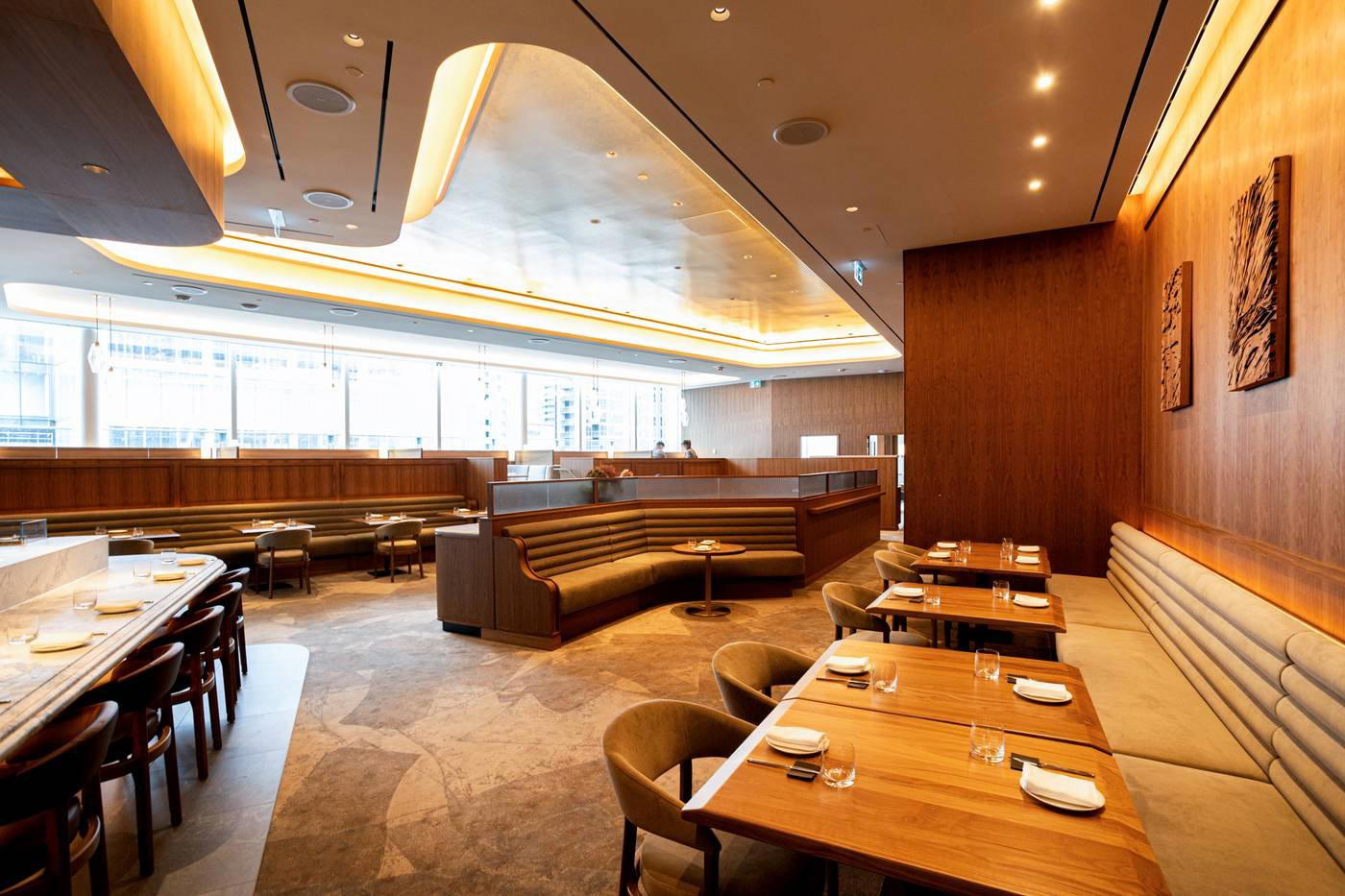
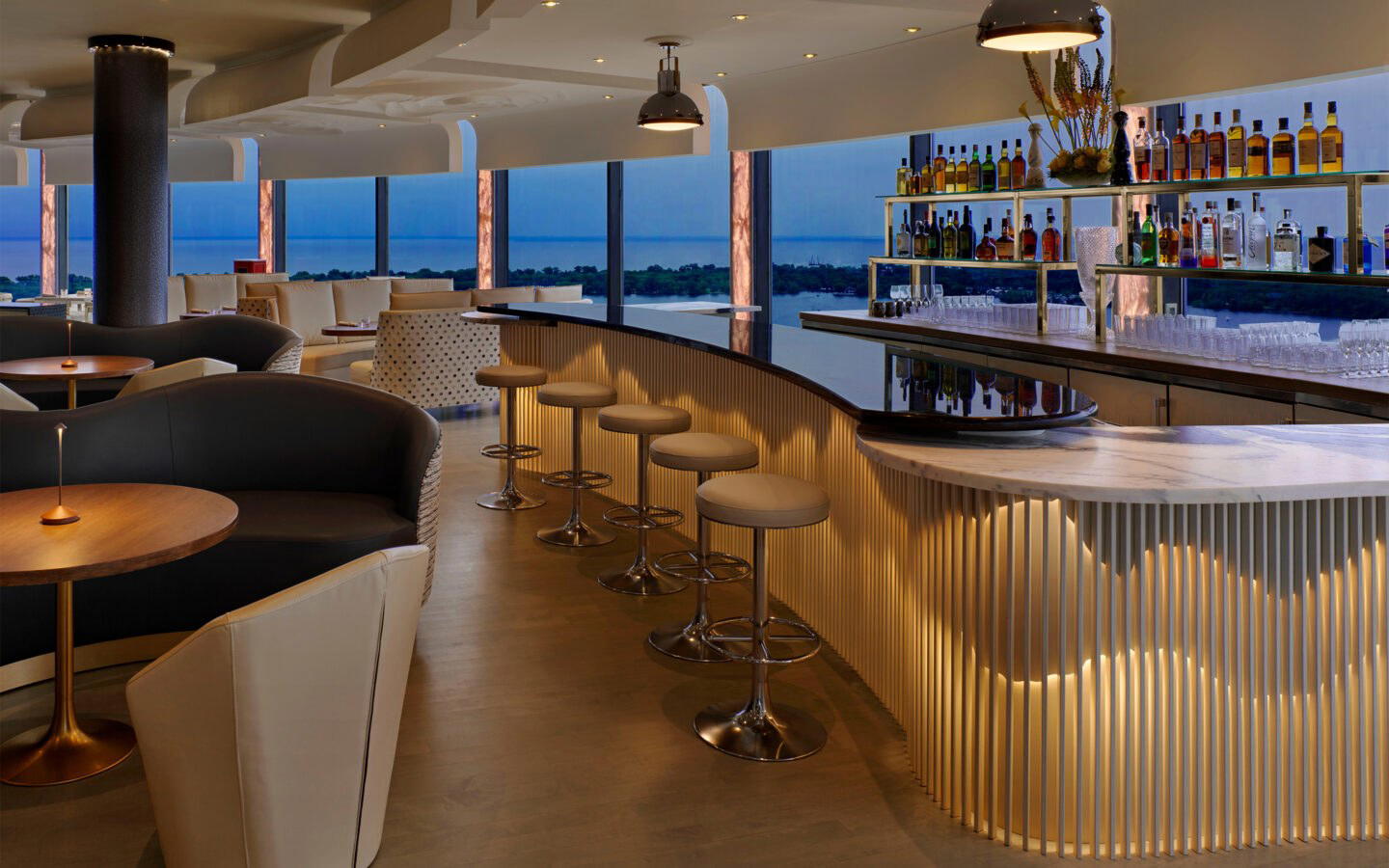
Bars in Toronto
Browse all →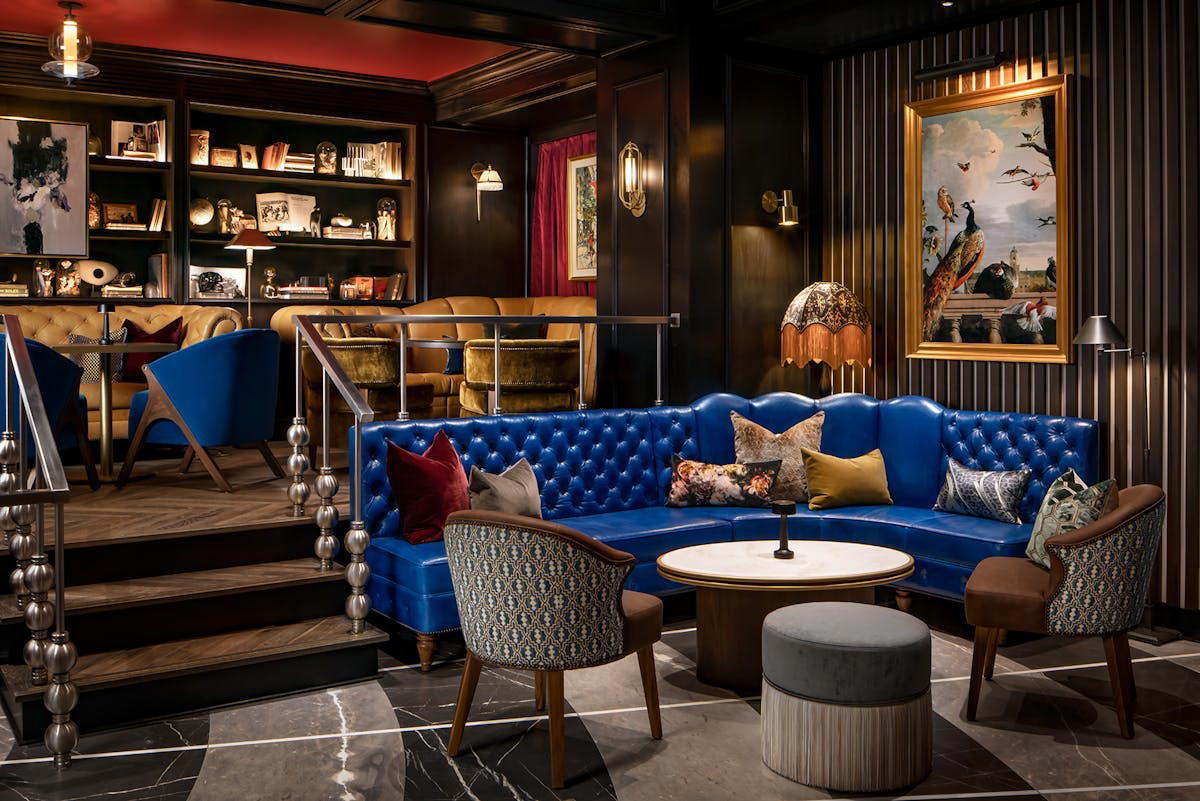
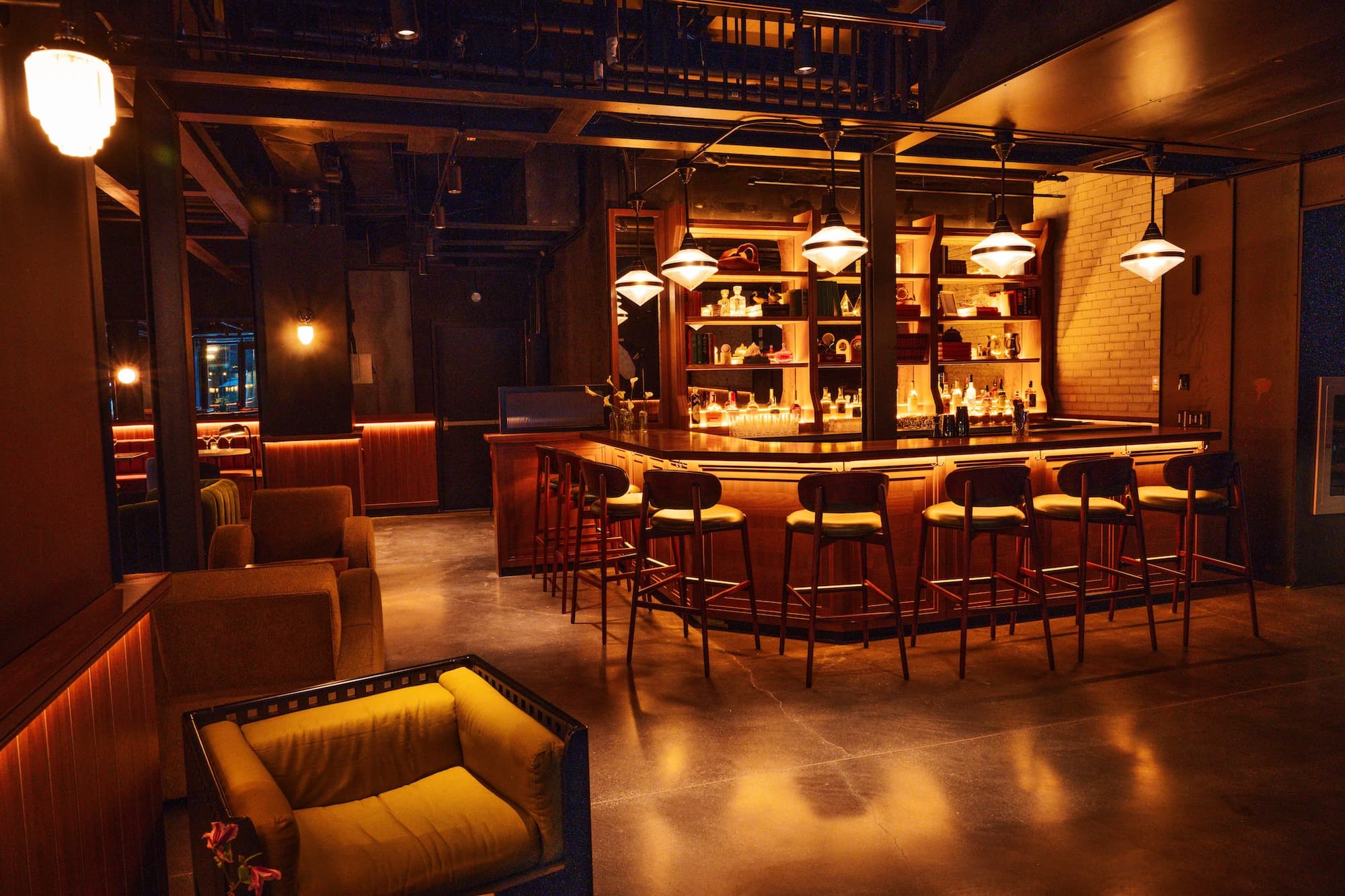
Hotels in Toronto
Browse all →

At a Glance
- Elegant
- Romantic
- Sophisticated
- Lively
- Ornate
- Date Night
- Business Dinner
- Celebration
- Special Occasion
- Private Dining
- Design Destination
- Standalone
- Extensive Wine List
- Craft Cocktails
- Sommelier Led
- Local Sourcing
Current opening hours
- Monday
- 5–10 PM
- Tuesday
- 12–10 PM
- Wednesday
- 12–10 PM
- Thursday
- 12–10 PM
- Friday
- 12–11 PM
- Saturday
- 5–11 PM
- Sunday
- 5–10 PM
Hours can change for holidays and private events. Last verified .
Warm and inviting with dim lighting, ornate artifacts on shelves, an elaborate chandelier suspended above marble tables and velvety cream banquettes, bright Arabic melodies, and excited but controlled chatter creating a balance between vivacious and elegant.