


Suite 115 sits on College Street in Toronto's Little Italy strip, operating as an escape room-style bar that builds its identity around unexpected flavour combinations: milk tea, tteok-bokki, and apple ice wine foam in the same glass. The format is immersive by design, borrowing as much from game logic as from cocktail culture. It occupies a niche that most Toronto bars aren't attempting.
Pearl is the En Primeur Club membership app — saves, bookings, and concierge access live there. Same editors, same standards.
- Address
- 532 College St, Toronto, ON M6G 1A6, Canada
- Website
- suite115.ca
- Directions
- Get directions
 Saves & bookings on Pearl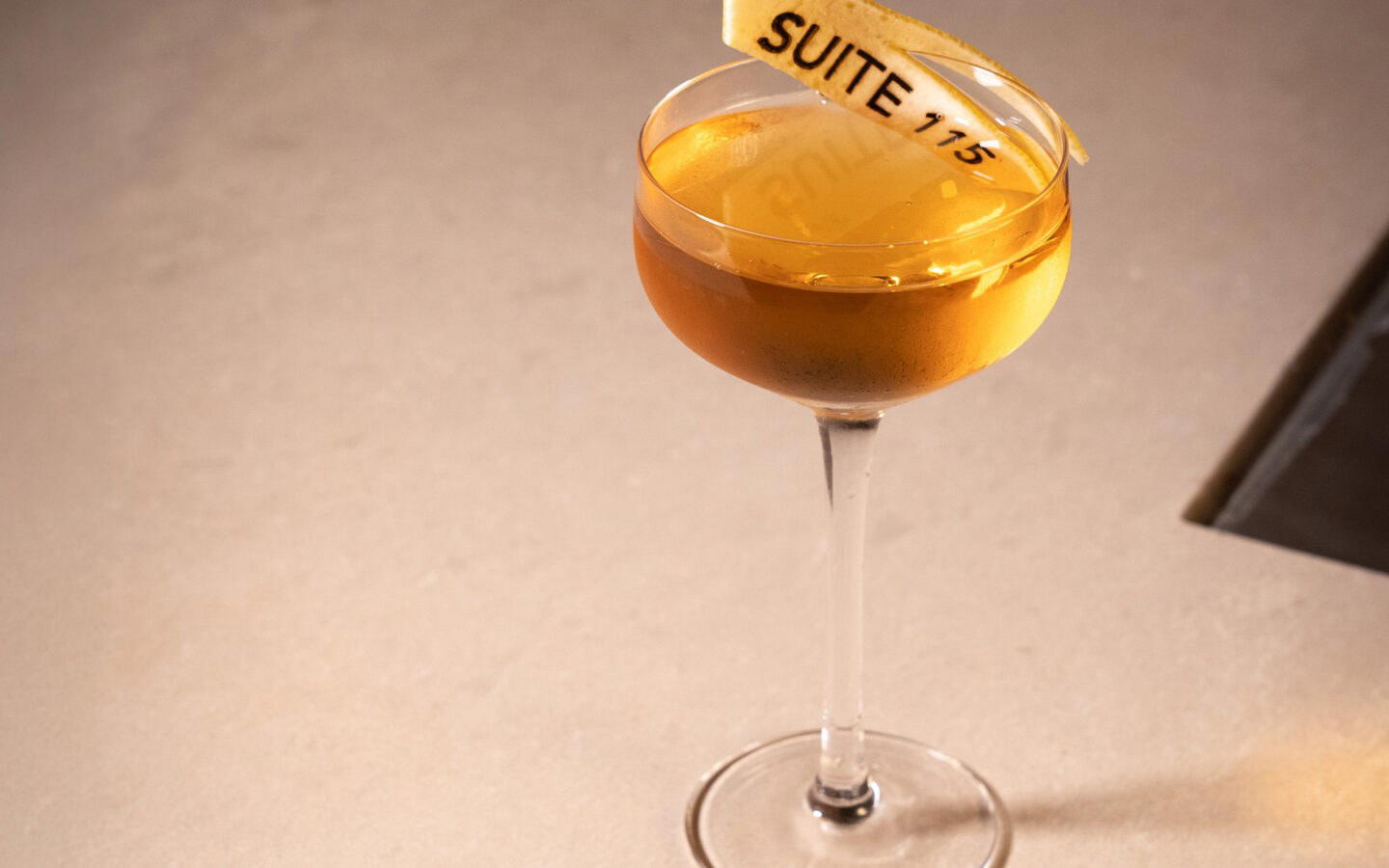
College Street After Dark: Where the Format Is the Concept
Suite 115, at 532 College Street in the heart of Little Italy, resists that sorting. The format here borrows from escape room design logic as much as from cocktail craft, and the menu signals that ambition before you've ordered anything: milk tea, tteok-bokki, and apple ice wine foam appearing as flavour references in the same programme.
College Street runs through one of the city's most densely bar-populated corridors, where the competition for attention is high and the visual vocabulary of hospitality has become fairly standardized. A bar that frames itself as an escape room, in the theatrical sense, is making a different bet. The experience is built around staying, not passing through.
The Back Bar as Argument
One interesting part of Suite 115 is what the format enables behind the bar. An immersive, stay-longer concept creates the conditions for a curation that earns attention over multiple rounds rather than a single well-executed drink. The spirits programme here is organized to reward that extended engagement. Apple ice wine foam as a cocktail element is a specific choice: Deploying ice wine in foam form signals that the back bar is thinking about local identity through a technical lens.
Canadian bars that use ice wine seriously are doing something that most of the country's cocktail rooms haven't fully committed to. Atwater Cocktail Club in Montreal builds its identity around Quebec products; Botanist Bar in Vancouver leans into Pacific Northwest botanicals. Suite 115 appears to be positioning Ontario's ice wine tradition as a cocktail ingredient rather than a dessert-course novelty, which is a more interesting argument for local terroir than most Toronto bars are making.
The tteok-bokki reference in the awards description is equally telling. Korean flavour references in a cocktail programme place the bar within a broader North American trend of bars drawing on East and Southeast Asian pantry logic, not as novelty but as structural ingredient thinking. Milk tea, similarly, is a flavour profile that has enough complexity, tannin, sweetness, and dairy richness, to function as a serious cocktail base. Bars doing this well elsewhere are treating these flavour systems with the same rigour applied to classic cocktail families.
Where Suite 115 Sits in the Toronto Bar Conversation
Toronto's most-discussed cocktail rooms currently cluster around two poles. The first is the technically serious, ingredient-forward bar, represented by places like Civil Liberties, which built its reputation on fermentation and clarification programmes, and Bar Mordecai, where the focus sits on spirit-forward builds in a quieter, more contemplative register. The second pole is the atmosphere-led social bar, where the room does as much work as the glass.
The bar doesn't fit neatly into either category. The escape room framing suggests the second pole, but the flavour vocabulary, ice wine foam, Korean rice cake spice, milk tea tannins, suggests a programme with more technical intentionality than a straight atmosphere play. Bar Raval occupies a comparable middle space, where the room's Gaudí-inflected design is inseparable from the vermouth and pintxos programme. Bar Pompette does something similar with its wine-bar-as-social-space format. The bar is making the same structural bet but from a completely different cultural reference point.
For visitors building a Toronto bar evening, the bar works well as a destination unto itself rather than a first stop on a multi-venue crawl. The immersive format rewards time investment. Pair it with a dinner reservation along College or Dundas West before arriving, and plan to stay rather than move on.
The Canadian Context
Across Canada, bars that use immersive or theatrical formats have historically sacrificed programme depth for spectacle. The more interesting operations, Humboldt Bar in Victoria, Missy's in Calgary, and Grecos in Kingston, demonstrate that format and craft can coexist. Bearfoot Bistro in Whistler has long made the case that occasion-based drinking and serious spirits curation are compatible. The bar is making a similar argument in a denser urban context, where the competition from direct cocktail rooms is considerably higher.
What distinguishes the bar at the category level is the specificity of its flavour references. Generic immersive bars lean on atmosphere and novelty. A bar that commits to milk tea, ice wine foam, and tteok-bokki as programme anchors is making flavour arguments that require a particular kind of back-bar thinking. The execution is designed to be judged round by round.
Price and Positioning
Comparable venues nearby, for context on price, style, and recognition.
| Venue | Cuisine | Price | Notes |
|---|---|---|---|
| Suite 115This venue — the venue you are viewing | Palmerston-Little Italy, speakeasy | $$$ | Not listed |
| No Vacancy | Not listed | $$$ | Trinity Bellwoods, cocktail_bar |
| PLANTA | Not listed | $$$ | Yorkville, cocktail_bar |
| After Seven | Not listed | $$$ | Kensington-Chinatown, cocktail_bar |
| 111 Queen St E | Church-Yonge Corridor, speakeasy | $$$ | Not listed |
| Drake One Fifty | Not listed | $$$ | Financial District, hotel_bar |
Recognition history
Dated appearances from independent guides and award organizations, with the underlying list record or original source where available.
Canada's 100 Best Best Bars #13
Canada's 100 Best
Pinnacle Guide 1 Pin
Pinnacle Guide
World's 50 Best North America's Best Bars #74
World's 50 Best
Continue exploring
More in Toronto
Bars in Toronto
Browse all →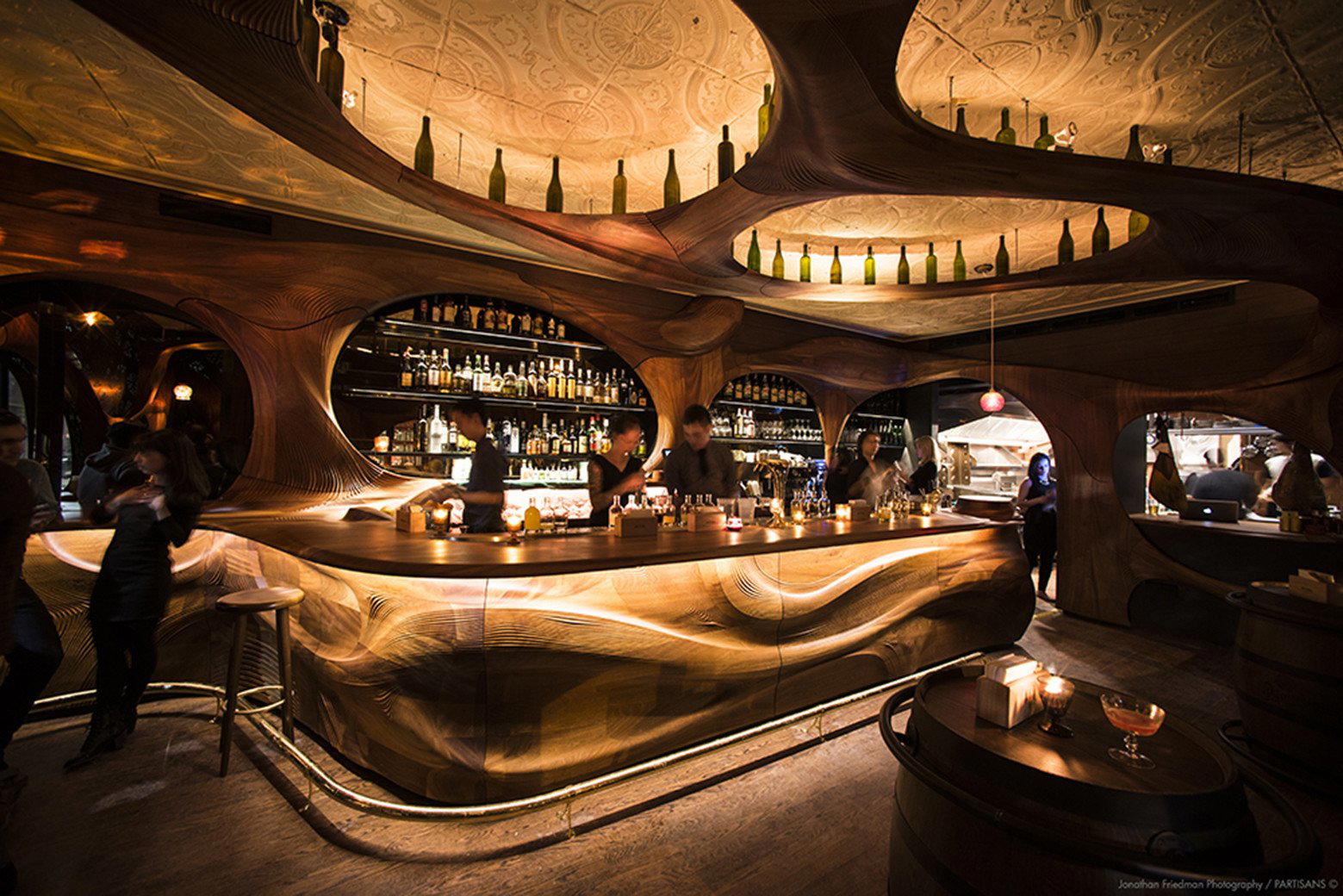
Restaurants in Toronto
Browse all →
Hotels in Toronto
Browse all →

At a Glance
- Intimate
- Trendy
- Cozy
- Sophisticated
- Date Night
- Casual Hangout
- Special Occasion
- Speakeasy
- Seated Bar
- Lounge Seating
- Craft Cocktails
Current opening hours
- Monday
- 5:30 PM–2 AM
- Tuesday
- 5:30 PM–2 AM
- Wednesday
- 5:30 PM–2 AM
- Thursday
- 5:30 PM–2 AM
- Friday
- 5:30 PM–2 AM
- Saturday
- 5:30 PM–2 AM
- Sunday
- 5:30 PM–2 AM
Hours can change for holidays and private events. Last verified .
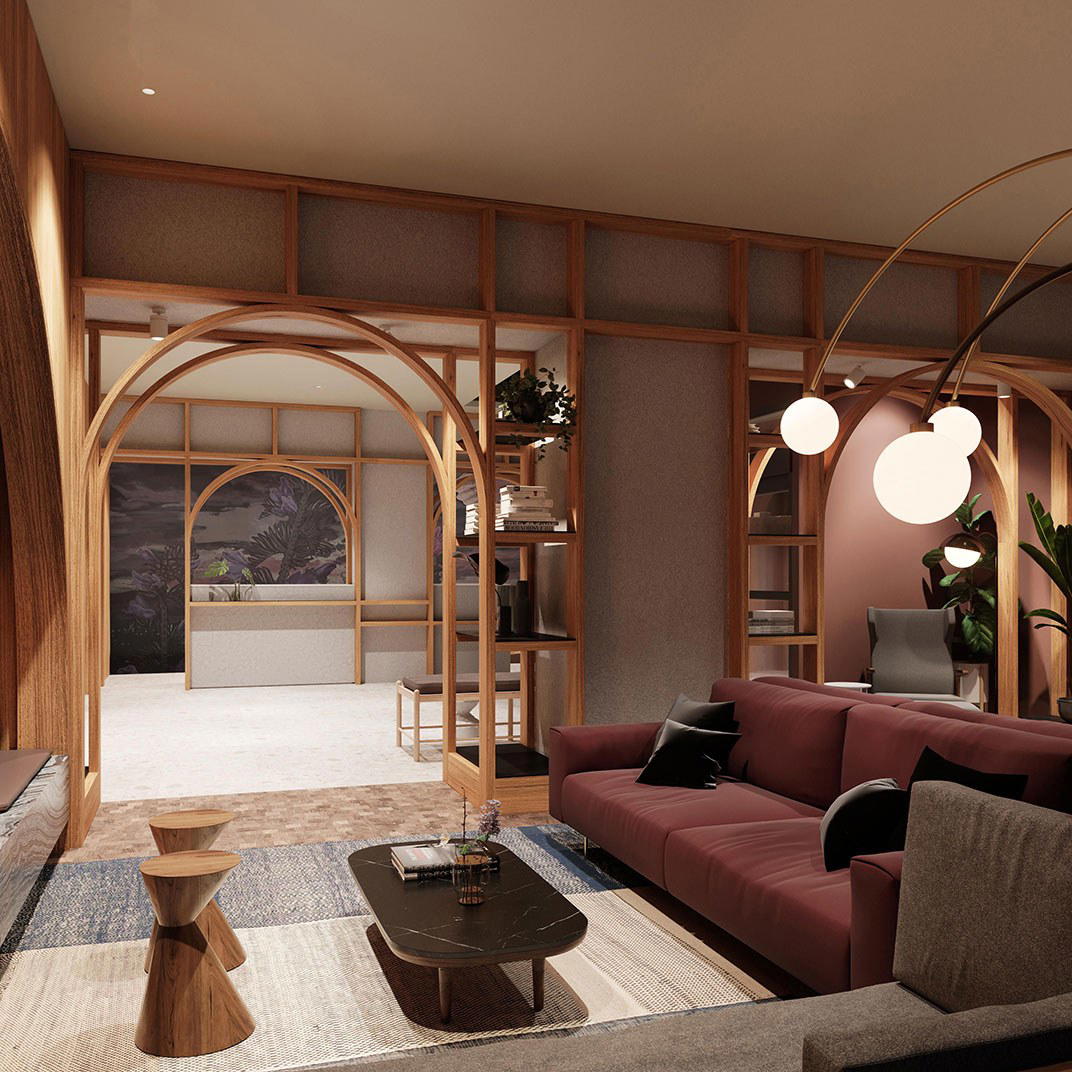
Dimmed atmospheric lighting with soft golden lamps, plush velvet seating, moody red glow, and warm romantic cavern-like interior.