



Inside a former bank building on College Street, DaNico holds a Michelin star for Chef Daniele Corona's tasting menus, which move through seasonal Italian cooking with global inflections and luxurious ingredients. The wine program spans 595 selections with particular depth in Italy and France, overseen by Wine Director Julie Garton. It sits at the summit of Toronto's Italian fine-dining tier, alongside peers like Osteria Giulia and Buca.
Pearl is the En Primeur Club membership app — saves, bookings, and concierge access live there. Same editors, same standards.
- Address
- 440 College St, Toronto, ON M5T 1T3, Canada
- Phone
- +1 647-715-1200
- Website
- danicotoronto.com
- Directions
- Get directions
 Saves & bookings on Pearl
A Former Bank Vault, Retooled for Italian Fine Dining
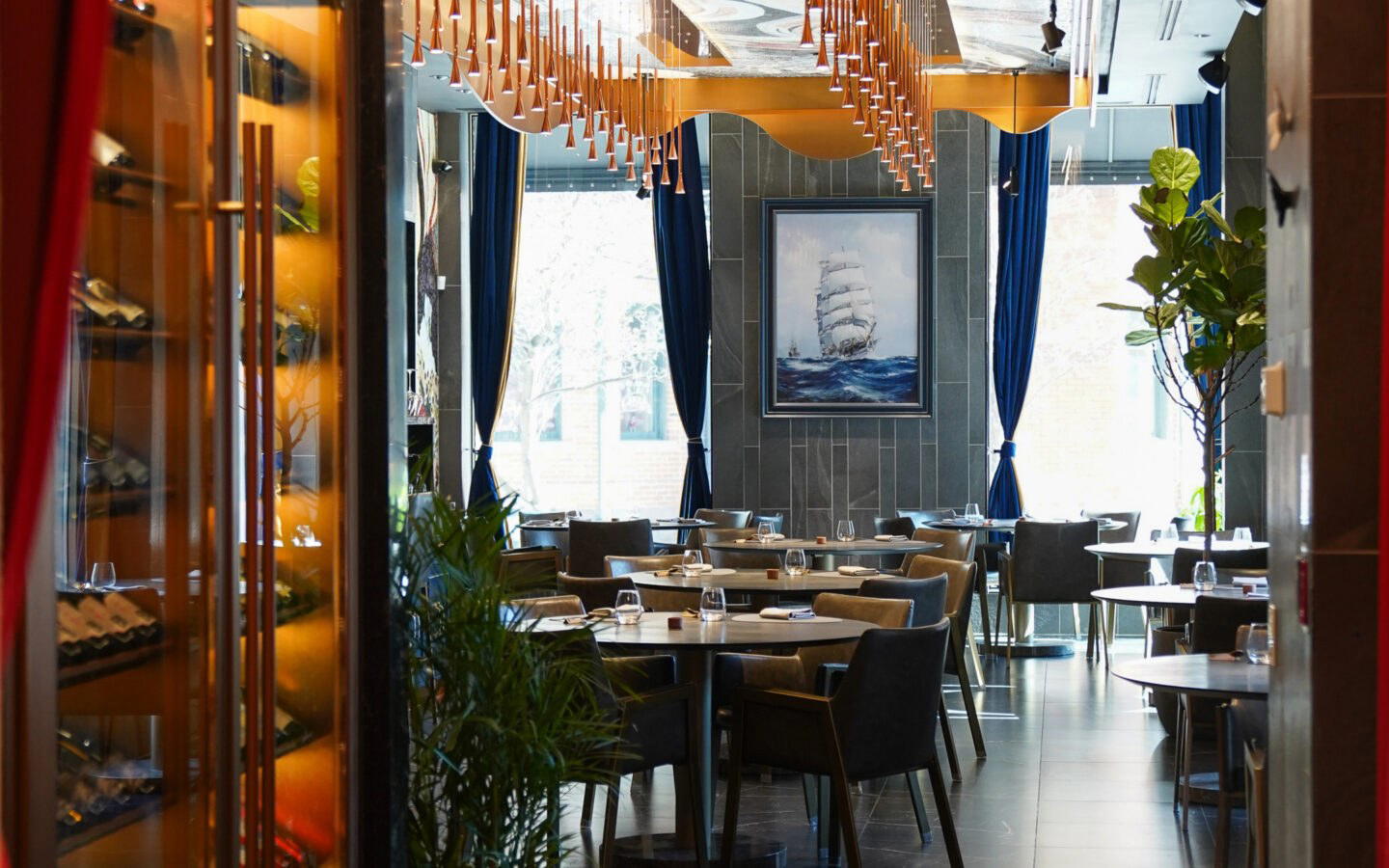
College Street's Victorian commercial strip has absorbed many reinventions, but few are as complete as the transformation of 440 College into a dining room that reads simultaneously as grand and unstuffy. The former bank building retains the architectural weight you'd expect, high ceilings, structural solidity, an address that once commanded civic seriousness, but the interior deploys dark tones, linen tablecloths, and plush seating against irreverent artwork that signals the kitchen's confidence rather than its deference. This tension, between formal setting and genuine playfulness, is the design thesis that Toronto's upper tier of tasting-menu restaurants increasingly relies on to avoid feeling like a museum exercise.
DaNico earned a Michelin star in 2024. Within the Italian fine-dining subset of that group, the restaurant occupies a specific position: tasting-menu format, globally inflected sourcing, and a wine program scaled for a serious list rather than a curated short card.
Italian Cooking Through a Global Lens
Italian cuisine at the tasting-menu level has diverged sharply from its trattoria roots over the past two decades. The regional-purity school, which insists that Sicilian food must look and taste unmistakably Sicilian, has a strong argument rooted in heritage and technique. But a parallel tradition, one that treats Italian cooking as a structural grammar rather than a fixed dialect, has produced particularly interesting work in the category, both inside Italy and far beyond it. cenci in Kyoto and 8½ Otto e Mezzo Bombana in Hong Kong are reference points for how Italian culinary logic travels and adapts without losing its identity.
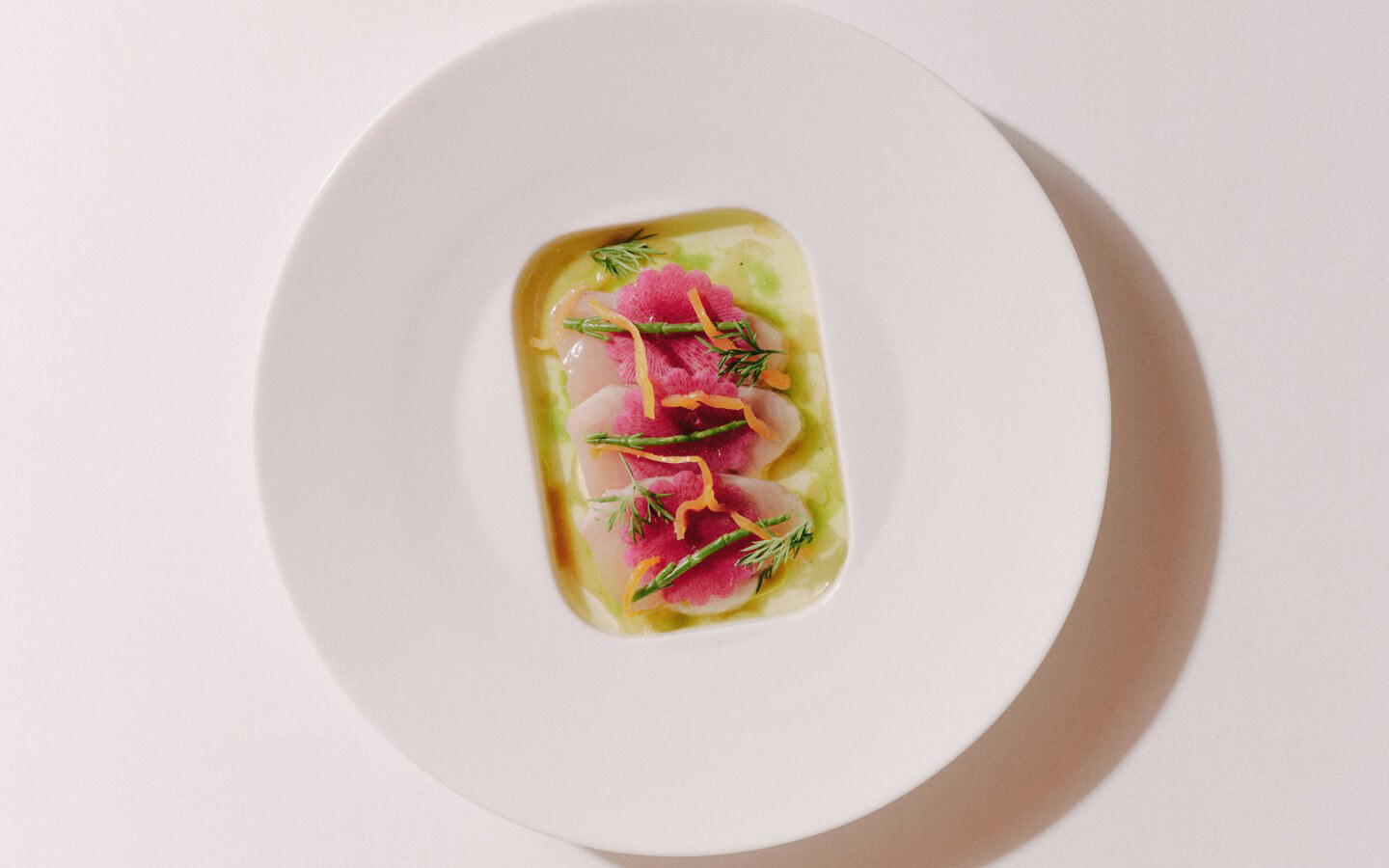
Chef Daniele Corona's approach at DaNico belongs to that second tradition. The menu draws on Italian foundations, pastas, regional ingredient references, the Sicilian-sourced olive coulis that finishes one of the kitchen's more discussed dishes, but the sourcing and technique pull from a wider field. Wild Pacific crab, trout roe, thin noodle-cut vegetables: these are not Italian pantry staples, but they slot into a presentation that reads coherently within the tasting-menu grammar Corona is working with. The basil bottini filled with smoked burrata, finished in a creamy sauce, is a closer read on the Italian interior, pasta form, dairy richness, herb clarity, but again executed with a precision that reflects global fine-dining technique rather than home-kitchen tradition.
This is cooking that prioritizes seasonal availability and ingredient quality over strict regional authenticity, matching the $$$$ price tier. For readers who want tighter regional focus, Roman, Neapolitan, Pugliese, Ardo and Gia pull in different directions within Toronto's Italian dining field.
The Wine Program
At 595 selections and approximately 3,570 bottles in inventory, the list is substantial by any Toronto standard, and it is weighted toward Italy and France, the two regions that anchor serious Italian-restaurant wine programs worldwide. Wine Director Julie Garton and Sommelier Ashleigh Forster manage a list priced in the mid-tier range relative to comparable tasting-menu rooms, meaning there is genuine range across price points rather than a bottom-heavy short list padded with a few trophy bottles.
A wine program of this scale at an Italian-focused restaurant implies meaningful depth in sub-regional Italian categories: expect coverage across Piedmont, Tuscany, and the South, with France providing the comparative reference points in Burgundy and the Rhône that sommeliers working Italian lists typically reach for. The list's Italian and French axis also mirrors the kitchen's dual identity, Italian structure, global (including French) technique. For wine-led visits, the program is a strong draw alongside the food.
Where DaNico Sits in the Toronto Tasting-Menu Tier
Toronto's Michelin-starred tasting-menu scene has compressed into a narrow band of restaurants that are formally serious, technically ambitious, and priced at the summit of the market. Within that band, the Italian-focused rooms occupy a specific niche: they carry the expectation of European culinary heritage, the operational complexity of multi-course format, and the interpretive freedom that comes from cooking a cuisine with deep enough roots to sustain reinvention.
DaNico's 2024 Michelin star confirms its place at the upper end of the Italian fine-dining subset, alongside Don Alfonso 1890 in the same starred tier. The comparison to Alo, the city's most referenced contemporary fine-dining benchmark, is instructive: both rooms commit to the tasting-menu format and operate at $$$$ pricing, but the Italian identity at DaNico creates a different editorial and flavor logic, one tied to pasta form, cured and dairy-led ingredients, and a wine program anchored in Italian producers rather than the pan-European lists that contemporary rooms typically favour.
The College Street Context
The restaurant's address on College Street places it in Toronto's Italian historical corridor. Bar Vendetta, nearby, represents the bar-led, lower-formality end of the same Italian cultural tradition in the neighbourhood.
Planning a Visit
DaNico is a dinner-only room operating at $$$$ pricing, with the choice between a multicourse prix-fixe and a chef's tasting menu. The kitchen is led by Chef Daniele Corona. The building is at 440 College St. Given the Michelin recognition and the wine program's depth, this is a reservation that rewards advance planning; walk-in availability at this tier in Toronto is limited. For comparable dining outside the city, Narval in Rimouski is a reference point for how Canada's regional fine-dining tier continues to develop.
What to Order at DaNico
What should I order at DaNico?
The kitchen presents two formats: a multicourse prix-fixe and a chef's tasting menu. The tasting menu is the more complete read on what Chef Daniele Corona's kitchen is doing, with dishes like wild Pacific crab with trout roe and Sicilian green olive coulis, and house-made basil bottini filled with smoked burrata. If the wine program is part of your reason for booking, the tasting-menu format allows the sommelier team, Ashleigh Forster and Beibei Hou under Wine Director Julie Garton, to sequence the 595-selection list against the courses in a way that a shorter prix-fixe meal does not fully accommodate.
How It Stacks Up
Comparable venues nearby, for context on price, style, and recognition.
| Venue | Cuisine | Price | Awards | Notes |
|---|---|---|---|---|
| DaNicoThis venue — the venue you are viewing | Modern Italian Fine Dining | $$$$ | Michelin 1 Star | Not listed |
| Don Alfonso 1890 | Modern Italian Fine Dining | $$$$ | Michelin 1 Star | Harbourfront |
| Shoushin | Edomae Omakase | $$$$ | Michelin 1 Star | Lawrence Park North |
| Osteria Giulia | Modern Northern Italian (Ligurian) | $$$$ | Michelin 1 Star | Annex |
| aKin | Modern Asian Fine Dining | $$$$ | Michelin 1 Star | Church-Yonge Corridor |
| Kappo Sato | Kappo Japanese Omakase | $$$$ | Michelin 1 Star | Davisville Village |
Recognition history
Dated appearances from independent guides and award organizations, with the underlying list record or original source where available.
Canada's 100 Best Restaurants #38
Canada's 100 Best
Opinionated About Dining Top Restaurants in North America Recommended
Opinionated About Dining
Wine Spectator Best of Award of Excellence
Wine Spectator
Canada's 100 Best Restaurants #59
Canada's 100 Best
Michelin 1 Star
Michelin
Wine Spectator Best of Award of Excellence
Wine Spectator
Michelin 1 Star
Michelin
Continue exploring
More in Toronto
Restaurants in Toronto
Browse all →
Bars in Toronto
Browse all →
Hotels in Toronto
Browse all →

At a Glance
- Sophisticated
- Elegant
- Intimate
- Historic
- Modern
- Date Night
- Special Occasion
- Celebration
- Historic Building
- Wine Cellar
- Sommelier Led
- Extensive Wine List
- Local Sourcing
- Organic
Current opening hours
- Monday
- Closed
- Tuesday
- Closed
- Wednesday
- 5–10 PM
- Thursday
- 5–10 PM
- Friday
- 5–10 PM
- Saturday
- 5–10 PM
- Sunday
- 5–10 PM
Hours can change for holidays and private events. Last verified .
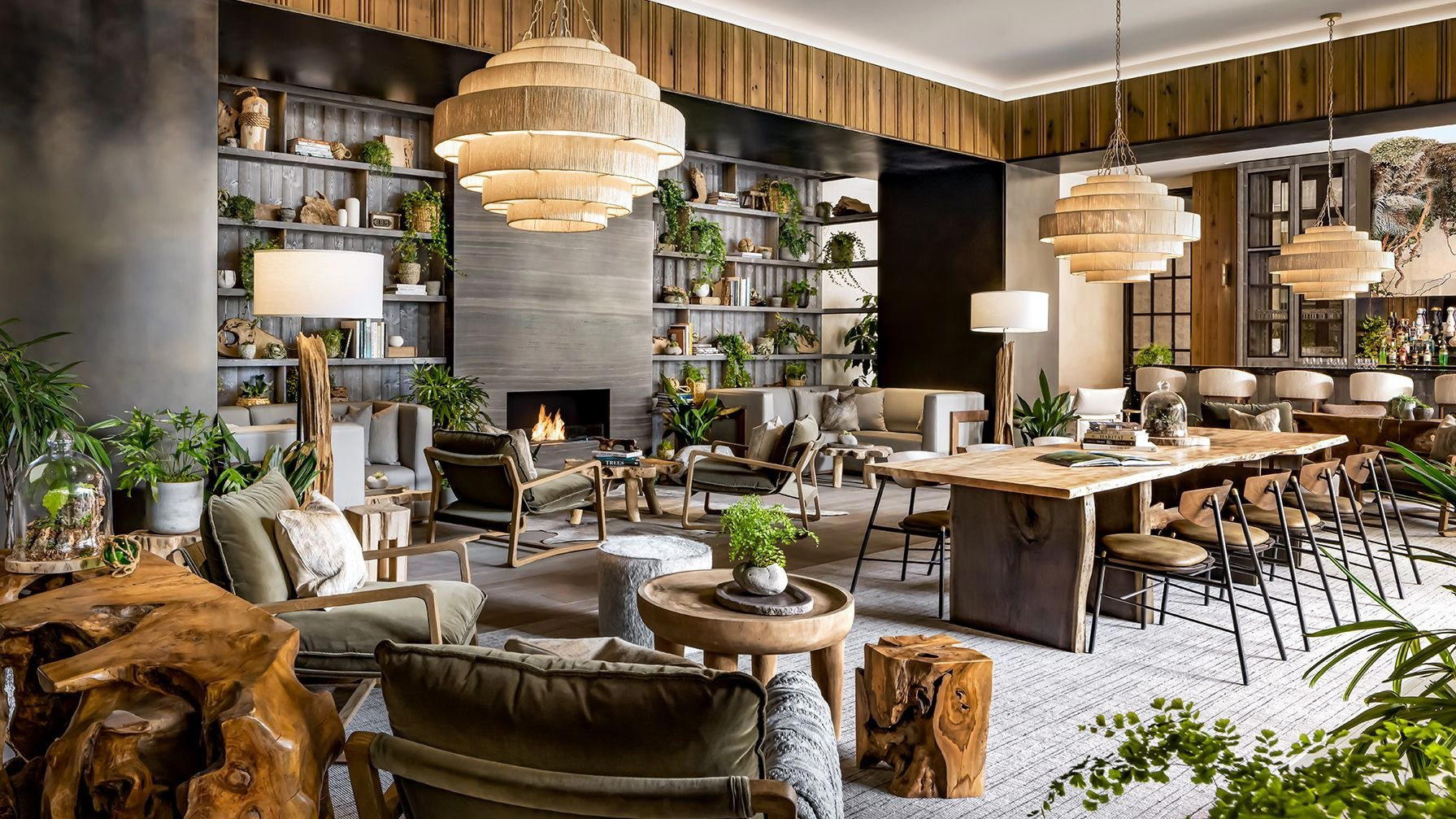
Sophisticated atmosphere with dark colors, linen tablecloths, plush seating, irreverent artwork, ambient lighting, and a gothic church-like luxurious vibe.