



Aburi Hana brings kyō-kaiseki to a lower-level room beneath Yorkville Avenue, where Chef Ryusuke Nakagawa's seasonal menus fold Canadian ingredients into a Kansai-rooted Japanese framework. A Michelin star and a 2025 Opinionated About Dining ranking among North America's top restaurants confirm the kitchen's position in Toronto's highest tier. Service runs Wednesday through Saturday evenings only.
Pearl is the En Primeur Club membership app — saves, bookings, and concierge access live there. Same editors, same standards.
- Address
- 102 Yorkville Ave., Unit 4, lower level, Toronto, Ont.
- Phone
- +1 647-343-8887
- Website
- aburihana.com
- Directions
- Get directions
 Saves & bookings on Pearl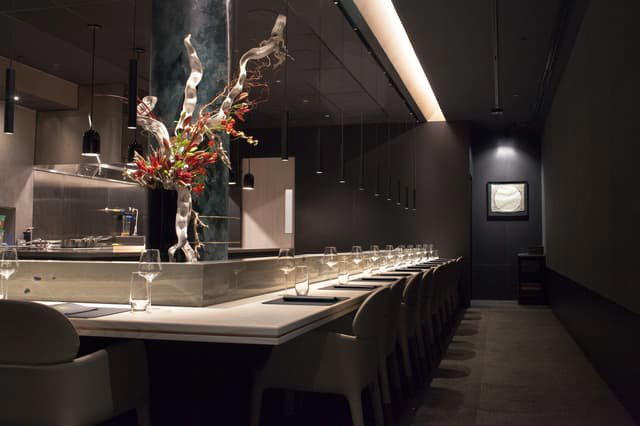
Descending Into Yorkville's Most Serious Japanese Room
The approach matters at Aburi Hana. The restaurant sits below street level at 102 Yorkville Ave. and the act of descending from one of Toronto's most overtly prosperous avenues into a minimalist, purposefully quiet room sets a tone before the first dish arrives. There is no visual noise. The design withholds, which means the Arita-ware ceramics, porcelain from the town of Arita in western Japan, produced in a tradition dating to the 1600s, carry the room's entire aesthetic weight. It is a deliberate inversion of the neighbourhood's surface theatrics, and it works.
Within Toronto's $$$$ Japanese tier, Aburi Hana occupies a different register than most peers. Where Sushi Masaki Saito operates as a two-Michelin-star Edomae sushi counter rooted in Tokyo's Kanto tradition, Aburi Hana builds its menus around kyō-kaiseki, the multi-course ceremonial cuisine originating in Kyoto and the broader Kansai region. That distinction is not cosmetic. Kansai-style kaiseki emphasises subtlety of flavour, seasonal attunement, and the visual language of each course, principles that produce an entirely different kind of meal than nigiri progression.
The Kansai Framework, Refracted Through a Canadian Season
Kyō-kaiseki as a form emerged from Kyoto's temple cuisine and the tea ceremony tradition, and it carries specific obligations: ingredient sourcing tied to the season, courses that build in register and weight, and presentation that treats the bowl or plate as compositional space. What Nakagawa has done at Aburi Hana is hold those structural obligations while replacing the expected Japanese ingredient palette with whatever Ontario and Canada produce at a given time of year.
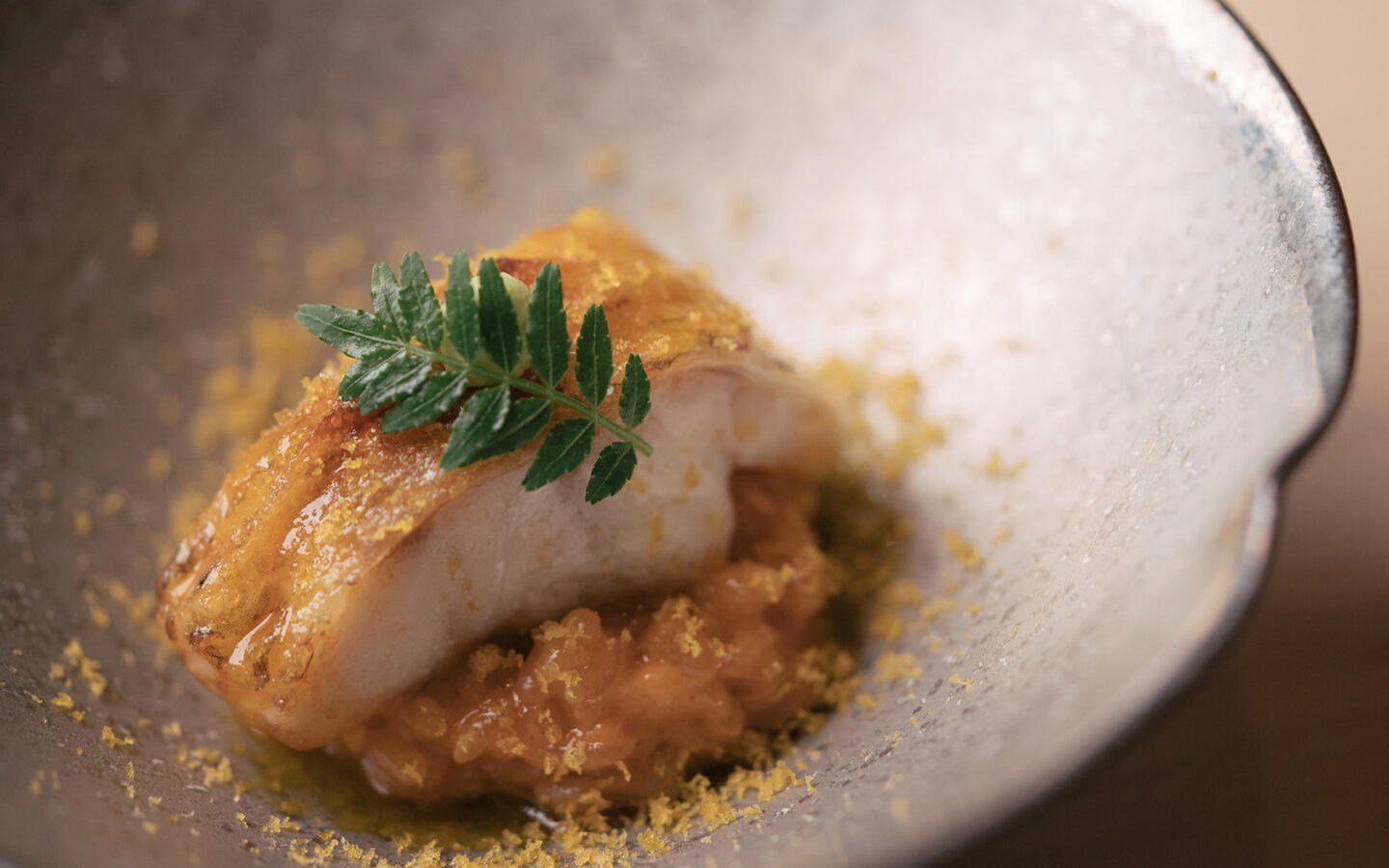
The winter menu's use of Ontario lamb is a useful illustration. Lamb is not a protein that appears with regularity in classical Kansai cooking, but the preparation is deeply within the tradition: the belly simmered in lamb dashi for four hours, served alongside mukago (Japanese mini potatoes, cooked skin-on and deep-fried), sansho pepper, lamb dashi sauce, and karashi mustard. The technique is Japanese; the protein is Canadian. Neither overwhelms the other. That calibration is the consistent editorial point of the kitchen, this is not fusion in the sense of collision, but kaiseki as a method applied to wherever the chef happens to be cooking.
The spring and summer menus shift register entirely. The kitchen's calling card in that window is a 14-day dry-aged maguro flower: petals of akami and chūtoro arranged into a rose form, designed to be uncurled and dipped. The aging and the presentation are both modern interventions on traditional tuna sashimi, but the underlying reference point is classical Kansai restraint, colour, form, and temperature doing the communicative work that a heavier sauce or glaze would do elsewhere. During Japanese bluefin season, otoro appears covered in caviar and served on a rice cracker tartlet, a preparation that sits closer to the border between kaiseki and contemporary fine dining but remains compositionally coherent.
At restaurants like RyuGin in Tokyo or Gion Sasaki in Kyoto, the kaiseki menu is anchored by ingredients and seasons specific to Japan. Transposing the form to Canada requires genuine knowledge of both traditions, and the restaurant's Michelin star (awarded 2024) is the clearest external signal that the transposition is being executed at a level critics and guides take seriously.
The Drinks Program as Editorial Statement
The beverage side of the restaurant reflects the same willingness to work across geographic lines. Sake director Amy Lee runs a list that covers classical Japanese sake alongside less expected bottles: Alain Ducasse's sparkling sake and Alsatian orange wines both appear. This is not eclecticism for its own sake, the orange wine connection to sake's texture and oxidative character makes practical pairing sense, and positioning natural wine alongside sake gives guests a familiar access point if they are less fluent in Japanese rice wine categories.
In a city where the beverage programs at comparable fine dining rooms, including Alo and DaNico, have become significant editorial subjects in their own right, the decision to give the sake program a named director signals that the restaurant treats the drinks list as integral rather than supplementary.
Where Aburi Hana Sits in the Toronto Fine Dining Conversation
Toronto's Michelin-starred tier is now populous enough that positioning within it matters. The city's one-star cohort includes rooms with different approaches: Don Alfonso 1890 works in upscale Italian; Edulis operates in a Canadian-Mediterranean register. The restaurant is the room in that group most explicitly engaged with a non-Western culinary form applied to local Canadian materials, a niche that is also being explored from different angles by restaurants elsewhere in Canada, including Tanière³ in Québec City and AnnaLena in Vancouver, where the relationship between technique, tradition, and local ingredient sourcing is similarly the organising question.
Within the specifically Japanese category in Toronto, the contrast with Sushi Masaki Saito is instructive. Edomae sushi, the Kanto tradition, operates through the precision of rice temperature, curing technique, and the relationship between vinegared rice and fish aged to a specific window. Kaiseki, the Kansai tradition that restaurant follows, works through sequence, seasonal logic, and course architecture. They are different arts with different evaluative criteria, which means the two rooms, despite sharing a city and a price tier, are not in direct competition, they answer different questions for different occasions.
The broader Ontario fine dining scene also offers context. Destination restaurants like Restaurant Pearl Morissette in Lincoln and The Pine in Creemore pursue the local-ingredient, European-influenced format with considerable seriousness. The restaurant's version of the local-ingredient argument is filtered through a Japanese ceremonial form rather than a European one, which makes it a different kind of intervention in the Canadian fine dining conversation, and a more difficult one to execute with integrity.
Planning a Visit
For Canadian fine dining comparisons beyond Toronto, Jérôme Ferrer - Europea in Montreal and Narval in Rimouski represent the range of ambition across the country.
What People Recommend at Aburi Hana
The maguro flower, a 14-day dry-aged tuna arrangement of akami and chūtoro petals designed to be uncurled and dipped, is the dish most often mentioned. It is both the kitchen's signature aesthetic statement and a demonstration of how aging technique can operate within a kaiseki presentation framework. The Ontario lamb preparation on the winter menu draws equal attention for different reasons, it is where the kitchen's argument about Canadian ingredients inside a Kansai structure is most explicit. The caviar-topped otoro on a rice cracker tartlet, available during Japanese bluefin season, appears frequently in accounts of the meal's most memorable course. Chef Ryusuke Nakagawa's approach across all of these dishes is grounded in the same Kyoto-rooted kaiseki discipline, and the kitchen's Michelin recognition reflects that the execution is being evaluated at a peer level with serious kaiseki and Japanese fine dining rooms across the continent. The sake program, overseen by director Amy Lee, is also frequently cited, particularly the inclusion of Alsatian orange wines as a pairing option for guests less familiar with sake categories.
Cuisine and Credentials
Comparable venues nearby, for context on price, style, and recognition.
| Venue | Cuisine | Price | Awards | Notes |
|---|---|---|---|---|
| Aburi HanaThis venue — the venue you are viewing | Modern Japanese Kyō-Kaiseki | $$$$ | Michelin 1 Star | Not listed |
| Kappo Sato | Kappo Japanese Omakase | $$$$ | Michelin 1 Star | Davisville Village |
| Alo | Modern French Fine Dining with Asian Influences | $$$$ | Michelin 1 Star | Queen West |
| Osteria Giulia | Modern Northern Italian (Ligurian) | $$$$ | Michelin 1 Star | Annex |
| aKin | Modern Asian Fine Dining | $$$$ | Michelin 1 Star | Church-Yonge Corridor |
| DaNico | Modern Italian Fine Dining | $$$$ | Michelin 1 Star | Harbord Village |
Recognition history
Dated appearances from independent guides and award organizations, with the underlying list record or original source where available.
Opinionated About Dining Top Restaurants in North America Recommended
Opinionated About Dining
Canada's 100 Best Restaurants #29
Canada's 100 Best
Michelin 1 Star
Michelin
Opinionated About Dining Top Restaurants in North America Ranked #203
Opinionated About Dining
The Best Chef One Knife
The Best Chef
Michelin 1 Star
Michelin
Opinionated About Dining Top Restaurants in North America Ranked #257
Opinionated About Dining
Continue exploring
More in Toronto
Restaurants in Toronto
Browse all →
Bars in Toronto
Browse all →
Hotels in Toronto
Browse all →

At a Glance
- Elegant
- Sophisticated
- Intimate
- Modern
- Minimalist
- Special Occasion
- Date Night
- Celebration
- Chefs Counter
- Open Kitchen
- Private Dining
- Sake Program
- Sommelier Led
- Local Sourcing
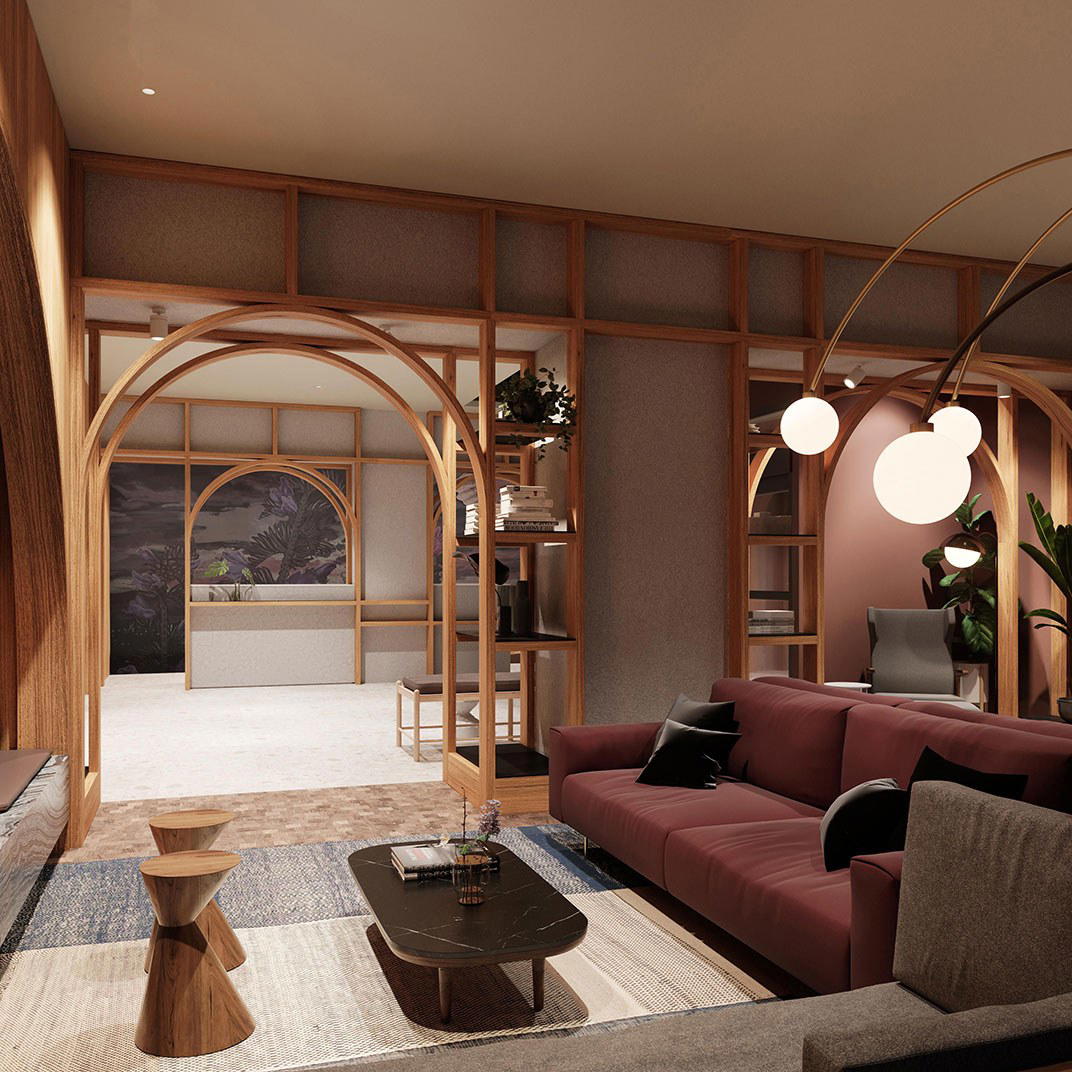
Minimalist design with dim lighting, serene and elegant atmosphere evoking calm and artistry, centered around an open kitchen counter.