Papyrus sits on Danforth Avenue in Toronto's Greektown, a stretch that has long anchored the city's Mediterranean dining scene. The restaurant draws on the culinary traditions of North Africa and the Eastern Mediterranean, placing it in a neighbourhood context where those influences carry real historical weight. For visitors tracing Toronto's immigrant food culture, Danforth is a logical starting point.
Pearl is the En Primeur Club membership app — saves, bookings, and concierge access live there. Same editors, same standards.
- Address
- 337 Danforth Ave, Toronto, ON M4K 1N7, Canada
- Phone
- +16473523878
- Website
- papyrusfood.ca
- Directions
- Get directions
 Saves & bookings on Pearl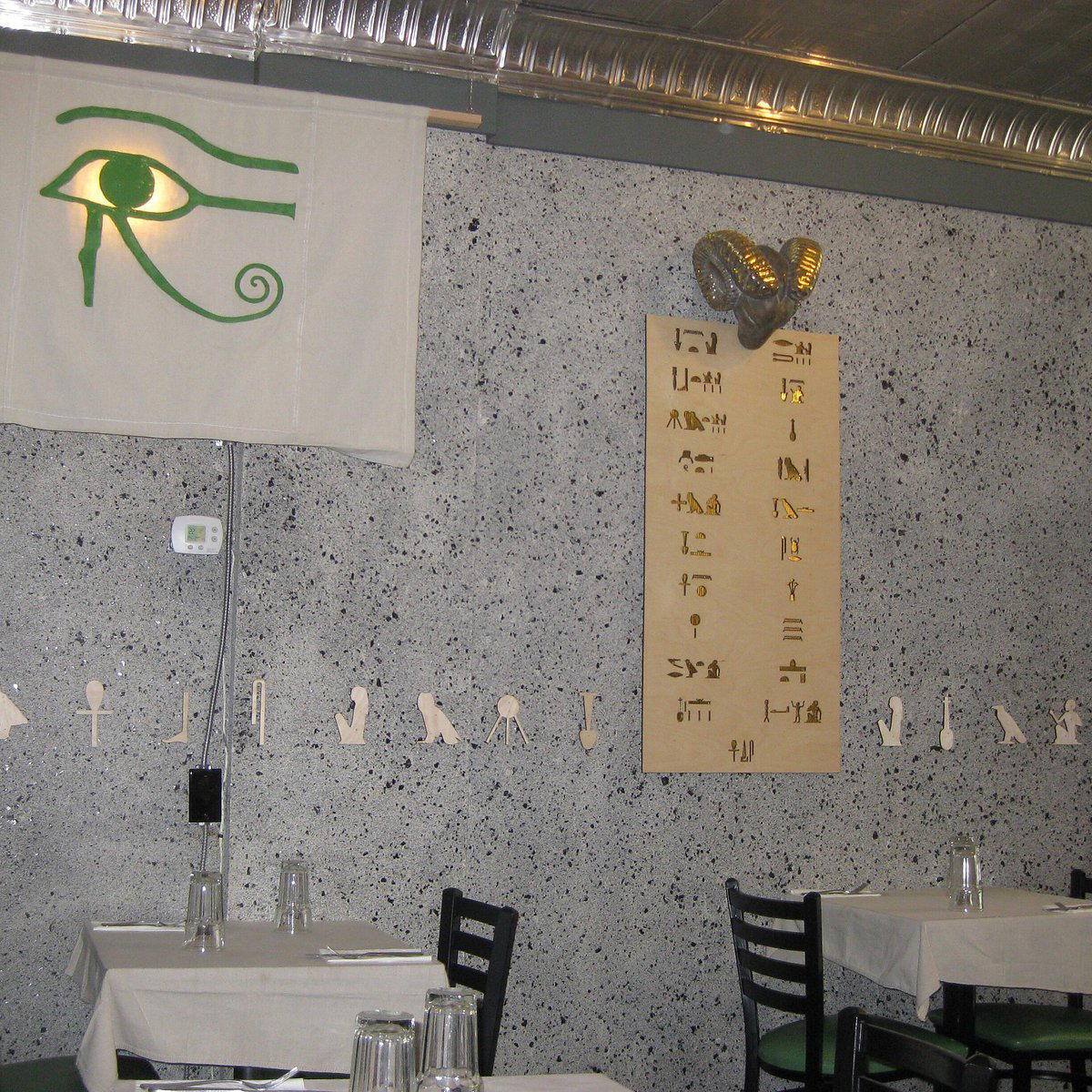
Danforth Avenue and the Eastern Mediterranean Table
Danforth Avenue between Broadview and Pape has functioned as Toronto's Greektown corridor for decades, and the character of the strip reflects layers of immigration that arrived in waves from the 1950s onward. Greek tavernas established the street's culinary identity early, but the surrounding neighbourhood has always been more porous than that single label suggests. Egyptian, Lebanese, and broader North African presences have threaded through the area quietly, producing restaurants that sit outside the dominant Greek narrative but draw on the same eastern Mediterranean basin of ingredients, spices, and techniques. Papyrus, at 337 Danforth Ave, is an Egyptian restaurant in Toronto's Greektown corridor.
The name itself signals orientation. Papyrus is the writing reed of ancient Egypt, a civilisational shorthand that places the kitchen's reference points somewhere along the Nile rather than the Aegean. In a city where Egyptian cuisine remains one of the less-visible North African traditions, that positioning carries some weight. Toronto has well-developed Lebanese, Moroccan, and Persian dining scenes, but Egyptian cooking operates mostly through family restaurants and small community spots rather than through any sustained critical attention. Danforth, with its existing Mediterranean foot traffic and multicultural residential base, is a plausible home for a restaurant working in that register.
What Egyptian Cuisine Brings to the Table
Egyptian cooking draws from a geography that runs from the Mediterranean coast through the Delta to Upper Egypt, and its pantry reflects centuries of trade across that range. Fava beans appear in ful medames, one of the oldest continuously eaten dishes in the region, slow-cooked and dressed with oil, lemon, and cumin in proportions that vary by household and region. Koshari, the layered lentil, rice, and pasta dish topped with spiced tomato sauce and fried onions, represents a different register entirely: street food infrastructure rather than domestic tradition, assembled quickly and eaten standing or at communal tables in Cairo. Molokhia, the jute leaf stew cooked with rabbit or chicken and finished with a garlic and coriander toss called a taqliya, is a dish that carries almost no profile outside Egyptian and some Levantine communities but is eaten across class lines in Egypt itself.
These are not dishes that translate easily into the conventions of Toronto's more recognised dining formats. They require a comfort with fermented, earthy, and deeply savoury flavours that can read as unfamiliar to palates trained on the cleaner acidity of Levantine mezze or the aromatic sweetness of Persian cuisine. That specificity is part of what makes Egyptian restaurants meaningful community anchors: they serve a diaspora that has limited options for the tastes of home.
Toronto's Egyptian community is substantial enough to support specialist restaurants, and Danforth's density of foot traffic from both residents and destination diners from across the city means a restaurant in this register can draw from multiple audiences simultaneously. The street's weekend evening pedestrian volume, particularly in summer when outdoor patios fill along the strip, creates a browse dynamic where unfamiliar cuisines get trial from curious passers-by alongside regulars.
Placing Papyrus in Toronto's Dining Geography
Toronto's premium dining tier clusters in neighbourhoods further west and downtown: Alo in the Entertainment District represents the city's most formal contemporary expression, while Sushi Masaki Saito and Aburi Hana anchor a serious Japanese counter tradition. Italian cooking at the formal end runs through DaNico and Don Alfonso 1890. Danforth operates in a different register: neighbourhood restaurants rather than destination fine dining, with price points and formats calibrated for the local residential audience rather than expense-account or special-occasion spend.
That distinction matters for how Papyrus functions. It is not competing with the award-tracked tier. It sits in the community-restaurant category that forms the backbone of Toronto's actual daily dining culture, where authenticity of tradition and consistency of execution are the relevant measures rather than tasting menus or wine programs. Across Canada, this kind of restaurant does the heaviest lifting in terms of preserving culinary heritage. Aux Anciens Canadiens in Quebec performs a comparable function for Québécois tradition, and Eigensinn Farm in Singhampton anchors a different kind of rooted practice in rural Ontario. The formats are entirely different, but the relationship between community and kitchen is structurally similar.
For visitors building a broader picture of Canadian dining, Toronto's immigrant restaurant culture on streets like Danforth represents something that the city's fine-dining tier does not: the actual food history of the people who built the city. Tanière³ in Quebec City, AnnaLena in Vancouver, and Jérôme Ferrer's Europea in Montreal each articulate regional identity through a contemporary lens. Danforth works differently: it preserves rather than reinterprets, and that function is harder to replace.
Comparable community-anchored restaurants in other contexts include Narval in Rimouski, Restaurant Pearl Morissette in Lincoln, and The Pine in Creemore, each operating with a strong relationship to place and local audience. In Toronto's urban grid, Barra Fion in Burlington and Bearspaw Golf Club in Calgary gesture at how institution-level anchors function in their respective communities. The parallel is structural: what these places share is a constituency that returns because the kitchen serves something the neighbourhood needs.
Planning a Visit
Danforth Avenue is accessible via the Broadview or Chester stations on the TTC's Line 2 (Bloor-Danforth), making it direct from downtown without a taxi. The strip is walkable and busy on weekends, particularly between May and September when the street's patio culture activates. For a broader Toronto itinerary, maps the city's dining geography from Danforth east through the downtown core to the west-end clusters. Le Bernardin in New York City and Atomix in New York City represent what the premium tier looks like at full elaboration, a useful counterpoint when calibrating expectations across formats.
Same-City Peers
Comparable venues nearby, for context on price, style, and recognition.
| Venue | Cuisine | Price | Notes |
|---|---|---|---|
| PapyrusThis venue — the venue you are viewing | Authentic Egyptian | $$ | Not listed |
| Laylak Lebanese Cuisine Toronto | Modern Lebanese Fine Dining | $$$ | Church-Yonge Corridor |
| Rayah | French-Moroccan | $$ | Cabbagetown |
| 3 Mariachis | Authentic Mexican | $$ | Saint Lawrence |
| La Piazza | Casual Italian Pizza & Shareables | $$ | Yorkville |
| Utsav | Authentic Indian | $$ | Yorkville |
Continue exploring
More in Toronto
Restaurants in Toronto
Browse all →
Bars in Toronto
Browse all →
Hotels in Toronto
Browse all →


At a Glance
- Modern
- Cozy
- Casual Hangout
- Brunch
Current opening hours
- Monday
- 12–9 PM
- Tuesday
- 12–9 PM
- Wednesday
- 12–9 PM
- Thursday
- 12–9 PM
- Friday
- 12–10 PM
- Saturday
- 12–10 PM
- Sunday
- 12–8 PM
Hours can change for holidays and private events. Last verified .
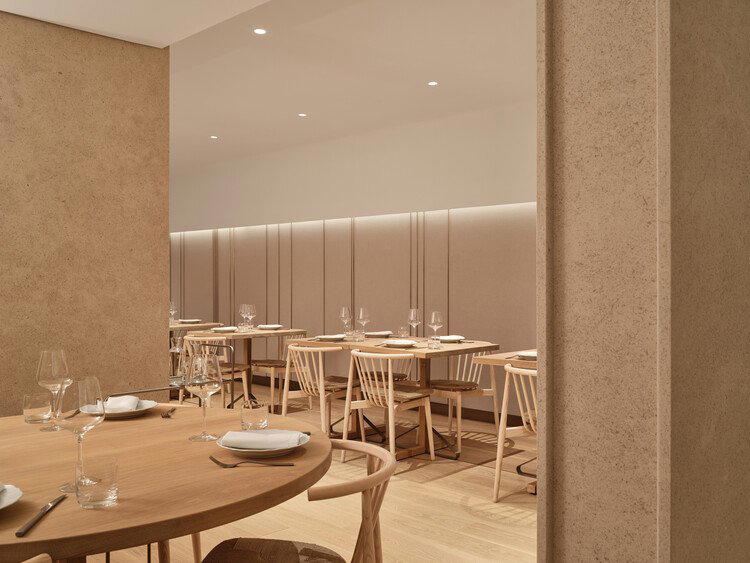
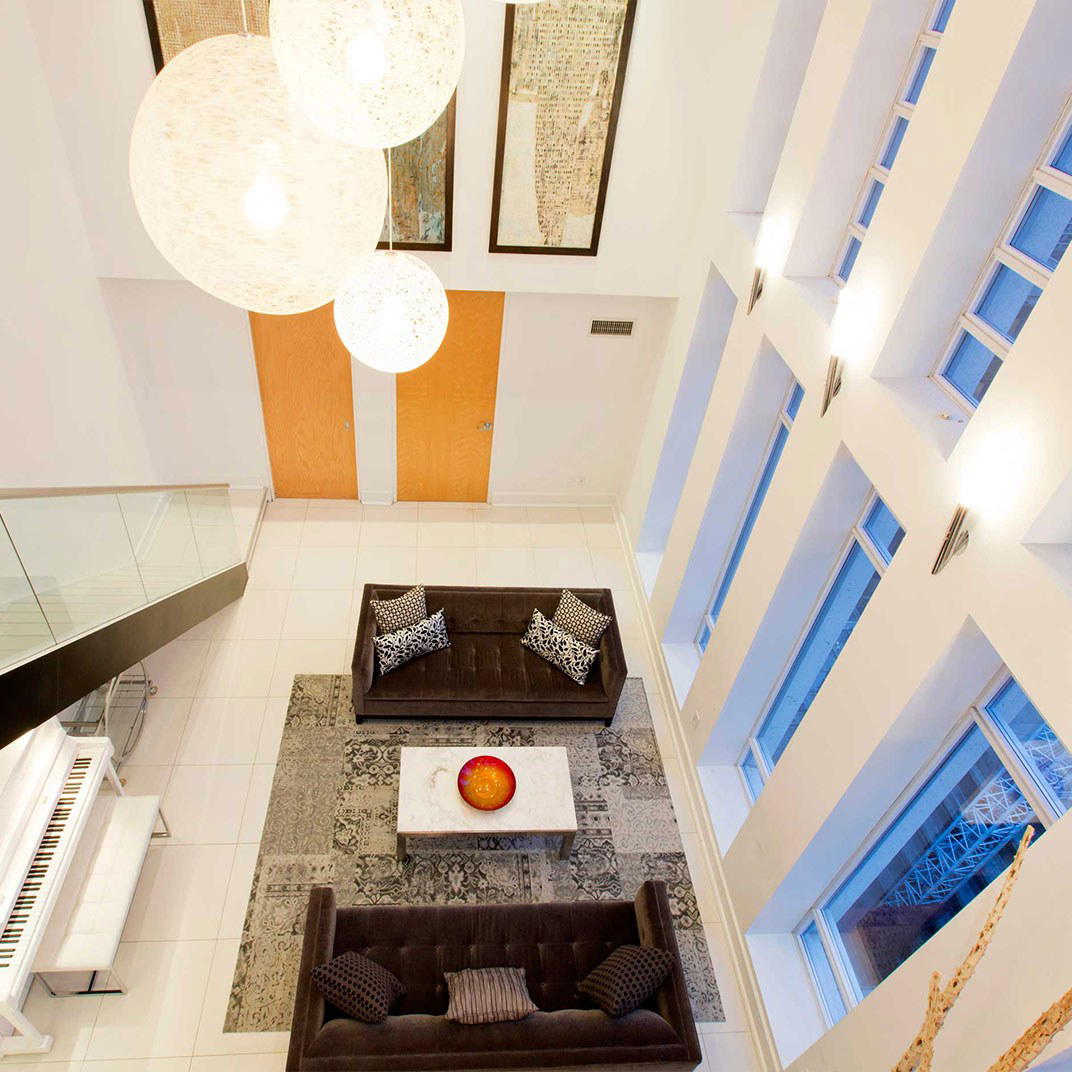
Bright and modern interior with contemporary artworks on the walls, creating a pleasant casual atmosphere.