


Hotel Toronto occupies the first 17 floors of a 66-storey tower at 188 University Avenue, earning a Michelin Key in 2024. Its 202 rooms sit between the financial and entertainment districts, with a 20,000-square-foot wellness floor, Miraj Hammam Spa, and Momofuku on property. Rates begin around CAD $966 per night.
Pearl is the En Primeur Club membership app — saves, bookings, and concierge access live there. Same editors, same standards.
- Address
- 188 University Ave, Toronto, ON M5H 0A3
- Phone
- +1 647-788-8888
- Website
- shangri-la.com
 Saves & bookings on Pearl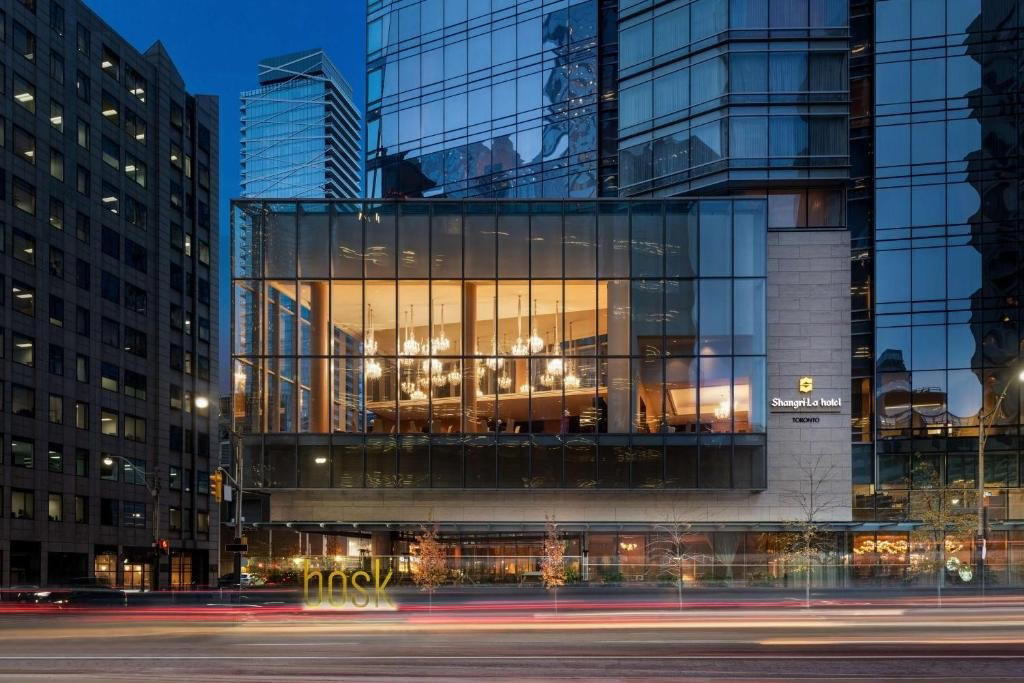
A Tower Between Two Districts
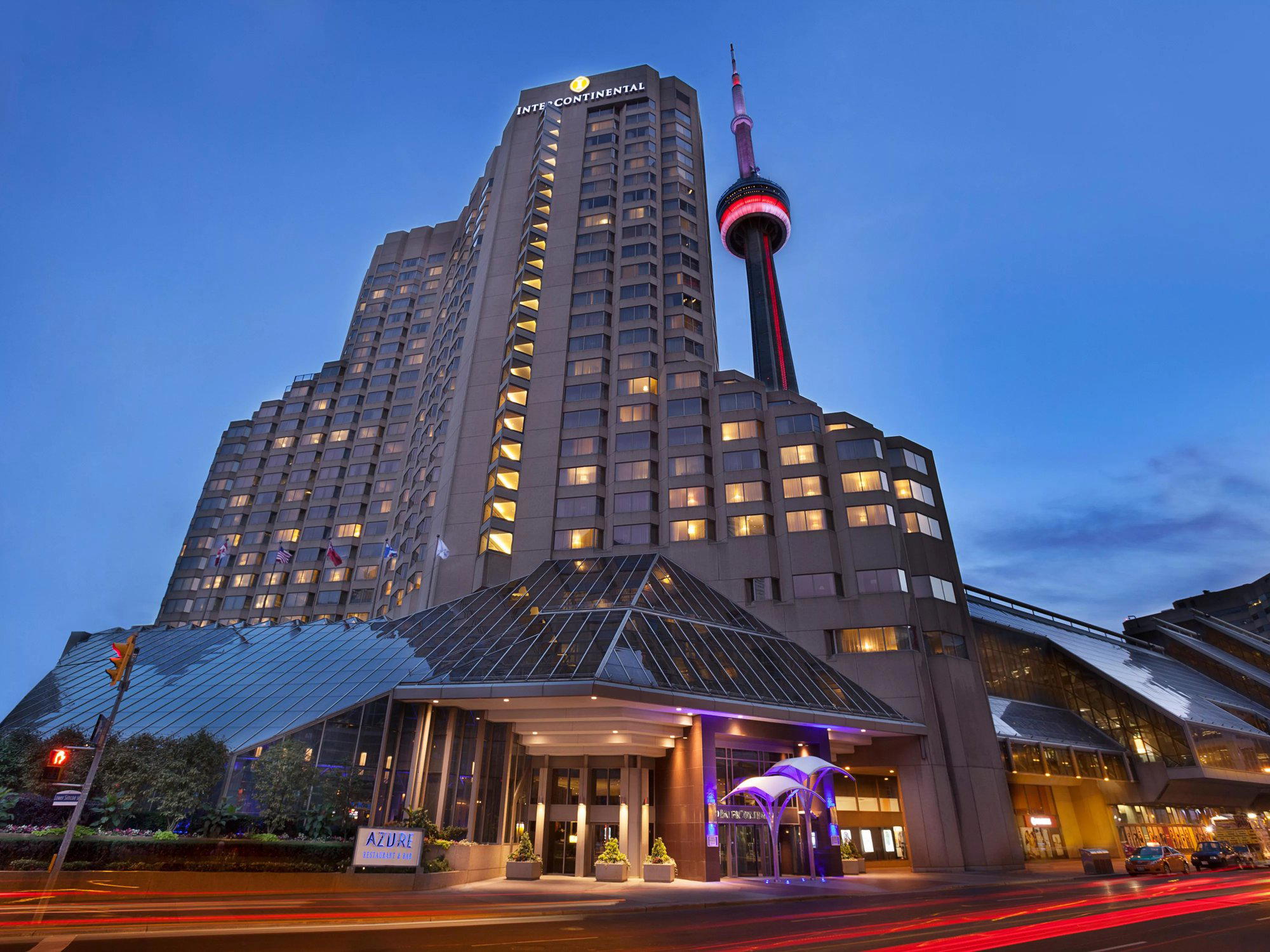
University Avenue runs through Toronto's financial core like a spine, and the block between Adelaide and King concentrates more corporate energy per square metre than almost anywhere else in the city. It occupies the lower 17 floors of a 66-storey tower at 188 University Avenue, a position that places it on the threshold between the financial district to the east and the Entertainment District to the west. That duality is not incidental. Among Toronto's top-tier hotels, few manage the transition from board-room proximity to after-dark access as naturally as this address. The Four Seasons Hotel Toronto anchors Yorkville's gallery mile to the north; the Park Hyatt Toronto commands Bloor Street's quieter cultural register. It sits at the city's commercial and entertainment seam, and builds inward from there.
What You See Walking In
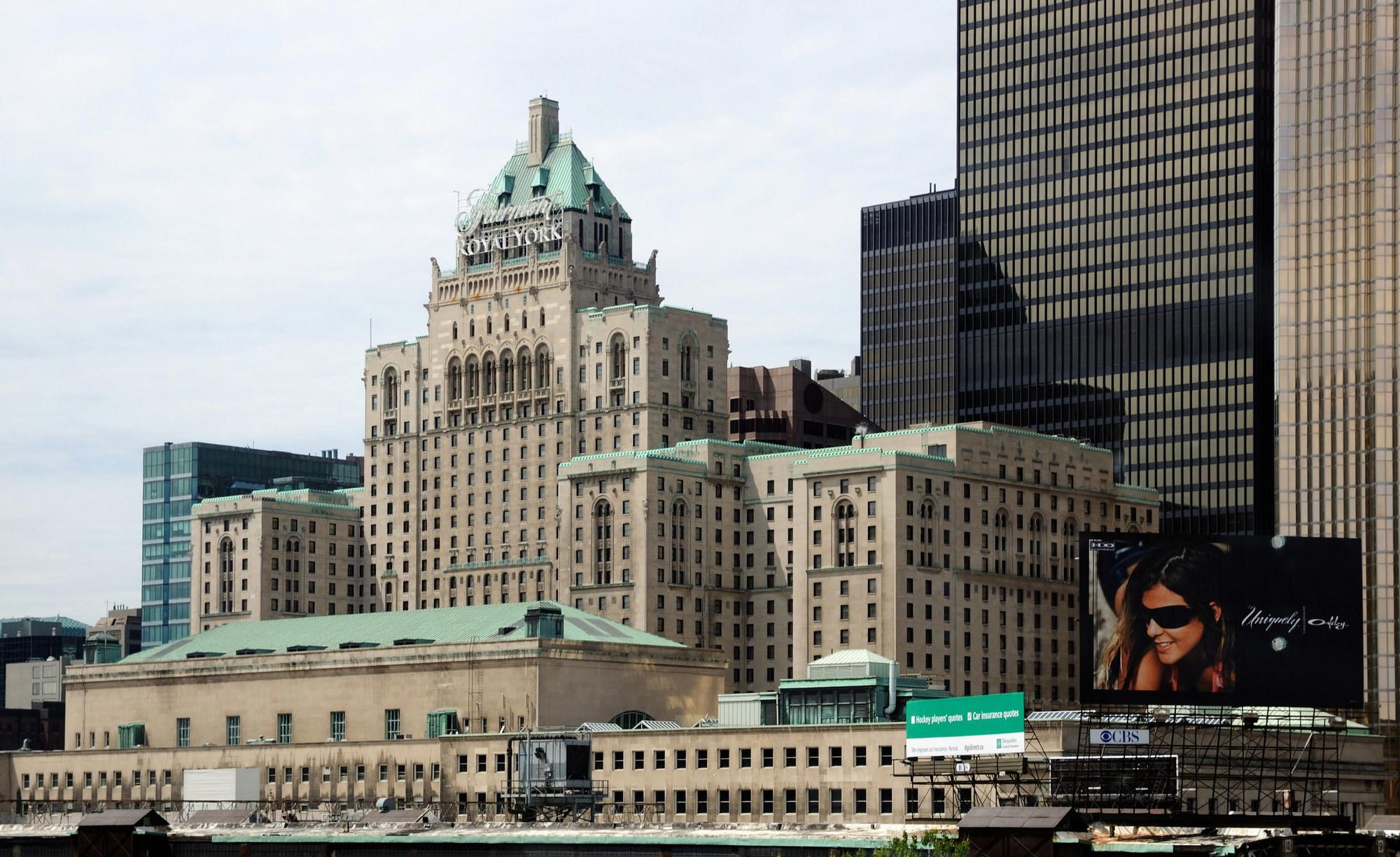
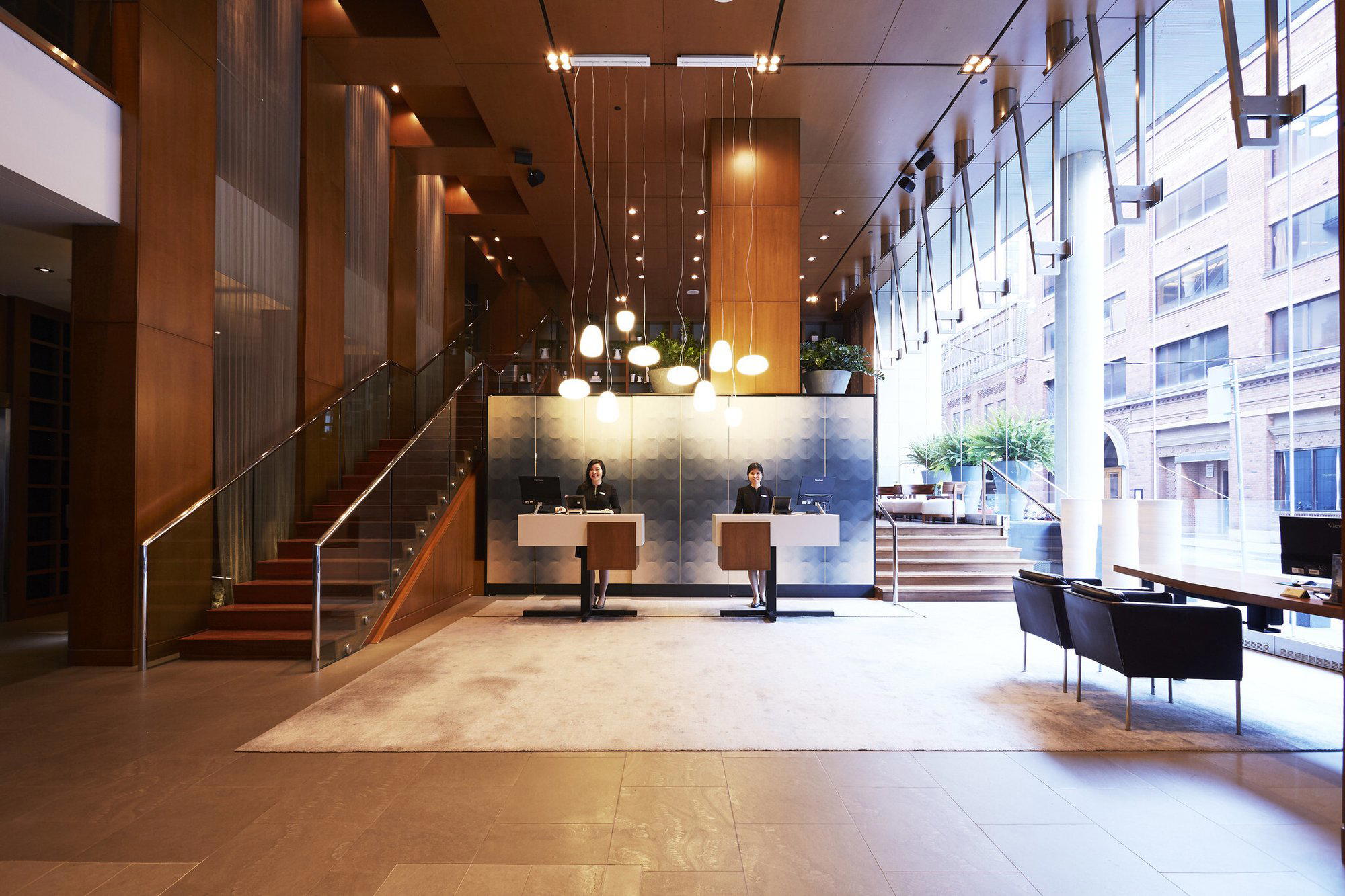
The entrance sequence sets a tone that the rest of the property sustains. Carved wooden screens filter the lobby light into patterns that shift across polished stone floors as the day moves. Glass panels rise to considerable height, and cascading water features, a recurring motif in Shangri-La Hotels and Resorts' design vocabulary globally, add an ambient acoustic layer that softens the financial-district noise outside. The Asian design references are neither subtle nor tokenistic: watercolour panels in black and white and wooden screens articulate a specific aesthetic lineage rather than a generic luxury gesture. For travellers arriving from Hong Kong, Singapore, or Shanghai, the visual language will feel calibrated and familiar. For those arriving from North America or Europe, it reads as genuinely different from the Georgian grandeur of the Fairmont Royal York or the neighbourhood-led design of the Ace Hotel Toronto.
The Lobby Lounge and What It Becomes After Dark
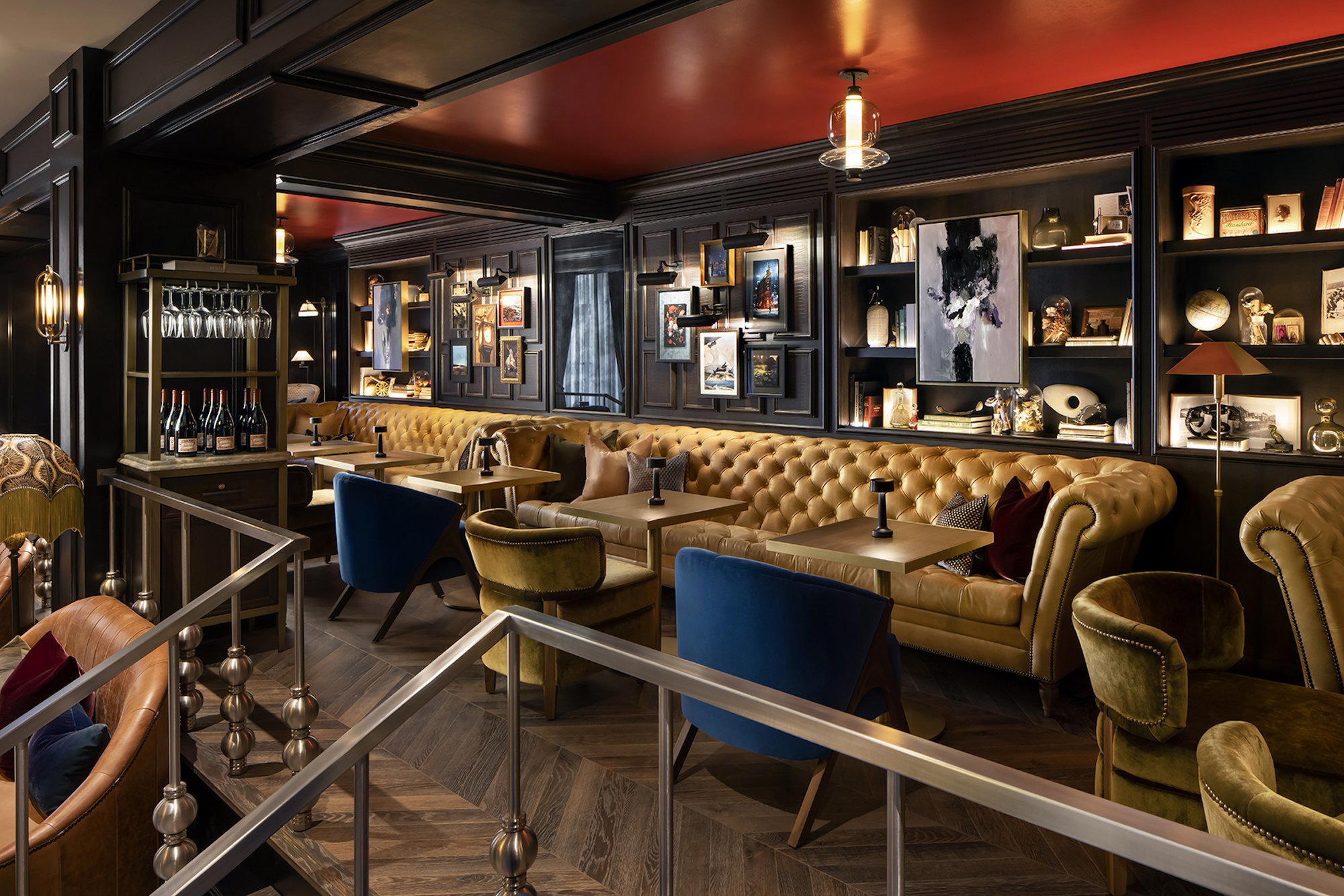
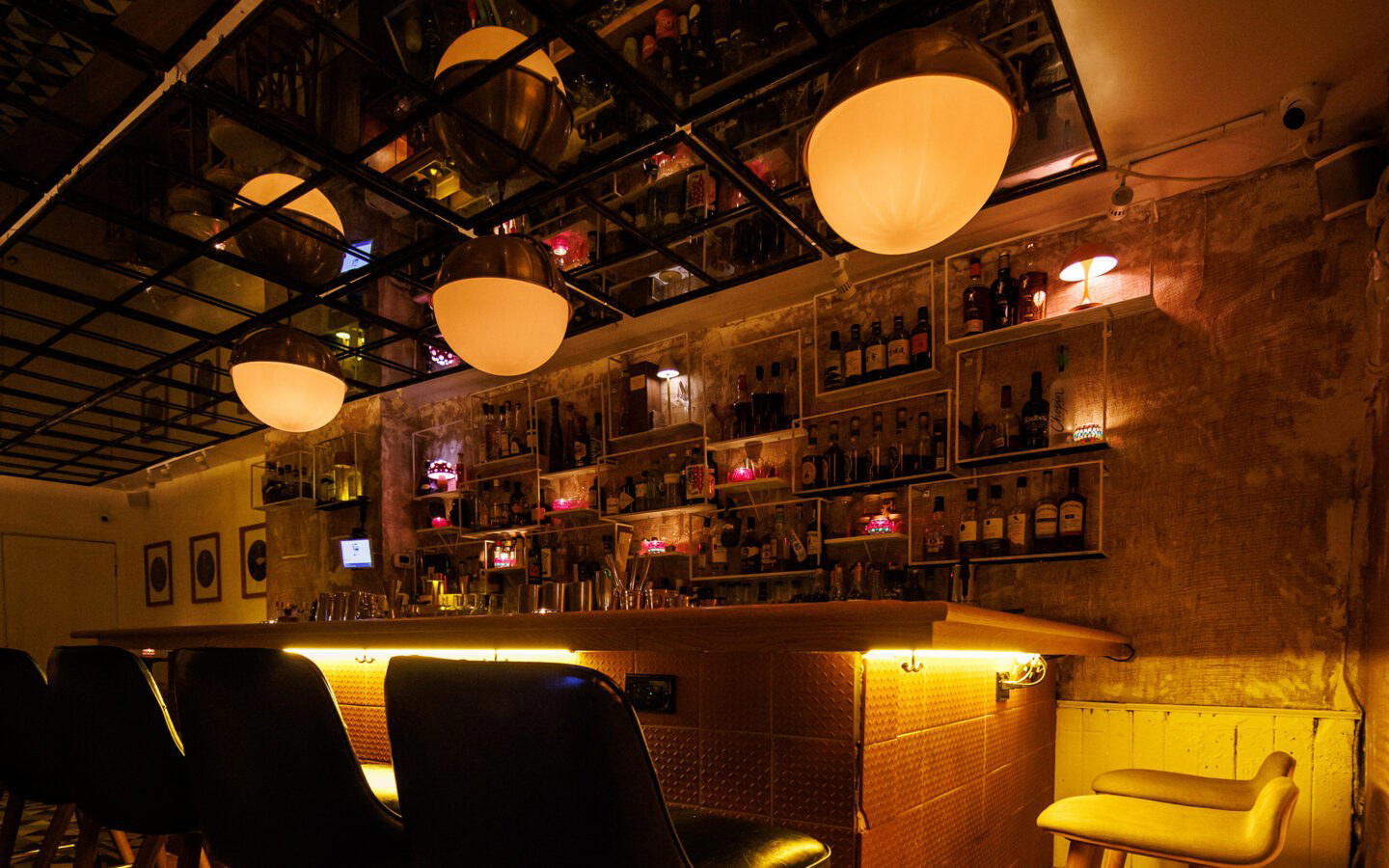
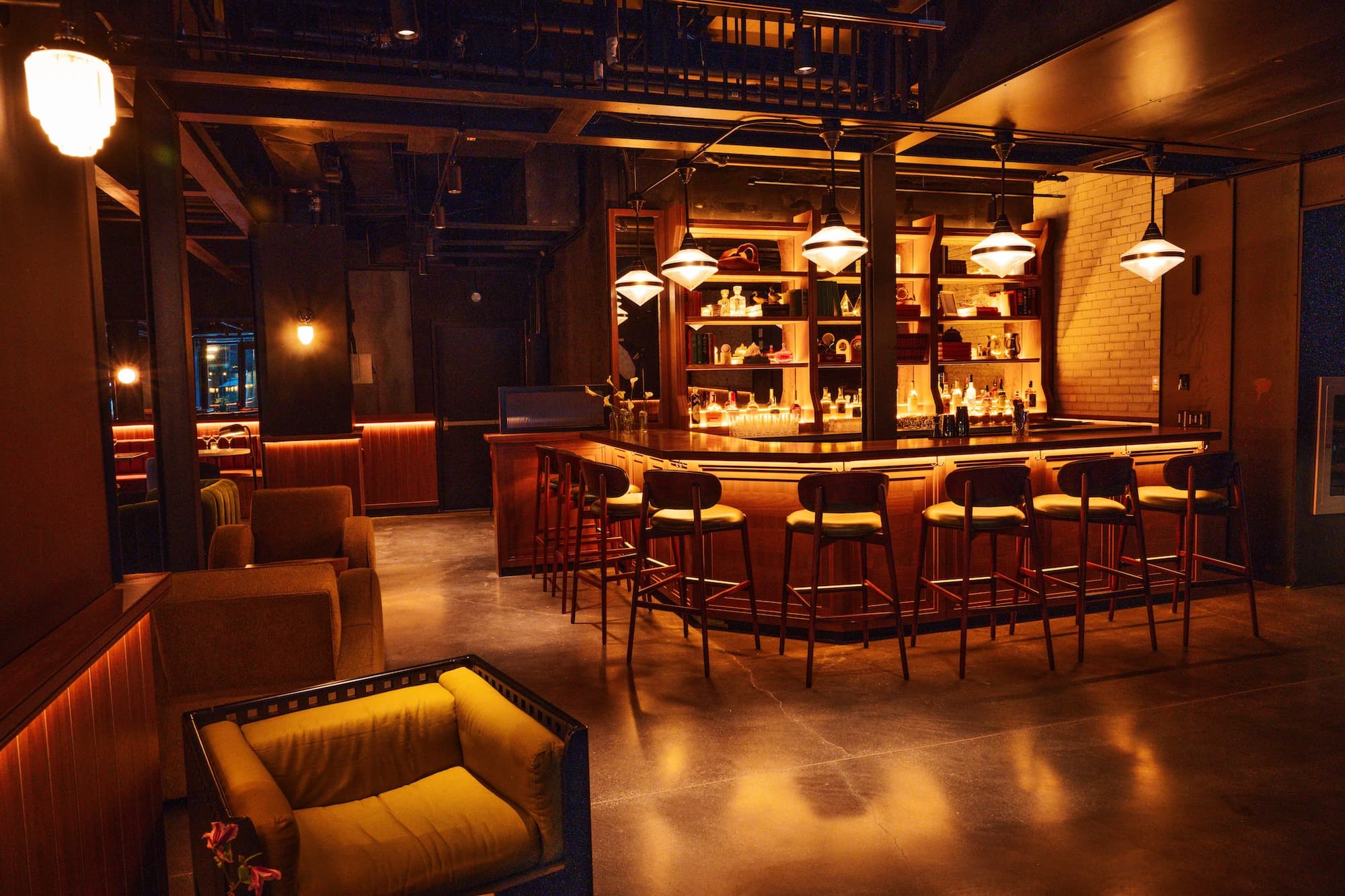
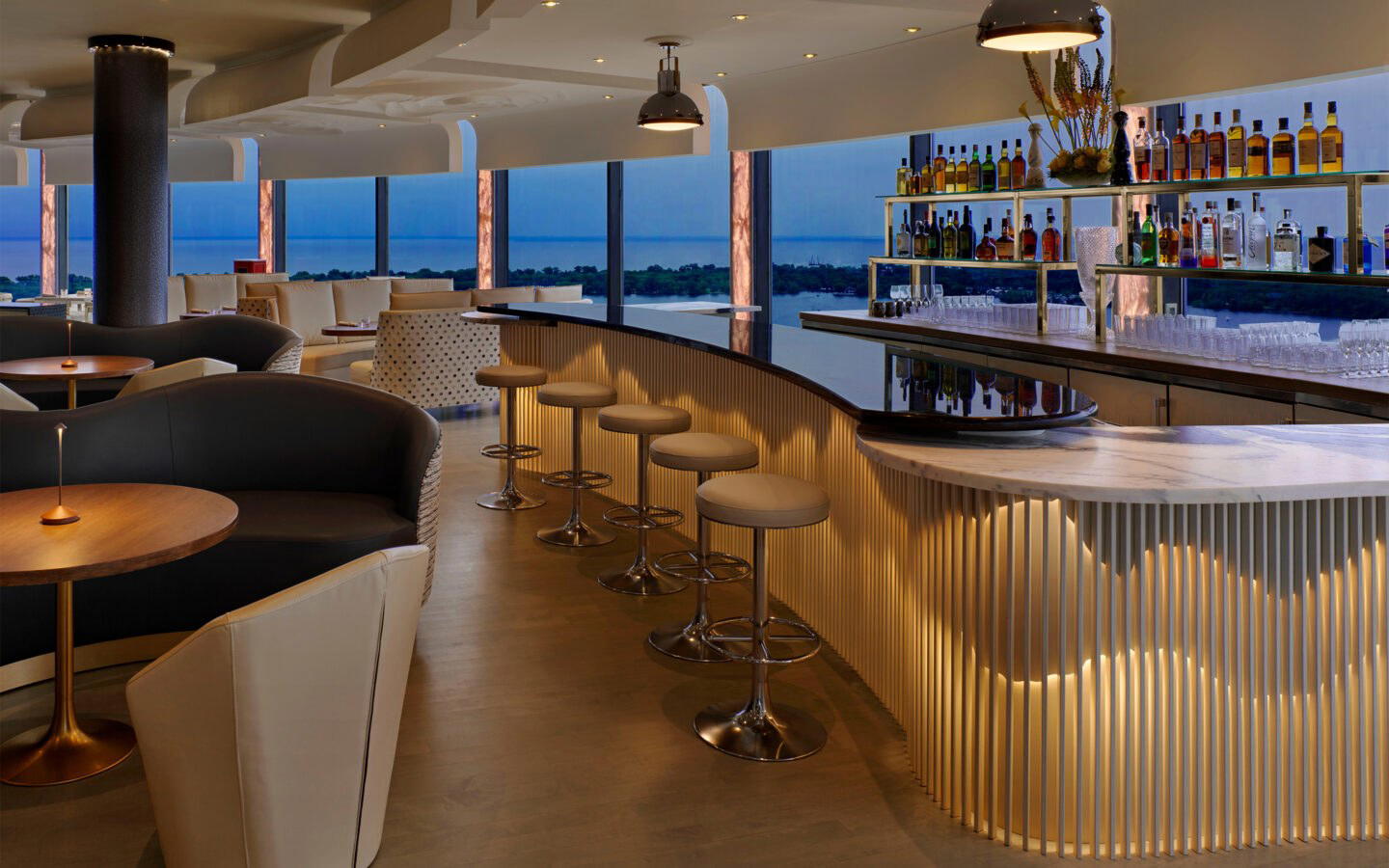
The Lobby Lounge functions as the property's social centre, with a programmatic identity that shifts across the day. Afternoon tea draws a different crowd from the evening cocktail hour, when live music most nights (Sunday excluded) and a cocktail list presented as a set of books give the room a particular character. The fireplace anchors the space physically, and the combination of curated music and Prohibition-era drink formats produces an atmosphere that sits closer to a members' club than a standard hotel lounge. Among Toronto's hotel bars, this format occupies a specific register: more composed than the Bisha Hotel Toronto's rooftop energy, less formal than the drawing-room sensibility of The Hazelton Hotel. The cocktail list's book presentation has become one of the lounge's more discussed details among Toronto hotel regulars, and it functions as a practical differentiator in a competitive set where bar programs increasingly define the guest experience beyond the room itself.
Momofuku and the On-Property Dining Question
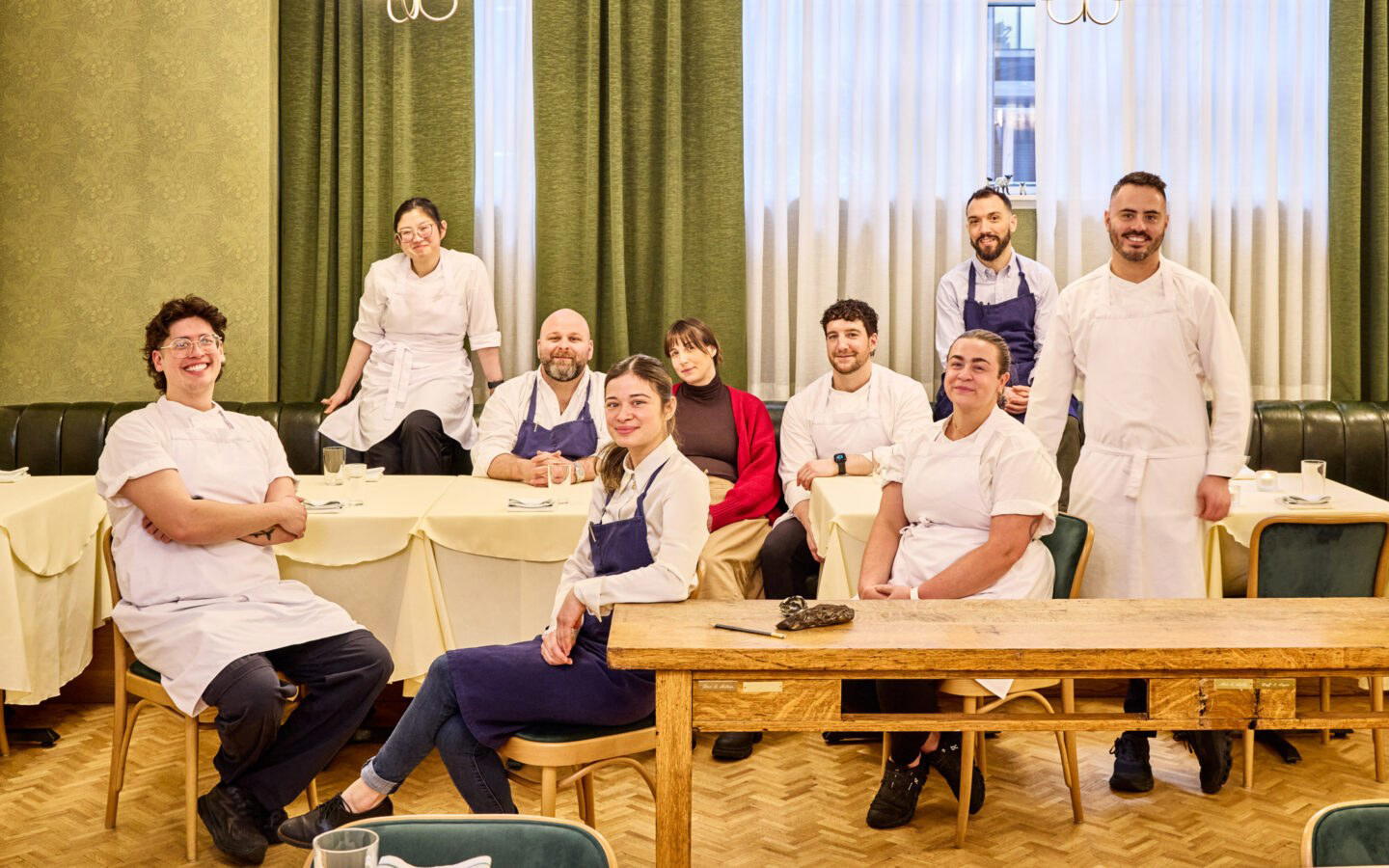
Presence of Momofuku on property is worth understanding in context. David Chang's restaurant group built its reputation at the original Noodle Bar in Manhattan's East Village, and the Toronto outpost follows that lineage with a menu that spans buns (shiitake, pork, shrimp, oyster, reuben), noodle dishes including chilled spicy preparations with Sichuan sausage and black beans, and the kind of composed informality that made the brand's reputation. In a hotel dining context, this matters: Momofuku is an independently credentialled restaurant that happens to sit within the 's footprint, rather than a hotel restaurant operating under the hotel's brand alone. Guests who want to eat at the property are not trading down from the city's independent dining scene. For a broader view of where the 's dining options sit within Toronto's restaurant ecosystem, our full Toronto restaurants guide provides the wider picture. Bosk, the hotel's own restaurant, offers an Asian-inflected menu in a room with carved screens and suspended coloured lamps, with an outdoor terrace operational during warmer months.
The Rooms: Spatial Logic and Sensory Detail
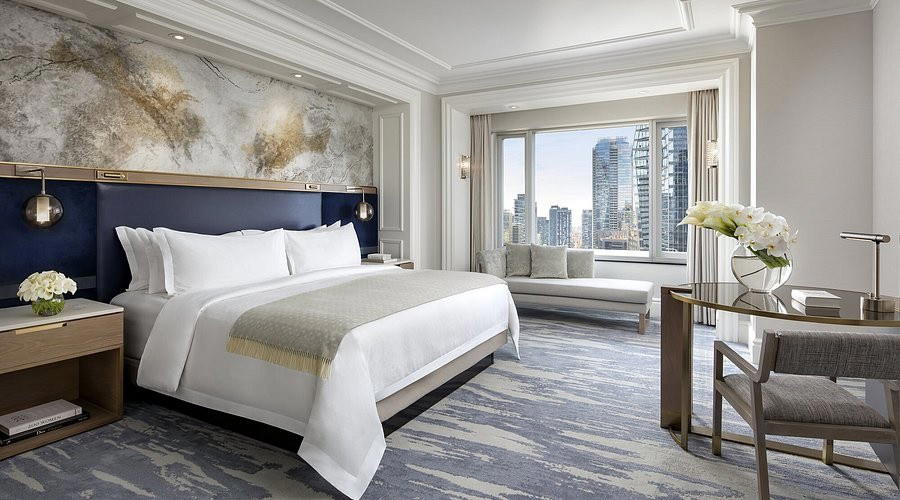
202 guest rooms divide roughly into a quarter suites and three-quarters standard accommodations. The spatial generosity is the defining characteristic: standard rooms here exceed what most Toronto competitors offer at suite level. Floor-to-ceiling windows are operable, a detail worth noting, since many high-rise hotels in North American cities have sealed glazing, and the city views from even lower floors carry considerable visual weight given the tower's central position. The design palette runs toward oatmeal-toned textured wallpaper, dark wood surfaces, and the black-and-white Chinese watercolour panels referenced throughout the property. Practical in-room technology includes iPads on the desk, 46-inch flat-screen televisions, heated floors, and Nespresso machines. Bathroom amenities are sourced from L'Occitane and Bulgari. Compared with the 1 Hotel Toronto's biophilic material approach or the Gladstone House's arts-programming identity, the 's rooms operate in a different register entirely: a consistent, controlled environment where the Asian design references are applied with discipline across every surface decision.
The Wellness Floor
Fifth floor dedicates 20,000 square feet to health and wellness infrastructure, which places it among the more substantial hotel wellness operations in the city. The 20-metre pool receives natural light from floor-to-ceiling windows, and the Miraj Hammam Spa provides a treatment format, alternating low-mist and high-intensity steam rooms before massage or facial, that is relatively rare in Toronto's hotel spa circuit. The fitness centre runs TechnoGym equipment alongside a programming schedule that includes yoga, Pilates, spin, and cardio boot camp classes. An infrared sauna and Jacuzzi with complimentary cabanas complete the offering. For travellers who structure trips around recovery and physical maintenance alongside meetings or cultural visits, this floor carries meaningful weight in the accommodation decision.
A Michelin Key and What It Signals
The property received a Michelin Key in 2024, Michelin's hotel recognition framework introduced to evaluate hospitality experience with the same rigour applied to its restaurant ratings. The Key designation places the hotel within a small cohort of Canadian hotels meeting Michelin's hospitality criteria. In Canada's broader luxury hotel context, the range extends from city-centre flagships like this property to remote experiential lodges such as Fogo Island Inn in Joe Batt's Arm and Clayoquot Wilderness Lodge in Tofino, or heritage manor properties like Manoir Hovey in North Hatley. The operates in the urban flagship tier alongside properties such as the Rosewood Hotel Georgia in Vancouver, and its Michelin recognition aligns it with that comparable set rather than the resort or boutique categories.
Planning Your Stay
Hotel sits at 188 University Avenue, Toronto, ON M5H 0A3, within walking distance of the city's main financial institutions, the PATH underground network, and the Entertainment District's major venues. The indoor pool means year-round swimming, while the outdoor terrace on Bosk operates seasonally. Packing light is practical here: the hotel supplies toothbrushes and a full amenities range, so bathroom travel items can be reduced. For travellers considering the broader Canadian hotel circuit, comparisons with Fairmont Chateau Whistler in Whistler, Fairmont Banff Springs in Banff, or Fairmont Chateau Lake Louise in Lake Louise place the in a different category: a city hotel built for the intersection of business and leisure, not destination resort travel. Those extending itineraries into Quebec might consider Hotel Le Germain Montreal in Montreal or Hôtel Quintessence in Mont-Tremblant; for western Canada, the Fairmont Empress Hotel in Victoria provides a comparable flagship-tier reference. International travellers comparing urban luxury benchmarks might cross-reference the The Fifth Avenue Hotel in New York City, Aman New York in New York City, or Aman Venice in Venice when calibrating expectations for what a Michelin Key-holding property at this tier delivers.
Price and Recognition
Comparable venues nearby, for context on price, style, and recognition.
| Venue | Price | Awards | Notes |
|---|---|---|---|
| Shangri-La Hotel, TorontoThis venue — the venue you are viewing | $$$$ | Michelin 1 Key | |
| 1 Hotel Toronto | $$$$ | Michelin 1 Key | Fashion District, sustainable urban retreat rooted in nature with mindful design |
| Park Hyatt Toronto | $$$$ | Michelin 1 Key | Annex, understated modern luxury with residential appeal |
| Bisha Hotel Toronto | $$$$ | Michelin 1 Key | Entertainment District, Boutique luxury with 1970s-inspired glamour and Kravitz Design suites |
| Ace Hotel Toronto | $$$ | Michelin 1 Key | Fashion District, Boutique design hotel blending local Canadian artistry with modern minimalism in Toronto's creative core. |
| Four Seasons Hotel Toronto | $$$$ | Michelin 2 Key | Yorkville, Urban luxury hotel blending sophistication and natural beauty. |
Continue exploring
More in Toronto
Hotels in Toronto
Browse all →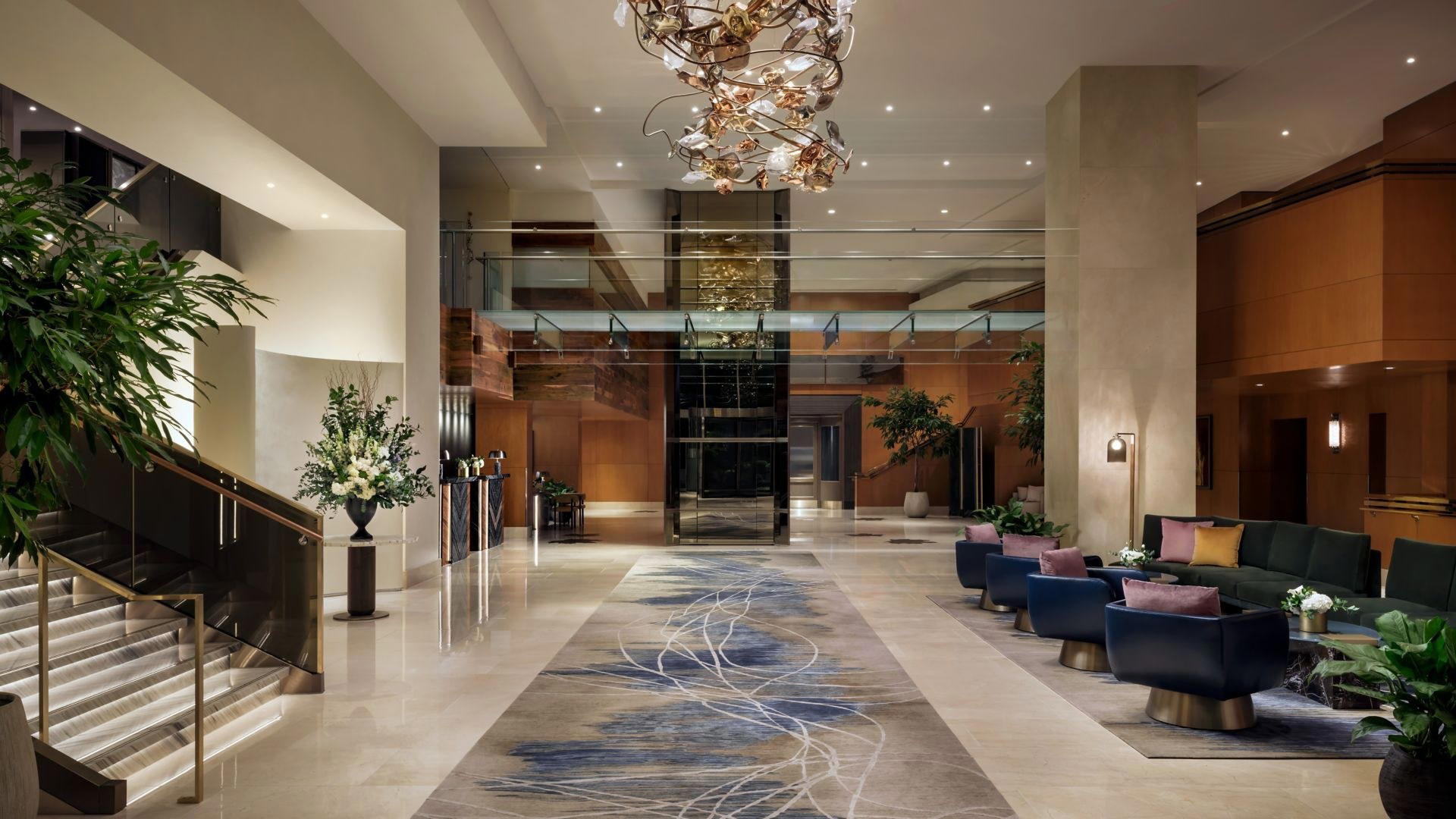
Bars in Toronto
Browse all →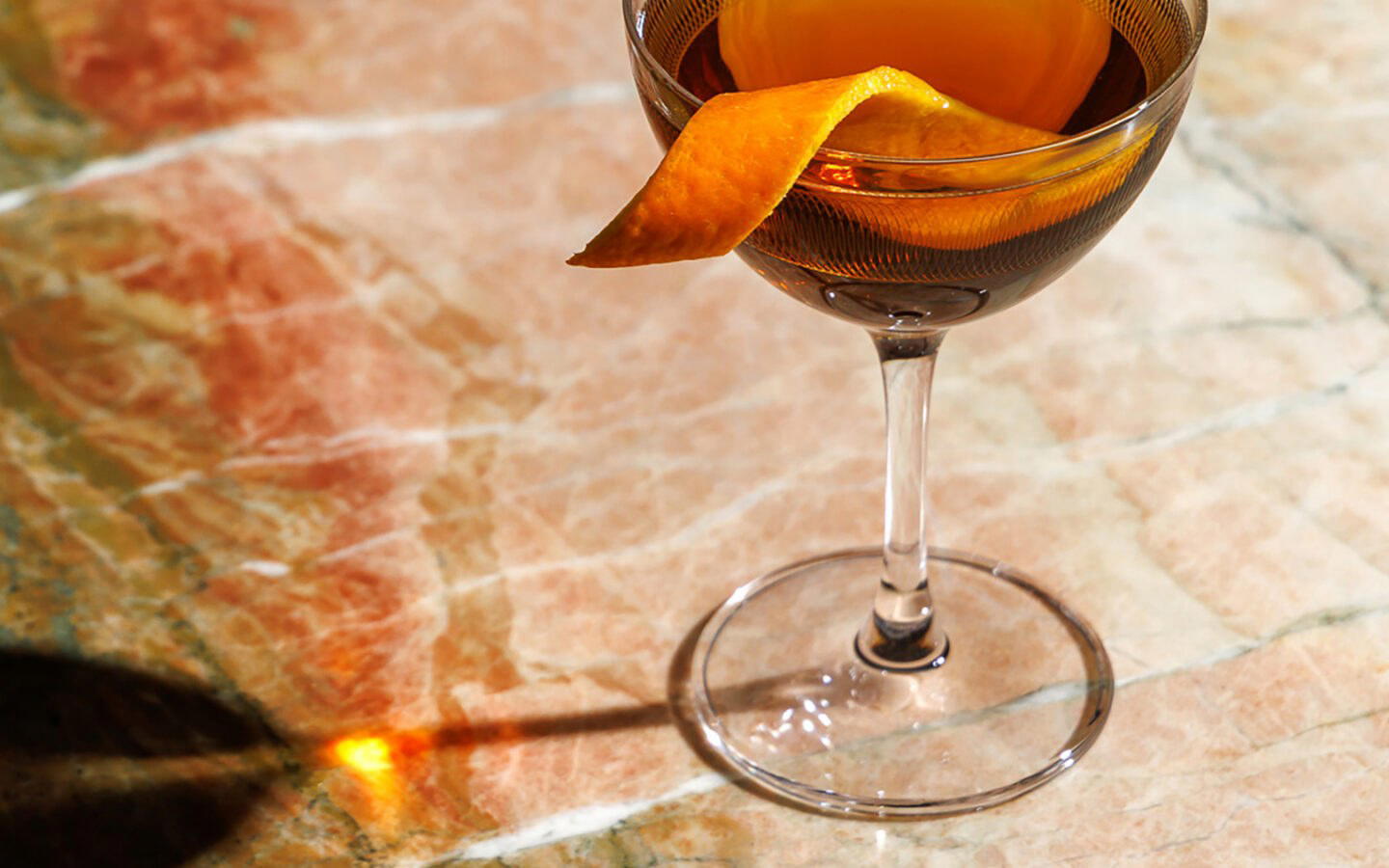
Restaurants in Toronto
Browse all →
Wineries in Toronto
Browse all →
At a Glance
- Elegant
- Sophisticated
- Modern
- Opulent
- Business Trip
- Romantic Getaway
- Weekend Escape
- Rooftop Pool
- Panoramic View
- Historic Building
- Wifi
- Pool
- Spa
- Fitness Center
- Room Service
- Concierge
- Business Center
- Valet Parking
- Ev Charging
- Skyline
Sophisticated and serene atmosphere with warm lighting, soundproofed rooms, and a calming spa-like ambiance praised in guest reviews.