On Lerchenfelder Strasse in Vienna's 8th district, Taberna de la Mancha occupies a small but committed niche in a city more often associated with Wiener Schnitzel and tasting menus. The name points toward the Castilian heartland of Spain, and the kitchen follows that signal into territory that few Vienna addresses cover. For regulars, the draw is consistency and specificity rather than spectacle.
Pearl is the En Primeur Club membership app — saves, bookings, and concierge access live there. Same editors, same standards.
- Address
- Lerchenfelder Str. 60, 1080 Wien, Austria
- Website
- tabernadelamancha.at
- Directions
- Get directions
 Saves & bookings on Pearl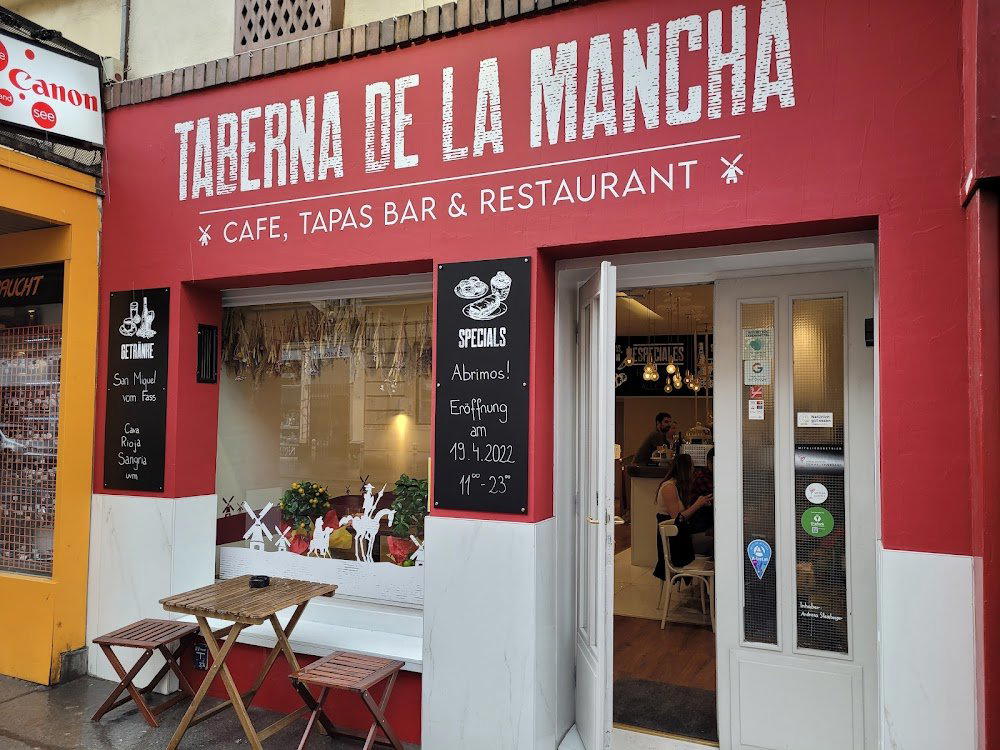
Vienna's Spanish Pocket: What Taberna de la Mancha Represents in the City's Dining Map
Taberna de la Mancha is a Spanish tapas restaurant at Lerchenfelder Str. 60, 1080 Wien, Austria, in Vienna's 8th district, Josefstadt. Vienna's restaurant scene in the 8th district, Josefstadt, operates at a different register than the grand tasting-menu addresses along the Ringstrasse or in the Stadtpark. The neighbourhood runs on repeat custom: residents who walk to dinner, tables that fill with the same faces on the same nights of the week, kitchens that succeed not through critical campaigns but through accumulated loyalty. Taberna de la Mancha, at Lerchenfelder Strasse 60, fits that pattern. Spanish cooking in Vienna exists in a small category, and Castilian-influenced addresses are rarer still. Where much of the city's non-Austrian dining leans toward Italian, Japanese, or the broader pan-European tasting format seen at places like Konstantin Filippou or Mraz & Sohn, the restaurant draws from a tradition rooted in the Spanish interior: slow braises, preserved ingredients, the architecture of the tavern rather than the restaurant.
That tavern format matters editorially. La Mancha, the region in central Spain that gives the venue its name, is not the Spain of tapas bars or Catalan modernism. It is the Spain of Don Quixote's landscape: dry, pastoral, built on lamb, manchego, wine from Valdepeñas and La Mancha's own DO, and cooking that does not rush. A Vienna address drawing from that tradition is operating in a specific register, and that specificity is what tends to create a loyal clientele rather than a casual tourist one.
The Regulars and What They Return For
In neighbourhood restaurants operating on loyal repeat custom, the menu functions on two levels: the printed version and the unwritten one that regulars navigate by habit. The kitchen at the restaurant has enough of an established presence on Lerchenfelder Strasse that the latter almost certainly exists. What distinguishes a regulars' restaurant from a passing-trade one in Vienna's 8th is the degree to which the kitchen accommodates familiarity rather than novelty. The Spanish tavern tradition, on which this address draws, is structurally suited to that: dishes that are made the same way on every visit, portions calibrated for sharing or for a single hungry local, wine by the glass that does not change seasonally but does rotate by the barrel.
For those coming for the first time with a regulars' understanding in mind, the useful frame is to think of the restaurant as a place where the kitchen's discipline is expressed through repetition rather than reinvention. That is a different value proposition from what Steirereck im Stadtpark or Amador offer, and it is not a lesser one. It is simply a different category of dining, and one that Vienna's neighbourhood structure supports well.
Where It Sits in Vienna's Broader Dining Structure
Vienna's fine-dining tier is well-documented. The city holds multiple Michelin-starred addresses, with the creative Austrian and modern European formats dominating the upper bracket. Doubek represents the kind of focused, neighbourhood-level ambition that exists between the starred tier and the purely casual. The restaurant operates in a similar middle register, though with a geographical rather than a technical identity as its primary marker. For visitors building a multi-day Vienna itinerary, the practical value is contrast: an evening here reads differently from a tasting menu at a €€€€ address, and that contrast is part of what makes Vienna's dining scene function as a whole rather than as a series of isolated high points.
Internationally, the Spanish tavern format has precedents in cities with large Iberian communities or long-standing cultural exchange with Spain. Vienna's version is necessarily adapted to a central European context: Austrian wine may appear alongside Spanish, service rhythms may be faster or more formal than in Madrid, and the clientele will reflect the neighbourhood rather than an expatriate community. Those adaptations are worth knowing before arriving with fixed expectations about what a Spanish restaurant should feel like.
Austria Beyond Vienna: Context for the Wider Trip
For travellers extending beyond the capital, Austria's restaurant geography rewards attention. The alpine and rural addresses often match or exceed what the city offers at the serious cooking level. Döllerer in Golling an der Salzach anchors its cooking in alpine ingredients with a rigour that has drawn sustained critical recognition. Ikarus in Salzburg operates a rotating guest-chef format that makes it structurally different from any permanent kitchen in Vienna. Further west, Griggeler Stuba in Lech and Gourmetrestaurant Tannenhof in Sankt Anton am Arlberg serve as strong evidence that serious cooking in Austria is not a capital-city monopoly. Obauer in Werfen, Landhaus Bacher in Mautern an der Donau, Kräuterreich by Vitus Winkler in Sankt Veit im Pongau, Schwarzer Adler in Hall in Tirol, Restaurant 141 by Joachim Jaud in Mieming, and Ois in Neufelden each represent distinct regional approaches worth routing a trip around.
For reference beyond Austria, the contrast between a focused neighbourhood address and international fine dining is well illustrated by comparing the restaurant's neighbourhood register against the format discipline of somewhere like Le Bernardin in New York City or the precision of Atomix in New York City. Different cities produce different versions of the regulars' restaurant, and Vienna's version tends toward the intimate and the locally embedded rather than the architecturally ambitious.
| Venue | District | Price Tier | Format | Booking |
|---|---|---|---|---|
| The restaurant | Josefstadt (8th) | Not confirmed | Spanish tavern | Recommended to check ahead |
| Steirereck im Stadtpark | Stadtpark (3rd) | €€€€ | Creative Austrian tasting | Weeks in advance |
| Konstantin Filippou | Inner City (1st) | €€€€ | Modern European tasting | Weeks in advance |
| Doubek | Neighbourhood | Mid-range | Neighbourhood bistro | Walk-in or same-week |
The restaurant sits on Lerchenfelder Str. 60 in the 8th district. The address is a residential street rather than a dining destination strip, which reinforces the neighbourhood character. Seasonal timing matters in this part of Vienna, but the restaurant's regular hours are Tuesday through Saturday from 5 to 11 PM.
Similar Picks
Comparable venues nearby, for context on price, style, and recognition.
| Venue | Cuisine | Price | Notes |
|---|---|---|---|
| Taberna de la ManchaThis venue — the venue you are viewing | Spanish Tapas | $$ | Not listed |
| Paco | Authentic Spanish Tapas | $$$ | Alsergrund |
| PACO Ribera | Authentic Spanish Tapas | $$$ | Donauturm |
| Puerta del Sol | Authentic Spanish Tapas | $$ | Josefstadt |
| Bodega Marqués | Modern Spanish Tapas | $$$ | Stephansdom |
| Marks | Austrian Fusion | $$ | Josefstadt |
Continue exploring
More in Vienna
Restaurants in Vienna
Browse all →
Bars in Vienna
Browse all →

Hotels in Vienna
Browse all →
At a Glance
- Cozy
- Rustic
- Warm
- Casual Hangout
- Group Dining
- After Work
- Standalone
- Terrace
- Beer Program
Current opening hours
- Monday
- Closed
- Tuesday
- 5–11 PM
- Wednesday
- 5–11 PM
- Thursday
- 5–11 PM
- Friday
- 5–11 PM
- Saturday
- 5–11 PM
- Sunday
- Closed
Hours can change for holidays and private events. Last verified .
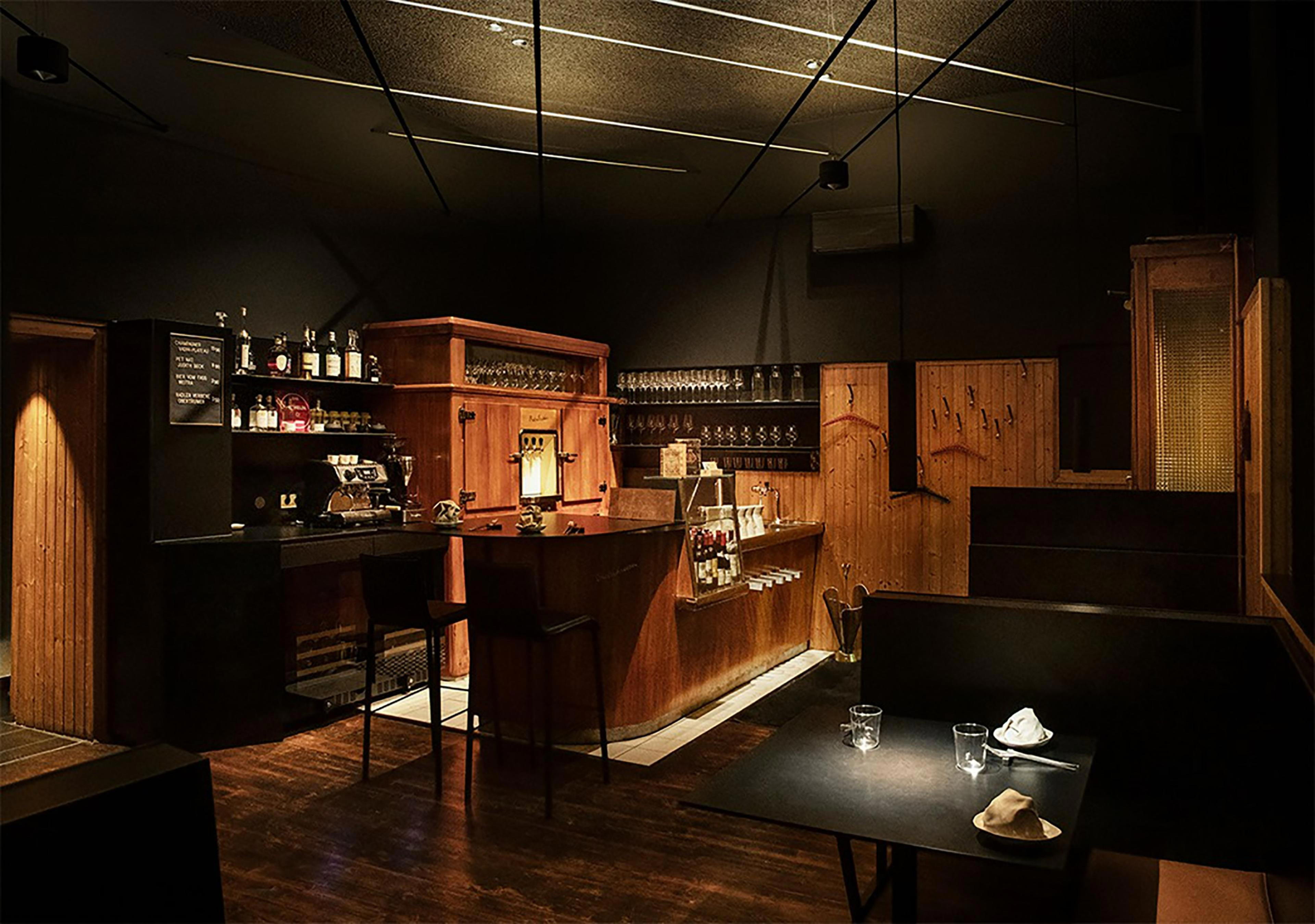
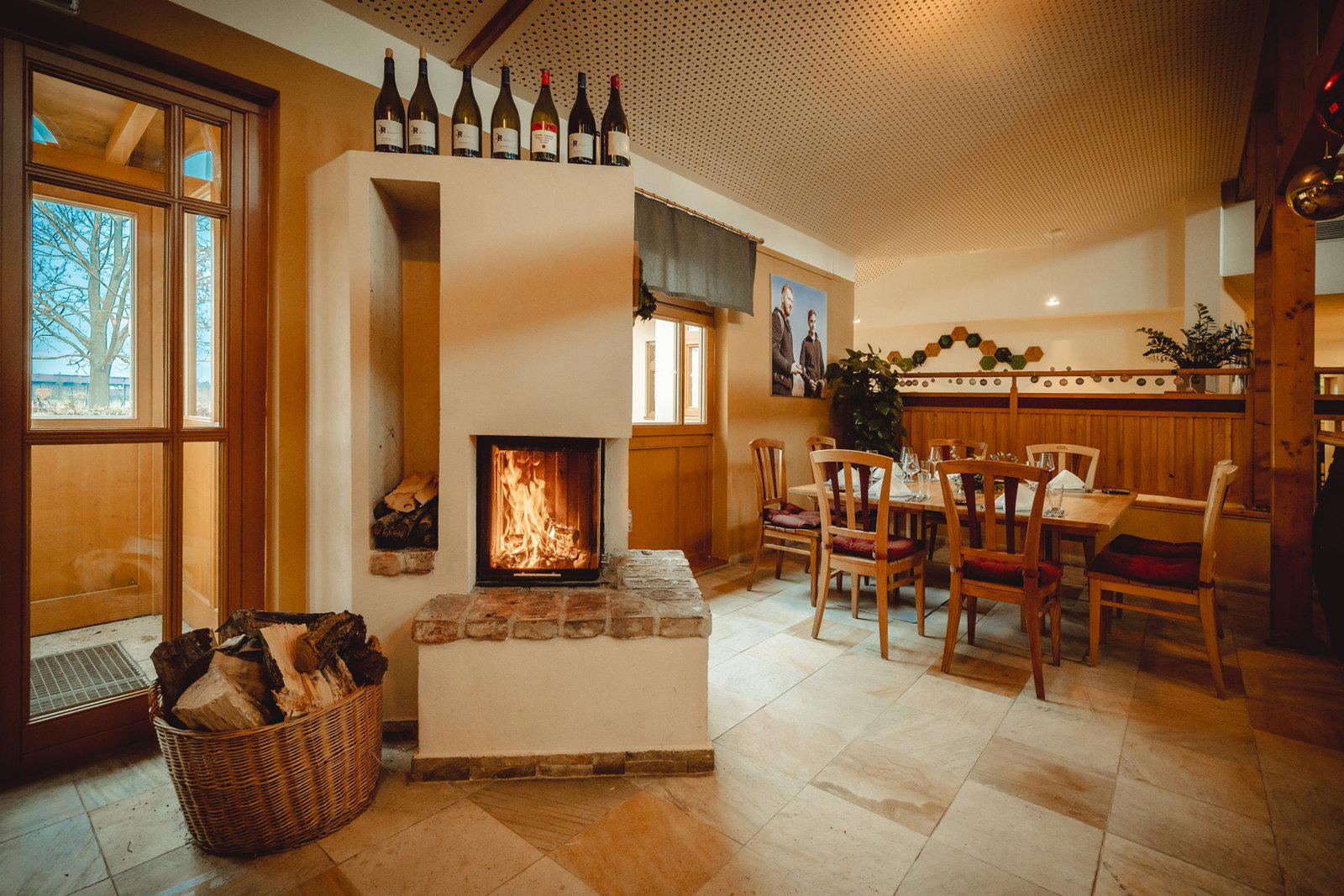
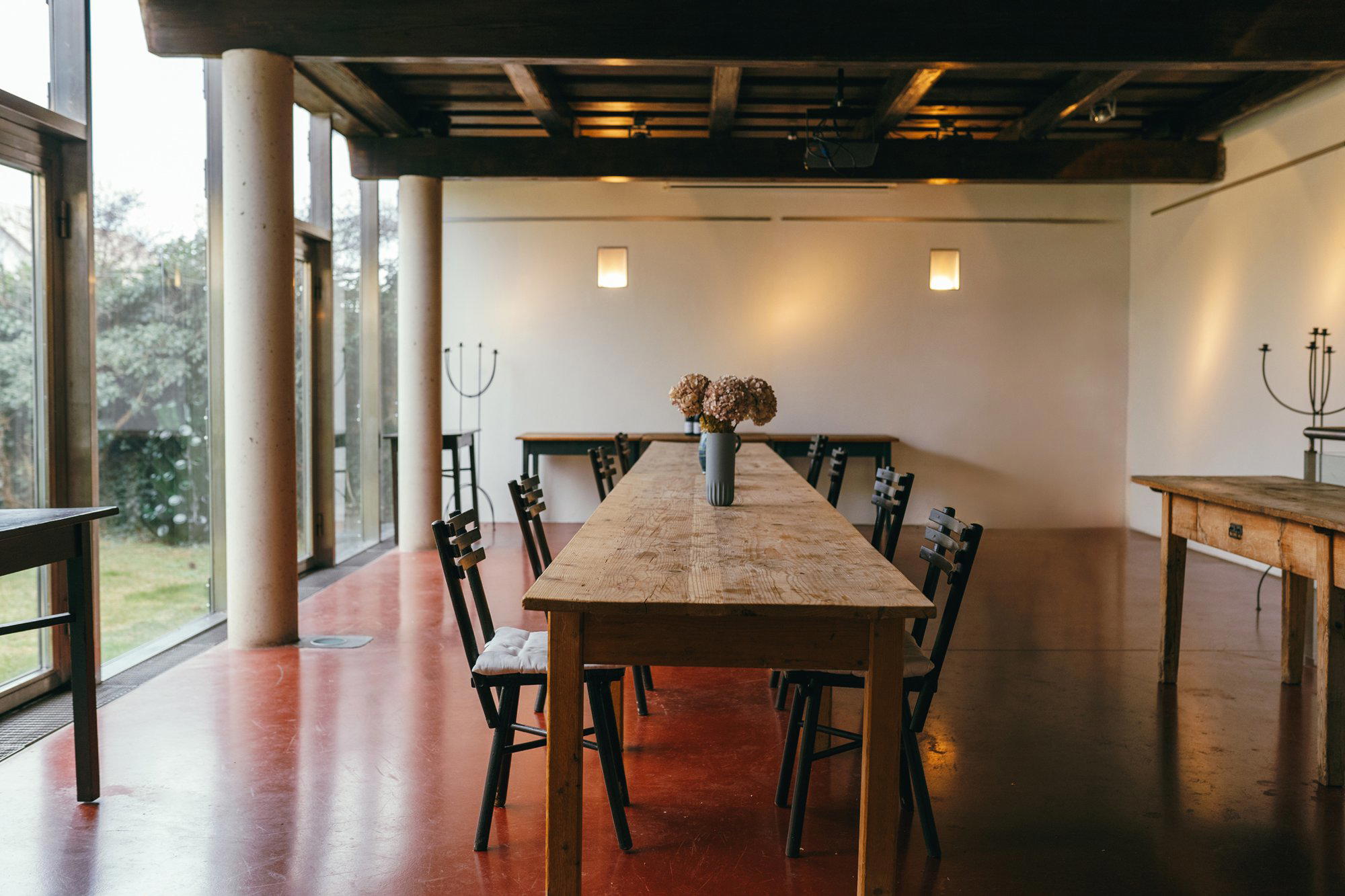
Warm and inviting with rustic décor, traditional Spanish music playing in the background, and a calm, intimate atmosphere.