On Neustiftgasse in Vienna's 7th district, Marks occupies a stretch of the city where neighbourhood dining has quietly become more considered. The address places it within walking distance of the Museumsquartier, in a pocket of the Seventh that has drawn a food-conscious crowd without tipping into tourist-circuit territory. Details on format and pricing are best confirmed directly with the venue.
Pearl is the En Primeur Club membership app — saves, bookings, and concierge access live there. Same editors, same standards.
- Address
- Neustiftgasse 82, 1070 Wien, Austria
- Phone
- +434315223290
- Website
- restaurant-marks.at
- Directions
- Get directions
 Saves & bookings on Pearl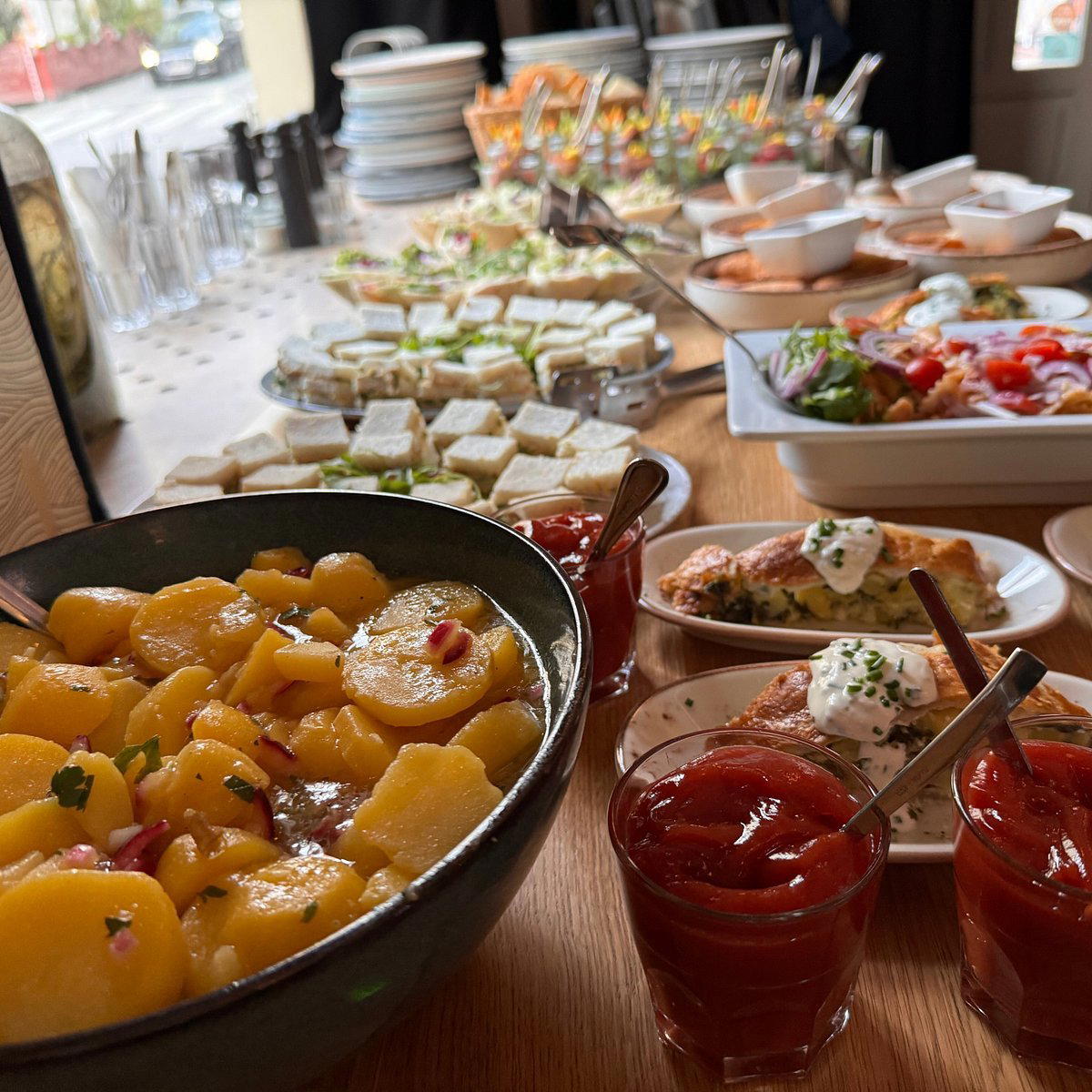
Vienna's Seventh District and the Question of Conscious Dining
Austria's restaurant culture has, over the past decade, developed a serious conversation around sourcing, seasonality, and waste, one that moves well beyond marketing language and into kitchen practice. At the leading end, venues like Steirereck im Stadtpark have made farm relationships and Alpine-regional sourcing central to their identity. Further along the price curve, a generation of smaller operations has picked up that thread and pulled it into neighbourhood formats, where the economics of ethical sourcing are considerably harder to sustain. Neustiftgasse 82 in Vienna's Seventh district, where Marks is located, sits in that second category of places: a street-level address in a residential-commercial strip that has attracted restaurants working with more deliberate approaches to what they put on the plate.
The Seventh, historically associated with the Spittelberg quarter and a mix of galleries, workshops, and independent cafés, has in recent years consolidated a reputation as one of the city's more food-literate neighbourhoods. It is not the formal fine-dining corridor, that gravitates toward the First and, increasingly, toward Steirereck's park setting, but it is a district where the clientele tends to ask questions about provenance and expect honest answers. That context matters when assessing what a restaurant on this street is trying to do.
Sustainability as Kitchen Logic, Not Label
Across Austria's serious restaurant scene, the sustainability conversation has split into two distinct registers. The first is declarative: menus annotated with farm names, supplier shoutouts on Instagram, and press releases about composting programmes. The second is structural: kitchens that reorganise prep and purchasing around waste reduction before they think about how to describe it. The difference is visible in the food. Declarative sustainability tends to produce menus that gesture toward provenance without fully integrating it; structural sustainability tends to produce tighter, more consistent cooking where the constraints of seasonal and ethical sourcing become creative discipline rather than marketing copy.
Austria has genuine infrastructure to support the structural approach. The country's network of small-scale Alpine dairy producers, biodynamic wine growers in Burgenland and the Wachau, and heritage-breed livestock farmers gives a Vienna kitchen real options that their counterparts in larger European capitals sometimes lack. Restaurants that commit to these supply chains, places like Mraz & Sohn in the 20th, or Konstantin Filippou working with regional producers across his tasting menus, demonstrate that the local sourcing argument in Austria is not aspirational. The produce exists; the question is whether a kitchen builds its workflows around it.
For a neighbourhood address like Marks on Neustiftgasse, the logic shifts slightly. The overheads and volume of a mid-scale residential restaurant make the economics of premium ethical sourcing tighter than at a multi-Michelin operation. Particularly coherent sustainability stories at this tier tend to come from kitchens that make choices about which suppliers to prioritise and then build menus backward from what those suppliers can deliver week to week, rather than forward from a fixed dish list. That approach produces menus that shift with season and supply rather than pretending otherwise. It also reduces the kind of speculative purchasing that drives food waste in fixed-menu operations.
Placing Marks in Vienna's Broader Restaurant Map
Vienna's restaurant scene in the upper-mid range has become significantly more varied than the city's Michelin tally, which concentrates recognition at the summit tier, would suggest. Between the €€€€ omakase-style tasting menus at Amador and the neighbourhood bistro format, there is a growing cohort of addresses that take technique and sourcing seriously without operating as occasion-only destinations. Doubek represents one version of this; the broader pattern across the Seventh and Sixth districts represents another.
Internationally, the comparison point for what serious neighbourhood restaurants are doing with sustainability sits in cities like Copenhagen, where the influence of New Nordic methodology has filtered down into mid-market operations, or in certain New York addresses. Atomix in New York has demonstrated how tight sourcing discipline and tasting-format precision can coexist at a high level; Le Bernardin has long maintained a sourcing rigour around seafood that shapes every element of its purchasing. The ambition at Vienna's neighbourhood level is different in scale but not necessarily in intent.
For readers planning a broader Austrian itinerary, the sustainability-through-sourcing conversation extends well beyond Vienna. Döllerer in Golling an der Salzach has built its entire identity around Alpine regionality. Kräuterreich by Vitus Winkler works with foraged and cultivated herbs as a structural ingredient category. Obauer in Werfen and Landhaus Bacher in Mautern an der Donau both demonstrate long-run commitments to regional supply chains that predate the current sustainability discourse. The thread running from these provincial addresses back into Vienna's neighbourhood restaurants is real: many of the suppliers serving rural fine dining also supply the city's more considered mid-market operators.
Further afield in the Alpine west, Griggeler Stuba in Lech, Gourmetrestaurant Tannenhof in Sankt Anton am Arlberg, Schwarzer Adler in Hall in Tirol, and Restaurant 141 by Joachim Jaud in Mieming each operate within their own regional sourcing logic. Ikarus in Salzburg and Ois in Neufelden round out a national picture in which local-first cooking is not a trend but an operating condition shaped by geography. Our full Vienna restaurants guide maps the city's current scene across price points and neighbourhood contexts.
Planning a Visit
Marks is located at Neustiftgasse 82 in Vienna's Seventh district, within walking distance of the Museumsquartier U-Bahn station (lines U2 and U3) and the Volkstheater stop on U3. The Seventh is navigable on foot from central Vienna, and the street itself is accessible by tram along the Neubaugürtel and Mariahilfer Strasse corridors.
Peers in This Market
Comparable venues nearby, for context on price, style, and recognition.
| Venue | Cuisine | Price | Notes |
|---|---|---|---|
| MarksThis venue — the venue you are viewing | Austrian Fusion | $$ | Not listed |
| Velani | Vegan Austrian | $$ | Sechshaus |
| Vienna Sausage | Austrian Hot Dogs & Sausages | $ | Inner City |
| Vollpension | Traditional Austrian Café | $$ | Wieden |
| DAS BISTRO | Austrian Bistro | $$ | Alsergrund |
| Rhythms | Austrian with International Fusion | $$ | Mariahilf |
Continue exploring
More in Vienna
Restaurants in Vienna
Browse all →
![[aend] restaurant in Vienna](https://cdn.enprimeurclub.com/storage/v1/object/public/images/locations/recsVyRkMfzCxPmp0/hero2.jpg?width=3840&quality=75)
Bars in Vienna
Browse all →
Hotels in Vienna
Browse all →



At a Glance
- Brunch
- Casual Hangout
Current opening hours
- Monday
- Closed
- Tuesday
- 10 AM–12 AM
- Wednesday
- 10 AM–12 AM
- Thursday
- 10 AM–12 AM
- Friday
- 10 AM–12 AM
- Saturday
- 10 AM–12 AM
- Sunday
- 9:30 AM–4 PM
Hours can change for holidays and private events. Last verified .
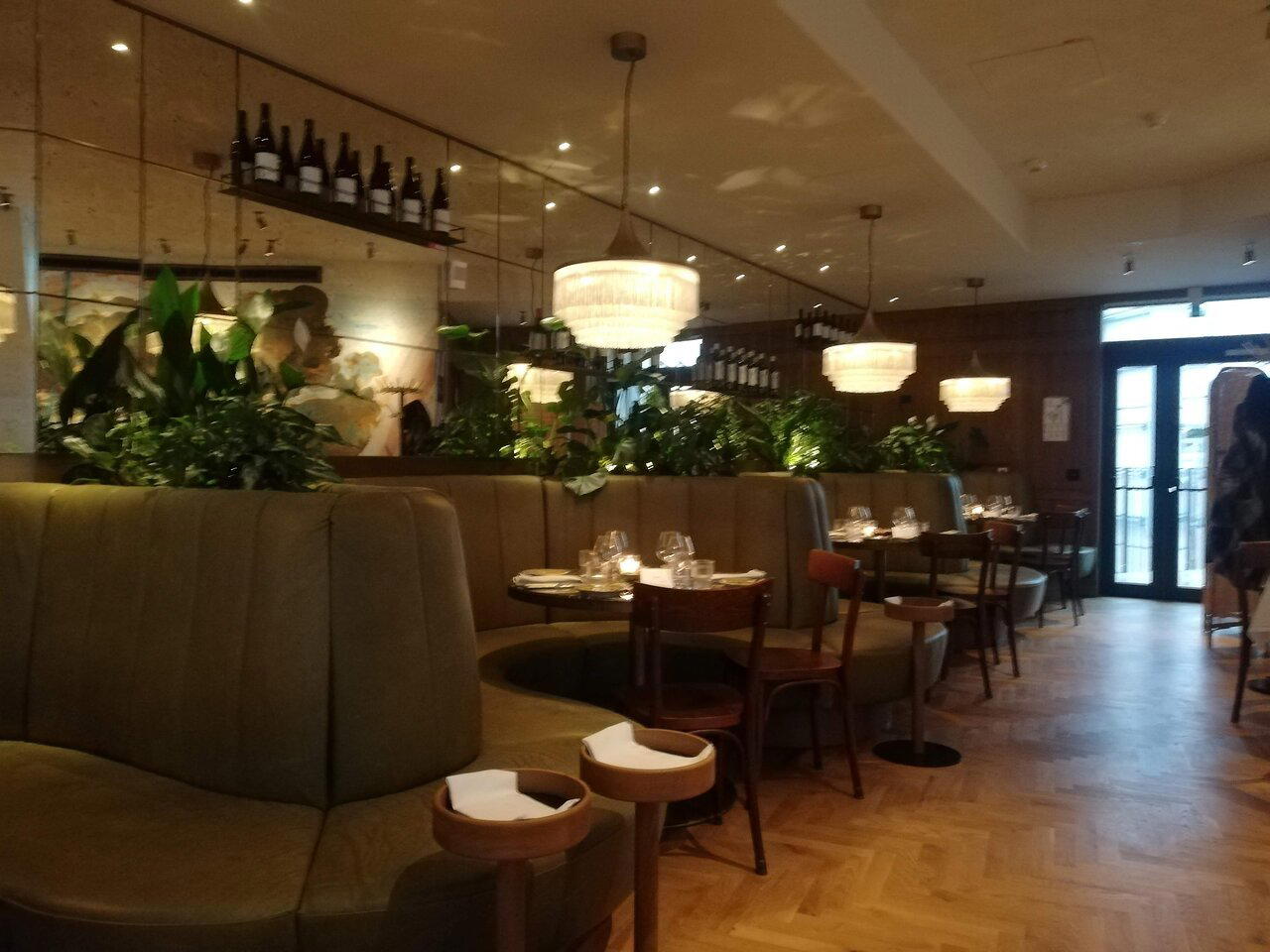
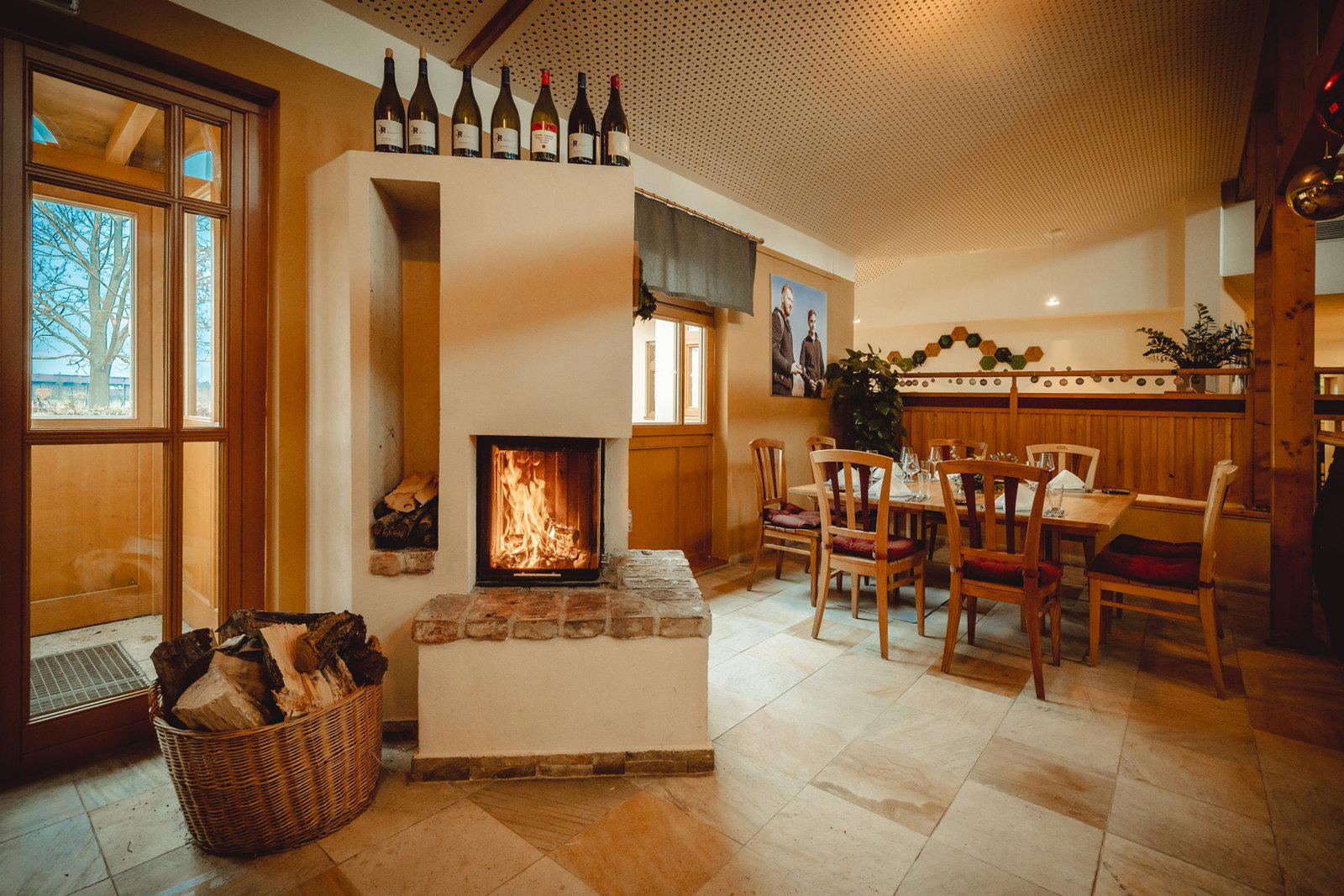
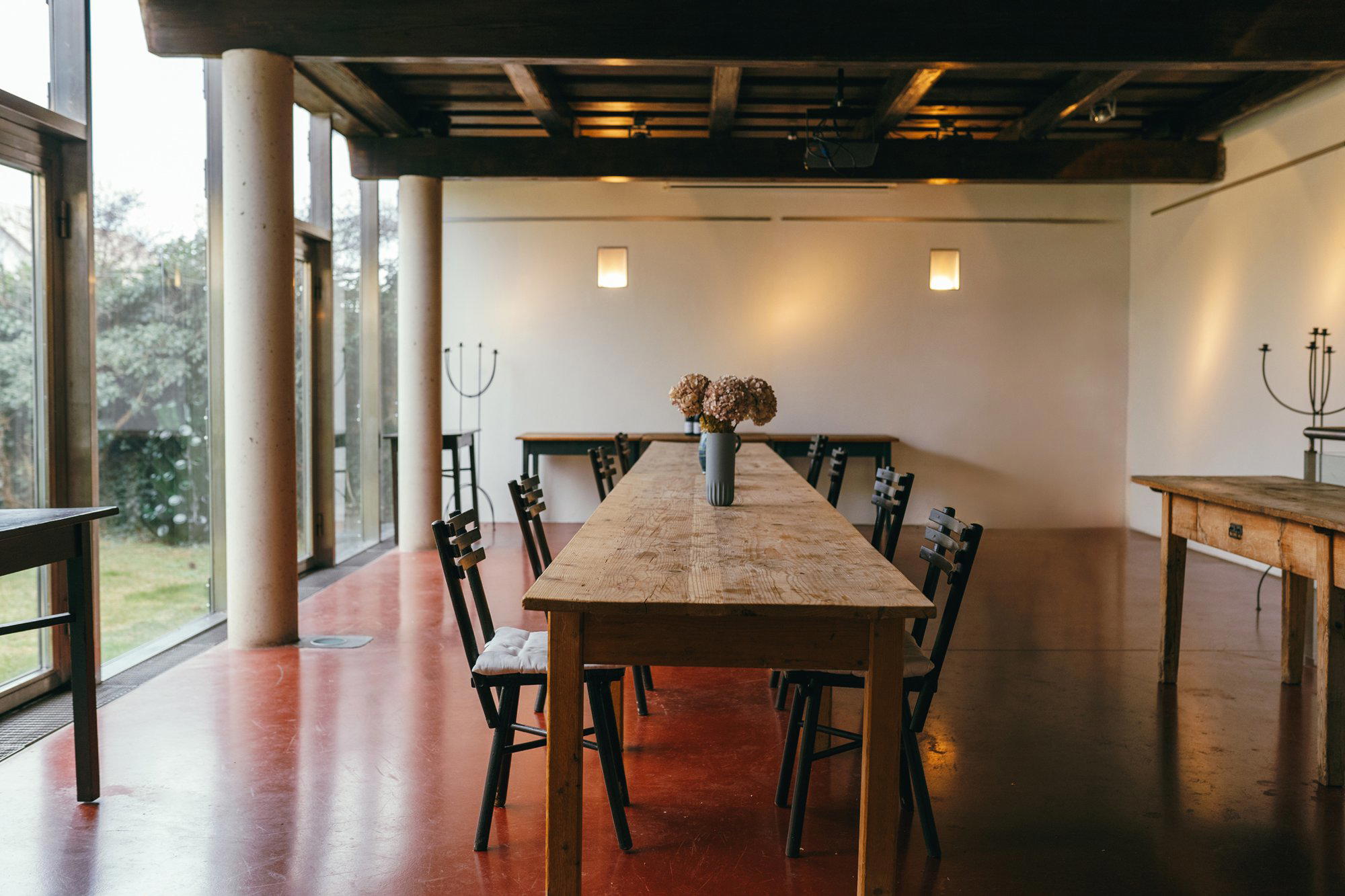
Casual and uncluttered decor with a relaxed atmosphere suitable for various meals.