Our verdict
On Calle de Luisa Fernanda in Madrid's Moncloa-Aravaca district, Taberna Úbeda represents the taberna tradition at its most grounded: a neighbourhood address where Andalusian culinary heritage meets the everyday rhythms of a residential quarter. The format sits well outside Madrid's tasting-menu circuit, making it a practical choice for those seeking regional Spanish cooking without the choreography of a formal dining room.

Pearl is the En Primeur Club membership app, where members save venues, book tables and use the concierge.

The menu
What to order
- Ensaladilla rusa
- Smoked eel tortilla
- Albondigas
- Tomato salad
A Street in Moncloa-Aravaca, and What It Tells You
Calle de Luisa Fernanda is not a destination street. It sits in Moncloa-Aravaca, a district whose character is shaped by university proximity, embassies, and the kind of long-term residential density that supports local taverns rather than chef-driven tasting rooms. That context matters when you're placing Taberna Úbeda in any useful frame: this is not an address that competes with the €€€€ progressive kitchens of central Madrid. It belongs to a different and, for many travellers, more elusive category, the neighbourhood taberna with regional roots, where the cooking references a specific Spanish geography rather than a global fine-dining syntax.
The taberna format across Madrid has held surprisingly steady even as the city's upper tier has pushed further into international territory. Where venues like DiverXO, Coque, and Deessa operate at the apex of Spain's creative restaurant scene, the taberna tier functions as a parallel circuit, one that locals tend to use more frequently and tourists tend to underestimate. Taberna Úbeda draws its identity from Úbeda, the Renaissance city in Jaén province, Andalusia, which gives the venue a regional anchor that distinguishes it from the generalist tapas bars that dominate many Madrid side streets.
The Moncloa-Aravaca Address and How to Approach It
Walking to Taberna Úbeda from the nearest metro stops in Moncloa, the neighbourhood shifts quickly from the commercial density of Princesa into quieter residential blocks. The address at number 16 on Calle de Luisa Fernanda places it within easy reach of the Argüelles zone, a part of Madrid that has its own dining culture, less visited by international tourists than Chueca or Malasaña, and more reflective of how the city actually eats on a weekday evening.
For a visitor planning around this address, the editorial angle worth understanding is logistical: venues at this tier and in this neighbourhood do not always maintain the same booking infrastructure as the city's award-heavy restaurants. The planning calculus differs significantly from, say, securing a seat at DSTAgE or Paco Roncero, where reservation windows, tasting-menu formats, and prepayment policies are standardised. At neighbourhood tabernas, the approach is often more direct, arrive early, call ahead, or walk in during off-peak hours.
Úbeda as a Regional Reference Point
The name itself is a signal. Úbeda is a UNESCO World Heritage city whose culinary identity is tied to olive oil production in the Jaén region, Spain's most prolific olive oil territory and arguably its least internationally marketed. A taberna drawing on that heritage would typically work with Andalusian ingredients and preparations: preserved fish, cured meats from the south, legume-based dishes, and olive oil used as a primary flavour rather than a finishing touch.
Placing this in the broader context of Spanish regional cooking in Madrid: the capital has always functioned as a relay point for regional cuisines, from Galician marisquerías in the centre to Castilian asadores in the suburbs. The Andalusian thread runs through the city's taberna culture in a way that often gets overshadowed by the Basque and Castilian narratives. For context on how Andalusian cooking reaches its technical heights elsewhere in Spain, Aponiente in El Puerto de Santa María represents the experimental edge, while the tradition at Taberna Úbeda sits at the more rooted, daily-use end of the same regional spectrum.
How This Fits Into a Madrid Itinerary
Visitors building a Madrid dining itinerary around Spain's creative restaurant circuit, stops that might include El Celler de Can Roca in Girona, Arzak in San Sebastián, or Martin Berasategui in Lasarte-Oria in a wider Spain trip, often benefit from balancing those structured, multi-course experiences with something less architected. The neighbourhood taberna serves that function. It is the format that fills out a city picture that three-Michelin-star meals alone cannot provide.
Those interested in the broader Spanish fine-dining map from Madrid can follow threads to Azurmendi in Larrabetzu, Mugaritz in Errenteria, Quique Dacosta in Dénia, Ricard Camarena in València, Cocina Hermanos Torres in Barcelona, and Atrio in Cáceres, each representing a distinct regional pole. For international comparison, Le Bernardin in New York City and Atomix in New York City offer a useful reference for how European regional-root kitchens translate into metropolitan fine-dining contexts. See our full Madrid restaurants guide for a broader map of where Taberna Úbeda sits within the city's dining tiers.
Planning Your Visit
The Moncloa-Aravaca address is well-served by Madrid's metro network, making it accessible from most central accommodation. The neighbourhood's character, residential, quieter than the tourist-heavy centro, means the experience of arriving and eating here carries a different register from a formal reservation at a prestige address. That is, in many cases, precisely the point.
Frequently asked questions
Does Taberna Úbeda work for a family meal?
The taberna format in Madrid generally accommodates mixed groups and family dining more readily than tasting-menu restaurants, where format and pacing are fixed. At a neighbourhood address like this one in Moncloa-Aravaca, the setting is typically informal enough for a relaxed family lunch or dinner.
What kind of setting is Taberna Úbeda?
Taberna Úbeda sits in Moncloa-Aravaca, a residential district of Madrid that operates at a different pace from the city's central dining corridors. The taberna format in this context implies an informal room rather than a designed dining experience, closer to how Madrid locals eat on a regular evening than to the structured atmosphere of the city's award-recognised restaurants like DiverXO or Coque.
What do people recommend at Taberna Úbeda?
The venue's name references Úbeda in Jaén, Andalusia, which points toward a kitchen grounded in southern Spanish ingredients and preparations. Dishes rooted in Andalusian tradition, olive-oil-forward cooking, preserved and cured products, legume-based preparations, would be consistent with that regional identity.
Is Taberna Úbeda reservation-only?
Neighbourhood tabernas in Madrid often operate on a walk-in basis during quieter service periods, though demand on Friday and Saturday evenings can make advance contact worthwhile. At this tier and in this district, a reservation system as structured as those at Madrid's Michelin-recognised addresses is less likely to apply.
What is the signature at Taberna Úbeda?
The regional anchor, Úbeda in Jaén, suggests that olive oil, Andalusian cured meats, and southern Spanish staples form the backbone of the kitchen's identity. Jaén produces more olive oil than any other province in Spain, and a taberna carrying that regional name would logically feature it prominently.
Is Taberna Úbeda a good choice for someone exploring Andalusian cooking without travelling south?
Madrid's taberna circuit has long served as a practical introduction to regional Spanish cuisines for visitors who cannot extend their trip to the source. A venue named for Úbeda, one of Jaén's most historically significant cities, signals a kitchen oriented toward Andalusian culinary identity, an angle that is relatively underrepresented in Madrid's more visible restaurant tier. For those building a picture of Spanish regional cooking across a single city stay, this kind of address complements the creative-Spanish restaurants on the city's award circuit, which tend to speak a more pan-regional or internationally influenced language.
Reputation Context
Comparable venues nearby, for context on price, style, and recognition.
| Venue | Cuisine | Price | Awards | Notes |
|---|---|---|---|---|
| TABERNA ÚBEDAThis venue (the venue you are viewing) | Traditional Spanish Tapas from Jaén | $30–50 | Not listed | Not listed |
| Arrocería FERROZ | Spanish Arrocería (Rice Specialist) | $20–30 | Not listed | Arguelles |
| Casa Castaña | Traditional Spanish Tapas | Not listed | Not listed | Sol |
| Taberna La Carmencita | Traditional Spanish Taberna Classics | $20–30 | Macarfi 7 Food Rating | Chueca |
| Paellitas Tradición | Traditional Spanish Paella | $20–30 | Not listed | Almagro |
| LaLina Chueca | Spanish Gluten-Free Tapas | $30–50 | Not listed | Chueca |
Continue exploring
More in Madrid
Restaurants in Madrid
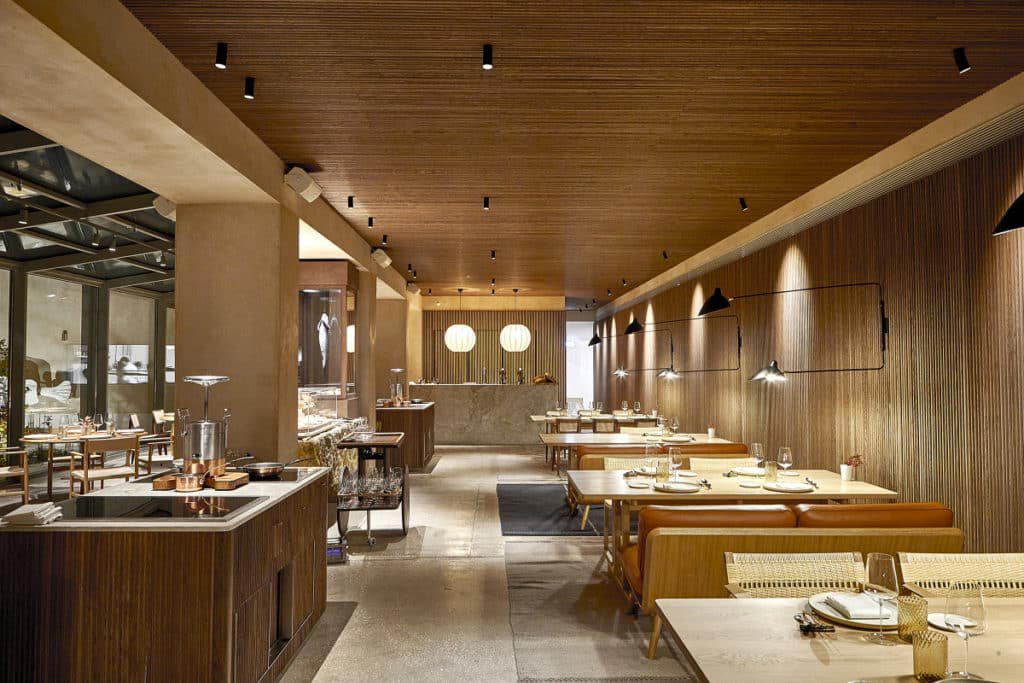
All restaurants in Madrid →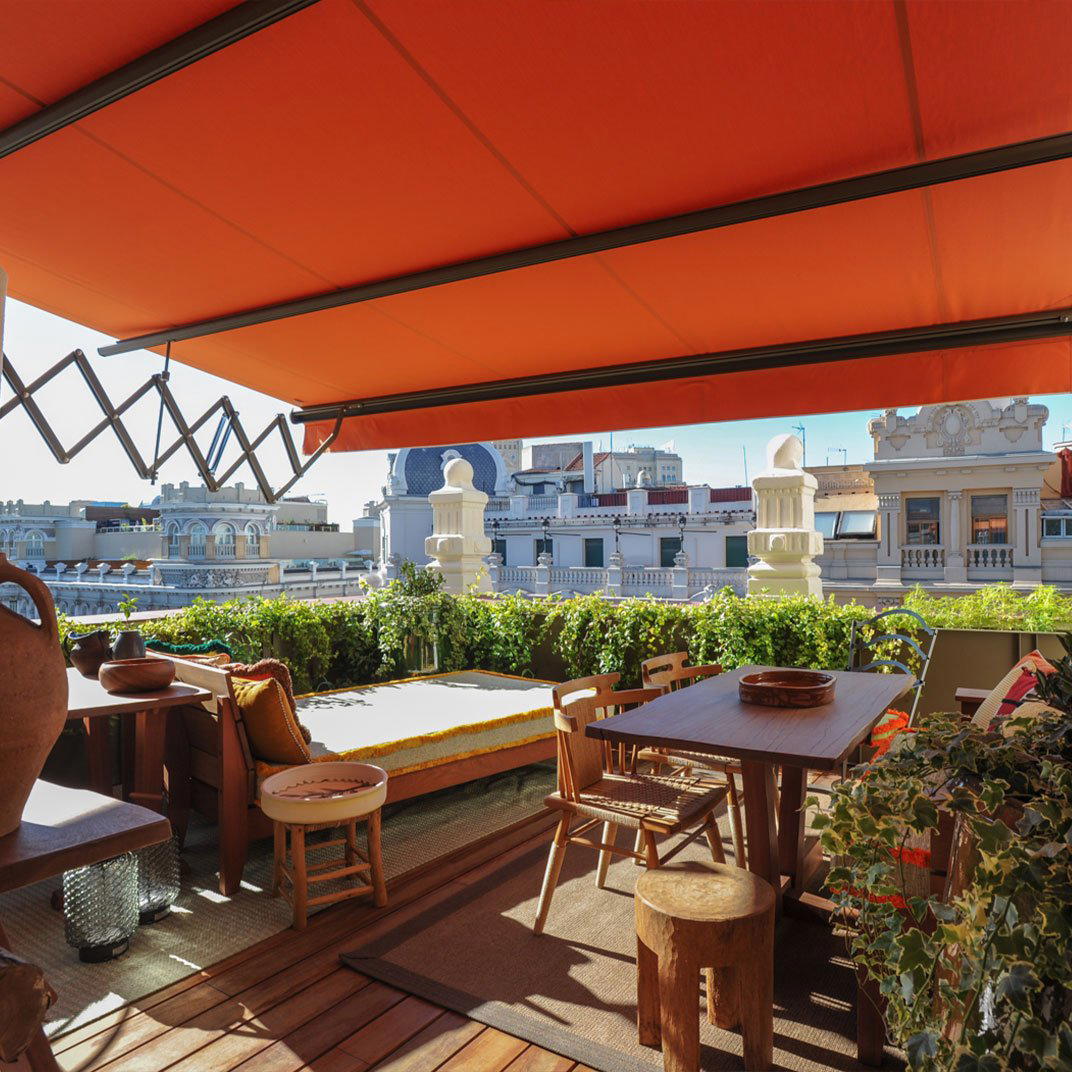
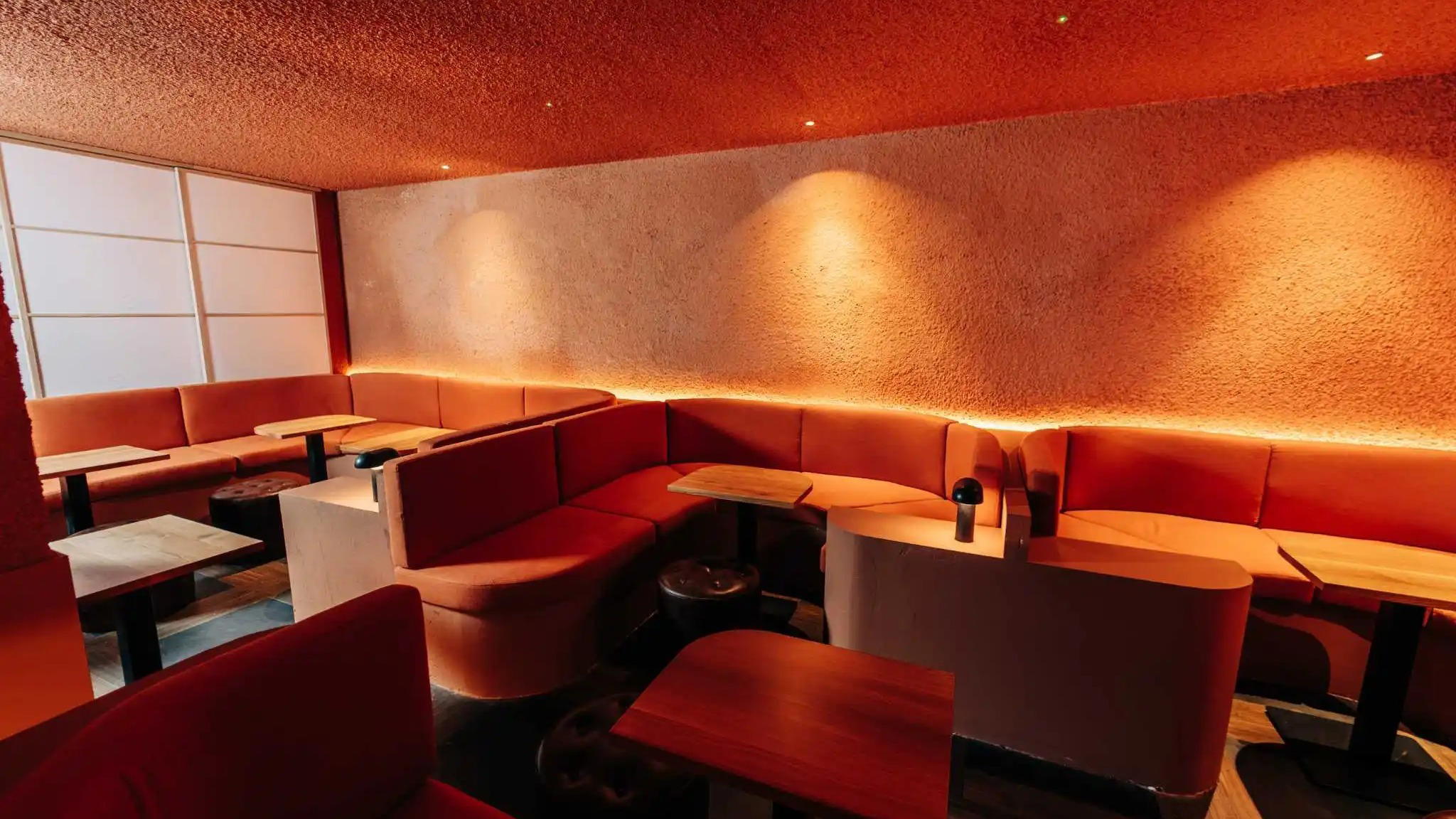
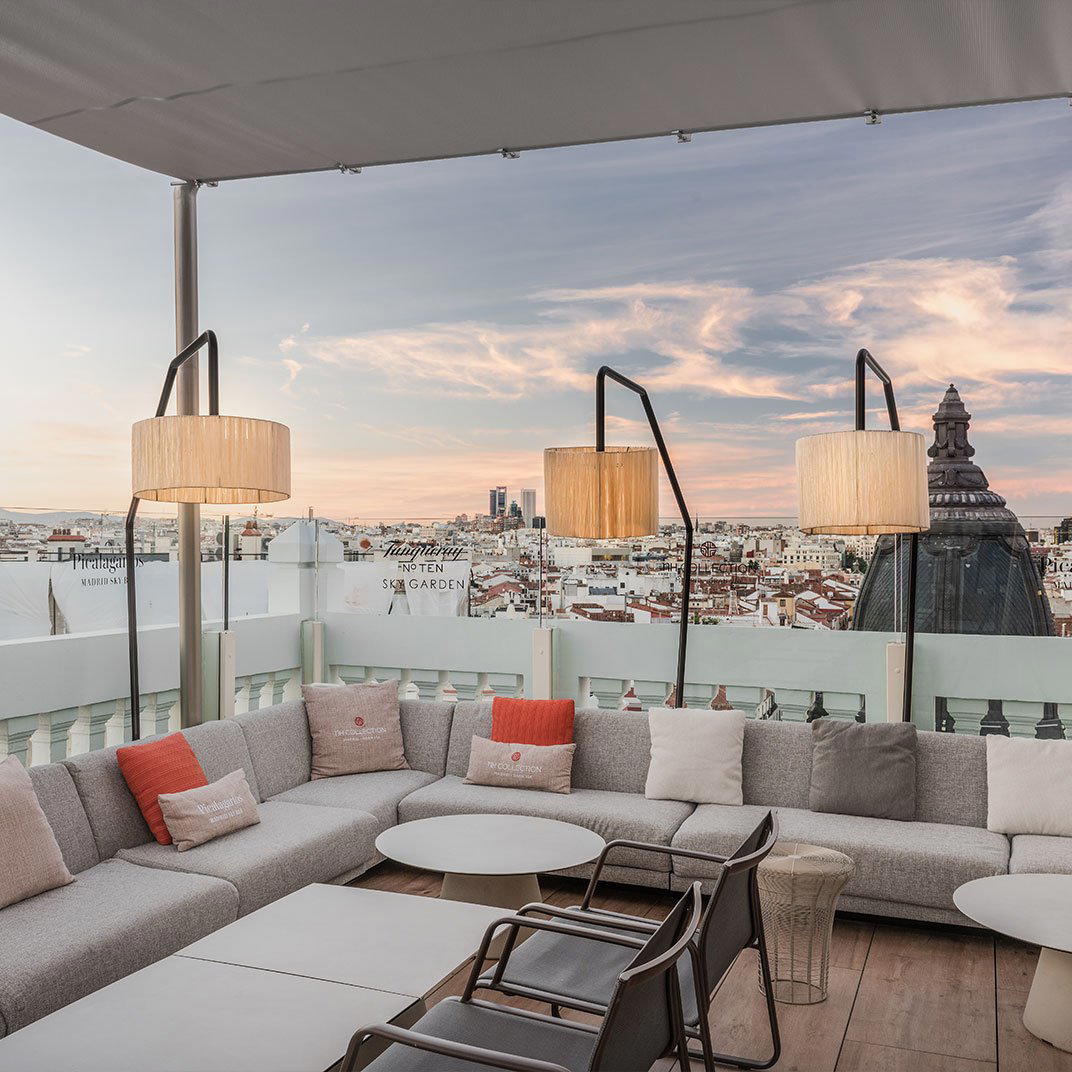
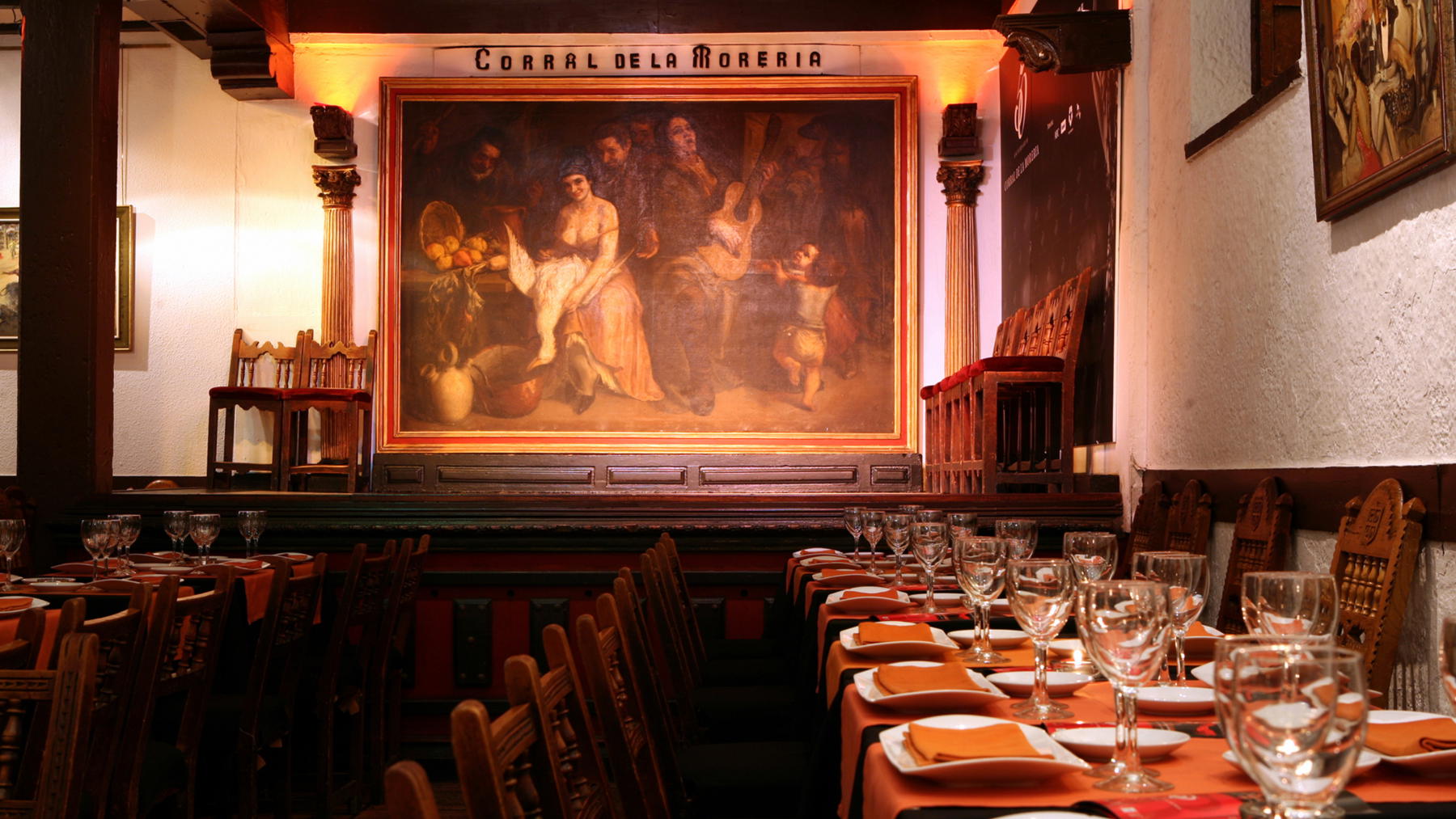
Bars in Madrid
All bars in Madrid →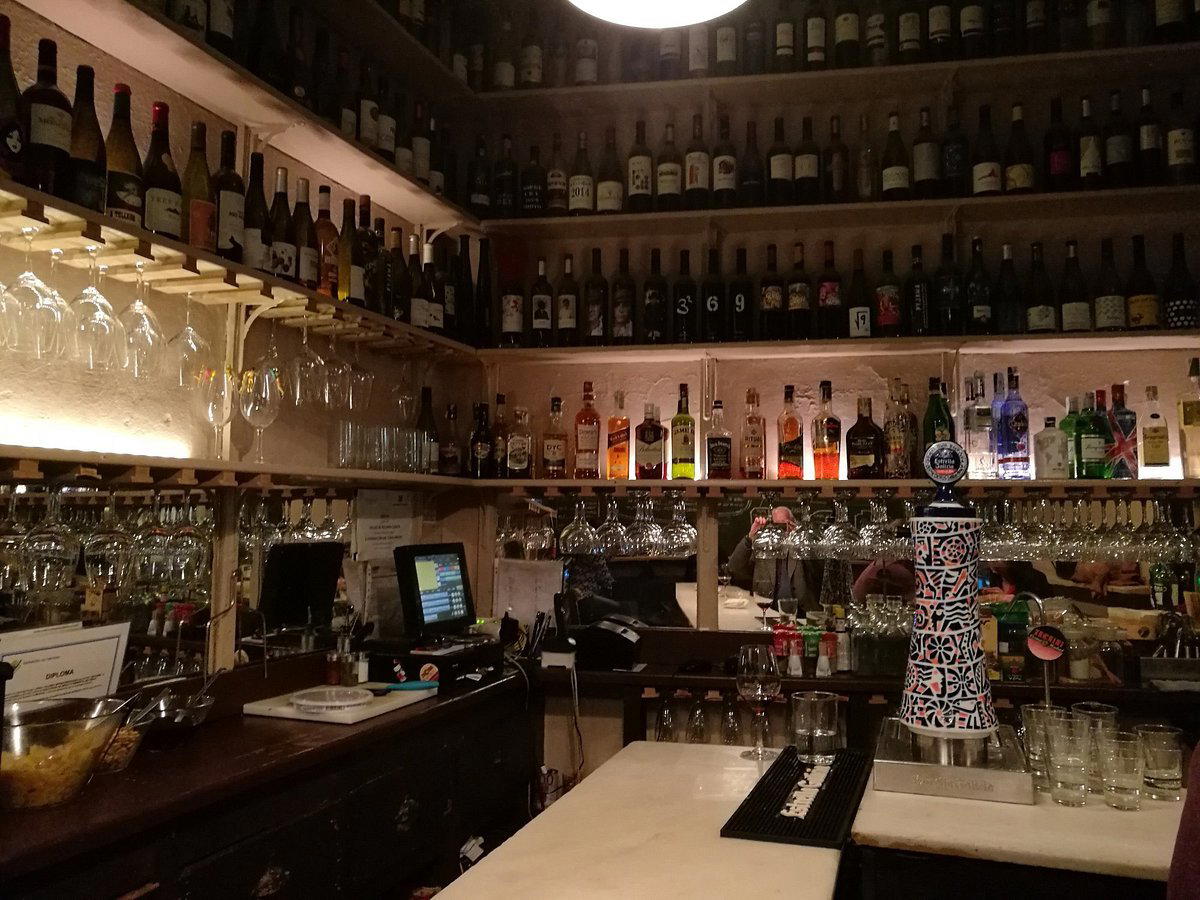
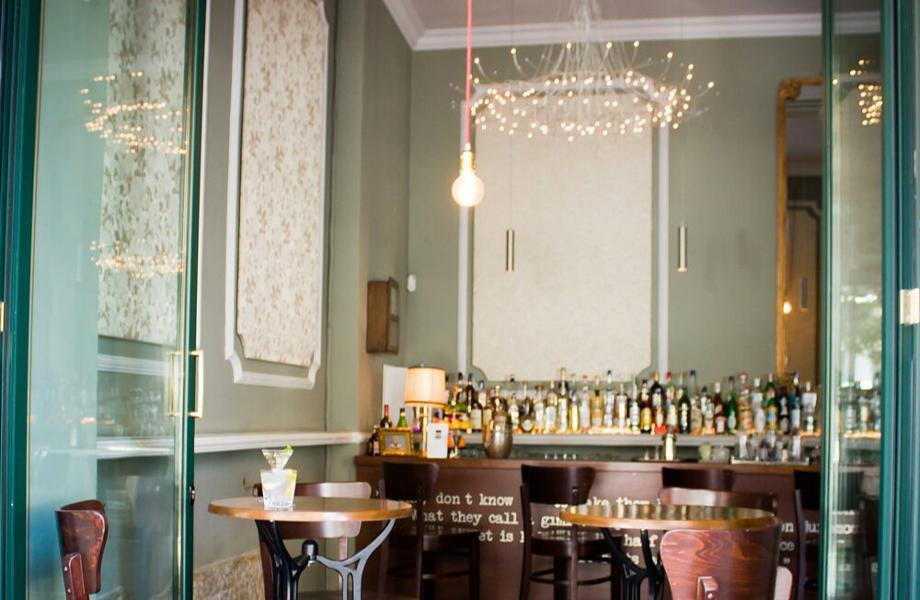
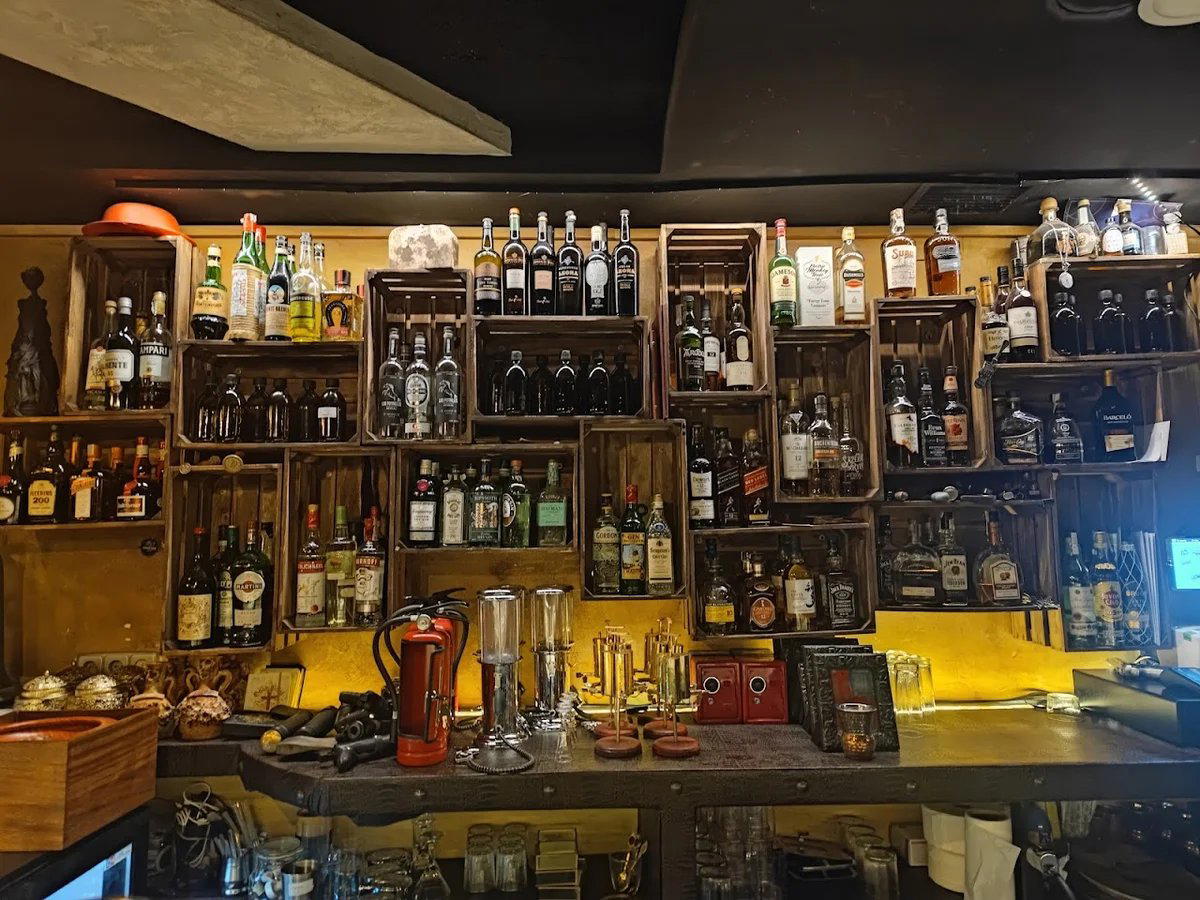

Details
- Cozy
- Rustic
- Classic
- Date Night
- Casual Hangout
- Special Occasion
- Historic Building
- Extensive Wine List
- Small Plates
- A La Carte
- Vegetarian Friendly
- Gluten Free Options
Current opening hours
- Monday
- Closed
- Tuesday
- 1–5 PM, 8:30–11 PM
- Wednesday
- 1–5 PM, 8:30–11 PM
- Thursday
- 1–5 PM, 8:30–11 PM
- Friday
- 1–5 PM, 8:30–11 PM
- Saturday
- 1–5 PM, 8:30–11 PM
- Sunday
- Closed
Hours can change for holidays and private events. Hours as of .
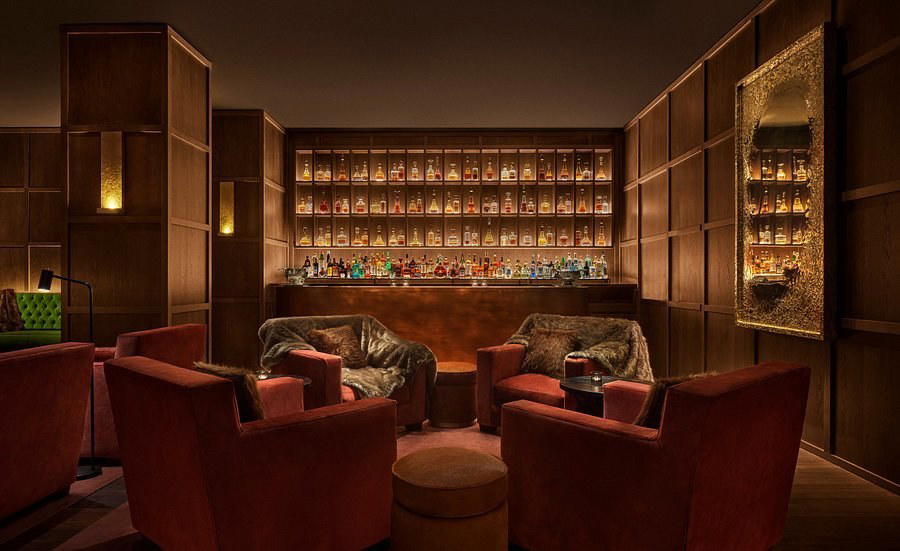
Chaleureuse et authentique taberna atmosphere with warm lighting and authentic decor.