Our verdict
On Calle de Santa Engracia in Chamberí, Paellitas Tradición occupies a specific and increasingly rare position in Madrid's dining scene: a house built around the discipline of traditional rice cookery rather than the city's prevailing appetite for creative tasting menus. In a neighbourhood that rewards regulars, the kitchen's focus on technique over spectacle places it in the same conversation as Spain's longer tradition of regional rice culture.

Pearl is the En Primeur Club membership app, where members save venues, book tables and use the concierge.
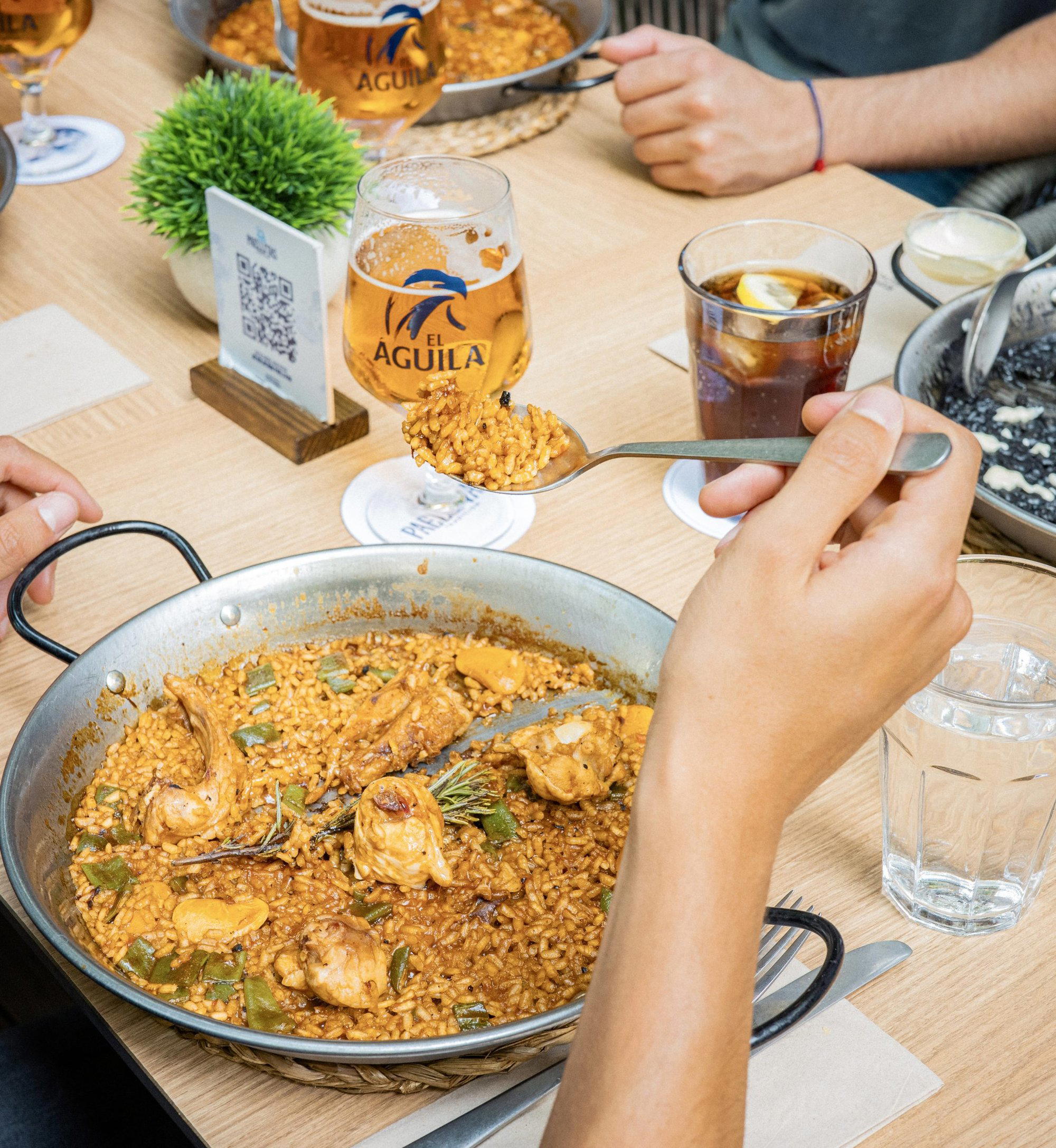
The menu
What to order
- Paella arroz a banda
- Arròs negre
- Ensaladilla rusa
Rice Cookery in a City That Prefers the Avant-Garde
Madrid's restaurant conversation in the 2020s has been dominated by the tasting-menu format. DiverXO, Coque, Deessa, DSTAgE, and Paco Roncero have anchored the city's fine-dining identity around multi-course creative formats, often priced above €150 per head. Against that context, a kitchen whose entire programme turns on rice cookery reads as a deliberate counterpoint. Paellitas Tradición, on Calle de Santa Engracia in Chamberí, occupies that position, a restaurant whose ambition is expressed through technical mastery of a single tradition rather than the breadth of a chef's creative range.
That is not a lesser ambition. Traditional paella and its related rice formats require a precision that is invisible when done correctly and catastrophic when not. The socarrat, the caramelised crust that forms on the base of a properly managed paella, cannot be faked, rushed, or improved by plating technique. It is the result of heat control, pan geometry, and timing working in coordination. In a city as rice-literate as Madrid has become, a kitchen that commits to this standard is making a statement about what it values.
Chamberí and the Neighbourhood Logic of a Regulars' Restaurant
The address matters. Chamberí is one of Madrid's most residential central districts, a neighbourhood where restaurants survive on return visits rather than tourist flow. The streets around Alonso Martínez and Iglesia metro stations have accumulated a cluster of serious neighbourhood restaurants precisely because the local population, educated, food-conscious, loyal, sustains them. A restaurant on Calle de Santa Engracia is positioned for that audience: people who come back on a Tuesday because they know what they're getting, not because the restaurant appeared on a travel list.
This neighbourhood dynamic shapes how a room like Paellitas Tradición functions. The service culture in this kind of Chamberí setting tends toward the familiar rather than the formal. The front-of-house reads the table, whether a group wants to talk through the rice options or simply be left to eat, and adjusts accordingly. That attentiveness, calibrated to regulars, is a different skill set than the choreographed sequences of a tasting-menu operation, and it matters equally to the experience.
The Team Dynamic Behind a Rice-Focused Kitchen
In restaurants built around a single culinary tradition, the editorial tendency is to focus on the chef as the singular intelligence. But the coordination between kitchen and floor is especially consequential in a rice-focused house. A paella or arroz meloso cannot be held, it arrives at its correct moment and must be served immediately. That requires the front-of-house team to manage the dining room's rhythm with unusual precision: courses before the rice course need to finish on the kitchen's schedule, not the table's.
The relationship between kitchen timing and service cadence is where rice restaurants either succeed as experiences or frustrate as productions. When the coordination works, the meal has a natural architecture. The pacing builds, the rice arrives with the kind of moment that a tasting-menu kitchen engineers through sequencing, and the table understands instinctively that something was made specifically for them, in a pan that cannot be replicated for the next table in the same form. That specificity, a dish that is unrepeatable even within the same service, is the strongest argument for traditional rice cookery as a format.
Spain's broader rice tradition, stretching from Quique Dacosta in Dénia through to Ricard Camarena in València, demonstrates the range that the format can support, from hyper-technical reinterpretation to rigorous classicism. Paellitas Tradición sits at the classical end of that spectrum, which means it is being compared not to avant-garde operations but to other houses that have committed to the tradition on its own terms.
Where This Kitchen Sits in Spain's Wider Dining Map
Spain's fine-dining geography has consolidated around a handful of reference points outside Madrid: El Celler de Can Roca in Girona, Arzak in San Sebastián, Azurmendi in Larrabetzu, Martín Berasategui in Lasarte-Oria, Mugaritz in Errenteria, Aponiente in El Puerto de Santa María, Cocina Hermanos Torres in Barcelona, and Atrio in Cáceres. These are creative, technically demanding operations working at the top of the awards hierarchy.
Paellitas Tradición is not competing in that tier, nor is it trying to. The competitive frame for a traditional rice house in Chamberí is the neighbourhood dining market, where the relevant comparison is whether the kitchen delivers more consistent, more technically accomplished rice cookery than the other options within a reasonable distance. That is the appropriate standard, and it is a demanding one. Madrid residents who care about rice are not easily satisfied, and a restaurant that builds its identity around paella cannot rely on atmosphere or novelty to compensate for a substandard socarrat.
Internationally, the comparison set shifts. Visitors who have eaten at technically demanding rice-focused restaurants elsewhere, or at prestige operations like Le Bernardin in New York City or Atomix, will find Paellitas Tradición a study in a different kind of technical commitment, one where the cooking tradition itself is the frame rather than the chef's individual creative vision.
For a fuller picture of where this kitchen fits within Madrid's restaurant ecosystem, see our full Madrid restaurants guide.
Planning Your Visit
Address: Calle de Santa Engracia, 43, Chamberí, 28010 Madrid. Nearest metro: Alonso Martínez or Iglesia (Lines 4, 5, 10). Reservations: Contact details are not publicly listed at time of writing, visiting in person or checking current listings is advisable. Dress: No dress code information available; Chamberí neighbourhood restaurants typically run smart-casual. Budget: Timing: Madrid lunch service (2–4pm) is when rice dishes are traditionally at their leading and when local regulars tend to book.
Frequently asked questions
What's the must-try dish at Paellitas Tradición?
The kitchen's focus is traditional rice cookery, and paella in its classical form is the reference point for the entire menu. For context on how Spain's serious rice tradition expresses itself at the highest level, Quique Dacosta in Dénia and Ricard Camarena in València offer the clearest reference points for what disciplined rice cookery can achieve.
Do they take walk-ins at Paellitas Tradición?
In Chamberí, where neighbourhood restaurants depend on returning local trade, lunch service on weekdays tends to have more availability than weekend midday, when Madrid's rice-focused houses often fill quickly. If you are visiting Madrid and planning around the city's broader dining scene, which runs from DiverXO at the creative end through to traditional neighbourhood formats, it is worth checking availability ahead of time rather than arriving without a reservation, particularly at a specialist rice kitchen where the main dish cannot be held.
Is Paellitas Tradición suitable for a solo diner, or is it better for groups?
Traditional paella is conventionally cooked for a minimum of two portions in a single pan, which makes the format better suited to pairs or groups than solo dining. In Madrid's rice-focused restaurants, solo diners sometimes find the kitchen will accommodate a single portion of a smaller arroz format, but this varies by kitchen policy and day. Chamberí's neighbourhood restaurant culture is generally accommodating rather than rigid about table configurations, making it worth calling ahead if you plan to eat alone. The full Madrid restaurants guide covers options across formats and group sizes.
Category Peers
Comparable venues nearby, for context on price, style, and recognition.
| Venue | Cuisine | Price | Awards | Notes |
|---|---|---|---|---|
| Paellitas TradiciónThis venue (the venue you are viewing) | Traditional Spanish Paella | $20–30 | Not listed | Not listed |
| Agarimo | Modern Galician Taberna | $30–50 | Michelin Plate · Macarfi 7.5 Food Rating | Rios Rosas |
| ROSA & ESPIGAS | Modern Spanish Vanguardista | $20–30 | Not listed | Goya |
| EL KIOSKO I Valdebebas | Traditional Spanish Tapas & Mediterranean Small Plates | $30–50 | Not listed | Valdebebas |
| Restaurante Aragón | Traditional Spanish Mediterranean | $30–50 | Not listed | Aeropuerto |
| DCorazon | Spanish Fusion in Historic Caves | $20–30 | Not listed | Sol |
Continue exploring
More in Madrid
Restaurants in Madrid
All restaurants in Madrid →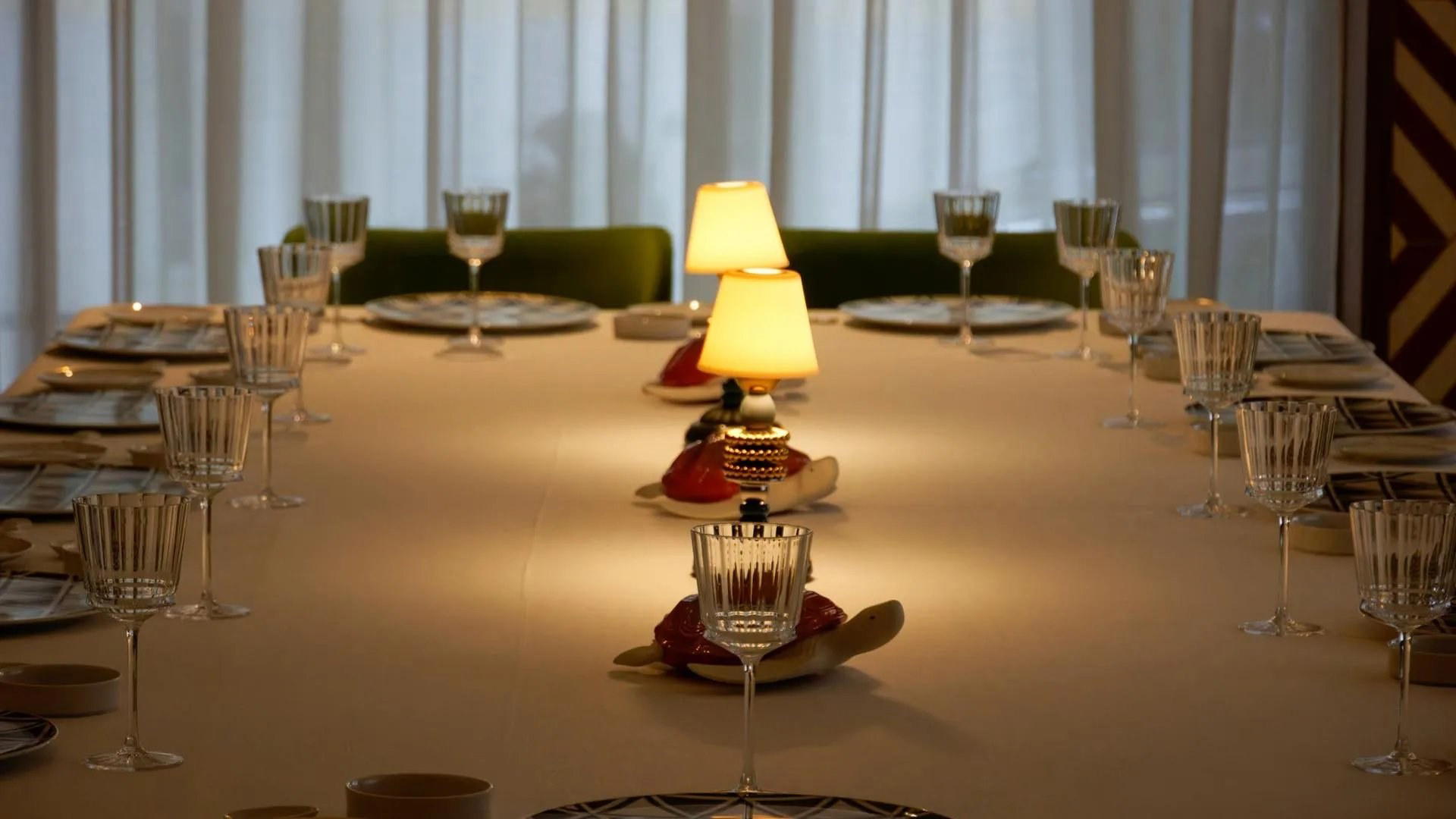
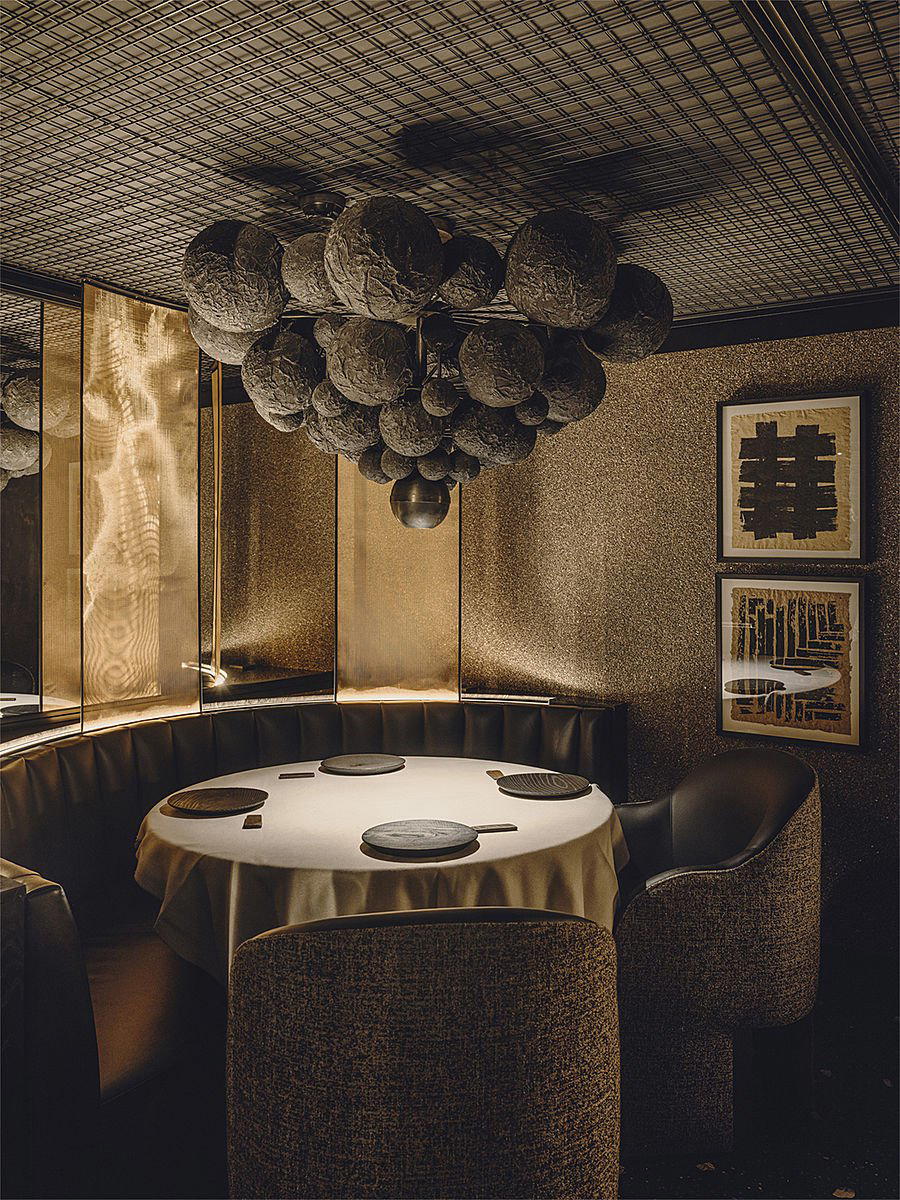
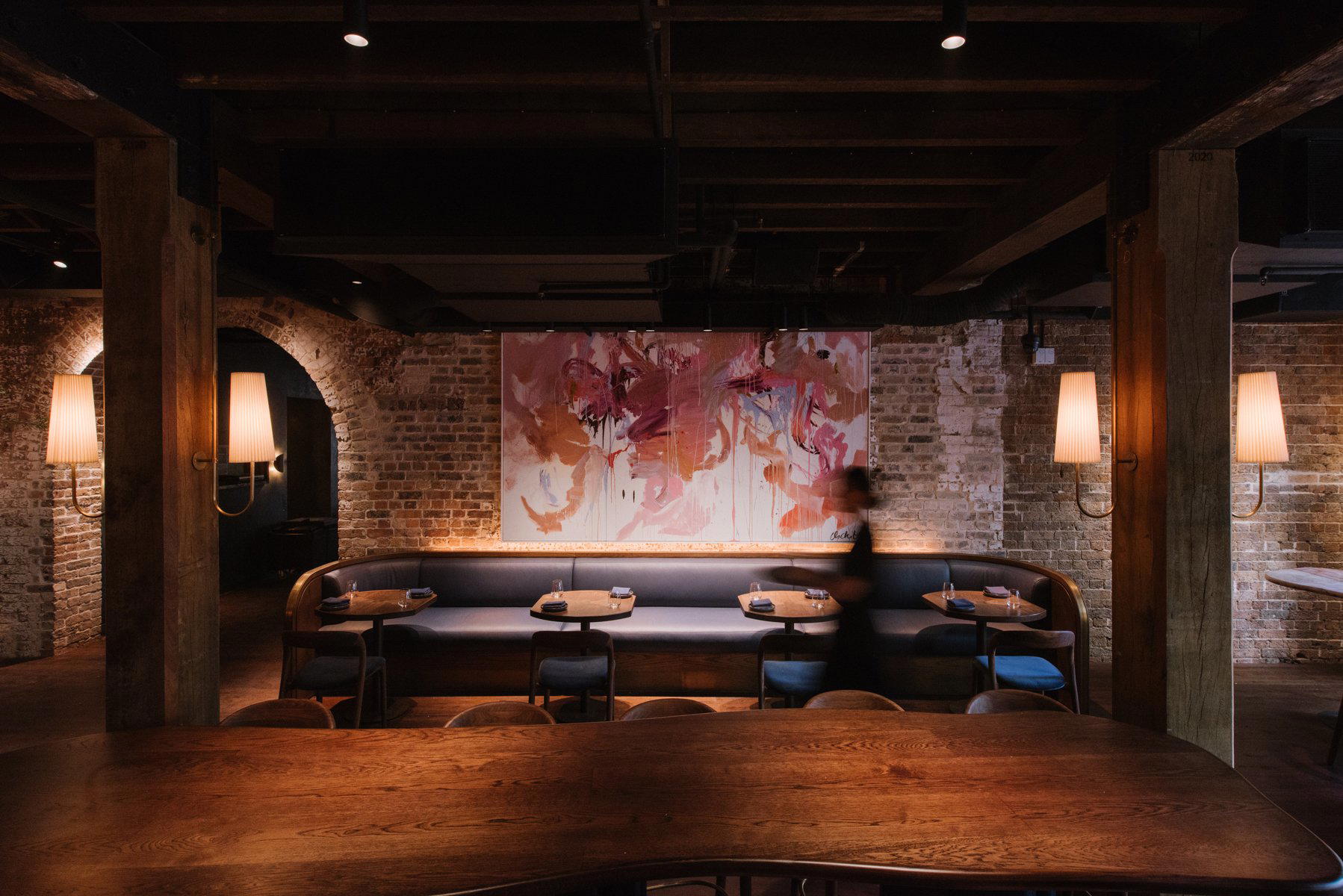
Bars in Madrid
All bars in Madrid →



Details
- Classic
- Cozy
- Rustic
- Casual Hangout
- Family
- Open Kitchen
- A La Carte
- Small Plates
- Vegetarian Friendly
- Vegan Options
Current opening hours
- Monday
- 12:30–11 PM
- Tuesday
- 12:30–11 PM
- Wednesday
- 12:30–11 PM
- Thursday
- 12:30–11 PM
- Friday
- 12:30–11 PM
- Saturday
- 12:30–11 PM
- Sunday
- 12:30–11 PM
Hours can change for holidays and private events. Hours as of .
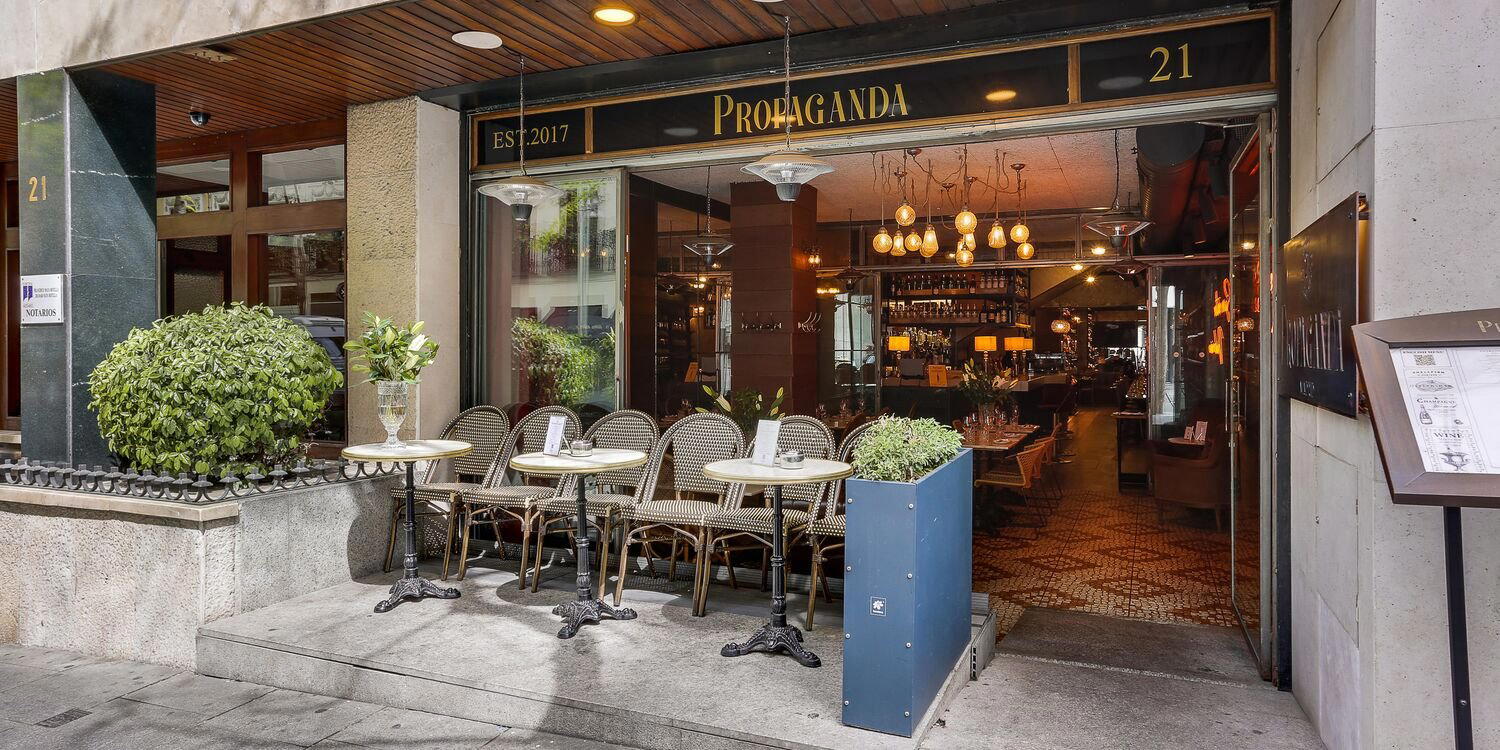
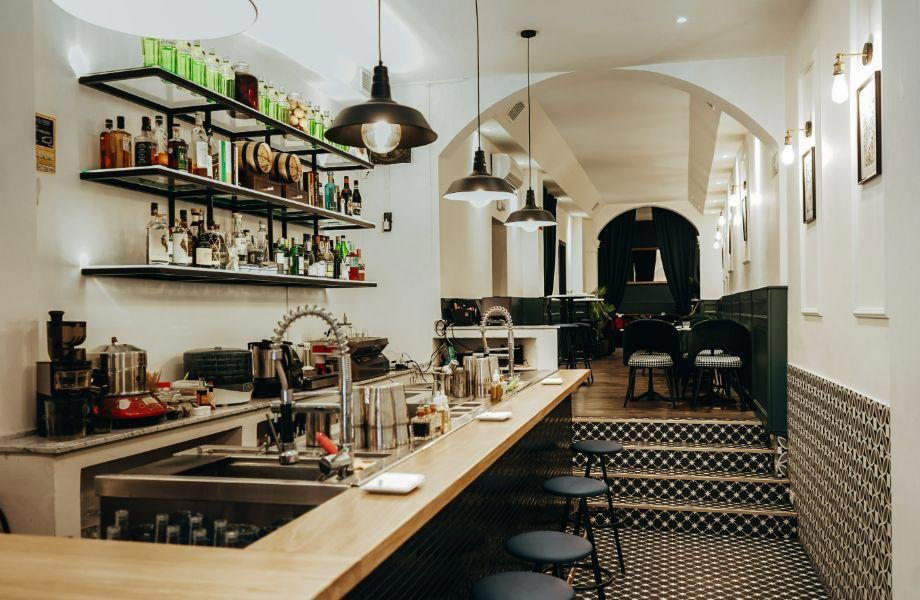
Super pleasant Mediterranean atmosphere evoking the Levantine coast with nice lighting and welcoming vibe.