Our verdict
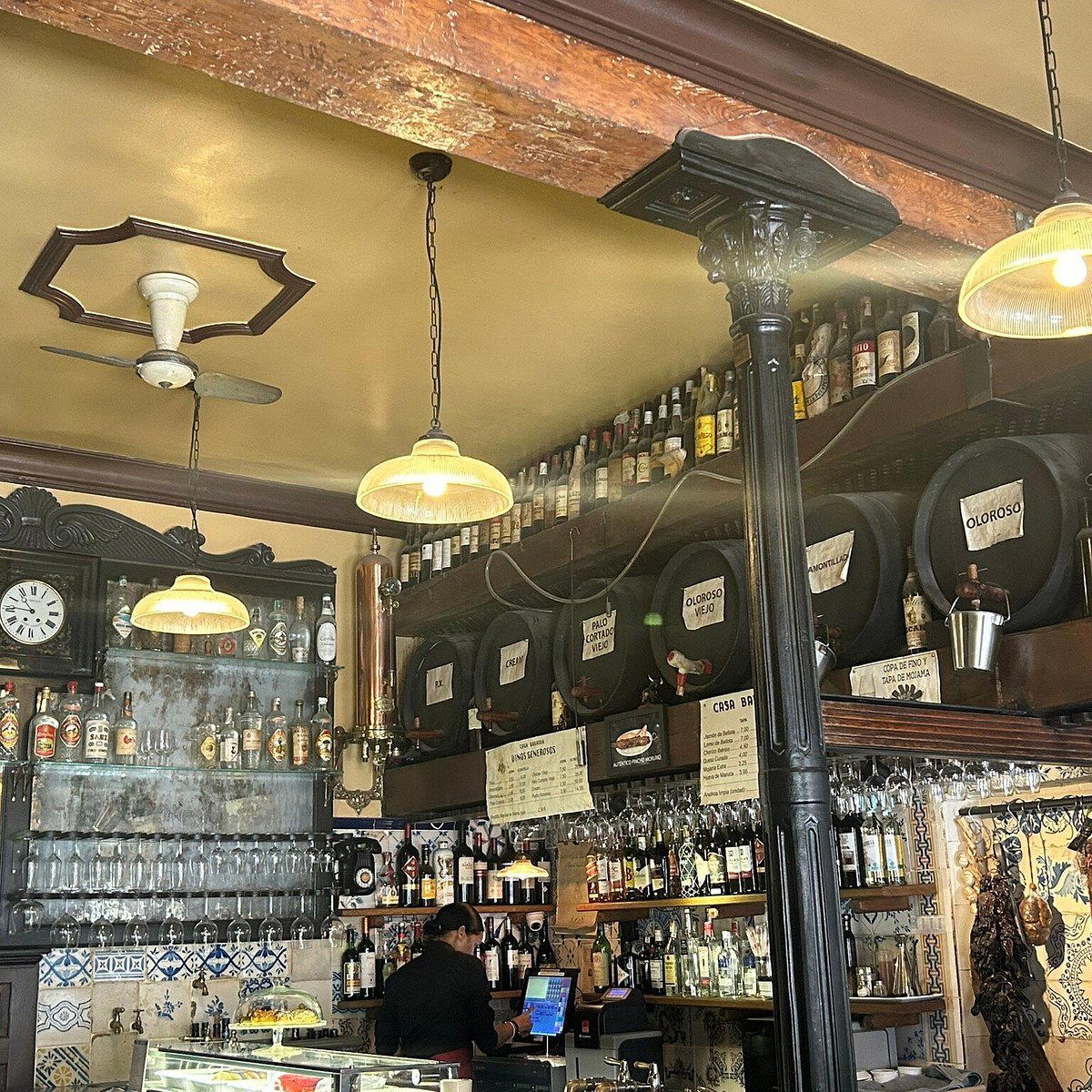
Casa Castaña occupies a address on Calle de Gerona in Madrid's Centro district, placing it squarely inside the city's mid-century neighbourhood dining tradition. With Madrid's fine-dining tier consolidating around tasting-menu formats and creative Spanish cuisine, this address represents the kind of local fixture that sustains a neighbourhood's character between the headline restaurants. A point of reference for the Centro dining circuit.

Pearl is the En Primeur Club membership app — saves, bookings, and concierge access live there. Same editors, same standards.
- Address
- C. de Gerona, 14, Centro, 28012 Madrid, Spain
- Hours
- Daily 11 AM–12 AM
- Website
- casacastana.com
- Directions
- Get directions
- Booking
- Book on OpenTable

The menu
What to order
- Calamares Fritos
- Patatas Bravas
- Bocadillo de Calamares
Calle de Gerona in Late Season: What the Street Tells You Before You Enter
By October, Madrid's Centro district settles into its most comfortable rhythm. The tourist surge of summer has cleared, the light drops earlier over the grid of streets running south from Sol, and the neighbourhood's regulars reclaim their tables. Calle de Gerona, a short residential-commercial street in the 28012 postal zone, belongs to this quieter register of the city: close enough to the main arteries to draw foot traffic, far enough to filter out the purely transient crowd. It is the kind of address that appears on a Madrileño's phone as a saved contact rather than a search result.
This matters for how you read Casa Castaña. Madrid's dining scene has fractured decisively in recent years between two poles: the tasting-menu flagships operating at €€€€ price points, places like DiverXO, Coque, Deessa, and DSTAgE, and the deep layer of neighbourhood dining that keeps the city's street-level food culture alive. The addresses at the top tier demand planning, commitment, and typically a fixed format. The layer below rewards spontaneity and repeat visits. Casa Castaña at Calle de Gerona 14 sits in that second category, and that positioning is itself an editorial point worth making.
How the Menu Reads: Structure as Signal
In Madrid's neighbourhood dining tier, menu architecture functions as a reliable indicator of a restaurant's intended relationship with its guests. The classic Spanish format of raciones and medias raciones, shared plates priced to allow exploration rather than commitment, reflects a fundamentally social understanding of eating: the table orders wide, dishes arrive when they are ready, and the meal stretches as long as the conversation requires. This is distinct from the codified progression of a tasting menu, where the kitchen controls pace and the guest surrenders sequence.
When a Centro address organises its food around this shared-plate logic, it is making a specific argument about hospitality. The menu becomes a tool for negotiation between the table's appetites rather than a demonstration of the kitchen's technique. The distinction matters because it shapes everything: how long people stay, how much they spend, how often they return. Restaurants built on raciones tend to accumulate regulars faster than destination restaurants, because the financial and temporal commitment per visit is lower and the social format is more flexible.
This structure also places pressure on ingredient sourcing and execution at the dish level. Without the narrative arc of a tasting menu to carry a guest through lesser moments, every plate arrives as its own test. The Spanish tradition of treating a single product with directness, a well-sourced cut of Iberian pork, a properly dressed salad, cured fish from the north, cooked without complication, is more demanding than it appears. The margin for error is smaller because there is nowhere to hide behind elaborate preparation.
Across Spain, the restaurants that have sustained this model most credibly include addresses working in traditions adjacent to the Basque pintxos culture or the Catalan bar-restaurant hybrid. At the high end of the national scene, places like Arzak in San Sebastián, Mugaritz in Errenteria, and El Celler de Can Roca in Girona represent the tasting-menu apex of Spanish cooking. But Spain's dining identity was built in its neighbourhood restaurants, and that layer remains the more representative one.
The Centro Context: Where This Address Sits in the City
The 28012 postcode covers a dense slice of central Madrid running toward Lavapiés and Antón Martín, districts that have absorbed significant generational change over the past decade. The restaurant density in this zone is high, and the formats are genuinely mixed: traditional tabernas operating since the Franco era sit next to natural-wine bars opened in the last five years. The competition for repeat custom is real, and longevity in this neighbourhood is earned through consistency rather than novelty.
Madrid's creative fine-dining addresses, including Paco Roncero and the broader cohort of Michelin-tracked restaurants, operate in a different competitive set and draw from a citywide and international reservation pool. For comparison at the national level, addresses like Quique Dacosta in Dénia, Aponiente in El Puerto de Santa María, Azurmendi in Larrabetzu, Martin Berasategui in Lasarte-Oria, Ricard Camarena in València, Cocina Hermanos Torres in Barcelona, and Atrio in Cáceres define the upper tier of Spanish restaurant ambition. Internationally, tasting-format restaurants like Le Bernardin in New York City and Lazy Bear in San Francisco represent the fixed-progression model at its most sophisticated. Casa Castaña operates in a different register entirely: local, neighbourhood-facing, and structured around repeat visits from people who live nearby.
For visitors to Madrid, understanding this distinction is useful. If you are allocating one or two restaurant bookings for a short trip, the tasting-menu tier demands advance planning of weeks or months. The neighbourhood tier, including addresses on streets like Calle de Gerona, generally operates on shorter booking windows and suits a more spontaneous itinerary. See our full Madrid restaurants guide for a mapped view of both tiers across the city's main dining zones.
Know Before You Go
Neighbourhood: Centro (28012), between Sol and Lavapiés
Phone: Not listed
Website: Not listed
Booking: Contact details not currently available; walk-in potential noted below
Awards: No current award listings on record
Price range: Not confirmed; neighbourhood tier context applies
Hours: Not confirmed; verify locally before visiting
Frequently asked questions
Is Casa Castaña a good option for solo diners visiting Madrid's Centro?
Madrid's neighbourhood dining format is structurally well-suited to solo dining: bar seating and counter positions are common in Centro addresses, and the raciones model allows a single diner to order two or three dishes without over-committing. Calle de Gerona's central location, in the 28012 zone close to the Antón Martín and Lavapiés circuits, means it sits on a logical path through the city's mid-range dining geography. Solo visitors who want to experience the local register of Madrid eating, rather than the tasting-menu tier represented by Michelin-tracked addresses, will find neighbourhood restaurants in this zone a more representative cross-section of how the city actually eats.
Nearby-ish Comparables
| Venue | Cuisine | Price | Awards | Notes |
|---|---|---|---|---|
| Casa CastañaThis venue — the venue you are viewing | Traditional Spanish Tapas | Not listed | Not listed | Not listed |
| DiverXO | Avant-Garde Spanish Tasting Menu | $300–500 | 3 Michelin Stars · World's 50 Best #4 | Progressive - Asian, Creative |
| Coque | Modern Spanish Fine Dining | $300–500 | 2 Michelin Stars · La Liste Top Restaurants | Spanish, Creative |
| Deessa | Modern Valencian Fine Dining | $150–200 | 2 Michelin Stars · La Liste Top Restaurants | Modern Spanish, Creative |
| Paco Roncero | Avant-Garde Spanish Fine Dining | $150–200 | 2 Michelin Stars · La Liste Top Restaurants | Creative |
| Smoked Room | Modern Japanese Fire Omakase | $200–300 | 2 Michelin Stars · La Liste Top Restaurants | Progressive Asador, Contemporary |
Continue exploring
More in Madrid
Restaurants in Madrid
Browse all →
Bars in Madrid
Browse all →
Hotels in Madrid
Browse all →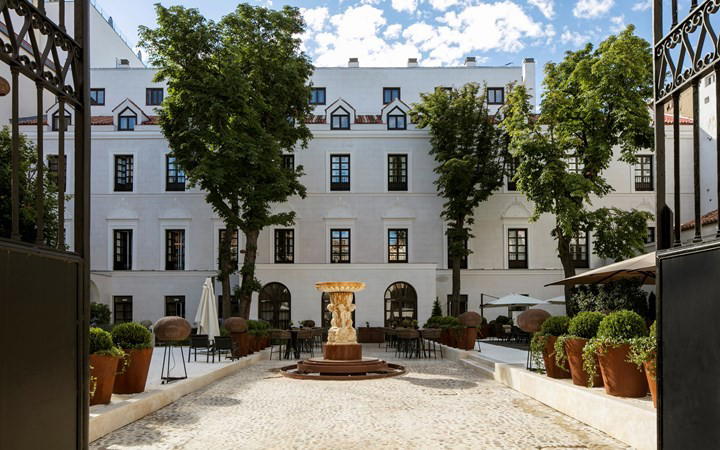
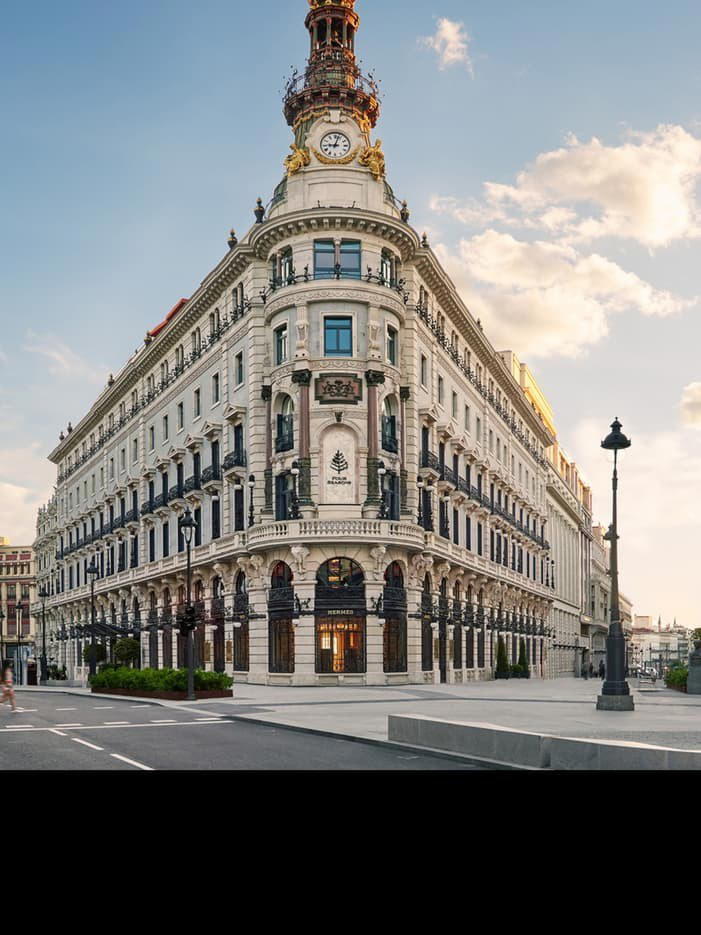

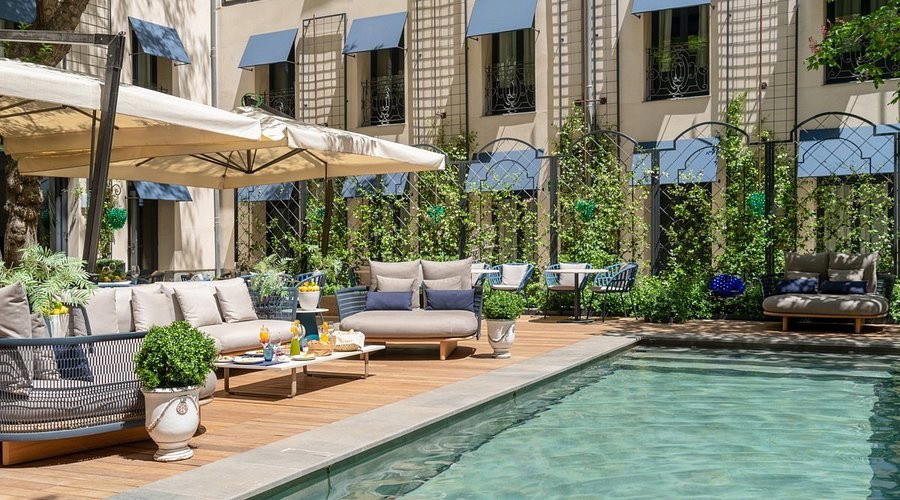

Details
- Lively
- Casual Hangout
- Terrace
- Street Scene
- Small Plates
Current opening hours
- Monday
- 11 AM–12 AM
- Tuesday
- 11 AM–12 AM
- Wednesday
- 11 AM–12 AM
- Thursday
- 11 AM–12 AM
- Friday
- 11 AM–12 AM
- Saturday
- 11 AM–12 AM
- Sunday
- 11 AM–12 AM
Hours can change for holidays and private events. Last verified .
Busy tourist spot with terrace seating and lively atmosphere amid service challenges.