LaLina Chueca occupies a telling address in Madrid's Chueca neighbourhood, where casual neighbourhood dining and more considered cooking have long traded places on the same block. Positioned at the accessible end of the Madrid dining spectrum, it draws a local crowd that treats the room as a regular rather than an occasion, a distinction that places it in a different register from the city's tasting-menu circuit.
Pearl is the En Primeur Club membership app — saves, bookings, and concierge access live there. Same editors, same standards.
- Address
- C. de Gravina, 18, Centro, 28004 Madrid, Spain
- Phone
- +34910255247
- Website
- restaurantelalina.com
- Directions
- Get directions
 Saves & bookings on Pearl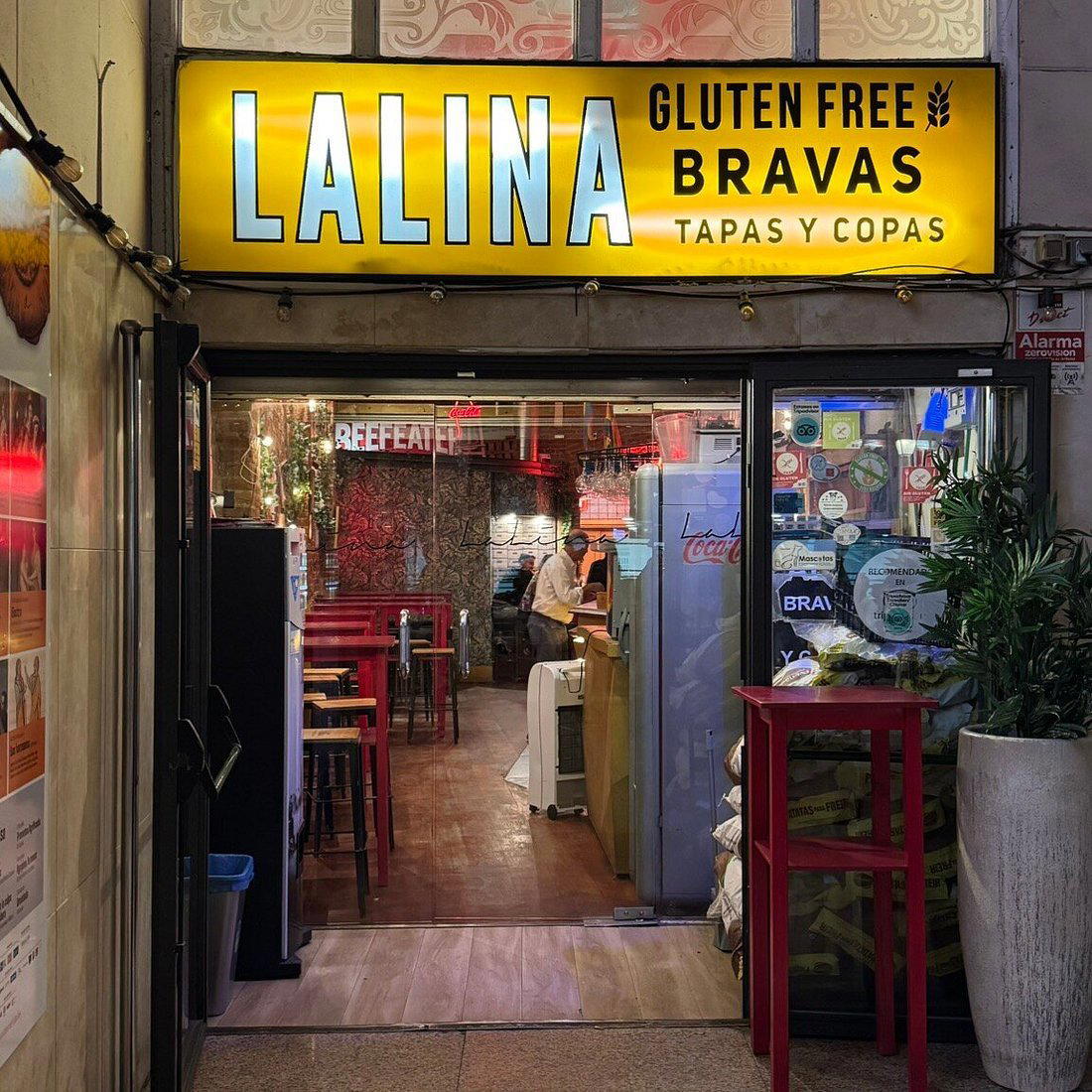
Chueca's Evolving Dining Character and Where LaLina Sits
LaLina Chueca is a Spanish gluten-free tapas restaurant in Madrid's Centro district, with a casual dress code and a walk-in-friendly policy. What began as a neighbourhood defined by cheap tapas bars and late-night convenience has, street by street, acquired a more considered dining culture. The shift has not been uniform. Gravina, the street where LaLina Chueca sits, runs through a part of the barrio where that transition is most visible: older neighbourhood joints on one side, rooms with more deliberate cooking on the other. LaLina belongs to the latter cohort, though it does not push toward the tasting-menu formalism that defines Madrid's upper tier.
That upper tier, anchored by operations like DiverXO, Coque, and Deessa, operates at a price point and formality level that makes Chueca's neighbourhood spots feel like a different category entirely. LaLina's positioning is closer to what Madrid does well at mid-register: cooking that takes product seriously without constructing an occasion around it. In a city where restaurants like DSTAgE and Paco Roncero represent the creative apex, places like LaLina function as the everyday counterweight, where regulars arrive without reservations made months in advance and the room doesn't require a special occasion to justify the visit.
The Room and the Approach to Atmosphere
Approaching from Calle de Gravina, the building sits within a stretch of low-rise residential blocks that give Chueca much of its pedestrian scale. The street-level entrance to LaLina does not announce itself with any particular ceremony, which is consistent with how the neighbourhood works: the loudest rooms here tend to be the least interesting, and the better ones rely on word of mouth rather than signage. Inside, the spatial character follows the pattern common to Chueca's more considered dining rooms, proportions that feel residential rather than commercial, an atmosphere built around table proximity rather than architectural spectacle.
This kind of room works well when the service is calibrated to match: attentive without performance, knowledgeable without lecturing. It is the format that Madrid's neighbourhood dining culture has refined over decades, and it remains the model against which rooms like this one are measured by regular diners rather than by visitors ticking through a list.
Evolution Over Time: From Neighbourhood Fixture to Something More Considered
The evolution of Chueca's dining scene provides the frame for understanding how LaLina has shifted in positioning over time. When the neighbourhood first began drawing younger residents and a more international crowd, the restaurants that succeeded were those that could hold both audiences: locals eating on a Wednesday night and visitors arriving on recommendations. The tension between those two constituencies has shaped the cooking culture on streets like Gravina more than any individual kitchen decision.
LaLina's evolution reflects that dynamic. Restaurants in this part of Madrid that have remained relevant across a decade or more have done so not by chasing the formats that define Spain's marquee dining circuit, the long tasting menus that characterise places like El Celler de Can Roca or Mugaritz, but by doubling down on the kind of accessible, product-led cooking that Chueca's neighbourhood identity depends on. The challenge for any room in this position is to keep that offer feeling current without losing the regulars who provide its commercial foundation.
Across Spain's broader dining geography, the restaurants that have proved most durable at this mid-register level are those with a clear point of view about sourcing and execution, even without the infrastructure of starred kitchens. Compare the model to what Ricard Camarena has built in Valencia, or the way Atrio in Cáceres has evolved its identity around a specific regional product story: durable reputation in Spanish dining tends to follow kitchens that commit to a position rather than those that follow the room's mood.
Madrid in Context: Where This Fits the Wider Spain Circuit
For visitors building an itinerary around Spain's dining geography, Chueca neighbourhood restaurants like LaLina serve a specific function. They are where the itinerary breathes between the more structured commitments, the reservation made two months ahead at a starred counter, the long lunch at a destination outside the city. Spain's restaurant culture has always maintained a strong distinction between the occasion restaurant and the daily one, and the better neighbourhood rooms understand which side of that line they sit on.
The broader Spanish dining circuit, running from Arzak and Azurmendi in the Basque Country through Aponiente on the Atlantic coast to Cocina Hermanos Torres in Barcelona and Quique Dacosta on the Costa Blanca, requires considerable planning. Martin Berasategui in Lasarte-Oria books out weeks in advance. Against that context, Madrid's accessible neighbourhood dining tier offers something different: flexibility, immediacy, and a lower threshold for the kind of meal that doesn't need to be a set piece.
Planning a Visit
LaLina Chueca is located at Calle de Gravina 18 in the Centro district, postcode 28004, within walking distance of the Chueca metro stop on Line 5. The neighbourhood is well-served by restaurants at several price points, and Gravina itself connects to the broader Chueca grid that makes on-foot exploration direct. Given visiting on a weekday or arriving early in the evening service window typically offers one flexibility at this type of neighbourhood room. For visitors arriving from outside Madrid, the city's dining culture runs late: lunch service rarely begins before 2pm and dinner before 9pm, a rhythm that shapes how rooms like this one operate and when seats become available.
For a fuller picture of where LaLina sits within Madrid's wider dining offer, from the neighbourhood tier through to the city's starred circuit, the Madrid dining guide provides a clear view of the city's current dining landscape. Comparable international points of reference, from Le Bernardin in New York to Atomix, help calibrate expectations across different city dining cultures.
At a Glance
Comparable venues nearby, for context on price, style, and recognition.
| Venue | Cuisine | Price | Notes |
|---|---|---|---|
| LaLina ChuecaThis venue — the venue you are viewing | Chueca, Spanish Gluten-Free Tapas | $$ | Not listed |
| La Vanduca | Not listed | $$ | Recoletos, Modern Spanish Mediterranean with Andalusian Touches |
| Café Central | Not listed | $$ | Barrio de las Letras, Spanish Tapas & Jazz |
| El 5 de Tirso | Lavapies, Modern Madrid Tapas | $$ | Not listed |
| La Madreña | El Viso, Traditional Asturian | $$ | Not listed |
| El Urogallo Casa de Campo | Not listed | $$ | Casa de Campo, Traditional Asturian Spanish |
Continue exploring
More in Madrid
Restaurants in Madrid
Browse all →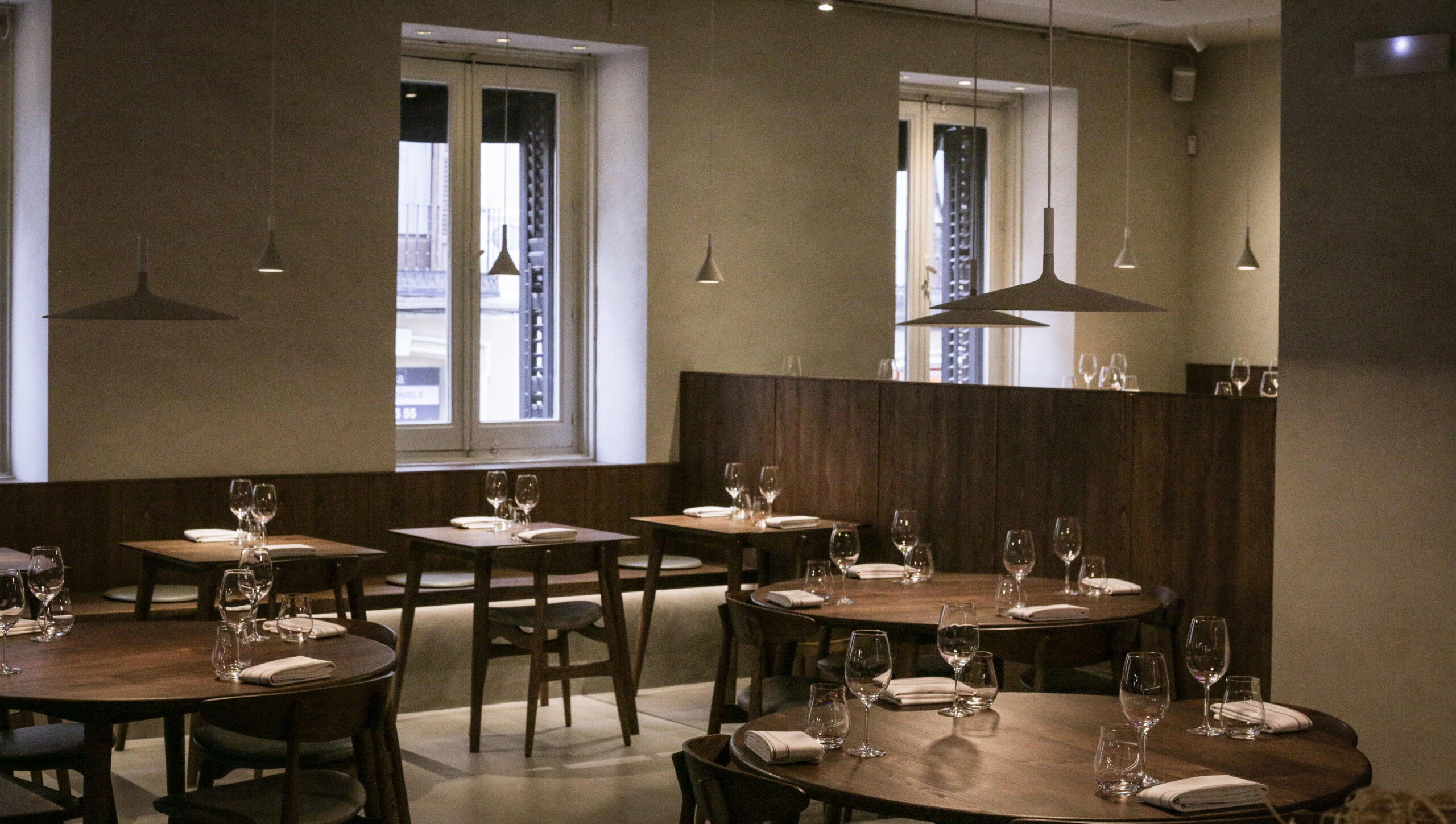
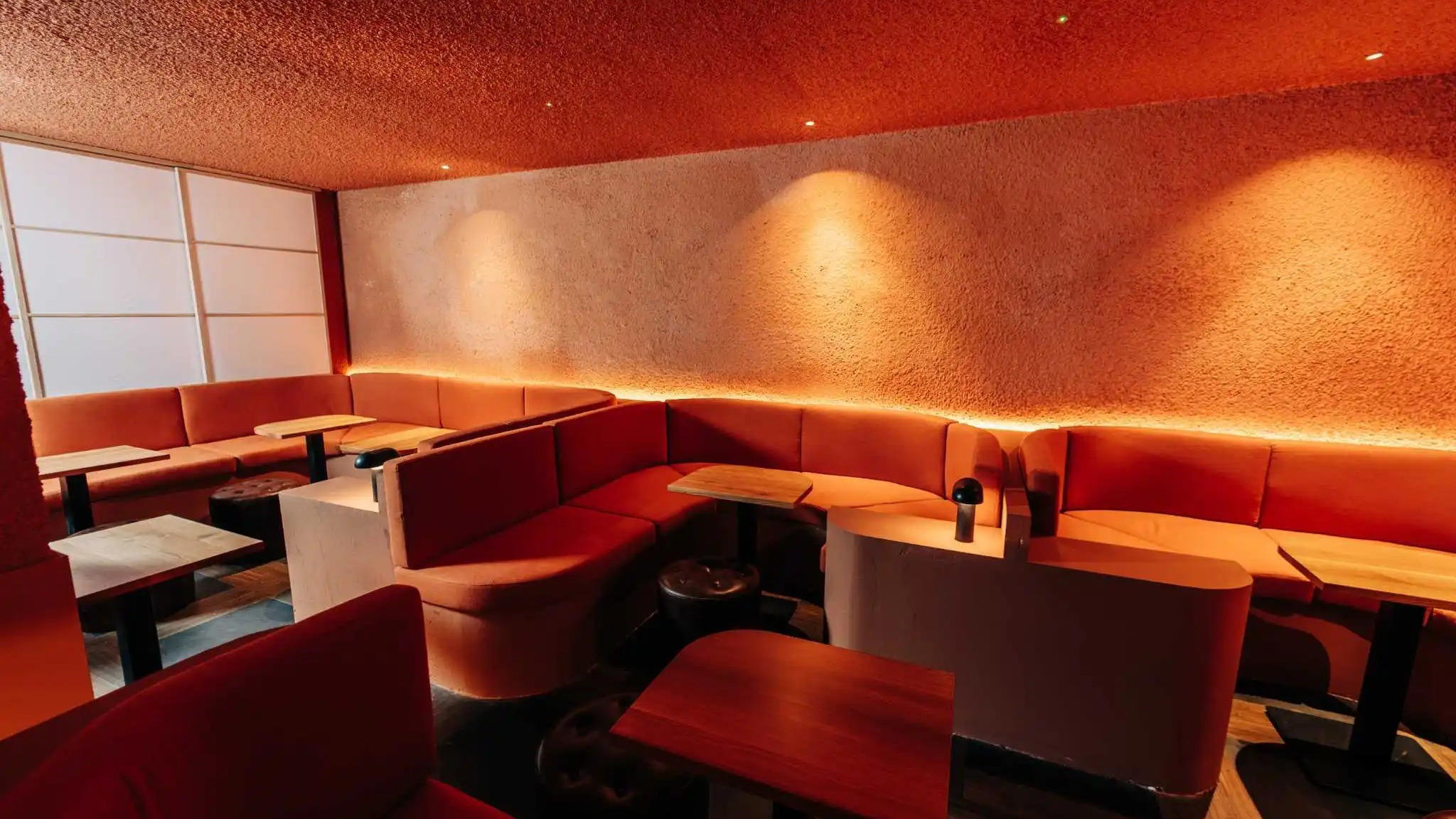
Bars in Madrid
Browse all →
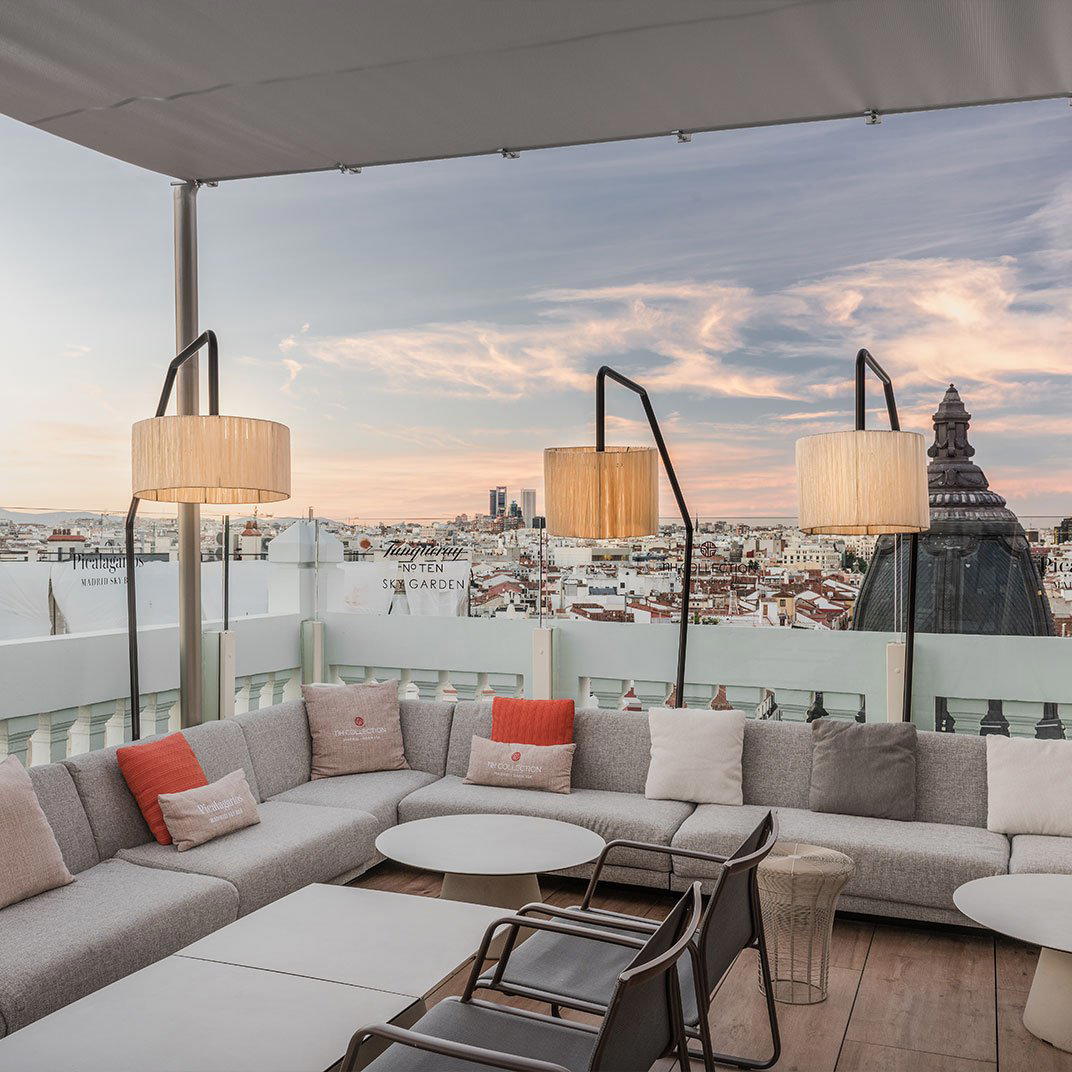
Hotels in Madrid
Browse all →

At a Glance
- Lively
- Casual
- Trendy
- Casual Hangout
- Group Dining
- After Work
- Standalone
Current opening hours
- Monday
- 1 PM–12 AM
- Tuesday
- 1 PM–12 AM
- Wednesday
- 1 PM–12 AM
- Thursday
- 1 PM–1 AM
- Friday
- 1 PM–2:30 AM
- Saturday
- 12 PM–2:30 AM
- Sunday
- 12 PM–12 AM
Hours can change for holidays and private events. Last verified .
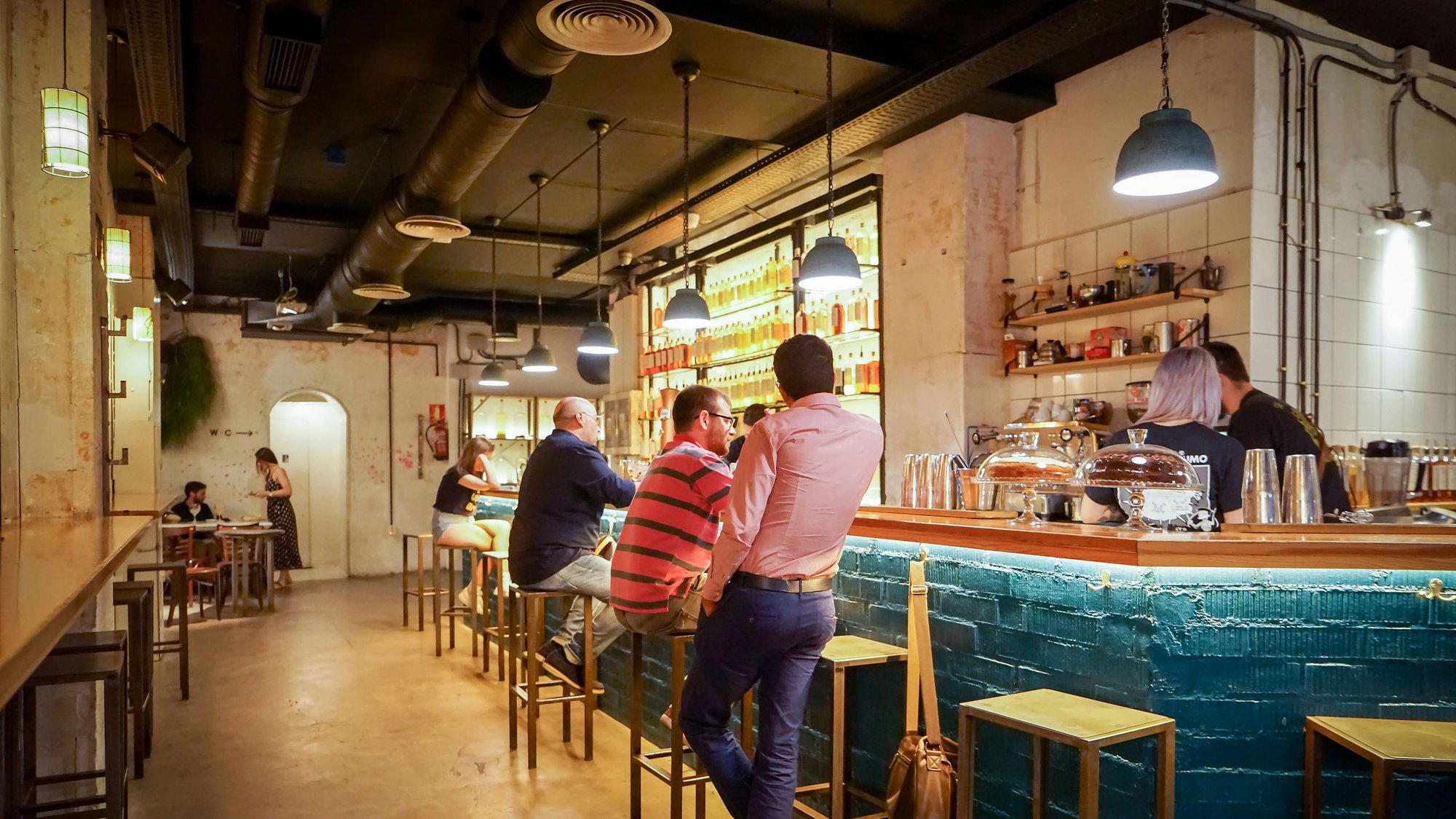
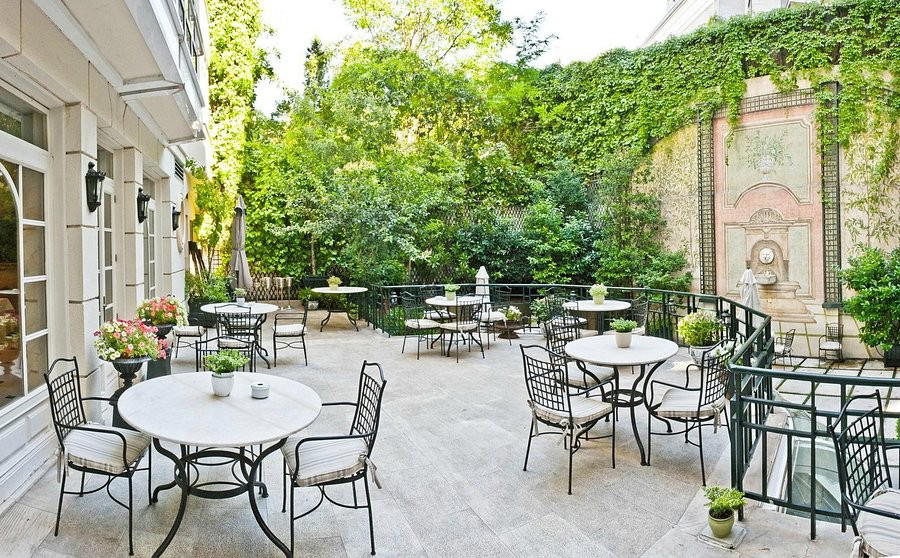
Lively and welcoming atmosphere with natural tones and industrial-style design, creating a lively yet comfortable environment for dining.