.png)
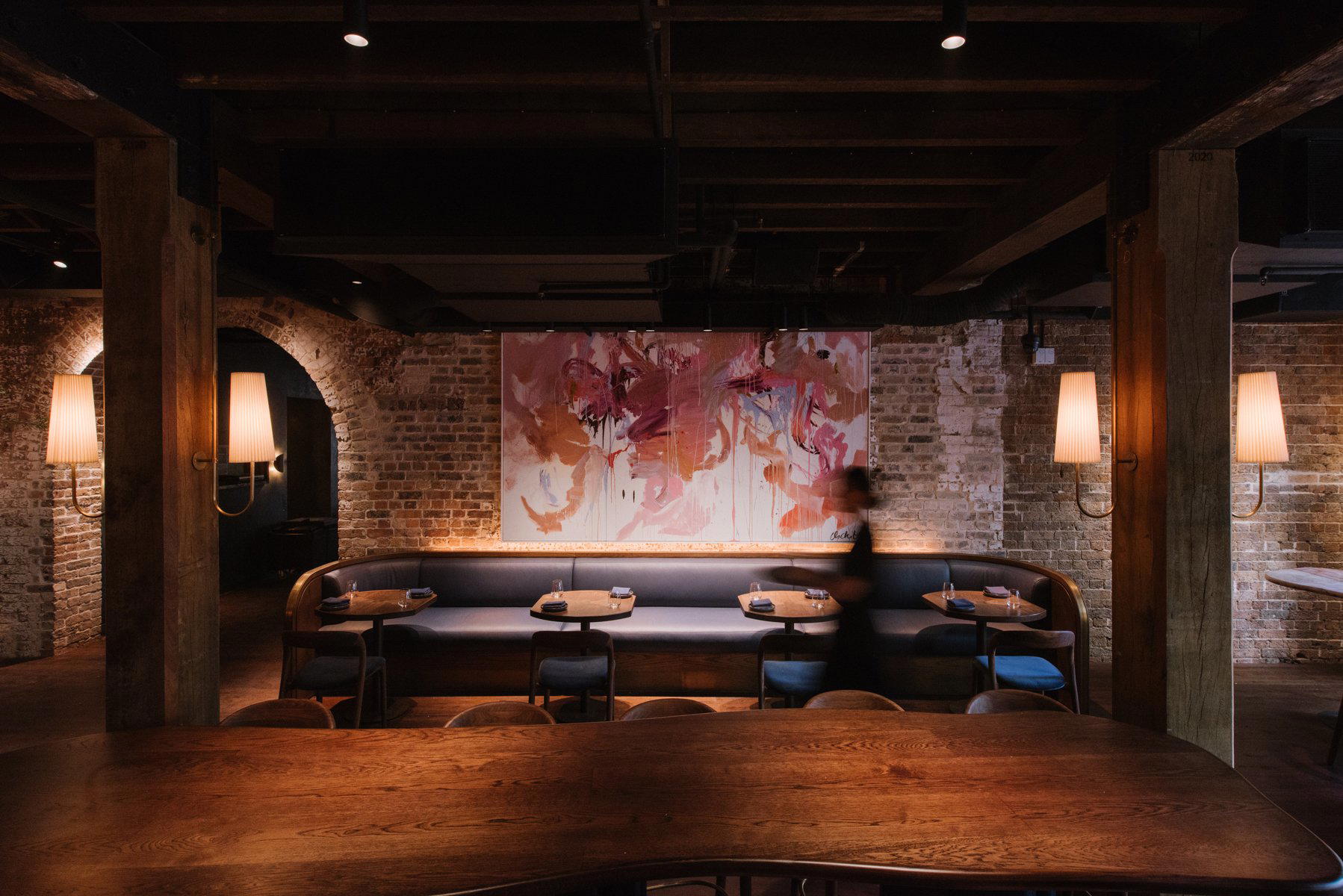
TA-KUMI on Calle de Claudio Coello brings the same Japanese kitchen discipline that the group has established across Marbella and Málaga to Madrid's Salamanca district. The Michelin Plate-recognised address runs a sushi bar, two dining floors, a private room, and an à la carte supported by the Matsuri set menu. Google reviewers rate it 4.8 from 483 submissions, a score that places it among the more consistently reviewed Japanese addresses in the capital.
Pearl is the En Primeur Club membership app — saves, bookings, and concierge access live there. Same editors, same standards.
- Address
- C. de Claudio Coello, 114, Salamanca, 28006 Madrid, Spain
- Phone
- +34 913 08 37 11
- Website
- restaurantetakumi.com
 Saves & bookings on Pearl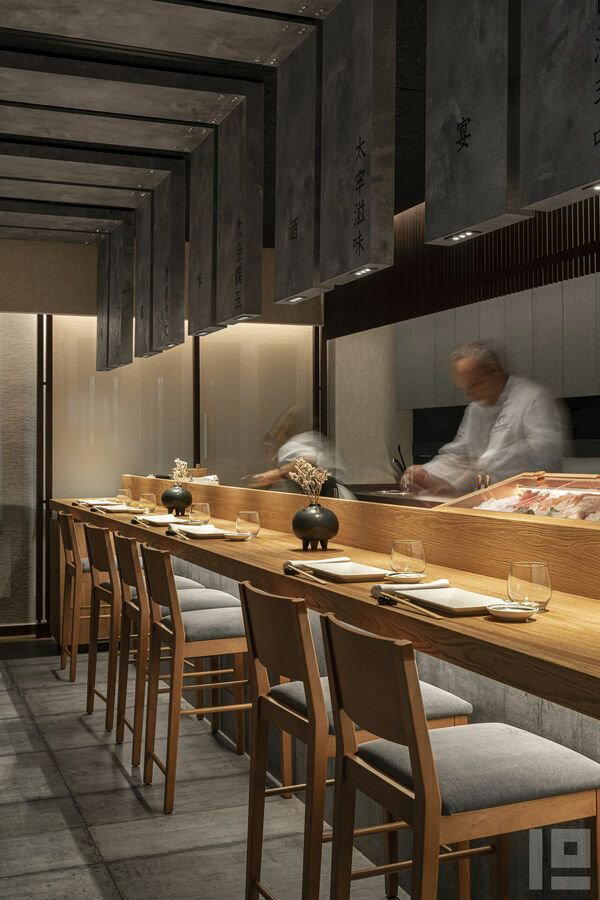
Japanese Precision in the Salamanca Grid
Salamanca is Madrid's most composed neighbourhood for serious dining. The street grid is deliberate, the buildings uniform in their late-19th-century restraint, and the restaurants that survive here do so because the residential clientele is exacting rather than trend-driven. Calle de Claudio Coello sits at the district's quieter northern reach, where the density of concept restaurants gives way to addresses that depend on repeat custom rather than tourist footfall. TA-KUMI operates in exactly this register: a Japanese kitchen with a structured multi-room layout, a Michelin Plate for 2025, and a Google rating of 4.8 across 600 reviews.
The Tokyo–Kyoto Question, Applied to Madrid
Japanese food has never been monolithic, and the divide between Tokyo's metropolitan pace and Kyoto's more deliberate, tradition-anchored approach is one of the most useful frames for reading a Japanese restaurant operating outside Japan. Tokyo dining rewards speed, novelty, and technical showmanship at the counter; Kyoto dining rewards patience, repetition, and a menu that changes slowly because the craft behind it has already been refined. Madrid's Japanese scene, which now includes addresses like Yugo The Bunker, Ikigai Flor Baja, and Ikigai Velázquez, spans both poles. TA-KUMI positions itself closer to the Kyoto end of that spectrum. The format is not a single high-pressure omakase counter but a layered space with multiple rooms, an extensive à la carte, and a set menu, architecture that prioritises sustained hospitality over a single theatrical moment.
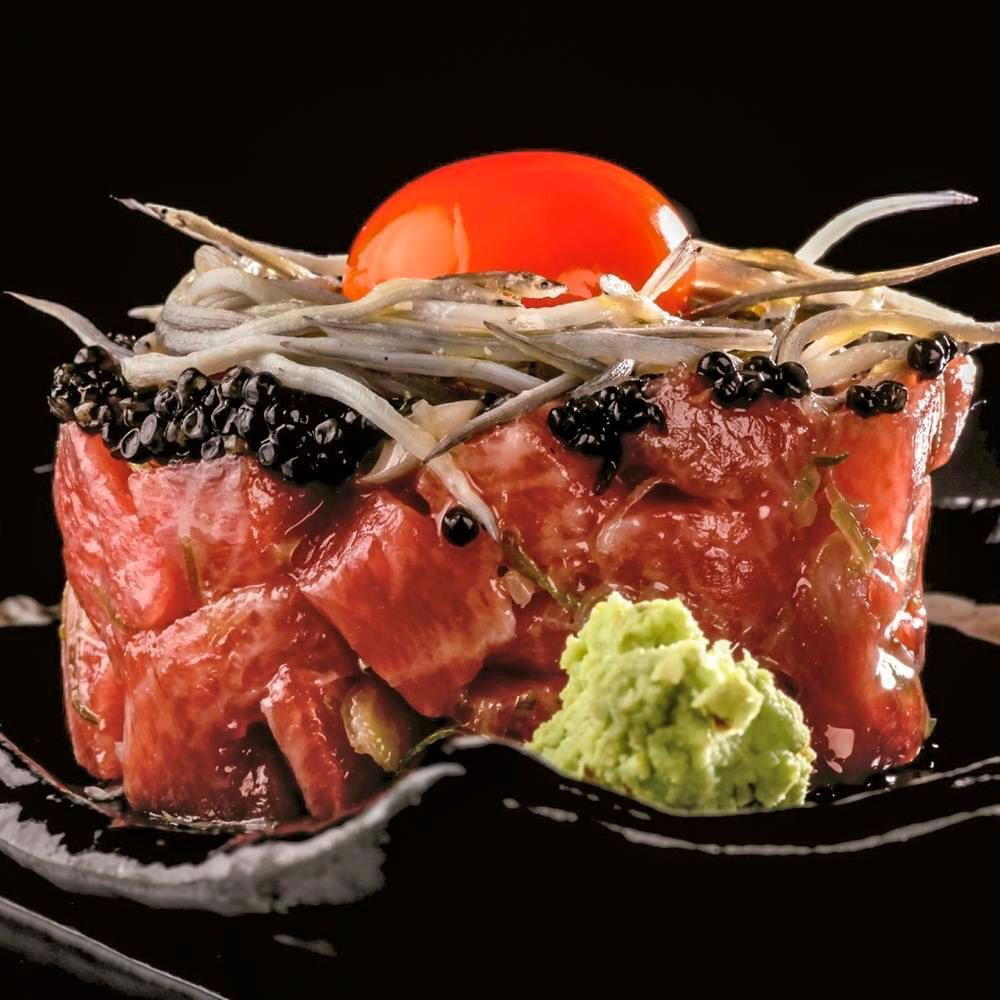
That distinction matters for how you should read the menu. The Matsuri set menu functions as the house narrative: a curated sequence that lets the kitchen demonstrate range and pacing without the diner having to construct their own meal from scratch. The à la carte, meanwhile, carries signature recipes alongside dishes shared across the group's Marbella and Málaga addresses, creating a legible through-line for guests who have eaten at either sister site. The availability of hot and cold nigiri outside the formal menu structure adds flexibility for diners who want to eat at the counter on their own terms.
A Group Format That Earns Its Recognition
The multi-city group model in Japanese dining carries a specific risk: the further a concept stretches from its source, the easier it becomes to mistake consistency for ambition. TA-KUMI's Michelin Plate recognition for 2025 addresses that question directly. A Michelin Plate is a mark of recognition from the guide. In a Madrid scene where the starred addresses in other cuisines include names like El Celler de Can Roca in Girona, Arzak in San Sebastián, and locally ambitious kitchens such as Disfrutar in Barcelona, the Michelin Plate functions as a positioning marker: credible, consistent, and operating at a different register than the city's most experimental addresses.
For context on what that recognition means in a Japanese-specific framework, the kitchens at Myojaku in Tokyo and Azabu Kadowaki in Tokyo represent the starred tier of Japanese dining in its home city. TA-KUMI operates at a different level of ambition, and charges accordingly, but the Michelin Plate places it above the undifferentiated Japanese restaurant market in Madrid and below the city's most technically demanding counters, which is an honest and defensible position.
The Salamanca comparable set
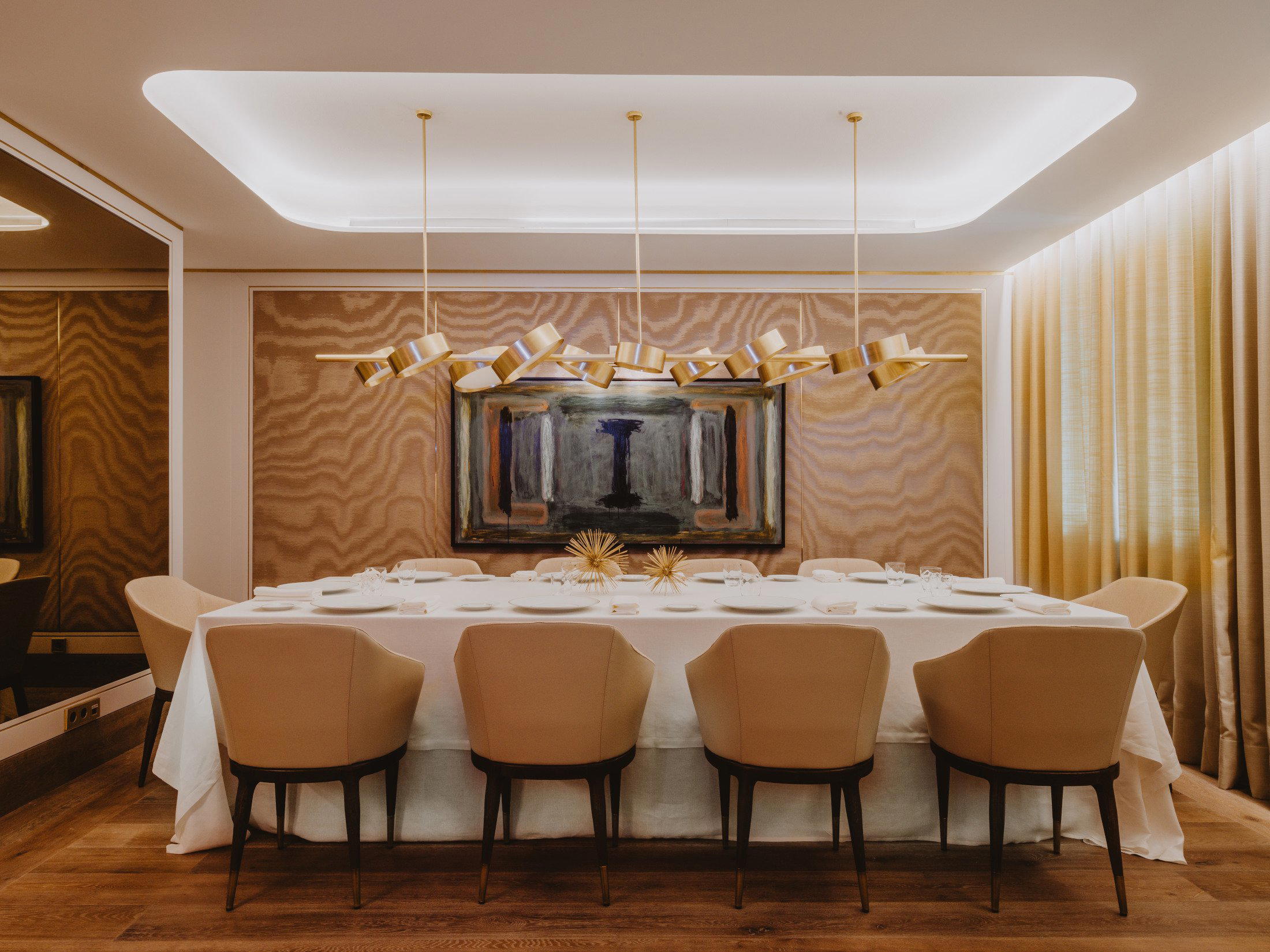
Within Madrid's Japanese dining options, TA-KUMI occupies a higher price tier at €€€€. Its closest comparison points are other structured Japanese addresses with multi-room formats and recognisable group backing. Ebisu by Kobos and Hotaru Madrid represent adjacent positions in the city's Japanese dining tier, each with their own format logic. What distinguishes TA-KUMI within this comparable set is the combination of a private dining room, a sushi bar, and two separate dining floors, a physical scale that most single-site Japanese restaurants in Madrid do not match.
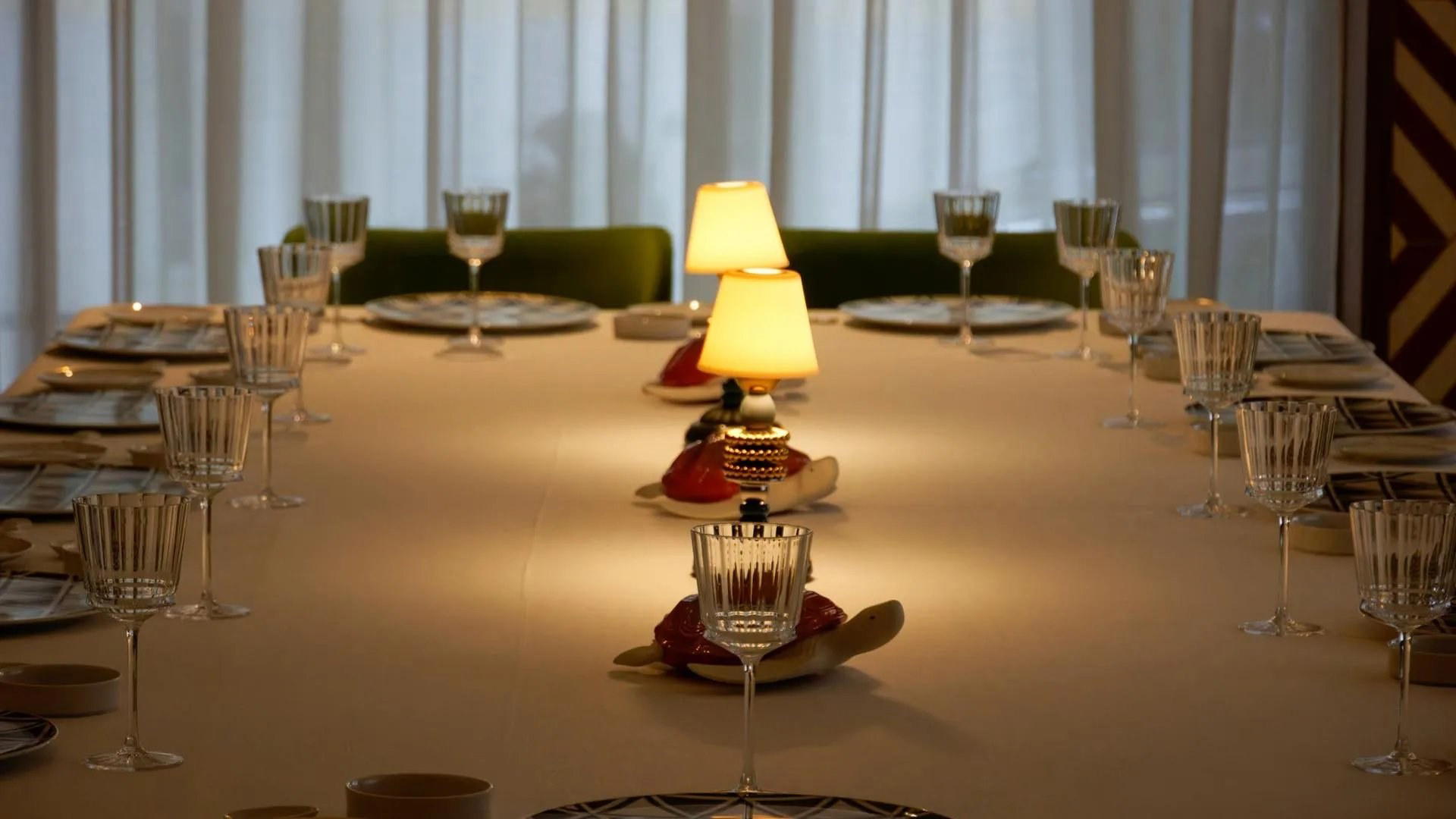
The private room is a useful detail for corporate or occasion dining in Salamanca. Private dining options in the district tend to cluster at Spanish and contemporary European addresses; a Japanese kitchen with a bookable private space and a group format that handles large tables reliably is a narrower category than it might initially appear.
What the Format Signals to the Diner
The coexistence of an à la carte and a set menu within the same kitchen is a structural choice that carries editorial weight. Restaurants that commit exclusively to set menus are making an argument about authorship. Restaurants that offer only à la carte are making a different argument about flexibility and the individual diner's authority. TA-KUMI's decision to run both, with the Matsuri menu as the curated path and the à la carte as the open framework, is a pragmatic acknowledgement that Salamanca's clientele is not homogeneous. A table of four for a weeknight dinner and a corporate party in the private room have different needs, and the format accommodates both without compromising either.
Sushi bar adds a third register: counter dining, where the interaction between kitchen and guest is closer and the meal can be self-directed through individual nigiri orders, both hot and cold, that sit outside the formal menu. This is the Tokyo model applied within a Kyoto-paced house, and it works as long as the kitchen can maintain standards across all three formats simultaneously, which the 4.8 Google score suggests it does with reasonable consistency.
Planning Your Visit
TA-KUMI is located at C. de Claudio Coello, 114, in the Salamanca district of Madrid (28006).
| Venue | Cuisine | Price Tier | Format | Recognition |
|---|---|---|---|---|
| TA-KUMI | Japanese | €€€ | À la carte + set menu + sushi bar | Michelin Plate 2025 |
| Ebisu by Kobos | Japanese | €€€ | Counter-led | – |
| Hotaru Madrid | Japanese | €€€ | À la carte | – |
| Ikigai Velázquez | Japanese-Spanish | €€€ | Set menu | Michelin recognition |
Spain's wider fine dining circuit offers useful context for where Japanese dining in Madrid sits relative to the country's broader culinary ambitions.
Budget Reality Check
Comparable venues nearby, for context on price, style, and recognition.
| Venue | Cuisine | Price | Awards | Notes |
|---|---|---|---|---|
| TA-KUMIThis venue — the venue you are viewing | Castellana, Modern Japanese Sushi | $$$$ | Michelin Plate | |
| Sushi Bar Tottori | Recoletos, Modern Japanese Omakase | $$$$ | Michelin Plate | |
| Pilar Akaneya | Rios Rosas, Sumibiyaki Japanese Barbecue | $$$$ | Michelin Plate | |
| Kyoshi Las Cortes | $$$ | Michelin Plate | Barrio de las Letras, Japanese-Spanish Fusion Sushi | |
| Kabuki Madrid | Recoletos, Japanese Fusion Sushi | $$$$ | Michelin Plate | |
| Shibari Sushi and Grill | $$$$ | Michelin Plate | Embajadores, Modern Japanese Omakase & Robata Grill |
Continue exploring
More in Madrid
Restaurants in Madrid
Browse all →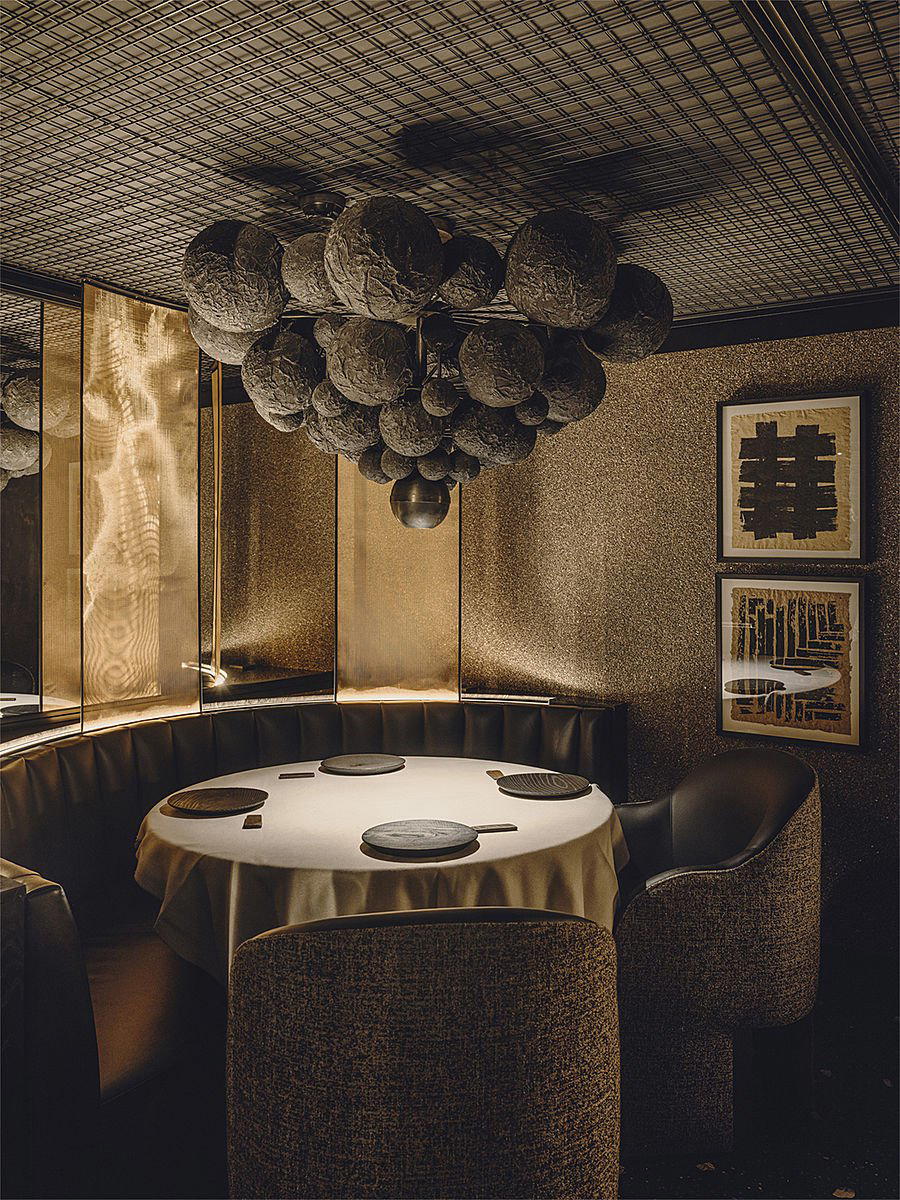

At a Glance
- Modern
- Elegant
- Minimalist
- Sophisticated
- Intimate
- Date Night
- Special Occasion
- Private Dining
- Sake Program
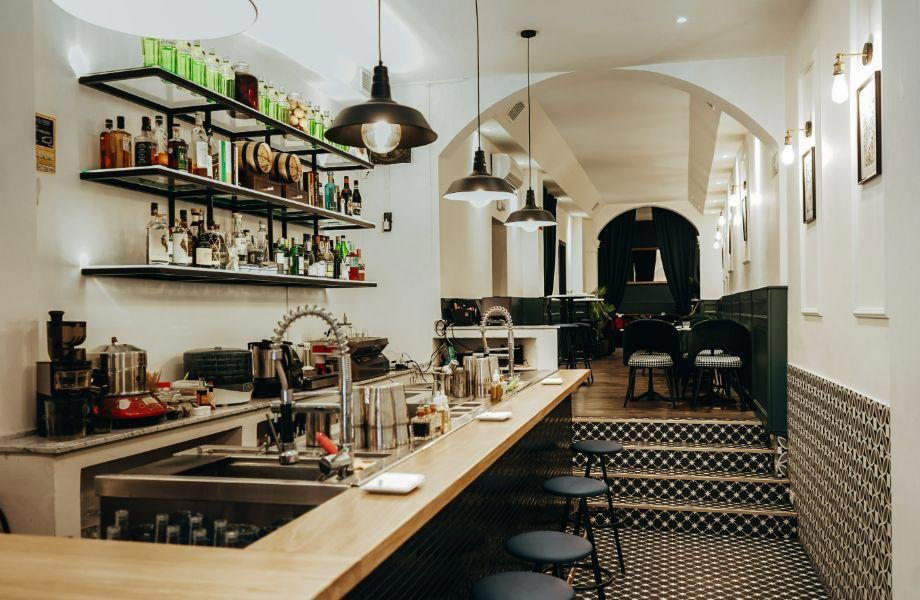
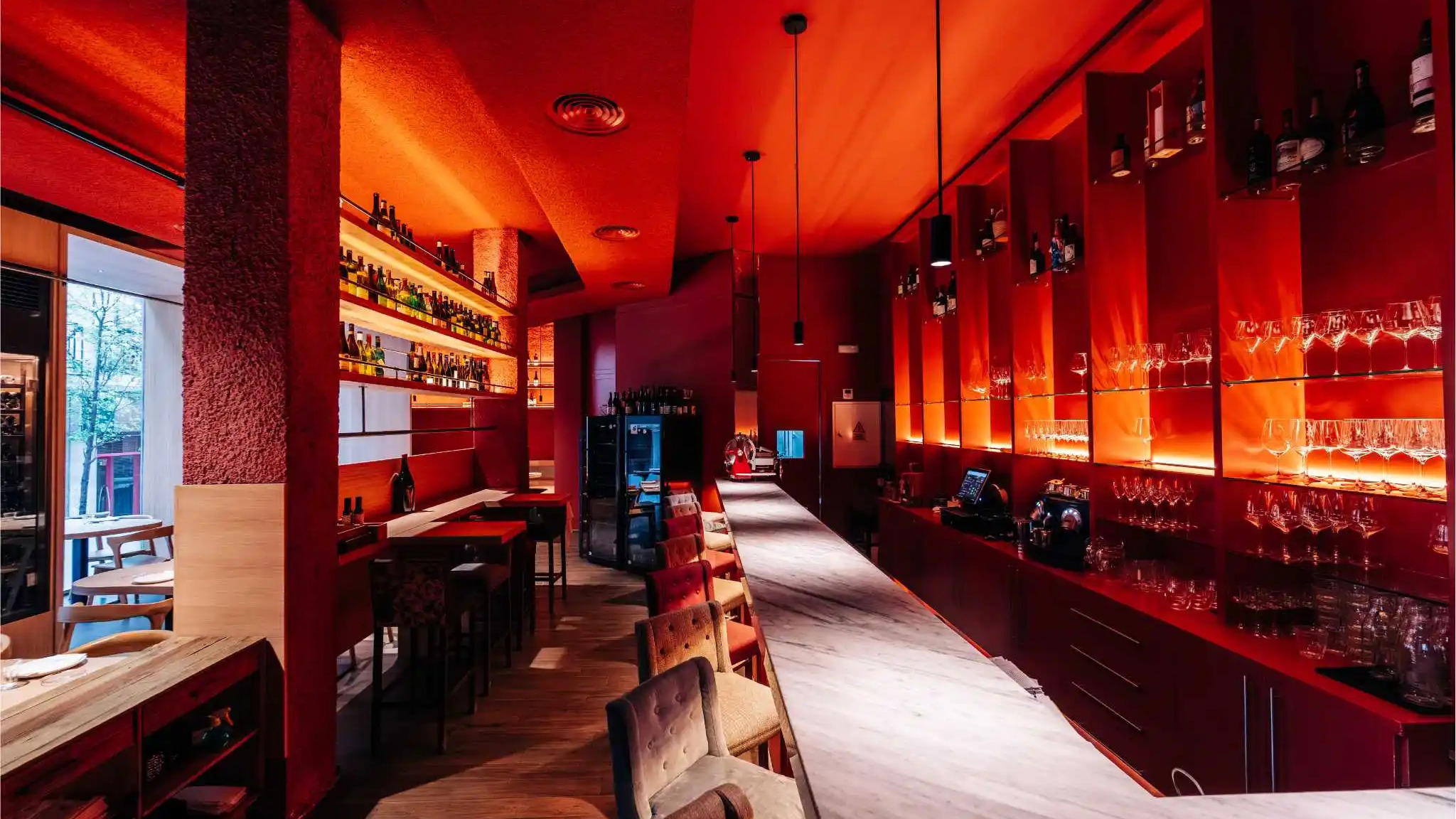
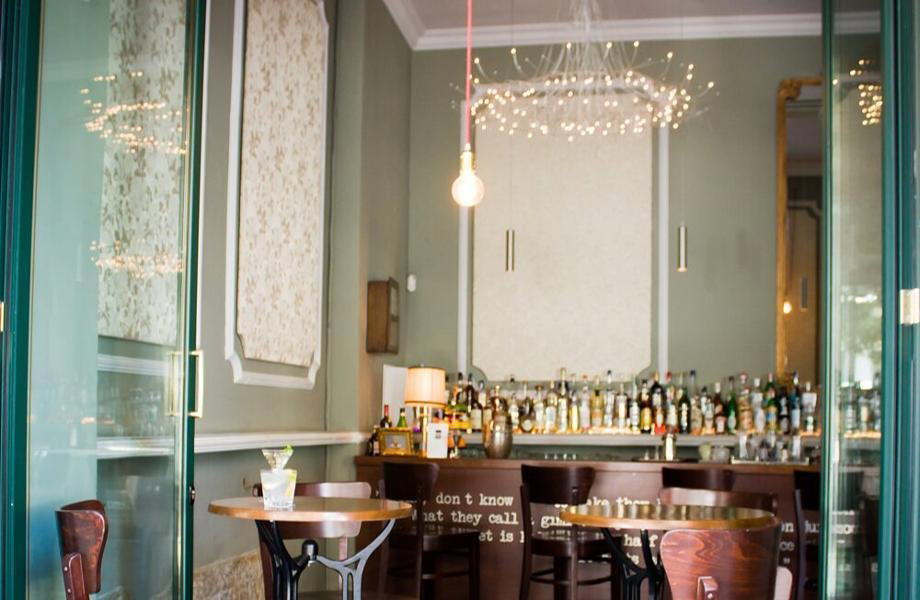
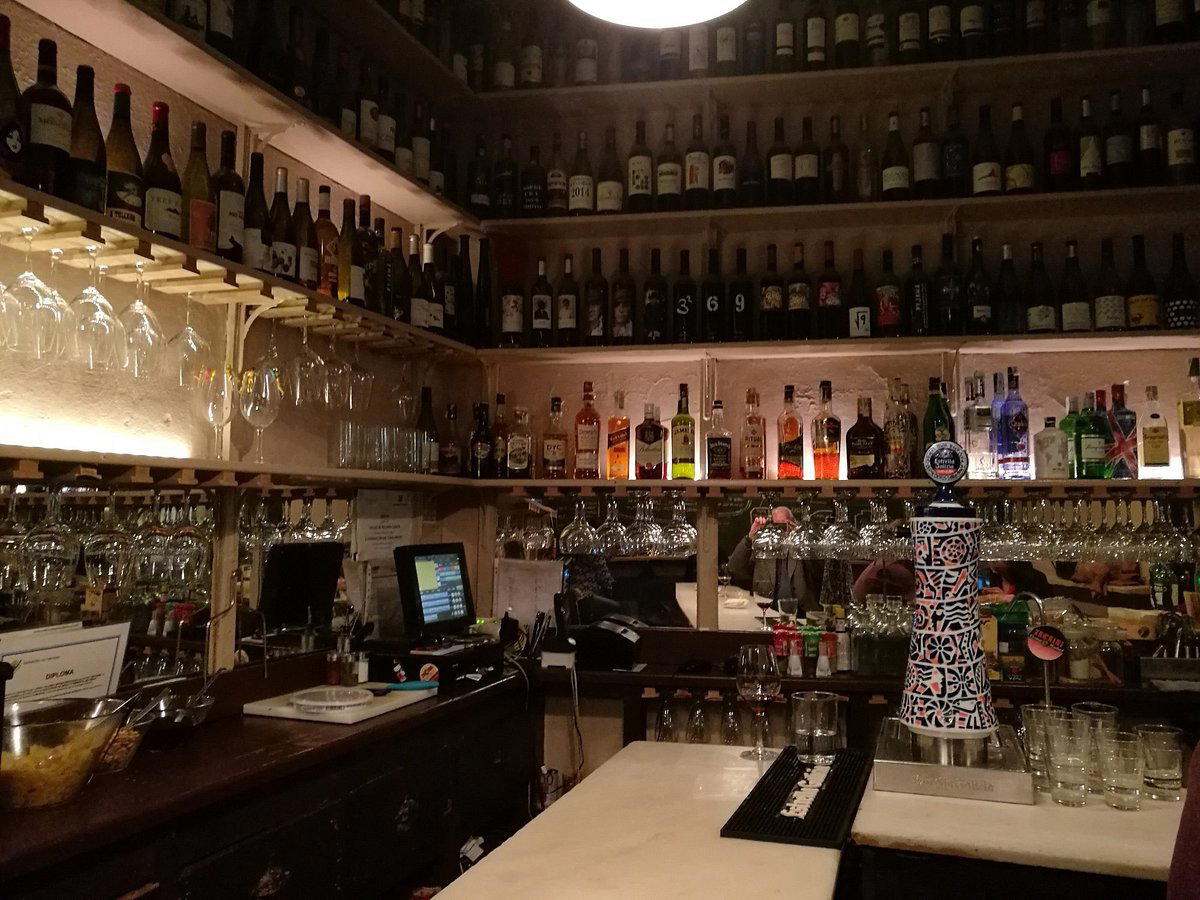
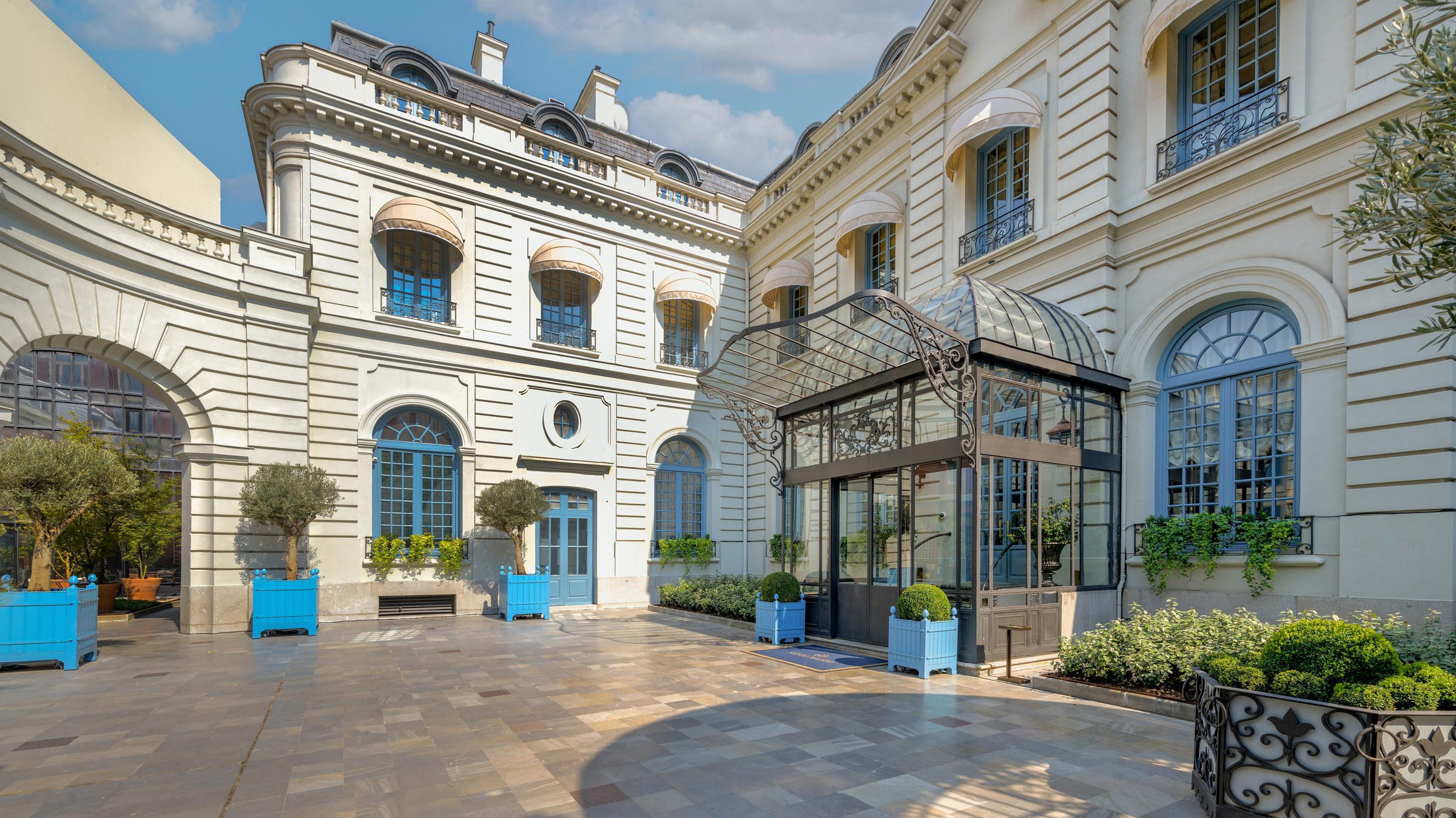
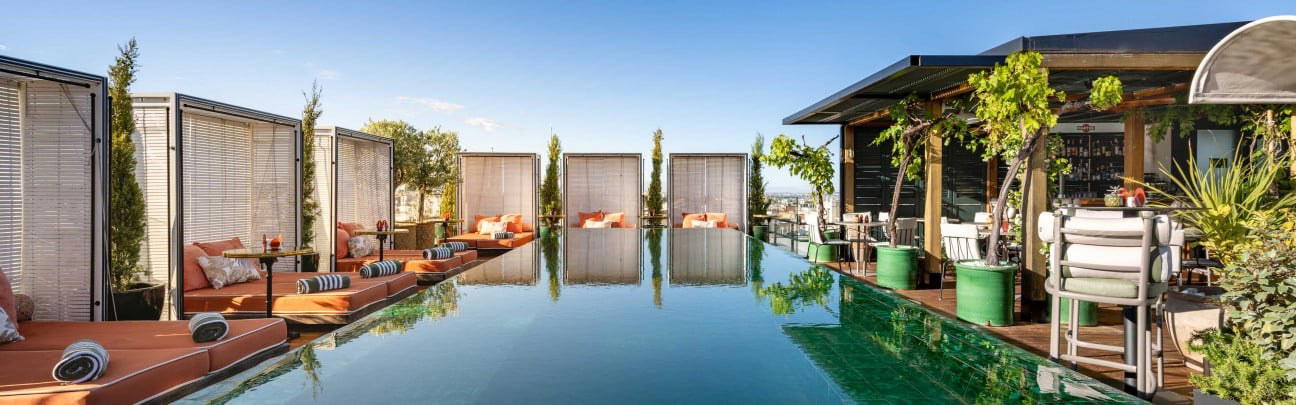
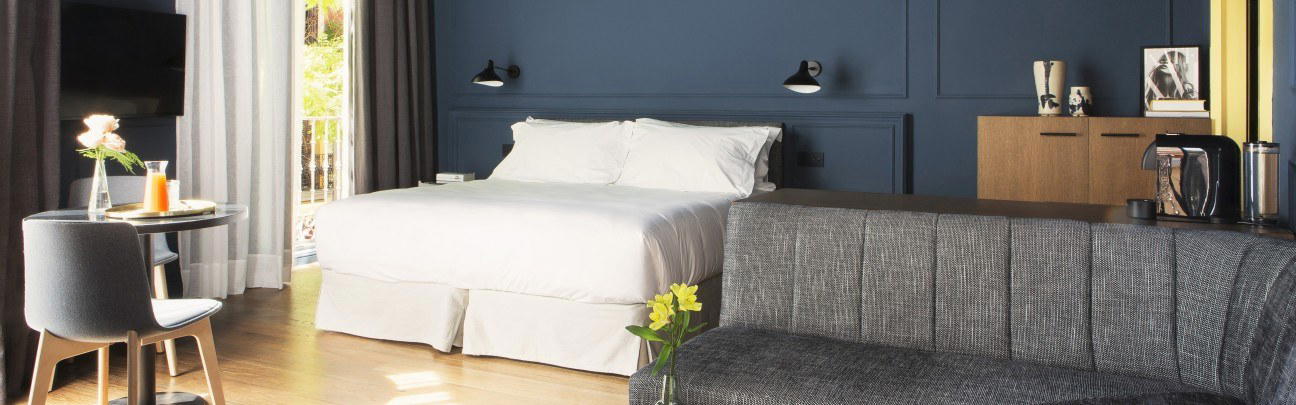
Modern and discreet with a sophisticated, minimalist interior featuring a sushi bar and serene Japanese-inspired atmosphere.