




Michelin Plate · Falstaff Restaurant - 92 Falstaff Points · Guía Repsol 1 Sol
Our verdict
Madrid's only restaurant serving Matsusaka beef from the Ito Ranch, Pilar Akaneya brings Japanese sumibiyaki barbecue to Chamberí using Kishū Binchōtan charcoal from Wakayama Prefecture. A Michelin Plate holder since 2024 and ranked in Opinionated About Dining's European top 700, it occupies a precise niche in the capital's premium dining scene: the city's sole serious address for certified Kobe and Matsusaka wagyu in a traditional grill format.

Pearl is the En Primeur Club membership app, where members save venues, book tables and use the concierge.
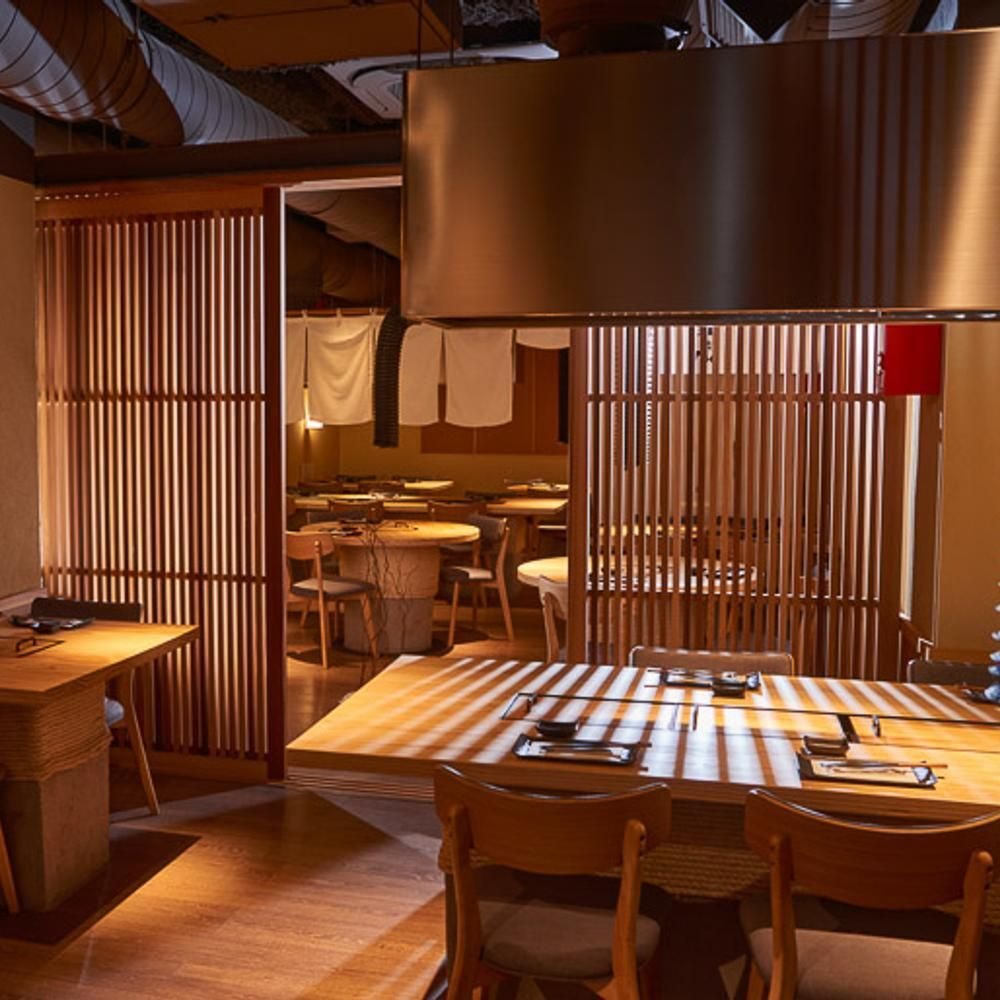
Charcoal, Cattle, and a City Learning to Listen
Walk along Calle de Espronceda in Chamberí on any given evening and the neighbourhood presents its usual Madrid character: nineteenth-century residential blocks, corner bars, a pace that accelerates after nine. What you notice less immediately is a smell that drifts from one address along the street, the low, steady smoke of Binchōtan charcoal at working temperature. That detail matters more than it might initially seem. Kishū Binchōtan, sourced from oak in Wakayama Prefecture and burned at temperatures that radiate rather than flame, produces a heat profile that is essentially impossible to replicate with gas or standard hardwood. Madrid had no dedicated sumibiyaki restaurant before Pilar Akaneya opened on this block. The absence, in retrospect, is the story.
A Format That Arrived Before the Trend
Japanese steakhouse formats in European capitals have followed a reasonably predictable arc: teppanyaki theatrics first, then sushi-adjacent wagyu tastings, and more recently the quieter, more serious sumibiyaki model where the grill and the beef do the communicating. Pilar Akaneya arrived at the sumibiyaki end of that spectrum from the beginning, which placed it ahead of a shift that is now visible across London, Paris, and Berlin. The EA-GN-20 angle here is not dramatic reinvention, there was no pivot from casual to fine, no rebranding moment, but rather the gradual recognition that what the restaurant was already doing had become the direction the broader category was moving toward.
That early positioning has since been formalised by external recognition. Michelin awarded the restaurant a Plate in both 2024 and 2025, a designation that signals cooking quality worth noting without the starred tier's price and ceremony expectations. Opinionated About Dining, which surveys a large panel of experienced diners across Europe, placed Pilar Akaneya at number 651 in its 2025 European rankings, a meaningful data point for a restaurant of this type in a city whose Japanese fine dining footprint remains small relative to its overall restaurant depth. For context on where Madrid's premium restaurants sit more broadly, the city's highest-profile addresses include DiverXO, Coque, Deessa, DSTAgE, and Paco Roncero, all operating at the €€€€ tier and all focused on Spanish or Spanish-adjacent creative cooking. Pilar Akaneya at €€€ occupies a different lane entirely.
The Beef Itself: What Matsusaka Means in Practice
Any serious account of Pilar Akaneya must spend time on the cattle sourcing, because it is the most consequential fact about the restaurant. Wagyu has become a common menu word across Europe, applied to anything from domestic crossbreeds to genuine Japanese imports, which makes the specific certifications here worth unpacking. Kobe beef, the name most diners recognise, comes from Tajima-strain black cattle raised in Hyogo Prefecture under protocols that include weight limits, lineage traceability, and grading floors. It is verifiably rare outside Japan. Matsusaka beef is less internationally known but commands at least as much reverence within Japan, many specialists consider it the more intensely marbled of the two, with a fat composition that melts at lower temperatures. The Ito Ranch in Mie Prefecture is among the most cited sources for Matsusaka cattle. That is not marketing shorthand. It reflects a procurement relationship that most operators in Spain have not established.
The cooking method applied to this beef is equally deliberate. Binchōtan charcoal burns without smoke or flame in the conventional sense, producing far-infrared radiation that penetrates the surface of the meat rather than charring it externally. The result, when applied to highly marbled wagyu, is a surface that caramelises without the interior fat rendering out prematurely. It is a technique with deep roots in Japanese yakitori and kappo traditions, and it requires consistent temperature management that gas grills cannot approximate. Madrid's sumibiyaki gap, until Pilar Akaneya opened, was a gap in technique as much as in sourcing.
Some menus at the restaurant have also included Crown Melon from Fukuroi, a shizuoka-grown variety that reaches prices in Japan comparable to premium wine bottles and is used in high-end kaiseki and luxury gift contexts. Its presence on a menu in Chamberí is, by any measure, an unusual import.
Where Pilar Akaneya Sits in the Madrid Scene
Madrid's restaurant scene has expanded and deepened considerably over the past decade, building a national and international reputation that sits alongside Spain's other landmark addresses: Aponiente in El Puerto de Santa María, Arzak in San Sebastián, El Celler de Can Roca in Girona, Quique Dacosta in Dénia, Azurmendi in Larrabetzu, and Disfrutar in Barcelona. That context is useful because it illustrates how thoroughly the premium tier has been dominated by Spanish and Basque cooking traditions. Japanese concepts have made inroads, but the serious sumibiyaki format has remained largely absent. Pilar Akaneya's position is therefore structural as much as qualitative: it fills a category gap rather than simply competing within an established one.
For a different point of comparison, Salt + Charcoal in New York City represents the format's trajectory in another major market where Japanese steakhouse dining has matured into a distinct tier. The parallel is imperfect, New York's Japanese dining infrastructure is far deeper, but it illustrates that the sumibiyaki model has proven durable across different cities once it finds its audience. Le Bernardin in New York City offers a different kind of contextual reference: a restaurant that built its reputation around a single product category and a specific technique, and held that position over decades without pivoting toward trend. The comparison is more useful as a model of category discipline than as a stylistic one.
Volume at that score suggests the rating reflects sustained performance rather than a cluster of openings-week enthusiasm.
For a broader view of what the capital offers across dining, drinking, accommodation, and cultural experiences, see our full Madrid restaurants guide, our full Madrid hotels guide, our full Madrid bars guide, our full Madrid wineries guide, and our full Madrid experiences guide.
Know Before You Go
- Address: C. de Espronceda, 33, Chamberí, 28003 Madrid, Spain
- Cuisine: Japanese Steakhouse / Sumibiyaki
- Price range: €€€
- Awards: Michelin Plate 2024 and 2025; Opinionated About Dining Europe #651 (2025)
- Notable: Madrid's only restaurant serving Matsusaka beef (Ito Ranch) and certified Kobe beef; cooks exclusively on Kishū Binchōtan charcoal from Wakayama Prefecture
- Booking: Contact details and current availability via the restaurant directly; advance reservation recommended given the specialist format
Frequently asked questions
What should I expect atmosphere-wise at Pilar Akaneya?
The setting is Chamberí, one of Madrid's more residential and understated inner-city neighbourhoods, and the restaurant's tone reflects that. This is not a theatrical Japanese steakhouse in the teppanyaki sense. The sumibiyaki format is quieter and more focused: the cooking happens at or near your table using traditional Japanese grills, and the experience is oriented around the beef and the charcoal rather than performance. At €€€, it sits one tier below Madrid's most expensive creative restaurants and positions itself as a serious but not ceremonially formal address.
What is worth ordering at Pilar Akaneya?
The Matsusaka beef is the most consequential item on the menu from a sourcing standpoint. Pilar Akaneya is the only restaurant in Madrid with access to Ito Ranch Matsusaka cattle, and the Binchōtan preparation is the specific technique designed to cook it at its finest. Kobe beef also appears on the menu and carries its own certification standards. Where the menu includes Crown Melon from Fukuroi, that detail is worth noting as one of the more unusual Japanese luxury imports available in the city.
Is Pilar Akaneya a good choice for families?
At €€€ in a format built around premium Japanese beef and traditional grill cooking, Pilar Akaneya is primarily pitched at adult diners with an interest in the specific sourcing and technique. It is not a venue with a broad or casual menu. Families with older children who have an appetite for that kind of focused dining experience will find it manageable, but the price point and the specialist format mean it sits outside the range of most family-oriented restaurant choices in Madrid.
Peers Worth Knowing
A compact comparison to help you place this venue among nearby peers.
| Venue | Cuisine | Price | Awards | Notes |
|---|---|---|---|---|
| Pilar AkaneyaThis venue (the venue you are viewing) | Sumibiyaki Japanese Barbecue | $100–150 | Michelin Plate · Falstaff Restaurant - 92 Falstaff Points | Not listed |
| DiverXO | Avant-Garde Spanish Tasting Menu | $300–500 | 3 Michelin Stars · World's 50 Best #4 | Progressive - Asian, Creative |
| Deessa | Modern Valencian Fine Dining | $150–200 | 2 Michelin Stars · La Liste Top Restaurants | Modern Spanish, Creative |
| Smoked Room | Modern Japanese Fire Omakase | $200–300 | 2 Michelin Stars · La Liste Top Restaurants | Progressive Asador, Contemporary |
| Coque | Modern Spanish Fine Dining | $300–500 | 2 Michelin Stars · La Liste Top Restaurants | Spanish, Creative |
| Paco Roncero | Avant-Garde Spanish Fine Dining | $150–200 | 2 Michelin Stars · La Liste Top Restaurants | Creative |
Recognition history
Dated appearances from independent guides and award organizations, with the underlying list record or original source where available.
Michelin Plate
Michelin
Falstaff Restaurant - 92 Falstaff Points
Falstaff
Guía Repsol 1 Sol
Guía Repsol
Macarfi 7.5 Food Rating
Macarfi
Opinionated About Dining Top Restaurants in Europe Ranked #651
Opinionated About Dining
Full recognition history (7 entries)
Michelin Plate
Michelin
Michelin Plate
Michelin
Continue exploring
More in Madrid
Restaurants in Madrid
All restaurants in Madrid →
Bars in Madrid
All bars in Madrid →
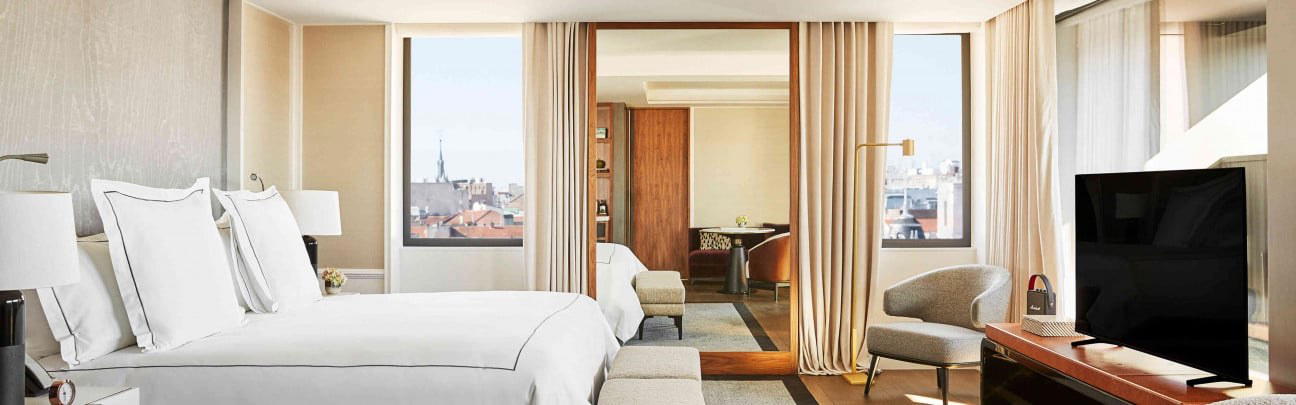
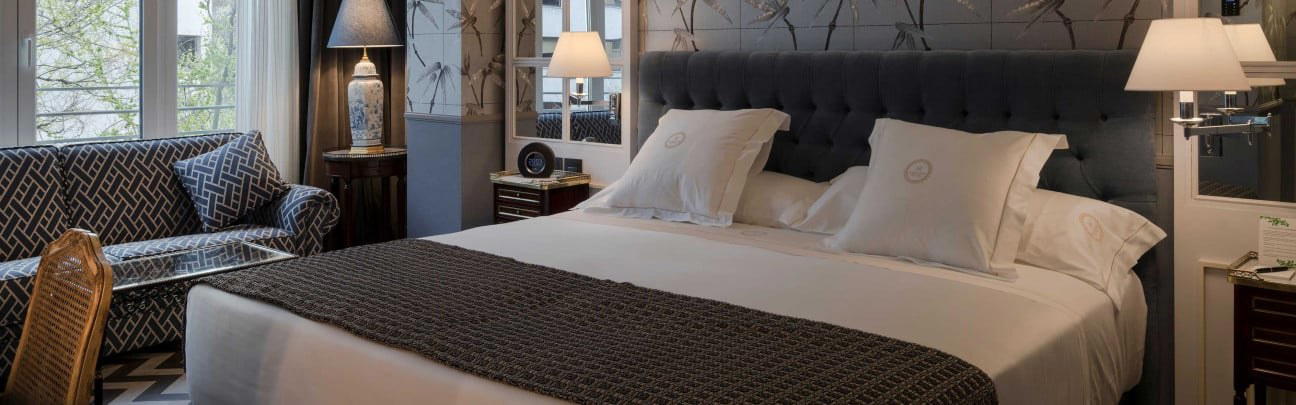
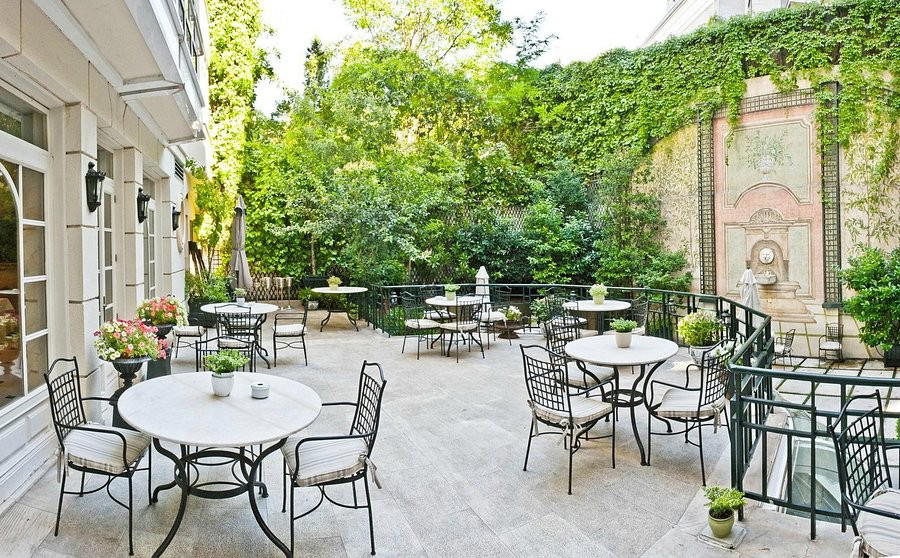
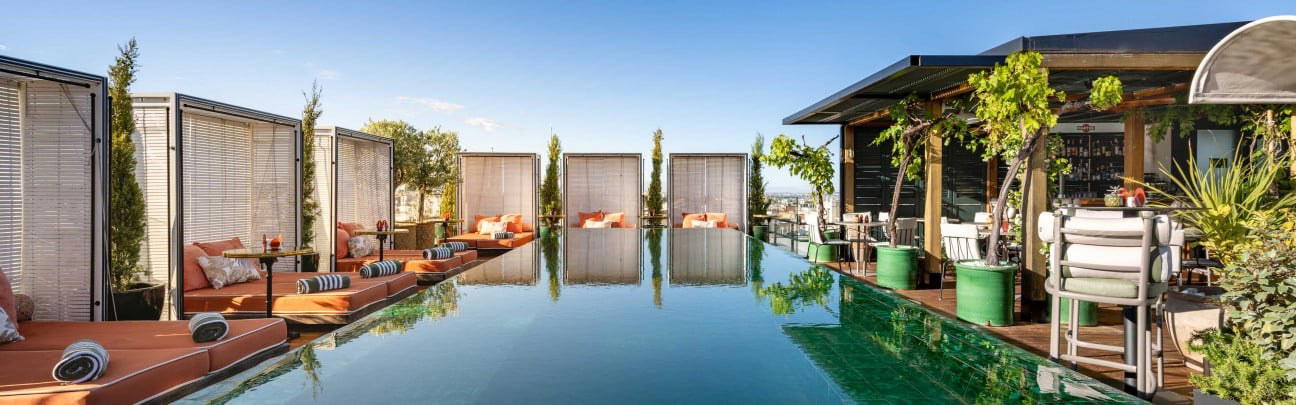

Details
- Elegant
- Cozy
- Sophisticated
- Intimate
- Date Night
- Special Occasion
- Celebration
- Open Kitchen
- Sake Program
- Tasting Menu
- Sake Program
- Allergy Accommodating
Current opening hours
- Monday
- Closed
- Tuesday
- Closed
- Wednesday
- 7:30–10:30 PM
- Thursday
- 7:30–10:30 PM
- Friday
- 7:30–10:30 PM
- Saturday
- 1:30–5 PM, 7:30–10:30 PM
- Sunday
- 1:30–5 PM, 7:30–10:30 PM
Hours can change for holidays and private events. Hours as of .
Cozy and elegant setting with warm hospitality, soft jazz music, and an atmosphere that transports guests to Japan.