
In the Lavapiés-adjacent pocket of Embajadores, Shibari Sushi and Grill brings robata cooking to a casual, unhurried setting where the à la carte menu runs alongside an omakase format that moves through the kitchen's most considered work. The name references Japanese binding technique, and the menu holds to a similar logic: each dish connects to the next through grilling smoke, Japanese spice, and careful sourcing.
Pearl is the En Primeur Club membership app — saves, bookings, and concierge access live there. Same editors, same standards.
- Address
- C. de Mira el Río Baja 20, Pl. del Campillo del Mundo Nuevo, 8, 28005 Madrid, Spain
- Phone
- +34 919 33 92 24
- Website
- shibarisushiandgrill.com
- Directions
- Get directions
 Saves & bookings on Pearl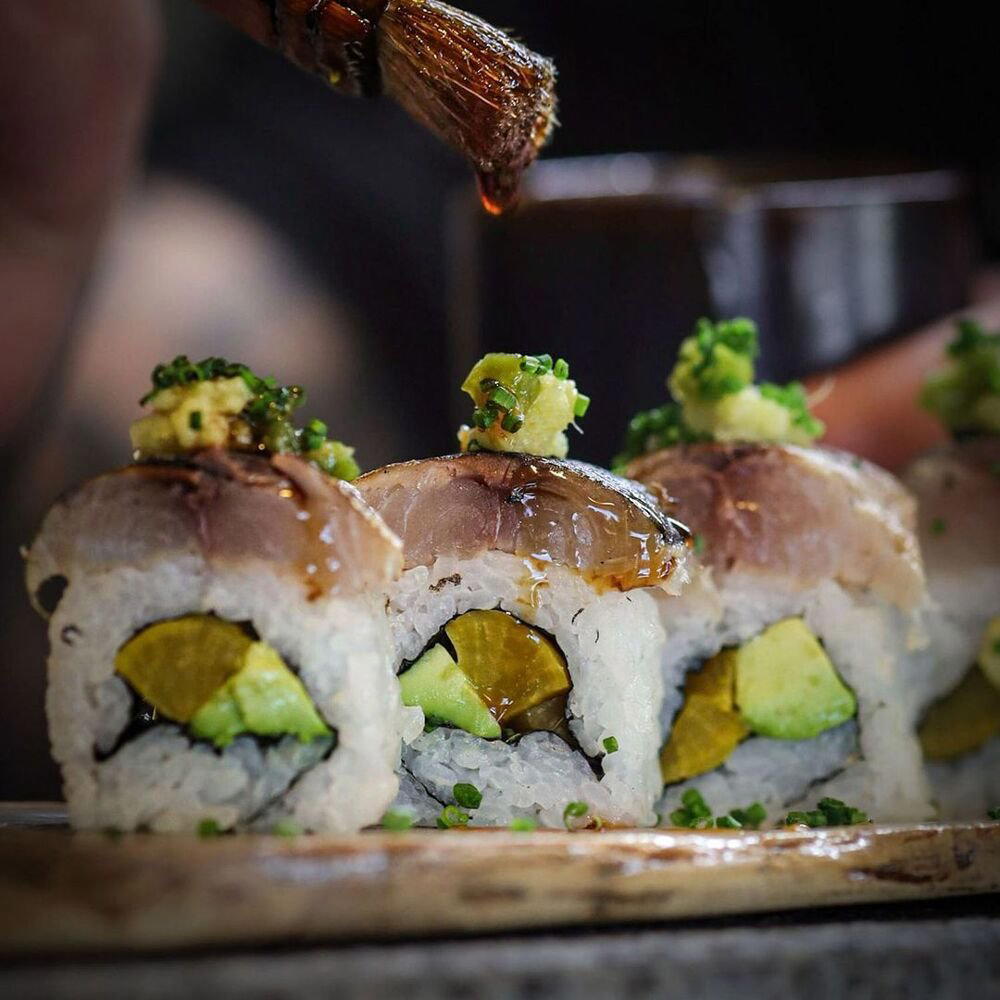
Where Robata Cooking Finds Its Footing in Madrid
Shibari Sushi and Grill is a restaurant in Madrid's Embajadores district, on Calle de Mira el Río Baja. This is a technically focused dining room centered on modern Japanese omakase and robata grill cooking in Madrid. DiverXO or Coque. It is deliberately informal, the kind of place where the cooking does the work without the room asking you to dress for it. What arrives at the table is the product of a kitchen that has chosen robata grilling as its primary technique and organised its entire menu around that decision.
Robata, the Japanese method of slow grilling over charcoal, has a longer history in Spain's larger cities than the broader dining public tends to recognise. Madrid's Japanese food scene developed slowly through the 1990s and accelerated considerably after 2005, with sushi counters and izakaya-style formats multiplying across central neighbourhoods. Shibari sits within a more specific current: restaurants that treat the grill rather than the knife as the defining instrument of Japanese cooking, and that build menus to prove the point across multiple courses.
Menu Architecture: Omakase as Editorial Argument
The menu at Shibari operates on two levels. À la carte is available, and it gives a direct route to individual dishes. But the omakase format is where the kitchen's logic becomes legible. Omakase, in its original Japanese context, translates roughly as "I leave it to you": the diner cedes selection to the kitchen, and the kitchen is obliged to demonstrate range, sequence, and judgment in return.
At Shibari, the omakase functions as an editorial argument about what robata cooking can hold. The sequence moves through dishes that use the grill at different intensities and for different purposes, demonstrating that the technique is not a single register but a full vocabulary. The snow crab Monaka with smoked baby eel is an example of that range: the Monaka wafer format, borrowed from Japanese confectionery, becomes a container for savoury filling where smoke acts as a seasoning rather than a dominant note. Elsewhere, the brioche with prawns cooked on the robata and finished with seven Japanese spices shows the kitchen working in a register that is closer to contemporary fusion than to strict Japanese tradition, using the grill to create textural contrast between the soft bread and the firmer shellfish.
These two dishes alone sketch the scope of what the omakase covers: one restrained and technically precise, one more playful in its cross-cultural references. The seven-spice blend in question is almost certainly a variation of shichimi togarashi, the Japanese spice mix that combines chilli, sesame, citrus peel, and ground ginger among other components, which gives an indication of the kitchen's approach to seasoning: building complexity through condiment rather than through extended cooking time.
Positioning Inside Madrid's Japanese Dining Tier
Madrid's restaurant scene in 2024 operates across a wide range of formality and price points in Japanese cooking. At the upper end, omakase counters with multi-course sushi sequences and premium imported fish sit alongside the city's broader fine-dining ecosystem, where venues such as Deessa and DSTAgE represent contemporary Spanish cooking at Michelin level. Paco Roncero adds a creative tasting format to that upper bracket. Shibari is not competing in that register. It occupies a different tier: informal, accessible, and defined by a genuine technical focus rather than by production value or room investment.
That positioning makes Shibari more comparable to the izakaya-influenced casual end of Japanese dining, where quality is demonstrated through ingredient sourcing and cooking discipline rather than through ceremony. The robata hallmark places it alongside a small number of Spanish restaurants that have committed to charcoal-grilling as a Japanese technique distinct from the asador tradition that dominates Spanish grilling culture. Spain's wood-fired cooking heritage is extensive, from Basque asadors to the live-fire cooking visible at restaurants like the progressive format at Aponiente in El Puerto de Santa María, but robata operates under different parameters: smaller cuts, shorter cooking times, and a preference for delicacy over char.
The Neighbourhood and What It Signals
The Embajadores and Lavapiés area has functioned as Madrid's most multicultural district for decades, and its food offer has always reflected that demographic mix. Japanese restaurants in this pocket of the city tend toward the unpretentious end of the market, serving neighbourhood regulars as much as destination diners. Shibari fits that character. It does not sit in the Salamanca dining corridor where the city concentrates its higher-budget restaurant spending, nor in the Sol-adjacent tourist belt. Its location signals something about how it wants to operate: as a technically serious kitchen in a context that does not demand performance or ceremony from the diner.
For anyone building a broader Madrid dining week, the contrast between Shibari and the Michelin-tracked creative Spanish restaurants is worth considering deliberately. Spain's most discussed dining addresses are concentrated in venues with much higher production investment, whether in Madrid or across the country at Arzak in San Sebastián, El Celler de Can Roca in Girona, Quique Dacosta in Dénia, Azurmendi in Larrabetzu, or Disfrutar in Barcelona. Shibari offers the opposite experience: a single strong technical idea executed without infrastructure overhead.
Internationally, the combination of Japanese grilling and omakase format at a casual price point has proven resilient in cities like New York, where restaurants such as Atomix demonstrate the upper end of Korean-Japanese fine dining and where venues like Le Bernardin represent the sustained rigour of serious seafood cooking. Shibari does not occupy that formal register, but it draws on the same underlying argument: that grilling technique applied to quality fish and seafood produces results that justify the format.
Planning Your Visit
Shibari Sushi and Grill is located at C. de Mira el Río Baja 20, Pl. del Campillo del Mundo Nuevo, Madrid 28005. The omakase is the format worth booking around; the à la carte menu is available for those who prefer to select individually. The informal setting means there is no enforced dress expectation, and the neighbourhood character keeps the experience relaxed rather than occasion-driven.
Reservations are essential, and the dress code is smart casual. Budget: about $95 per person.
Reputation Context
Comparable venues nearby, for context on price, style, and recognition.
| Venue | Cuisine | Price | Awards | Notes |
|---|---|---|---|---|
| Shibari Sushi and GrillThis venue — the venue you are viewing | Modern Japanese Omakase & Robata Grill | $$$$ | Michelin Plate | Not listed |
| Ikigai Velázquez | Japanese Fusion | $$$$ | Michelin Plate | El Viso |
| Kyoshi Las Cortes | Japanese-Spanish Fusion Sushi | $$$ | Michelin Plate | Barrio de las Letras |
| TA-KUMI | Modern Japanese Sushi | $$$$ | Michelin Plate | Castellana |
| Asiakō | Japanese-Basque Fusion | $$$ | Michelin Plate | Almagro |
| Hotaru Madrid | Contemporary Japanese Sushi Bar | $$$ | Michelin Plate | Recoletos |
Recognition history
Dated appearances from independent guides and award organizations, with the underlying list record or original source where available.
Michelin Plate
Michelin
At a Glance
- Intimate
- Elegant
- Modern
- Cozy
- Date Night
- Special Occasion
- Celebration
- Open Kitchen
- Chefs Counter
- Sake Program
- Natural Wine
- Sommelier Led
- Sustainable Seafood
Current opening hours
- Monday
- Closed
- Tuesday
- Closed
- Wednesday
- 1–4 PM, 8–11 PM
- Thursday
- 1–4 PM, 8–11 PM
- Friday
- 1–4 PM, 8–11 PM
- Saturday
- 1–4 PM, 8–11 PM
- Sunday
- 1–4 PM
Hours can change for holidays and private events. Last verified .
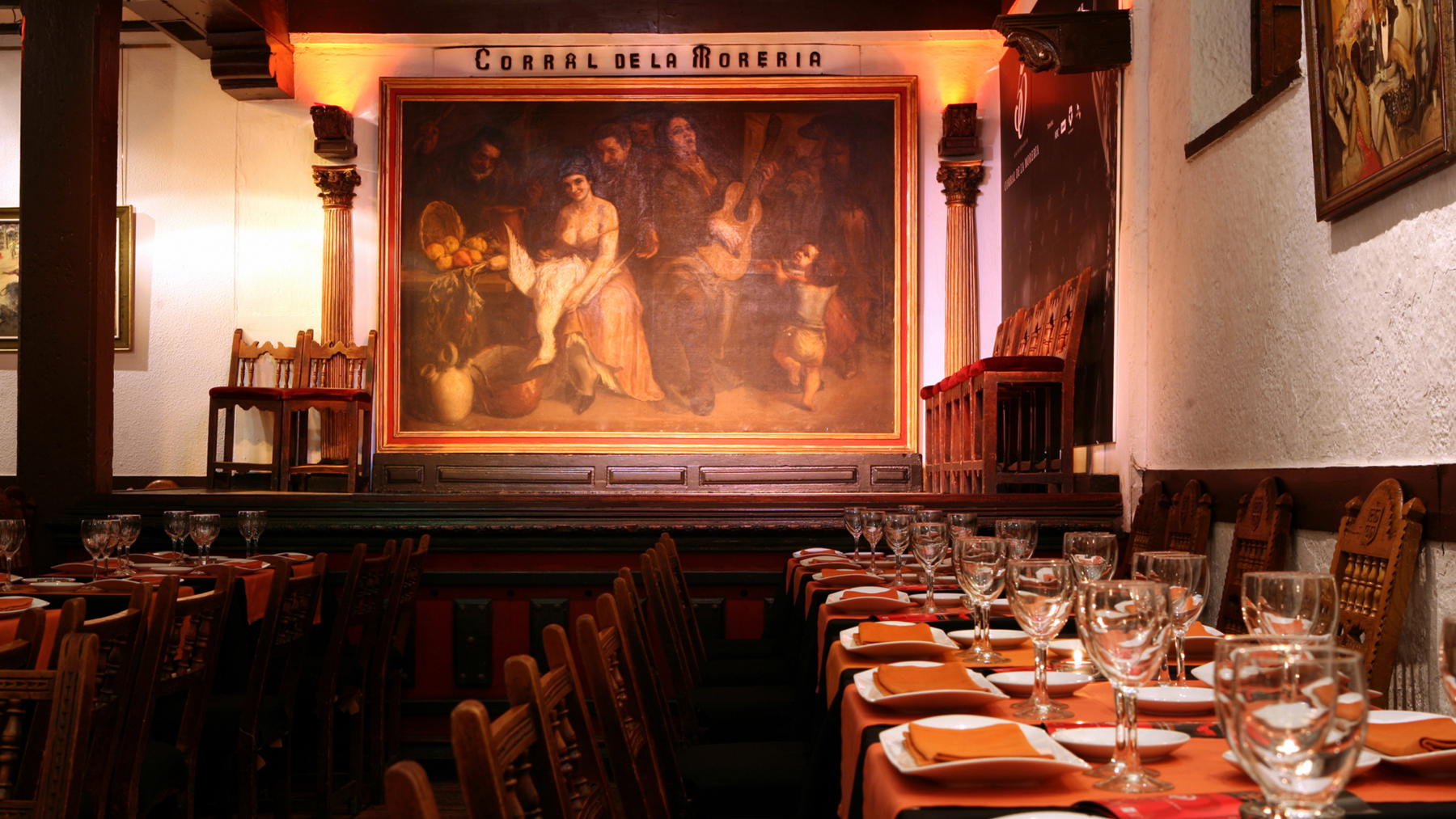
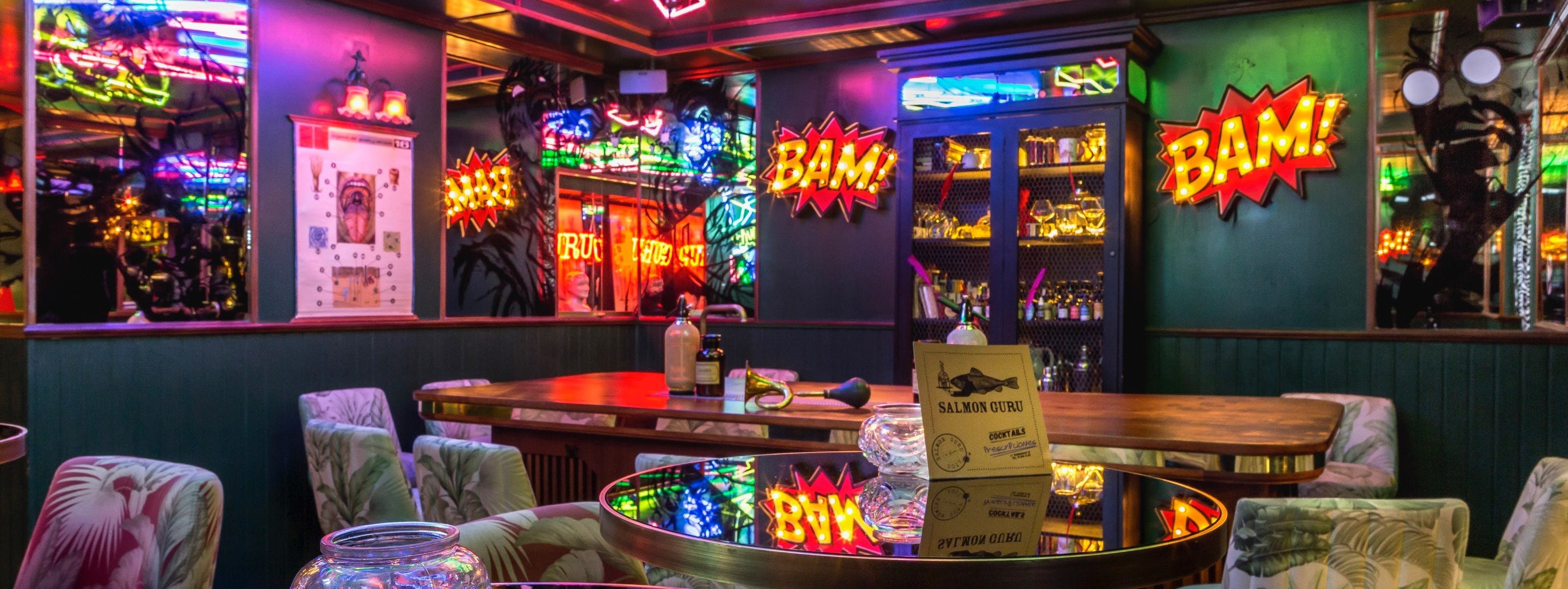
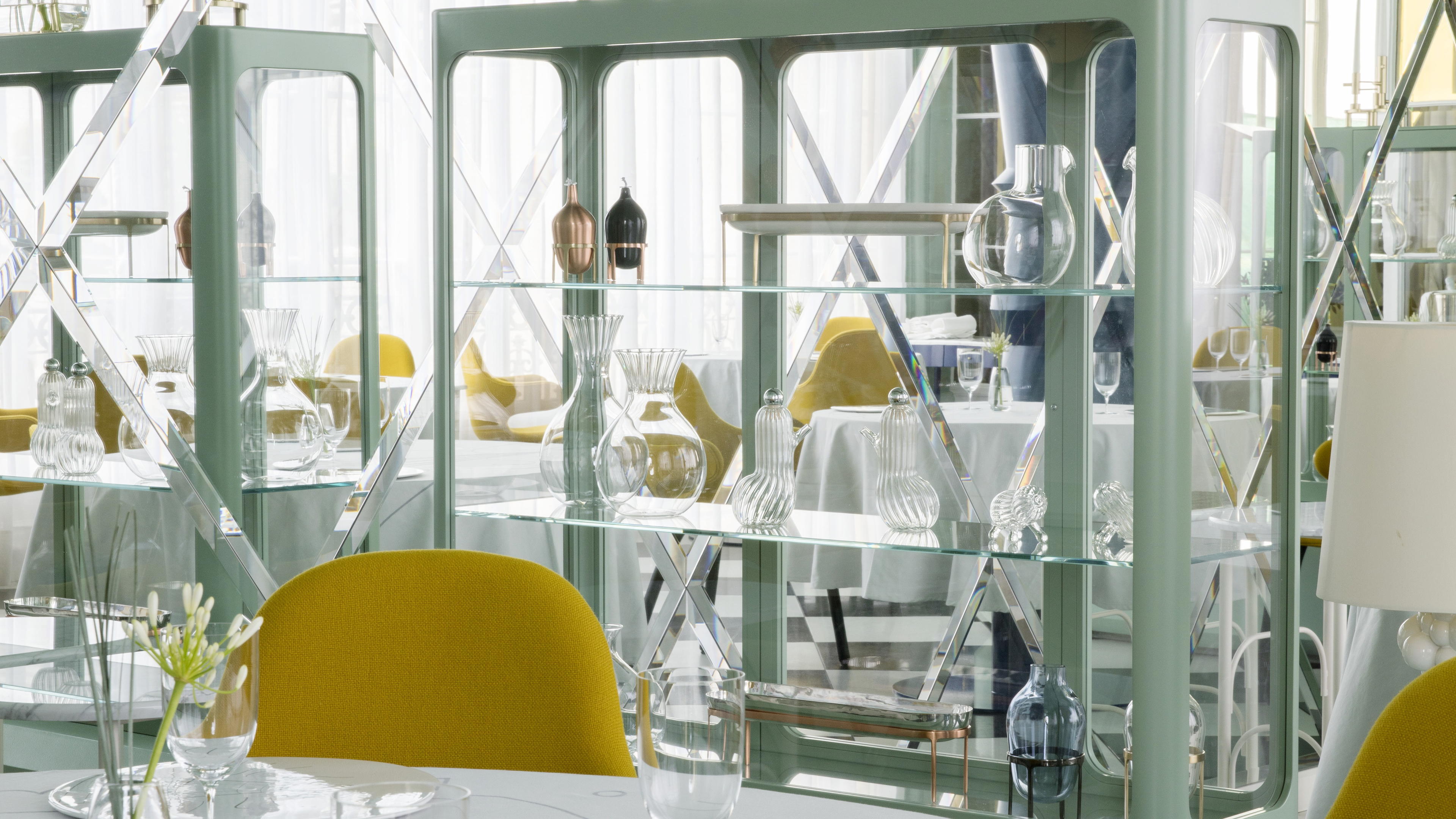
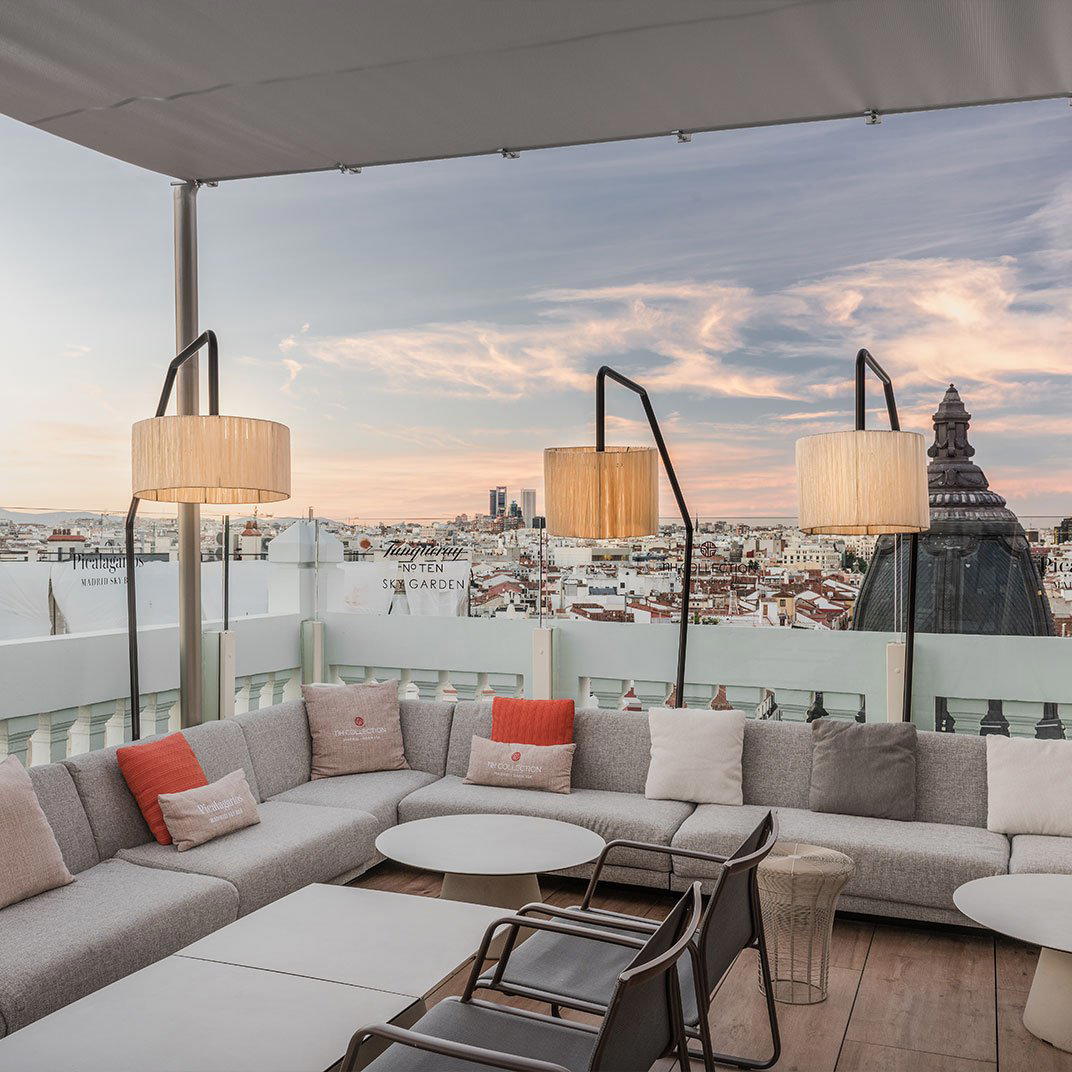
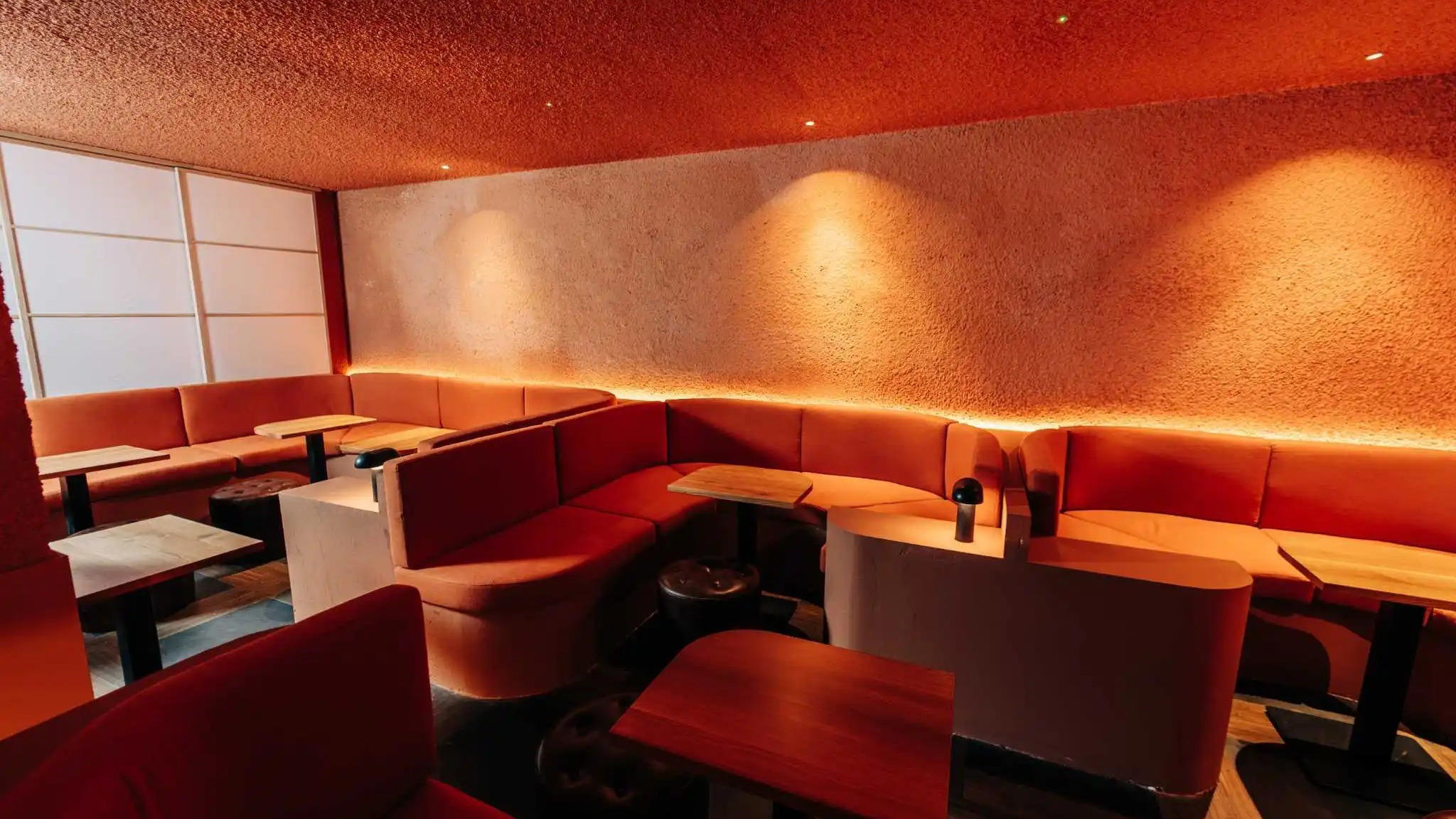
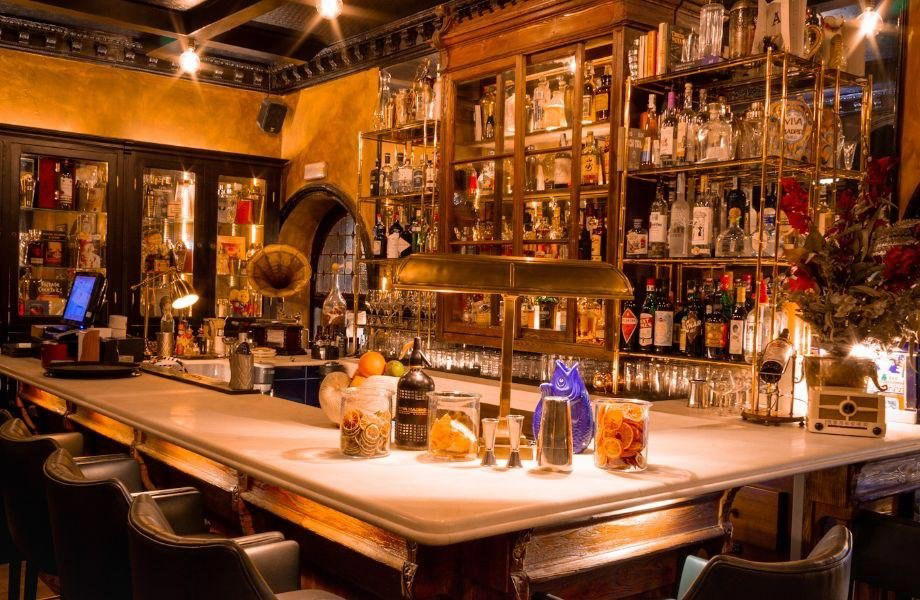
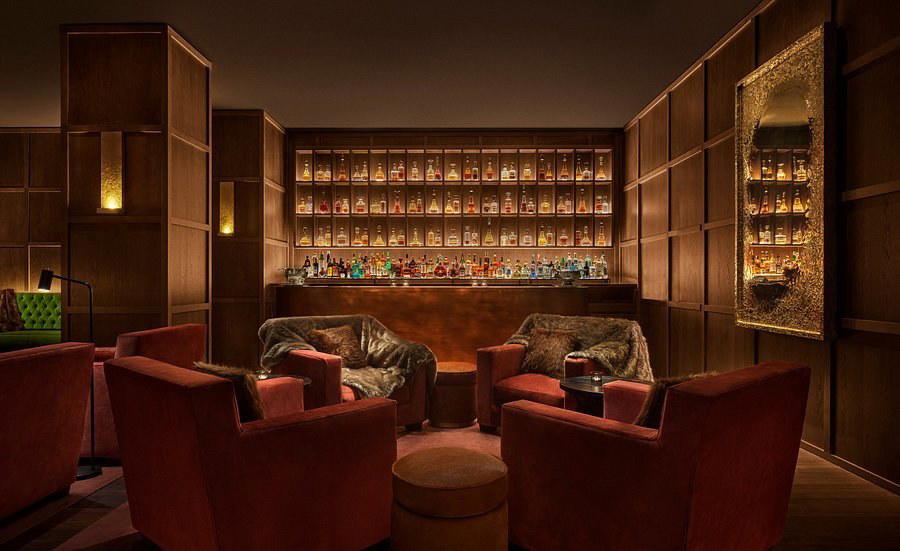
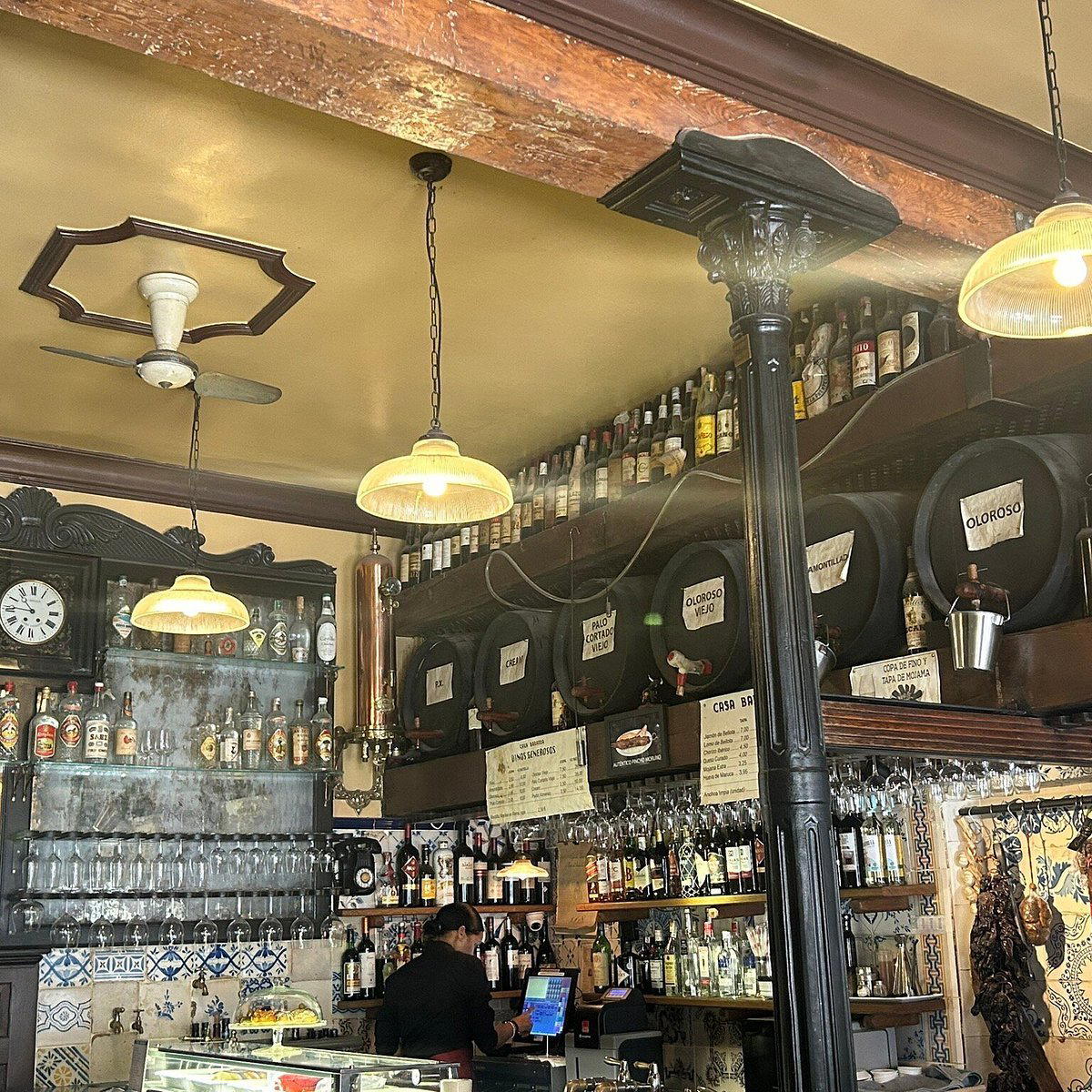
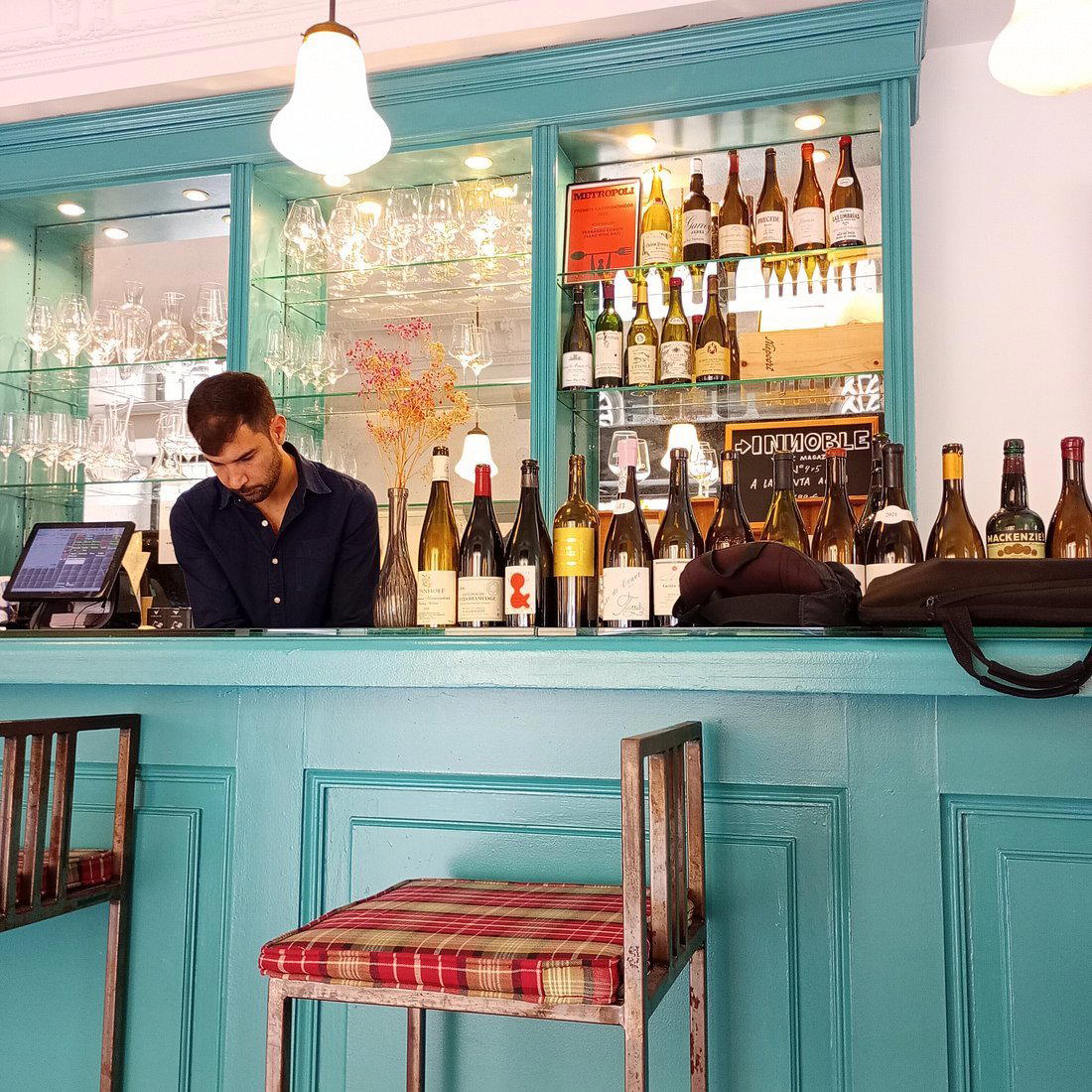
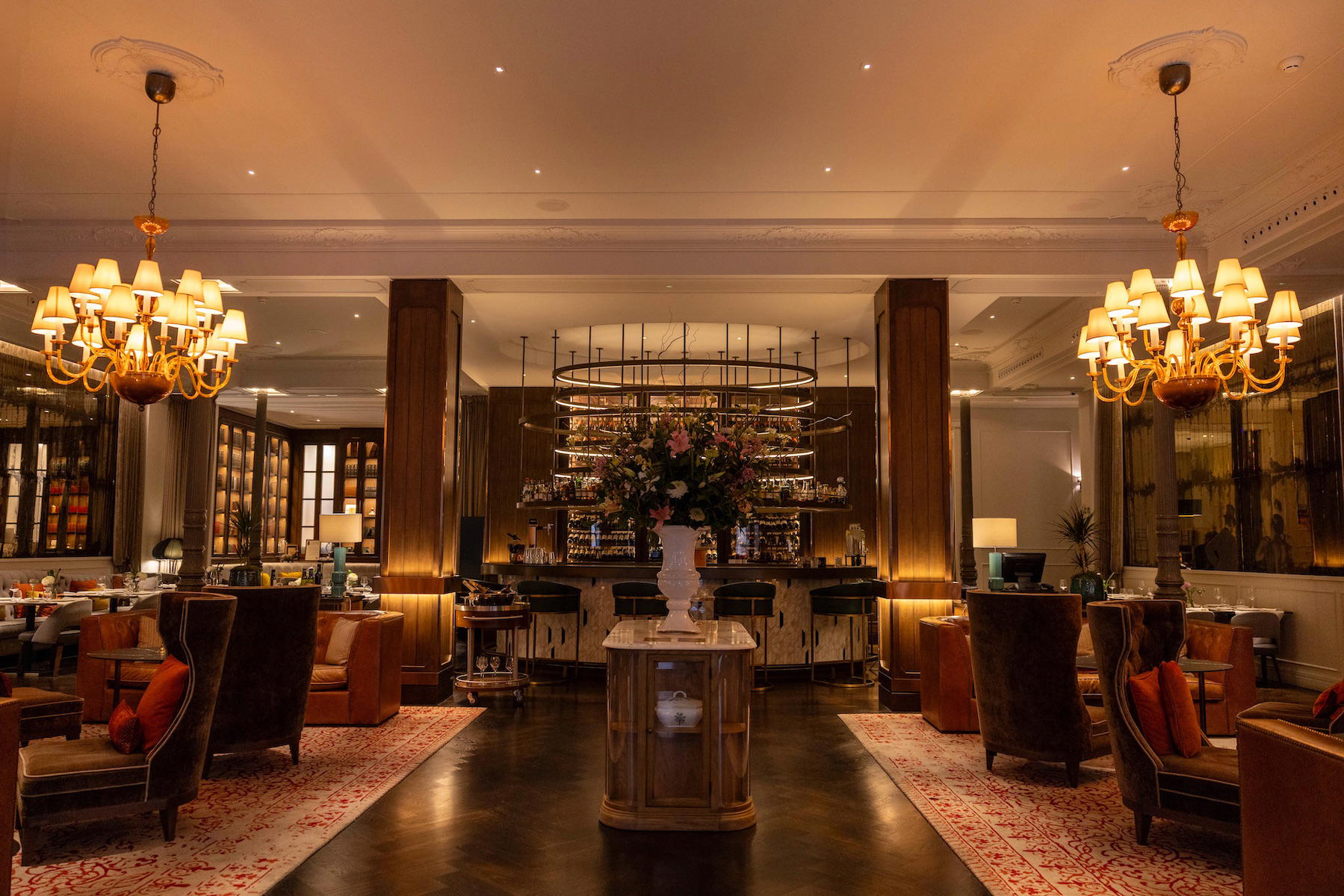
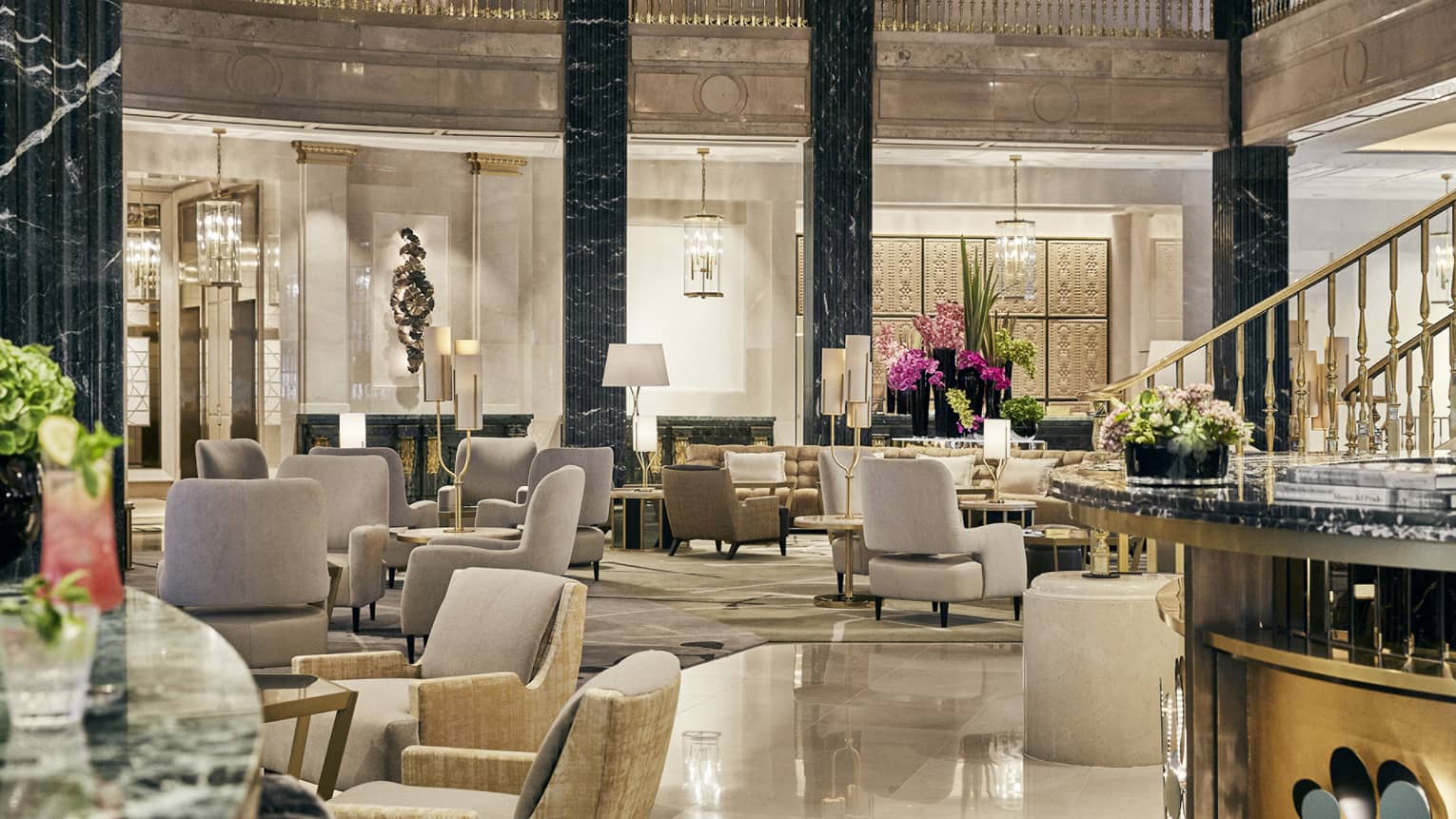
Bright, unpretentious interior with practical warm lighting designed to showcase the glisten on fish and char marks. Narrow bar seating along the open kitchen places guests within arm's reach of embers and flames, creating an intimate, hands-on dining atmosphere.