



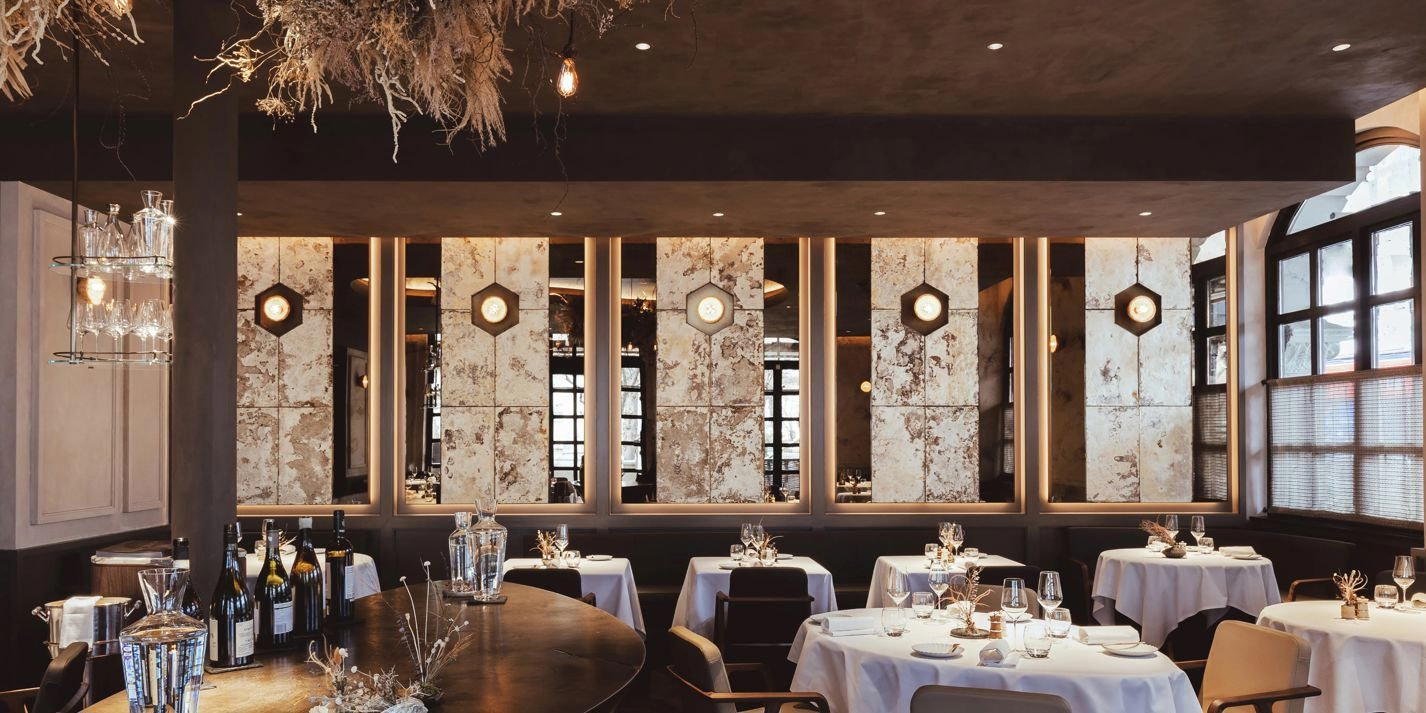
Kabuki Madrid occupies a spacious Salamanca dining room where restrained lighting and considered decor frame a tasting menu built on the Kabuki Group's defining premise: Japanese technique filtered through Iberian ingredient logic. Chef Ricardo Sanz heads the kitchen, and the format earns a Michelin Plate and an OAD European ranking. For Madrid's Japanese-Iberian crossover at the premium tier, this is the reference address.
Pearl is the En Primeur Club membership app — saves, bookings, and concierge access live there. Same editors, same standards.
- Address
- Calle de Lagasca, 38, Salamanca, 28001 Madrid, Spain
- Phone
- +34 915 68 71 55
- Website
- kabukimadrid.com
- Directions
- Get directions
 Saves & bookings on Pearl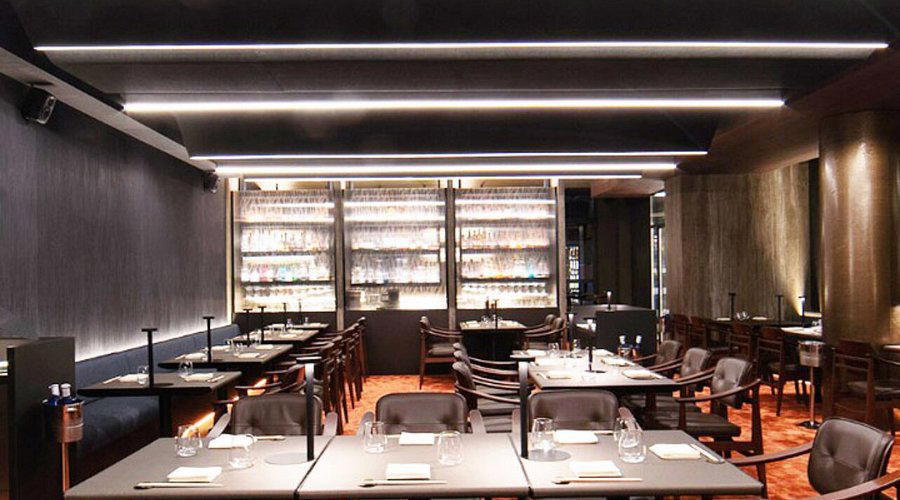
A Room That Answers Before the Food Arrives
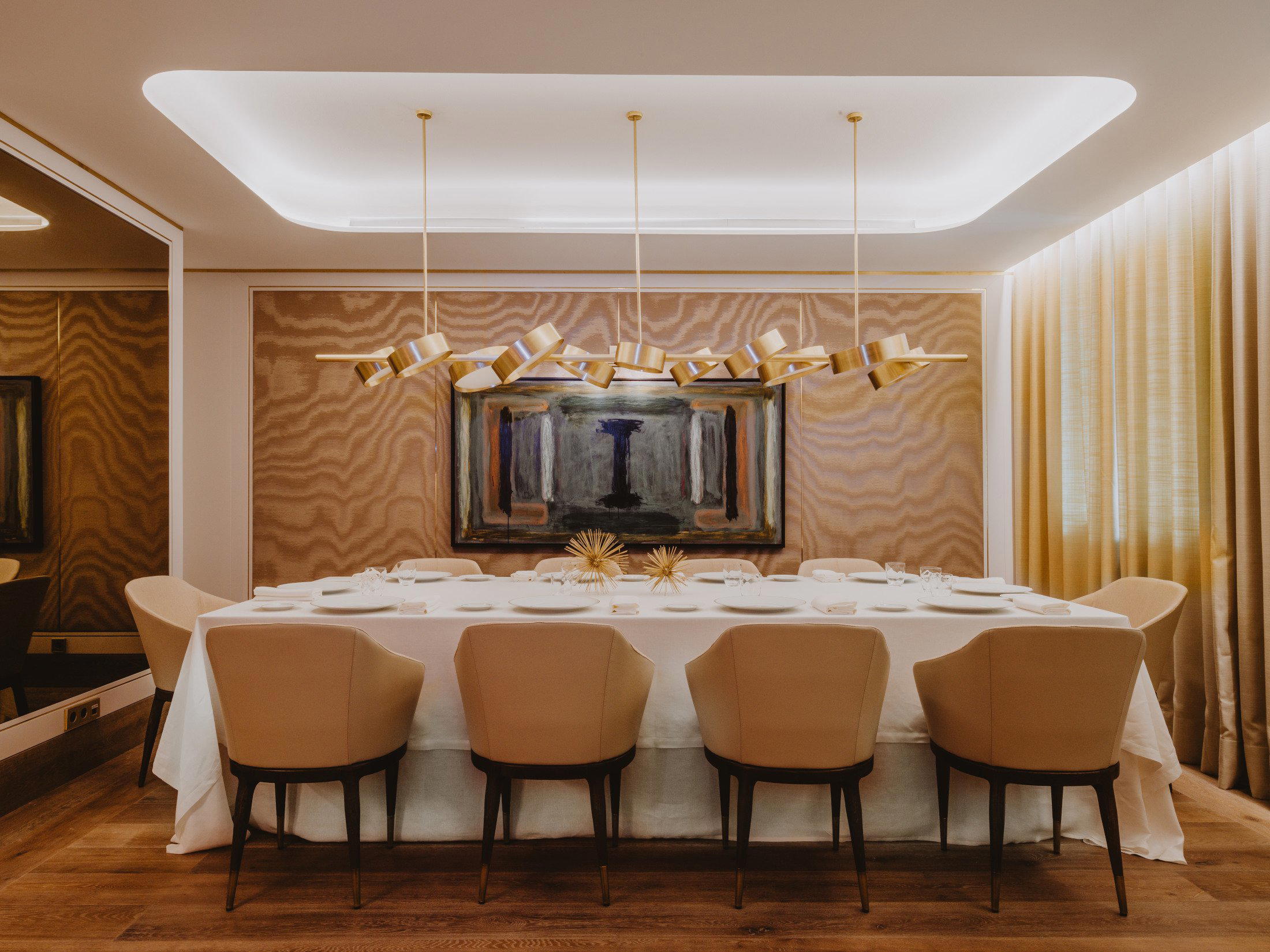
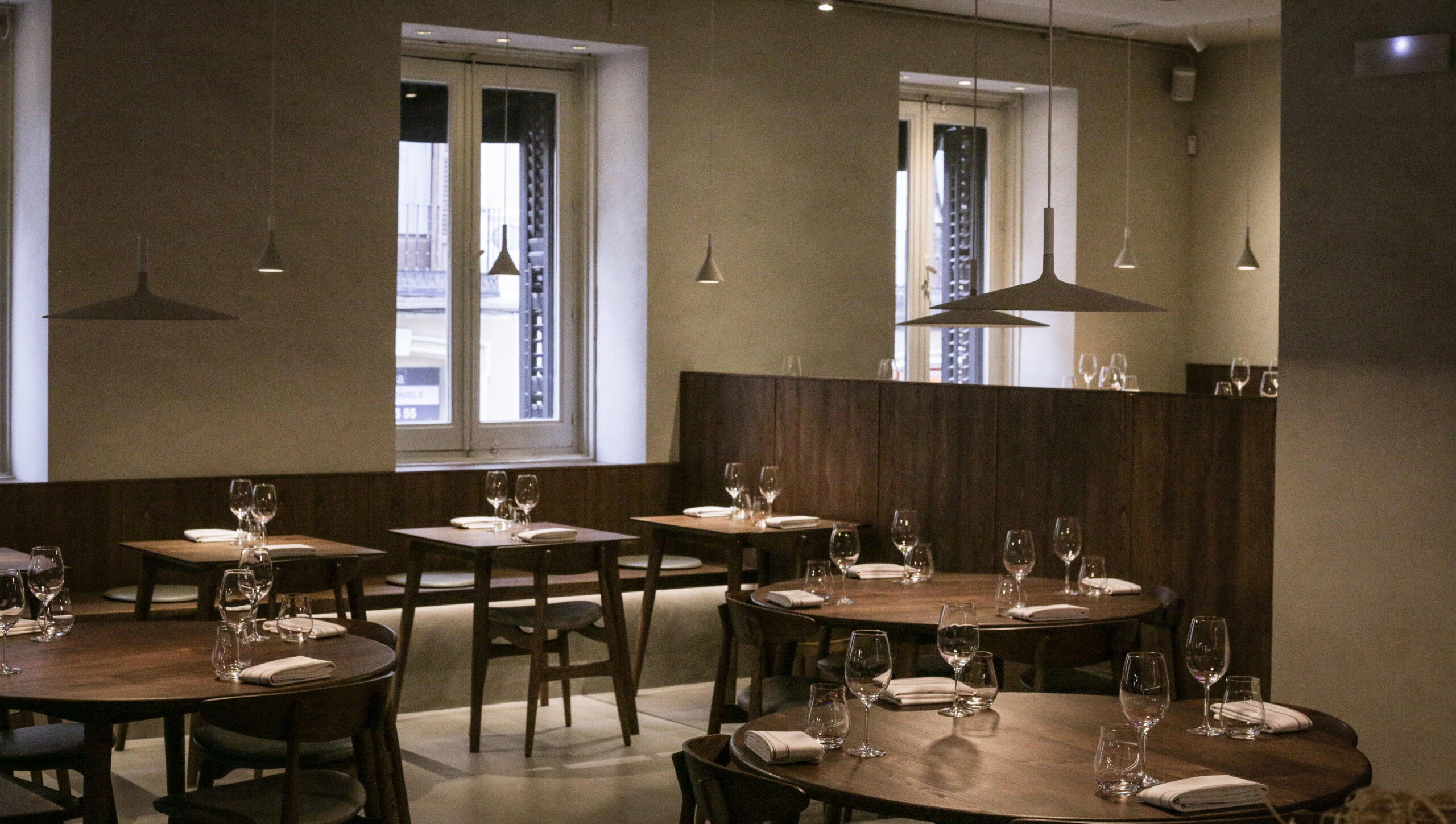
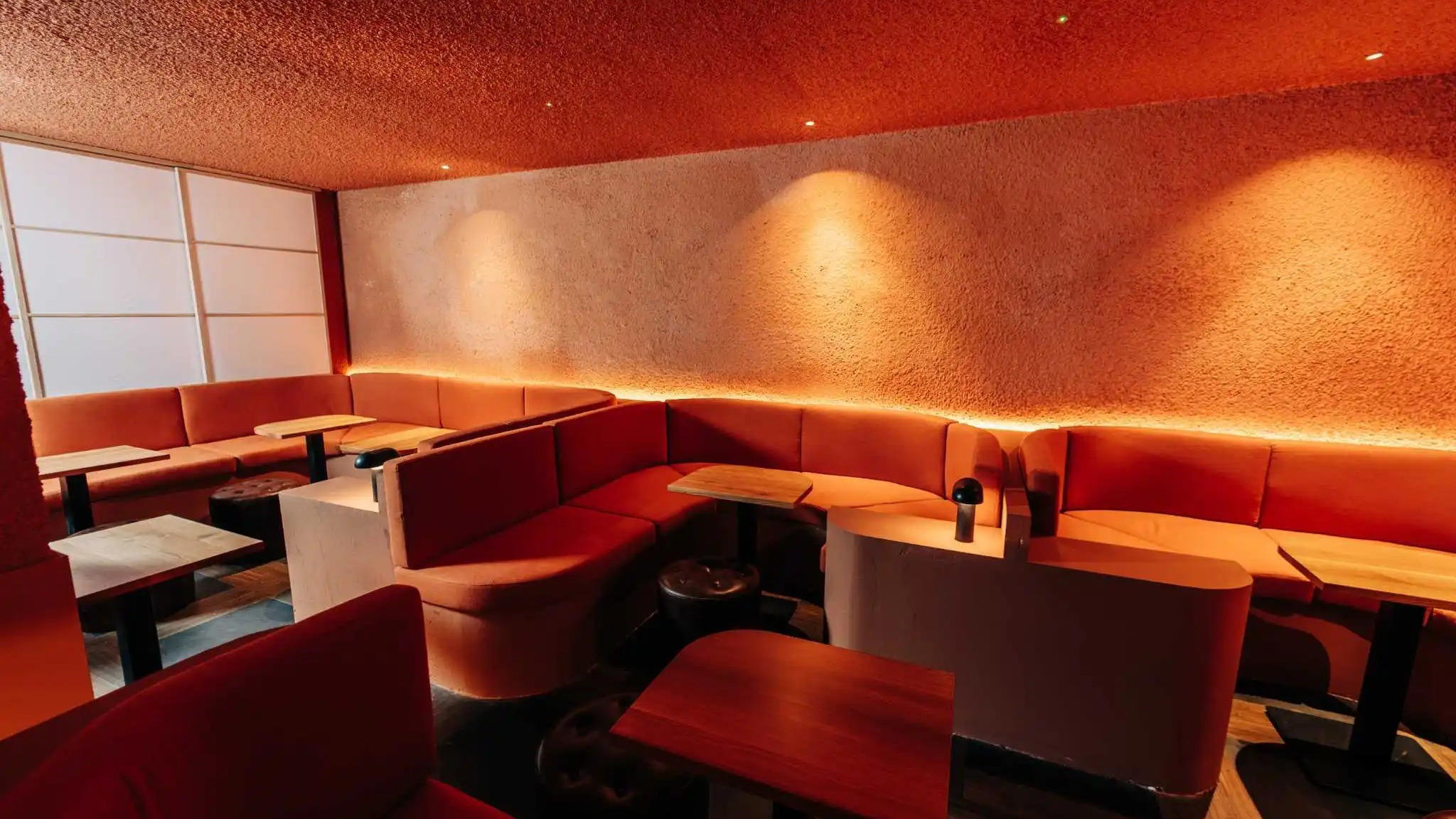
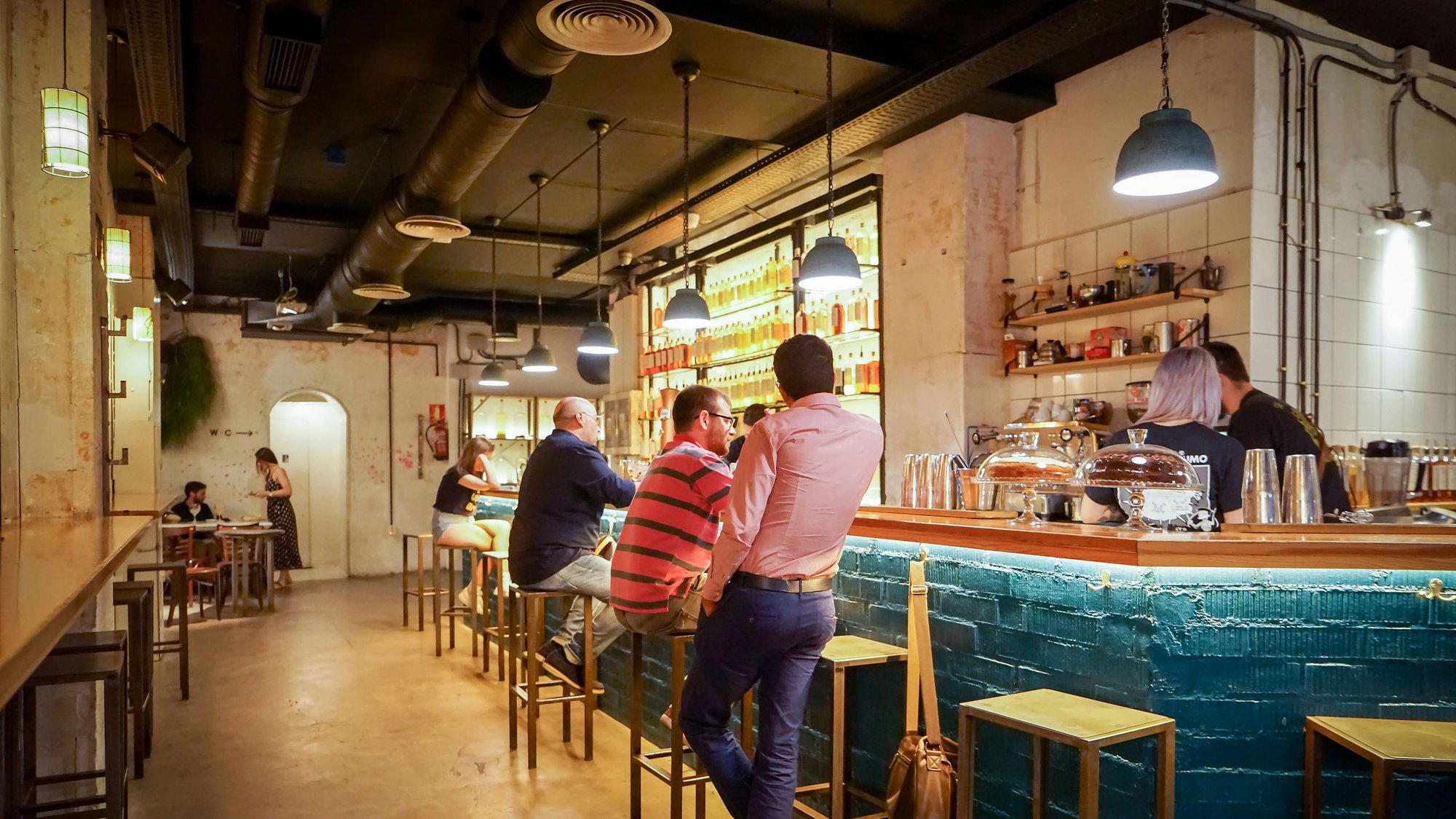
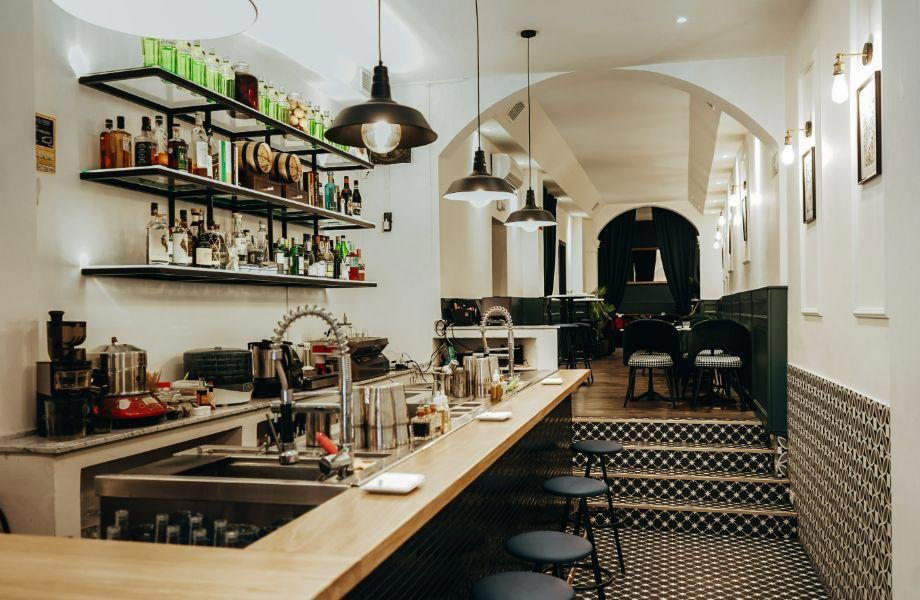
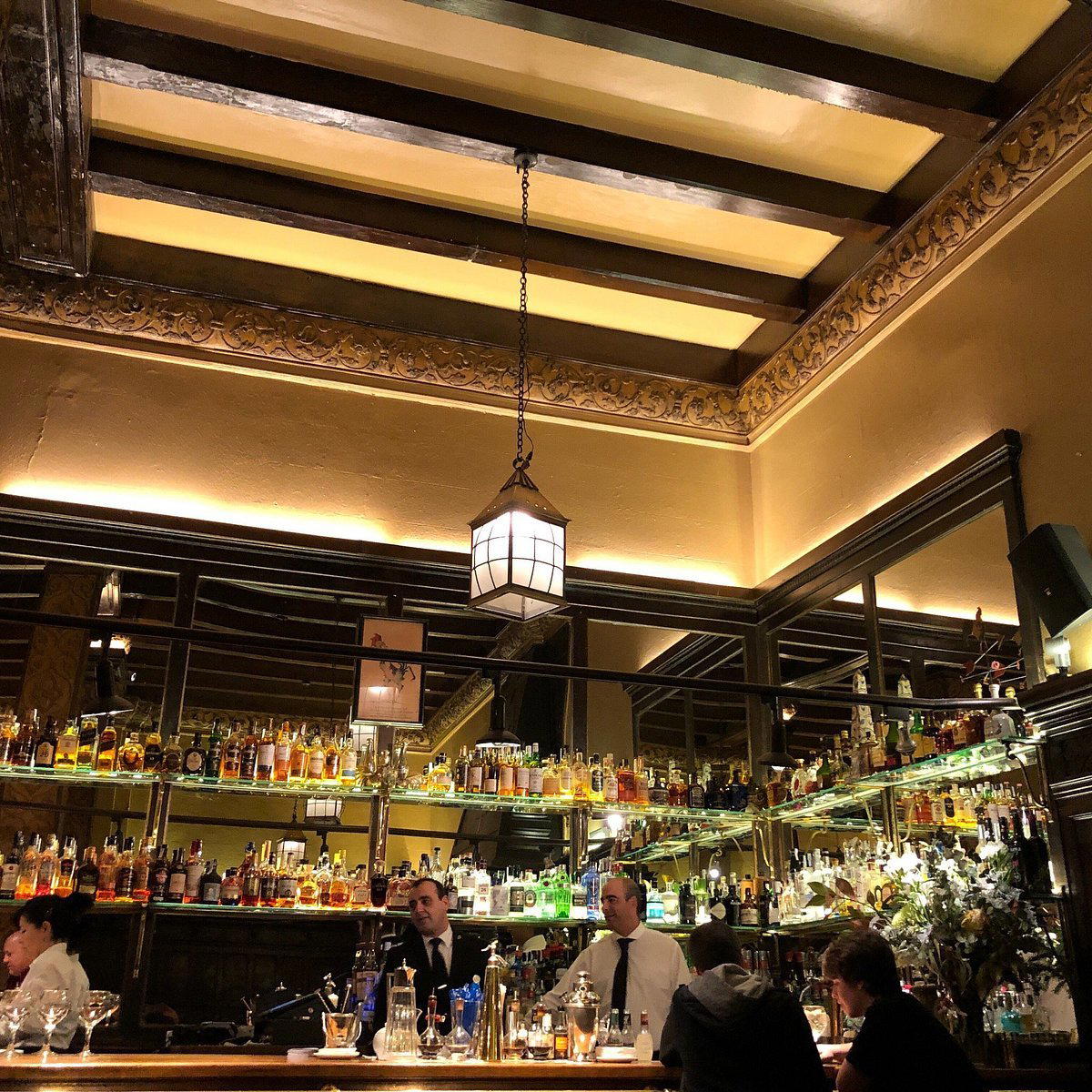
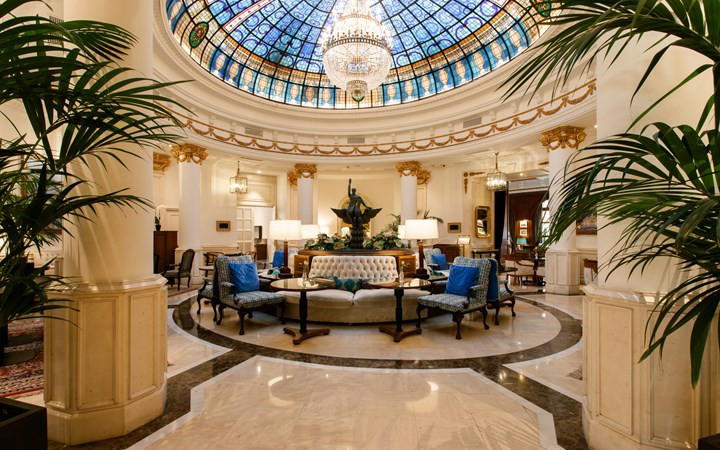
Salamanca, Madrid's most composed barrio, runs on a certain restraint. The wide pavements on Calle de Lagasca host boutiques and professional offices rather than tourist crowds, and the dining rooms along the street tend to match that register: spacious, considered, designed to receive rather than to perform. Kabuki Madrid is a Japanese fusion sushi restaurant on Calle de Lagasca in Salamanca, Madrid, led by Ricardo Sanz. Kabuki Madrid fits that pattern precisely. The interior operates with a deliberately low lighting level, and the décor holds itself back, surfaces and materials chosen to avoid distraction rather than to impose character. In a city where dining rooms frequently compete for attention with the food, this one takes the opposite position.
That spatial logic matters because the cuisine asks for it. The Kabuki Group's founding concept, Japanese technique with Iberian ingredient grammar, requires a certain cognitive shift from the diner. You are not being served Spanish food with Japanese garnishes, nor Japanese food with a token Iberian accent. The proposition is more disciplined than that, and the room's quiet architecture supports the attention it needs.
The Japanese-Iberian Format in Context
Europe has developed several competing models for high-end Japanese dining outside Japan. One model imports Japanese ingredients and training almost wholesale, producing facsimile omakase at premium prices. A second treats Japanese technique as a stylistic layer over local produce. The Kabuki Group's approach, refined across multiple Madrid addresses over more than two decades, belongs to a third category: a genuine synthesis, where the culinary logic of Japan and the ingredient traditions of the Iberian Peninsula are given equivalent weight in the same dish.
That third model is rarer and harder to execute convincingly. It requires fluency in both culinary traditions rather than fluency in one and familiarity with the other. Ricardo Sanz, the chef who has led this project at Kabuki Madrid, has built his reputation on exactly that dual fluency, and the format has proven durable enough to anchor the group's identity across its various locations. For comparison points in Madrid's premium tier, the city's adventurous cooking skews toward Spanish-led creativity at venues like DiverXO (Progressive - Asian, Creative), which holds three Michelin stars and works across a broader fusion canvas, or toward rigorous Spanish-creative formats at Coque (Spanish, Creative) and Deessa (Modern Spanish, Creative), both holding two Michelin stars. The restaurant operates at the same €€€€ price tier but within a distinct culinary category.
Also in Madrid's high-end creative scene, DSTAgE (Modern Spanish, Creative) offers another angle on contemporary Spanish cooking, while the city's Japanese-forward options include Tora, which operates in a different format and register. The Kabuki model sits between those poles.
Format: Tasting Menu, Cocktail Program, Long Evening
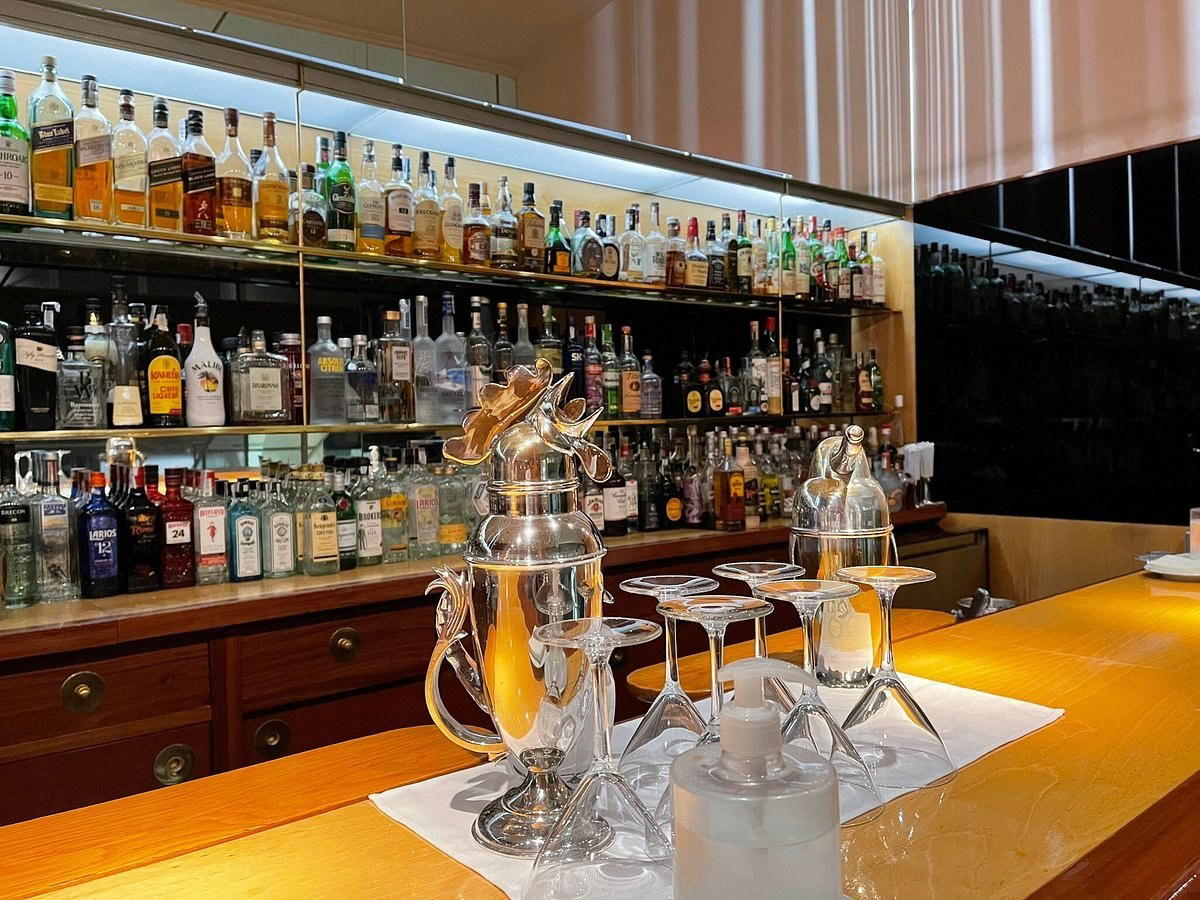
The structure at the restaurant is a tasting menu complemented by an extensive cocktail offering. The cocktail program is not incidental here. In Japanese hospitality culture, the drink that accompanies food is part of the meal's pacing and architecture, and the Kabuki Group has historically treated its cocktail offering as a component of the overall experience rather than a side business. The format is suited to long dinner sittings rather than efficient turnover, which aligns with the room's scale and its Salamanca address.
The restaurant holds Michelin Plate recognition for 2024 and 2025, a meaningful signal in a city where the guide's coverage is dense. It also appears in the 2025 Opinionated About Dining ranking of Europe's leading restaurants at position 615.2 across 274 reviews suggests consistent performance.
Salamanca: The Neighbourhood Frame
Barrio of Salamanca is Madrid's most coherent upscale residential and commercial district, developed in the nineteenth century on a grid plan and maintaining that ordered quality today. It lacks the tourist density of the centro histórico and the scene energy of Malasaña or Chueca, which makes it the appropriate setting for a restaurant that positions itself around focus and craft rather than atmosphere or occasion theatre. Diners arriving for lunch or dinner on Calle de Lagasca are not navigating a complicated entry point, the address is direct and the neighbourhood is at ease with premium dining at this price level.
The Wider Spanish Context
Spain's premium dining ecosystem extends well beyond Madrid. The Basque Country houses some of Europe's most consequential kitchens: Arzak in San Sebastián and Martin Berasategui in Lasarte-Oria represent the foundational generation of Spanish fine dining, while Azurmendi in Larrabetzu occupies a more contemporary position. In Catalonia, El Celler de Can Roca in Girona and Cocina Hermanos Torres in Barcelona set distinct reference points. On the Atlantic coast, Aponiente in El Puerto de Santa María pursues a marine-focused creative program that has no direct equivalent elsewhere. Against that broader map, the restaurant holds its position as the primary address for the Japanese-Iberian synthesis in the capital.
Know Before You Go
- Address: Calle de Lagasca, 38, Salamanca, 28001 Madrid, Spain
- Cuisine: Japanese Fusion Sushi
- Price range: €€€€
- Chef: Ricardo Sanz
- Hours: Monday to Thursday 1 to 5 pm, 8 pm–1 am; Friday and Saturday 1 to 5 pm, 8 pm–2 am; Sunday 1 to 5 pm, 8 pm–1 am
- Recognition: Michelin Plate (2024, 2025)
- Format: Tasting menu with cocktail program 2 (274 reviews)
Reputation First
Comparable venues nearby, for context on price, style, and recognition.
| Venue | Cuisine | Price | Awards | Notes |
|---|---|---|---|---|
| Kabuki MadridThis venue — the venue you are viewing | Japanese Fusion Sushi | $$$$ | Michelin Plate | Not listed |
| Playing Solo | Modern Kaiseki with Japanese essence | $$$$ | Michelin Plate | Malasana |
| Ebisu by Kobos | Edo-style Omakase Sushi | $$$$ | Michelin Plate | La Latina |
| Tora | Modern Japanese Omakase with Mediterranean Influences | $$$$ | Michelin Plate | Castellana |
| Mudrá | Modern Plant-Based Fusion | $$$$ | Michelin Plate | Recoletos |
| Rural | Modern Spanish Meat-Focused Grill | $$$$ | Michelin Plate | Cortes |
Recognition history
Dated appearances from independent guides and award organizations, with the underlying list record or original source where available.
Guía Repsol 1 Sol
Guía Repsol
Macarfi 7.6 Food Rating
Macarfi
Michelin Plate
Michelin
Michelin Plate
Michelin
Opinionated About Dining Top Restaurants in Europe Ranked #615
Opinionated About Dining
Michelin Plate
Michelin

At a Glance
- Elegant
- Sophisticated
- Modern
- Date Night
- Special Occasion
- Business Dinner
- Open Kitchen
- Extensive Wine List
- Sake Program
Current opening hours
- Monday
- 1–5 PM, 8 PM–1 AM
- Tuesday
- 1–5 PM, 8 PM–1 AM
- Wednesday
- 1–5 PM, 8 PM–1 AM
- Thursday
- 1–5 PM, 8 PM–1 AM
- Friday
- 1 PM–2 AM
- Saturday
- 1 PM–2 AM
- Sunday
- 1 PM–2 AM
Hours can change for holidays and private events. Last verified .
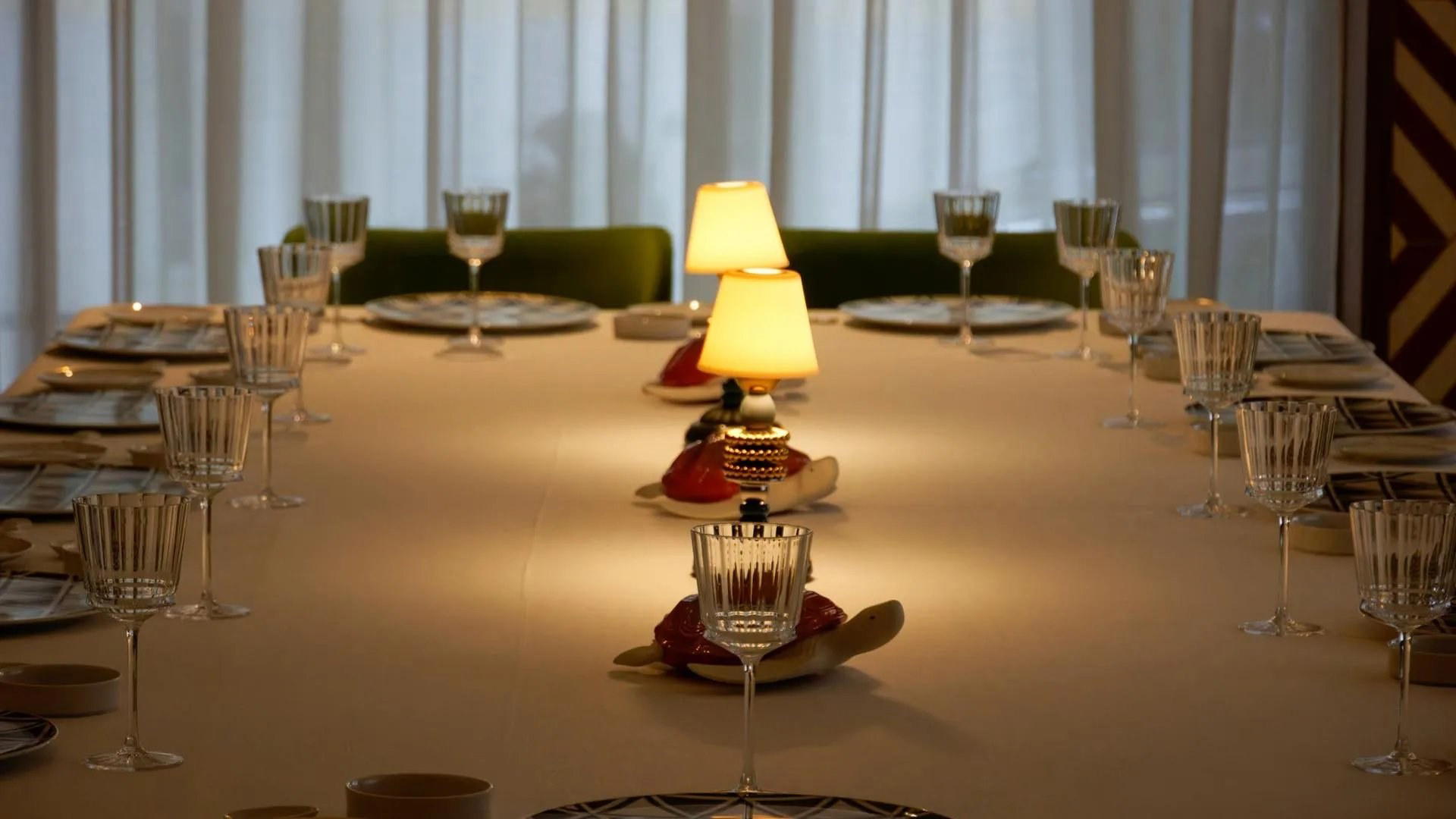
Elegant and sophisticated with restrained lighting and meticulous decor, offering an intimate yet professional atmosphere.