

A Michelin Plate-recognised Japanese address on Calle de Lagasca, Sushi Bar Tottori sits inside Salamanca's tighter tier of specialist restaurants where technique and restraint carry more weight than spectacle.
Pearl is the En Primeur Club membership app — saves, bookings, and concierge access live there. Same editors, same standards.
- Address
- Calle de Lagasca, 67, Salamanca, 28001 Madrid, Spain
- Phone
- +34 918 21 45 73
- Website
- sushibartottori.com
- Directions
- Get directions
 Saves & bookings on Pearl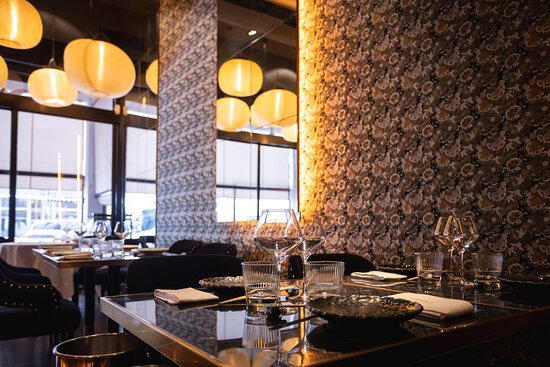
Japanese Precision in a Neighbourhood That Expects It
Madrid's Salamanca district has a particular relationship with restaurants. The streets around Calle de Lagasca draw a clientele that travels frequently, eats well elsewhere, and carries expectations formed in Tokyo, Paris, and New York. That creates a specific kind of pressure on specialist kitchens: the room may look composed, but it is rarely forgiving. Japanese restaurants operating in this corridor do not benefit from novelty alone. The cooking has to hold up.
Sushi Bar Tottori occupies that terrain on Lagasca 67, in a part of the city where the Japanese dining offer has expanded considerably over the past decade. Where once a handful of mid-range Japanese addresses served mostly westernised menus, the Salamanca corridor now includes counter-format operations, izakaya-inflected spaces, and restaurants with genuine culinary lineage. Tottori sits in this field with two consecutive Michelin Plate recognitions, 2024 and 2025, which positions it at a meaningful tier.
The Case for Simplicity
There is a tendency, when discussing Japanese dining in European cities, to concentrate attention on omakase formats and premium fish programmes. Those conversations have their place, but they can obscure something equally demanding: the discipline required to do simple things correctly. The Michelin Plate is not a star, but its consistent renewal across two years signals a kitchen operating with reliable technical standards rather than occasional excellence. That kind of consistency is harder to maintain than it sounds in a city where ingredient sourcing, staff turnover, and the demands of a mixed international clientele all work against it.
The focus here is not complexity for its own sake. Japanese food culture has always made space for the humble preparation, the bowl of rice built with care, the broth that runs for hours before it reaches the table, the fish that arrives at the right temperature on the right surface. These are not lesser achievements. They are the benchmark against which more elaborate work is measured. A kitchen that gets the fundamentals right in Madrid, where Japanese culinary infrastructure is still maturing compared to London, Paris, or Amsterdam, is doing something worth noting.
Where Tottori Sits in Madrid's Japanese Scene
Madrid's Japanese restaurant tier has broadened enough that comparison is now meaningful. At the progressive end, Yugo The Bunker operates a format that crosses Japanese technique with European conceptual ambition. Ikigai Velázquez and Ikigai Flor Baja have built reputations around a more refined but still accessible Japanese-Spanish register. Ebisu by Kobos and Hotaru Madrid fill adjacent positions with their own approaches to Japanese cuisine in a Spanish context.
Tottori operates at a €€€ price point, which places it clearly below the city's upper-tier creative restaurants, DiverXO, Deessa, Smoked Room, Coque, and Paco Roncero all sit at €€€€ and occupy a different comparable set entirely.
For context on what Michelin Plate recognition means in practice: the guide awards the Plate to restaurants where inspectors find good cooking that does not yet meet the threshold for a star. In a city where Spanish creative cuisine commands most of the guide's attention, Aponiente, Arzak, El Celler de Can Roca, Quique Dacosta, Azurmendi, and Disfrutar define the high end of the Spanish offer, a Japanese restaurant earning and retaining that recognition reflects genuine kitchen discipline rather than category advantage.
Planning a Visit
The practical tier at Tottori sits below the full omakase counters of comparable cities. Tottori operates in a different context, though weekends can book out ahead of time.
| Venue | Cuisine Tier | Price | Michelin Recognition | Google Rating |
|---|---|---|---|---|
| Sushi Bar Tottori | Japanese, Salamanca | €€€ | Plate (2024, 2025) | 4.4 / 834 reviews |
| Ikigai Velázquez | Japanese-Spanish | €€€ | , | , |
| Yugo The Bunker | Progressive Japanese | €€€€ | , | , |
| Ebisu by Kobos | Japanese | €€€ | , | , |
Salamanca is well-served by Madrid's metro system; the Núñez de Balboa and Velázquez stations on Line 4 both place you within a short walk of Lagasca 67.
Fast Comparison
Comparable venues nearby, for context on price, style, and recognition.
| Venue | Cuisine | Price | Awards | Notes |
|---|---|---|---|---|
| Sushi Bar TottoriThis venue — the venue you are viewing | Modern Japanese Omakase | $$$$ | Michelin Plate | Not listed |
| TA-KUMI | Modern Japanese Sushi | $$$$ | Michelin Plate | Castellana |
| Shibari Sushi and Grill | Modern Japanese Omakase & Robata Grill | $$$$ | Michelin Plate | Embajadores |
| Nanako | Japanese Omakase with Brazilian Fusion | $$$$ | Not listed | Almagro |
| 99 Sushi Bar Nh Eurobuilding | Modern Japanese & Sushi with Mediterranean Fusion | $$$$ | Not listed | Chamartín |
| Ebisu by Kobos | Edo-style Omakase Sushi | $$$$ | Michelin Plate | La Latina |
Recognition history
Dated appearances from independent guides and award organizations, with the underlying list record or original source where available.
Macarfi 7.4 Food Rating
Macarfi
Michelin Plate
Michelin
Michelin Plate
Michelin

At a Glance
- Elegant
- Sophisticated
- Modern
- Intimate
- Date Night
- Special Occasion
- Celebration
- Open Kitchen
- Design Destination
- Extensive Wine List
- Sake Program
- Sommelier Led
- Sustainable Seafood
Current opening hours
- Monday
- 12:30–4:30 PM, 7:30 PM–1 AM
- Tuesday
- 12:30–4:30 PM, 7:30 PM–1 AM
- Wednesday
- 12:30–4:30 PM, 7:30 PM–1 AM
- Thursday
- 12:30–4:30 PM, 7:30 PM–1 AM
- Friday
- 12:30–4:30 PM, 7:30 PM–1 AM
- Saturday
- 12:30–4:30 PM, 7:30 PM–1 AM
- Sunday
- 12:30–4:30 PM, 7:30 PM–1 AM
Hours can change for holidays and private events. Last verified .
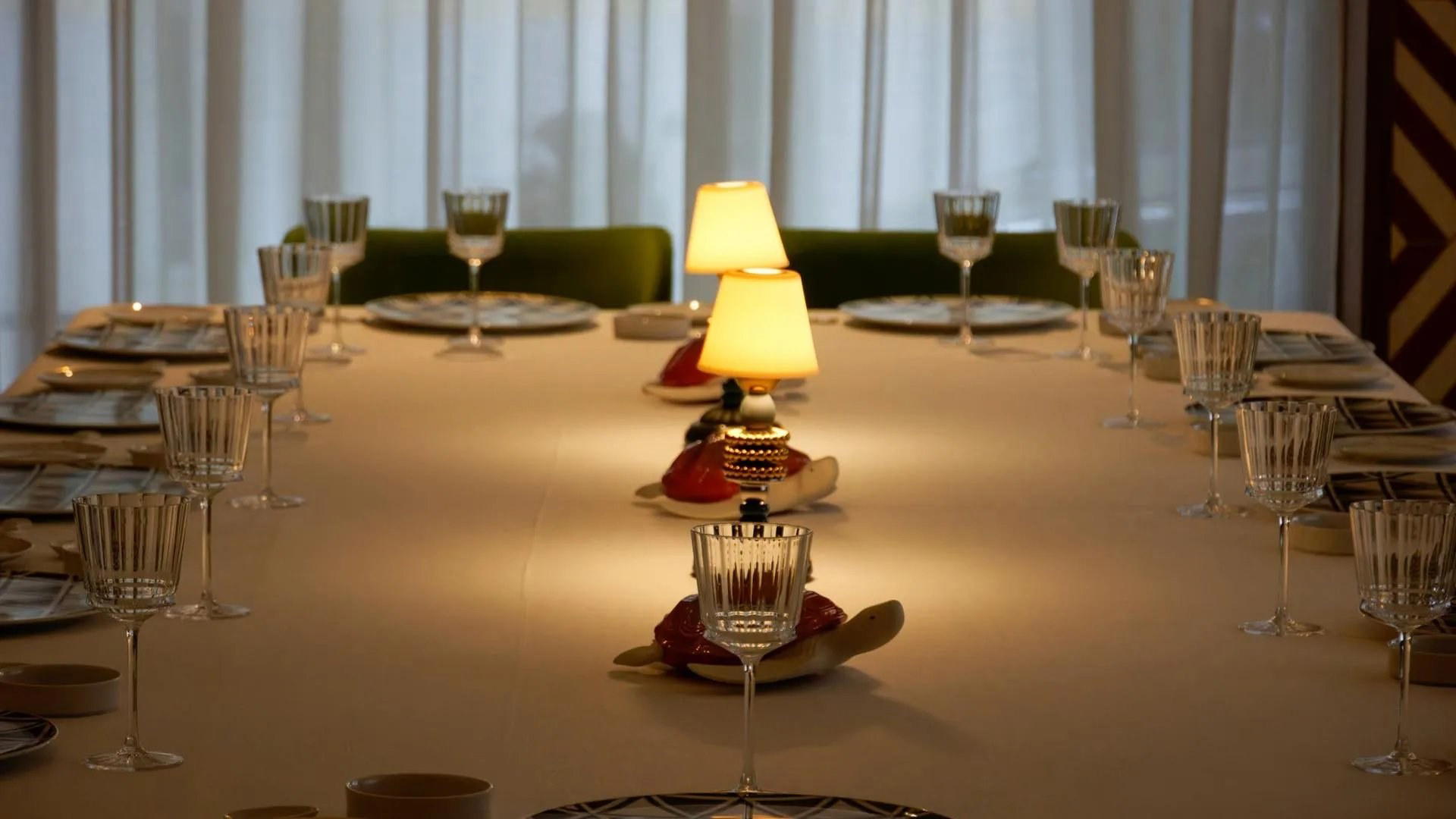
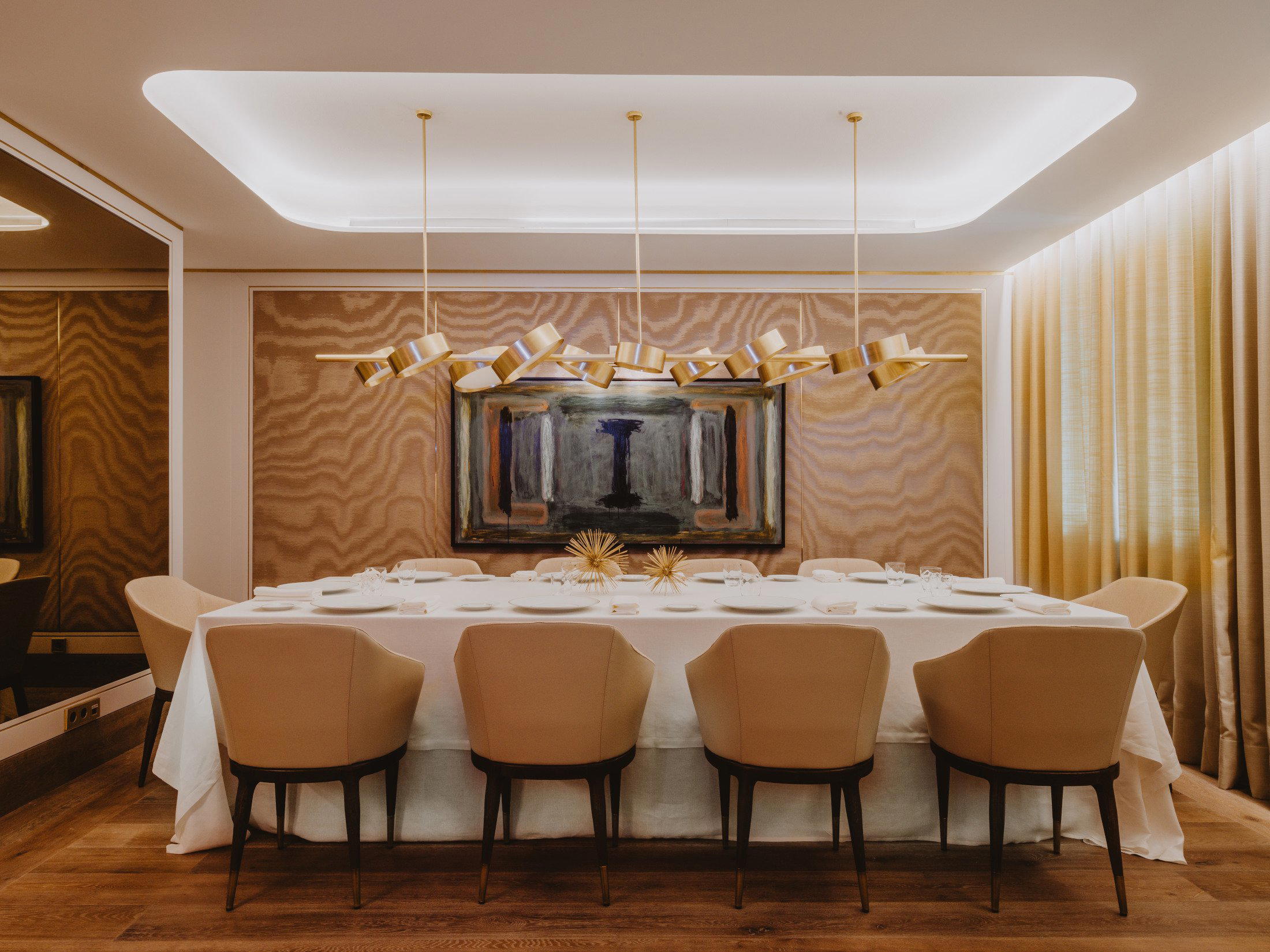
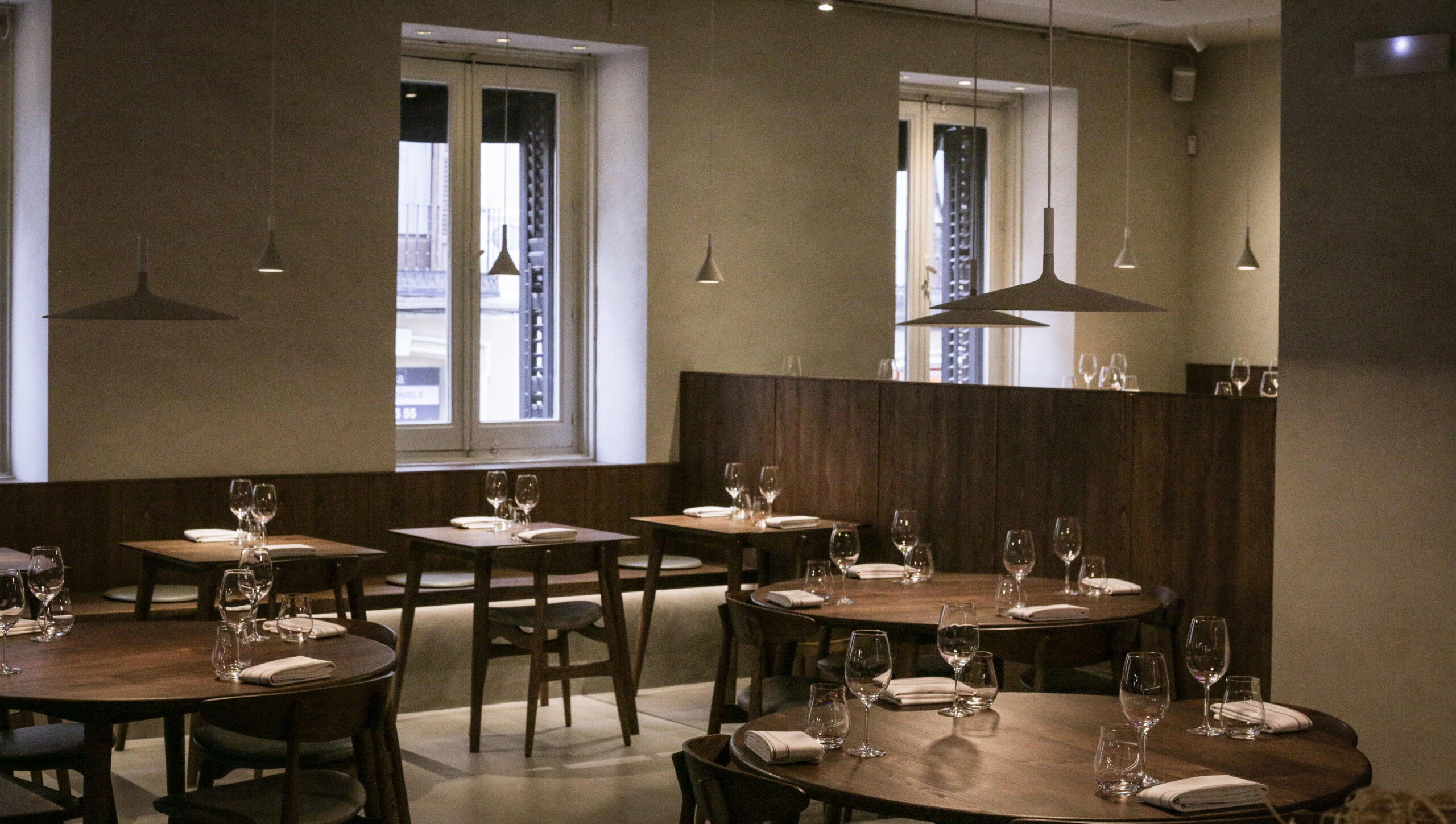
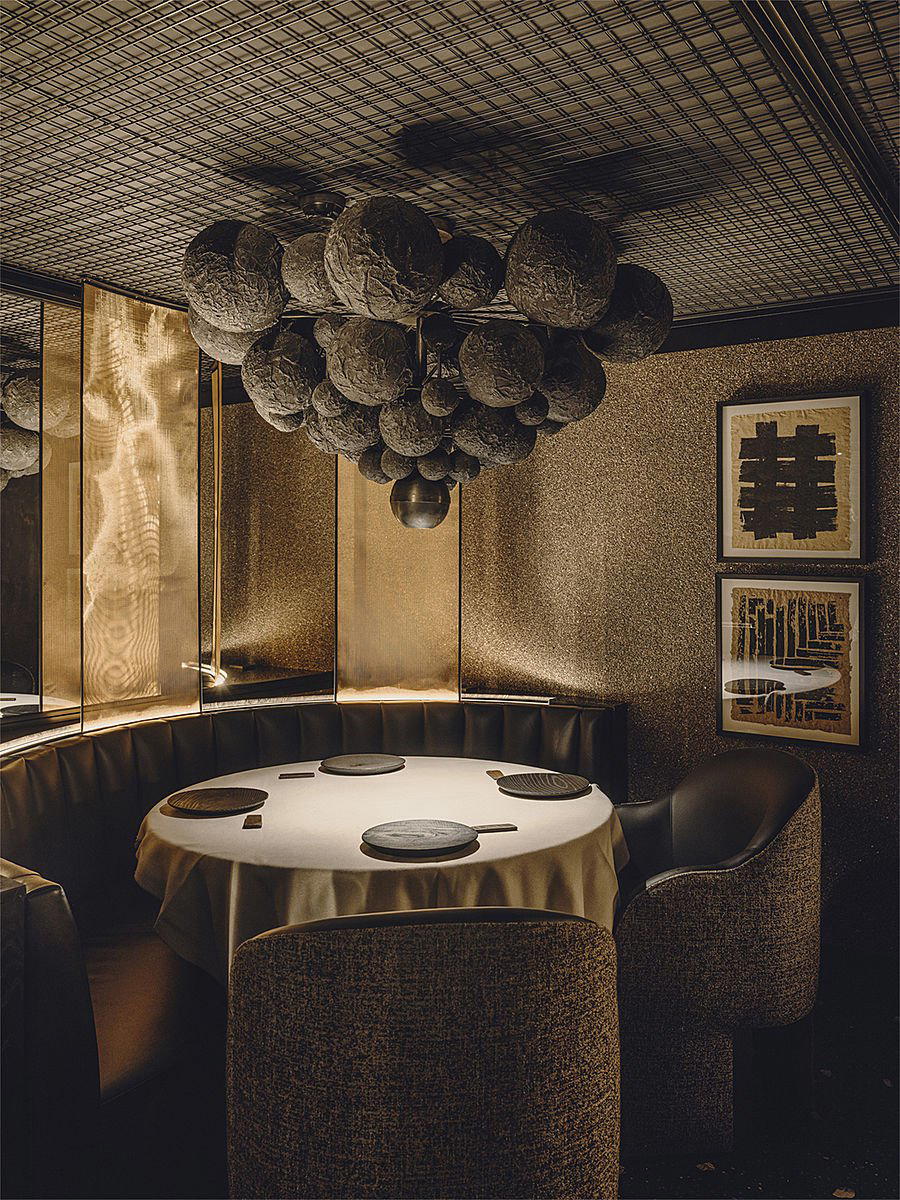
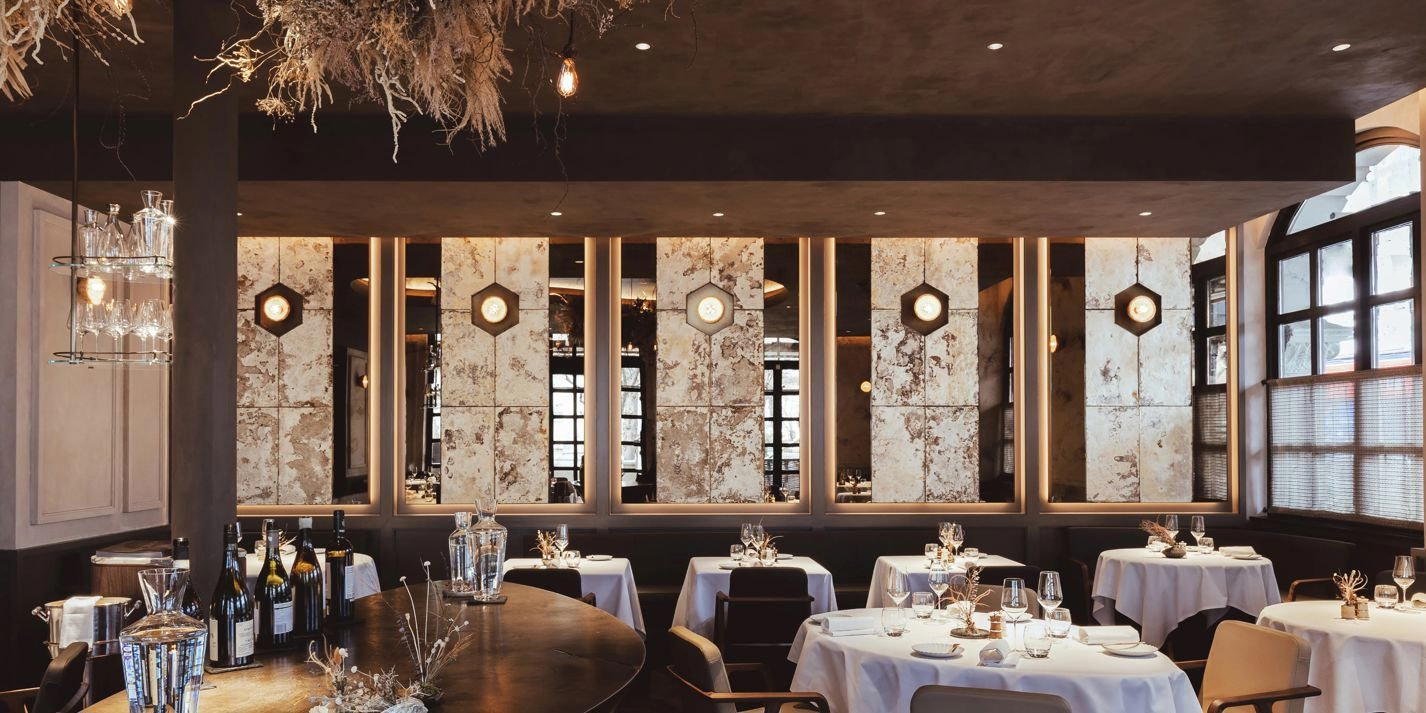
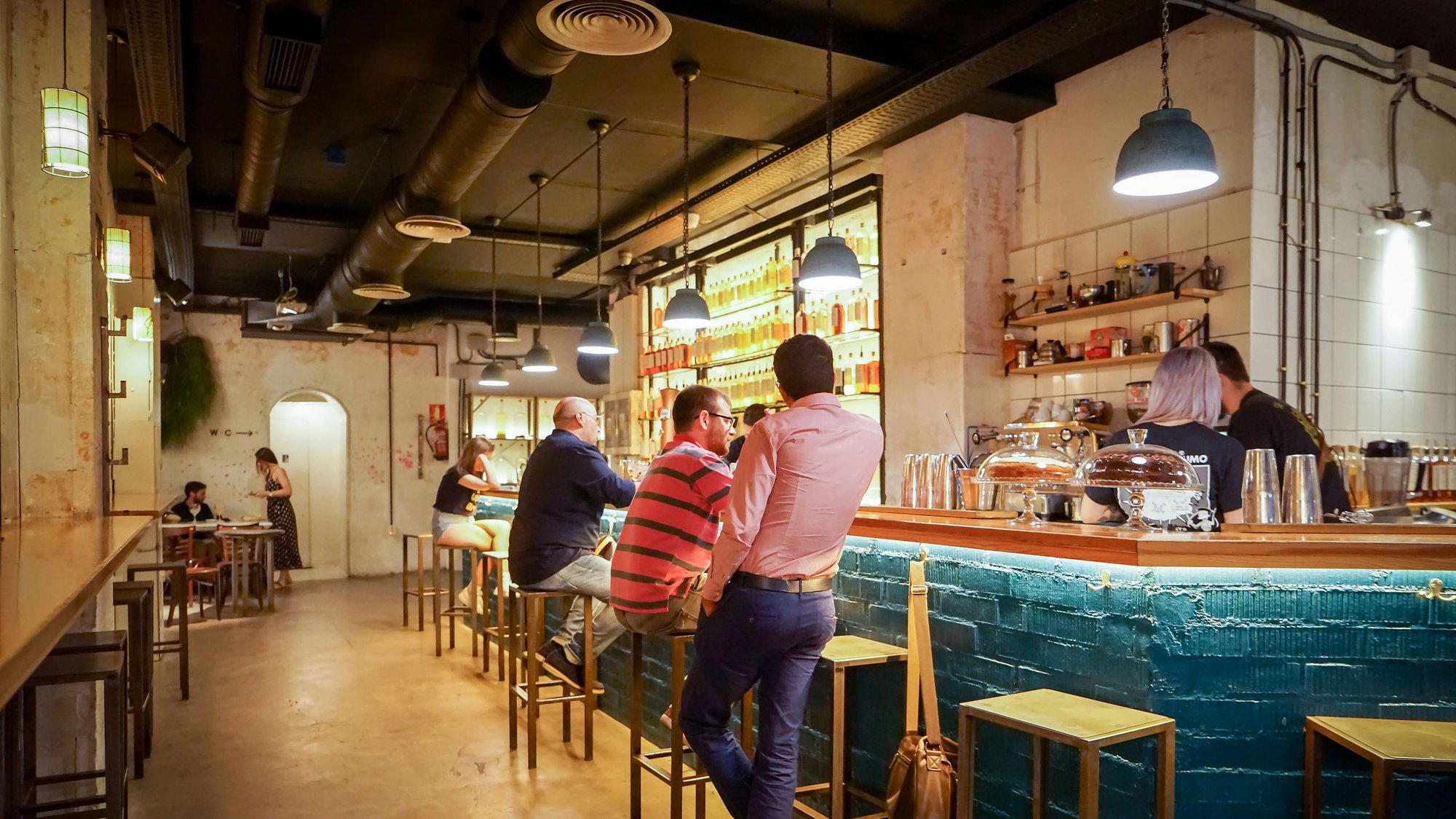
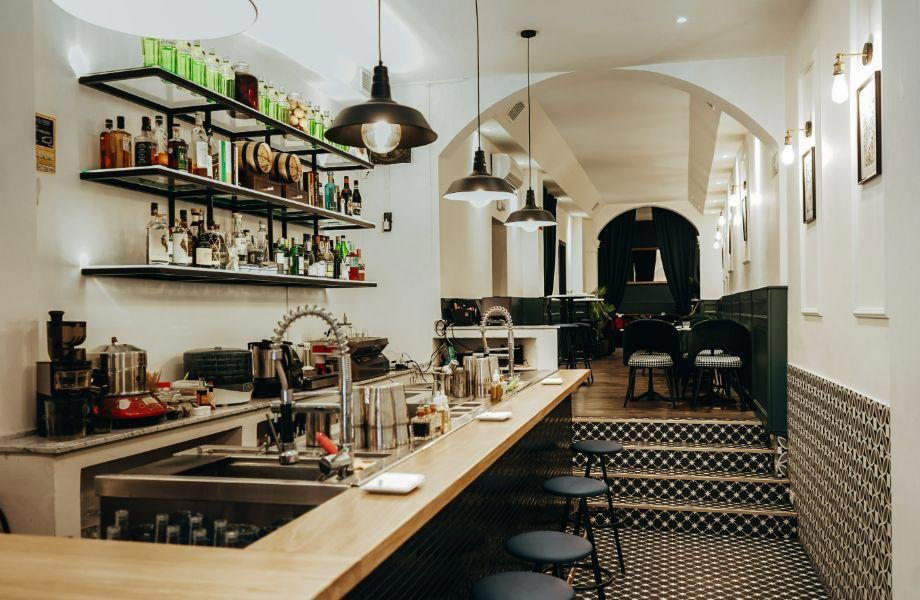
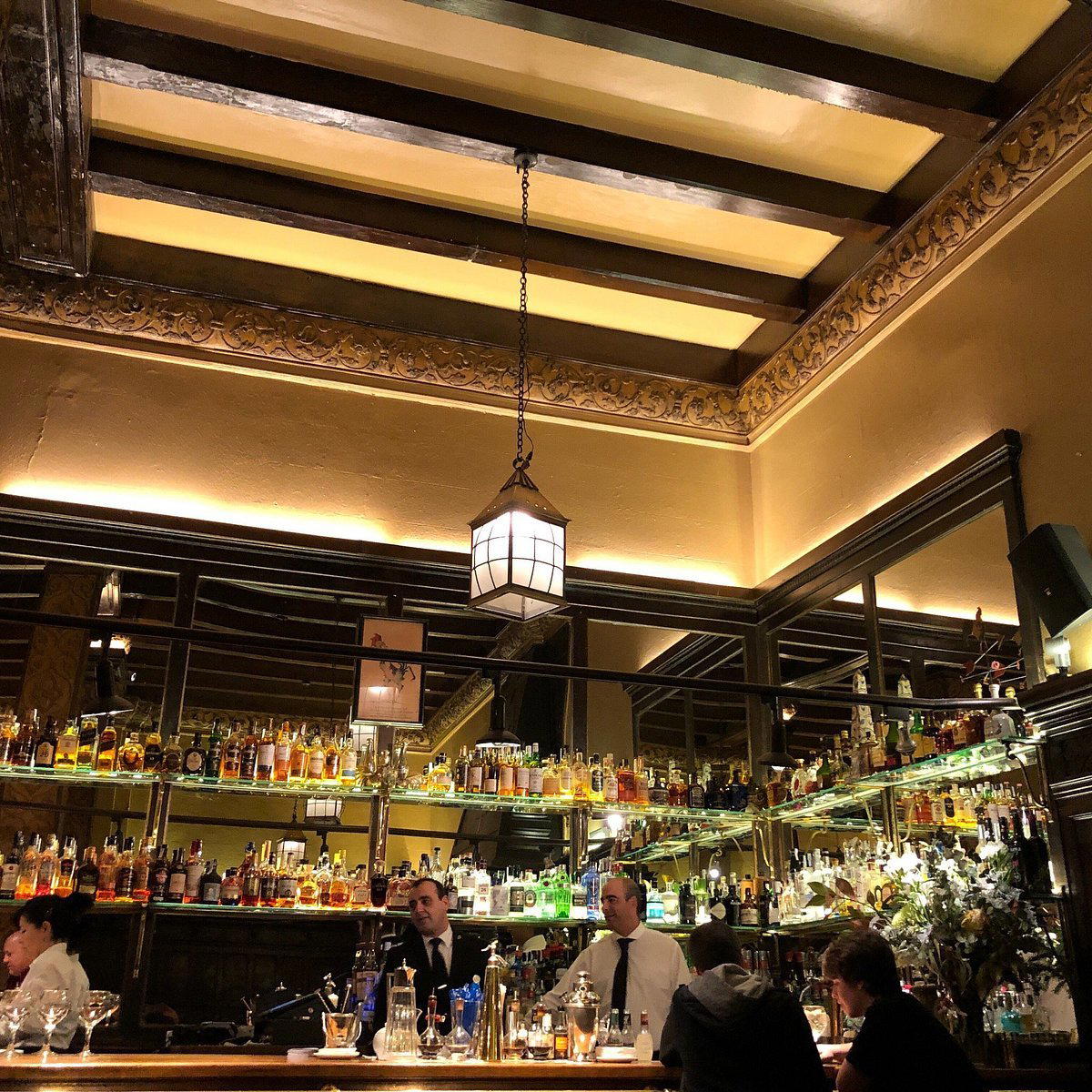
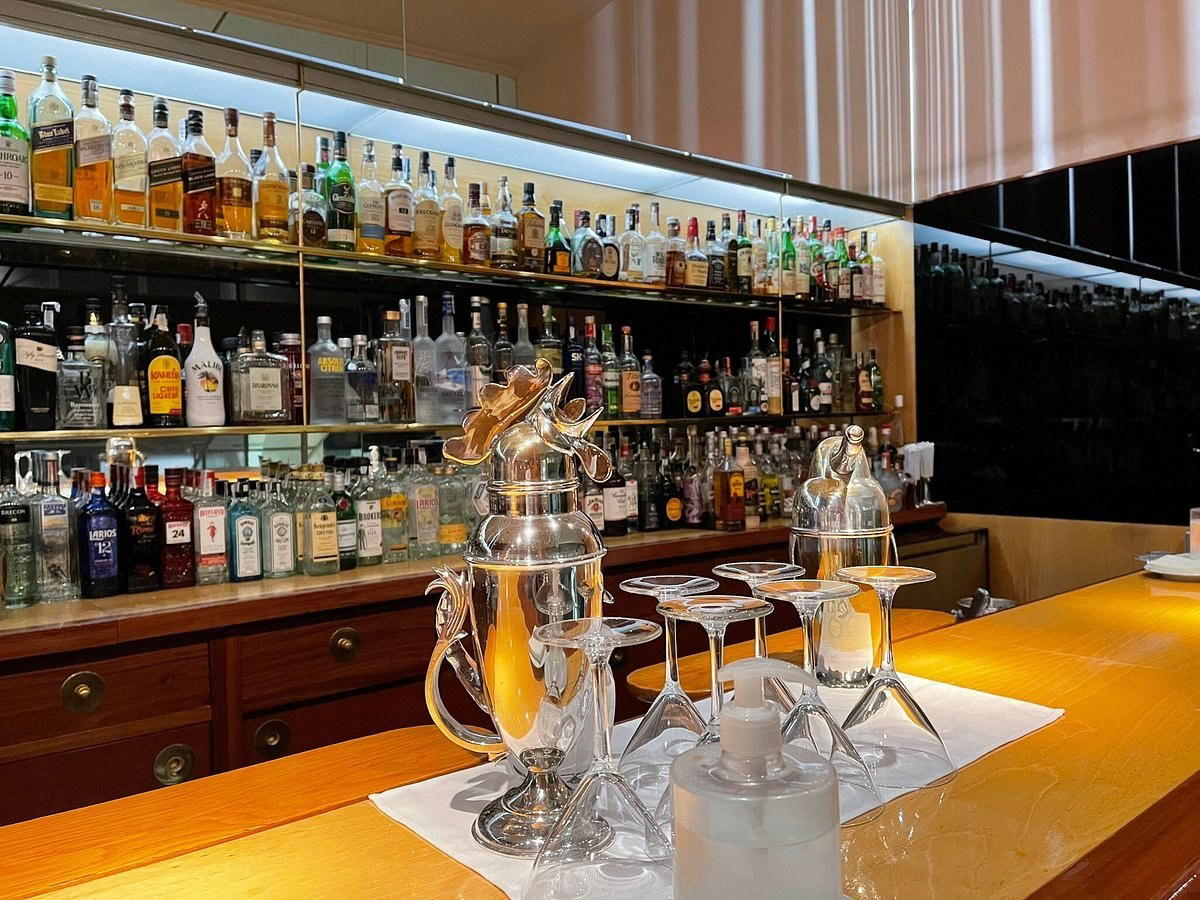
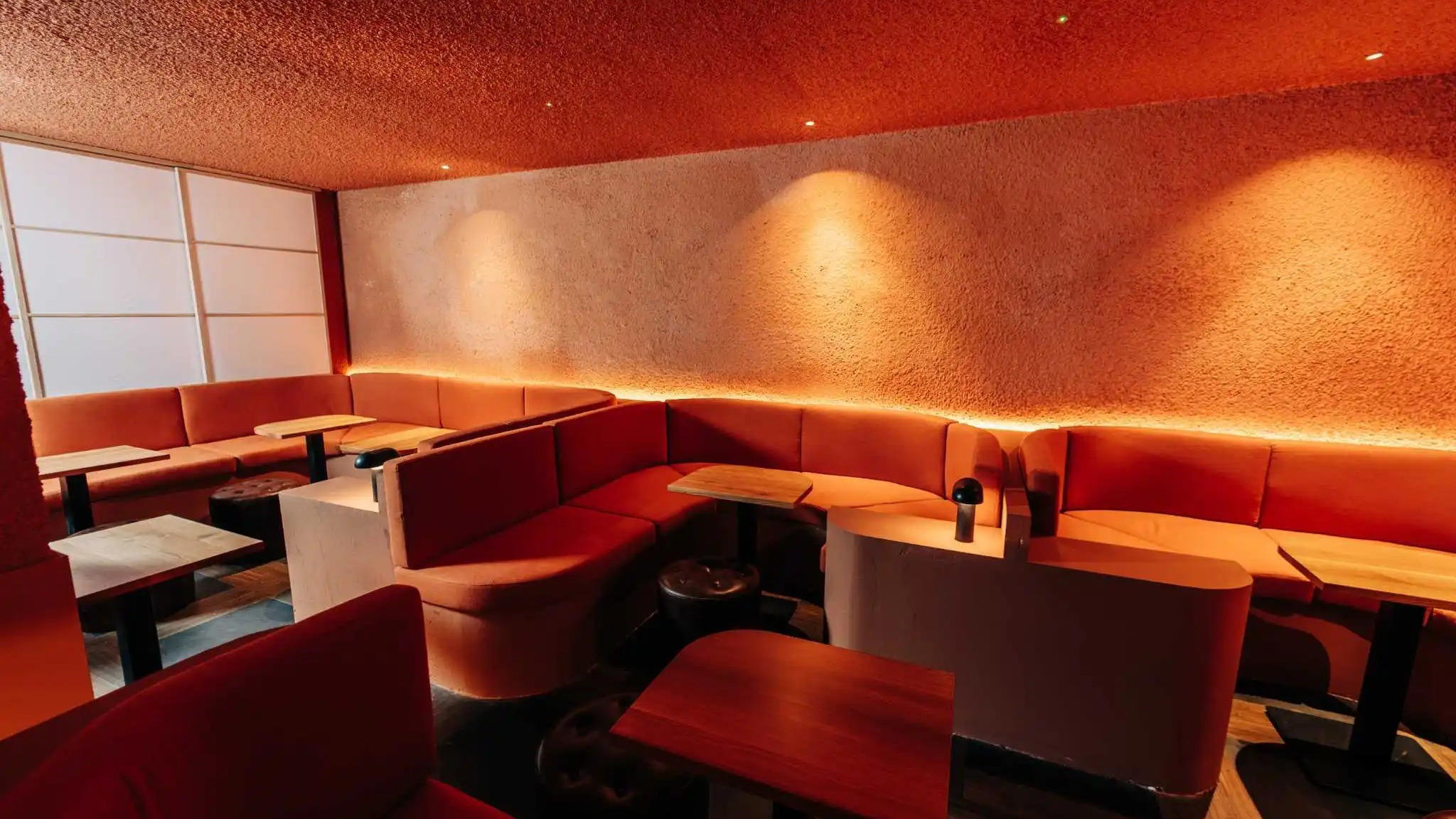
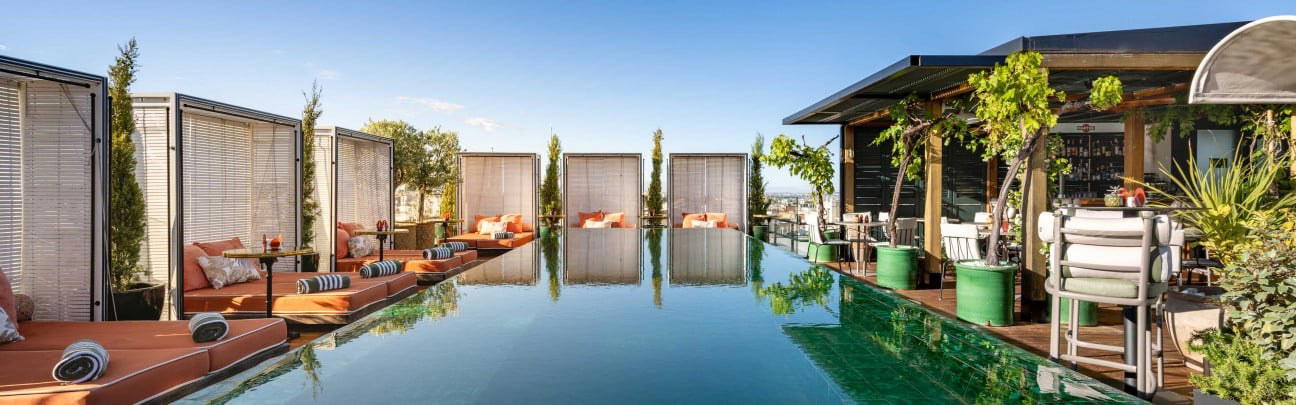
Modern, minimalist dining space with well-spaced tables, elegant plating, and thoughtfully designed details including fine cloth napkins and curated dishware creating an upscale yet comfortable atmosphere.