't Vingerling
't Vingerling sits on Vingerling 23 in Middelharnis, a small town on the Goeree-Overflakkee island in the southwestern Netherlands. The restaurant occupies a setting shaped by the agricultural and coastal rhythms of Zeeland's northern border, where polderland farming and North Sea access define what arrives in the kitchen. For visitors tracking ingredient-driven Dutch cooking outside the main cities, it merits attention.
Pearl is the En Primeur Club membership app — saves, bookings, and concierge access live there. Same editors, same standards.
- Address
- Vingerling 23, 3241 EB Middelharnis, Netherlands
- Phone
- +31187483333
- Website
- brasserievingerling.nl
- Directions
- Get directions
 Saves & bookings on Pearl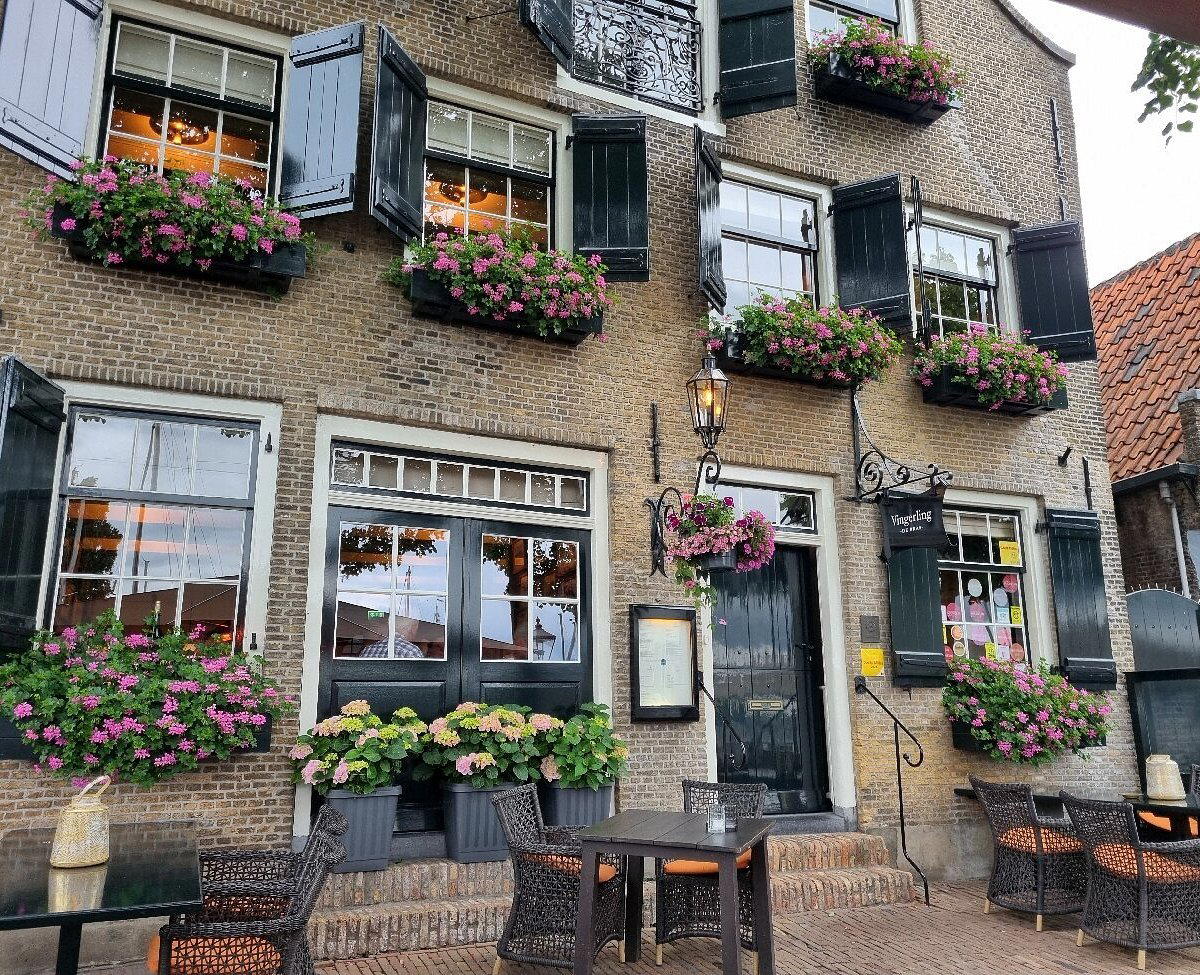
Cooking at the Edge of the Polder
The southwestern Netherlands has a particular relationship with its food supply. Goeree-Overflakkee, the island municipality where Middelharnis sits, is among the more agriculturally productive zones in the country: flat, wind-exposed polderland given over to arable farming, market gardening, and access to the tidal waters of the Haringvliet and Grevelingenmeer. Restaurants in towns like Middelharnis do not need to manufacture a farm-to-table narrative, the supply chain is simply the geography. 't Vingerling, at Vingerling 23 in the town centre, sits inside that supply reality rather than performing it.
This is worth noting because the ingredient-sourcing question that dominates so much current Dutch food conversation, where does it actually come from, and how short is the chain?, has a different texture in a place like Goeree-Overflakkee than it does in Rotterdam or Amsterdam. Distance from the source is measured in kilometres, not logistics chains. That proximity changes what a kitchen can credibly offer and what a diner can reasonably expect.
The Goeree-Overflakkee Pantry
The island's agricultural character is not incidental to understanding what kind of cooking is possible here. The Haringvliet estuary, sealed from the North Sea by the Haringvlietdam since 1970, created a brackish-water environment that shifted over decades into freshwater, a transition that altered local fishing but opened new ecological conditions. The Grevelingenmeer, by contrast, retained saltwater connectivity and remains one of the largest saltwater lakes in Europe, supporting shellfish and marine species. Together these bodies of water, alongside the polderland crops, give a kitchen in Middelharnis access to a pantry that restaurants in the Randstad pay significant premiums to source remotely.
Dutch fine dining in its current generation has placed particular emphasis on this kind of regional specificity. Venues like De Nieuwe Winkel in Nijmegen have built their identity around organic and foraged sourcing, earning recognition in the process. Inter Scaldes in Kruiningen, situated in Zeeland proper just south of here, has long operated within this same logic of coastal-agricultural proximity. What distinguishes the island setting is that the sourcing argument requires no curation or amplification, it is structurally built in.
Small-Town Fine Dining in the Netherlands
The pattern of serious restaurants operating in small Dutch towns is well-established and worth understanding on its own terms. De Librije in Zwolle, 't Nonnetje in Harderwijk, De Lindehof in Nuenen, and De Treeswijkhoeve in Waalre all demonstrate that Michelin-level cooking in the Netherlands is not concentrated in the major cities in the way it might be in France or the United Kingdom. The Dutch dining public travels for a good meal, and restaurants in smaller municipalities have historically attracted guests willing to make the journey. Brut172 in Reijmerstok and De Groene Lantaarn in Staphorst extend that pattern further into rural settings.
Middelharnis follows this geography. The town is not a dining destination in the way that Amsterdam or Rotterdam generates its own gravitational pull, but the island's relative isolation from urban competition means that a kitchen operating at a serious level here faces a different competitive dynamic. It is not competing with Ciel Bleu in Amsterdam or FG in Rotterdam for the same regular clientele. Its reference points are local loyalty and destination dining from within the region.
How to Plan a Visit
Middelharnis is accessible by car from Rotterdam in under an hour via the A29 and the Haringvlietbrug. Public transport connections to Goeree-Overflakkee are limited; a car is the practical option for most visitors. The address, Vingerling 23, places the restaurant in the town's modest commercial centre, close to the historic market area. The island sees more visitors in summer, when coastal tourism increases, which may affect availability.
For those building a broader itinerary around Dutch regional cooking, pairing a visit here with Inter Scaldes in Kruiningen or Aan de Poel in Amstelveen maps a clear line through the ingredient-driven register of southwestern and central Dutch cooking. Those with a wider appetite for the category might extend further to Tribeca in Heeze or De Lindenhof in Giethoorn.
For context outside the Netherlands, the commitment to place-specific sourcing that characterises this tier of Dutch regional cooking finds international parallels at venues like Le Bernardin in New York City, where marine sourcing is treated as a technical discipline, or Atomix in New York City, where regional ingredient logic from another culinary tradition is applied with similar rigour. De Bokkedoorns in Overveen and 't Amsterdammertje in Loenen aan de Vecht offer closer Dutch reference points within the same sourcing-led conversation.
Side-by-Side Snapshot
Comparable venues nearby, for context on price, style, and recognition.
| Venue | Cuisine | Price | Notes |
|---|---|---|---|
| 't VingerlingThis venue — the venue you are viewing | French Brasserie with Seasonal Tasting Menus | $$ | Not listed |
| ô Bistro | Authentic French Bistro | $$ | Driehoekbuurt |
| Bouchot | Classic French Seafood | $$$ | Nuenen |
| Le Baffon | Classic French Bistro | $$ | Binnenstad |
| Johannes | Modern French Fine Dining | $$$ | Leidsegracht Noord |
| Bouchon du Centre | Traditional Lyonnaise Bouchon | $$ | Utrechtsebuurt Zuid |
Continue exploring
More in Middelharnis
Restaurants in Middelharnis
Browse all →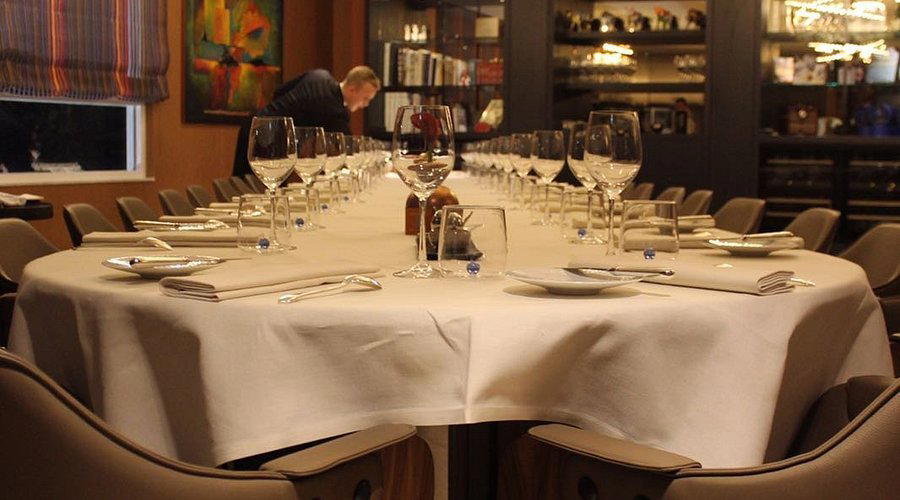
Bars in Middelharnis
Browse all →
Hotels in Middelharnis
Browse all →
Wineries in Middelharnis
Browse all →
At a Glance
- Cozy
- Romantic
- Scenic
- Classic
- Date Night
- Celebration
- Group Dining
- Special Occasion
- Waterfront
- Terrace
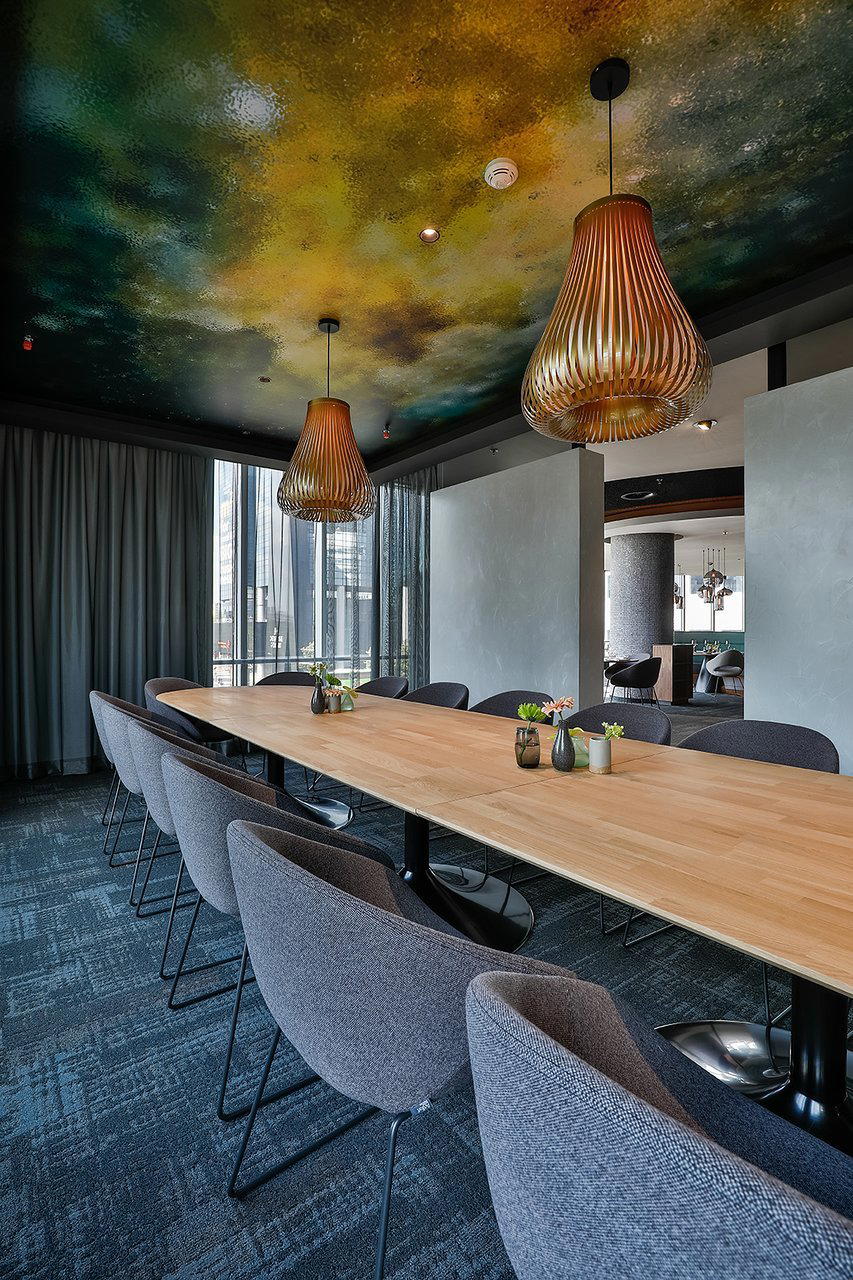
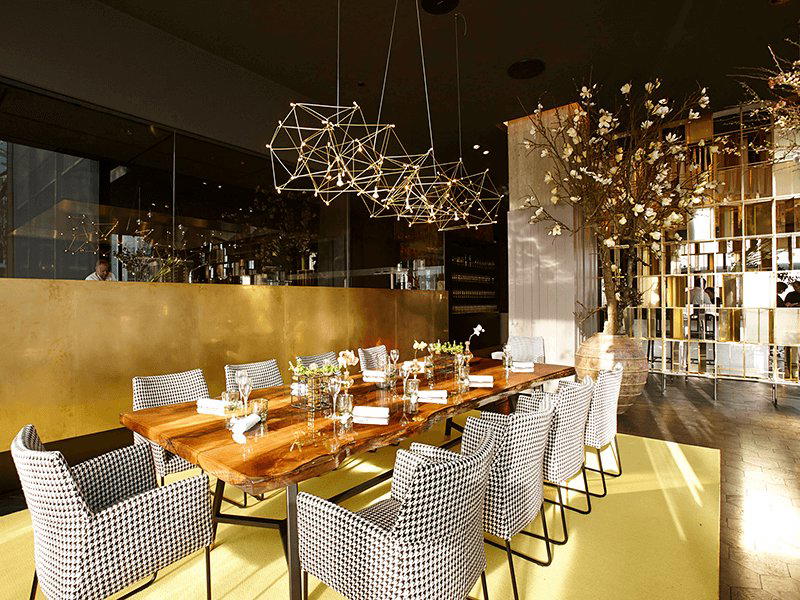
- Private Dining
- Extensive Wine List
- Beer Program
- Local Sourcing
- Waterfront
Current opening hours
- Monday
- Closed
- Tuesday
- Closed
- Wednesday
- 5–11 PM
- Thursday
- 5–11 PM
- Friday
- 5 PM–12 AM
- Saturday
- 5 PM–12 AM
- Sunday
- 5–11 PM
Hours can change for holidays and private events. Last verified .
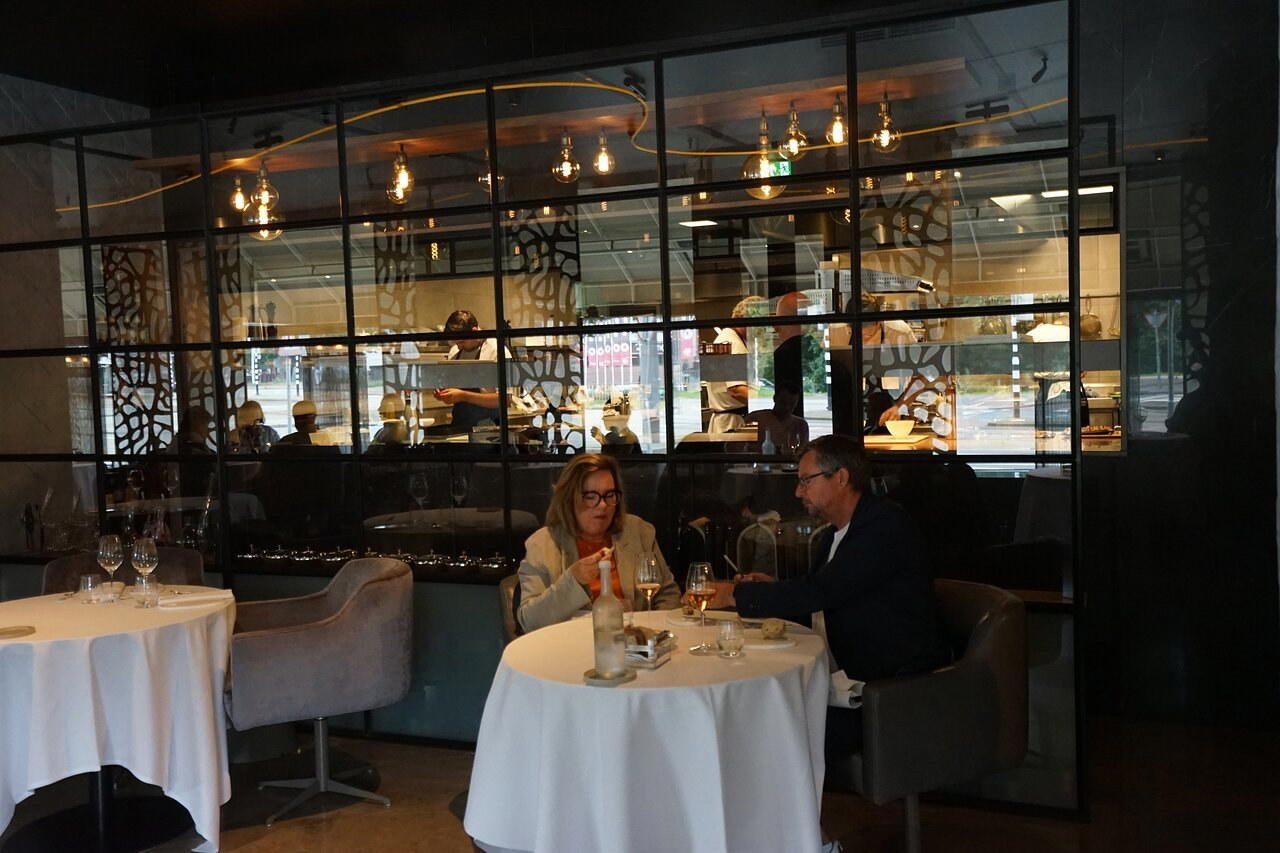
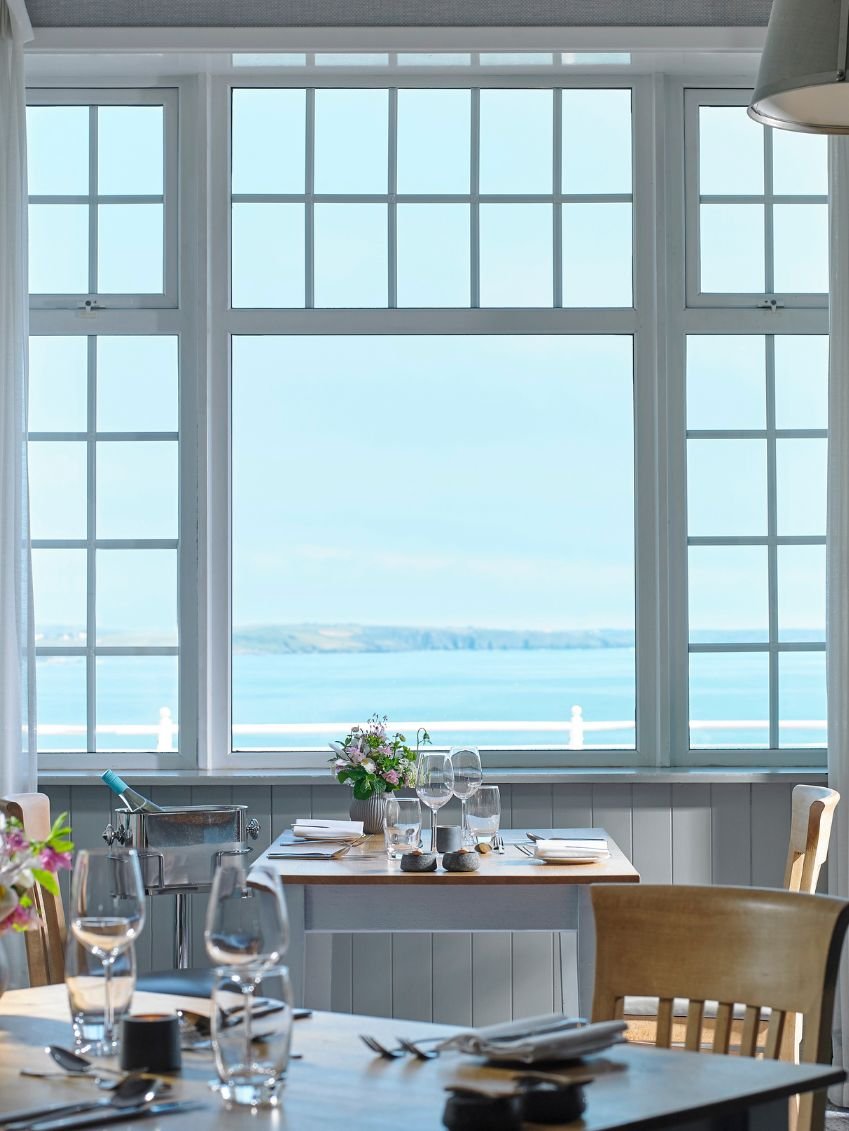
Cozy and intimate with harbor views; warm lighting and a quaint interior that feels both welcoming and refined. Guests describe a relaxed yet sophisticated atmosphere.