Bouchon du Centre
On a quiet residential stretch of the Pijp, Bouchon du Centre brings the French bouchon tradition to Amsterdam with the kind of unpretentious conviction the format demands. The address places it well outside the tourist circuit, which is precisely why it draws a loyal local crowd. For visitors who know what a Lyon bouchon actually is, this is a rare find in the Dutch capital.
 Discover on Pearl
Pearl is the En Primeur Club membership app — saves, bookings, and concierge access live there. Same editors, same standards.
- Address
- Falckstraat 3, 1017 VV Amsterdam, Netherlands
- Phone
- +31203301128
- Website
- bouchonducentreamsterdam.com
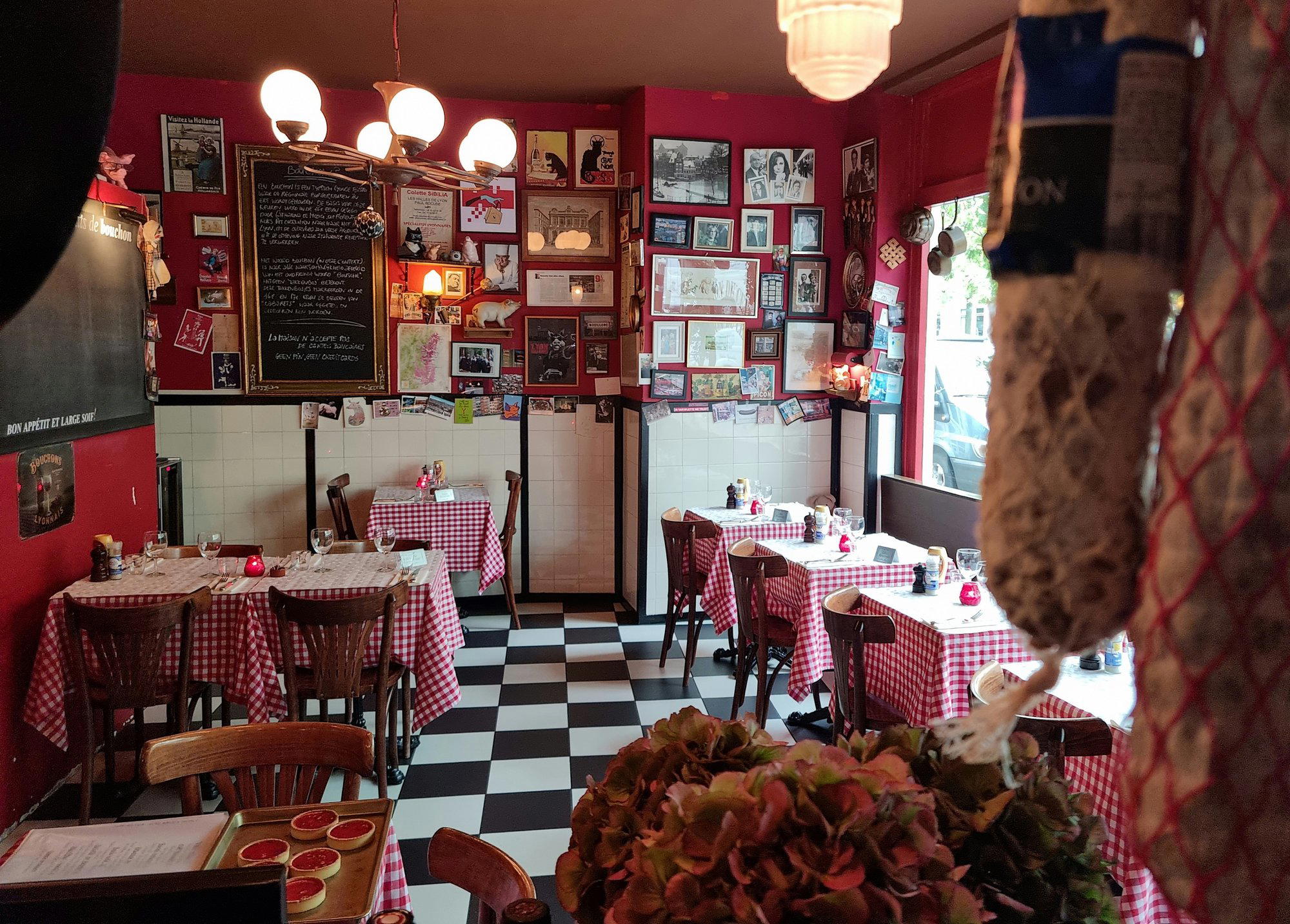
The Bouchon Tradition, Transplanted
The bouchon is one of France's most specific dining institutions. Rooted in Lyon and codified over centuries, it occupies a deliberate position between the bistro and the workers' canteen: convivial, ingredient-driven, suspicious of ceremony. The classics of the format, quenelles, cervelle de canut, saucisson brioché, andouillette, are not dishes designed to impress so much as to sustain a particular way of spending an evening. Finding that format executed with genuine fidelity outside Lyon is rare. Finding it in Amsterdam is rarer still.
Bouchon du Centre, at Falckstraat 3 in Amsterdam's De Pijp, occupies that unusual position in the city's dining scene. Amsterdam has built a credible roster of high-end French-influenced restaurants over the past decade. Addresses like Ciel Bleu, Flore, Spectrum, and Vinkeles compete at the upper end of the creative and fine-dining tiers. What the city has fewer of is honest, format-faithful French cooking pitched at the register where the food itself carries all the weight. That is the gap the bouchon format fills, and Bouchon du Centre fills it on a street that feels deliberately removed from the canal-belt spectacle.
De Pijp as Context
De Pijp has functioned as Amsterdam's most densely residential and commercially mixed neighbourhood for well over a century. The Albert Cuyp Market runs through its spine, and the surrounding streets have accumulated a density of independent restaurants that few other Amsterdam postcodes can match. The neighbourhood rewards walking: you can move from a Surinamese snack bar to a serious natural wine list to a ramen counter inside two blocks. Within this setting, a French bouchon reads not as incongruous but as another entry in a long tradition of neighbourhood restaurants serving a local clientele who eat out regularly and want food over performance.
The address on Falckstraat sits toward the quieter eastern edge of the neighbourhood, away from the Heineken brewery traffic and the busier Gerard Douplein terrace scene. That placement matters for the bouchon format: the atmosphere of a Lyonnaise bouchon depends substantially on the room feeling inhabited by regulars rather than tourists. In De Pijp, that dynamic is achievable in a way it would not be in the Jordaan or on the Leidseplein.
What the Format Requires
A bouchon operates on different logic from a modern bistro or a casual French brasserie. The menu is deliberately limited and changes infrequently; the kitchen's credibility rests on execution of familiar dishes rather than novelty. The wine list skews toward Beaujolais, the Rhône valley, and Burgundy. The room typically runs tight on space, and the service style is efficient rather than elaborate. Traboules, the covered passages that Lyon is famous for, gave the original bouchons their physical character, but what defined them culturally was a democratic attitude toward the table: everyone from market traders to architects sat at the same wooden bench.
In an Amsterdam context, where the dominant fine-dining vocabulary comes from Dutch-Scandinavian technique and farm-to-table sourcing as practised at addresses like Bistro de la Mer or the organic frameworks of De Kas and BAK, the bouchon represents a deliberate counter-position. It is not asking to be contemporary. It is asking to be correct.
Amsterdam's French Dining Register
Amsterdam's relationship with French cuisine is long but selective. The city has never built the kind of dense classical-French infrastructure that Brussels or Paris sustains, but it has consistently supported a handful of addresses where French technique is applied seriously. The difference in recent years is that the Michelin-decorated tier, where Ciel Bleu holds two stars and Spectrum operates at a similarly ambitious register, has pulled away from the middle of the market. What remains underserved is the neighbourhood French register: wine-forward, ingredient-honest, moderately priced by capital-city standards, and built for repeat visits rather than special occasions.
That gap is what the bouchon concept addresses, and it explains why, despite sparse documentation and minimal online presence, Bouchon du Centre has accumulated a local following. In a city where the alternative for French-influenced eating is either a tasting menu or a tourist-facing brasserie near the Rijksmuseum, a correctly positioned bouchon fills a structural void.
The Netherlands has produced serious cooking across its geography. De Librije in Zwolle and Inter Scaldes in Kruiningen represent the country's haute cuisine ambition. Vegetable-focused addresses like De Nieuwe Winkel in Nijmegen demonstrate the depth of the Dutch culinary scene beyond Amsterdam. Smaller destination addresses including De Lindenhof in Giethoorn, Tribeca in Heeze, De Groene Lantaarn in Staphorst, Brut172 in Reijmerstok, De Lindehof in Nuenen, De Bokkedoorns in Overveen, and De Treeswijkhoeve in Waalre illustrate how widely distributed serious cooking has become across Dutch provinces. What none of those addresses are doing is channelling the Lyonnaise bouchon tradition specifically. That remains the narrow but defensible territory that Bouchon du Centre occupies in Amsterdam.
For international comparison, the format shares a democratic fine-dining posture with places like Lazy Bear in San Francisco, where format discipline creates a distinct experience, or the French-rooted technical seriousness of Le Bernardin in New York City, though the registers are very different. The bouchon's appeal is precisely that it does not reach for that tier of ambition.
A Credentials Check
Comparable venues nearby, for context on price, style, and recognition.
| Venue | Cuisine | Price | Awards | Notes |
|---|---|---|---|---|
| Bouchon du CentreThis venue — the venue you are viewing | Traditional Lyonnaise Bouchon | $$ | , | |
| Café Pigalle | French-Mediterranean Brasserie | $$ | , | Amsterdam Zuidoost |
| Café Parlotte | French Bistro | $$ | 1 recognition | Anjeliersbuurt Noord |
| Gertrude | French Bistro with Seasonal Small Plates | $$$ | , | Da Costabuurt Zuid |
| de Willem | Modern French-Asian Fusion | $$$ | , | Westergasfabriek |
| ô Bistro | Authentic French Bistro | $$ | 1 recognition | Driehoekbuurt |
Continue exploring
More in Amsterdam
Restaurants in Amsterdam
Browse all →
Bars in Amsterdam
Browse all →
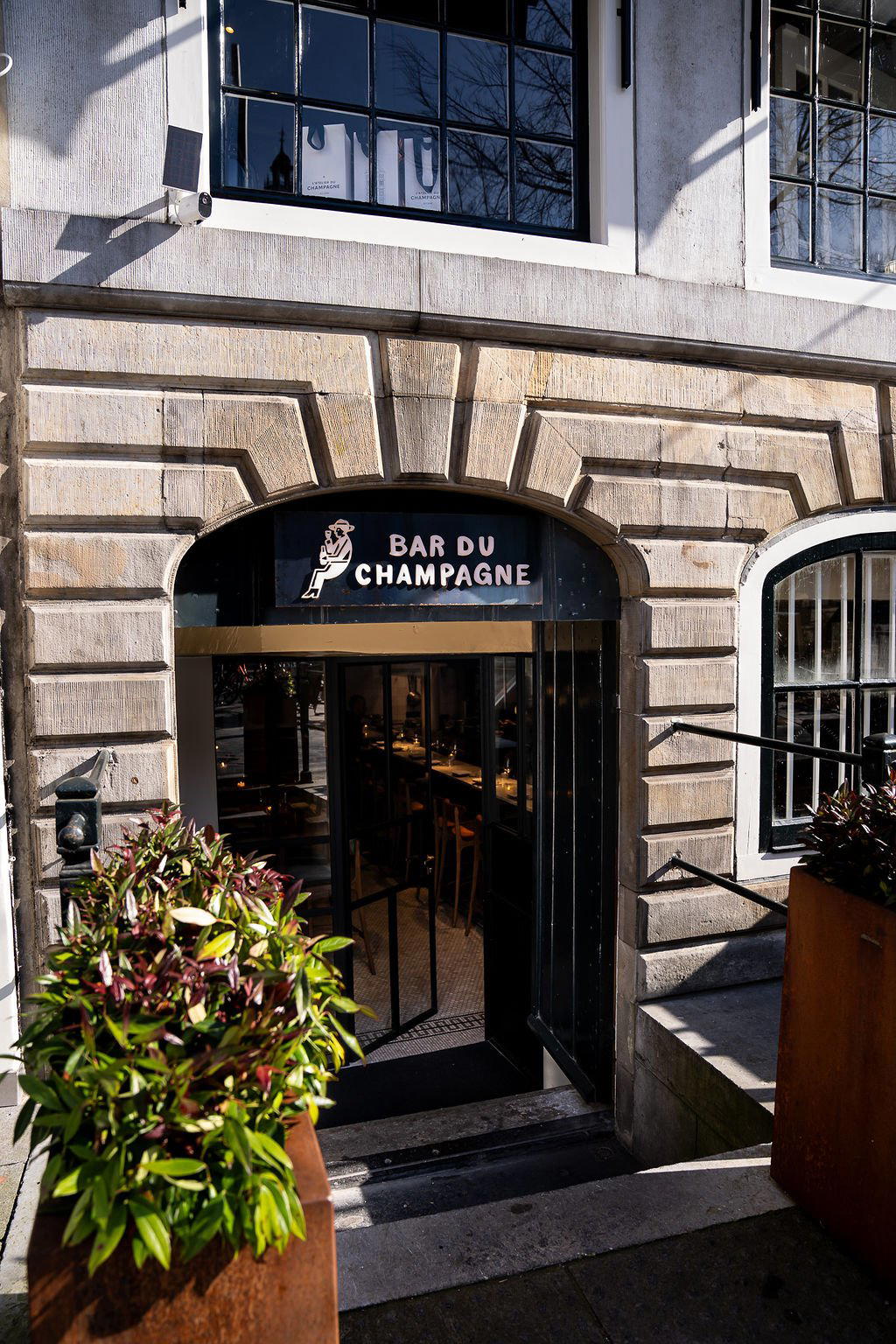
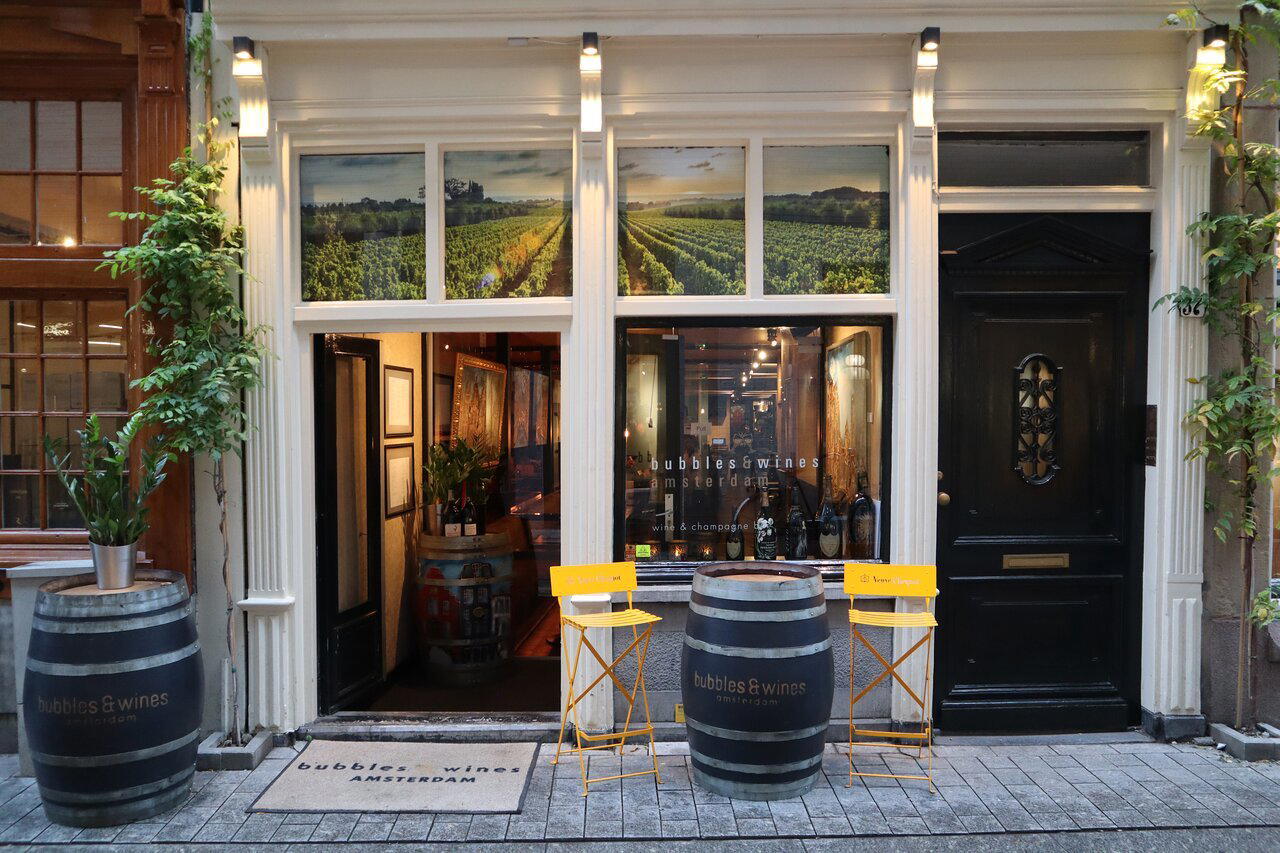
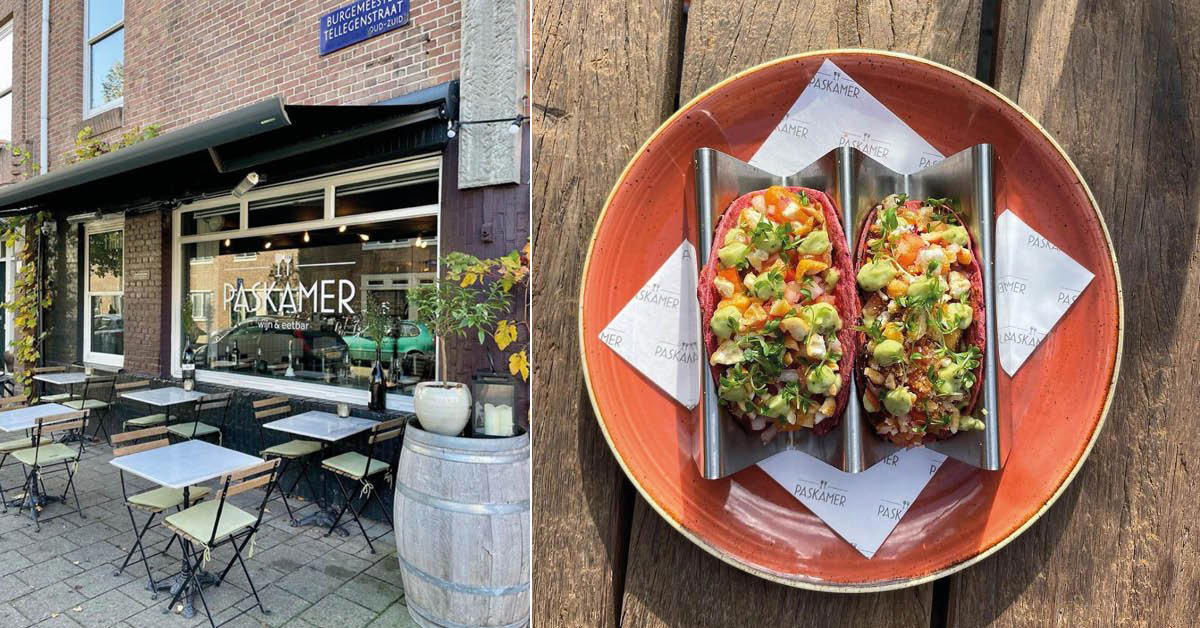
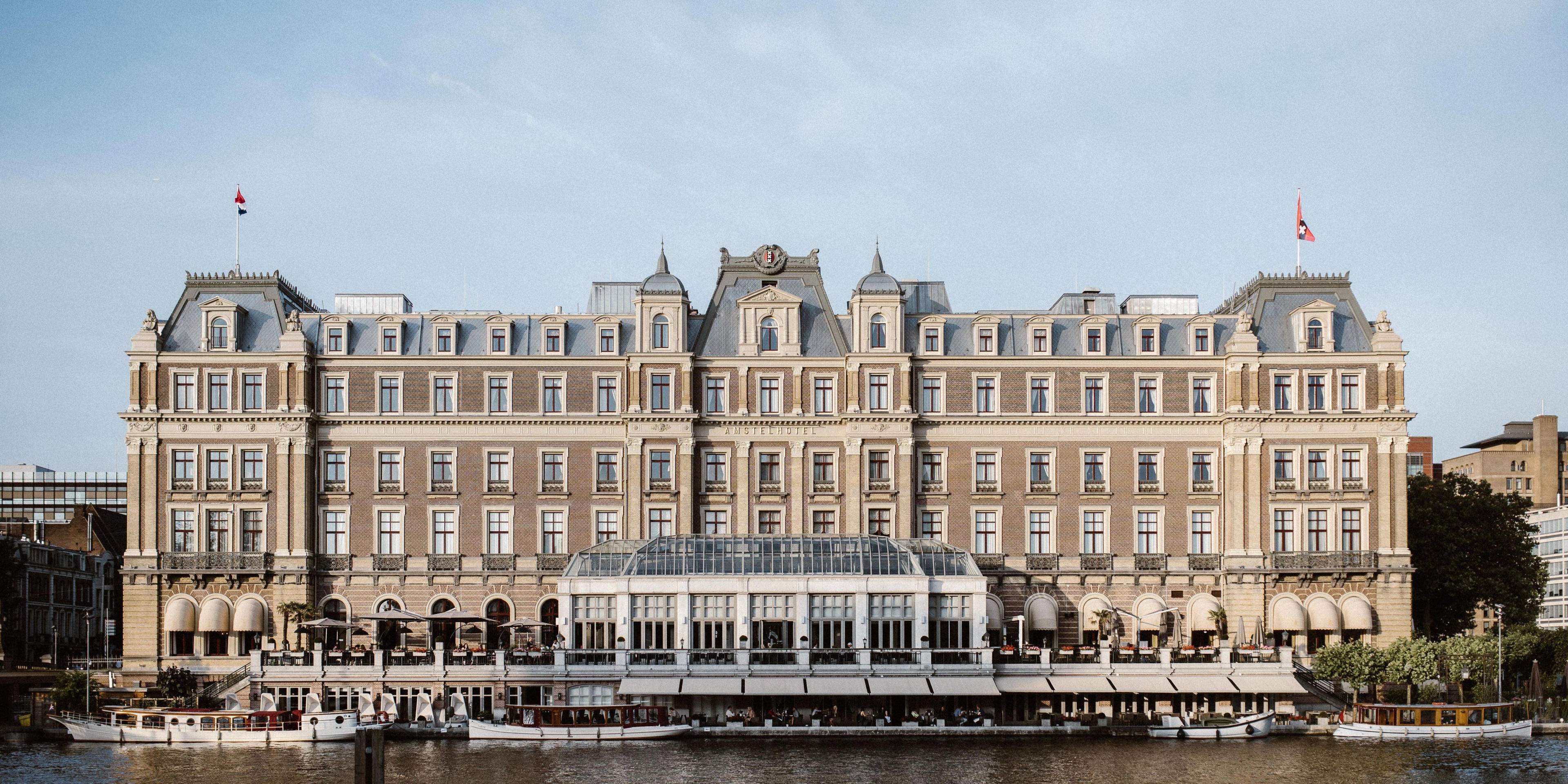
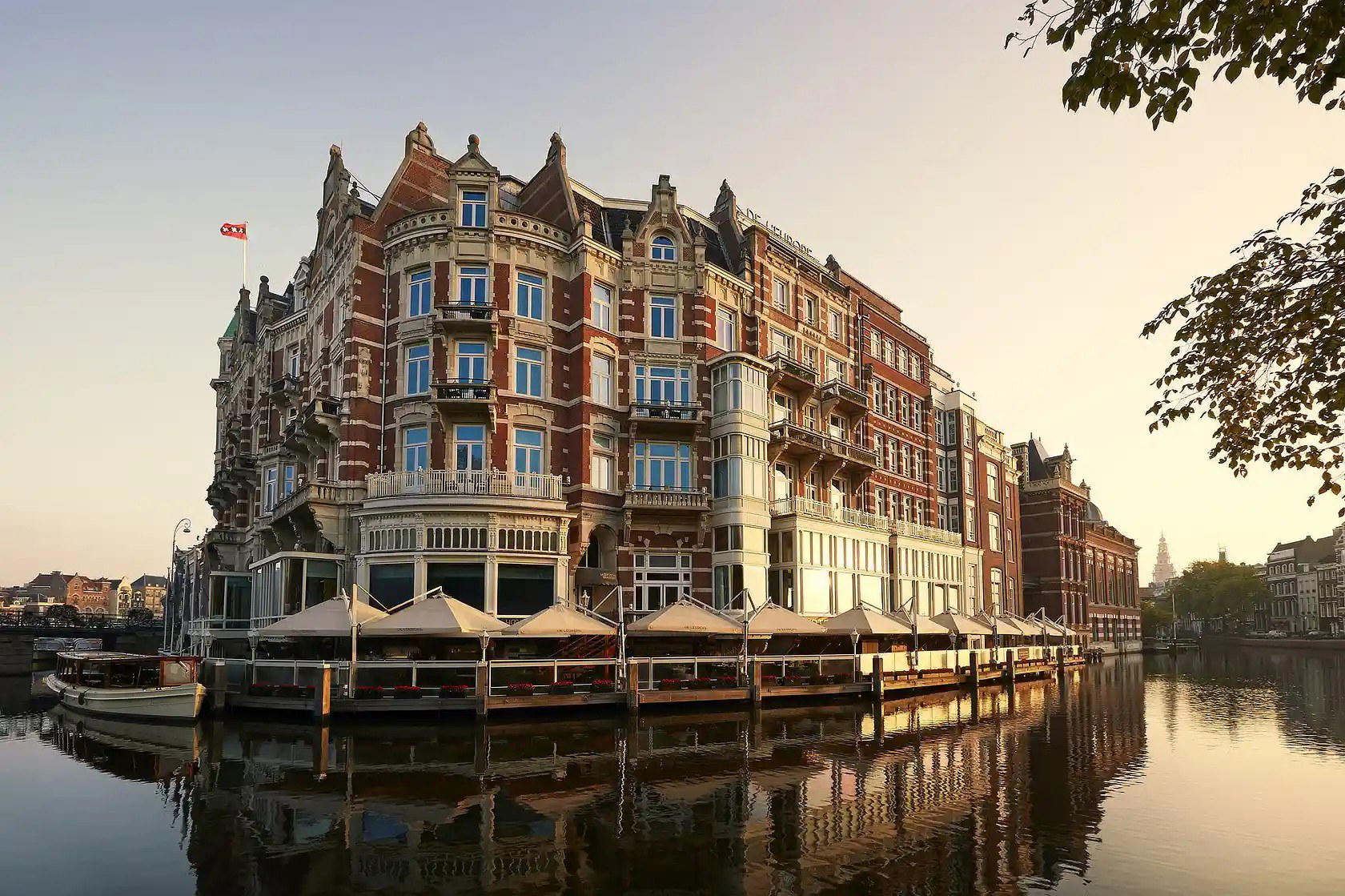
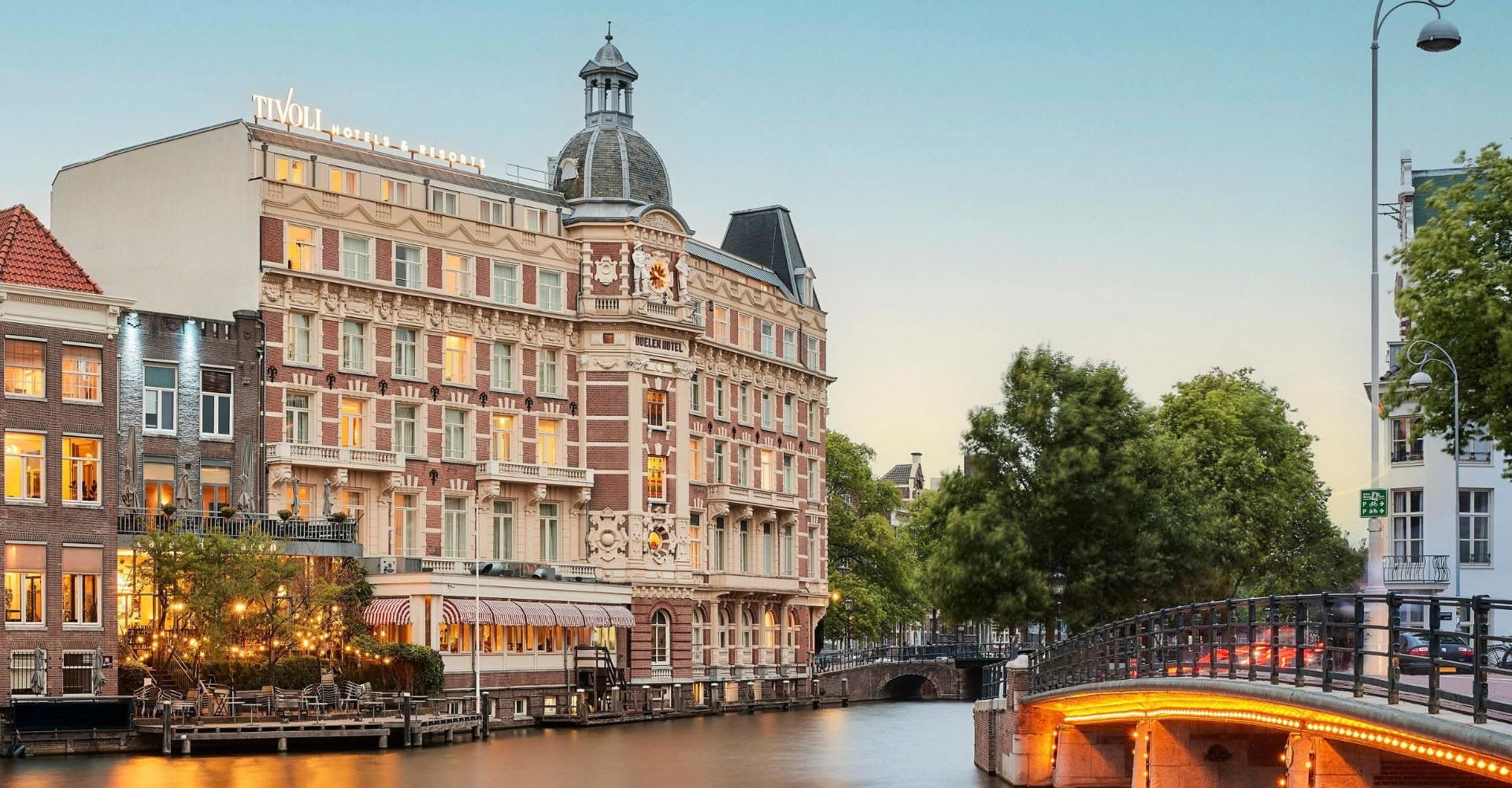
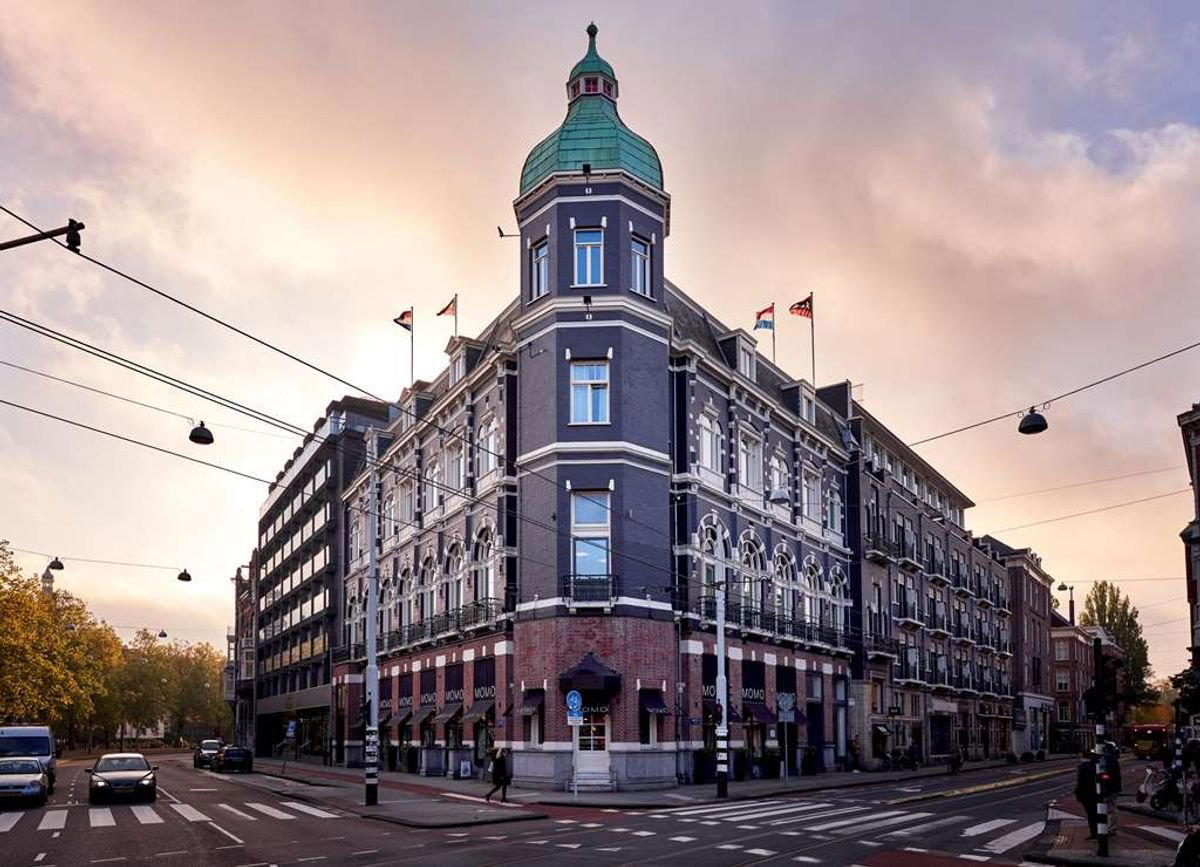
Hotels in Amsterdam
Browse all →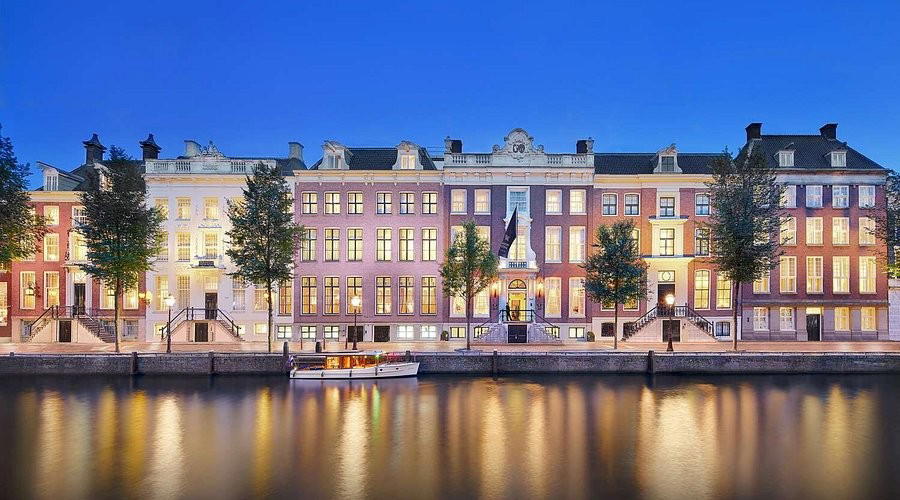
Wineries in Amsterdam
Browse all →
At a Glance
- Cozy
- Intimate
- Classic
- Rustic
- Casual Hangout
- Historic Building
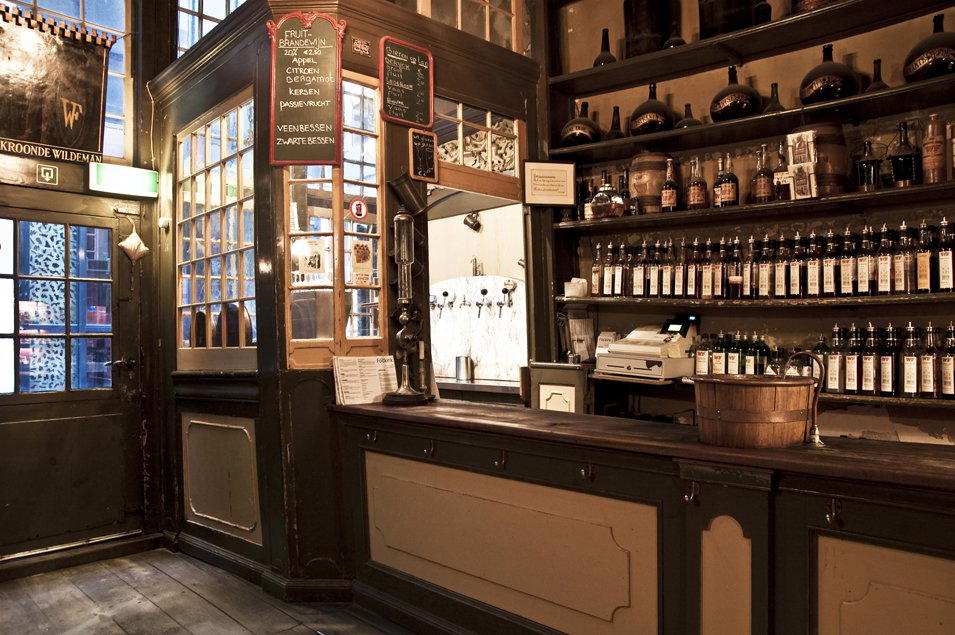
Cozy and welcoming with warm lighting, colorful decor, and a homely atmosphere like dining in a friend's house in Lyon.