Johannes
On the Herengracht, Amsterdam's canal-house dining scene has a quieter, more considered register at Johannes. The address sits within a tier of Dutch fine dining where sustainability and sourcing transparency have become as expected as white linen, and Johannes positions itself accordingly. For tables on the canal, reservations and direct contact via the address at Herengracht 413 are the practical starting point.
Pearl is the En Primeur Club membership app — saves, bookings, and concierge access live there. Same editors, same standards.
- Address
- Herengracht 413, 1017 BP Amsterdam, Netherlands
- Phone
- +31206269503
- Website
- restaurantjohannes.nl
- Directions
- Get directions
 Saves & bookings on Pearl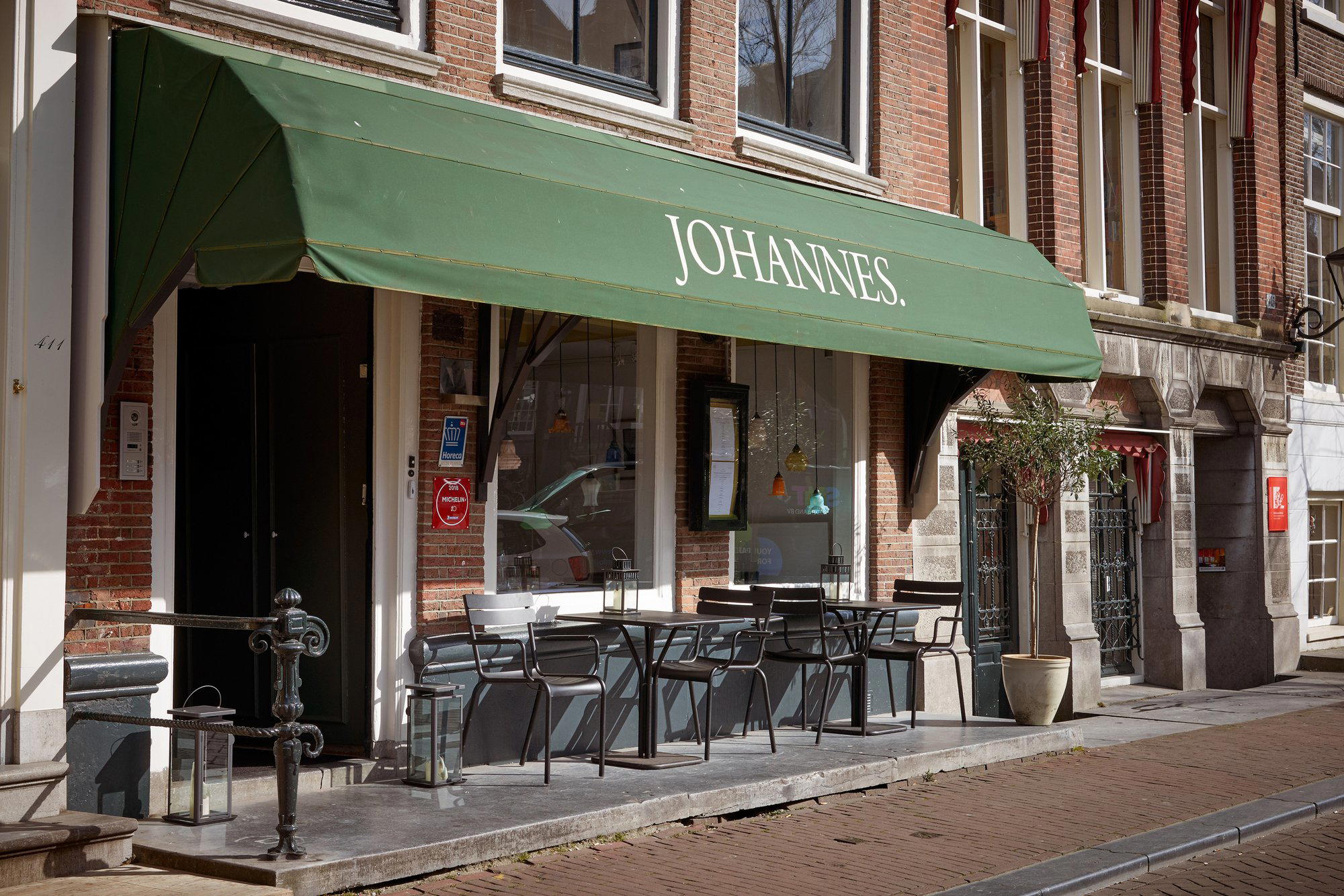
Canal-House Dining and the Ethics of the Plate
Amsterdam's golden-belt canals have always attracted a certain kind of ambition. The Herengracht in particular, with its double-wide canal and patrician facades, draws restaurants that understand theatricality is built into the architecture before a single dish arrives. The canal-house dining format common to this stretch asks guests to climb narrow stairs, move through rooms that were never designed for commercial kitchens, and settle into spaces where the ceiling height and the view of the water do much of the early work. Johannes, a restaurant serving Modern French Fine Dining at Herengracht 413 in Amsterdam, operates inside that tradition.
What has shifted across Amsterdam's fine-dining tier in recent years is the conversation happening behind the scenes, in the sourcing, the waste management, and the relationship between the kitchen and the land or sea that supplies it. Several addresses in the city have moved from sustainability as a selling point toward sustainability as a structural commitment, and that shift has reset expectations across the category. Johannes occupies this evolving space on the Herengracht, where the canal address and the ethical sourcing conversation sit alongside each other rather than in tension.
Where Johannes Sits in the Amsterdam Fine-Dining Tier
Amsterdam's upper dining tier has consolidated around a recognisable set of moves: tasting menus anchored to Dutch seasonal produce, wine lists that include natural and low-intervention producers, and a design sensibility that references craft and local materials. Ciel Bleu at the Hotel Okura operates at the formal, high-altitude end of this bracket, with two Michelin stars and a view over the city that frames every meal. Vinkeles deploys a historic canal-house setting to similar effect. Flore and Spectrum represent the creative contemporary strand, where technical ambition and ingredient sourcing carry roughly equal weight.
Johannes enters this conversation from the canal-house tradition, where the building itself provides a layer of context that more recently built restaurants cannot replicate. The Herengracht address places it in a comparable set defined as much by location as by culinary register, alongside the kind of understated confidence that Amsterdam's most established dining rooms project.
For those building a broader picture of the Dutch fine-dining scene beyond the capital, comparisons extend outward: De Librije in Zwolle and Aan de Poel in Amstelveen represent the regional tier where ingredient provenance has been a central editorial concern for more than a decade. De Nieuwe Winkel in Nijmegen has pushed plant-forward sourcing further than most. The national conversation around responsible sourcing is well established, and Amsterdam addresses are now expected to have a clear position within it.
Sustainability as Structure, Not Signal
The distinction between sustainability as marketing and sustainability as operational structure has become a meaningful line of division in European fine dining. Kitchens that treat it as structure tend to show it in procurement contracts with named farms and fisheries, in waste-reduction systems that go beyond composting, and in menu decisions driven by what is available rather than what sells. This approach requires a different relationship between the kitchen and its supply chain, and it tends to produce a seasonal rhythm that shifts the menu more frequently and less predictably than a fixed tasting format allows.
Across the Netherlands, this structural approach appears most visibly at De Groene Lantaarn in Staphorst and Brut172 in Reijmerstok, where regional sourcing is embedded in the menu format itself. De Bokkedoorns in Overveen has long positioned North Sea fish as a primary sourcing concern. The pattern repeats across the country's starred addresses: once a kitchen commits to provenance transparency, the menu structure tends to follow.
In Amsterdam, the comparison with De Kas is instructive. De Kas operates from a 1926 greenhouse in Frankendael Park, where the distance between growing and cooking is measured in metres rather than kilometres, and where the menu is genuinely dictated by the harvest. That model has influenced how the broader Amsterdam fine-dining market discusses sourcing, raising the implicit standard for what counts as a credible environmental commitment. De Lindehof in Nuenen and De Treeswijkhoeve in Waalre have pursued similar farm-anchored models in the southern provinces.
International reference points also matter for framing the stakes. Le Bernardin in New York City has made sourcing transparency central to its seafood identity for years, while Atomix in New York City demonstrates how ingredient narrative can carry as much weight as technique in a tasting-menu format. The trajectory in premium dining globally has moved toward kitchens that can articulate where their food comes from and why those choices were made.
The Canal Address: Practical Context
Herengracht 413 sits in the central belt of the canal ring, close to the crossing with Leidsestraat and within easy walking distance from the Spiegelkwartier and the Rijksmuseum neighbourhood. Trams on Leidsestraat connect the address to Centraal Station in under ten minutes. The canal-house format at this stretch of the Herengracht typically means a ground-floor entrance opening onto a staircase, with dining rooms distributed across the upper floors and views of the canal from the front-facing rooms.
For those compiling a broader Amsterdam itinerary, Bistro de la Mer provides a lower-key seafood alternative in the same central zone. For day-trip options within a reasonable radius, 't Nonnetje in Harderwijk and De Lindenhof in Giethoorn are both accessible from Amsterdam for those willing to extend beyond the city.
Cost and Credentials
Comparable venues nearby, for context on price, style, and recognition.
| Venue | Price | Notes |
|---|---|---|
| JohannesThis venue — the venue you are viewing | $$$ | Not listed |
| Cafe Americain | $$$ | Leidsebuurt Zuidwest, Modern French Brasserie |
| George W.P.A. | $$$ | Vondelpark Oost, French-New York Brasserie |
| Denc, Dik & Cunningham | $$$ | Amstelveldbuurt, French-Mediterranean with Local Dutch Influences |
| Vertigo | $$ | Vondelparkbuurt Oost, Classic French Bistro |
| De Utrechtsedwarstafel | $$$$ | Amstelveldbuurt, Seasonal French Fine Dining |
Continue exploring
More in Amsterdam
Restaurants in Amsterdam
Browse all →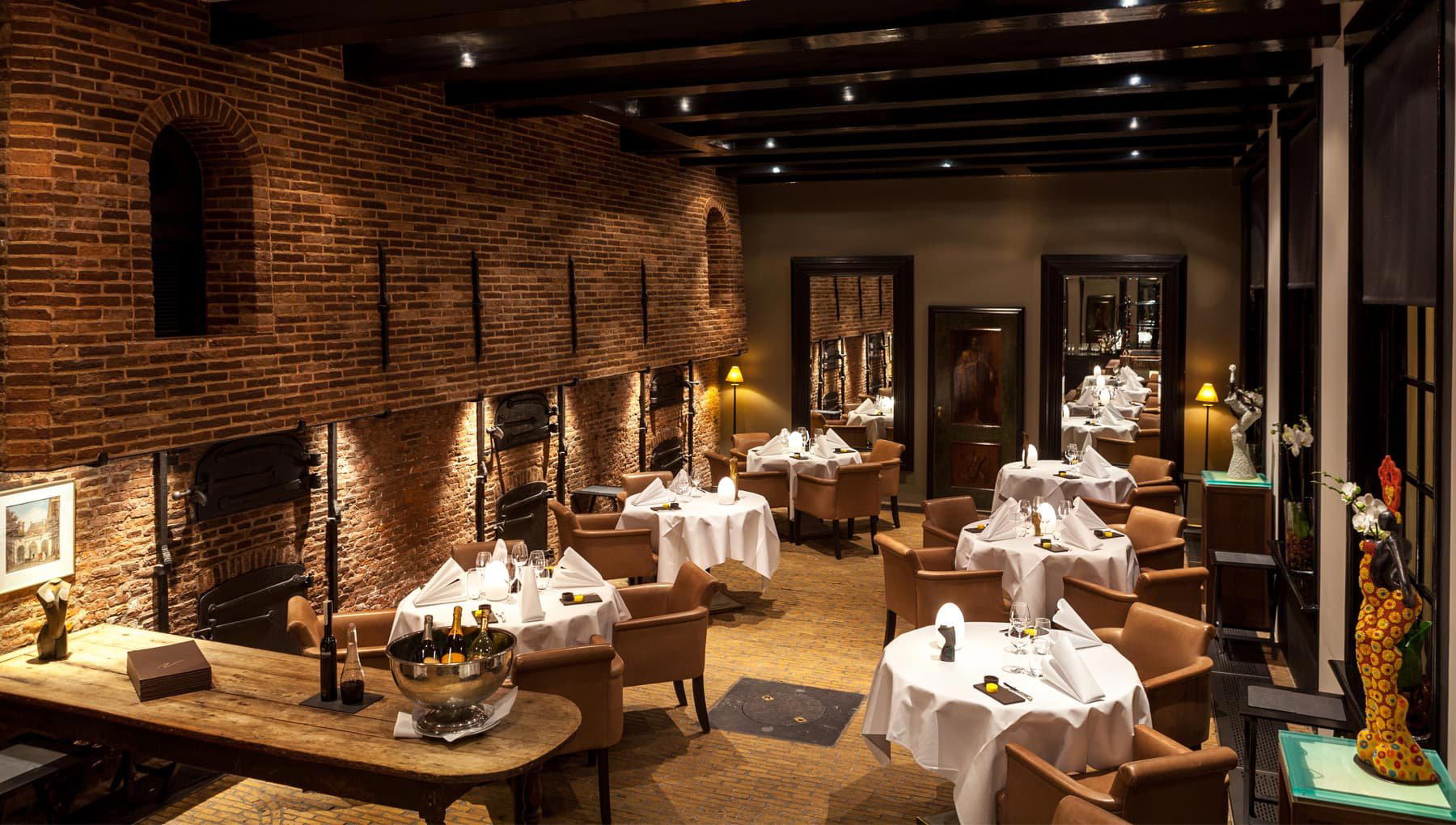
Bars in Amsterdam
Browse all →
Hotels in Amsterdam
Browse all →
Wineries in Amsterdam
Browse all →
At a Glance
- Romantic
- Intimate
- Cozy
- Elegant
- Sophisticated
- Date Night
- Special Occasion
- Celebration
- Extensive Wine List
- Local Sourcing
- Street Scene
- Waterfront
Current opening hours
- Monday
- Closed
- Tuesday
- 6–10 PM
- Wednesday
- 6–10 PM
- Thursday
- 6–10 PM
- Friday
- 6–10 PM
- Saturday
- 6–10 PM
- Sunday
- 6–10 PM
Hours can change for holidays and private events. Last verified .
Cozy candlelit tables creating a warm, romantic, and sophisticated atmosphere.