Café De Ouwehoer
Café De Ouwehoer occupies a corner address in Rotterdam's Feijenoord district, operating as a neighbourhood bar where the kitchen and the drinks list carry equal weight. The format sits within a broader Dutch café tradition that prizes directness over theatre, placing it alongside Rotterdam addresses where a well-kept glass and a plate of bar food are considered inseparable propositions.

Pearl is the En Primeur Club membership app, where members save venues, book tables and use the concierge.
Rotterdam's Brown Café Tradition and Where De Ouwehoer Fits
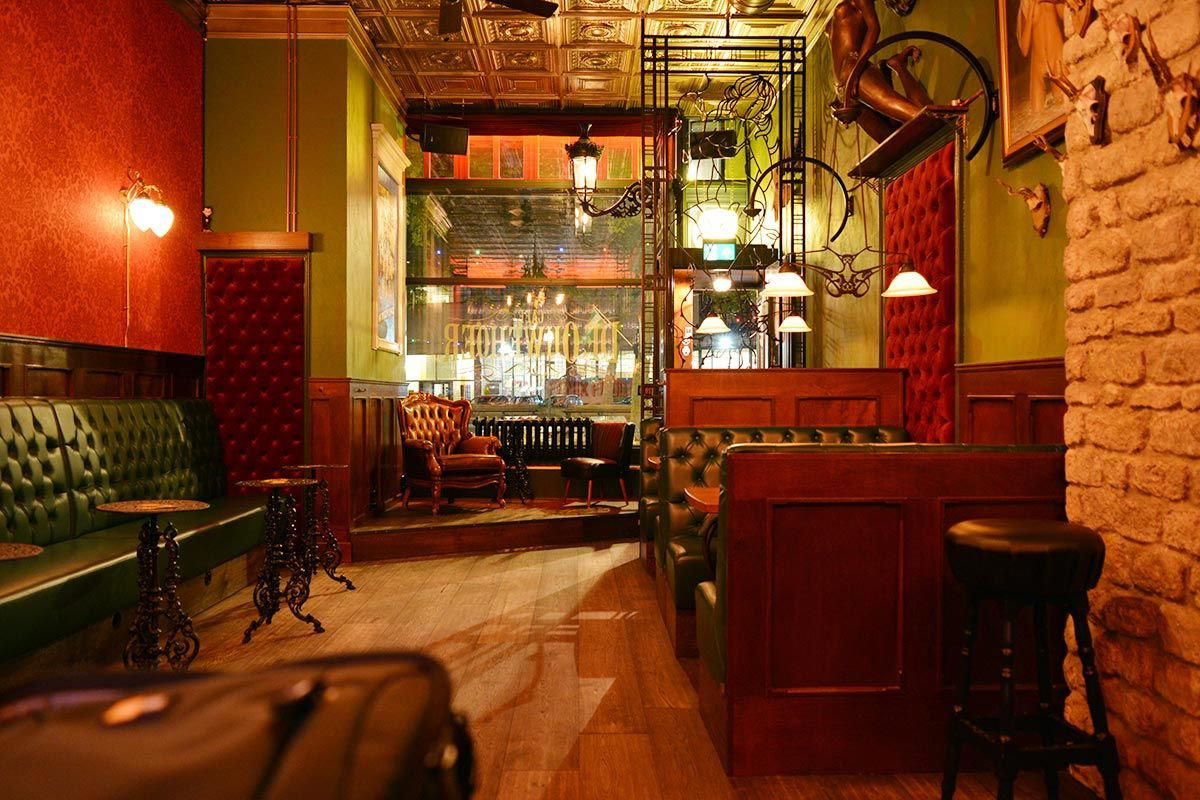
The Dutch bruine kroeg, the brown café, is one of northern Europe's most durable hospitality formats. Dark wood, lived-in furniture, and a counter that functions as both social anchor and service station: the format has survived several waves of cocktail-bar reinvention because it solves a specific problem that more theatrical venues rarely do. It is a place to stay, not to perform. Rotterdam's bar scene has moved, over the past decade, toward a split between polished concept bars and these enduring neighbourhood anchors. Café De Ouwehoer, at Delistraat 36C in the Feijenoord area, sits in the latter category. The address is not in the city's design-forward centre but in a residential quarter where regulars measure a bar's worth in consistency rather than seasonal cocktail menus.
That positioning matters when you read the room on arrival. The exterior signals nothing aspirational. The name itself, roughly translatable as a mild Dutch epithet used affectionately, tells you the register before you step inside. What follows is a bar experience grounded in approachability, where the pairing of food and drink is handled without ceremony but with evident intent.
The Food and Drink Pairing Logic in a Neighbourhood Bar Context
Across Rotterdam's neighbourhood bar tier, the relationship between kitchen output and drinks list is often the deciding factor in whether a bar holds its regulars or loses them to the next address. At the lower end, kitchen output means a bag of crisps beside a pilsner. At the upper end of the neighbourhood format, it means a small plate programme designed to extend a visit and complement the glass in hand. Café De Ouwehoer operates in that latter register.
The food-and-drink pairing logic in Dutch café culture differs from the Spanish bar model or the London gastropub hybrid. There is no ambition to be a restaurant with a bar attached. The kitchen serves the bar, not the other way around. Plates are calibrated to what is already on the table: shareable, not too rich to interfere with a third round, and grounded in the kind of flavours that work across a range of Dutch and Belgian beer styles as much as they do beside a jenever or a glass of wine. This is a format that rewards attention to proportion and seasoning over technical spectacle, and it is a format Rotterdam has historically executed well across a range of neighbourhoods.
For a broader map of how Rotterdam's bar scene distributes across these formats, the full Rotterdam restaurants and bars guide places Café De Ouwehoer within a wider picture that includes addresses like Botanero, Cafe Kiem, Biergarten, and 't Ouwe Bruggetje, each of which represents a distinct position in the city's neighbourhood drinking culture.
The Feijenoord Setting: What the Neighbourhood Tells You
Feijenoord is a district defined less by gastro-tourism than by its function as a working residential area south of the Maas. Bars here are measured by their relationship to the street, not by their presence in international rankings. That context shapes what De Ouwehoer is and what it is not. A bar in this location does not draw visitors primarily from outside the postal code; it draws from the immediate neighbourhood and from the city's south side more broadly, where a different value system applies to what makes a bar worth returning to.
This dynamic is not unique to Rotterdam. Neighbourhood bars in cities like Utrecht, where Florin Utrecht operates in a comparable register, and The Hague, where Bowie anchors a residential neighbourhood scene, face the same pressure: maintain local loyalty while remaining discoverable to visitors who seek out the city's less-curated addresses. In Delft, Brasserie Lalou navigates a similar balance between neighbourhood function and broader appeal.
For visitors arriving from outside Rotterdam, the Delistraat address is reachable by metro to Feijenoord or by tram from the city centre, a journey of roughly fifteen minutes from Rotterdam Centraal. The bar is a walk-in format rather than a reservation destination; arriving without a booking is the expected approach for a venue of this type and scale.
Seasonal Rhythms and When to Visit
Autumn and winter are the seasons when the brown café format performs at its highest register. The combination of low light, a closed door against the wind, and a bar running at capacity produces exactly the atmosphere the format was built for. Summer, by contrast, pushes Rotterdam's neighbourhood bars toward terraces and outdoor drinking, and the character of a venue like De Ouwehoer shifts accordingly. If the pairing of bar food and drink in a settled indoor environment is what you are seeking, the period from October through March gives you the fullest version of what the format offers.
The broader Dutch bar scene follows this seasonal rhythm consistently. Venues like Café Barolo in Eindhoven and Boode Foodbar in Bathmen each express a version of this seasonality, where the kitchen's output and the drinks selection respond to what the season demands rather than operating on a fixed year-round programme.
Peer Comparisons Beyond the Netherlands
Amsterdam's cocktail scene, represented at its technical end by Door 74, operates on a different axis entirely: the food-and-drink pairing there is subordinate to the drink programme rather than parallel to it. The Rotterdam neighbourhood format inverts that priority, at least nominally, placing equal weight on what arrives from the kitchen and what is poured at the bar. Internationally, Bar Leather Apron in Honolulu represents a format where bar food and cocktail programme are deliberately co-designed, though at a level of technical investment and price point considerably above what Rotterdam's neighbourhood tier sustains.
Comparison is useful precisely because it highlights what the neighbourhood bar format is not trying to be. That is a choice, and in Rotterdam's south side, it is the right one.
Planning Your Visit
Café De Ouwehoer is located at Delistraat 36C, 3072 ZL Rotterdam. The venue operates as a walk-in neighbourhood bar; no advance reservation is needed or typically expected. For visitors combining it with other addresses on Rotterdam's south side, it pairs logically with a broader evening in Feijenoord rather than as a standalone destination from the city centre. Current hours, phone contact, and any updates to the format are best confirmed through the venue directly on arrival or through local listings, as this information was not available at the time of publication.
Peers Worth Knowing
Comparable venues nearby, for context on price, style, and recognition.
| Venue | Cuisine | Price | Notes |
|---|---|---|---|
| Café De OuwehoerThis venue (the venue you are viewing) | pub | $20–30 | Not listed |
| Tiki's | tiki_bar | Not listed | Cool |
| Café De Ooievaar🍺 | pub | $10–20 | Delfshaven |
| RAAF Rotterdam | Bar | Not listed | Tarwewijk |
| Cafe Kiem | Bar | Not listed | Provenierswijk |
| Dr. Rotterdam | speakeasy | $20–30 | Cool |
Continue exploring
More in Rotterdam
Bars in Rotterdam
All bars in Rotterdam →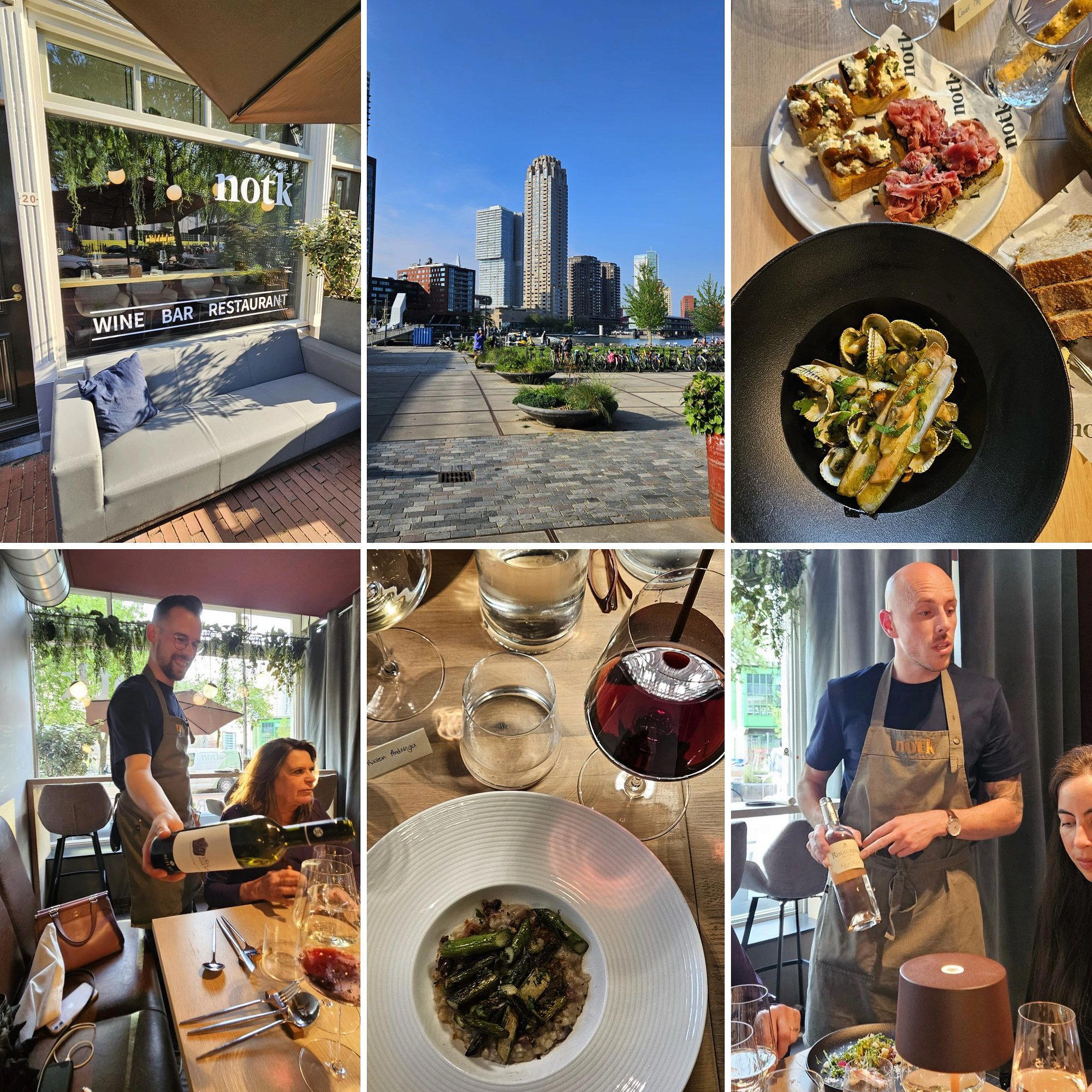
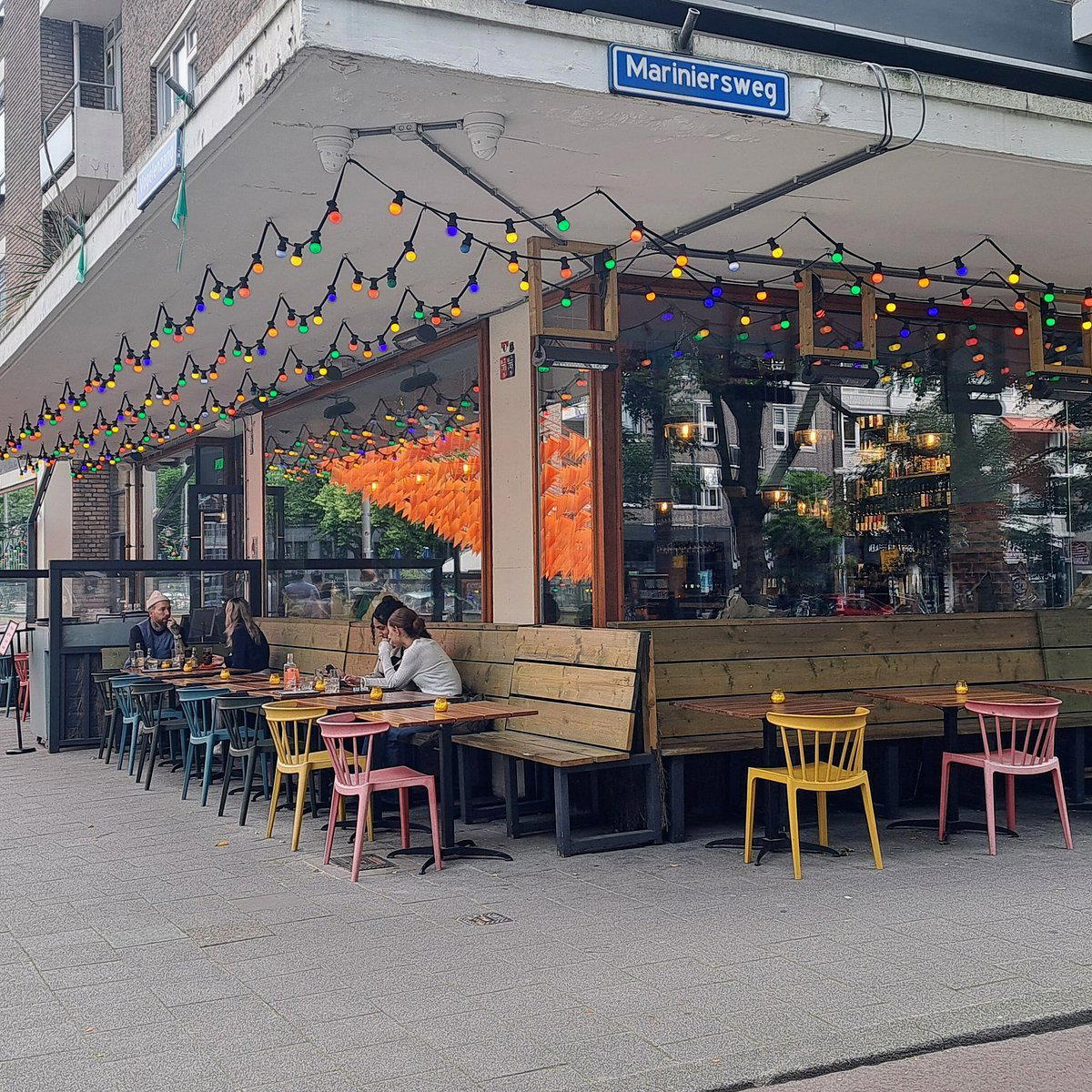
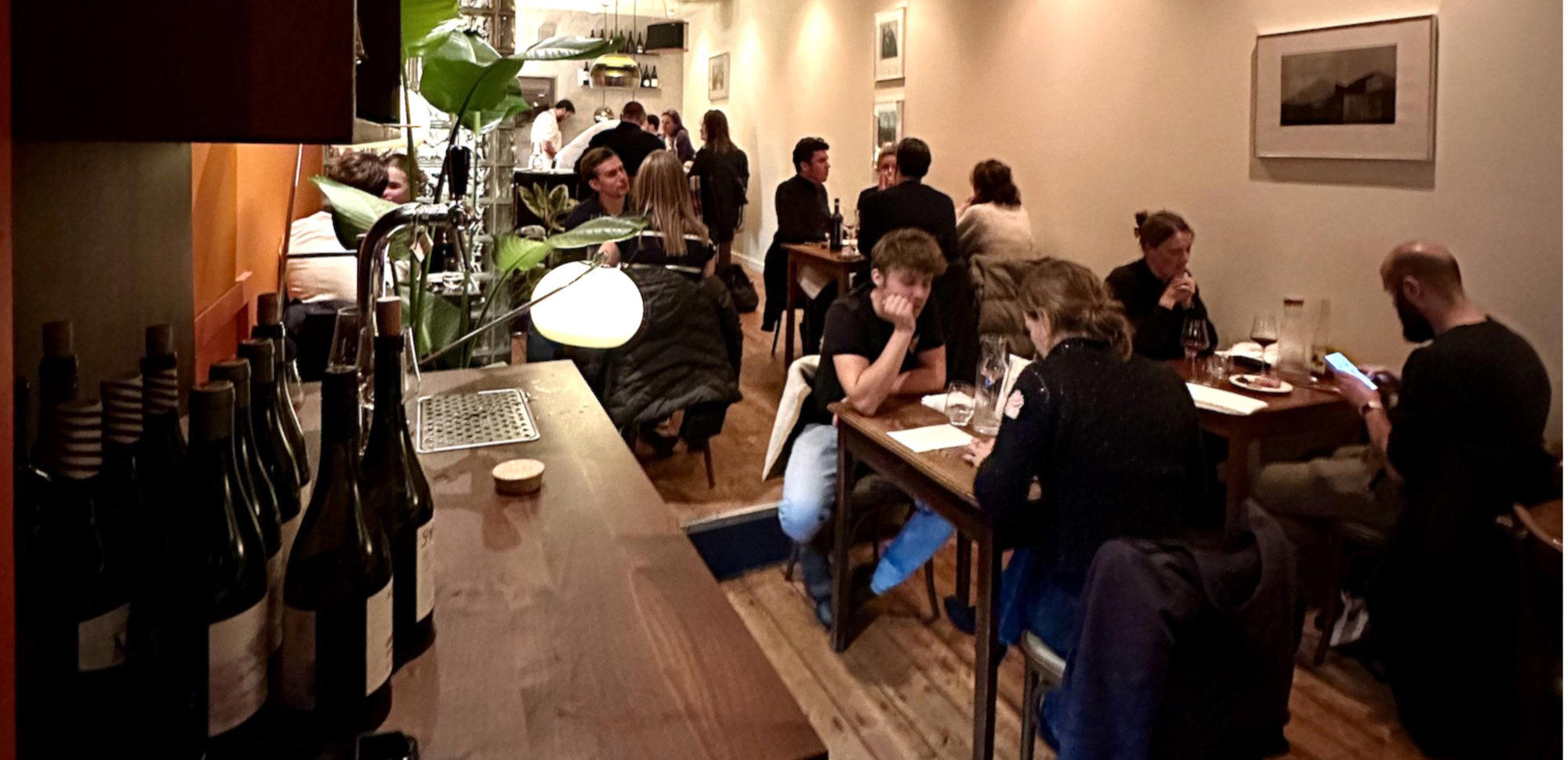
Restaurants in Rotterdam
All restaurants in Rotterdam →
Hotels in Rotterdam
All hotels in Rotterdam →
Wineries in Rotterdam
Browse all →
Details
- Cozy
- Lively
- Rustic
- Casual Hangout
- After Work
- Standalone
- Seated Bar
- Whiskey
Current opening hours
- Monday
- Closed
- Tuesday
- 3 PM–12 AM
- Wednesday
- 3 PM–12 AM
- Thursday
- 3 PM–12 AM
- Friday
- 3 PM–2 AM
- Saturday
- 2 PM–2 AM
- Sunday
- 2 PM–12 AM
Hours can change for holidays and private events. Hours as of .
Cozy and inviting with old-style decoration, rock and roll music, vinyl-heavy soundtrack, and a lively community atmosphere.