Café De Ooievaar🍺
Café De Ooievaar is a neighbourhood bar on Havenstraat in Rotterdam's Delfshaven-adjacent west, where the crowd skews local and the atmosphere owes more to worn-in comfort than any designed concept. It occupies the kind of address where regulars arrive without checking hours and conversations outlast closing time. For visitors oriented toward Rotterdam's bar scene rather than its tourist circuit, it sits worth knowing.

Pearl is the En Primeur Club membership app, where members save venues, book tables and use the concierge.
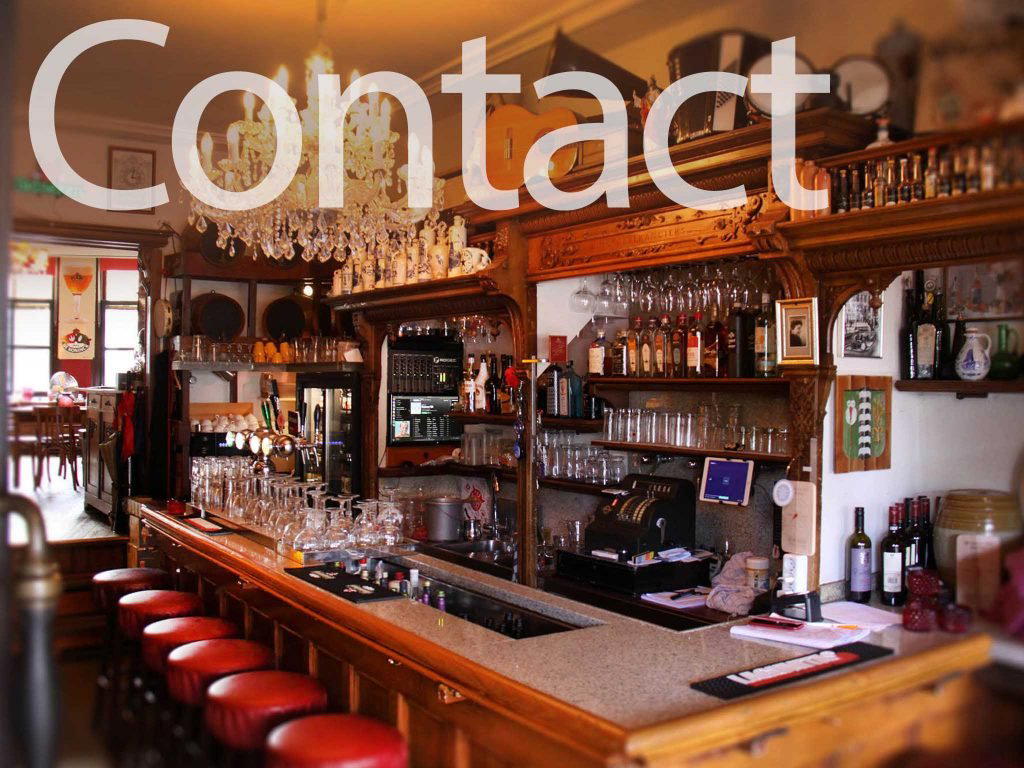
The Bar as Neighbourhood Fixture
Rotterdam's bar scene divides fairly cleanly between the concept-driven venues that populate the city centre and the Wijnhaven canal strip, and the quieter, more function-led spots that hold their ground in residential pockets to the west and south. Café De Ooievaar, on Havenstraat 11B in the 3024 SE postal district, belongs to the second category. This is a part of the city where cafés exist to serve the immediate community rather than to draw visitors from elsewhere, and where the measure of a good bar is longevity and reliability rather than a drinks programme with a thesis statement.
That distinction matters more in Rotterdam than in most Dutch cities. Amsterdam's brown café tradition is well documented and well touristed; Rotterdam's equivalent is more dispersed, less curated, and largely indifferent to outside attention. The bars that persist here do so because they anchor something local. Café De Ooievaar sits on a street where the built environment still reflects the city's post-war pragmatism: low-rise, utilitarian, without the preserved canal-house façades that frame so many Amsterdam drinking establishments. The café is part of that fabric rather than in contrast to it.
What the Address Tells You
Havenstraat runs through a part of Rotterdam that sits between the better-known draws of Delfshaven to the north and the quieter residential streets that stretch toward the Nieuwe Maas waterfront. It is not a bar-crawl corridor. A venue at this address is not competing for passing trade from tourists with a short list of stops. The regulars at Café De Ooievaar are, in all likelihood, people who live or work within a ten-minute radius, and the bar's role in the neighbourhood is that of a consistent gathering point rather than a destination.
This is the kind of café that Dutch urban culture has historically been good at producing and that is increasingly difficult to sustain as rents follow development pressure into previously unglamorous districts. The fact that Café De Ooievaar holds its position on Havenstraat says something about the relative stability of this part of the city and about the community demand that keeps a neighbourhood bar viable without the support of a recognisable brand or a social media presence.
Rotterdam's Neighbourhood Bar Tradition in Context
Across Rotterdam's western districts, a handful of bars operate on similar terms. Botanero and Biergarten operate in the same city but with a different orientation, each carrying more of a programmatic identity.
The distinction is not a quality judgment. Amsterdam has venues like Door 74 in Amsterdam that have built international reputations on technical cocktail programmes, while elsewhere in the Netherlands, bars like Florin Utrecht in Utrecht and Bowie in The Hague operate with varying degrees of concept and ambition. Brasserie Lalou in Delft and Café Barolo in Eindhoven each anchor their respective cities' bar scenes with distinct formats. Even further afield, venues like Bar Leather Apron in Honolulu demonstrate how bar identity can be shaped by a specific community relationship rather than by awards recognition alone. Café De Ooievaar sits at the local-anchor end of that spectrum, which is a specific and legitimate position to occupy.
The Experience on the Ground
Without fabricating sensory details that aren't in the record, what can be said with confidence is that bars of this type in Rotterdam's western districts tend to follow a consistent register: draft beer as the primary draw, a space that prioritises seating over standing, lighting that favours warmth over visibility, and a noise level that allows conversation. The ooievaar, the stork, is Rotterdam's civic symbol, and the name roots the café explicitly in local identity rather than in any imported aesthetic. That choice of name is itself an editorial statement about the bar's orientation.
Visitors arriving from outside the neighbourhood should adjust expectations accordingly. This is not the stop on a Rotterdam itinerary that competes with the city's more polished food and drink addresses. It is, instead, the kind of place that rewards those who want to understand how a city actually drinks rather than how it presents itself to the outside world. Those two things are often different, and the gap between them is worth closing.
Planning a Visit
Havenstraat 11B places the café in Rotterdam's 3024 SE district, accessible from the city centre by tram or bicycle along routes that track the Nieuwe Maas waterfront westward. Arriving on a weekday evening is likely to give a clearer read on the bar's regular character than a Friday or Saturday, when even neighbourhood bars in this part of Rotterdam absorb some overspill from busier parts of the city. For a fuller picture of where Café De Ooievaar sits within Rotterdam's wider drinking and eating scene, the full Rotterdam restaurants guide provides broader context. Those interested in comparable community-rooted bar formats in the broader Netherlands might also consider Boode Foodbar in Bathmen as a point of comparison for how local-anchor hospitality operates outside major urban centres.
Continue exploring
More in Rotterdam
Bars in Rotterdam
All bars in Rotterdam →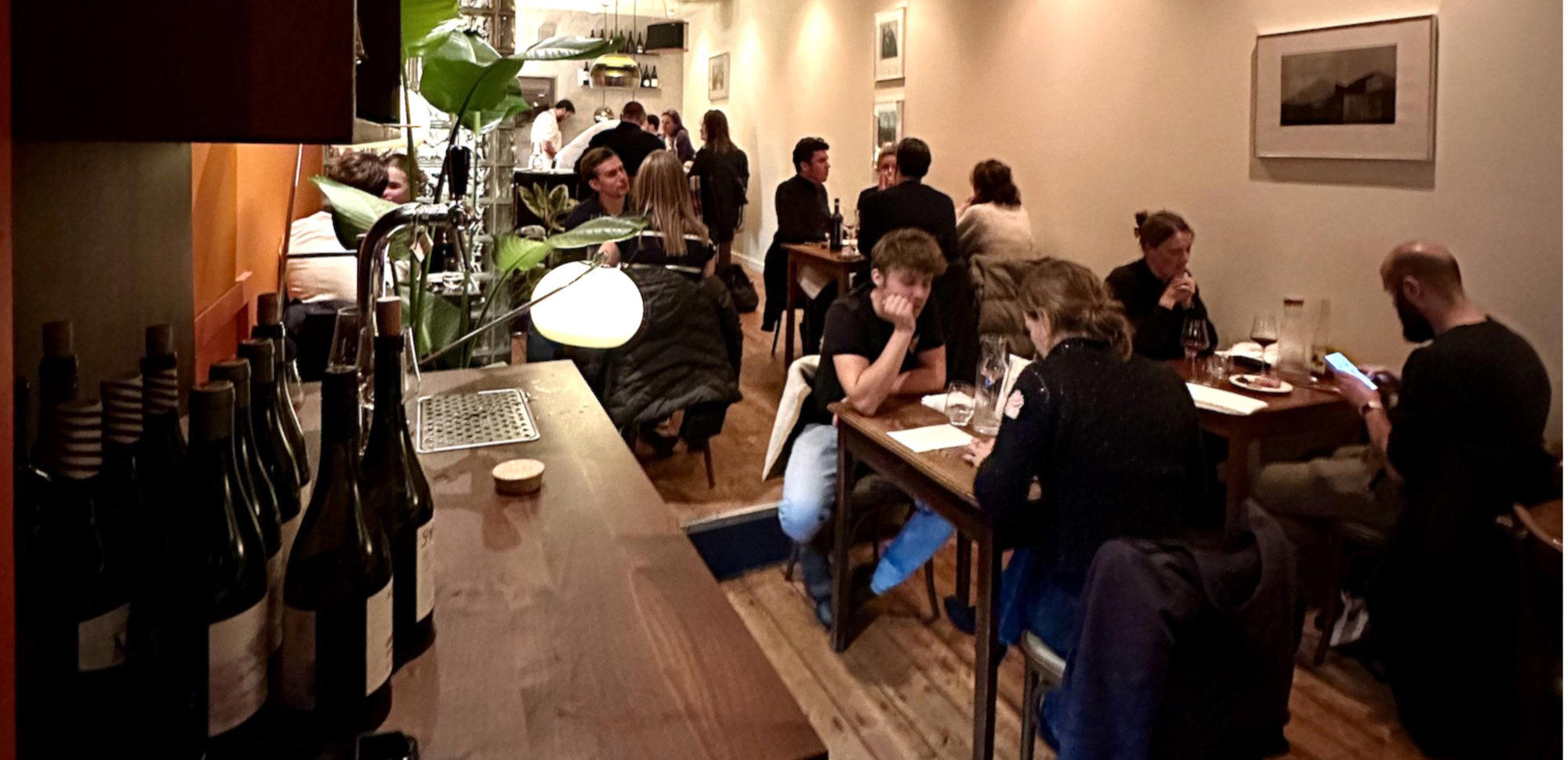
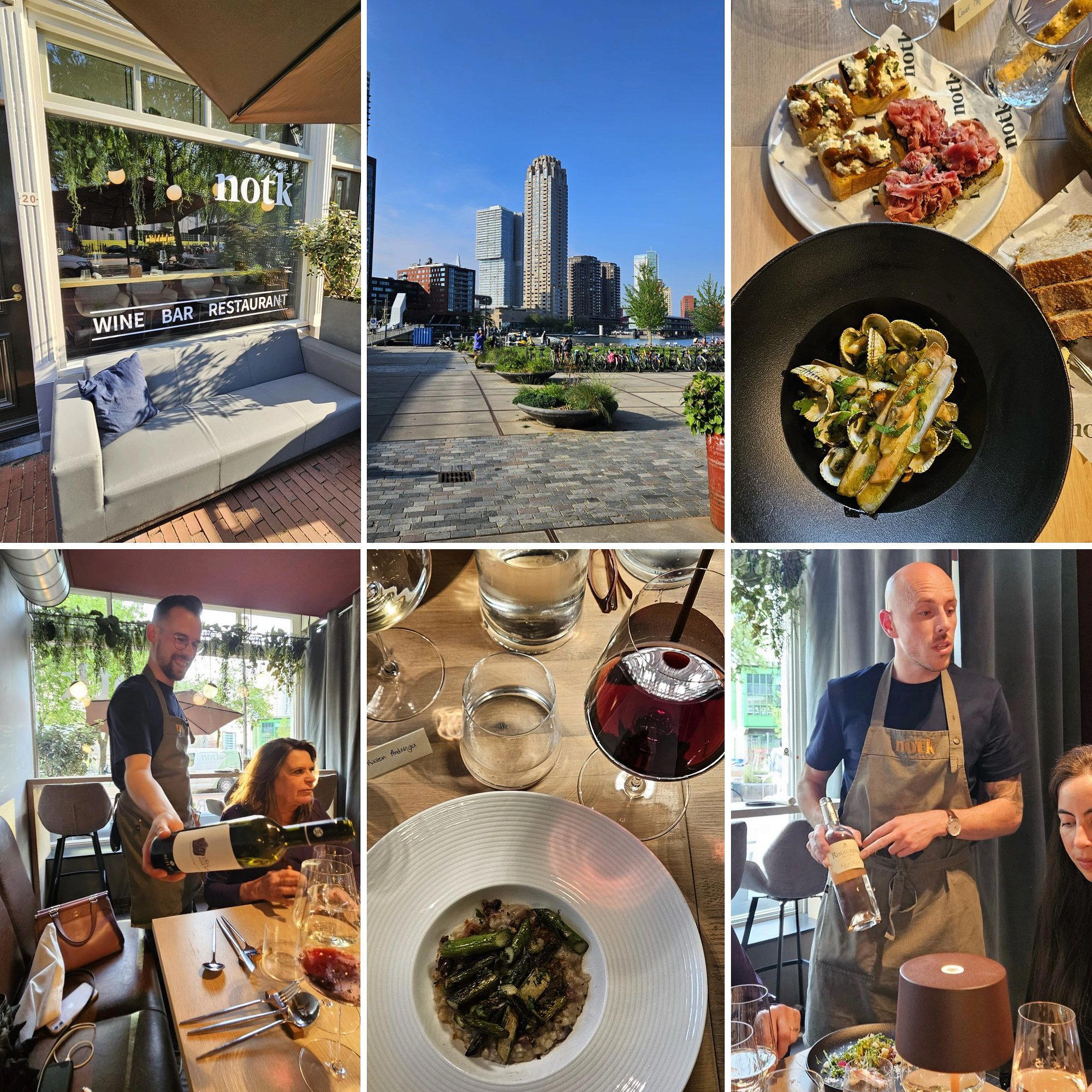
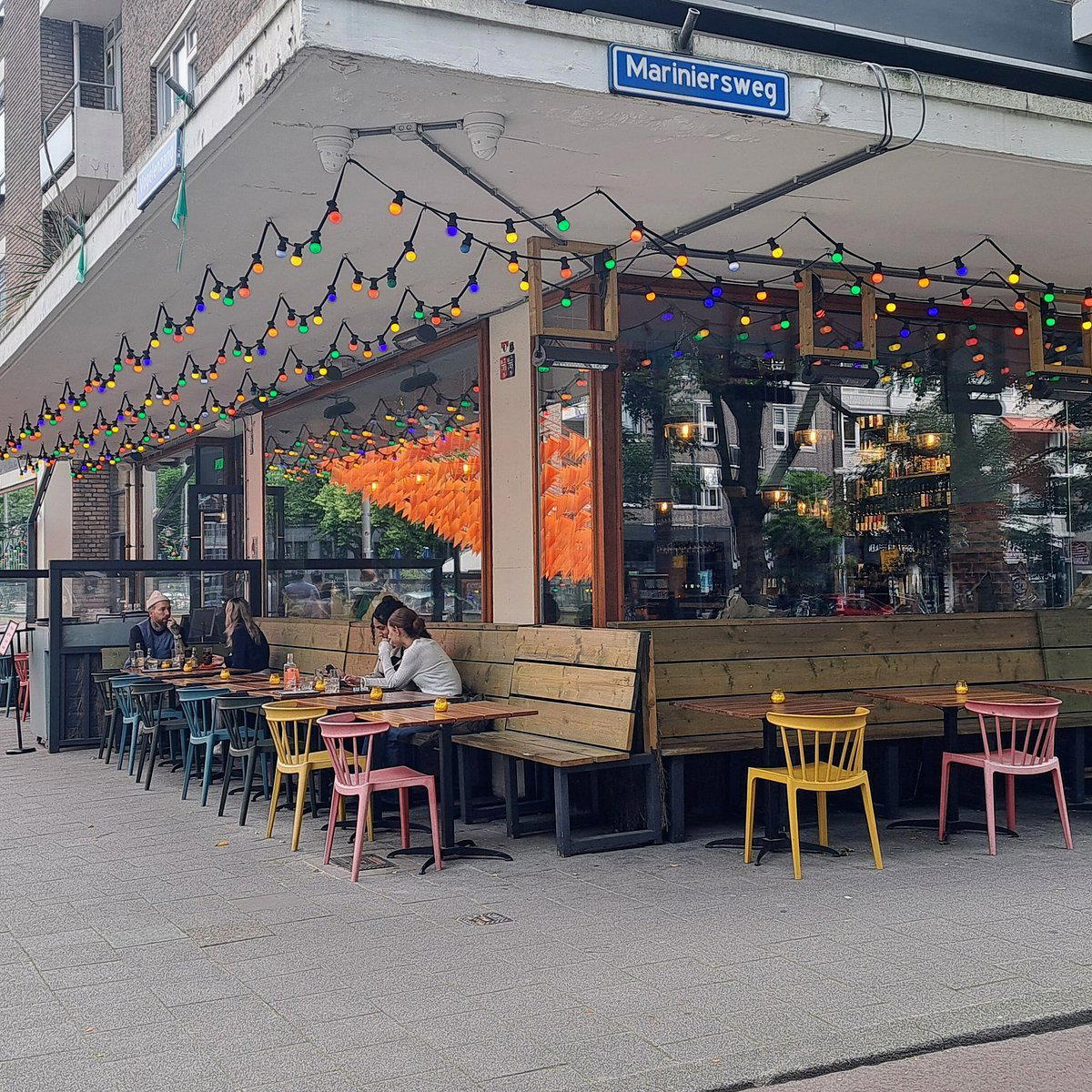
Restaurants in Rotterdam
All restaurants in Rotterdam →
Hotels in Rotterdam
All hotels in Rotterdam →
Wineries in Rotterdam
Browse all →
Details
- Cozy
- Classic
- Lively
- Casual Hangout
- After Work
- Historic Building
- Seated Bar
- Craft Beer
- Street Scene
Current opening hours
- Monday
- Closed
- Tuesday
- Closed
- Wednesday
- 12 PM–1 AM
- Thursday
- 12 PM–1 AM
- Friday
- 12 PM–2 AM
- Saturday
- 12 PM–2 AM
- Sunday
- 12–11 PM
Hours can change for holidays and private events. Hours as of .
Charming and cozy with a traditional atmosphere in the old part of town.