Fenix Food Factory
The format puts local sourcing at the centre of the experience, with vendors drawing ingredients from Dutch farms, regional roasters, and small-batch producers. It is one of the city's most concentrated expressions of the post-industrial food hall model.

Pearl is the En Primeur Club membership app, where members save venues, book tables and use the concierge.
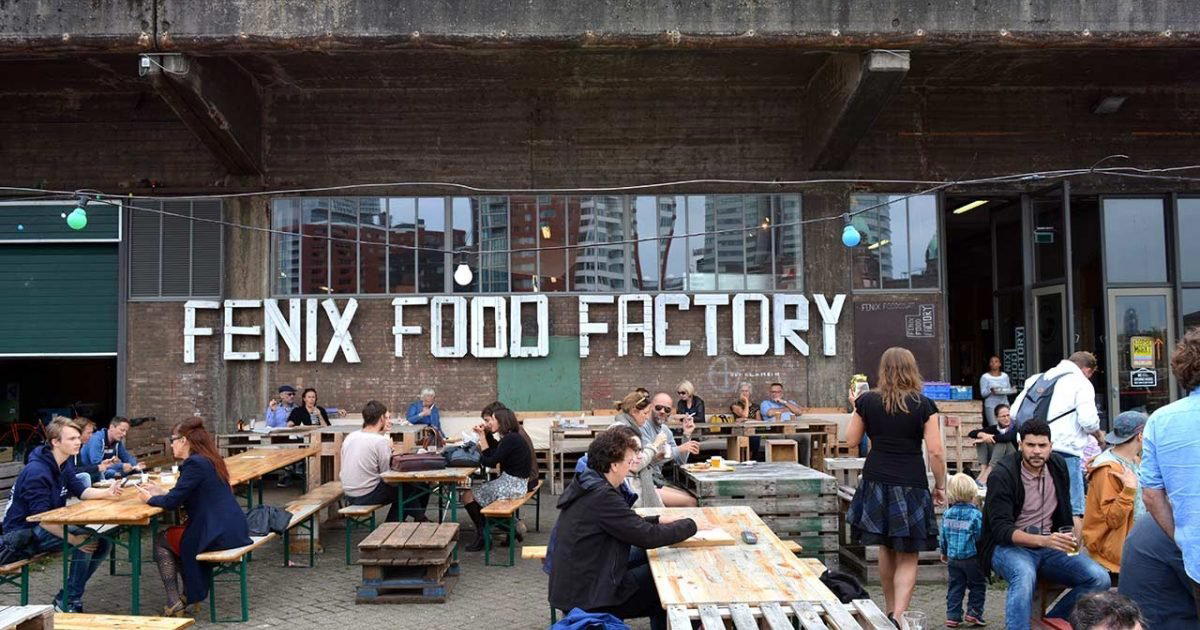
Where the Maas Meets the Market Floor
The approach to Fenix Food Factory sets the tone before you step inside. The warehouse itself is a long, high-ceilinged industrial shed, its bones unchanged from the days when Katendrecht was a working dockland. That physical context is not incidental: the building's scale and its position on the water determine the way the market operates, how vendors arrange themselves, how natural light falls across the stalls in the afternoon, and how the crowd spills from indoor counters toward the riverside on warmer days.
Food halls of this type have multiplied across European cities since the early 2010s, but the format they represent is not monolithic. At one end sits the tourist-facing covered market, heavy on spectacle and souvenir cheeses. At the other sits the producer-led food hall, where the vendors are the makers, the sourcing is transparent, and the draw is the product rather than the architecture. Fenix Food Factory belongs to the second category, and that distinction shapes everything from what you eat to how long you tend to stay.
A Platform for Dutch Producers
The editorial logic of Fenix is ingredient sourcing made visible. In most restaurant contexts, the chain between producer and plate is compressed and invisible: you read a menu note about a farm, but the farm is not present. Here, that chain shortens considerably. The vendors operating inside the factory are typically producers themselves, or operators with close, named relationships to the farms, roasters, breweries, and dairies supplying their counters. For a visitor, that transparency changes the register of the transaction. You are not ordering from a kitchen that may or may not care where its cream comes from. You are, in many cases, buying directly from the person who made or sourced the thing you are about to eat.
This model has particular resonance in the Dutch context. Markets like Fenix create a distribution channel for that second tier: the raw-milk cheese maker, the craft brewer working with heritage grain, the coffee roaster sourcing single-origin lots. The peninsula sat largely dormant and underinvested for decades after its dockland function declined.
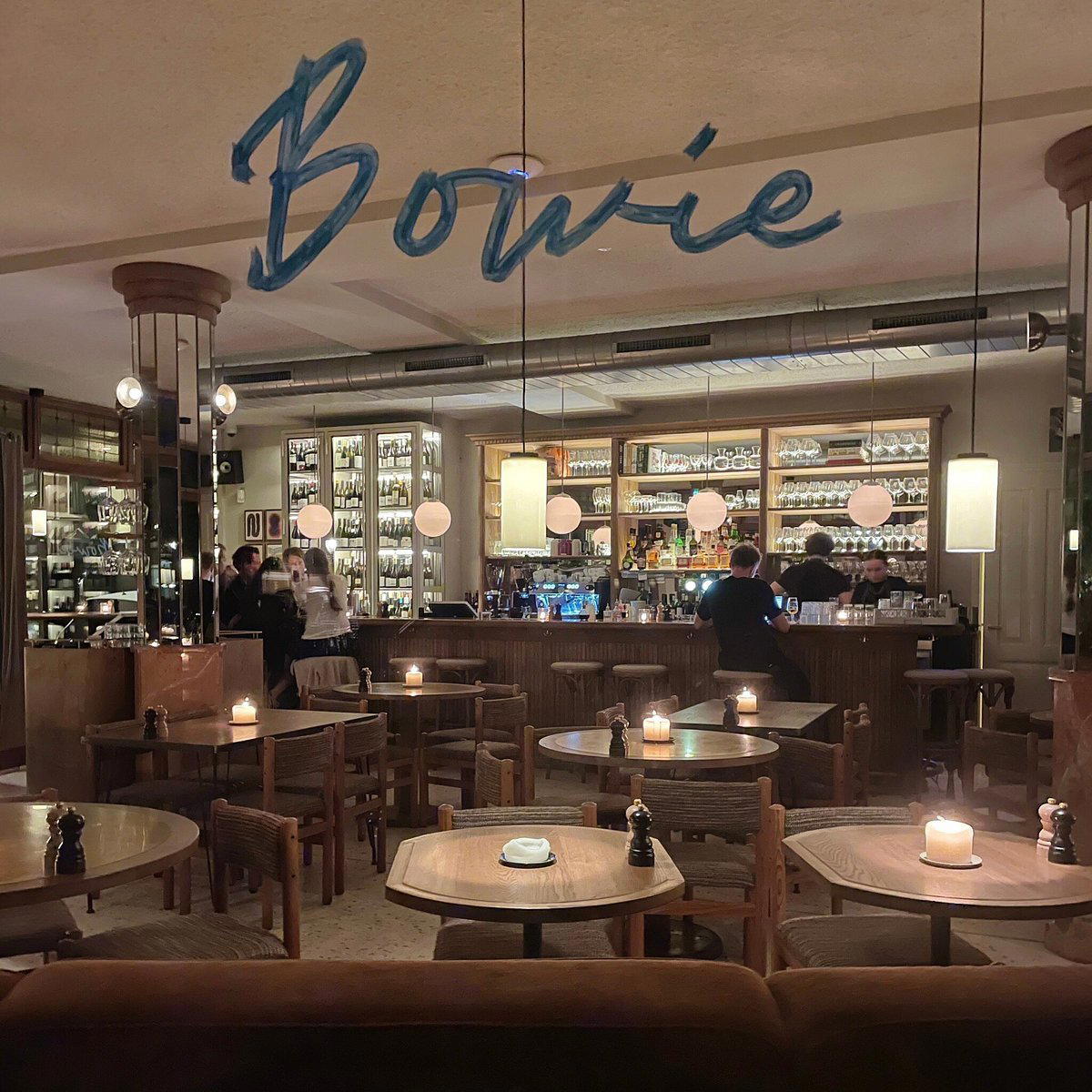
For drinking before or after Fenix, Katendrecht and the surrounding waterfront have options worth knowing. 't Ouwe Bruggetje is among the more established local bar fixtures in the area. Door 74 in Amsterdam demonstrate. Utrecht has its own distinct drinking culture, represented by places like Florin Utrecht. Further afield, Bowie in The Hague and Brasserie Lalou in Delft sit in the same regional network of independent operators that Fenix connects to at the producer level.enprimeurclub.com/bars/boode-foodbar-bathmen-bar">Boode Foodbar in Bathmen, Café Barolo in Eindhoven, and even internationally at Bar Leather Apron in Honolulu each illustrate how independent operators build distinct identities within broader food and drink scenes.
Planning Your Visit
Fenix Food Factory operates as a collective rather than a single restaurant, which affects how you should approach it. Katendrecht is accessible by water taxi from the city centre, a crossing that takes minutes and deposits you at the peninsula's edge, which is the more interesting arrival route if conditions allow.
Because the format is multi-vendor, there is no single booking requirement in the conventional sense. Individual vendors may have their own queues or counter systems, and weekend afternoons draw larger crowds than weekday lunchtimes. If you are visiting primarily to eat rather than browse, arriving earlier in the day gives you more space and more direct conversation with the producers at their counters. The Saturday market format draws the fullest range of vendors and the highest foot traffic, so the choice between atmosphere and ease depends on what you are after.
Continue exploring
More in Rotterdam
Bars in Rotterdam
All bars in Rotterdam →
Restaurants in Rotterdam
All restaurants in Rotterdam →
Hotels in Rotterdam
All hotels in Rotterdam →
Wineries in Rotterdam
Browse all →
Details
- Lively
- Trendy
- Industrial
- Cozy
- Casual Hangout
- After Work
- Group Outing
- Waterfront
- Terrace
- Live Music
- Outdoor Terrace
- Communal Tables
- Seated Bar
- Craft Beer
- Waterfront
Current opening hours
- Monday
- Closed
- Tuesday
- 11 AM–10 PM
- Wednesday
- 11 AM–10 PM
- Thursday
- 11 AM–10 PM
- Friday
- 11 AM–11 PM
- Saturday
- 11 AM–11 PM
- Sunday
- 11 AM–8 PM
Hours can change for holidays and private events. Hours as of .
Relaxed and energetic atmosphere with a hip, industrial vibe, lively terrace overlooking the river.