Our verdict
Sylvain Suty serves traditional French bistro cooking with an extensive wine list and a terrace, suited to lunch or dinner in a conversational setting.

Pearl is the En Primeur Club membership app, where members save venues, book tables and use the concierge.
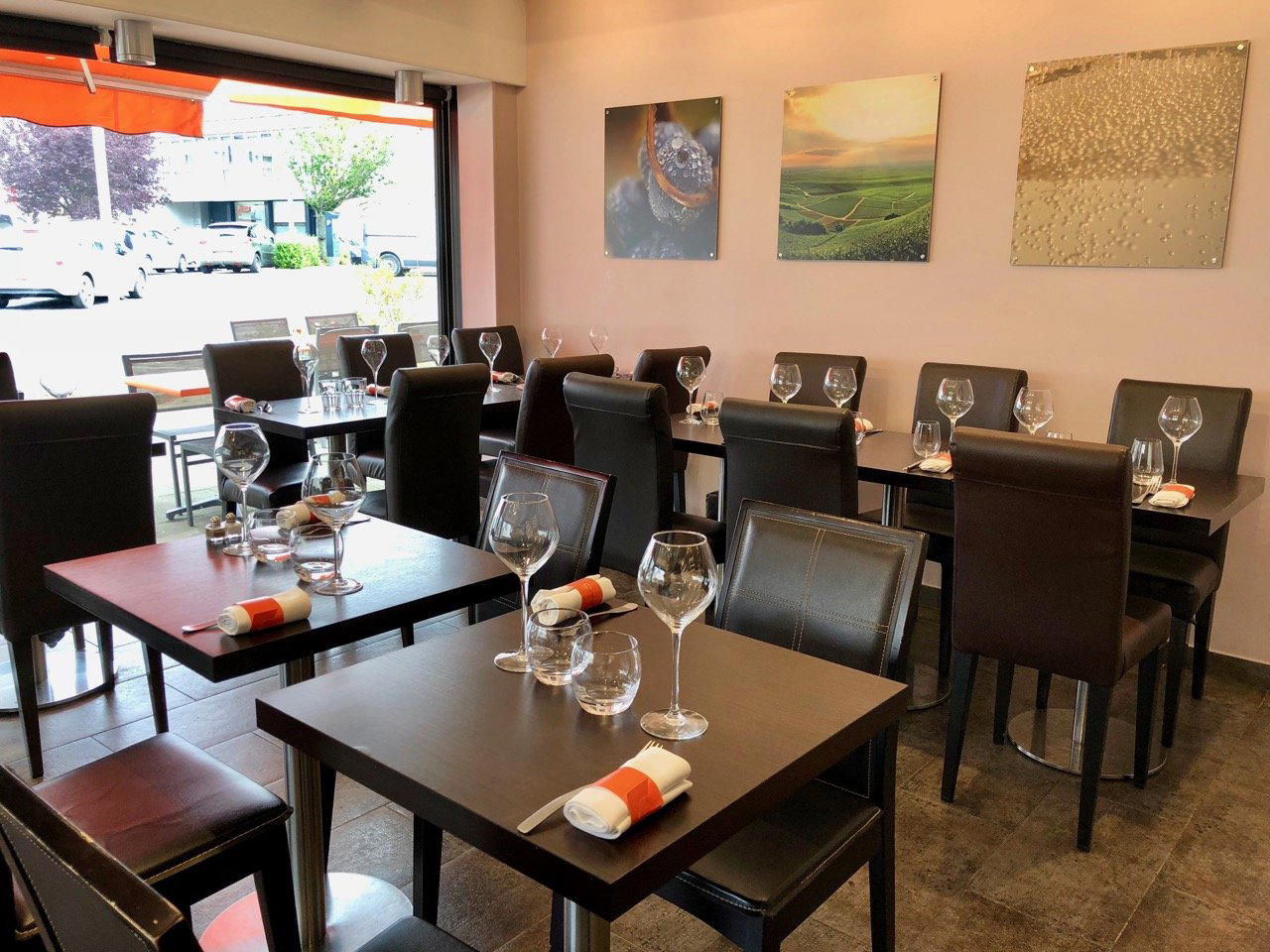
Where Champagne Country Meets the Table
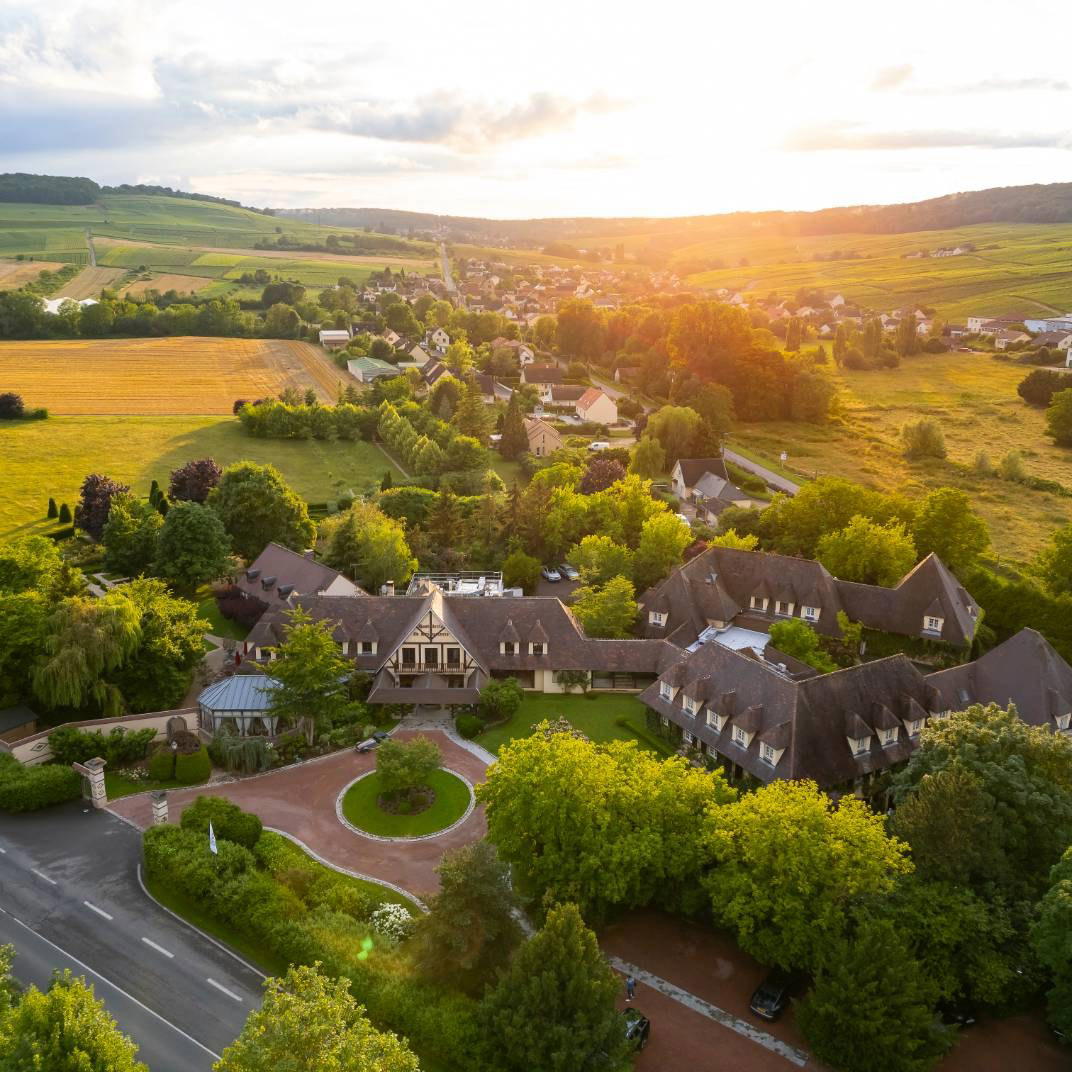
Place de Luxembourg sits at the quiet civic heart of Dormans, a small Marne town on the Champagne wine route roughly midway between Épernay and Château-Thierry. The square has the unhurried character typical of provincial France east of Paris: a stone war memorial, a few parked cars, plane trees casting dappled shade across the pavement. It is in this setting, far from the destination-restaurant circuit that draws visitors to Assiette Champenoise in Reims, that Sylvain Suty operates. The address alone signals something about the proposition: this is a neighbourhood restaurant in the fullest sense, drawing its logic from the land and community around it rather than from metropolitan ambition.
Dormans itself is the kind of town that larger dining guides skip past on the way to Épernay's grand houses or Reims's cathedral-adjacent tables. That is, in part, what makes a restaurant like Sylvain Suty worth understanding on its own terms. Provincial French dining at this level occupies a different register from the three-star theatre of Alléno Paris au Pavillon Ledoyen or the altitude-driven creativity of Flocons de Sel in Megève. The reference points here are local: the Marne valley's agricultural rhythm, the proximity of working vineyards, and a French tradition of the serious town restaurant that has anchored community life for generations.
The Ingredient Logic of the Champagne Belt
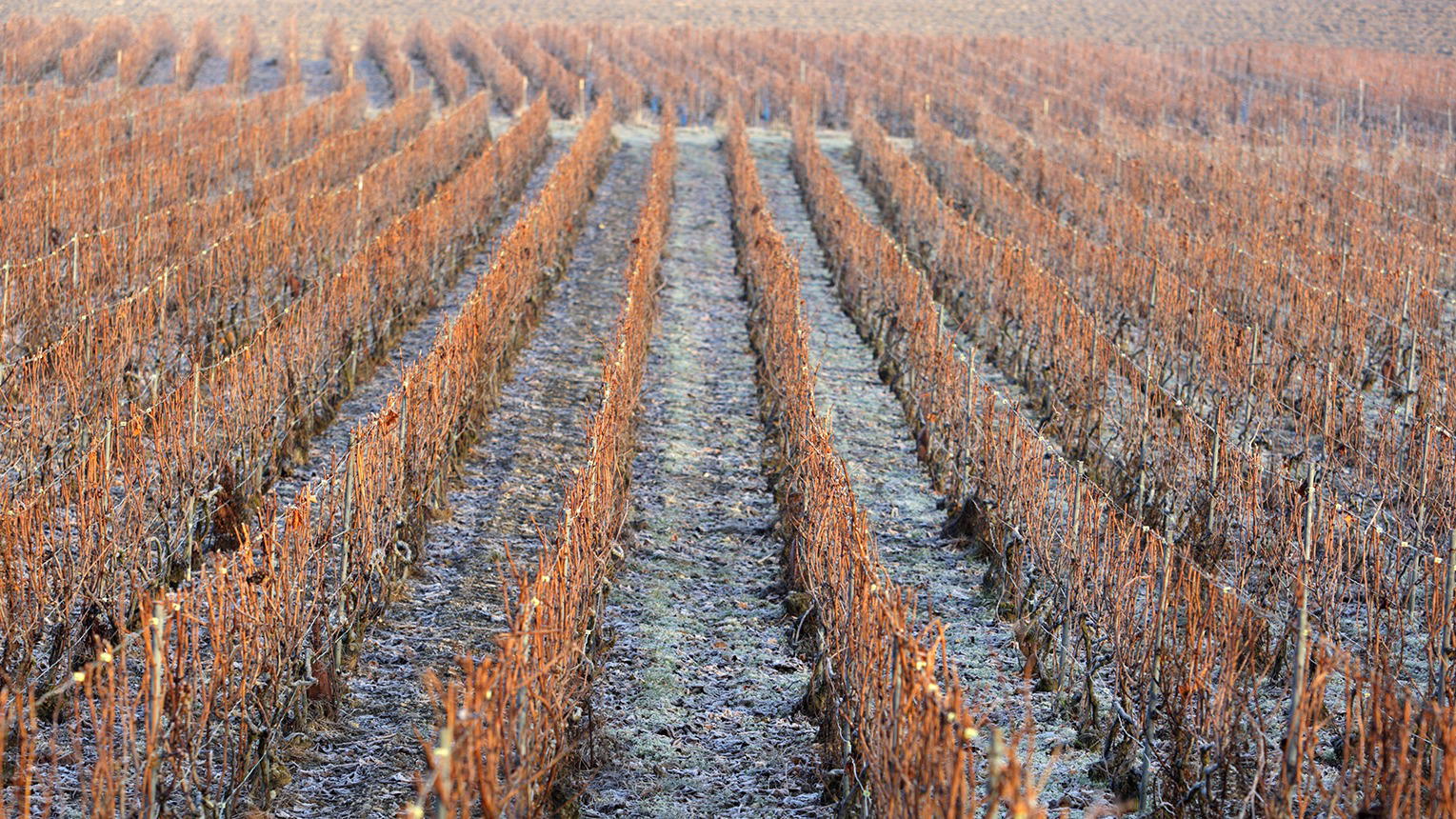
The Champagne region's culinary identity is shaped as much by what grows alongside the vines as by what ferments in the bottles. The Marne valley floor, wide and river-flat, supports vegetable cultivation, cereal farming, and livestock. The hillside villages above Dormans are devoted almost entirely to Pinot Meunier, the grape that dominates this western stretch of the appellation, leaving the valley to supply the kitchen rather than the cellar. This agricultural adjacency defines how serious cooks in the region have always worked: produce sourced within a short radius, supplemented where necessary by the broader Champagne larder of freshwater fish from the Marne, game from the surrounding forests, and the region's mustards and cheeses.
In French provincial cooking, the sourcing argument is often more honest than in metropolitan fine dining, where provenance claims can become marketing. A restaurant rooted in a town like Dormans depends on the weekly market, the local supplier relationship, and the seasonal calendar in a way that shapes the menu structurally rather than decoratively. Comparable regional commitments can be seen in the way Bras in Laguiole built its identity around the Aubrac plateau, or how Auberge du Vieux Puits in Fontjoncouse anchors itself to the Corbières countryside. The mechanism is the same: geography as culinary constraint, and constraint as creative framework.
The Champagne Table Tradition
Sitting within the most famous sparkling wine region in the world creates a particular set of dining expectations. The Champagne house lunch, multi-course, unhurried, structured around food-wine pairings that go well beyond the aperitif role most visitors assign to the region's wines, has been a fixture of the area's hospitality culture for well over a century. Restaurants in small Champagne towns have historically served that function: a serious kitchen operating within driving distance of the grandes maisons, feeding visitors and locals alike with food that takes the wine seriously as a table companion rather than a trophy.
That tradition places Dormans-area dining in a lineage that includes some of France's most revered regional tables. The Alsatian model at Auberge de l'Ill in Illhaeusern and the Rhône benchmark of Paul Bocuse in Collonges-au-Mont-d'Or both demonstrate how deeply the provincial French restaurant, rooted in a specific landscape and ingredient set, can define a region's entire culinary reputation. Troisgros in Ouches extended that tradition into contemporary idiom. The Champagne region has fewer names at that level of global recognition, which makes the local restaurant infrastructure, places like Sylvain Suty, more important, not less, to the area's actual dining character.
For contrast, Mirazur in Menton shows how a restaurant's total integration with its surrounding land and microclimate can generate international attention. AM par Alexandre Mazzia in Marseille demonstrates a different approach: urban sourcing and personal technique as the organizing principle. The Dormans model sits closer to the Mirazur end of that spectrum, where geography does much of the framing.
Placing It in the Regional Picture
For travellers building a Champagne itinerary, the standard circuit runs through Reims and Épernay, with occasional extensions to the Côte des Bar in the south. The Marne valley west of Épernay, the stretch that includes Dormans, is typically experienced from a car window on the way somewhere else. That pattern means restaurants in this corridor serve a different audience mix than those in the region's two main towns: a higher proportion of local regulars, visiting families, and travellers passing through on the Grande Randonnée or cycling routes that follow the Marne. The economic and social context of the room matters to understanding the food.
Provincial French restaurants operating in this register tend to price against local economic reality rather than against destination-dining benchmarks. The resulting value differential relative to comparable cooking in Paris or Reims can be significant. Georges Blanc in Vonnas, Christopher Coutanceau in La Rochelle, and La Marine in Noirmoutier-en-l'Île each illustrate how serious regional cooking can maintain its own price logic independent of metropolitan scales. Sylvain Suty sits within that broader French tradition of the provincial serious table, where the setting is quieter and the dining room less theatrical than the grandes tables, but the commitment to the local ingredient chain is often more direct.
For those already exploring France's wider fine-dining geography, cross-referencing against L'Oustau de Baumanière in Les Baux or Au Crocodile in Strasbourg gives useful calibration on what regional French cooking at its most considered looks like in different landscape contexts. The comparison also highlights how distinctly different the Champagne table tradition is from Provence or Alsace, despite all three operating within the same national culinary framework. For international reference, the precision-sourcing logic that drives places like Le Bernardin in New York City or the tasting-menu discipline at Atomix shows how the underlying principle of ingredient integrity translates across very different dining cultures.
Sylvain Suty is located at 4 Place de Luxembourg, 51700 Dormans. Dormans is accessible by train from Paris Est via Épernay, or by car along the D3 following the Marne valley. For those building a wider understanding of dining in the area, our full Dormans restaurants guide covers the broader local context.
Frequently asked questions
Is Sylvain Suty suitable for children?
Dormans is a small Marne town rather than a high-formality city destination, and French provincial restaurants at this civic scale, Place de Luxembourg sits at the town's central square, typically operate with a relaxed pace that accommodates families. Dress codes and rigid tasting-menu formats are less common at this level of the Champagne belt than in the grandes maisons of Reims or Épernay.
What kind of setting is Sylvain Suty?
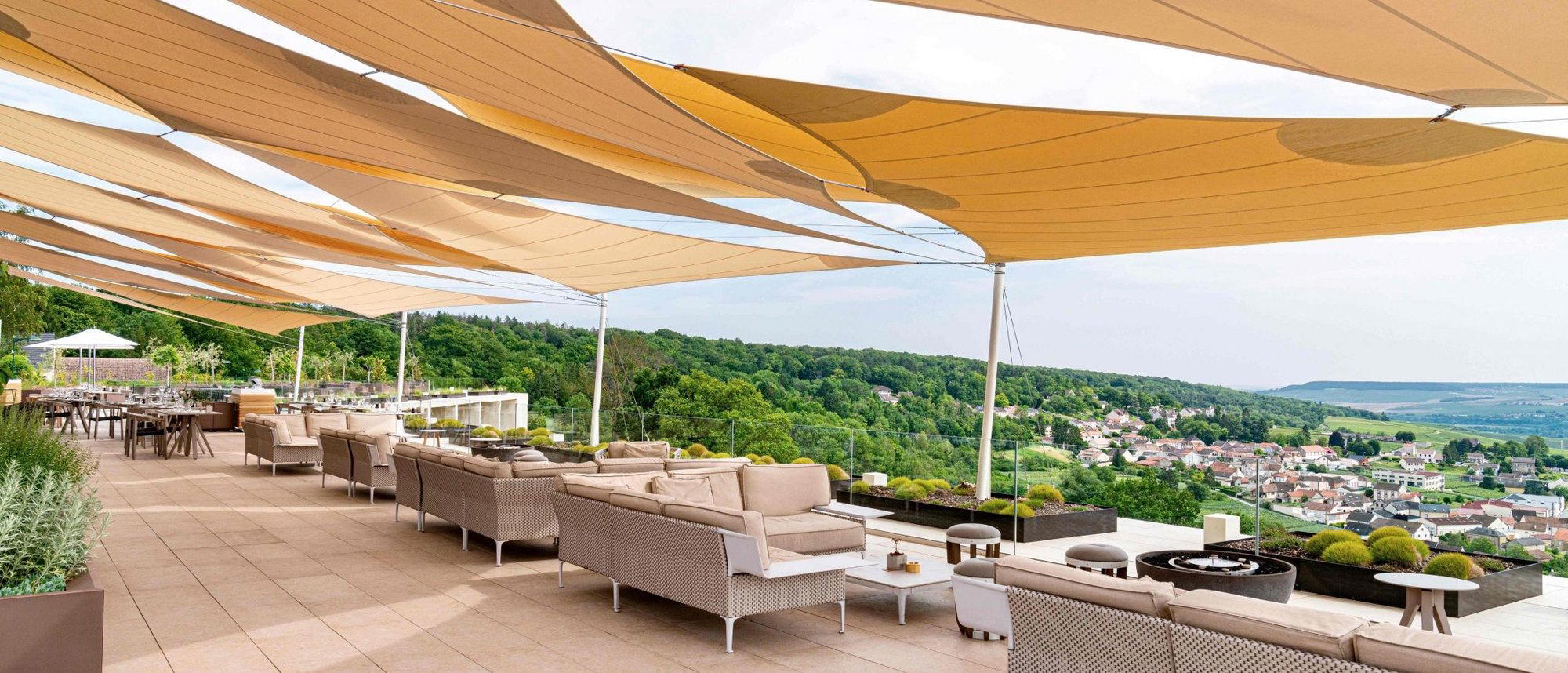
Sylvain Suty occupies an address on Place de Luxembourg in Dormans, the small Marne town positioned roughly midway along the Champagne wine route between Épernay and Château-Thierry. A position on a town's central square in a French provincial settlement of this size typically signals a restaurant embedded in local civic life rather than positioned purely for tourist traffic. The surrounding Marne valley context, vine-covered slopes, river floodplain produce, and a regional cooking tradition tied to Champagne house hospitality, shapes the broader dining register.
Is Sylvain Suty a good stop on a Champagne wine route itinerary?
Dormans sits at a practical midpoint on the Marne valley Champagne route, roughly equidistant between Épernay to the east and Château-Thierry to the west, making it a logical pause for travellers moving between the two. Dining in Dormans rather than the region's larger centres means trading grand-house formality for a more locally rooted experience on Place de Luxembourg. The town also sits near the Mémorial de Dormans, so a meal here can anchor a half-day stop that combines regional history with the wine route.
What do people recommend at Sylvain Suty?
Specific verified dish recommendations are not available for this listing. In the Champagne-region cooking tradition, tables in the Marne valley corridor around Dormans tend to draw on floodplain vegetables, freshwater fish, and local charcuterie alongside pairings with the region's sparkling wines. Confirmed menu details are best sought directly from the restaurant before visiting.
In Context: Similar Options
| Venue | Cuisine | Price | Awards | Notes |
|---|---|---|---|---|
| Sylvain SutyThis venue (the venue you are viewing) | Traditional French Bistro | $30–50 | Not listed | Not listed |
| Alléno Paris au Pavillon Ledoyen | Modern French Fine Dining | $150–200 | 3 Michelin Stars · World's 50 Best #79 | Creative |
| Kei | Modern French with Japanese Influences | $300–500 | 3 Michelin Stars · World's 50 Best #93 | Contemporary French, Modern Cuisine |
| L'Ambroisie | Classic French Haute Cuisine | $300–500 | 2 Michelin Stars · World's 50 Best #23 | French, Classic Cuisine |
| Le Cinq - Four Seasons Hôtel George V | Modern French Fine Dining | $300–500 | 3 Michelin Stars · World's 50 Best #24 | French, Modern Cuisine |
| Mirazur | Modern French Fine Dining | $300–500 | 3 Michelin Stars · World's 50 Best #1 | Modern French, Creative |
Continue exploring
More in Dormans
Restaurants in Dormans
All restaurants in Dormans →
Bars in Dormans
Browse all →
Details
- Cozy
- Classic
- Date Night
- Family
- Terrace
- Extensive Wine List
- Local Sourcing
- Street Scene
- A La Carte
- Vegetarian Friendly
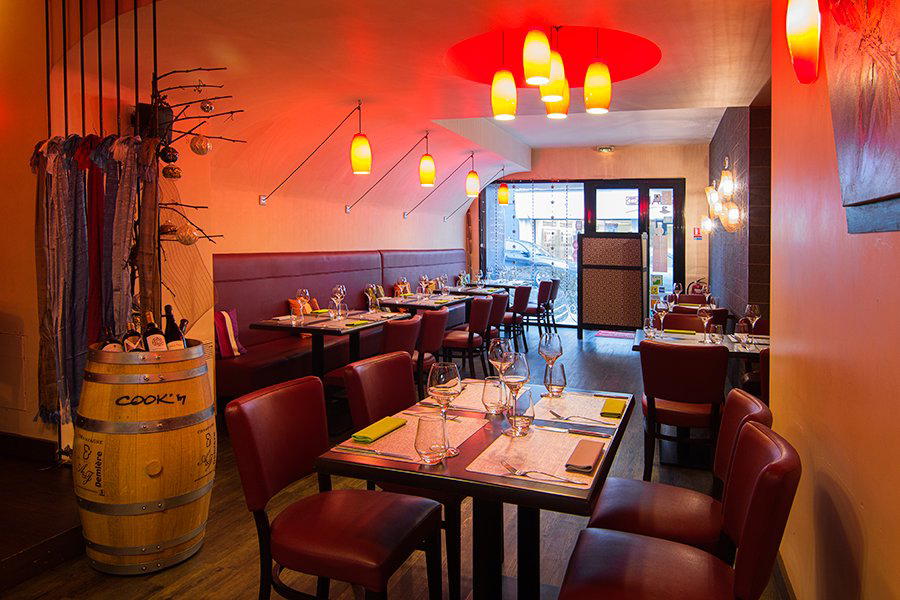
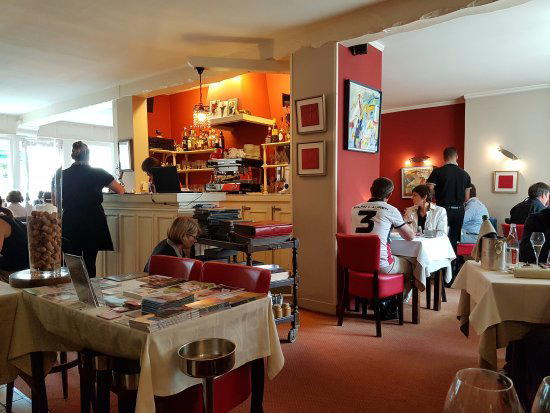
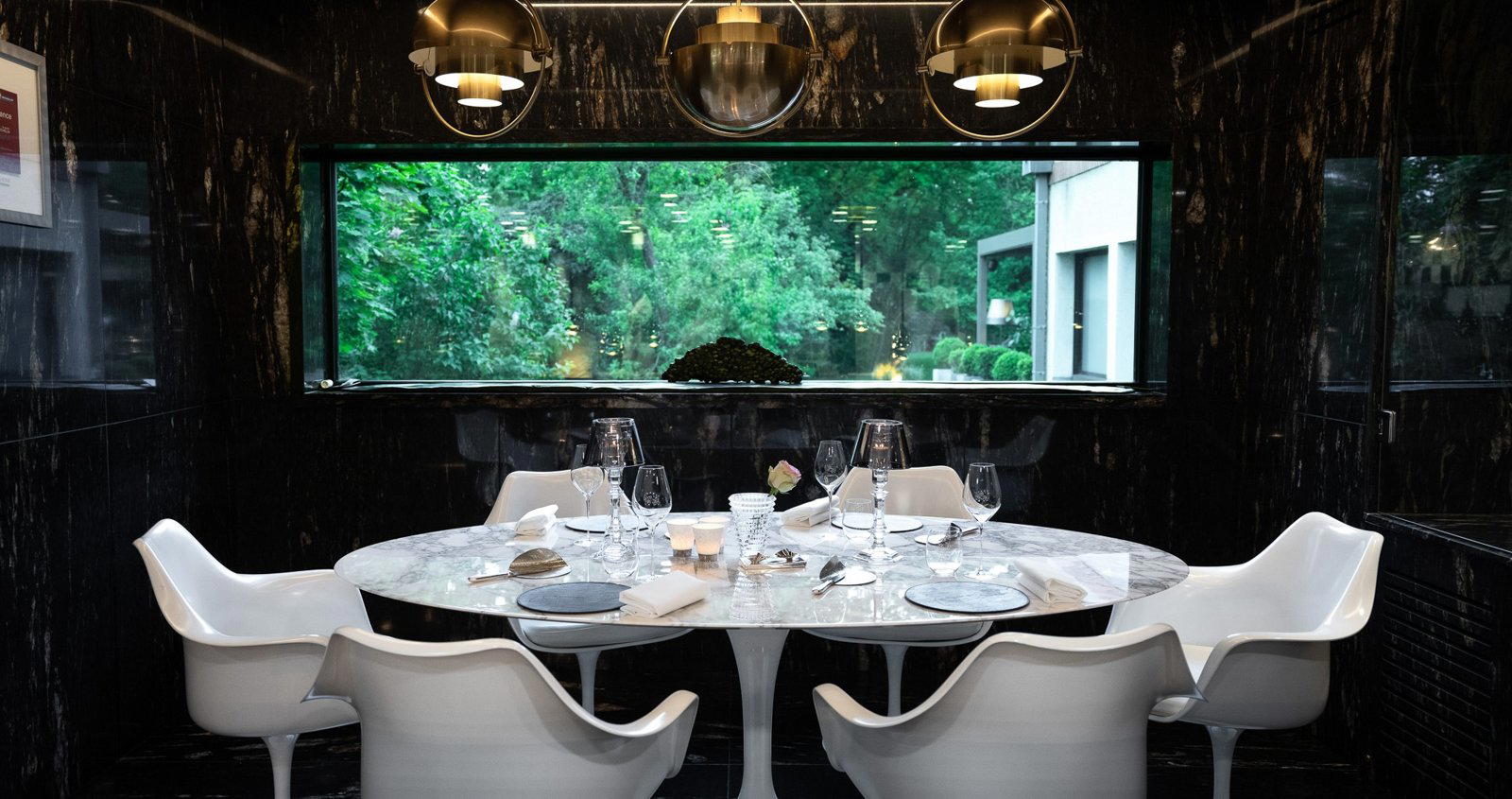
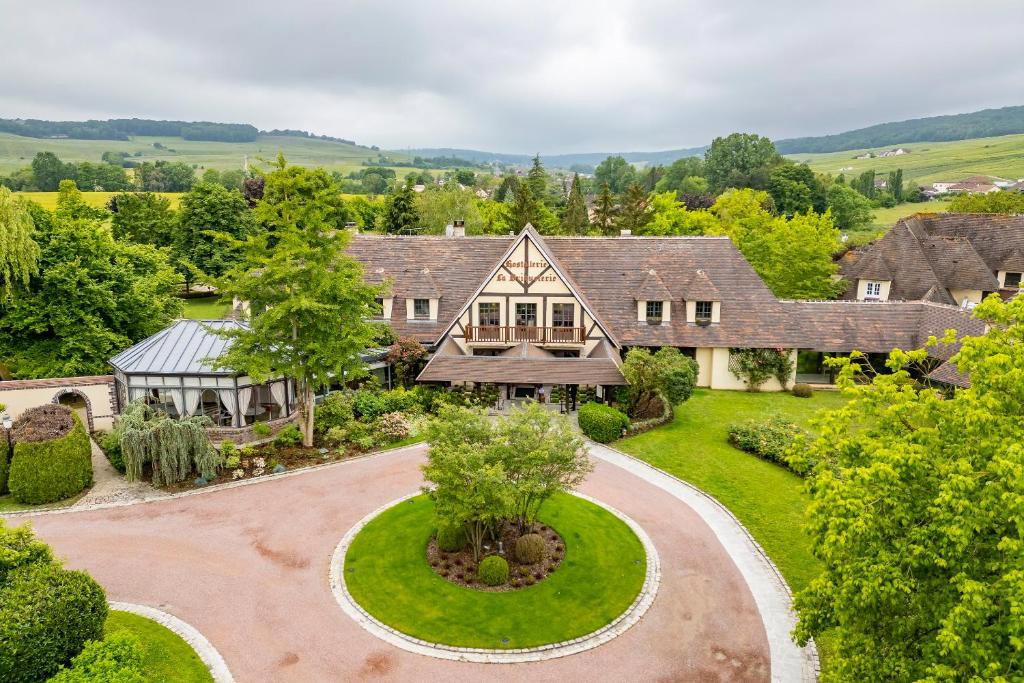
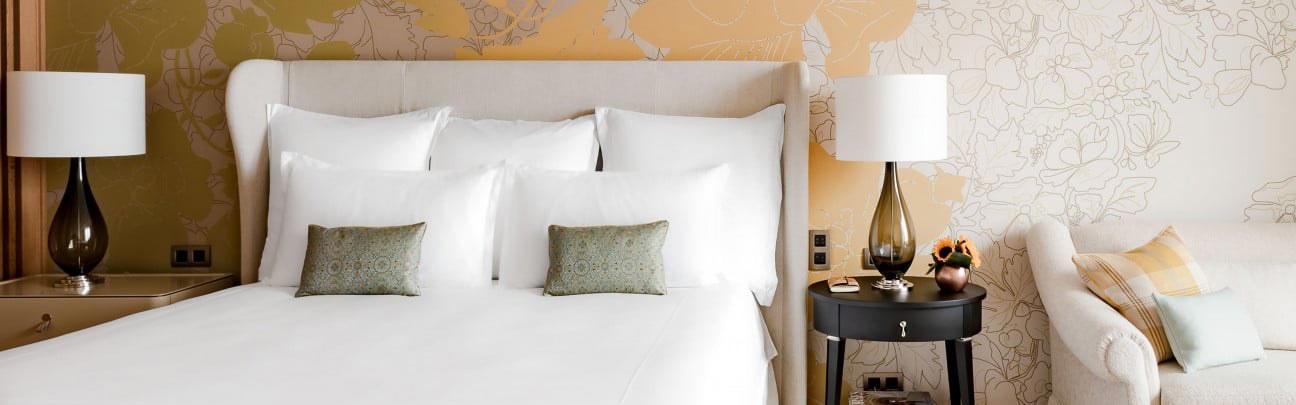
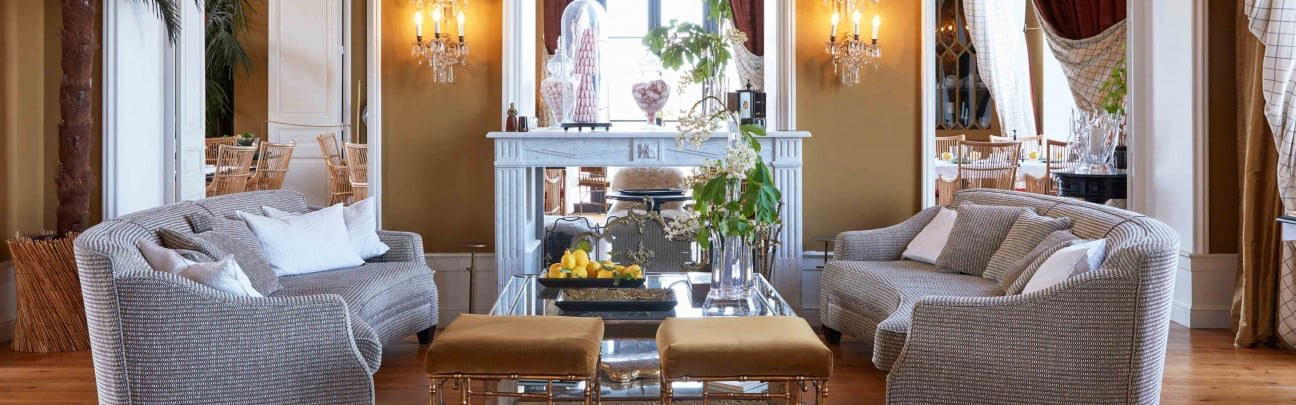
Simple yet neat interior with warm, friendly service creating a comfortable and welcoming atmosphere.