Le Moulin Babet

Michelin Plate
Our verdict
A Michelin Plate-recognised table in the small Aisne village of Mézy-Moulins, Le Moulin Babet brings traditional French cooking to a setting shaped by the Marne valley's agricultural rhythms. Two consecutive Michelin Plate awards (2024 and 2025) confirm its standing in a region where honest, ingredient-led cuisine carries more weight than spectacle. For visitors seeking substance over theatre, the address repays the detour.

Pearl is the En Primeur Club membership app — saves, bookings, and concierge access live there. Same editors, same standards.
- Address
- 8 Rue du Moulin Babet, 02650 Mézy-Moulins, France
- Phone
- +33 3 23 71 44 72
- Website
- lemoulinbabet.com
- Directions
- Get directions
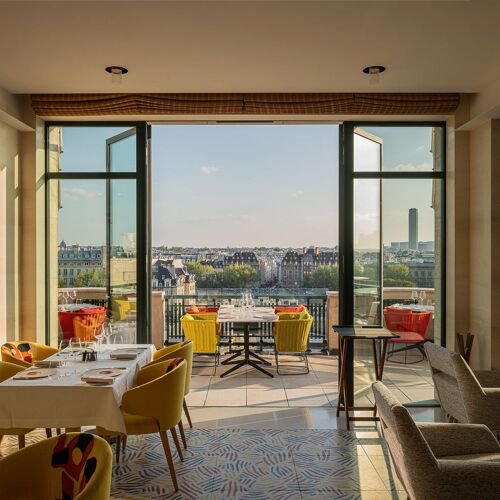
Where the Marne Valley Sets the Menu
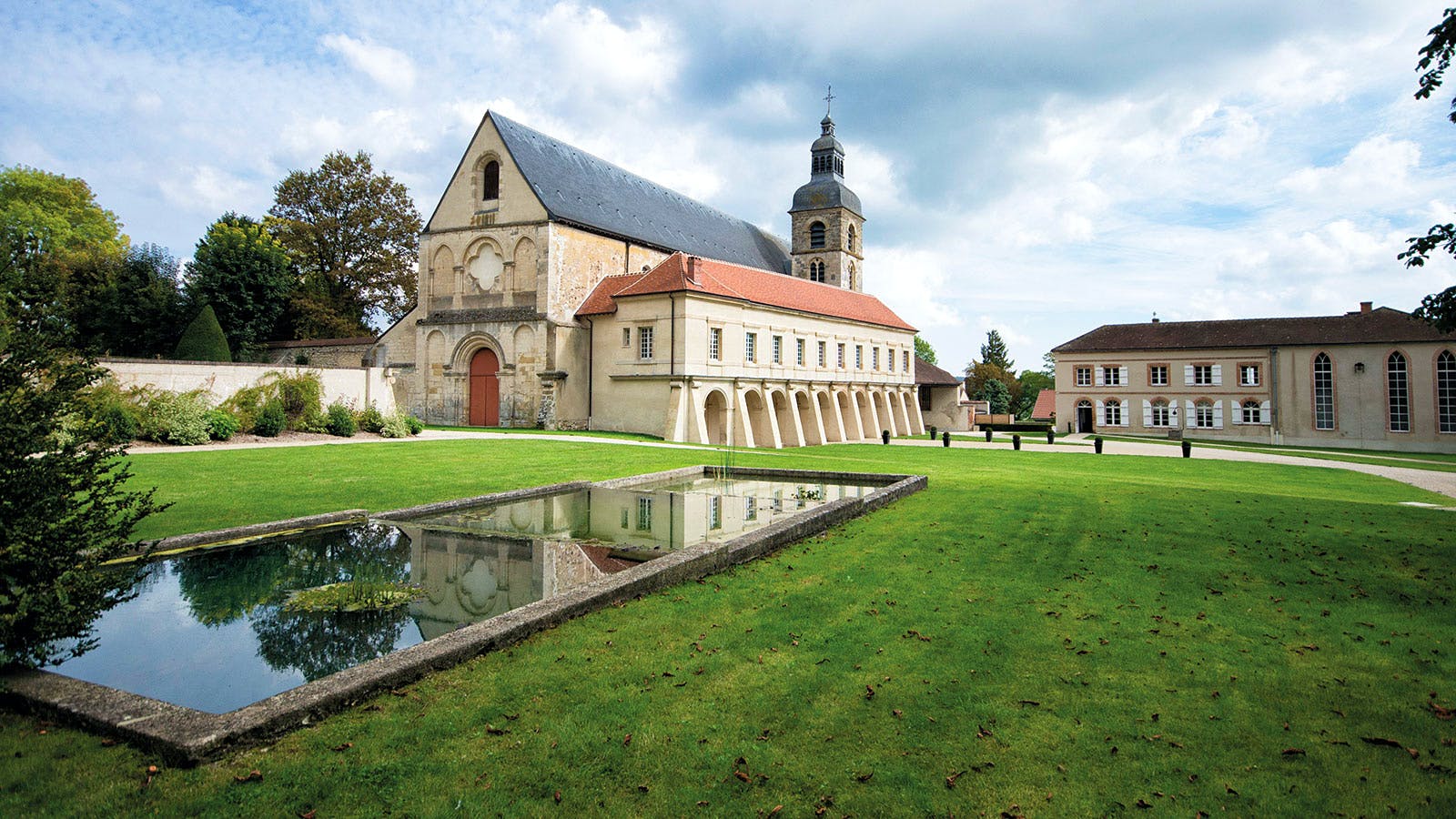
The Aisne département does not make many appearances in France's restaurant conversation, which is dominated by Paris, Lyon, and the southern coasts. That relative quiet is part of what makes a table like Le Moulin Babet worth understanding on its own terms. The village of Mézy-Moulins sits in the Marne valley east of Paris, in a stretch of agricultural France where the rhythm of seasons still dictates what ends up on a plate. Traditional cuisine in this context is not a nostalgic marketing label — it is a function of geography. Proximity to cereal plains, river meadows, and a network of small producers means that a kitchen anchored to the region's larder has genuine raw material to work with.
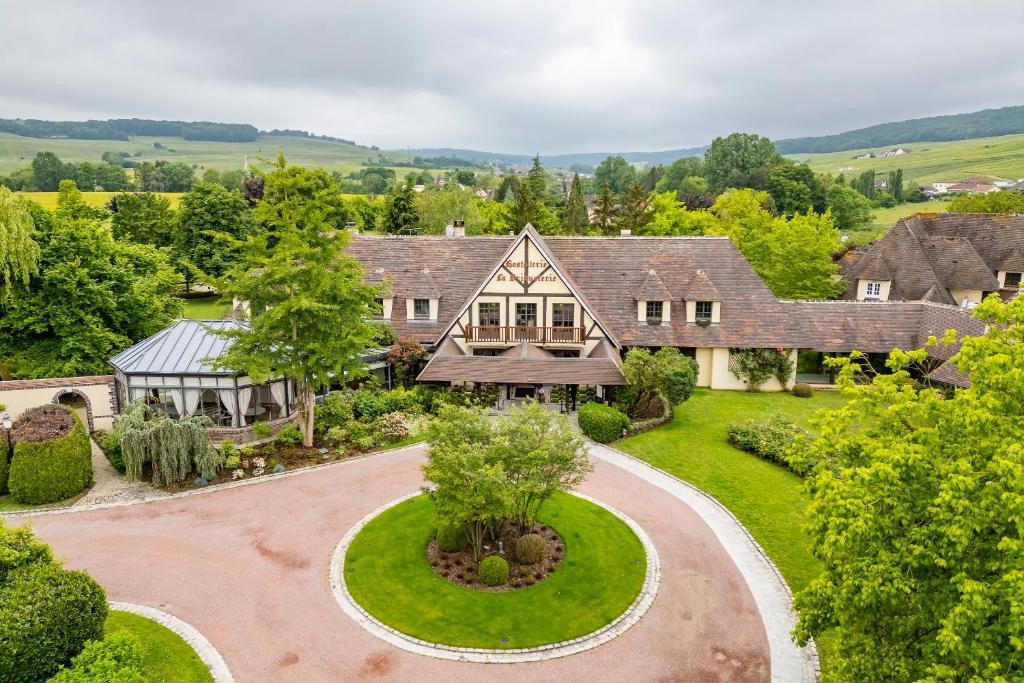
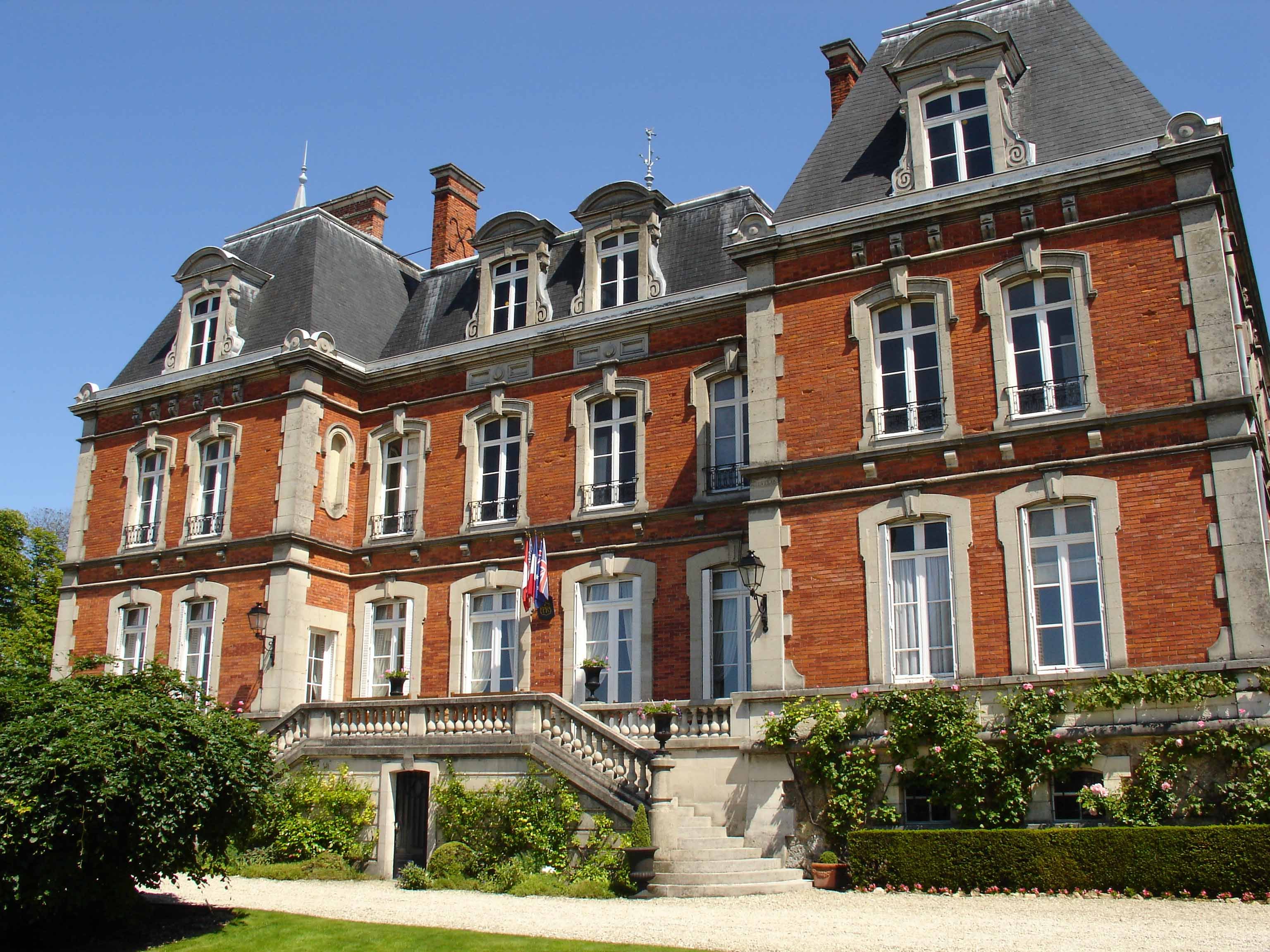
The address at 8 Rue du Moulin Babet places the restaurant within a village setting that filters out most passing trade. This is not a stop you make by accident on the way to somewhere else; it is a destination in itself, which imposes a useful discipline on what the kitchen has to offer. Restaurants in deeply rural France that survive and accumulate recognition tend to do so because the food earns repeat visits from a loyal local base as much as from curious travellers.
Michelin Recognition in a Rural Context
Michelin Plate is a designation that often gets overlooked in favour of star counts, but it carries a specific meaning worth reading carefully. Awarded in both 2024 and 2025, the Plate signals that inspectors found cooking of consistent quality — good ingredients prepared with care, without the more elaborate architectural ambition that star candidacy implies. In the current Michelin framework, the Plate is a mark of integrity rather than aspiration, and in a village setting it carries a different weight than it might in a city where competition is dense and margins are thin.
For context on where this sits in the broader French dining picture, the €€€€ Paris tables, Alléno Paris au Pavillon Ledoyen in Paris, or the multi-starred provincial heavyweights like Mirazur in Menton, Troisgros - Le Bois sans Feuilles in Ouches, or Bras in Laguiole, occupy a category defined by elaborate tasting formats and global reputation. Le Moulin Babet sits in a different tier entirely: the €€€ traditional table whose credibility rests not on innovation but on execution and sourcing fidelity. Comparable models exist across France's regions, Auberge de l'Ill in Illhaeusern at the high end of that tradition, Auberge du Vieux Puits in Fontjoncouse in a similarly rural southern context, and Auberge Grand'Maison in Mûr-de-Bretagne in Brittany, where the argument for visiting is rooted in place and product rather than spectacle.
Ingredient Sourcing in the Aisne
Traditional French cuisine at the €€€ level in agricultural northeastern France tends to be defined by what the surrounding land produces in volume and quality: river fish from the Marne and its tributaries, game and poultry from the Aisne's forests and farmland, root vegetables and brassicas through autumn and winter, and the dairy produce that this part of France has supplied to Paris kitchens for generations. The Champagne region borders the department to the east, which introduces both a wine culture and a tradition of pairing food to the particular acidity and minerality of Champenois viticulture. Assiette Champenoise in Reims operates at a different price point and ambition level, but both tables share a context shaped by Champagne's agricultural and viticultural identity.
In a kitchen classified under traditional cuisine, sourcing discipline tends to matter more than technique novelty. The measure of quality here is whether what arrives on the plate reflects the actual character of local produce at a given moment in the year rather than a menu engineered around year-round consistency. That seasonal responsiveness is the core argument for choosing this kind of table over something more uniform.
Planning Your Visit
Mézy-Moulins is a small commune in the Aisne, roughly 90 kilometres northeast of Paris, accessible by car but not trivially so for a day trip, which means most visitors either combine it with broader Marne valley touring or come specifically for the meal. The €€€ pricing bracket places Le Moulin Babet in a register that justifies the journey for a considered lunch or dinner without requiring the kind of occasion-level commitment that a four-star Paris table demands. For those building a wider stay around the area, [our full Mézy-Moulins hotels guide]() covers accommodation options, while [our full Mézy-Moulins restaurants guide]() maps the broader local dining scene. For wine-focused visitors, the Champagne vineyards are within range, and [our full Mézy-Moulins wineries guide]() is the relevant starting point. Evening options beyond the meal are limited in a village of this size, [our full Mézy-Moulins bars guide]() and our full Mézy-Moulins experiences guide provide the supporting picture.
Arriving without a reservation in a village setting carries more risk than it would in a city.
Where This Fits in the French Traditional Table Picture
France's regional traditional restaurant tier has contracted significantly over the past two decades as younger chefs gravitate toward urban markets and tasting-menu formats attract the critical attention. What remains tends to be either genuinely rooted operations with a local client base strong enough to sustain them, or transitional addresses that have drifted toward safe crowd-pleasing. The Michelin Plate award, applied consistently across two years, suggests Le Moulin Babet is in the former category. That is increasingly a meaningful distinction.
Comparable traditional tables in other French regions, AM par Alexandre Mazzia in Marseille sits at the creative end of the spectrum, Au Crocodile in Strasbourg in the Alsatian tradition, Paul Bocuse - L'Auberge du Pont de Collonges in Collonges-au-Mont-d'Or as the most institutionalised expression of the French auberge format, and Flocons de Sel in Megève in the Alpine register, each illustrate how geography shapes what traditional means in practice. In the Aisne, traditional means the Marne valley's particular larder, expressed without pretension.
For a cross-border comparison, Auga in Gijón offers an instructive parallel: a seafront traditional table in a working Spanish port city, where the argument for eating there is similarly rooted in proximity to source rather than culinary theatre. The logic is the same even when the ingredients and register differ.
Frequently asked questions
Is Le Moulin Babet good for families?
The €€€ price point and Michelin Plate recognition across 2024 and 2025 position Le Moulin Babet as a setting built around considered dining rather than casual meals. French traditional restaurants at this tier typically maintain a composed, unhurried pace that suits adults more naturally. Families with older children who are comfortable in a formal register will find it manageable; those with young children would do better to look at more relaxed options in the Aisne.
Is Le Moulin Babet better for a quiet night or a lively one?
Mézy-Moulins is a small rural commune with a population to match, and a Michelin Plate restaurant at €€€ in that context draws a deliberate crowd rather than a spontaneous one. Expect measured conversation across tables, not background noise. This is the right address for a long meal with serious attention to the plate, not an evening that picks up energy as the hours pass.
What distinctions does Le Moulin Babet have?
Le Moulin Babet has received recognition including: Michelin Plate (2025); Michelin Plate (2024).
What should I order at Le Moulin Babet?
The cuisine classification is traditional French at €€€, which in northeastern France typically means preparations built around regional produce from the Aisne and surrounding agricultural land. Two consecutive Michelin Plate recognitions suggest the kitchen has a consistent hand worth trusting on the day's selection.
A Quick Peer Check
| Venue | Cuisine | Price | Awards |
|---|---|---|---|
| Le Moulin BabetThis venue — the venue you are viewing | Traditional French Gastronomic | $100–150 | Michelin Plate |
| Alléno Paris au Pavillon Ledoyen | Creative | Not listed | Michelin 3 Star |
| Kei | Contemporary French, Modern Cuisine | Not listed | Michelin 3 Star |
| L'Ambroisie | French, Classic Cuisine | Not listed | Michelin 3 Star |
| Le Cinq - Four Seasons Hôtel George V | French, Modern Cuisine | Not listed | Michelin 3 Star |
| Plénitude | Contemporary French | Not listed | Michelin 3 Star |
Recognition history
Dated appearances from independent guides and award organizations, with the underlying list record or original source where available.
Michelin Plate
Michelin
Full recognition history (3 entries)
Michelin Plate
Michelin
Michelin Plate
Michelin
Continue exploring
More in Mézy-Moulins
Restaurants in Mézy-Moulins
Browse all →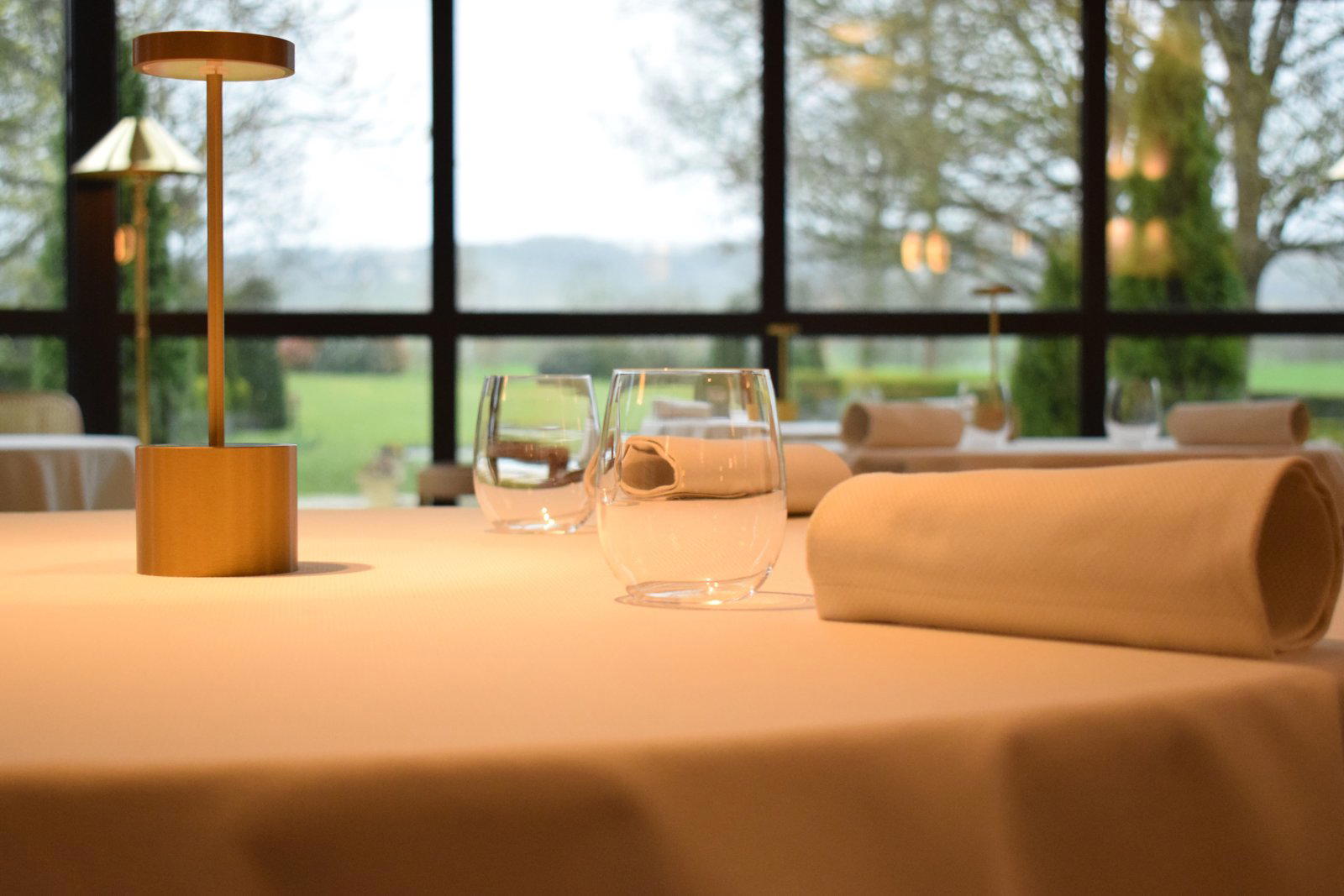
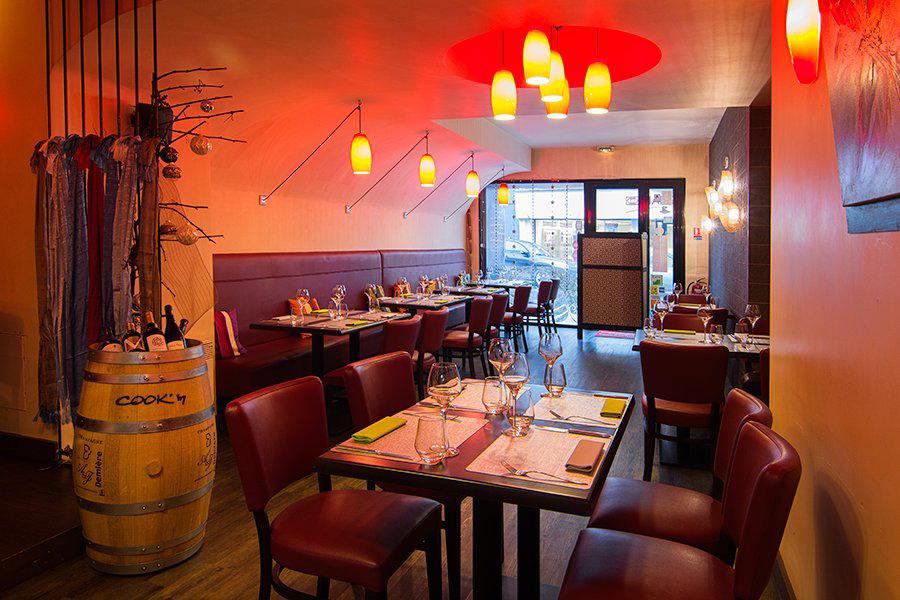
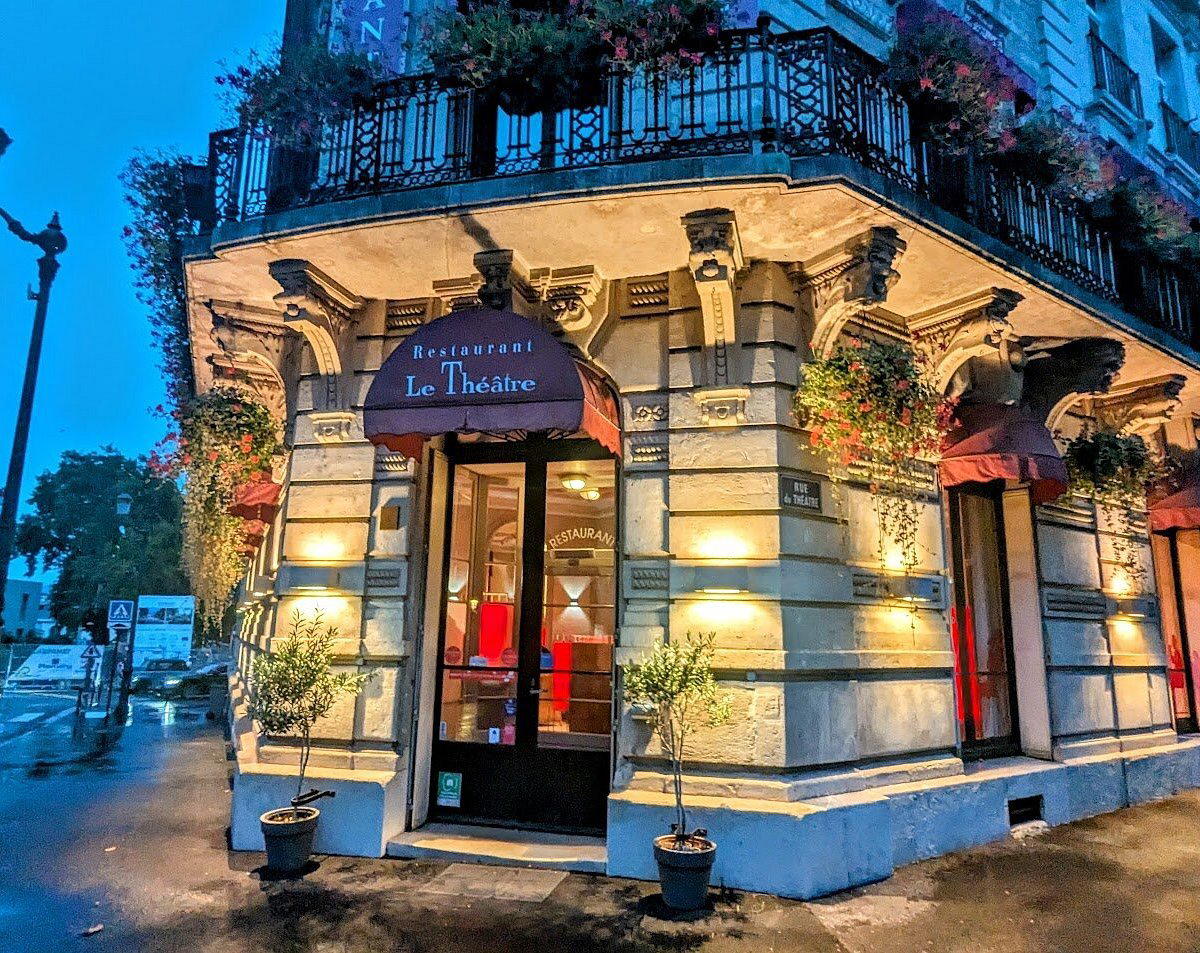
Bars in Mézy-Moulins
Browse all →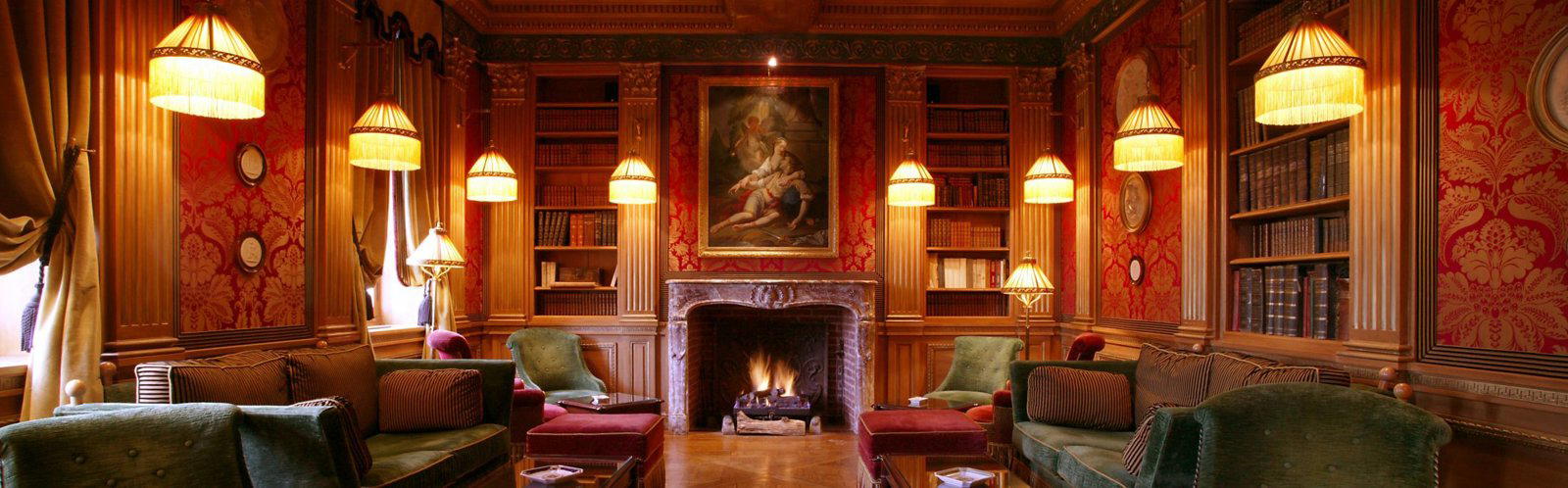
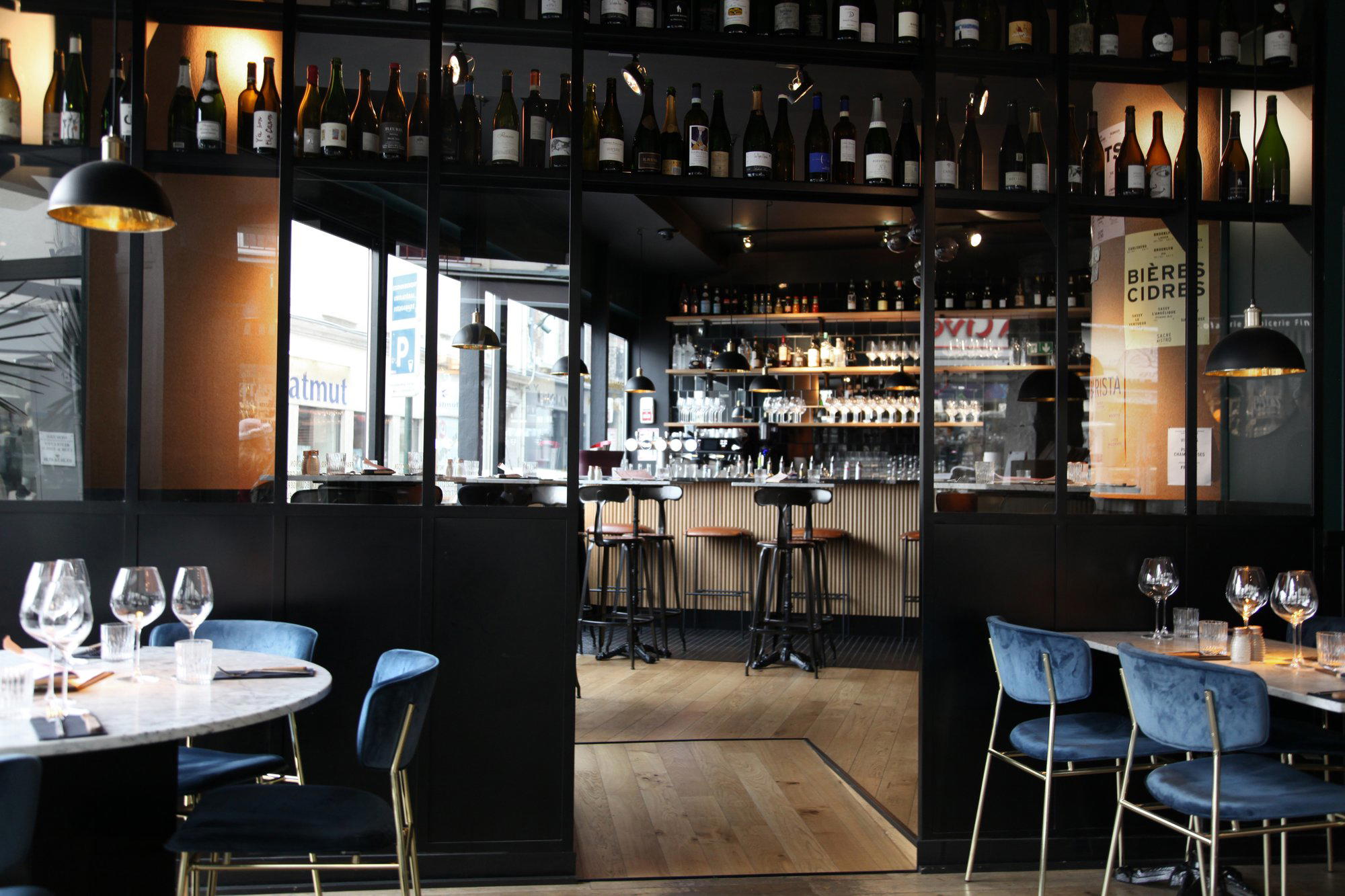
Hotels in Mézy-Moulins
Browse all →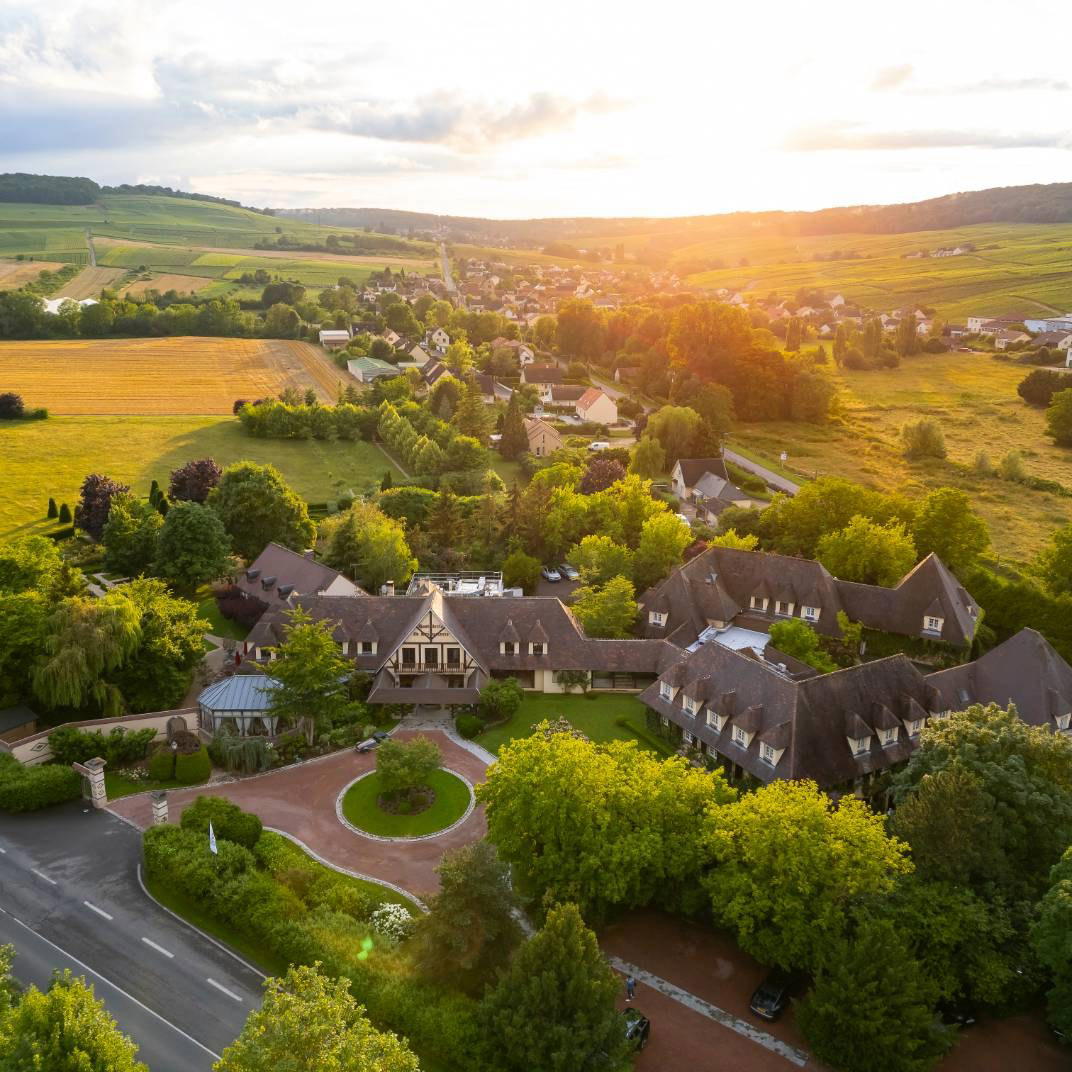
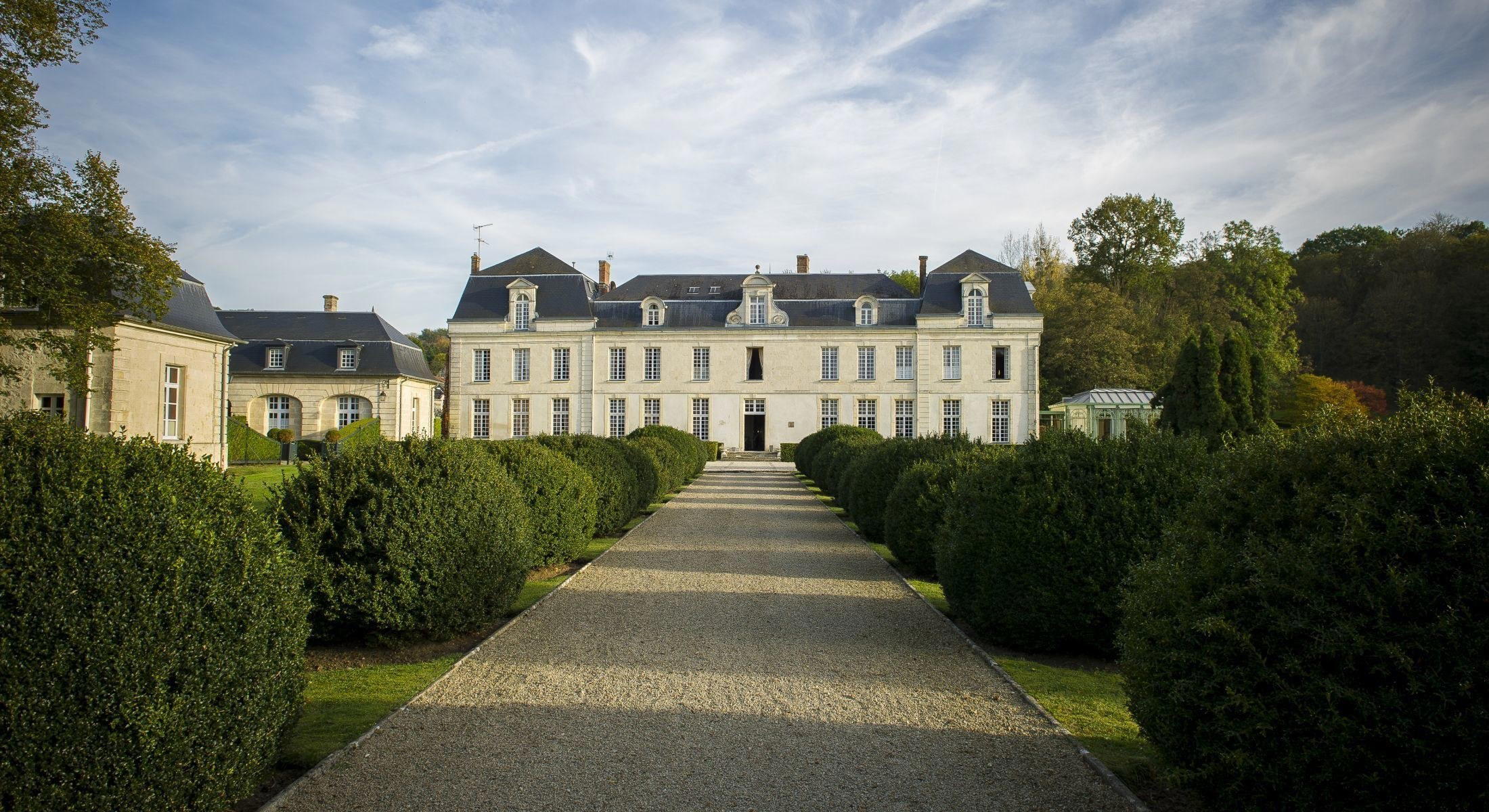
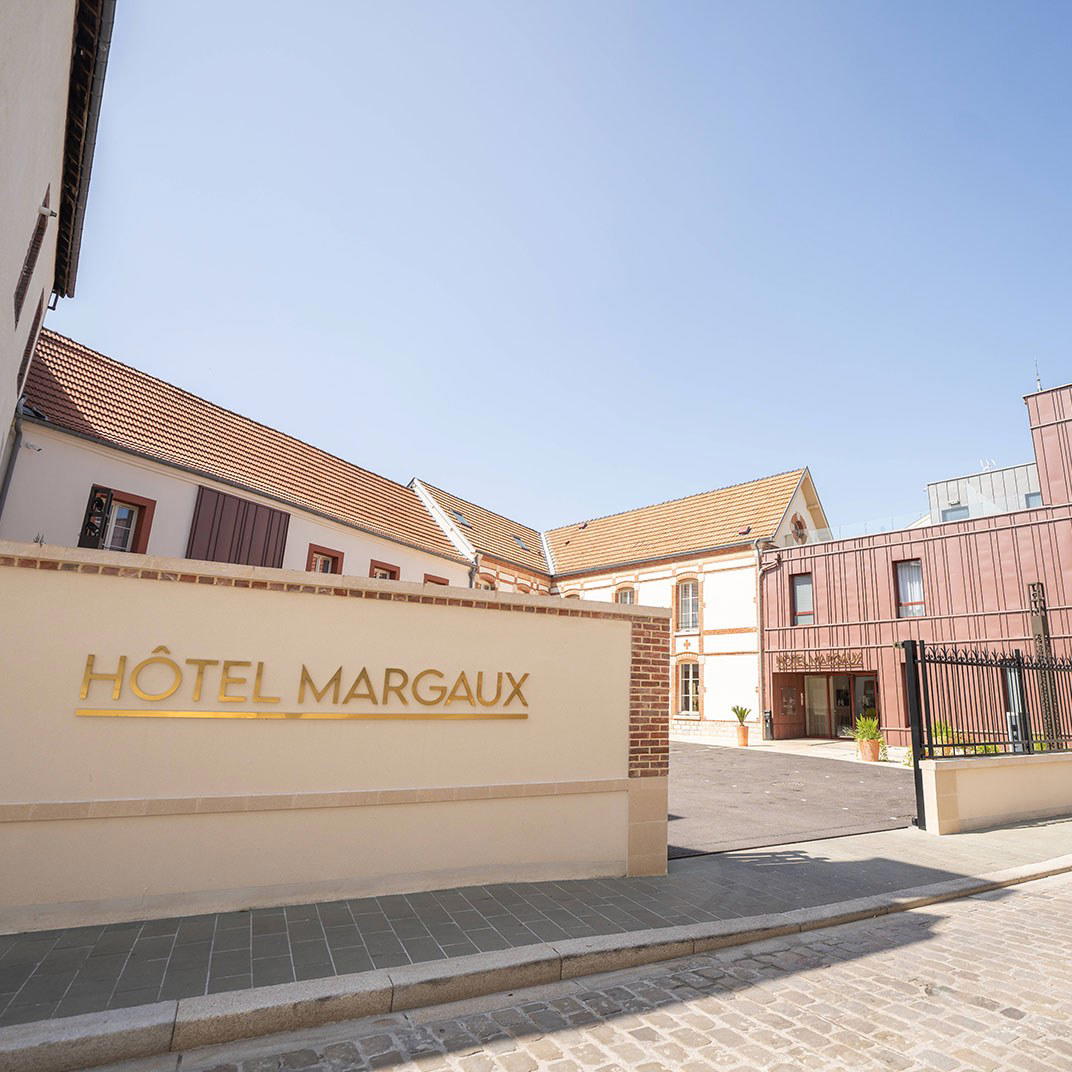
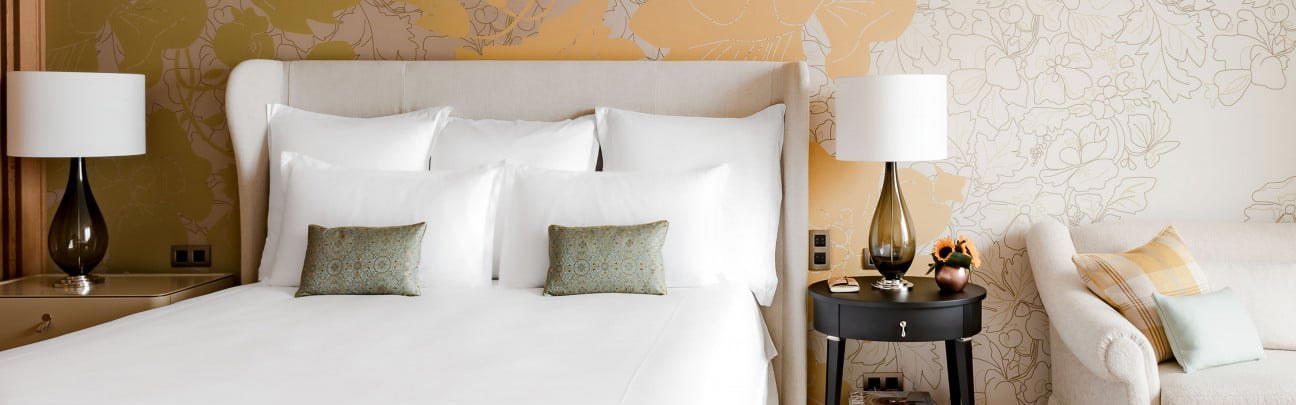
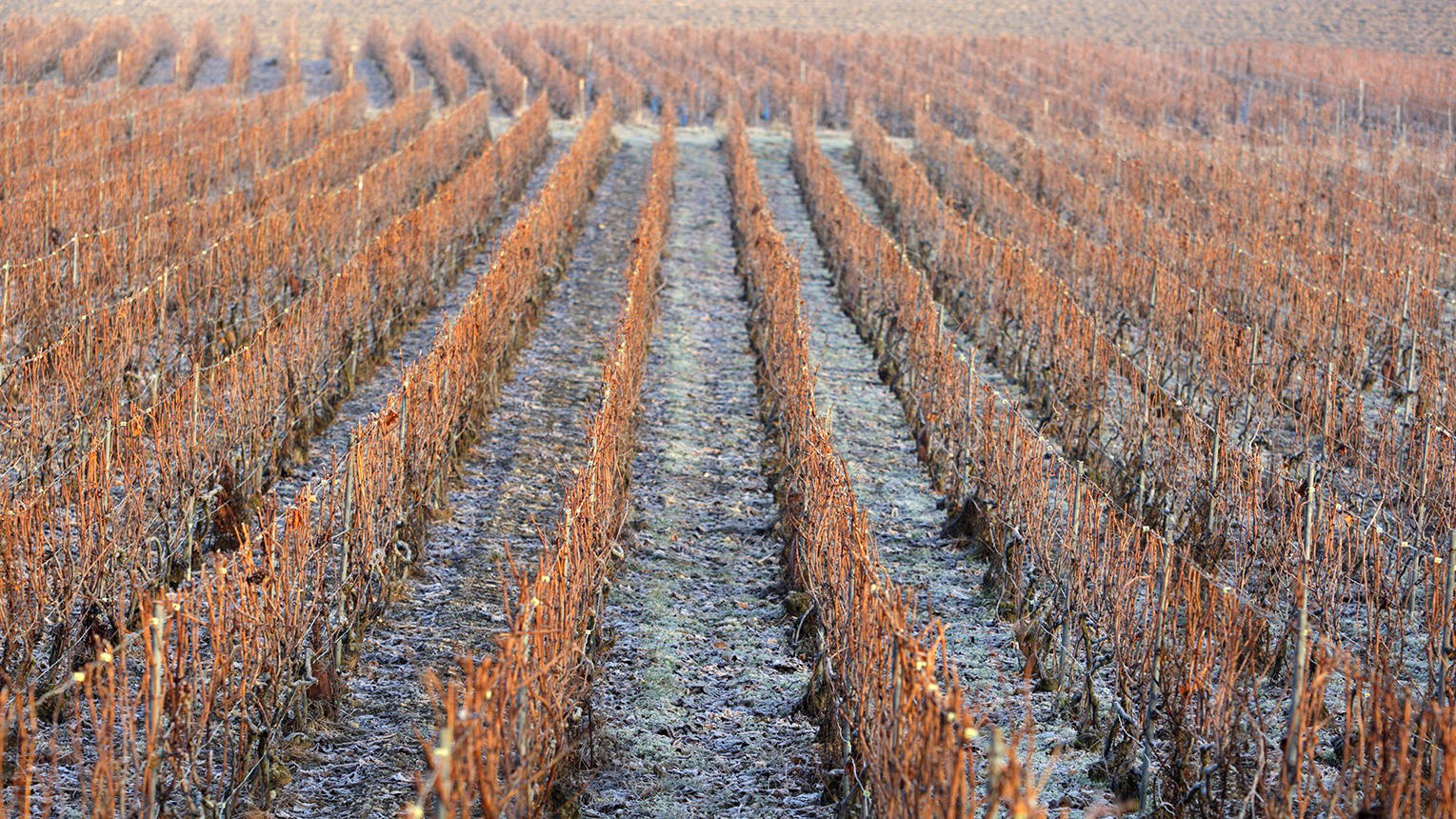
Le Moulin Babet
The wine
- Wine program
- Curated wine list
- Extensive wine list
Details
- Romantic
- Elegant
- Rustic
- Cozy
- Scenic
- Intimate
- Sophisticated
- Date Night
- Special Occasion
- Celebration
- Terrace
- Historic Building
- Open Kitchen
- Extensive Wine List
- Local Sourcing
- Garden
- Vineyard
- Tasting Menu
- A La Carte
- Wine
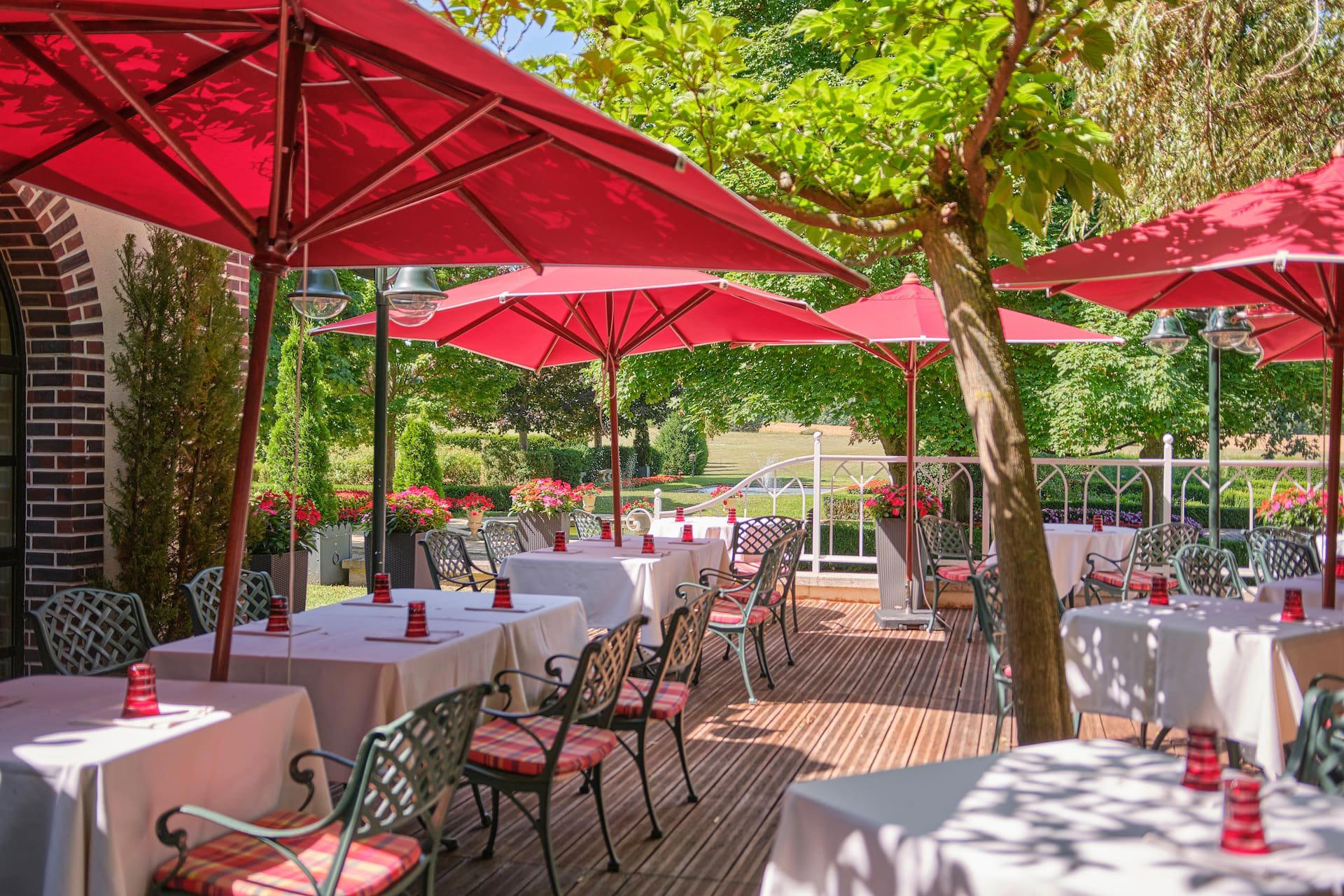
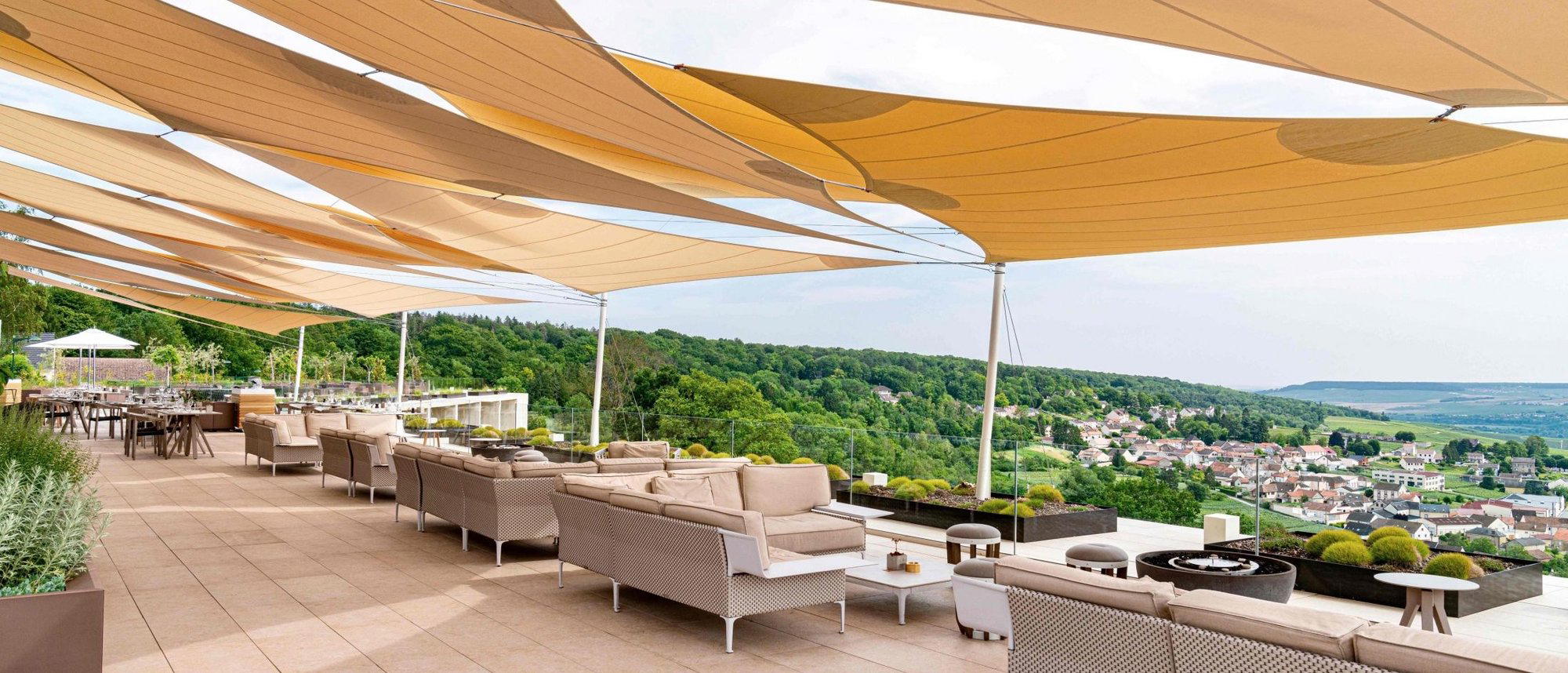
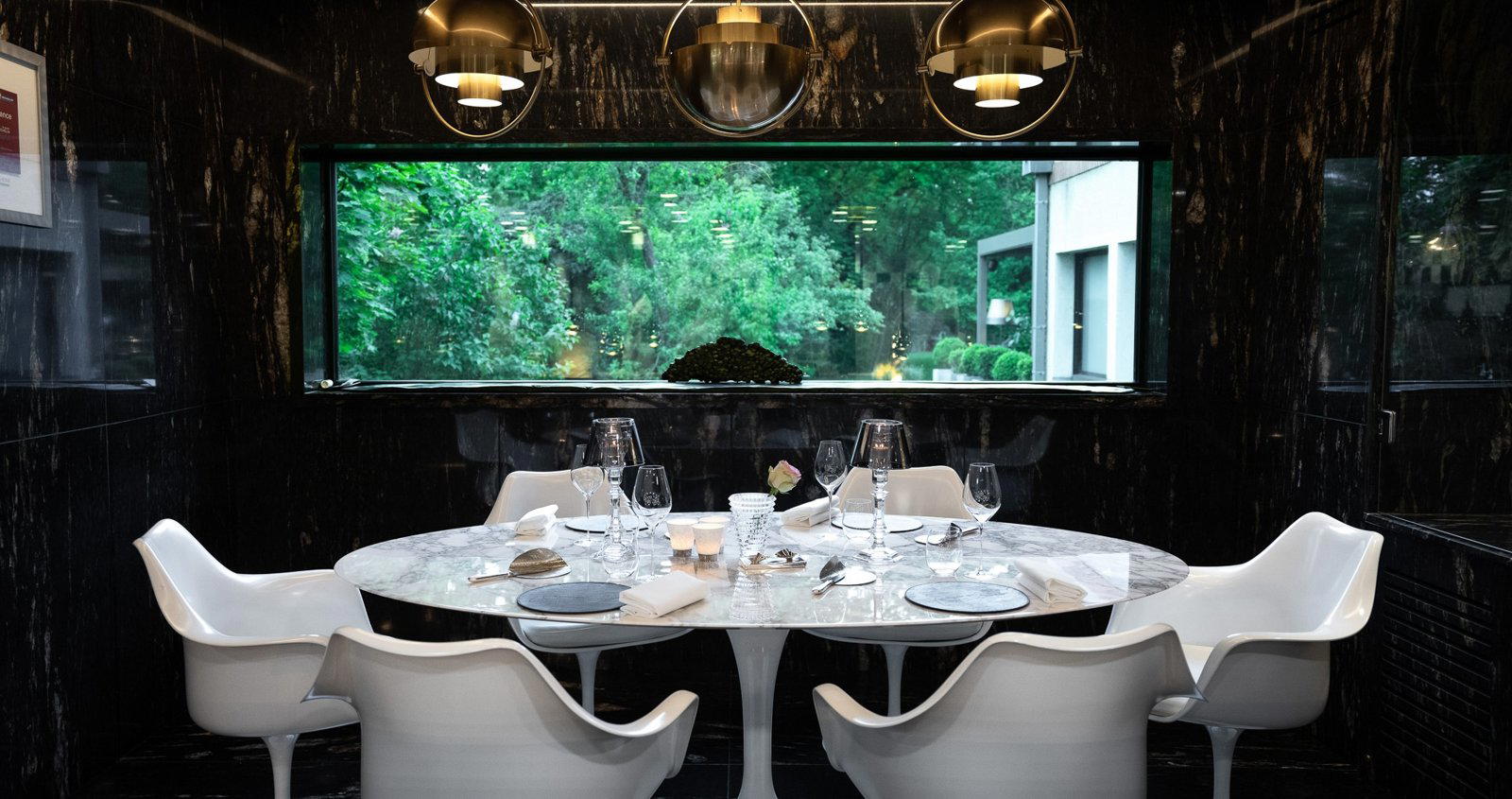
Modern and cozy interior blending stone, stainless steel, and wood; peaceful terrace with river views and elegant, warm lighting.