Sushi Master occupies a quiet address on Strada 9 Mai in central Bacău, bringing Japanese counter-dining culture to one of Moldova's principal cities. In a regional dining scene defined largely by Romanian and French-influenced kitchens, it represents a distinct category shift. Practical details including booking and current hours are best confirmed directly at the venue before visiting.
Pearl is the En Primeur Club membership app — saves, bookings, and concierge access live there. Same editors, same standards.
- Address
- Strada 9 Mai 29, Bacău 600066, Romania
- Phone
- +40786460452
- Website
- sushimaster.ro
- Directions
- Get directions
 Saves & bookings on Pearl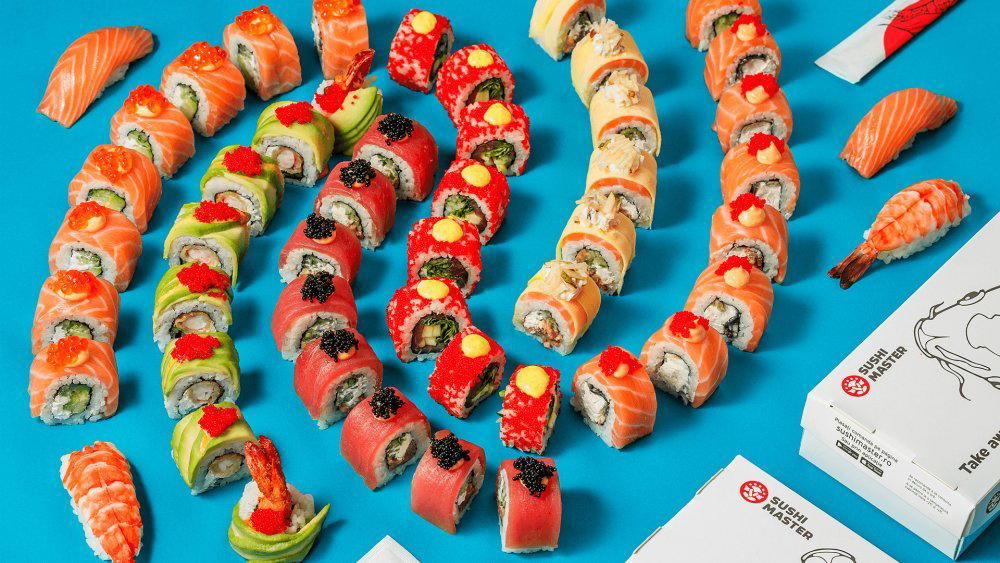
Japanese Counter Culture in Provincial Romania
Sushi Master is a Japanese sushi restaurant at Strada 9 Mai 29, Bacău 600066, Romania, with. The Moldova region's commercial centre draws steady traffic for business and transit, and its restaurant scene reflects that pragmatism: solid Romanian kitchens, a handful of French-influenced rooms, and a growing number of casual international formats. Into this context, a venue operating under the name Sushi Master on Strada 9 Mai positions itself as something categorically different, a Japanese food concept in a city where such formats remain genuinely scarce. That scarcity alone makes it worth examining, though the more interesting question is what it tells us about how Japanese food culture has travelled into Central and Eastern European secondary cities over the past decade.
Japanese cuisine's global diffusion followed a recognisable pattern: major capital cities first, then secondary capitals, then regional centres. Warsaw, Budapest, and Bucharest each developed credible sushi and omakase cultures before the format filtered into smaller cities. Bacău sits in that third wave, a provincial adoption that mirrors what happened in Łódź, Debrecen, and Craiova, markets where one or two Japanese-format venues operate without the competitive density that sharpens menus in capital-city environments. For diners based in Bacău, that means fewer options and less price competition, but it also means these venues tend to serve a genuinely curious local audience rather than a tourist-driven one.
The Address and What Surrounds It
Strada 9 Mai sits in central Bacău, a street with the unhurried character typical of Romanian provincial town centres, low-rise architecture, a mix of commercial and residential use, and foot traffic that reflects daily local life rather than visitor patterns. Arriving here for Japanese food requires a small reorientation of expectation: this is not the kind of polished urban corridor where you would find a Tokyo-trained itamae working behind a hinoki counter. Romanian cities at this scale tend to house Japanese concepts in converted retail or residential ground floors, and the dining experience is shaped accordingly.
For comparison within Bacău's broader dining offer, Restaurant Savarin represents the city's more established European dining direction. Understanding where Japanese formats sit relative to Romanian and Continental kitchens in the same city helps calibrate what Sushi Master is attempting.
How Japanese Food Culture Reads in This Context
The cultural weight of Japanese cuisine is worth taking seriously even at a provincial level. Sushi as a format carries significant discipline requirements: rice temperature and seasoning, fish freshness and sourcing chains, knife technique, and the structural logic of a nigiri or maki progression. These are not decorative concerns. In markets where sourcing infrastructure for Japanese-grade fish is limited, and inland Romanian cities face real constraints here, given distance from coastal supply chains, the kitchen's relationship with its suppliers becomes the central determinant of quality. Bacău is roughly 300 kilometres from the Black Sea coast and considerably further from Western European fish markets that supply higher-end Romanian Japanese restaurants in Bucharest.
This sourcing reality is part of why Japanese cuisine in Romanian secondary cities tends toward accessible roll formats and cooked preparations rather than the raw nigiri-centred menus of capital-city venues. It is also why venues in this tier often distinguish themselves through service consistency and local adaptation rather than through ingredient provenance claims. The more honest Japanese venues in this category know their supply limits and work within them; the less honest ones overstate the purity of their sourcing.
For a sense of how Japanese and Korean fine dining operates at its most rigorous end, useful context for understanding what the format demands when resources and competitive pressure are both high, Atomix in New York City offers a reference point, as does Le Bernardin for the standards applied to seafood-centred menus at the highest level of scrutiny.
Romanian Cities Developing an International Palate
The emergence of Japanese dining formats in cities like Bacău reflects a broader shift in Romanian food culture that accelerated through the 2010s. Returning diaspora, improved air connectivity, and growing middle-class travel exposure created appetite for international formats that had previously been capital-exclusive. Cities with universities, Bacău has the Vasile Alecsandri University, tend to develop this appetite earlier and more sustainably than purely industrial or commercial centres, because student populations create the kind of repeat, curious clientele that keeps specialist venues viable.
This pattern is visible across Romanian regional cities. Kombinat Gastro-Brewery in Sibiu, Cofeels in Cluj-Napoca, and Cartofisserie in Timișoara each represent the kind of format-specific venues that regional cities are developing alongside their more established European dining rooms. Japanese formats follow the same logic: a local audience that has encountered the cuisine while travelling is prepared to support it at home, even if the execution sits below capital-city standards. Similar dynamics play out in Brașov, Suceava, and Iași, where the same category of internationally-influenced concepts is building a local foothold.
Bucharest's more developed international dining scene, which includes venues like Bogdania Bistro and the historically embedded Caru' cu Bere, offers a useful reference for how far Romania's food culture has travelled in the capital, while regional cities like Bacău represent the next stage of that diffusion.
Planning a Visit
The restaurant is located at Strada 9 Mai 29, Bacău 600066. The restaurant is walk-in friendly. This applies equally to dietary accommodation requests, which at Japanese venues in this category typically require advance notice rather than on-the-spot adjustment.
Visitors to the wider region can cross-reference the dining scene with options elsewhere in the country: Lo Sfizio in Târgu Mureș, Eat IT in Oradea, Cafeneaua Nației in Ploiești, Vatos in Agigea, Butterfly Events in Chișcani, and Cocteleria Urban Garden in Florești to build a picture of how regional Romanian dining is evolving city by city.
Booking and Cost Snapshot
Comparable venues nearby, for context on price, style, and recognition.
| Venue | Cuisine | Price |
|---|---|---|
| Sushi MasterThis venue — the venue you are viewing | Bacau, Japanese Sushi | $$ |
| Restaurant Savarin | CFR, International & Modern Romanian | $$ |
| Caru' cu bere | Old Town, Traditional Romanian | $$ |
| Oddity | Centru,null | $$ |
| Sushi Master | Peninsula, Japanese Sushi | $$ |
| K Food | Centru, Korean | $$ |
Continue exploring
More in Bacau
Restaurants in Bacau
Browse all →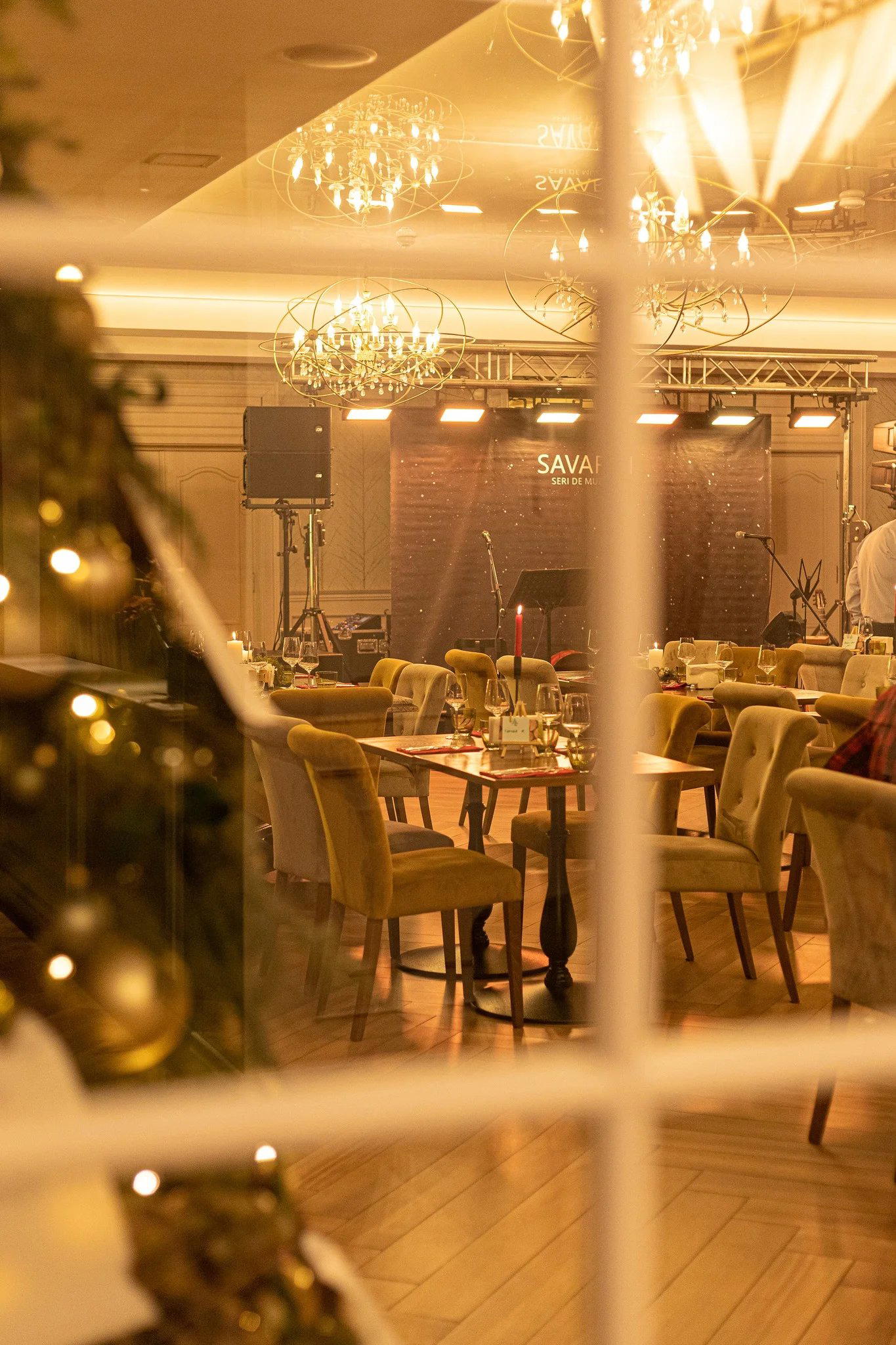
At a Glance
- Casual Hangout
Current opening hours
- Monday
- 10 AM–9:30 PM
- Tuesday
- 10 AM–9:30 PM
- Wednesday
- 10 AM–9:30 PM
- Thursday
- 10 AM–9:30 PM
- Friday
- 10 AM–9:30 PM
- Saturday
- 10 AM–9:30 PM
- Sunday
- 10 AM–9:30 PM
Hours can change for holidays and private events. Last verified .
Casual atmosphere focused on Japanese cuisine.