K Food brings Korean dining to a residential quarter of Brașov, operating at a format distance from the city's European bistro majority. The address on Str. Zaharia Stancu 8 attracts a committed local following drawn to the communal structure of Korean meals: banchan, grilled proteins, and fermented soups served at a pace that rewards patience over efficiency.
Pearl is the En Primeur Club membership app — saves, bookings, and concierge access live there. Same editors, same standards.
- Address
- Str. Zaharia Stancu 8, 500167 Brașov, Romania
- Phone
- +40 368 404 030
- Website
- kfood.ro
- Directions
- Get directions
 Saves & bookings on Pearl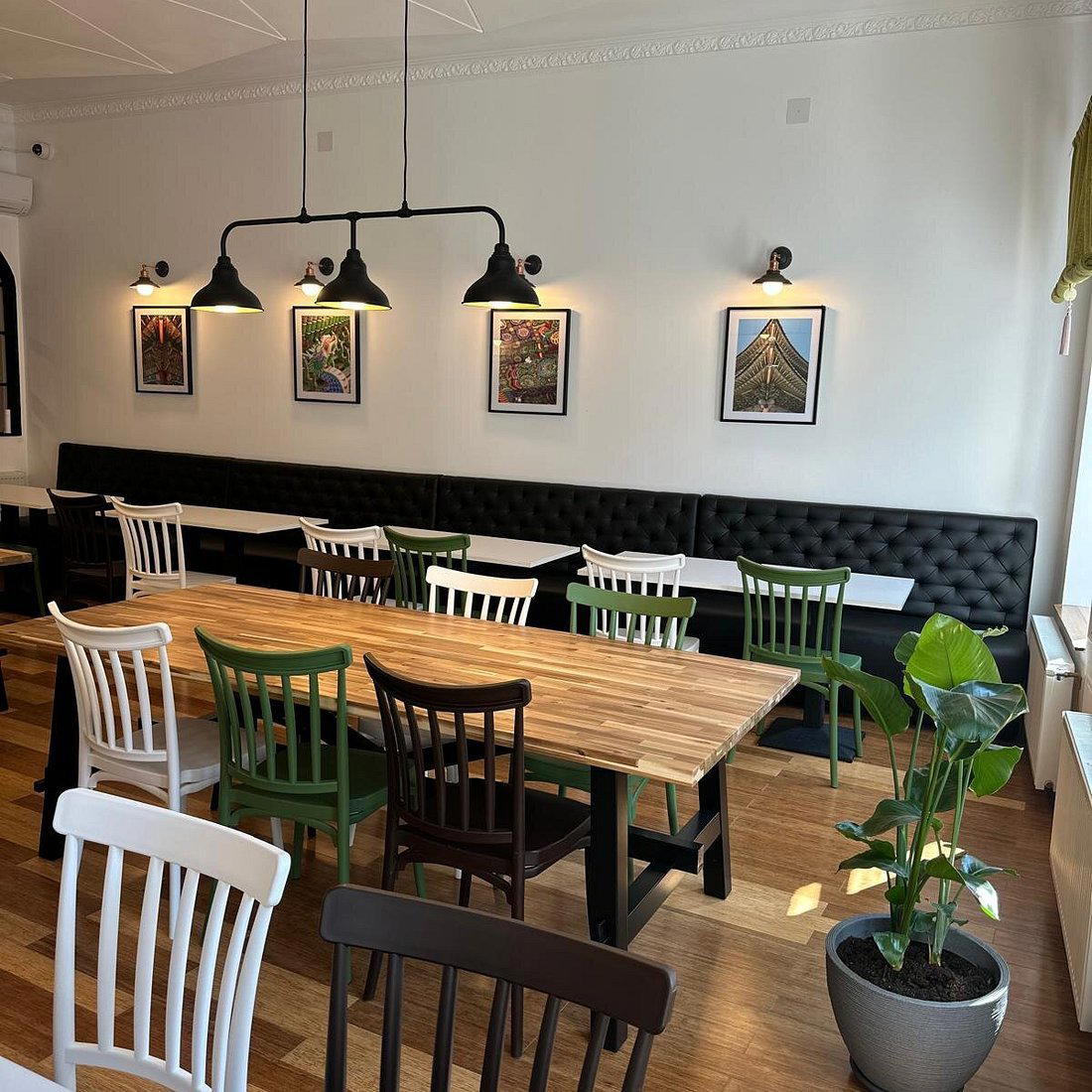
Korean Dining in the Carpathian City
K Food is a Korean restaurant in Brașov, Romania, at Str. Zaharia Stancu 8 in the 500167 postal zone. The cobblestoned streets around the Black Church and the newer residential quarters pushing toward Tractorul host an increasingly diverse spread of cuisines, and Korean cooking has found a foothold here that would have seemed unlikely fifteen years ago. K Food, on Str. Zaharia Stancu 8 in the 500167 postal zone, sits in this evolving part of the city where international formats coexist with the region's traditional ciorbe and grilled meats.
The Rhythm of a Korean Meal
Korean dining has its own grammar, and understanding it matters more at a table-service restaurant than at a fast-casual counter. The meal does not arrive in a single wave. Banchan, the small side dishes that accompany the main order, typically appear first: fermented vegetables, seasoned greens, small preparations that frame the proteins to follow. This is not appetizer culture in the Western sense; banchan are communal, refillable, and present throughout the meal. They calibrate the palate and set the register for everything else.
At Korean restaurants operating outside their home country, the banchan selection often signals how seriously the kitchen engages with the tradition. A thin offering of two or three dishes points toward a Westernized interpretation; a broader spread, rotated with the season or the kitchen's inclination, suggests a more faithful approach. Romanian diners accustomed to the sequential logic of European service sometimes find this format disorienting on a first visit, but regulars adapt quickly and often cite the communal sharing structure as one of the format's pleasures.
Main course choices at Korean restaurants in this tier typically span a range from grilled proteins, often prepared tableside on gas or charcoal burners, through braised dishes and noodle formats. The charcoal tabletop grill, when present, changes the meal's social dynamic entirely: cooking becomes part of the ritual, pace slows, conversation organises itself around the fire. Korean BBQ formats that have spread through Europe and North America carry this communal logic wherever they land, which partly explains their durability across different dining cultures.
Where K Food Sits in Brașov's Current Scene
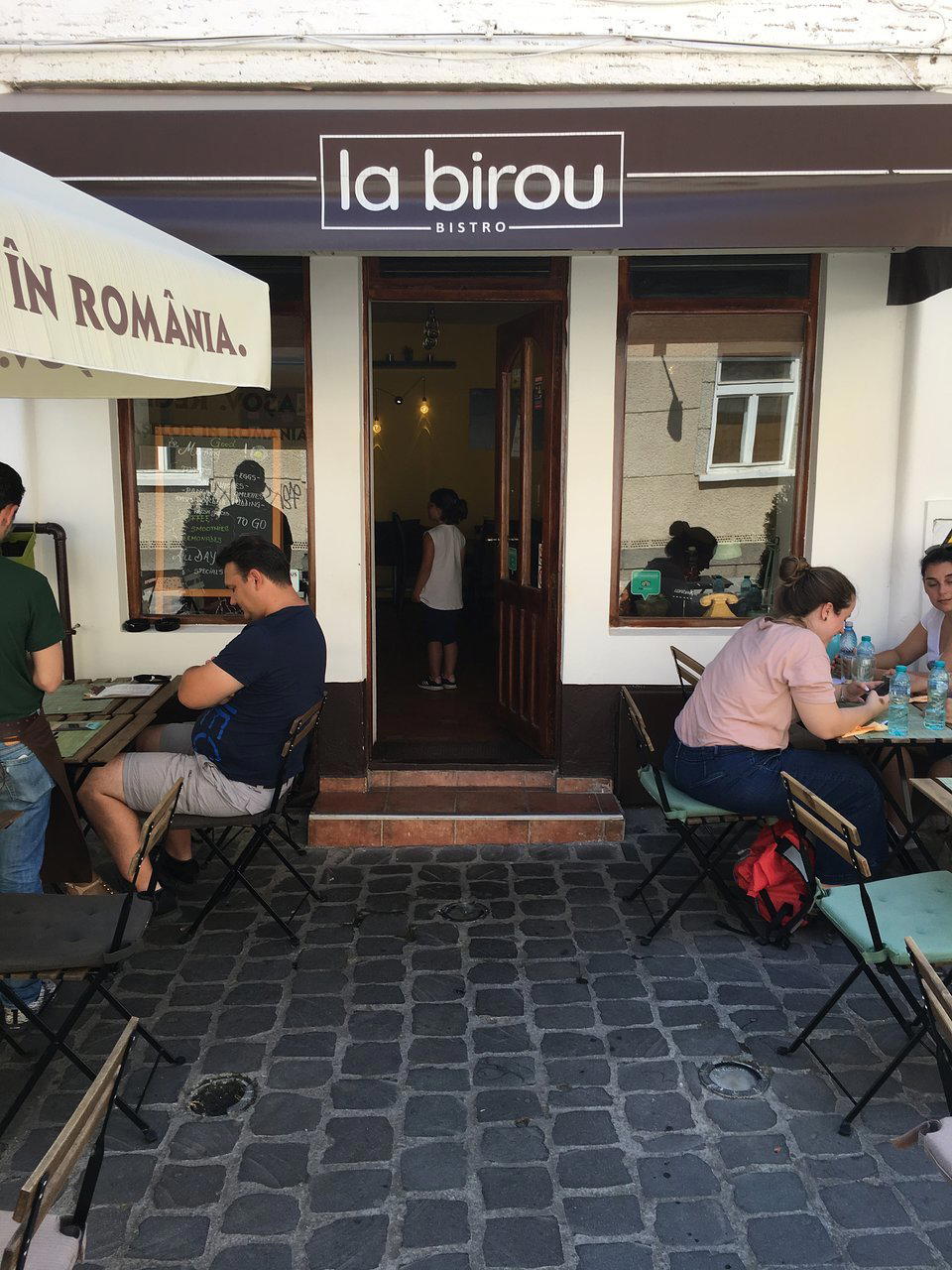
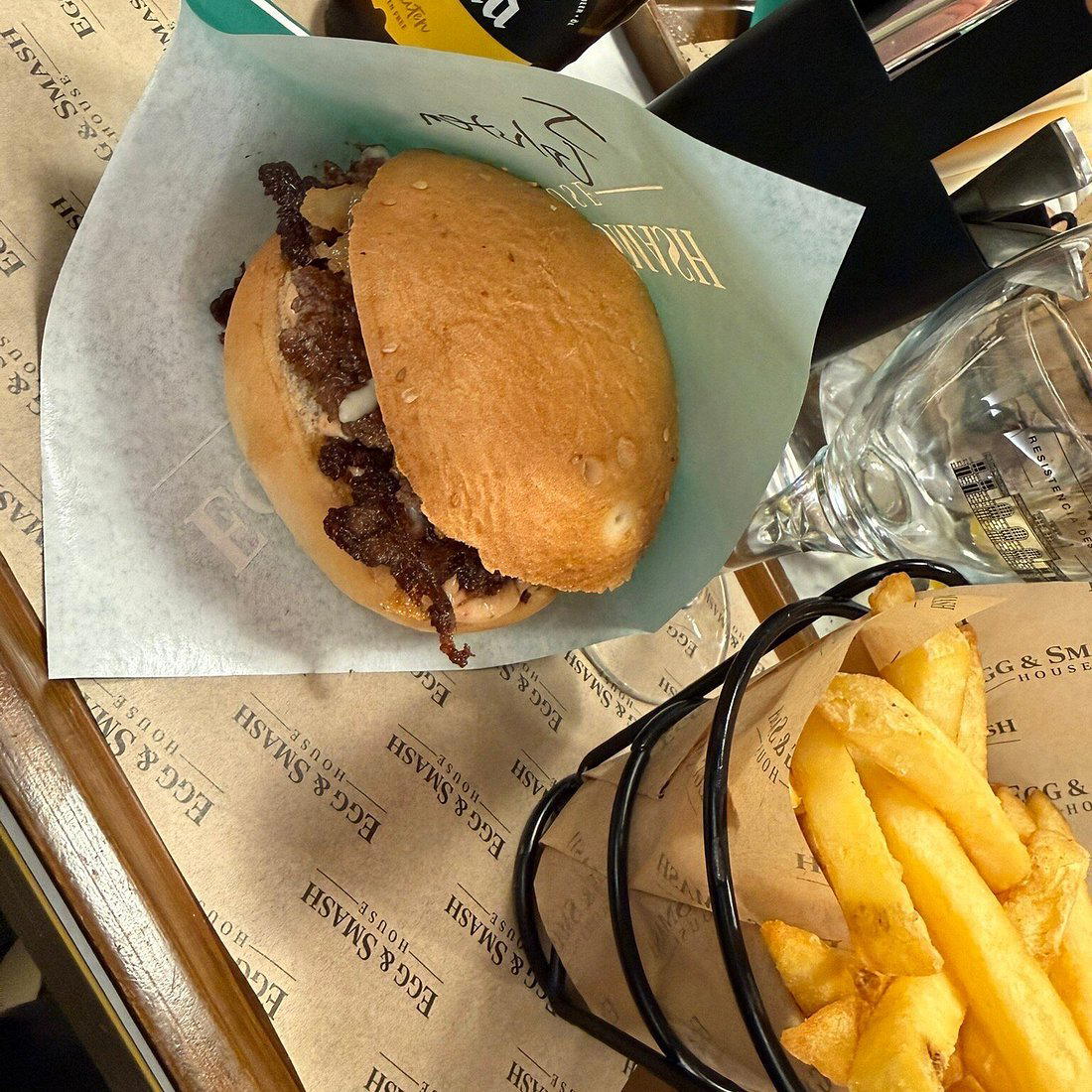
Brașov's mid-range dining tier has grown more competitive in recent years. Venues like Bistro de l'Arte have established a local benchmark for European bistro formats, while Artegianale holds a niche in the artisan-Italian space. Cartofisserie runs a recognisable fast-casual concept, and Egg and Smash House serves a focused brunch-forward format. La Birou Bistro represents the casual neighbourhood café end of the spectrum. Within this field, a Korean restaurant occupies a distinct category: it is not competing directly with any of these formats, which means it draws visitors with a specific intention rather than intercepting general foot traffic.
This specificity has consequences for planning. Diners who arrive with some working knowledge of Korean food tend to get more from the meal than those approaching it entirely cold. Understanding the difference between galbi and bulgogi, or knowing that doenjang jjigae and kimchi jjigae are distinct soups with different flavour profiles, is not mandatory, but it informs ordering decisions in ways that translate directly to satisfaction. The format rewards curiosity.
Planning Your Visit
K Food is located at Str. Zaharia Stancu 8, in the 500167 zone of Brașov, a city well connected by rail to Bucharest and reachable by road from Sinaia and the wider Prahova Valley corridor. For visitors building a wider Romanian dining itinerary, the full Brașov restaurants guide provides a broader map of the city's current options. Those exploring other Romanian cities can also reference venues like Bogdania Bistro in Bucharest, Eat IT casual gourmet kitchen in Oradea, or Lo Sfizio in Târgu Mureș to anchor the regional picture. K Food is open daily from 10 AM to 8 PM and is walk-in friendly.
The dress code is casual, and street parking is more accessible than in the historic centre.
Cuisine Context
Comparable venues nearby, for context on price, style, and recognition.
| Venue | Cuisine | Price | Notes |
|---|---|---|---|
| K FoodThis venue — the venue you are viewing | Korean | $$ | Not listed |
| Artegianale | Authentic Italian Bistro & Wine Bar | $$ | Brasov Old Town |
| Egg & Smash House | American Smash Burgers & Breakfast | $$ | Cincsor |
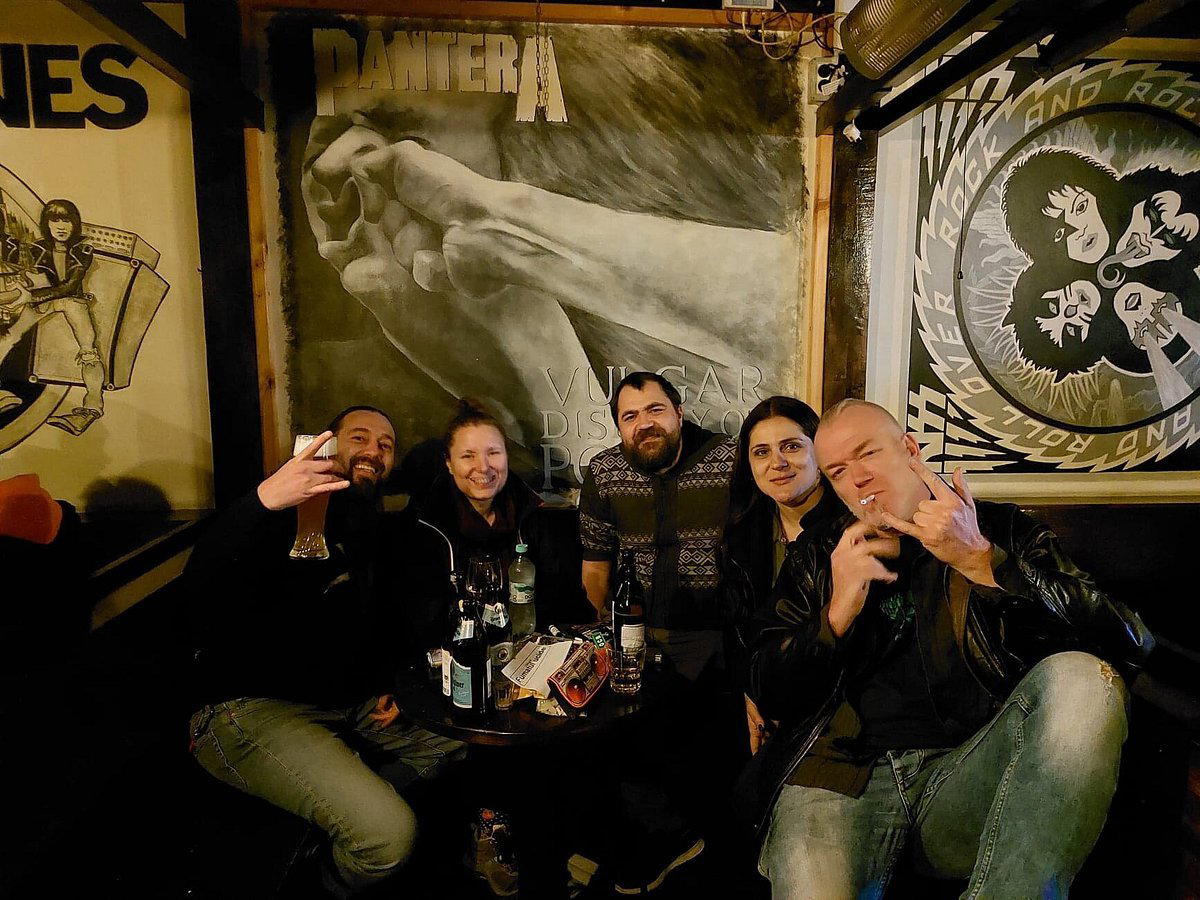
| Rockstadt | Rock Bar Snacks | $$ | central Brasov |
| Old Shanghai Restaurant | Authentic Shanghai Chinese | $$ | Centru |
| Bistro de l'Arte | Romanian Bistro with French Influences | $$ | Old Town |
Continue exploring
More in Brasov
Restaurants in Brasov
Browse all →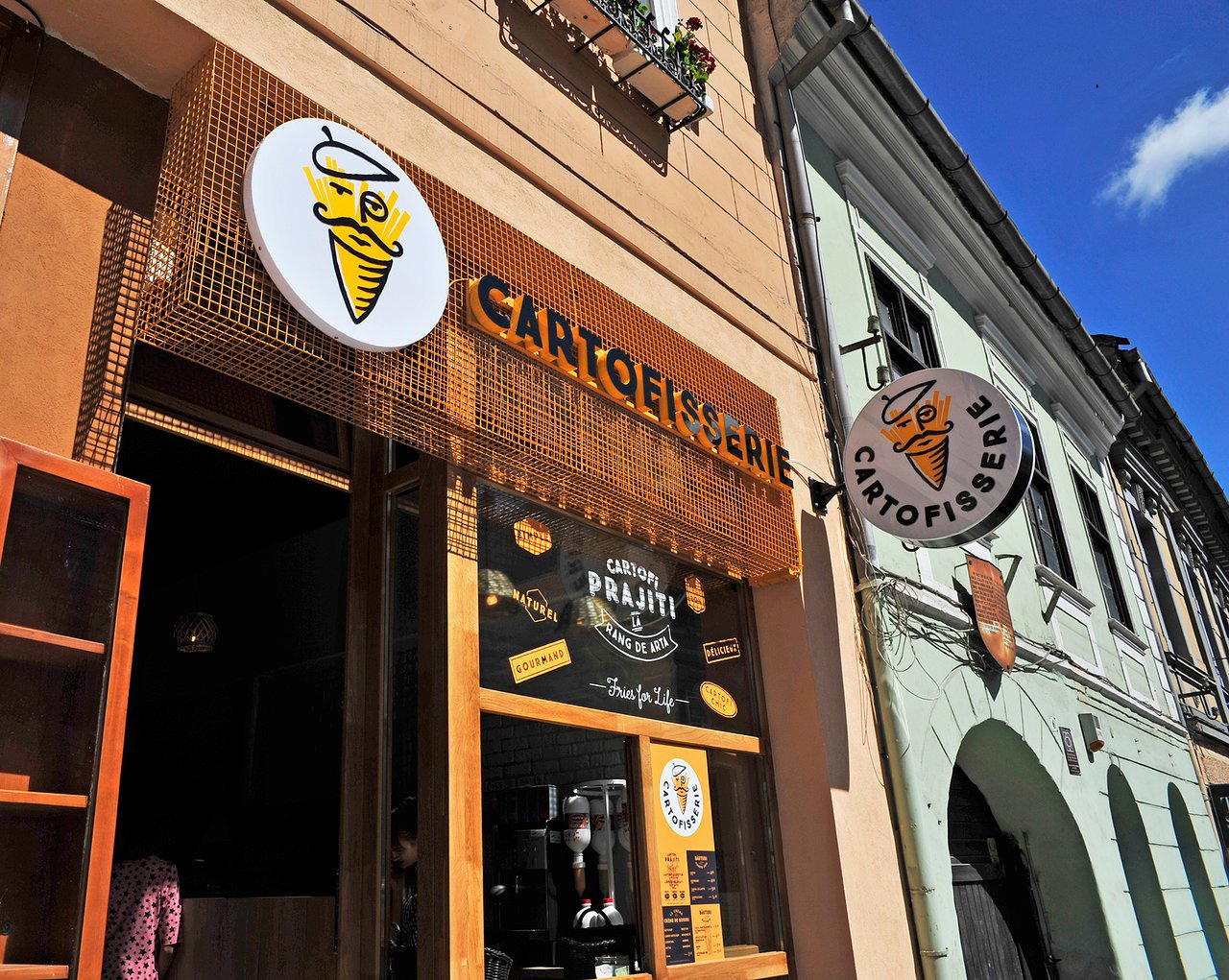
At a Glance
- Casual Hangout
Current opening hours
- Monday
- 10 AM–8 PM
- Tuesday
- 10 AM–8 PM
- Wednesday
- 10 AM–8 PM
- Thursday
- 10 AM–8 PM
- Friday
- 10 AM–8 PM
- Saturday
- 10 AM–8 PM
- Sunday
- 10 AM–8 PM
Hours can change for holidays and private events. Last verified .
Clean and friendly with pleasant service.