
Our verdict
Sushi Kuu is a sanctuary for connoisseurs who value restraint, precision, and the quiet thrill of culinary mastery. At its intimate counter, each course unfolds with serene confidence—perfectly tempered rice, knife-work that reveals the soul of the fish, and harmonies of temperature and texture that linger long after the final bite. Expect an omakase guided by peak-season seafood, impeccably sourced and shown with reverence, complemented by rare sakes and thoughtful service that anticipates every need. For diners who appreciate understated luxury, Sushi Kuu offers a deeply personal encounter with Japanese craftsmanship, where simplicity becomes the ultimate indulgence.

Pearl is the En Primeur Club membership app, where members save venues, book tables and use the concierge.
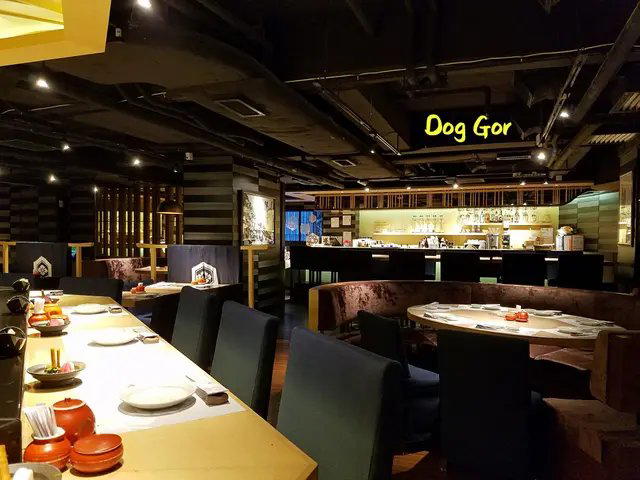
The menu
What to order
- Unagi rice
- Tuna head
- Soft shell crab roll
Edomae in Central: What the Counter Signals Before the First Piece Arrives
Baskerville House on Ice House Street sits in the quieter, more composed corner of Central, away from the foot traffic of Lan Kwai Fong. Walking into the ground-floor unit, the architectural register is immediate: the counter format, the controlled lighting, the deliberate absence of visual noise. These are not decorative choices. In omakase sushi at this level, the environment is a statement of intent, that the fish, the rice, and the sequence are the entire argument. Hong Kong has accumulated a dense field of Japanese counter restaurants over the past two decades, but the city's serious edomae contingent remains smaller and more self-selecting than the broader Japanese dining scene. Sushi Kuu operates inside that contingent.
The Shokunin Tradition and What It Means in a City Like Hong Kong
Edomae sushi is, at its foundation, a discipline built on transmission. The shokunin model, where technique is absorbed through years of proximity to a master before a chef earns the right to cut independently, produces a recognisable lineage logic in elite counters across Tokyo, and increasingly across Asia. Chef Satoru Mukogawa works within that tradition at Sushi Kuu. The relevant question for a Hong Kong diner is not simply what appears on the counter, but what years of formation behind that technique imply about consistency, sourcing discipline, and the control of the smallest variables: rice temperature, knife angle, the timing of a piece from hand to plate.
That formation logic is why counters with credible apprenticeship depth tend to maintain tighter performance ranges than those that import surface aesthetics without the underlying rigour. It also explains why Opinionated About Dining, one of the more data-grounded ranking systems operating in Asia, has tracked Sushi Kuu across three consecutive years, ranked among its Leading Restaurants in Asia in both 2024 (at #349) and 2025 (at #422), and Recommended in 2023. The directional movement in the rankings between years reflects the kind of iterative refinement that serious shokunin practice tends to produce rather than rapid headline-making changes.
Hong Kong's Sushi Tier: Where Kuu Sits
The city's premium sushi counters now occupy a clearly stratified field. At the leading sits Sushi Shikon, a three-Michelin-star operation that prices and formats against Tokyo's most decorated counters. Below that, a second tier of serious, award-tracked counters, including Sushi Saito, Sushi Wadatsumi, Sushi Fujimoto, and Sushi Gin, operate with enough OAD or Michelin recognition to attract both local regulars and visiting diners who have done their research.
Regionally, the comparison set extends outward. Counters such as Shoukouwa and Hamamoto in Singapore, and Tokyo references including Harutaka, Sushi Kanesaka, and Edomae Sushi Hanabusa, define what apprenticeship-grounded edomae looks like at the top of the Asian market. Internationally, Sushi Sho in New York City and Sukiyabashi Jiro Roppongiten represent how far the counter format has translated outside Japan. Sushi Harasho in Osaka offers a further regional reference for how regional Japanese sushi traditions diverge from the Tokyo-origin edomae model. Within Hong Kong, Kuu earns its position through consistency rather than spectacle, the OAD dataset's value lies precisely in rewarding the former over the latter.
The Format and What to Expect
Service runs across lunch and dinner sittings, seven days a week, from 12 to 3 pm and 6 to 11 pm. The split-session structure is standard for counters operating at this level in Hong Kong: it allows the kitchen to reset fully between services, which matters in edomae contexts where rice preparation and fish conditioning are continuous processes rather than batch operations. Arriving at the start of a session rather than mid-way through is always the better read, particularly for the lunch format where the pace tends to be more compressed.
The counter format itself shapes the experience in ways that matter. Omakase removes choice as a mechanism and replaces it with sequencing, the chef determines what is served, in what order, and at what pace. For diners accustomed to à la carte control, this requires a recalibration. For those already familiar with the format, a counter like Kuu's offers the particular satisfaction of watching a trained professional execute within constraints they have spent years internalising.
Central as a Dining Address
Ice House Street and the immediate surrounding blocks represent one of Hong Kong's more concentrated patches of serious dining. The neighbourhood's lunch demographic skews toward finance and legal professionals working nearby, which sustains a daytime counter business that many comparable venues in less commercial districts cannot support. By evening, the same streets draw a more varied crowd, including visiting diners who use Central as a logical base for covering multiple Hong Kong restaurants across a stay. The ground-floor positioning in Baskerville House makes the entrance more accessible than basement or high-floor counters that require navigating building lobbies, a small but practical advantage in a city where the physical experience of finding a venue can set the tone before the meal begins.
Central also positions Kuu well relative to Hong Kong's broader dining field. Diners who approach the city through its full spectrum, including the contemporary European and French references at venues like Caprice, 8 1/2 Otto e Mezzo Bombana, and Feuille, tend to include one or two Japanese counter meals as structural anchors in a multi-night programme. The OAD recognition signals that Kuu can serve that function without being a compromise pick within the sushi category.
Planning Your Visit
For a broader view of what Central and Hong Kong offer across categories, see our full Hong Kong restaurants guide, our full Hong Kong hotels guide, our full Hong Kong bars guide, our full Hong Kong wineries guide, and our full Hong Kong experiences guide.
Address: G1, Baskerville House, 22 Ice House Street, Central, Hong Kong. Hours: Monday to Sunday, 12–3 pm and 6–11 pm. Reservations: Advance booking recommended, particularly for evening sittings and weekend lunch. Recognition: Opinionated About Dining Leading Restaurants in Asia, ranked #349 (2024) and #422 (2025); OAD Recommended (2023).
What Regulars Order at Sushi Kuu
At an omakase counter, the question of what to order is structurally different from asking for a dish recommendation at an à la carte restaurant. The format at Sushi Kuu is chef-led: the sequence is determined by Chef Satoru Mukogawa based on what the kitchen is working with that service. Regulars at this kind of counter tend to concentrate their attention not on specific pieces but on the rice, its temperature, seasoning level, and how it holds against the fish, and on the progression from lighter white fish through richer, aged, or cured preparations. At established edomae counters, the toro and uni pieces draw the most attention from first-timers, but experienced diners often cite the leaner, more technically demanding cuts as the more revealing indicator of a kitchen's actual level. The OAD recognition across three years suggests that Kuu's kitchen maintains the consistency that repeat visitors rely on, which is itself the most useful signal for what to expect on any given night.
Frequently asked questions
Who is the chef at Sushi Kuu?
The chef associated with Sushi Kuu is Satoru Mukogawa.
What's Sushi Kuu's location?
Sushi Kuu is located at Hong Kong, Central, Ice House St, 22 號G1 號舖 Baskerville House, Hong Kong.
What do regulars order at Sushi Kuu?
At an omakase counter like Sushi Kuu, the menu is chef-directed rather than guest-selected, so the question shifts to what the format delivers. Under chef Satoru Mukogawa, the kitchen operates within the Edomae tradition, which means the progression of nigiri is sequenced and paced by the counter rather than chosen from a list. Regulars familiar with the format typically follow the full omakase sequence across both the lunch and dinner sittings, which run from 12 to 3 pm and 6 to 11 pm seven days a week. The counter's consecutive OAD Asia rankings, #422 in 2025 after reaching #349 in 2024, suggest a following that returns for the structured experience rather than individual dishes.
What time does Sushi Kuu open and close?
Hours at Sushi Kuu: Hours: Monday 12–3 pm, 6–11 pm Tuesday 12–3 pm, 6–11 pm Wednesday 12–3 pm, 6–11 pm Thursday 12–3 pm, 6–11 pm Friday 12–3 pm, 6–11 pm Saturday 12–3 pm, 6–11 pm Sunday 12–3 pm, 6–11 pm.
What's Sushi Kuu known for in terms of accolades?
Sushi Kuu has received recognition including: Opinionated About Dining Top Restaurants in Asia Ranked #422 (2025); Opinionated About Dining Top Restaurants in Asia Ranked #349 (2024); Opinionated About Dining Top Restaurants in Asia Recommended (2023).
The Quick Read
A quick snapshot of similar venues for side-by-side context.
| Venue | Cuisine | Price | Awards | Notes |
|---|---|---|---|---|
| Sushi KuuThis venue (the venue you are viewing) | Modern Japanese Sushi and Omakase | $100–150 | Not listed | Not listed |
| 8 1/2 Otto e Mezzo Bombana (Hong Kong) | 3 Michelin-Star Italian Fine Dining | $200–300 | 3 Michelin Stars · World's 50 Best #94 | Italian |
| Ta Vie | Modern French-Japanese Fine Dining | $300–500 | 3 Michelin Stars · World's 50 Best #68 | Japanese - French, Innovative |
| Caprice | Contemporary French Fine Dining | $200–300 | 3 Michelin Stars · World's 50 Best #35 | French, French Contemporary |
| Feuille | Modern Vegetable-Forward French | $200–300 | 1 Michelin Star · World's 50 Best #93 | French Contemporary |
| Neighborhood | Modern French with Asian Influences | $50–100 | 1 Michelin Star · World's 50 Best #24 | International, European Contemporary |
Recognition history
Dated appearances from independent guides and award organizations, with the underlying list record or original source where available.
Opinionated About Dining Top Restaurants in Asia Recommended
Opinionated About Dining
Full recognition history (4 entries)
Opinionated About Dining Top Restaurants in Asia Ranked #422
Opinionated About Dining
Opinionated About Dining Top Restaurants in Asia Ranked #349
Opinionated About Dining
Opinionated About Dining Top Restaurants in Asia Recommended
Opinionated About Dining
Continue exploring
More in Hong Kong
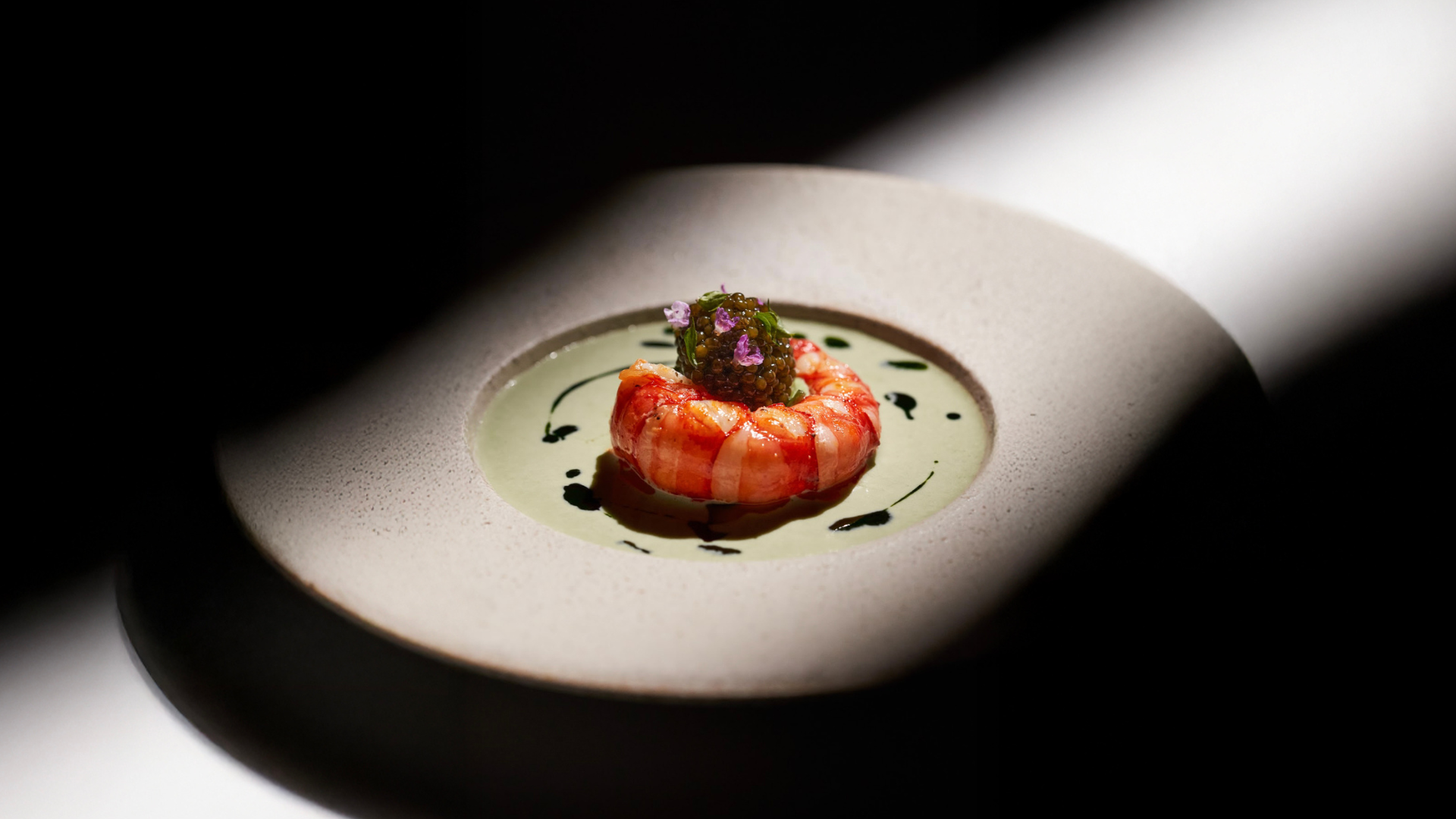
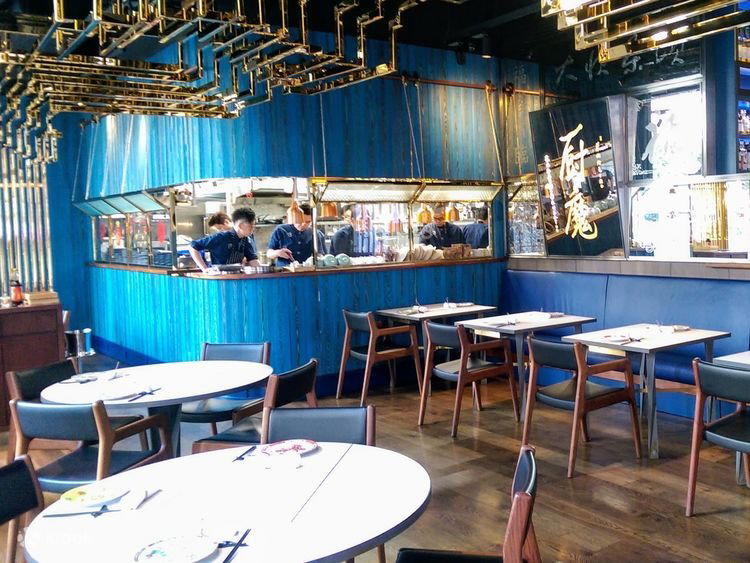
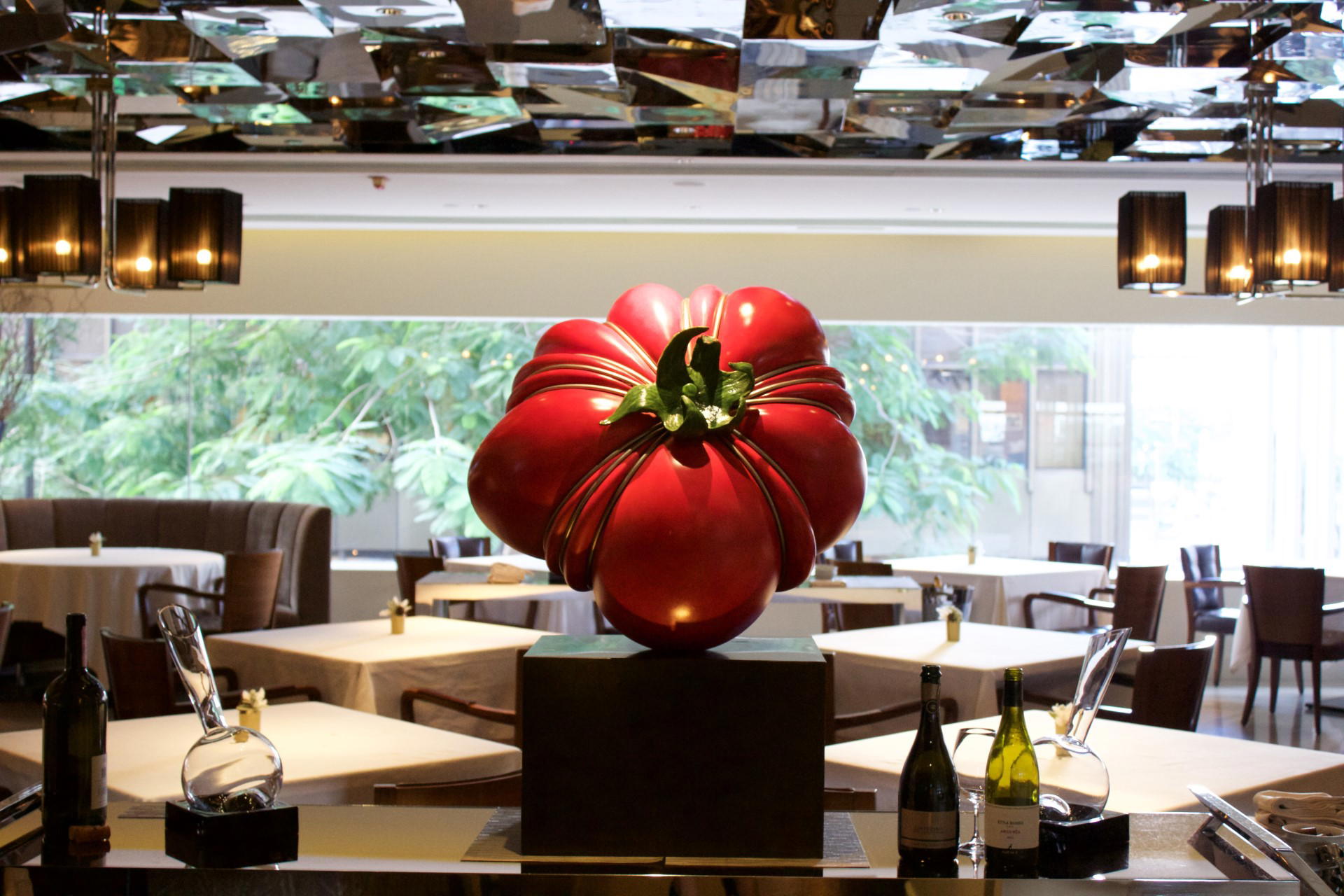
Restaurants in Hong Kong
All restaurants in Hong Kong →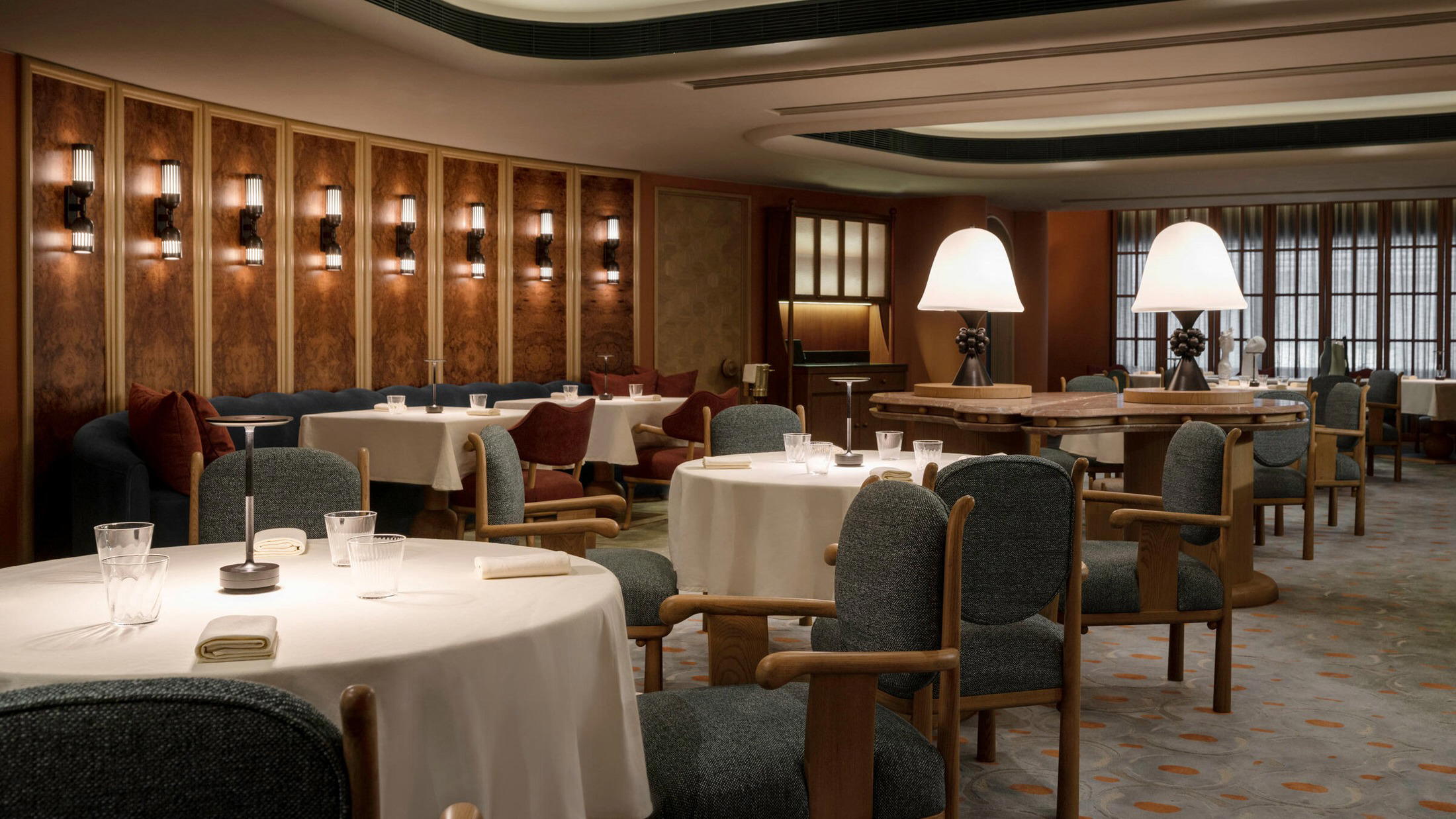
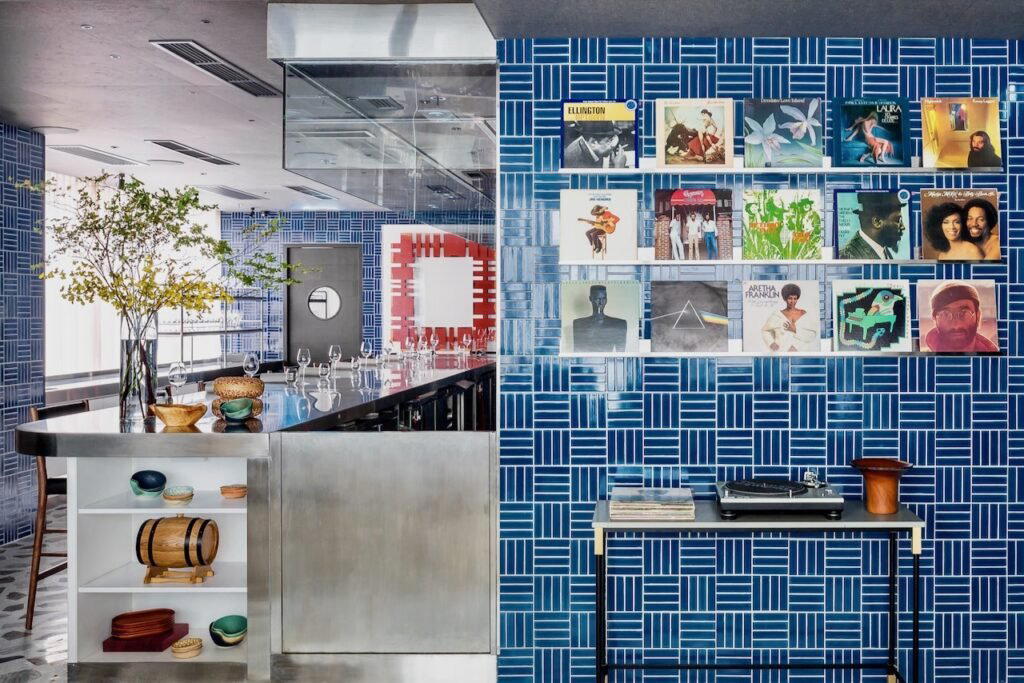
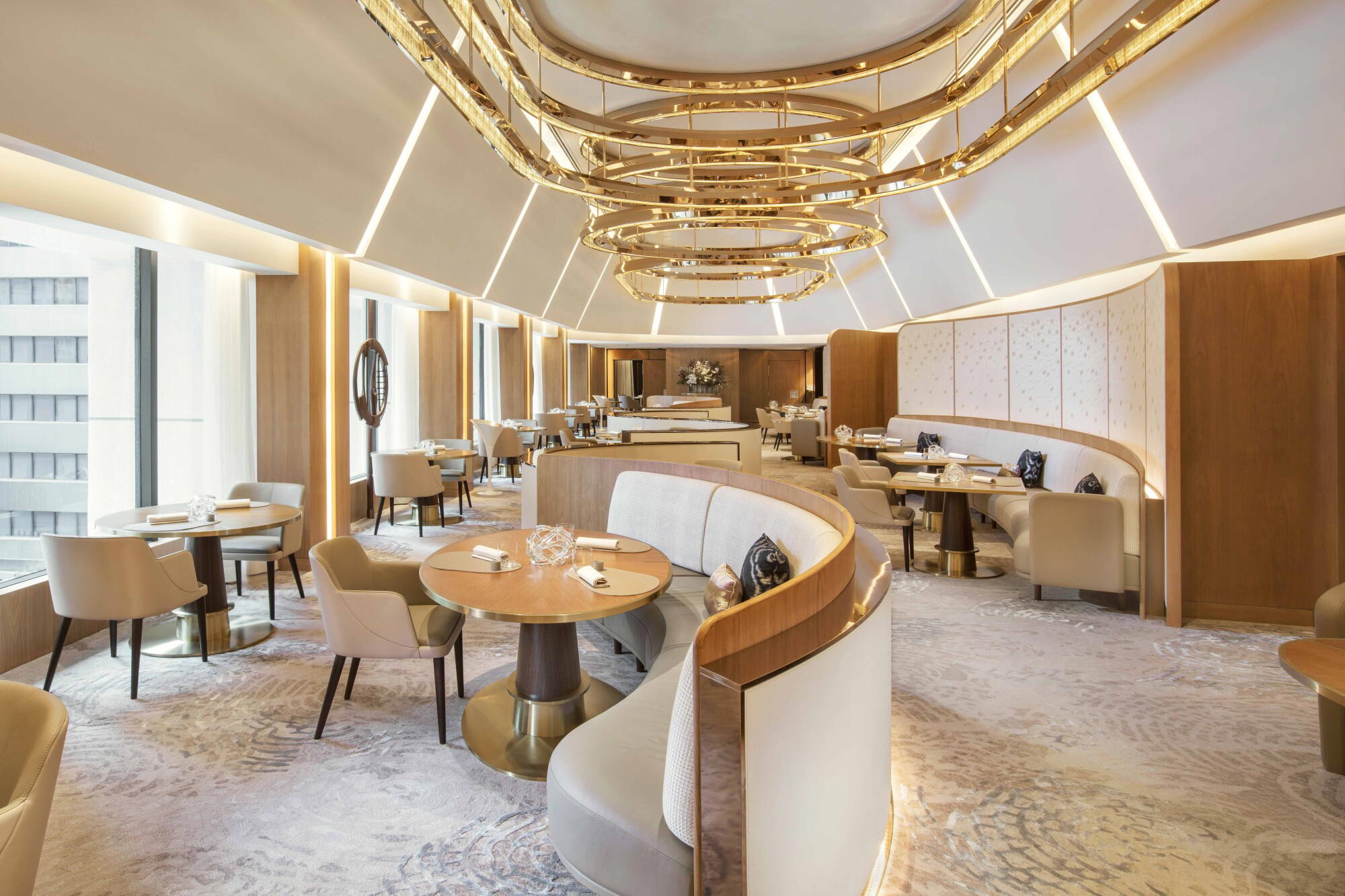
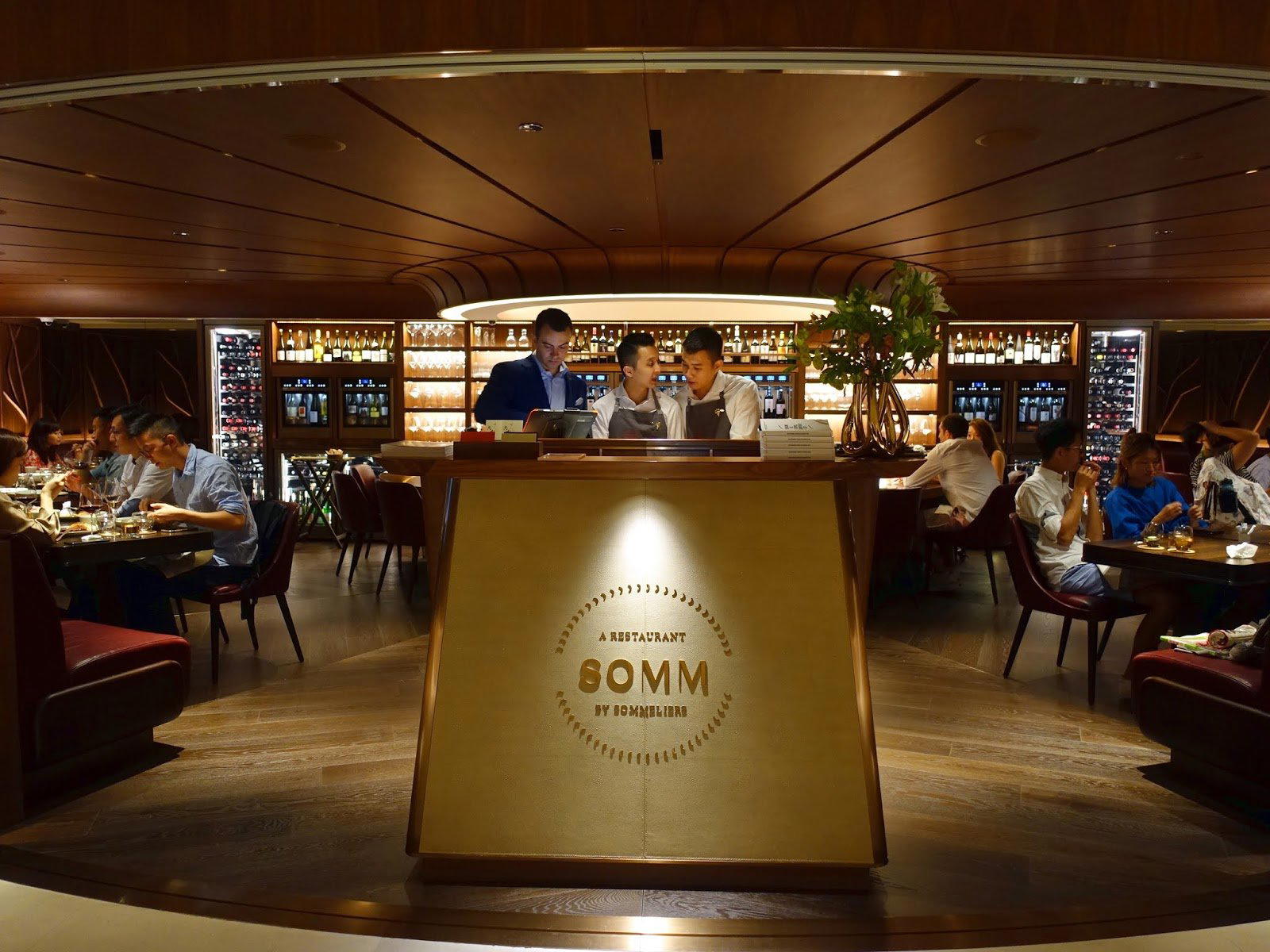
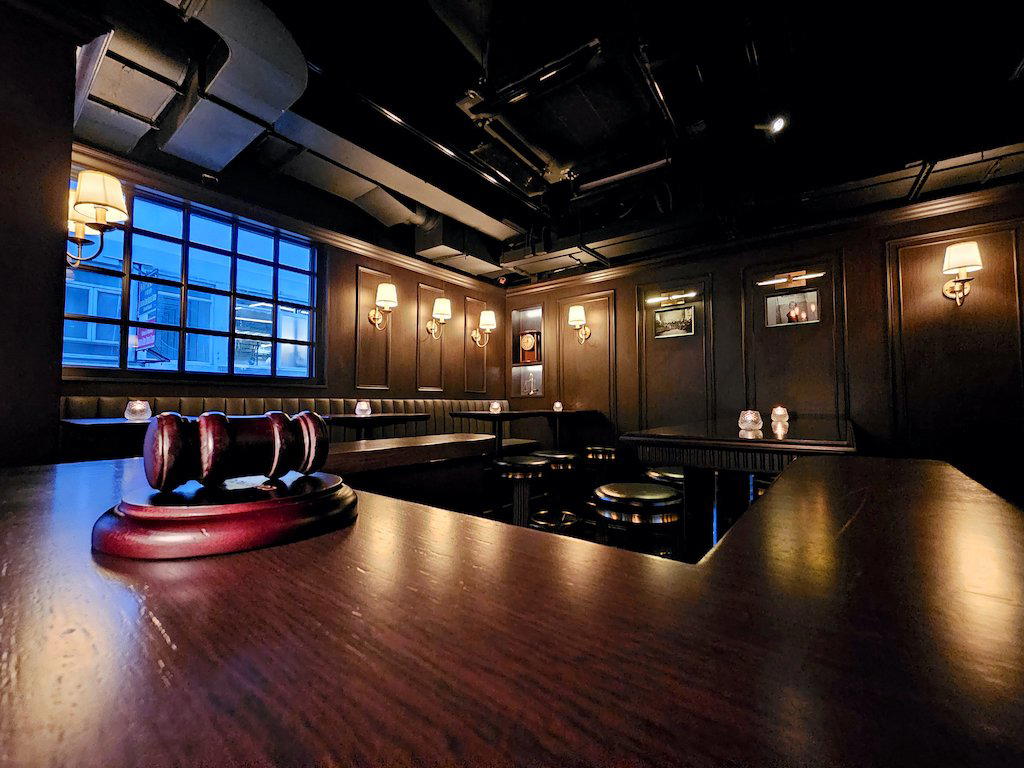
Bars in Hong Kong
All bars in Hong Kong →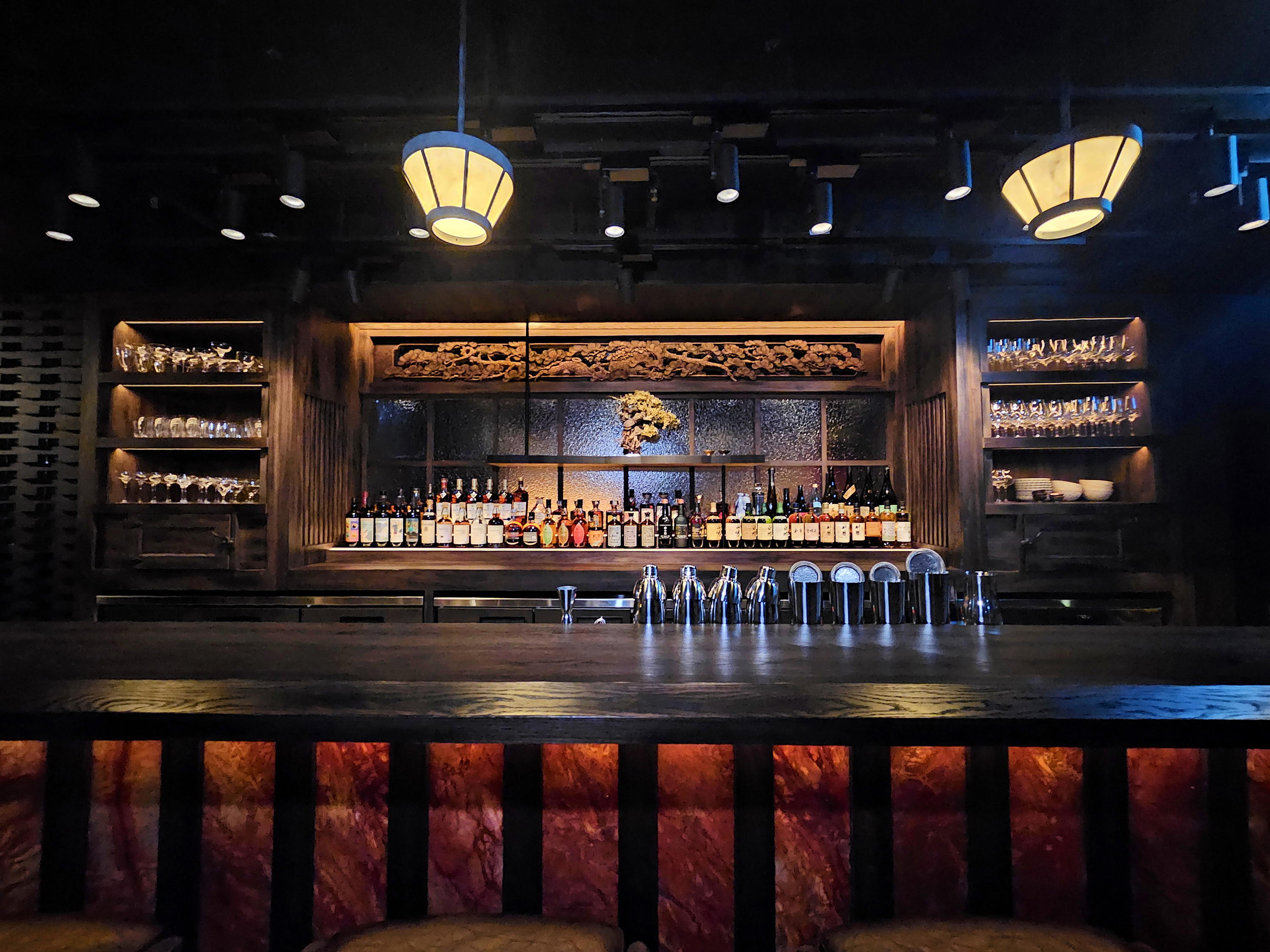
Hotels in Hong Kong
All hotels in Hong Kong →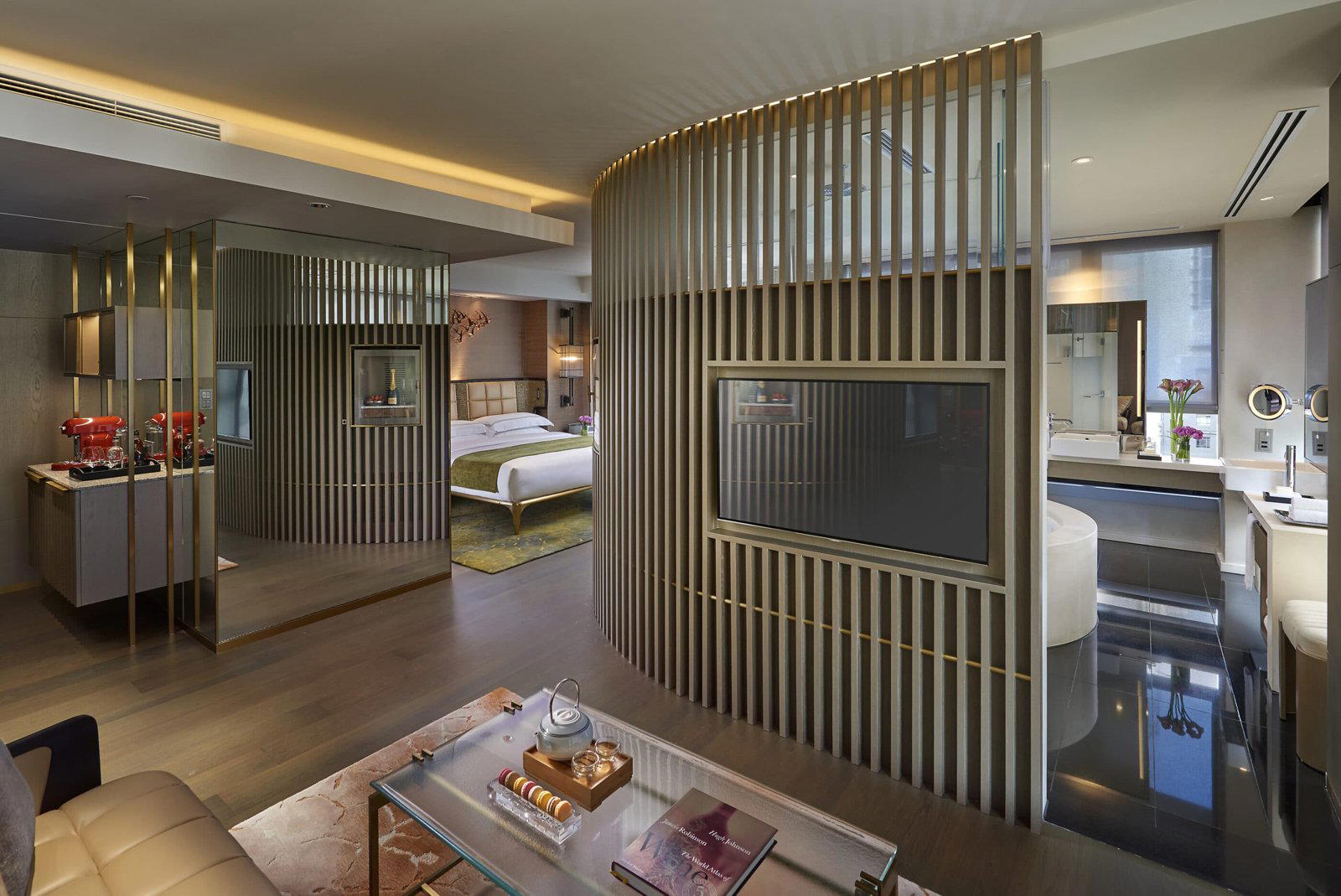
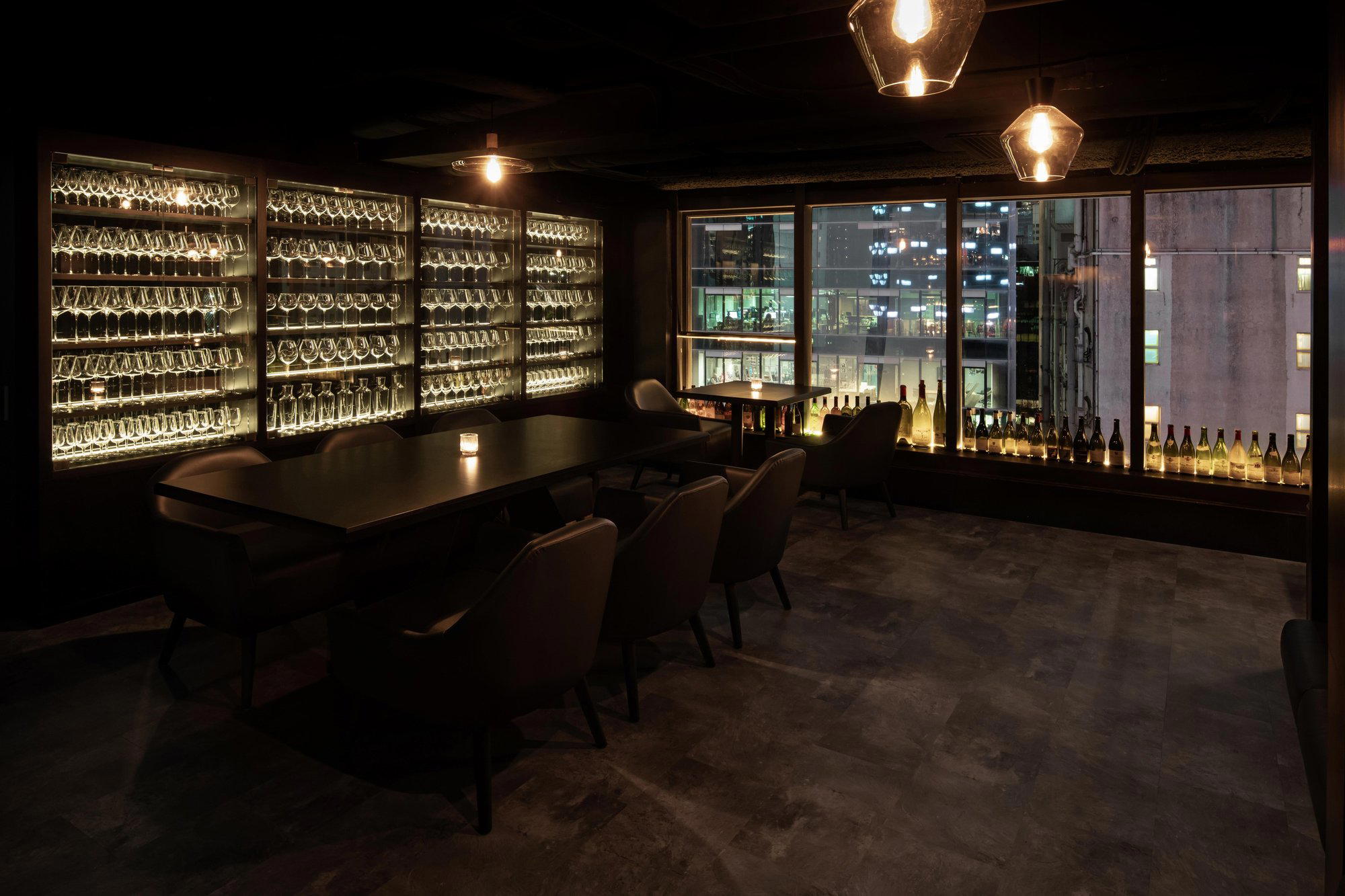
Wineries in Hong Kong
All wineries in Hong Kong →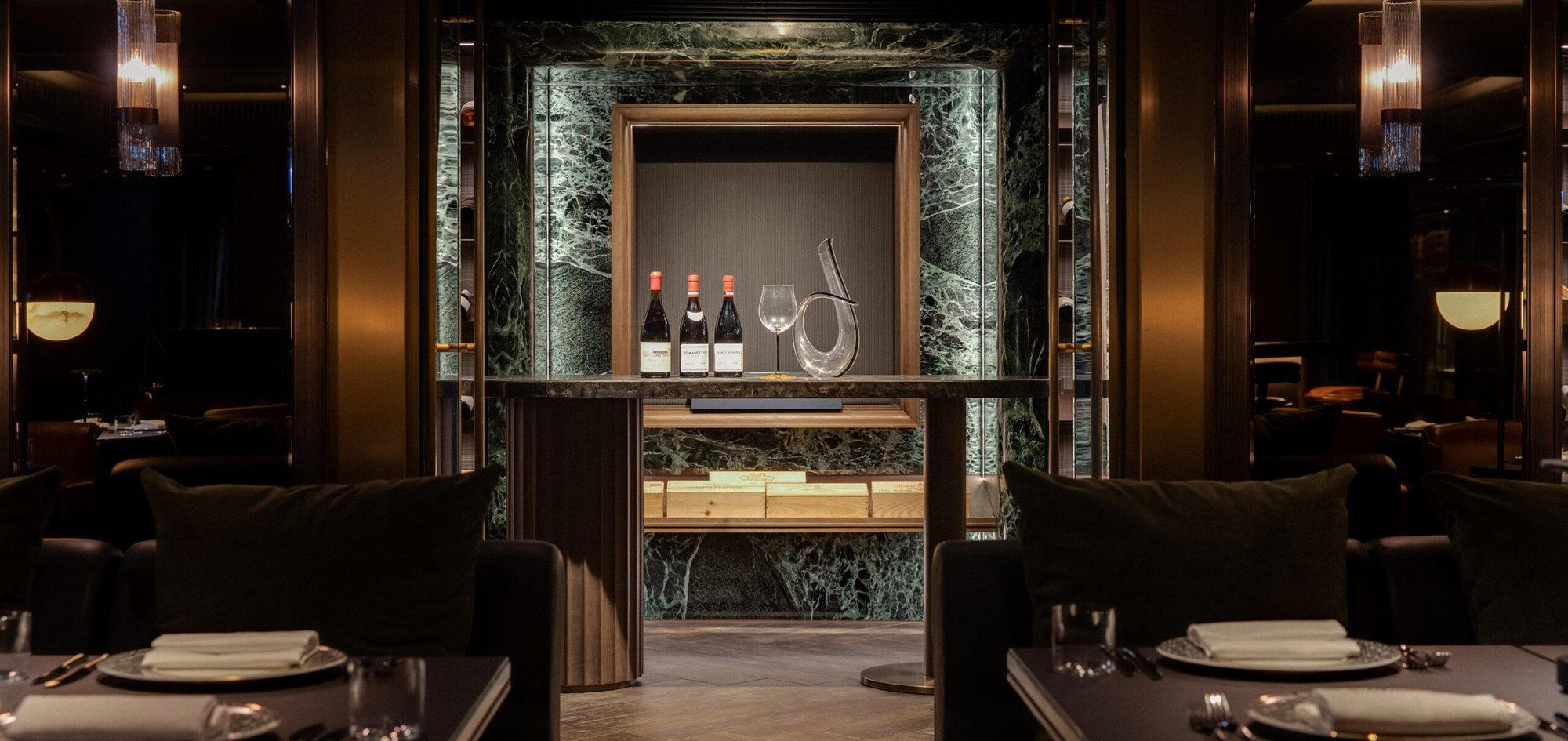
Details
- Elegant
- Modern
- Sophisticated
- Business Dinner
- Date Night
- Group Dining
- Chefs Counter
- Private Dining
- Open Kitchen
- Sake Program
- Sustainable Seafood
- Omakase
- A La Carte
- Counter Dining
- Sake
Current opening hours
- Monday
- 12–3 PM, 6–11 PM
- Tuesday
- 12–3 PM, 6–11 PM
- Wednesday
- 12–3 PM, 6–11 PM
- Thursday
- 12–3 PM, 6–11 PM
- Friday
- 12–3 PM, 6–11 PM
- Saturday
- 12–3 PM, 6–11 PM
- Sunday
- 12–3 PM, 6–11 PM
Hours can change for holidays and private events. Hours as of .
Sleek and upscale with relaxing atmosphere, lively vibe at times, well-designed interior though air-conditioned and dimly lit in some areas.