
Michelin Plate
Our verdict
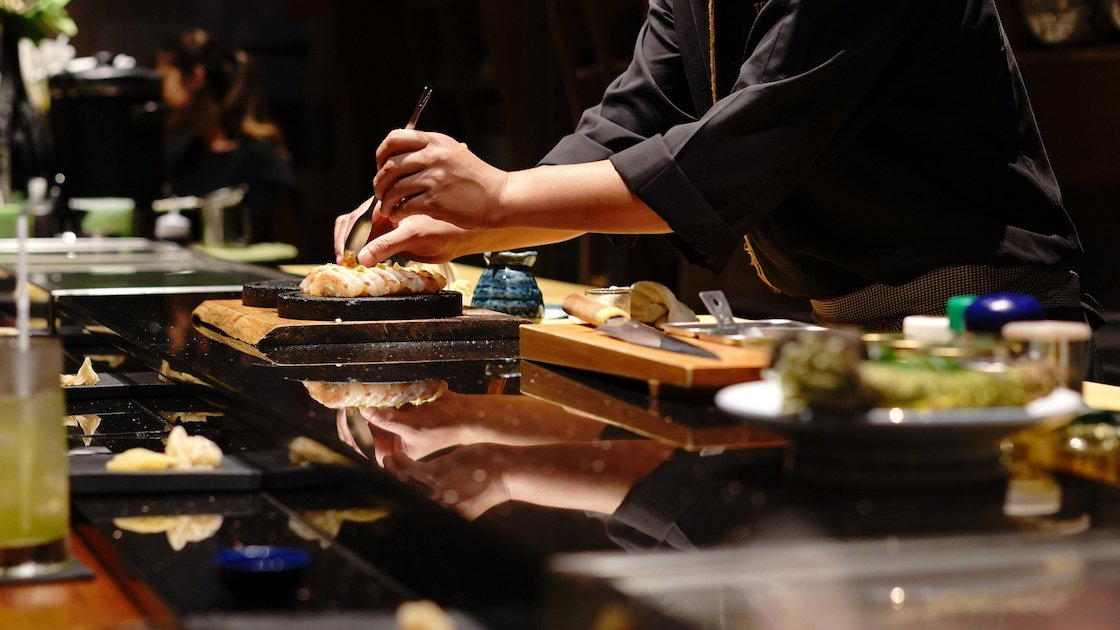
At Wilkie Road, Sushi Yuki runs a 13-seat counter and two private rooms where omakase and kaiseki menus centre on fish flown from Japan four times a week. Chef Yukinori Kawakami brings a decade of Singapore sushiya experience to the format, with Yamagata-prefecture rice dressed in a two-vinegar blend that keeps the focus on the fish itself. Booking is strongly advised.

Pearl is the En Primeur Club membership app, where members save venues, book tables and use the concierge.
The menu
What to order
- Kama toro
- Nodoguro
- Uni rice bowl
- Buri waraibushi
Wilkie Road and the Logic of Neighbourhood Omakase
Singapore's premium Japanese dining scene concentrates heavily in the CBD and Orchard corridors, where foot traffic and hotel adjacency support high-volume omakase formats. Wilkie Road sits outside that gravitational pull. The stretch of the Bras Basah-Bugis area where Sushi Yuki occupies a ground-floor unit at Wilkie Edge operates at a different register: quieter, less transited, with a neighbourhood character that filters out casual diners before they even reach the door. In cities like Tokyo and Osaka, the best-regarded counter sushi houses have long preferred residential or low-traffic addresses over prime commercial strips. Singapore's omakase tier has been replicating that logic more deliberately over the past decade, and Wilkie Road is a coherent expression of it.
Arriving at a 13-seat counter in a building that most Singaporeans associate with law offices and medical suites rather than dining destinations creates an immediate tonal signal. The surrounding area, within walking distance of the Singapore Management University campus and the institutional edge of Little India, is not a dining precinct in the conventional sense. That absence of ambient restaurant energy is, arguably, part of the point. The physical approach does the work of separating serious intent from casual curiosity, which is a kind of curation in itself.
The Counter Format and What It Demands
Thirteen counter seats is a meaningful number in the context of Singapore omakase. It places Sushi Yuki below the threshold of larger counter formats that run two or three seatings nightly and above the genuinely intimate six- or eight-seat counters where the chef's attention is almost uncomfortably close. It is a format that assumes the guest understands how to inhabit counter dining: the pacing, the restraint, the rhythm of receiving and responding to each course without treating it as a performance to critique aloud.
The two private rooms extend the capacity without breaking the counter's logic. Private room omakase at this level functions differently from counter dining; the social dynamic shifts, and the theatrical element of watching preparation recedes. For corporate entertaining or occasions requiring discretion, that trade-off makes sense. Both formats share the same sourcing infrastructure, which is the more important variable: fish flown from Japan four times a week, a frequency that keeps the gap between catch and plate tight enough to matter across both settings.
Chef Yukinori Kawakami's decade helming a sushiya in Singapore before opening Sushi Yuki is relevant here as a credential within a broader point about the city's omakase supply chain. Singapore operates at a structural disadvantage relative to Tokyo or Osaka: no domestic fishing industry to draw on, a tropical climate that requires careful cold-chain management, and a guest base that spans a wider range of omakase familiarity than a comparable counter in Ginza would encounter. Ten years of operating in that environment before launching an independent counter represents a calibration period, not just a career arc. The result is a kitchen that understands how to manage the logistics of importing Japanese fish to a Southeast Asian city and present it at the standard the format requires.
Rice, Vinegar, and the Technical Argument
In omakase, the rice is frequently the overlooked variable. Guests focus on the fish, its provenance, its aging, its temperature, and the rice functions as a neutral carrier. The more technically rigorous counter operators argue the opposite: that the rice, its variety, its seasoning, and its temperature at the moment of forming determines whether the fish reads clearly or gets muddied. Sushi Yuki uses shari from Yamagata Prefecture, dressed with a blend of two vinegars calibrated for a restrained acidity. The stated intention is to let the fish's natural flavour carry without competition from the rice.
Yamagata rice has a reputation in specialist Japanese culinary circles for a slightly firmer grain and lower stickiness than Niigata Koshihikari varieties, which affects how the shari holds and how it releases in the mouth. The two-vinegar approach is a relatively common technique among serious sushiyas to achieve a more layered seasoning than a single rice vinegar allows, typically combining a red vinegar (akasu, made from sake lees) with a lighter white rice vinegar. That kind of rice specification is a signal about where the kitchen's technical priorities sit, and it places Sushi Yuki in the more serious end of Singapore's omakase range.
Where It Sits in Singapore's Japanese Dining Tier
Singapore's premium dining scene supports a range of formats from French contemporary houses like Odette and Les Amis to European contemporary operators like Zén and Jaan by Kirk Westaway, alongside more innovation-led formats represented by venues like Meta. Japanese fine dining occupies a distinct tier within this ecosystem, one that operates more quietly but at comparable price points. Sushi Yuki's omakase and kaiseki menus at different price points signal an awareness of this: not every guest arrives with the same budget or the same familiarity with the format, and offering entry points into the same sourcing and technical framework broadens access without diluting the proposition.
Globally, the counter omakase format has been replicated across markets from New York to Hong Kong, with varying degrees of fidelity to the source tradition. Restaurants like Le Bernardin in New York City and 8 1/2 Otto e Mezzo Bombana in Hong Kong represent different traditions of fine dining rigour applied to specific markets, and the same logic applies here: Sushi Yuki is Singapore's version of a format calibrated for a city that understands imported luxury but has its own specific demands around sourcing, humidity, and guest profile. For those building a picture of serious dining across cities, our full Singapore restaurants guide maps the broader competitive field, while guides to Singapore hotels, bars, wineries, and experiences round out the city picture.
Planning a Visit
Sushi Yuki is at Wilkie Edge, #01-23/24, 8 Wilkie Road, Singapore. The 13-seat counter and two private rooms fill quickly given the format's low capacity; booking ahead is the practical minimum. The split between omakase and kaiseki formats at different price points means the first decision to make before booking is which format fits the occasion and the appetite for the evening. Wilkie Road is accessible from the Bras Basah MRT on the Circle Line and from Dhoby Ghaut interchange, which makes arrival by public transit direct. Visitors spending time across Singapore's broader dining range will find further context at guides to comparable formats globally, including Alinea in Chicago, Lazy Bear in San Francisco, Alain Ducasse Louis XV in Monte Carlo, Alléno Paris au Pavillon Ledoyen in Paris, Aponiente in El Puerto de Santa María, and Emeril's in New Orleans.
Frequently asked questions
What do people recommend at Sushi Yuki?
Is Sushi Yuki reservation-only?
What do critics highlight about Sushi Yuki?
Do they accommodate allergies at Sushi Yuki?
The Short List
Comparable venues nearby, for context on price, style, and recognition.
| Venue | Cuisine | Price | Awards | Notes |
|---|---|---|---|---|
| Sushi YukiThis venue (the venue you are viewing) | Edomae-style Omakase | $200–300 | Michelin Plate | Not listed |
| Ishizawa | Edomae Sushi Omakase | $300–500 | Michelin Guide Plate · Michelin Plate | CITY HALL, Edomae Sushi Omakase |
| Ki-sho | Kappo-style Japanese Omakase | $200–300 | Not listed | GOODWOOD PARK, Kappo-style Japanese Omakase |
| Sushi Katori | Premium Edomae Omakase | $300–500 | Michelin Guide Plate · Michelin Plate | CHINATOWN, Premium Edomae Omakase |
| Sushi Ryujiro | Edomae Omakase | Not listed | Michelin Plate | BOULEVARD, Edomae Omakase |
| Keyaki | Authentic Japanese Kaiseki and Teppanyaki | $100–150 | Not listed | MARINA CENTRE, Authentic Japanese Kaiseki and Teppanyaki |
Recognition history
Dated appearances from independent guides and award organizations, with the underlying list record or original source where available.
Michelin Plate
Michelin · 2026 Michelin Plate
Continue exploring
More in Singapore
Restaurants in Singapore
All restaurants in Singapore →
Bars in Singapore
All bars in Singapore →
Details
- Intimate
- Elegant
- Minimalist
- Sophisticated
- Date Night
- Special Occasion
- Business Dinner
- Chefs Counter
- Open Kitchen
- Private Dining
- Sake Program
- Extensive Wine List
- Sustainable Seafood
- Omakase
- Counter Dining
- Set Menu
- Sake
- Japanese Whisky
- Pescatarian Friendly
Current opening hours
- Monday
- 12–2:30 PM, 6–10:30 PM
- Tuesday
- 12–2:30 PM, 6–10:30 PM
- Wednesday
- 12–2:30 PM, 6–10:30 PM
- Thursday
- 12–2:30 PM, 6–10:30 PM
- Friday
- 12–2:30 PM, 6–10:30 PM
- Saturday
- 12–2:30 PM, 6–10:30 PM
- Sunday
- 12–2:30 PM, 6–10:30 PM
Hours can change for holidays and private events. Hours as of .
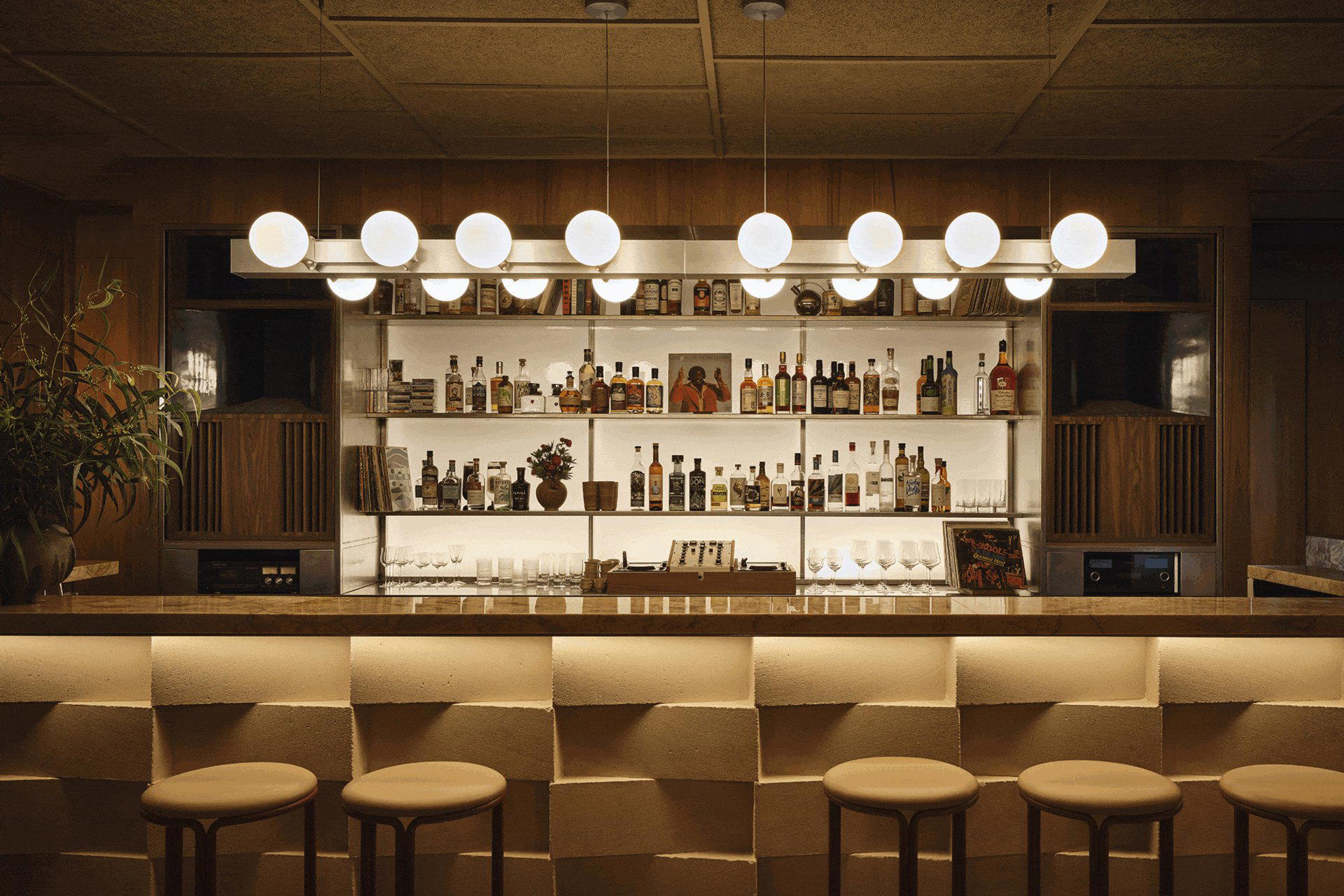
Zen-inspired minimalist space with warm wood tones and soft lighting, featuring an open kitchen with 13 counter seats and a selection of rare Japanese whiskies.