

SUSHI ZEN belongs to Singapore’s polished Japanese dining tier, where ingredient sourcing and counter discipline matter more than theatrical luxury. Its Black Pearl Restaurant Guide 2026 one-diamond recognition gives it an external marker in a city where sushi buyers compare provenance, rice handling, and pacing as closely as décor.
Pearl is the En Primeur Club membership app — saves, bookings, and concierge access live there. Same editors, same standards.
- Address
- 1 Teck Lim Rd, #01, Singapore, Singapore, 088379, SGP
- Phone
- +65 6550 2265
 Saves & bookings on Pearl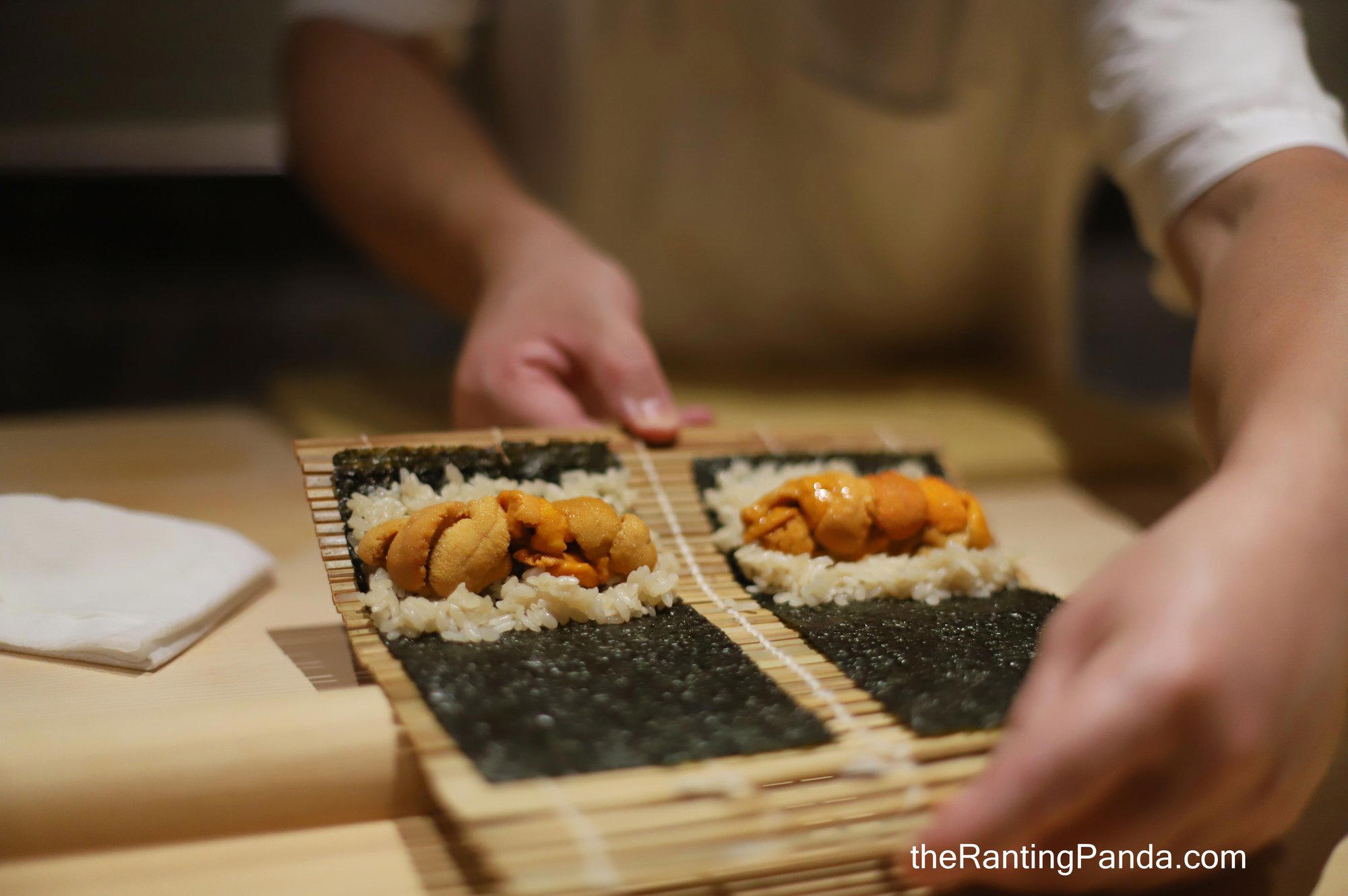
Singapore’s serious sushi rooms tend to announce themselves quietly: a controlled doorway, a hushed room, the visual grammar of pale timber, counter seating, and refrigerated precision rather than dining-room spectacle. In that context, SUSHI ZEN is less about novelty than discipline. The city has grown into a demanding market for Japanese dining because diners here understand supply chains: where the fish was bought, how quickly it moved, how the rice is seasoned, and whether the meal has the calm rhythm expected at this level.
The useful way to read SUSHI ZEN is through sourcing. Singapore has no domestic sushi tradition comparable to Tokyo or Osaka, so the credibility of a premium counter depends on access, consistency, and restraint. Fish procurement, rice temperature, knife work, and pacing carry the argument. Black Restaurant Guide named SUSHI ZEN among its 2026 one-diamond restaurants, a signal that places it in the city’s externally recognized dining conversation rather than the casual Japanese bracket.
Singapore sushi is now judged by supply chain, not spectacle
The city’s luxury dining culture has matured past the old assumption that imported fish alone makes a serious sushi meal. At this tier, the question is not simply whether seafood comes from Japan; it is whether the kitchen has the discipline to preserve texture, temperature, and sequence after that journey. Singapore’s humidity, customs timing, and competitive restaurant economy make those details matter. A counter can look serene while the real work happens before service: buying, receiving, holding, trimming, and deciding what deserves to be served that day.
The restaurant’s value sits inside that wider shift. The Black one-diamond listing gives the restaurant a trust signal, but the stronger editorial point is what the recognition implies about the market around it. Singapore diners now place Japanese counters beside French tasting menus, modern Chinese rooms, and chef-led Southeast Asian restaurants when deciding where a high-spend dinner belongs. For the broader dining map, Our full Singapore restaurants guide is the better starting point; the restaurant belongs to the narrower conversation around ingredient-led Japanese dining.
That makes atmosphere part of the food rather than a separate luxury cue. A sushi room works when it reduces distraction: fewer competing textures, quieter service language, tighter sightlines between hand and plate. The appeal is not abundance. It is the controlled sequence of small decisions, with rice and fish treated as a timing problem as much as a sourcing problem.
The counter format rewards diners who care about pacing
Premium sushi in Singapore divides diners quickly. Those looking for a long, social dinner with generous conversation may find the form too exacting. Those who enjoy watching a meal unfold through temperature, grain, cut, and order will understand why the counter remains the category’s natural stage. The restaurant is best approached as a focused Japanese meal in a city where diners are already fluent in omakase culture, even when the restaurant does not need to advertise every technical choice.
Because no chef biography, seat count, or booking channel is publicly listed here, the restaurant is better assessed by its category and recognition than by personality. That is not a weakness. Singapore’s better Japanese counters often operate on the strength of procurement networks and kitchen control rather than celebrity storytelling. In a market crowded with named concepts and chef-led launches, anonymity can shift attention back to the plate.
For context across the city’s range, Singapore can move from heritage street-food precision to polished hotel dining in a single day. EP Club’s restaurant coverage includes 328 Katong Laksa (Peranakan), 545 Whampoa Prawn Noodle, Ah Ter Teochew Fishball Noodles in Downtown Core, Ann Chin Popiah in Outram, Asian Twist by 365 Food in Queenstown, Banana Leaf Apolo in Rochor, and Bugis Street Ah Huat Hainanese Chicken Rice in Changi Airport. That breadth matters: Singapore diners bring hawker-level expectations of freshness and speed to expensive rooms, which makes weak sourcing harder to hide.
Where SUSHI ZEN fits in a high-spend Singapore itinerary
The restaurant is a sharper choice for a diner building a Japanese-focused evening than for someone trying to sample Singapore’s full culinary range in one sitting. The city’s strongest itineraries usually work by contrast: local breakfast, precise noodles or rice at lunch, then a more controlled dinner format. A sushi counter makes sense when the evening calls for quiet concentration rather than a room built around volume.
Travelers pairing dinner with a wider stay should treat the meal as one part of a city that rewards planning across categories. For sleeping well, see Our full Singapore hotels guide; for post-dinner drinking, Our full Singapore bars guide; for cellar-minded planning, Our full Singapore wineries guide; and for cultural programming, Our full Singapore experiences guide. Japanese dining threads beyond Singapore also run through EP Club’s coverage of Jōdo Saké Bar in Los Angeles and Onigiri Time in Pasadena, useful for readers tracking how Japanese formats travel across cities.
Within Singapore’s higher-end restaurant spread, the restaurant should be read alongside the city’s broader appetite for tightly edited formats rather than as an all-purpose recommendation. Diners comparing dinner styles may also look at 15 Stamford Restaurant, 1887 by André, 2am:dessertbar (Dessert Bar), and Béni in Orchard. The decision is less about chasing status than choosing the right register: Japanese precision, dessert-led experimentation, hotel polish, or a more formal tasting-menu frame.
- Omakase nigiri progression with Nanatsuboshi rice
- Uni handroll
- Grilled nodoguro
- Fried tachiuo (beltfish) with caviar
- Tamago
- Shizuoka melon / Japanese honeydew dessert
In Context
Comparable venues nearby, for context on price, style, and recognition.
| Venue | Cuisine | Price | Notes |
|---|---|---|---|
| SUSHI ZENThis venue — the venue you are viewing | Not listed | $$$$ | Not listed |
| Art di Daniele Sperindio (Temp. closed) | Not listed | $$$$ | .null, Neo-Italian Michelin-starred fine dining |
| Sushi Ashino | CHINATOWN, Edomae Jukusei Sushi Omakase | $$$ | Not listed |
| Shatōburian | BOULEVARD, Premium Japanese Yakiniku | $$$$ | Not listed |
| Restaurant Born | Not listed | $$$$ | CHINATOWN, Contemporary French-Chinese Fusion |
| Sushi Oono | Not listed | $$$$ | INSTITUTION HILL, Traditional Edomae Omakase |
Recognition history
Dated appearances from independent guides and award organizations, with the underlying list record or original source where available.
Black Pearl 1 Diamond
Black Pearl
Michelin Plate
Michelin · 2026 Michelin Plate
Continue exploring
More in Singapore
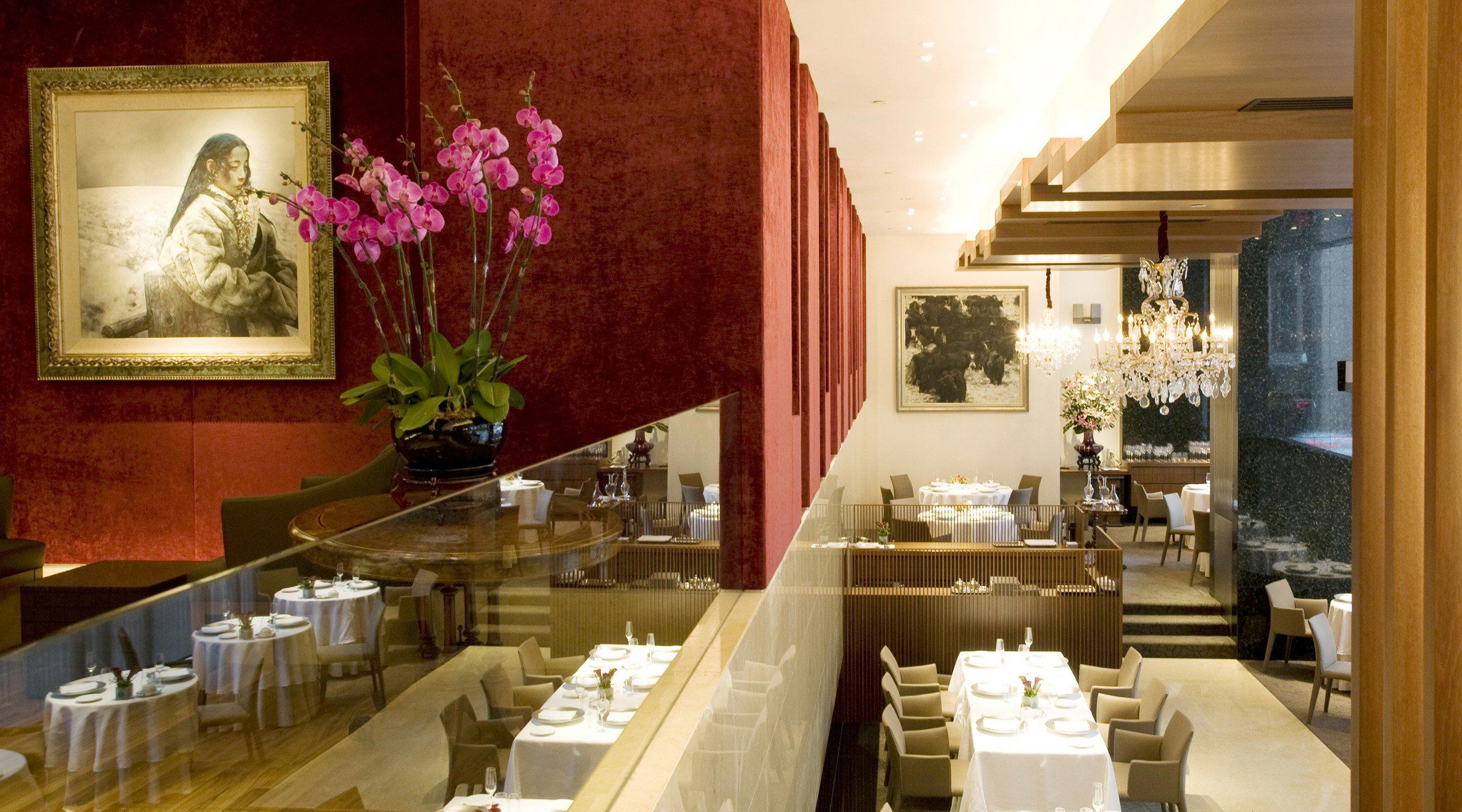
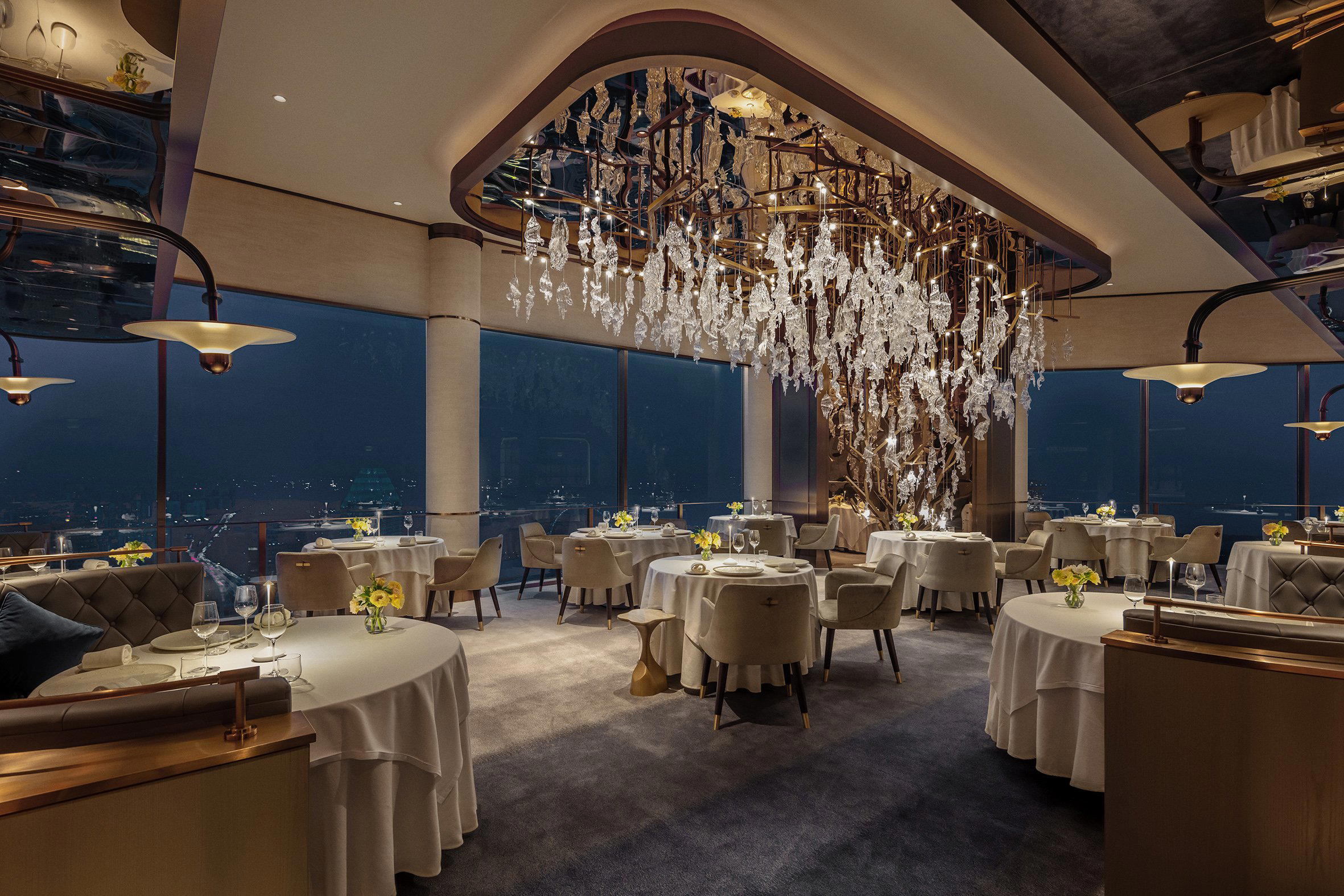
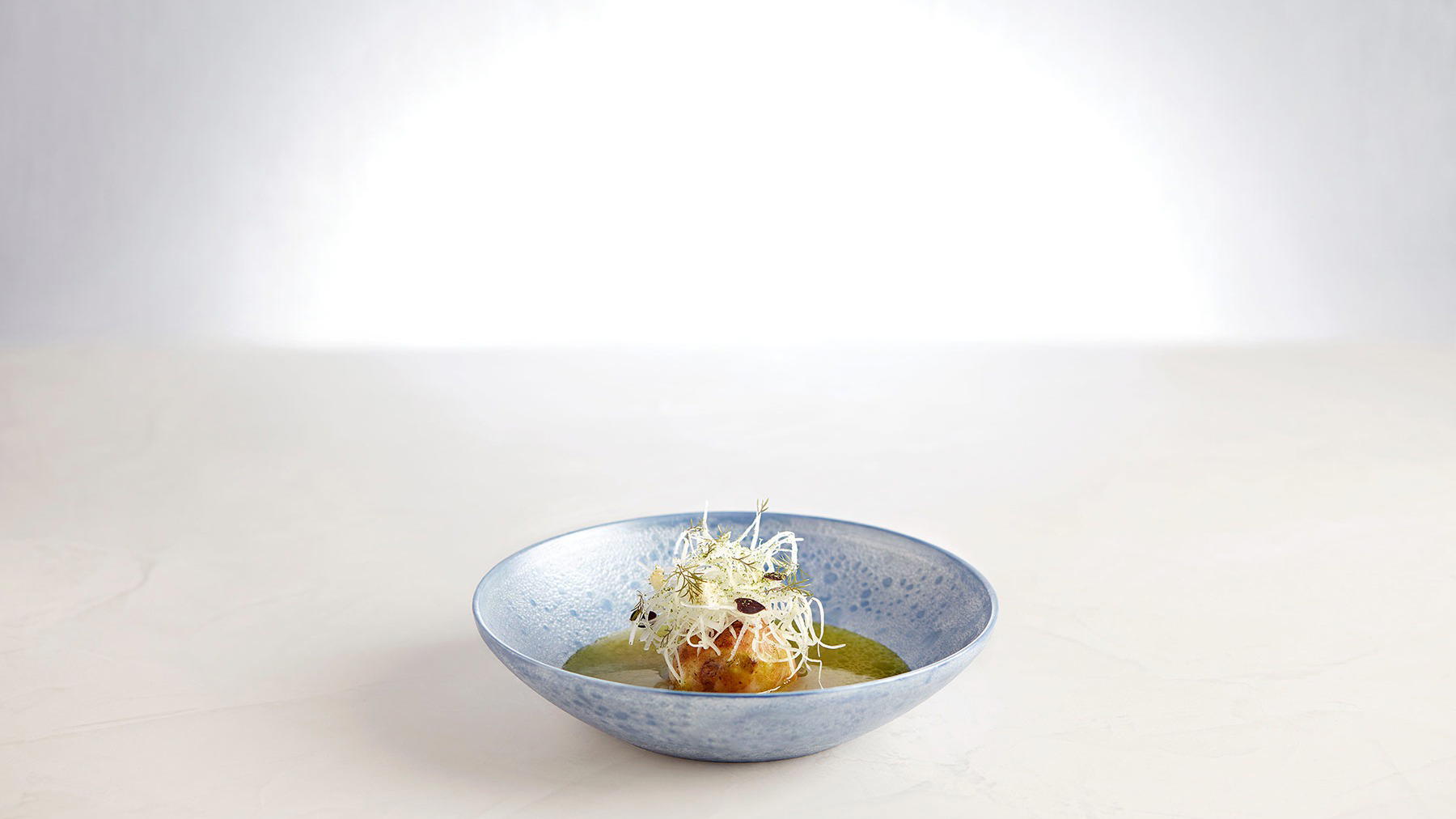
Restaurants in Singapore
Browse all →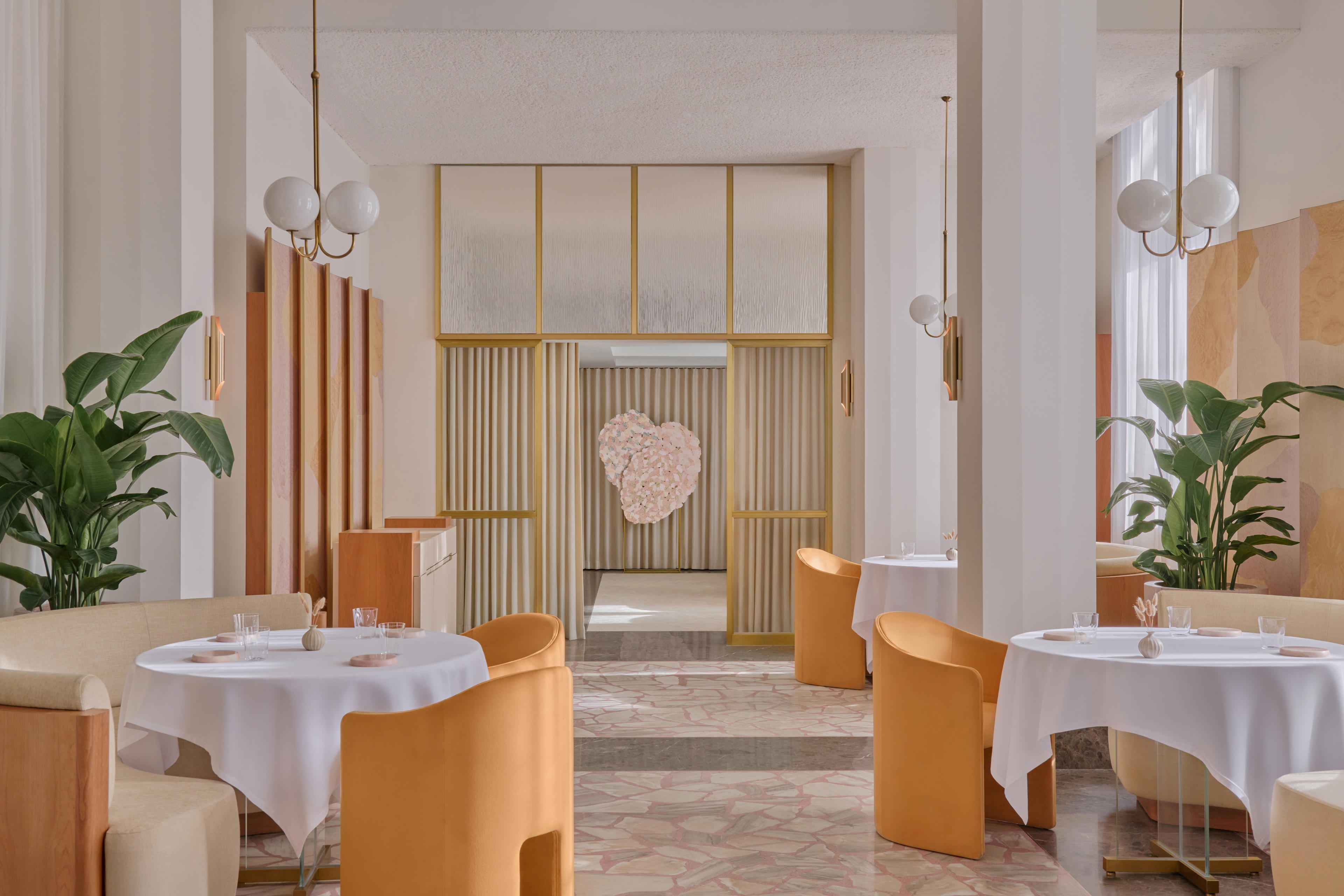
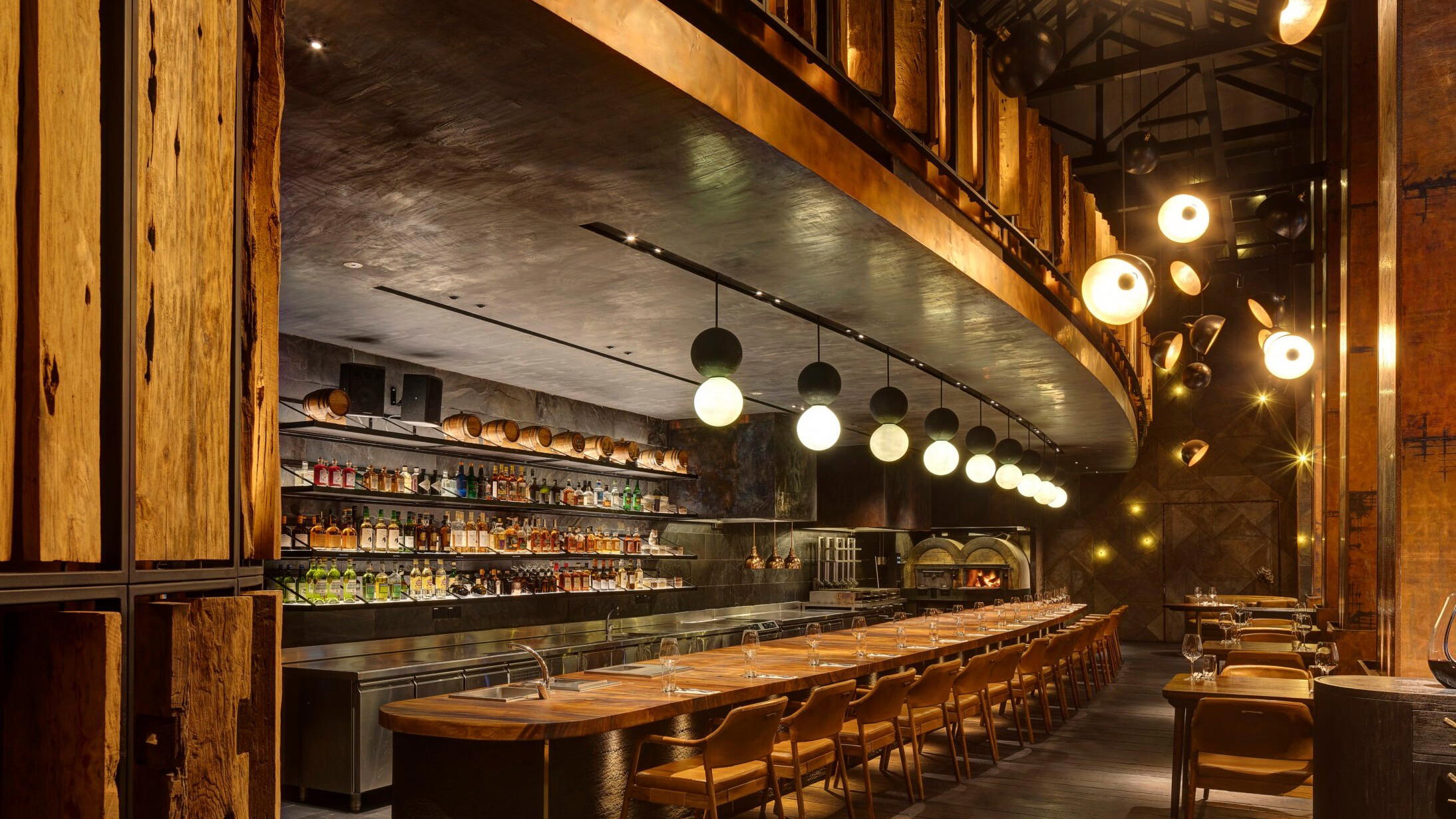
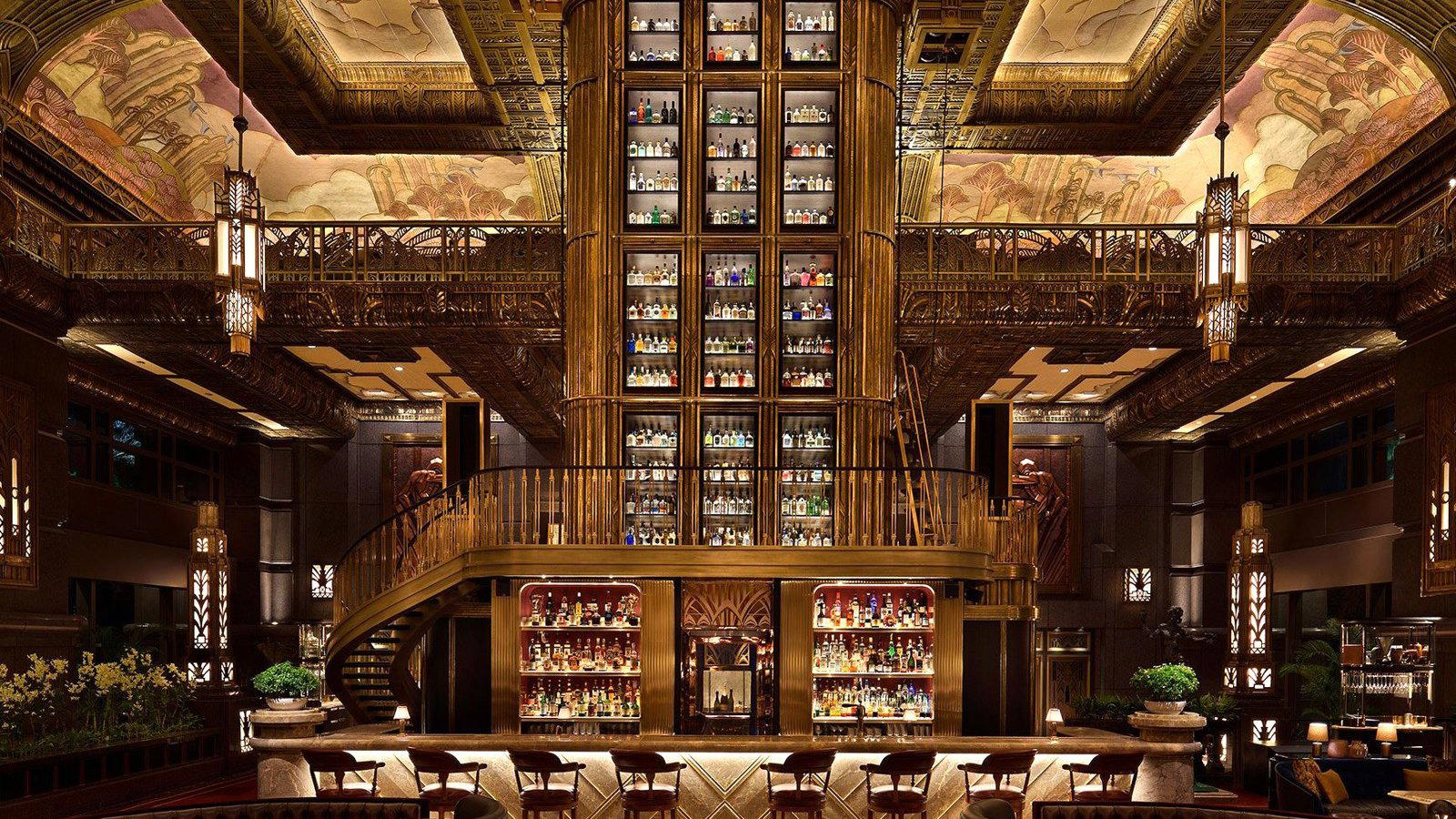
Bars in Singapore
Browse all →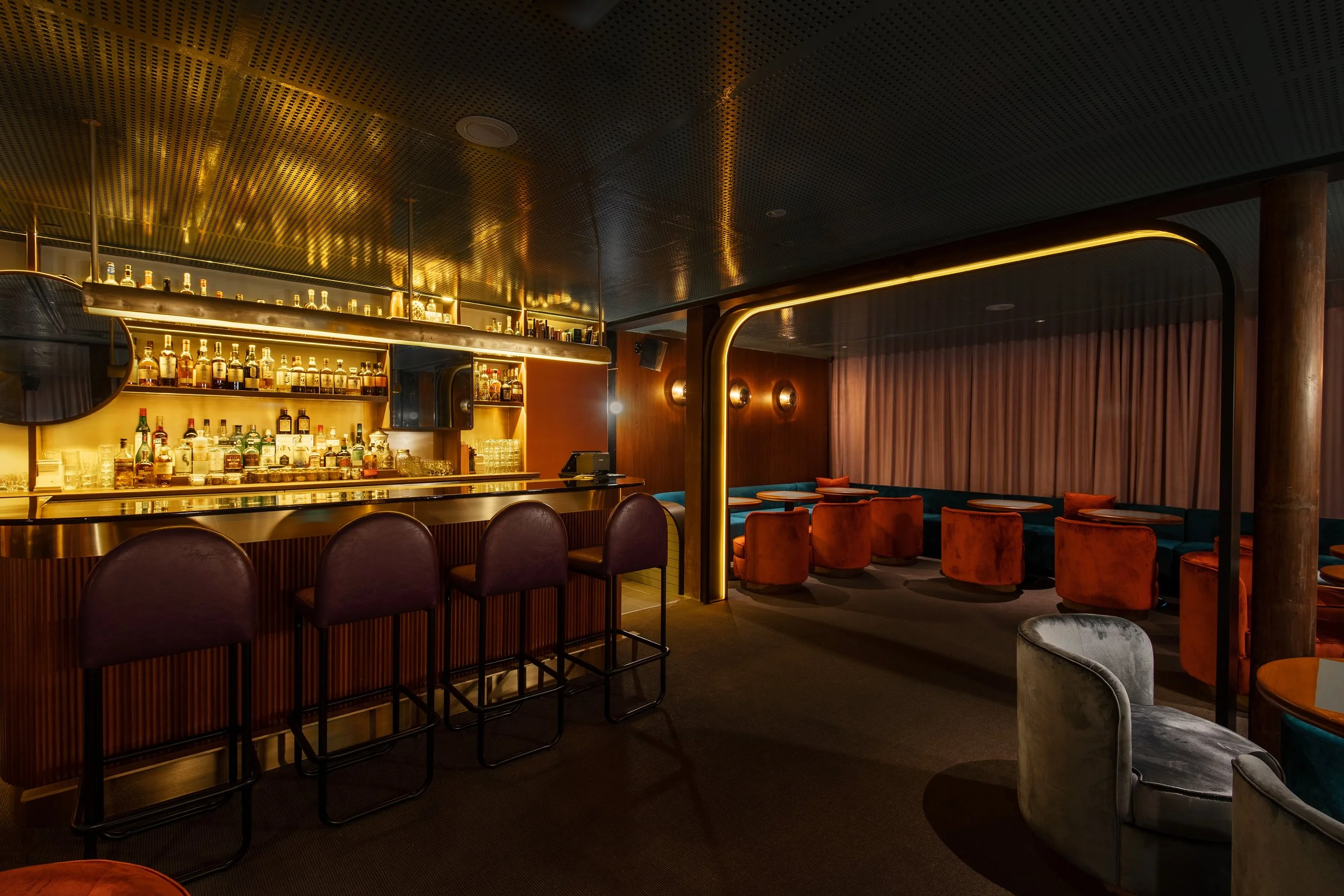
At a Glance
- Intimate
- Elegant
- Cozy
- Sophisticated
- Classic
- Date Night
- Special Occasion
- Business Dinner
- Solo
- Chefs Counter
- Design Destination
- Standalone
- Sake Program
- Corkage Allowed
- Sustainable Seafood
Minimalist classic Japanese counter with just eight seats, creating a quiet, cozy and refined atmosphere where diners sit close to the chef and watch each piece of sushi prepared up close.