


Michelin Guide Plate · Michelin Plate · Wine Spectator Best of Award of Excellence
Our verdict
Wakuda at Marina Bay Sands places Tetsuya Wakuda's ingredient-driven Japanese contemporary cooking inside one of Singapore's most visited addresses. A 2024 Michelin Plate recognition and a wine list spanning 1,350 bottles across California, France, and Italy signal a program that takes both kitchen and cellar seriously. Lunch and dinner service makes it one of the more accessible fine-dining entries in the city's competitive Japanese tier.

Pearl is the En Primeur Club membership app, where members save venues, book tables and use the concierge.
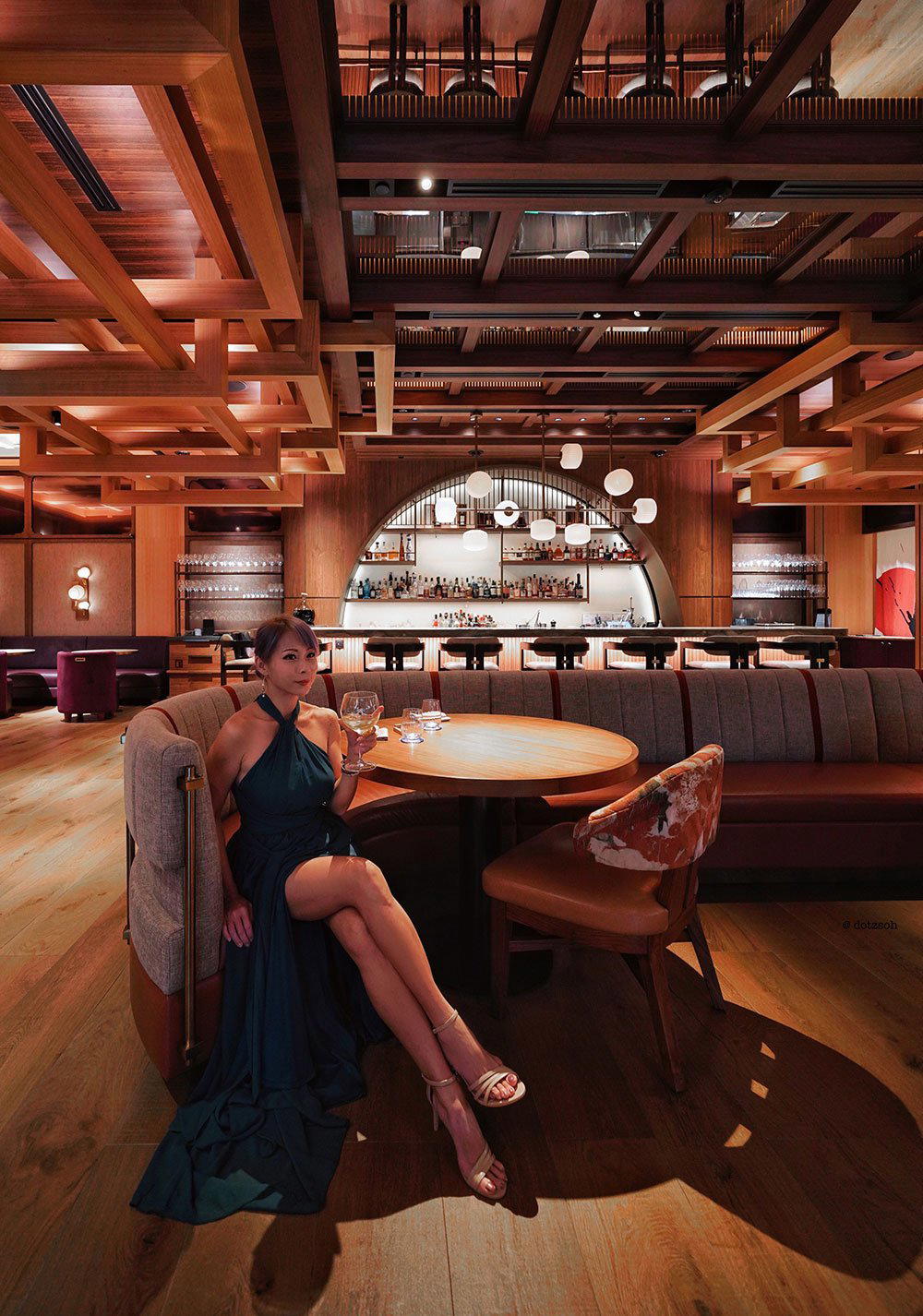
The menu
What to order
- Yuba with Hokkaido Sea Urchin and Mountain Caviar
- Carabineros Prawn with Shellfish and Miso Risotto
- Cold Soba with Botan Shrimp and Oscietra Caviar
- Otoro Supreme Fat Tuna Belly
- Hokkaido Lake Saroma Wagyu
Where Marina Bay Meets Japanese Craft
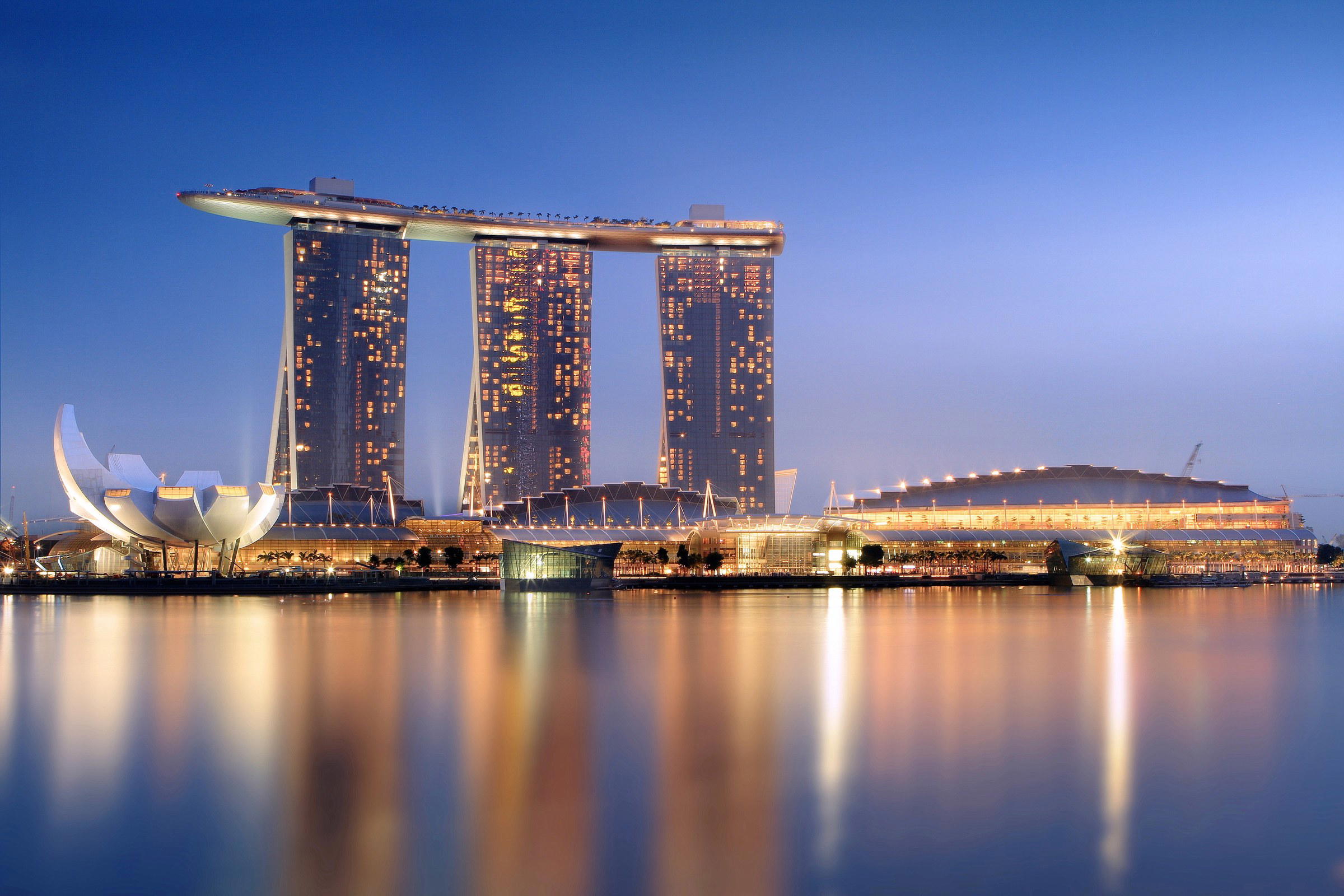
Marina Bay Sands occupies a peculiar position in Singapore dining: it is simultaneously the city's most trafficked hospitality address and home to some of its most technically serious restaurants. The integrated resort model, combining hotel, casino, convention space, and food and beverage anchors, tends elsewhere to flatten culinary ambition toward volume and reliability. At Wakuda, the calculus runs differently. The room sits inside Hotel Tower 2's lobby level, which means the approach is less intimate procession and more immediate immersion into a contemporary Japanese aesthetic shaped around clean sightlines and material restraint. The physical context matters here because it frames a specific kind of expectation: this is not the hushed, low-lit counter of a basement omakase room, but a full-service restaurant designed to hold attention inside a busy building through the quality of what arrives at the table.
The Ingredient Logic Behind Contemporary Japanese Cooking
Japanese contemporary cuisine, as it has matured across Asian cities over the past two decades, tends to divide along a clear fault line. One side prioritises technique and theatre, the dramatic tableside preparations, the freeze-dried powders, the architectural plating borrowed from European modernism. The other side stays closer to classical Japanese discipline, where the quality of raw materials does most of the communicative work and technique serves as a frame rather than a statement. Wakuda operates within that second tradition. The kitchen is guided by Chef Tetsuya Wakuda, whose broader career has been built on the principle that produce sourced with precision and treated with economy of intervention will always outperform elaborate construction. That orientation shapes how the menu reads and how individual courses arrive, the emphasis on what the ingredient is, rather than what has been done to it.
In practical terms, this means dashi occupies a central structural role across the menu's savoury arc. Dashi is among the most exacting tests in Japanese cooking: the balance of kombu and bonito, the temperature and duration of extraction, the decision about when to stop are each points where a kitchen's discipline shows. Stocks and broths of this kind carry flavour with a transparency that rich cream-based or reduction-heavy preparations cannot, which means there is nowhere to hide imprecision. It also means the seasonal calendar drives purchasing decisions in a way that menus built around fixed hero ingredients do not require. What is available at its peak in a given week determines what appears on the plate, and the cooking's job is to make that argument convincingly.
Singapore's Japanese Contemporary Tier
Singapore has developed one of Southeast Asia's most competitive Japanese dining environments. The city's position as a regional hub for ingredient imports, direct air freight from Toyosu and Hokkaido suppliers is now a baseline expectation at this price point, means that premium Japanese produce arrives in usable condition in a way that was operationally difficult fifteen years ago. Within that environment, restaurants in the $$$ tier are competing on the coherence of their cooking philosophy as much as on ingredient sourcing, since access to premium fish, A5 wagyu, and seasonal Japanese vegetables has become more democratised across the upper tier. Wakuda's 2024 Michelin Plate recognition positions it within the upper tier of Singapore Japanese restaurants without placing it in the starred cohort occupied by some of the city's most high-profile addresses. For context, Singapore's broader fine-dining scene at the $$$ to $$$$ range includes European-leaning restaurants like Les Amis, Odette, and Zén, as well as innovative formats like Meta and British-led cooking at Jaan by Kirk Westaway.
The Cellar: 450 Selections, 1,350 Bottles
The wine program at Wakuda is more substantial than what most casual observers would expect from a Japanese restaurant in this category. Wine Director Britt Ng oversees a list of 450 selections across a cellar holding 1,350 bottles, with primary strength in California, France, and Italy. The pricing sits at the $$$ tier on EP Club's scale, meaning the list contains a meaningful number of bottles above the $100 mark, which is consistent with Marina Bay Sands' broader positioning across its restaurant portfolio. Sommeliers Tan Chuan Ann, Miyabi Takahashi, and Sammy Octavio work the floor, which gives the program both the coverage and the specialist depth to handle complex pairing requests across a menu where umami-led and delicate preparations can be difficult to pair without guidance. The California-France-Italy axis also signals a list built for pairing breadth: French Burgundy and white Rhône work naturally with dashi-based preparations, while structured California Chardonnay and Italian whites hold up to richer courses.
This cellar scale and staffing level places Wakuda among a small group of Singapore Japanese restaurants where the wine program functions as a genuine counterpart to the kitchen rather than an afterthought. At the same price tier as the cuisine, the wine list asks for the same level of consideration from a guest building a full dinner experience.
Wakuda in a Global Japanese Contemporary Context
Japanese contemporary cooking has spread well beyond Japan and its immediate regional neighbours. The format now operates across multiple continents, from Eika in Taipei and Sankai by Nagaya in Istanbul to Murakami in São Paulo and 3Fils and Mimi Kakushi in Dubai, as well as NIRI in Abu Dhabi, Izakaya in Zagreb, and The Japanese Restaurant in Andermatt. In each of these contexts, the challenge is consistent: Japanese cooking at its most rigorous depends on a supply chain and a seasonal logic that does not naturally transplant. The restaurants that manage the translation most credibly tend to be those where the kitchen's relationship with ingredient sourcing is treated as a non-negotiable operating cost rather than a variable. Singapore's freight infrastructure and the depth of its established Japanese ingredient import networks make it one of the most hospitable cities outside Japan for this kind of cooking.
Planning Your Visit
Wakuda is open for Lunch and Dinner and is located at 10 Bayfront Avenue, Marina Bay Sands, Hotel Tower 2 Lobby, Singapore 018956. The restaurant falls within the Marina Bay area, which is served directly by Bayfront MRT station on both the Circle and Downtown lines. Budget: Cuisine pricing sits at the $$$ tier (two courses typically $66 or above, not including beverages); wine pricing also runs $$$, with a selection of bottles above $100. Wine: The list covers 450 selections from 1,350 bottles, led by California, France, and Italy, with a three-person sommelier team on the floor. Reservations: Given the Marina Bay Sands address and the dinner trade this location generates, advance booking is advisable, particularly for weekend evenings. For broader dining context across the city, see our full Singapore restaurants guide, and explore the city further through our Singapore hotels guide, bars guide, wineries guide, and experiences guide.
Frequently asked questions
What do regulars order at Wakuda?
The kitchen's emphasis on seasonal Japanese produce and dashi-led preparations means the menu shifts with availability, so regulars tend to follow the kitchen's lead rather than anchoring to fixed dishes. The ingredient-forward approach rewards diners who allow the tasting progression to guide choices across both the food menu and the wine list, where the sommelier team can align pours to the specific character of what is being served that day.
Can I walk in to Wakuda?
Wakuda operates at a Marina Bay Sands address where foot traffic is high and dinner demand across the building is substantial. Walk-in availability may exist for lunch on quieter days, but for dinner and weekend sittings, advance reservations are the more reliable approach. The $$$ cuisine pricing and formal service format also suggest this is a meal most guests plan ahead.
What is Wakuda leading at?
The restaurant's clearest strength is the coherence between its ingredient sourcing logic and its cooking philosophy. Japanese contemporary at this level is most convincing when the discipline running from produce selection through to plate is consistent, and Wakuda's Michelin Plate recognition in 2024 reflects a kitchen operating with that kind of internal consistency. The wine program, with 450 selections and dedicated sommelier coverage, provides a level of table-side expertise that deepens the experience beyond what the food menu alone would offer.
Awards and Standing
| Venue | Cuisine | Price | Awards | Notes |
|---|---|---|---|---|
| WakudaThis venue (the venue you are viewing) | Modern Japanese Omakase | $100–150 | Michelin Guide Plate · Michelin Plate | Not listed |
| Zén | Yakitori & Japanese Izakaya | $50–100 | Tabelog 100 #92 | European Contemporary |
| Jaan by Kirk Westaway | Modern British Fine Dining | $200–300 | 2 Michelin Stars · Michelin Guide 2 Stars | British Contemporary |
| Burnt Ends | Modern Australian Barbecue | $100–150 | 1 Michelin Star · Michelin Guide 1 Star | Australian Barbecue, Barbecue |
| Summer Pavilion | Michelin-Starred Cantonese | $100–150 | 1 Michelin Star · Michelin Guide 1 Star | Cantonese |
| Born | Contemporary Fusion Fine Dining | $200–300 | 1 Michelin Star · Michelin Guide 1 Star | Creative Cuisine, Innovative |
Recognition history
Dated appearances from independent guides and award organizations, with the underlying list record or original source where available.
Michelin Guide Plate
Michelin Guide
Michelin Plate
Michelin
Wine Spectator Best of Award of Excellence
Wine Spectator
World Culinary Awards World's Best Landmark Restaurant 2025 #1
World Culinary Awards
Full recognition history (6 entries)
Wine Spectator Best of Award of Excellence
Wine Spectator
World Culinary Awards Asia's Best Landmark Restaurant 2025 #1
World Culinary Awards
Continue exploring
More in Singapore
Restaurants in Singapore
All restaurants in Singapore →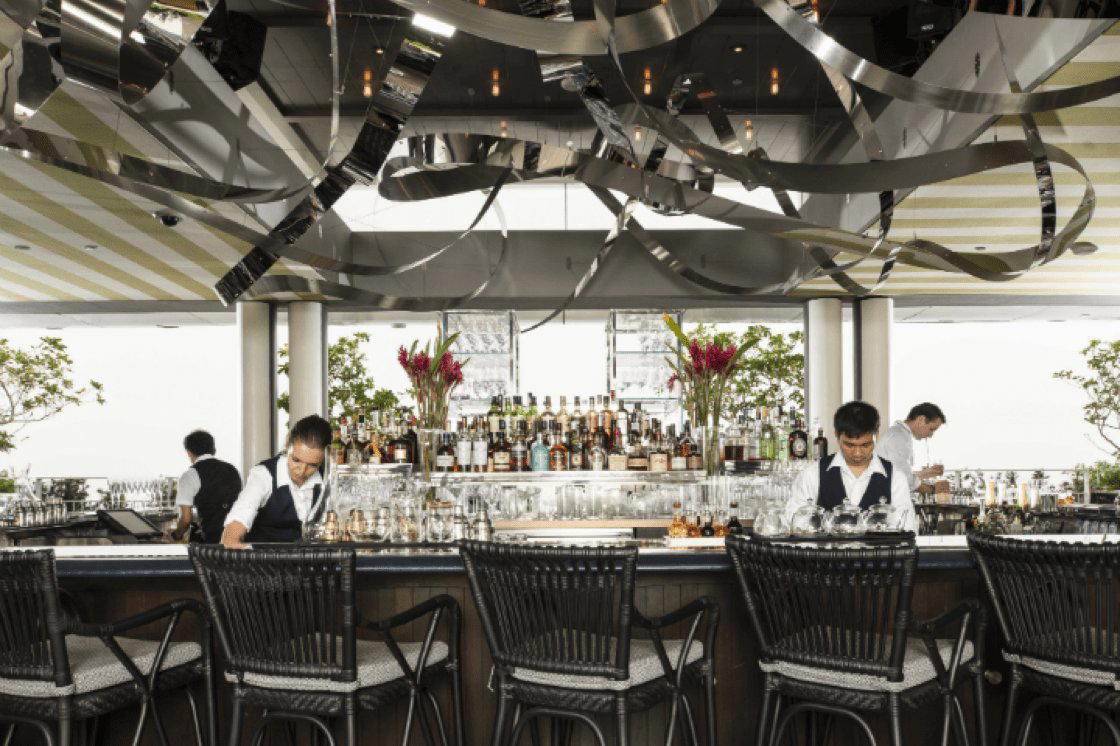
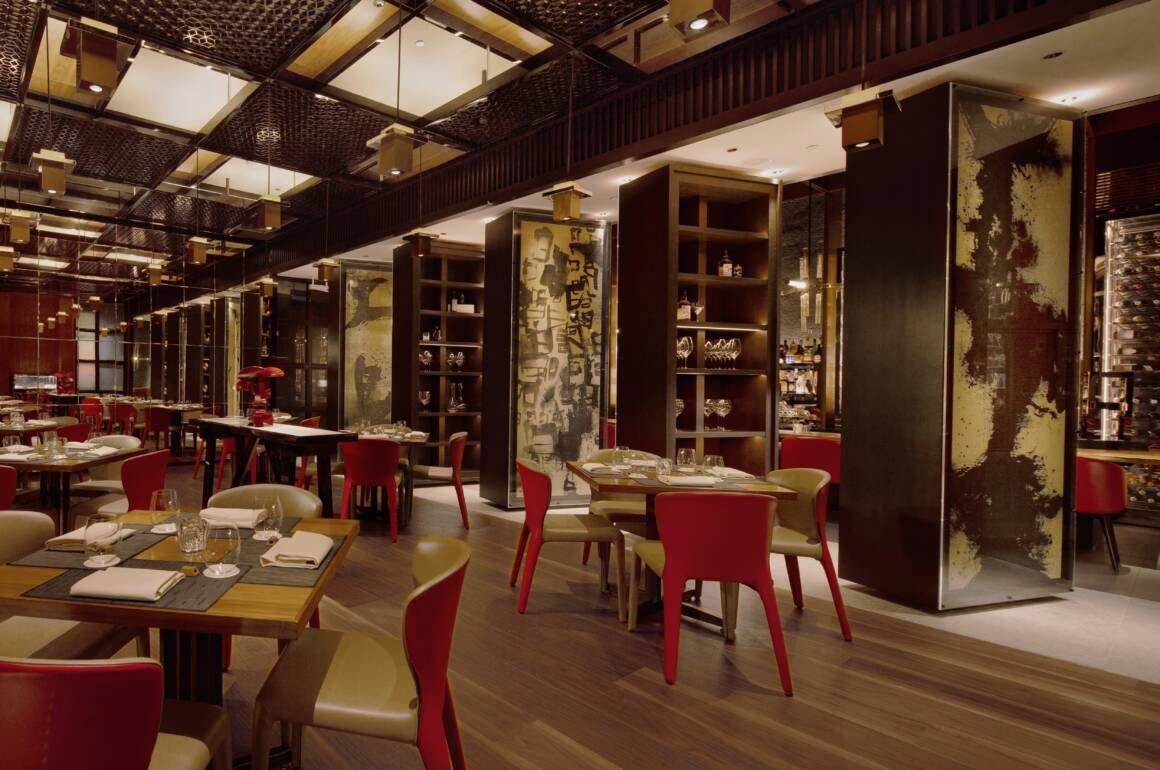
Bars in Singapore
All bars in Singapore →
Wakuda
The wine
Wakuda holds the Wine Spectator Best of Award of Excellence, which Wine Spectator gives to lists of usually 350 or more selections.
- Wine Spectator
- Wine Spectator Best of Award of Excellence
- Selections
- 215
- Bottles in cellar
- 2,000
- List strengths
- California, France
- Sommelier-led
- Sake program
- Craft cocktails
Details
- Elegant
- Modern
- Sophisticated
- Intimate
- Date Night
- Business Dinner
- Celebration
- Special Occasion
- Open Kitchen
- Private Dining
- Chefs Counter
- Hotel Restaurant
- Design Destination
- Craft Cocktails
- Sake Program
- Sommelier Led
- Local Sourcing
- Sustainable Seafood
Current opening hours
- Monday
- 11:30 AM–12 AM
- Tuesday
- 11:30 AM–12 AM
- Wednesday
- 11:30 AM–12 AM
- Thursday
- 11:30 AM–12 AM
- Friday
- 11:30 AM–12 AM
- Saturday
- 11:30 AM–12 AM
- Sunday
- 11:30 AM–12 AM
Hours can change for holidays and private events. Hours as of .
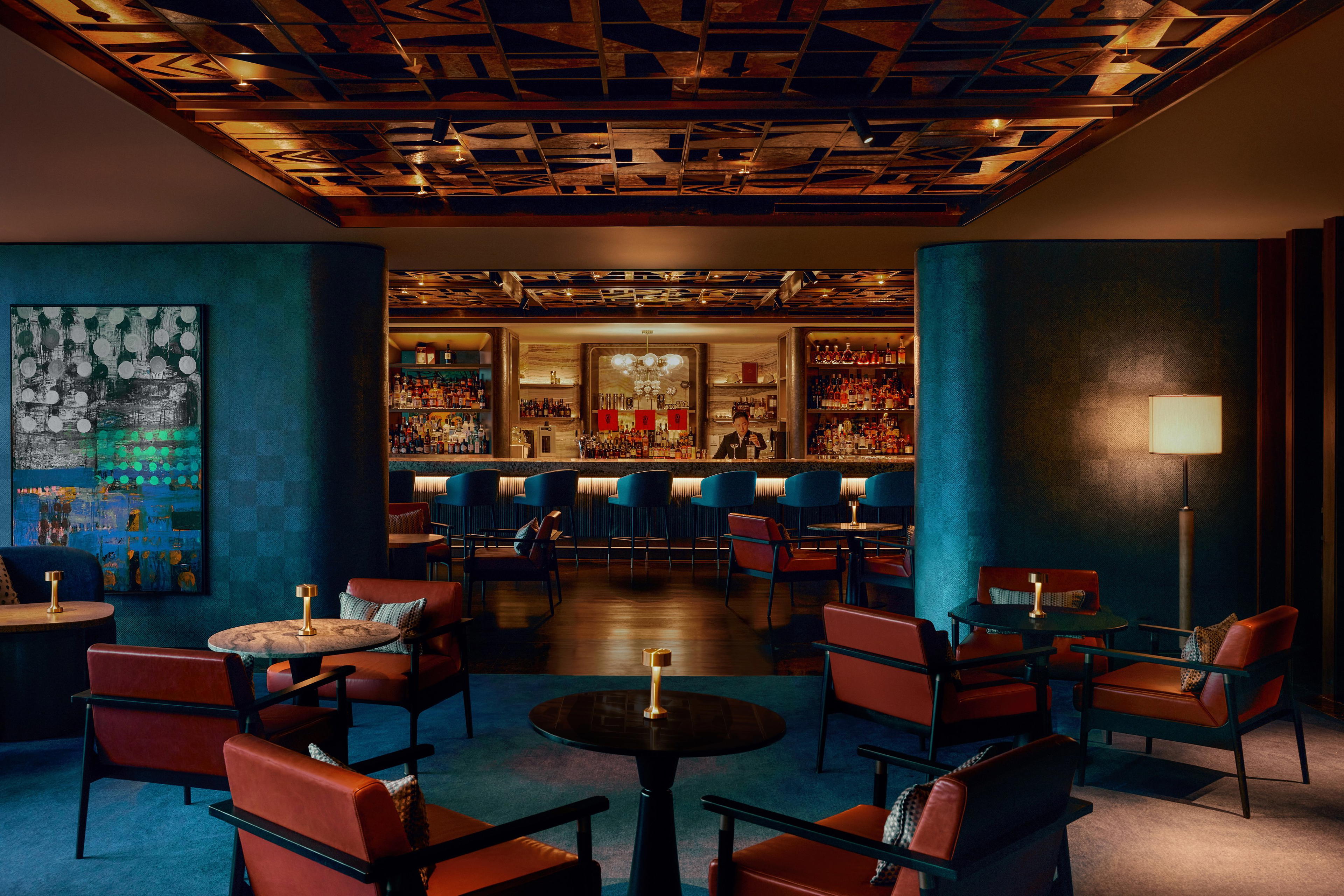
Elegant and inviting with dim lighting and modern design; inspired by traditional Japanese elements including wood, bronze, and a Japanese maple garden behind the kitchen counter; lively yet intimate atmosphere.