
A compact standing-sushi counter in Nagoya’s Meieki district, Tachigui Sushi Kiwami Meieki 4 chome ten puts Edo-style sushi into a brisk, low-capacity format rather than a long ceremonial meal. Its 2025 Tabelog Sushi EAST “Tabelog 100” selection places it in a serious national sushi conversation, while the format keeps the experience closer to station-neighbourhood dining than hushed destination omakase.
Pearl is the En Primeur Club membership app — saves, bookings, and concierge access live there. Same editors, same standards.
- Address
- 愛知県名古屋市中村区名駅4-22-1
- Phone
- +81525263385
- Website
- tabelog.com
 Saves & bookings on Pearl
Meieki is built for movement: office workers in underground passages, travelers surfacing from Nagoya Station, dinner plans shaped by train times rather than lingering itineraries. Here, standing sushi has a logic polished counter dining can lose. The room is compact, the rhythm direct, and the meal structured around immediacy: sushi as craft, not theatre stretched across an evening.
Tachigui Sushi Kiwami Meieki 4 chome ten belongs to Nagoya’s tighter station-side sushi category, where proximity matters and the counter format carries the weight. It is listed in the 2025 Tabelog Sushi EAST “Tabelog 100,” a useful signal because the selection covers a crowded field of sushi rooms across eastern Japan, not just local neighbourhood favourites. The point is not that Nagoya is imitating Ginza. It is that the city’s better sushi counters increasingly split between formal reservation-led rooms and sharper, smaller formats for people who know what they want and do not need ceremony to validate it.
A standing counter changes the sushi contract
Standing sushi in Japan has different expectations from seated omakase. The customer gives up some comfort and extended pacing; the trade is a more concentrated exchange with the counter. That matters in Nagoya, where station-adjacent dining serves residents using Meieki as a working district and travelers seeking a serious meal without giving it the whole night.
The ten-seat scale keeps the format narrow. A small counter cannot hide behind ambience or a large service team, making turnover, timing, and ordering sequence more visible. Here, menu architecture matters more than decorative storytelling. The appeal is the ability to move between lunch-range access and dinner-range seriousness without changing genre. That two-tier pricing structure says the restaurant is not casual because the food is unserious, but because the format removes parts of sushi’s luxury apparatus.
Edo-style sushi is a useful anchor because it is already a cuisine of compression. Vinegared rice, fish preparation, temperature, seasoning, and handwork meet in seconds at the counter. When the format is standing, the margin for distraction narrows further. The diner is not asked to admire a dining room; attention goes to sequence, pace, and whether each piece justifies its place. That separates a compact sushi counter from a restaurant that merely happens to be small.
Meieki also makes this format more legible. Nearby dining can skew inexpensive and practical, from coffee counters and noodle shops to everyday lunch rooms; comparison venues such as KAKO Yanagibashi ten, Joshin Ya, coffee house KAKO Hanaguruma honten, and Chuka Soba Taiga occupy lower daily-use price bands. Yakiniku & Teuchi Korean Cold Noodles Jiro Yanagibashi ten sits closer to a planned dinner bracket. Against that mix, Tachigui Sushi Kiwami Meieki 4 chome ten reads as a focused sushi splurge rather than a general-purpose restaurant.
What the menu structure says about Meieki sushi
Without a named chef narrative, the restaurant’s identity is clearest through format and recognition. The Tabelog selection places it among sushi specialists rather than broad Japanese dining rooms, and the standing-counter model suggests a menu built around velocity and precision. That differs from the long-form omakase rooms that dominate international sushi conversations. Here, the decision is less about submitting to a chef’s full arc and more about using a compact format to test fundamentals.
This is where Nagoya becomes interesting. The city is often discussed through miso katsu, hitsumabushi, kishimen, and coffee-shop culture, but its station districts also sustain functional specialization. Serious restaurants do not always announce themselves through expensive interiors. They can appear as small counters in commercial grids, operating with enough discipline to draw recognition from national food platforms while remaining shaped by everyday urban patterns.
For travelers mapping a broader Nagoya stay, this sushi counter pairs better with a focused city itinerary than with a slow resort rhythm. Use Our full Nagoya restaurants guide for the larger dining field, then place Meieki against hotel geography through Our full Nagoya hotels guide. Drinking plans belong in Our full Nagoya bars guide, while Our full Nagoya experiences guide helps separate station convenience from neighbourhood time. Our full Nagoya wineries guide is useful for readers treating Aichi as part of a larger food-and-drink route rather than a single-night stop.
Within the restaurant shortlist, Nagoya’s spread rewards side-by-side planning. 1022, 451, Aaron, Alan., and All Day Dining Montmartre point to range beyond sushi. The wider Japan file is broader, from -Grilled beef Sukiyaki- KAMAKURA TANUKIAN 鎌倉 たぬき庵 in Kamakura and. 鮪と炭火焼き うお炭 秋葉原店 in Tokyo to.cafe in Osaka.know in Kumamoto, (Shoku) Vietnam in Kawasaki, and [Curry Senmon Ten] Maruyama Kyoju. in Sapporo. For readers tracking Japanese dining culture overseas, Jōdo Saké Bar in Los Angeles and Onigiri Time in Pasadena show how formats travel.
Who should choose this counter
This is a sharper choice for diners who value sushi mechanics over long dining-room performance. The standing format, small capacity, no-private-room setup, and non-smoking policy point toward a compact adult meal rather than a sprawling social occasion. It suits solo diners, pairs, and travelers staying near Nagoya Station who want a serious sushi address without building the evening around a tasting-menu temple.
Pricing also defines the decision. Lunch sits in a low entry band for a recognized sushi specialist, while dinner moves into a planned-meal bracket. That spread makes the restaurant useful in two ways: a controlled midday sushi stop for travelers moving through Meieki, or a deliberate dinner for diners comparing Nagoya’s sushi scene with its better-known regional specialities. The 2025 Tabelog Sushi EAST “Tabelog 100” selection is the trust signal; the format is the reason to choose it over a more conventional room.
Same-City Peers
Comparable venues at the same tier for side-by-side context.
| Venue | Cuisine | Price | Notes |
|---|---|---|---|
| Tachigui Sushi Kiwami Meieki 4 chome tenThis venue — the venue you are viewing | Casual Stand-Up Edo-Style Sushi | $$$ | Not listed |
| Yanagiyanishiki | Gifu Regional Cuisine | $$$ | Naka |
| Otoubashi Sumiy | Seasonal Japanese Kaiseki | $$$ | Nakagawa |
| Masaka | Traditional Yakiniku (Japanese BBQ) | $$$ | Naka |
| Atsuta Houraiken Jingu ten | Traditional Nagoya eel (hitsumabushi) & kaiseki | $$$ | Atsuta |
| Senkun'an | Japanese Teppanyaki Steakhouse | $$$ | Meitō |
Recognition history
Dated appearances from independent guides and award organizations, with the underlying list record or original source where available.
Tabelog 100 #83 · No. 83
Tabelog · Tabelog 100 - Sushi - EAST - 2025
Continue exploring
More in Nagoya
Restaurants in Nagoya
Browse all →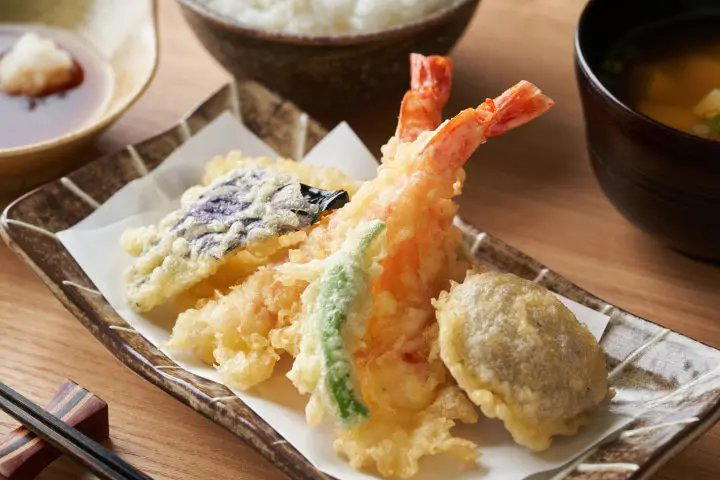
At a Glance
- Lively
- Modern
- Trendy
- Energetic
- Intimate
- Solo
- After Work
- Casual Hangout
- Date Night
- Late Night
- Chefs Counter
- Open Kitchen
- Standalone
- Sake Program
- Beer Program
- Local Sourcing
- Sustainable Seafood
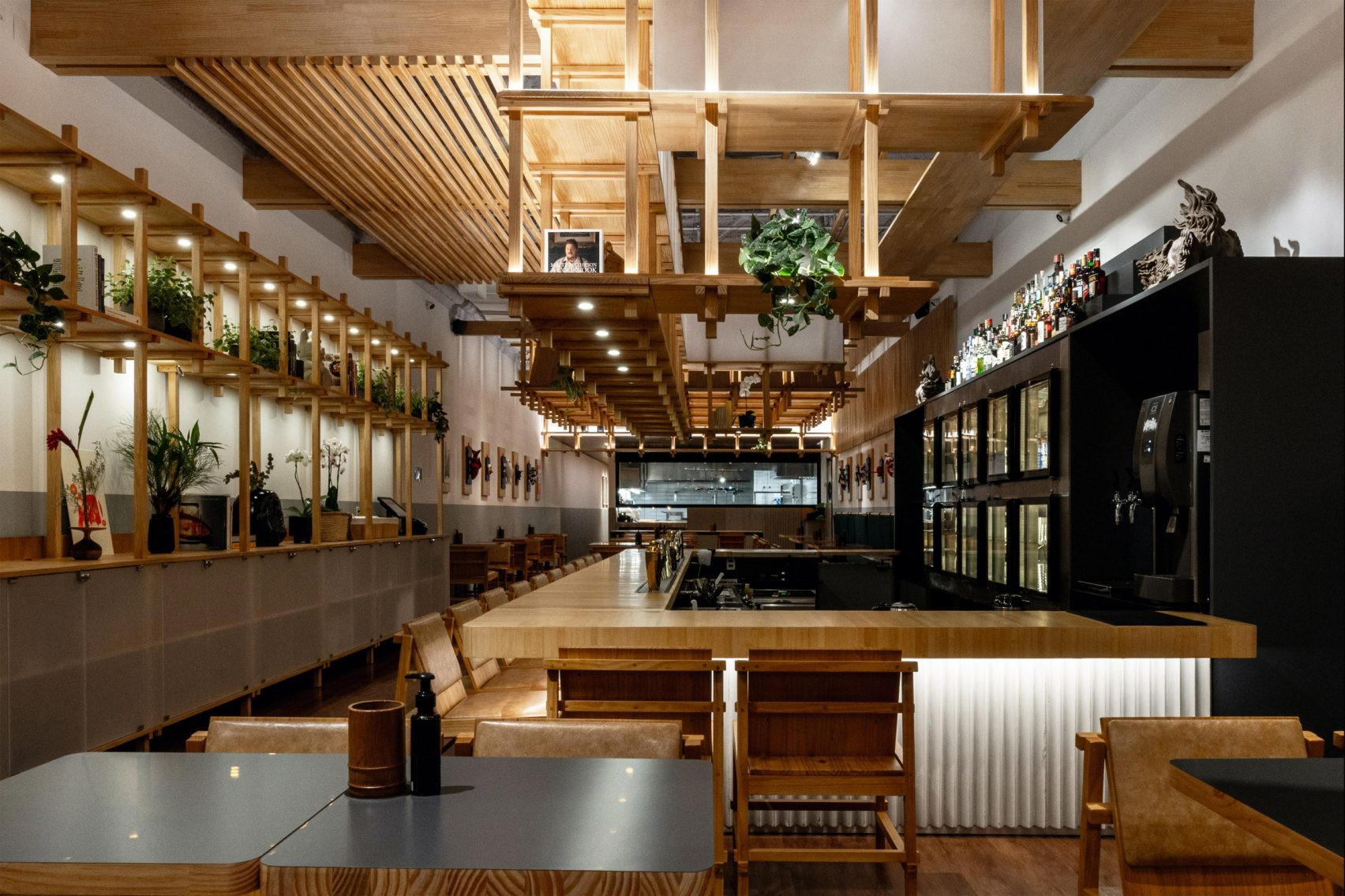
Compact standing-only counter with a lively, casual atmosphere where guests watch skilled sushi chefs at work; bright and energetic rather than formal, with a focus on the craftsmanship at the counter.