
Kikkou Hanare brings Nagoya sushi into a compact counter format in Shikemichi, where the room matters almost as much as the sequence. The restaurant is selected for Tabelog Sushi EAST “Tabelog 100” 2025, with a six-seat counter, fish-led sushi, and a drinks range that includes sake, shochu, and wine.
Pearl is the En Primeur Club membership app — saves, bookings, and concierge access live there. Same editors, same standards.
- Address
- Japan, 〒451-0042 Aichi, Nagoya, Nishi Ward, Nagono, 1 Chome−36−58 四間道ビル 1F
- Phone
- +81 52-446-8360
- Website
- instagram.com
 Saves & bookings on Pearl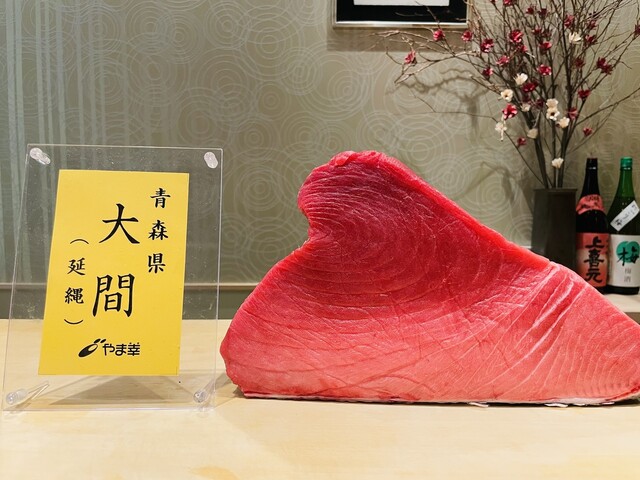
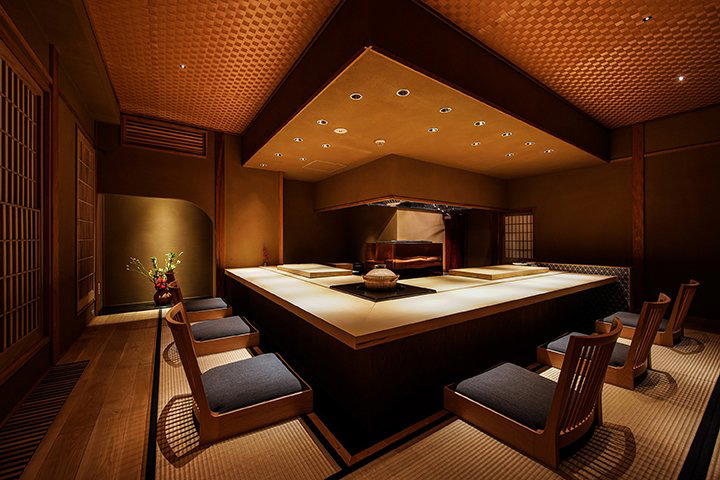
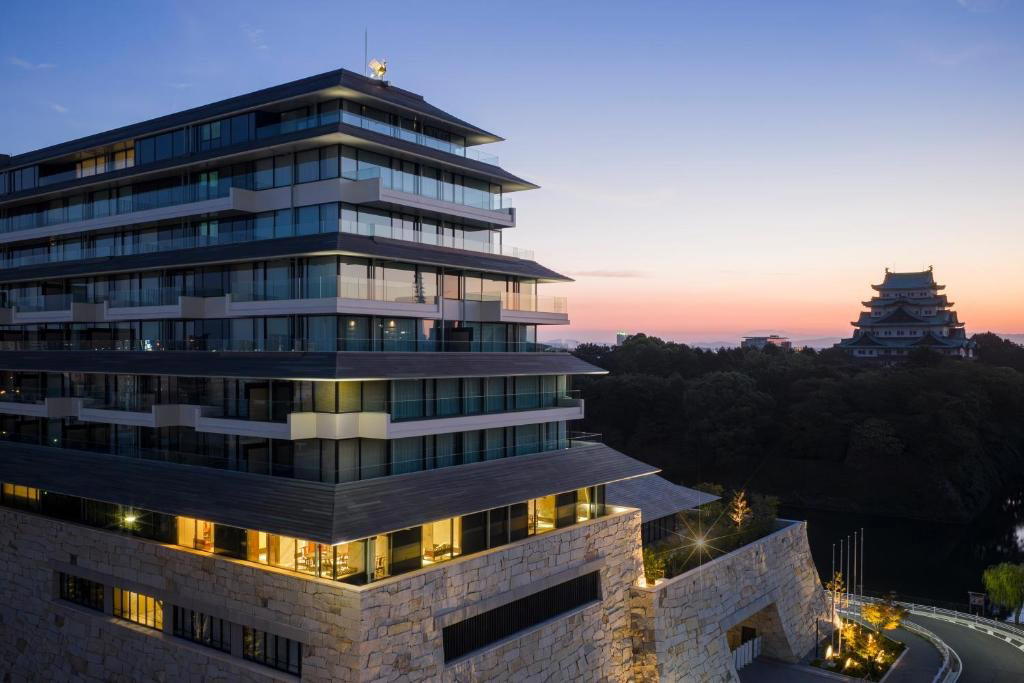
Shikemichi changes the tempo before the meal begins. West of Nagoya’s commercial core, the old merchant-quarter streets are narrower, lower, and more tactile than the city’s station-side restaurant zones; white earthen walls and restored storehouses give the approach a scale that suits counter sushi. In that setting, Kikkou Hanare reads less as a showpiece than as a controlled room: six seats, counter service, and a physical frame that pushes attention toward timing, handwork, and the quiet exchange between chef and guest.
Nagoya’s serious dining culture is often discussed through hitsumabushi, miso katsu, kishimen, and the city’s strong private-room entertaining circuit. Sushi occupies a different lane. It asks diners to judge procurement, rice, temperature, pacing, and restraint rather than regional abundance alone. A six-seat sushi counter in Nagono sits at the opposite end of the spectrum from large hotel dining rooms and department-store restaurants: the value is in compression. Fewer seats mean fewer distractions, and the counter becomes the architecture of the meal.
A six-seat sushi counter shaped by Shikemichi's smaller scale
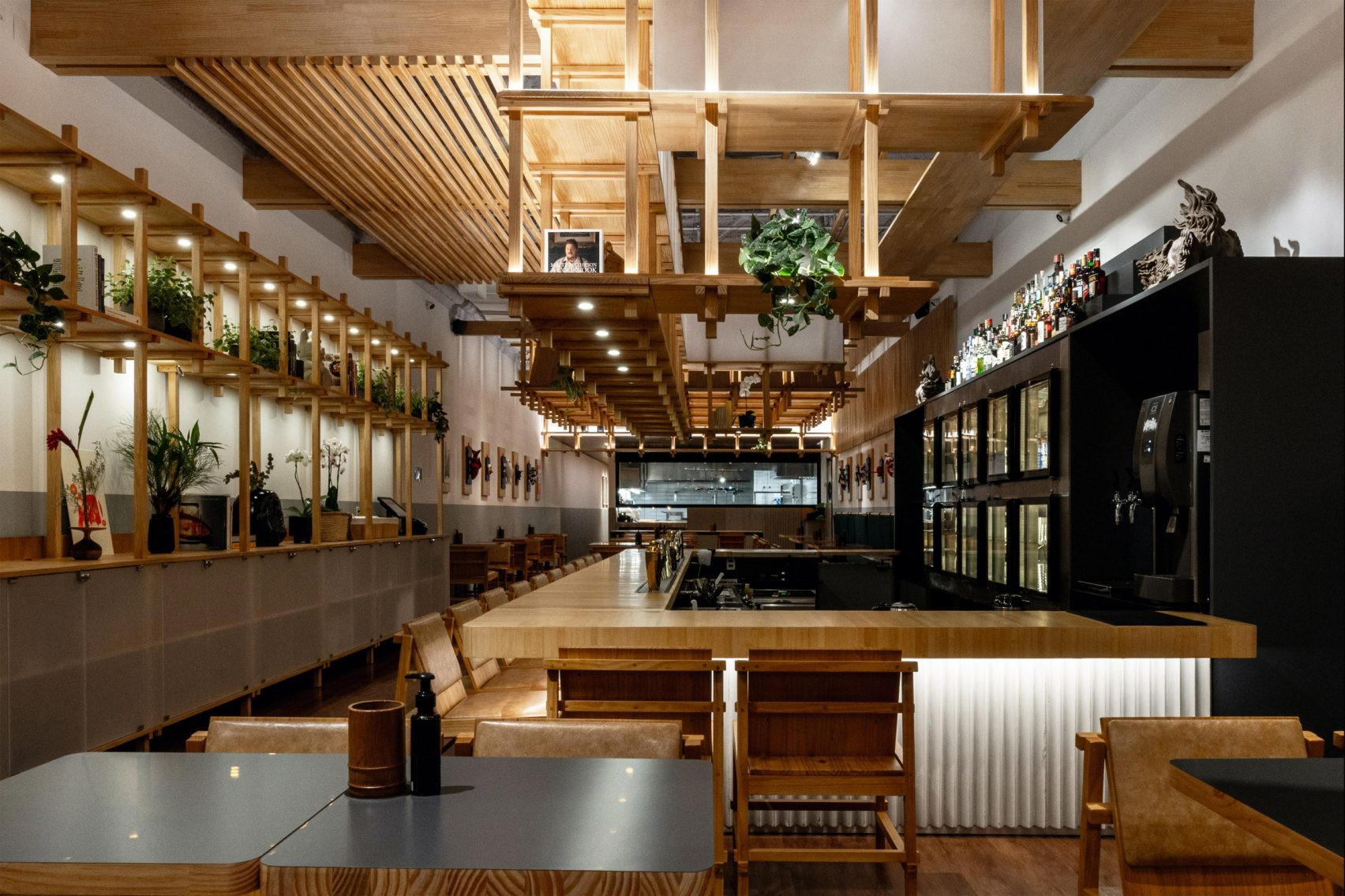
Design matters in sushi because the room decides how the meal is read. Counter seating removes the usual hierarchy of table, server, and kitchen; it turns the preparation line into the dining room. At a compact address in a house-restaurant format, the effect is sharper. The guest is not watching theatre at a distance. The meal is built across a narrow plane, with service cadence and ingredient handling exposed in real time.
That format also places Kikkou Hanare inside a particular Nagoya tier. Dinner pricing sits in the JPY 15,000 to JPY 19,999 band, while lunch is listed at JPY 6,000 to JPY 7,999. In the city’s premium bracket, that positions the restaurant near tasting-menu peers such as Riverente, while sitting above many midrange special-occasion rooms and below the cost ceiling of Japan’s hardest-reservation sushi counters in Tokyo. The comparison is useful because Nagoya rewards a different kind of luxury: smaller rooms, less spectacle, and a stronger relationship between neighbourhood texture and dining format.
The 2025 selection for Tabelog Sushi EAST “Tabelog 100” gives the restaurant an external marker in a category where local reputation can otherwise be difficult for visitors to parse. The Tabelog score is listed at 3.74, a meaningful figure in Japan’s rating culture, where high scores tend to move slowly and category specialists often cluster within narrow decimal bands. Awards and scores do not explain the meal, but they do clarify the competitive field: this is not casual sushi attached to a broader Japanese menu; it belongs to the specialist sushi conversation.
Fish-led sushi, with drinks that keep the frame Japanese but not narrow
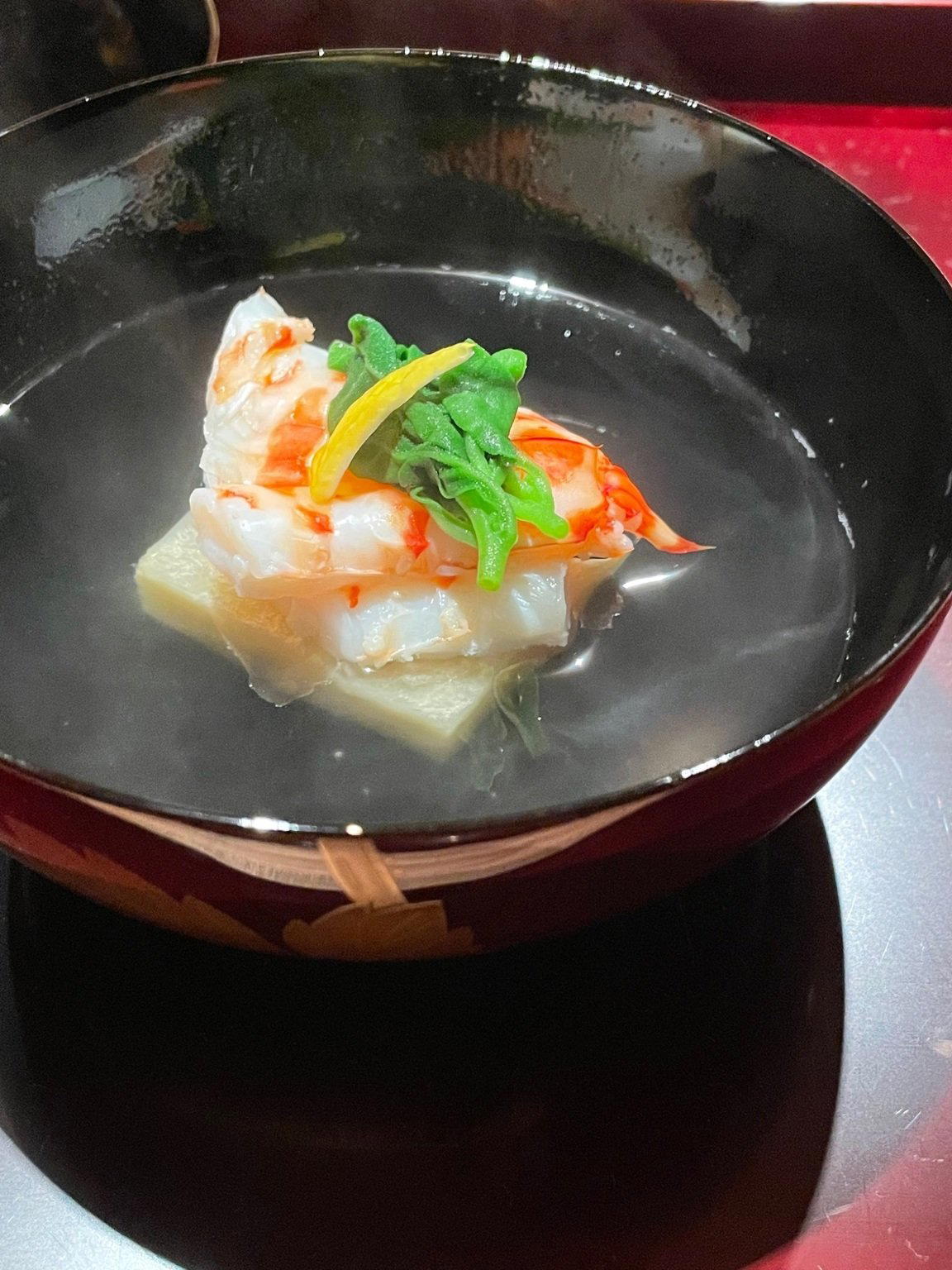
The cuisine signal is precise enough: sushi, with a stated emphasis on fish. That may sound obvious, but in Japan’s regional sushi scene the difference between a fish-led counter and a more decorative or variety-driven meal is material. A counter of this scale usually succeeds or fails on sourcing discipline, rice calibration, and the rhythm between otsumami-style preparations and nigiri. Specific dishes are not publicly listed here, so the smarter reading is structural rather than item-by-item: expect the room to reward diners who care about sequence and proportion more than menu breadth.
Drinks range points to a similarly focused but flexible posture. Sake is the natural pairing language for sushi, and shochu keeps the list rooted in Japanese drinking culture; wine broadens the frame for diners who prefer acidity, texture, or lower sweetness against fish and rice. That mix has become more common at ambitious sushi counters outside Tokyo, where international diners and local regulars often sit side by side, each bringing different pairing habits to the same counter.
Nagoya’s broader premium dining scene helps explain the positioning. Chinese Meisai Rekishin sits in a comparable high-spend bracket with a different cuisine grammar; ComedorKito- and Natsune offer other examples of the city’s serious restaurant pricing below the rarefied Tokyo ceiling; ミオオルト adds another marker of how compact, specialist restaurants have become part of the city’s contemporary dining identity. Kikkou Hanare’s distinction is not scale. It is the opposite: the confidence to make six seats carry the entire argument.
How to read it within a Nagoya dining itinerary
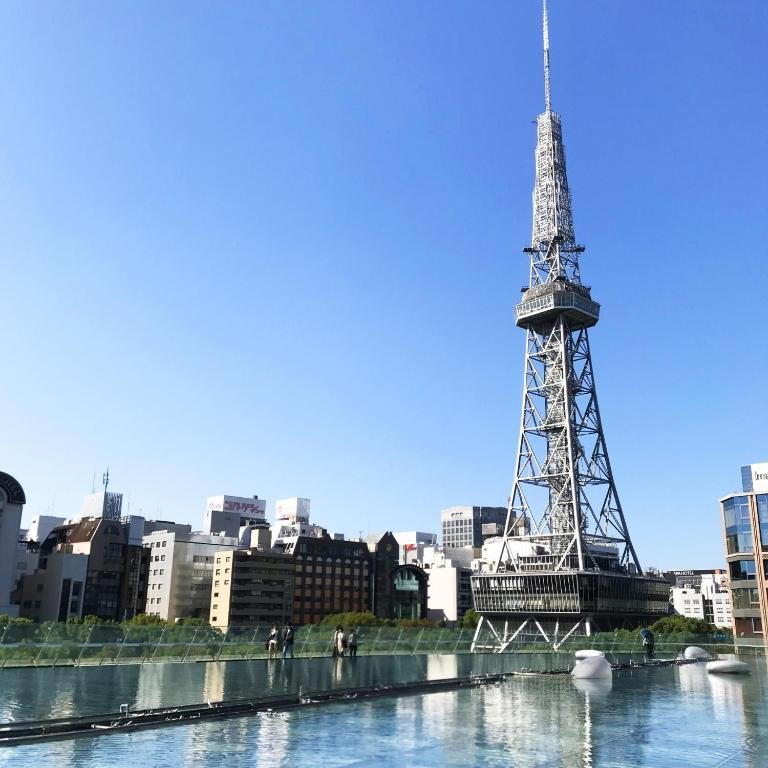
For travellers, this is the kind of address that works when Nagoya is treated as more than a rail stop between Tokyo and Kyoto. The city’s food culture has always been strongly local, but its higher-end dining has become more interesting where it breaks from the obvious regional canon. A sushi counter in Shikemichi gives the itinerary a different register: quieter than Sakae, more intimate than station dining, and more place-specific than a generic luxury-room experience.
The practical read is simple. Capacity is tight, the restaurant accepts reservations, and fragrance restraint is part of the stated dining etiquette. Private rooms are not part of the format; private use is listed, which matters for small groups that want the room to themselves. Payment is card-friendly, while electronic money and QR code payments are not listed as accepted. Non-smoking status and nearby coin parking also make it easier to place within a planned evening without turning the meal into a logistics exercise.
Readers building a broader Nagoya plan can cross-reference Our full Nagoya restaurants guide, then widen the trip through Our full Nagoya hotels guide, Our full Nagoya bars guide, Our full Nagoya wineries guide, and Our full Nagoya experiences guide. For a wider look at how Japanese and Japan-adjacent dining formats travel across cities, compare entries such as 1022, 451, Aaron, Alan., All Day Dining Montmartre, -Grilled beef Sukiyaki- KAMAKURA TANUKIAN 鎌倉 たぬき庵 in Kamakura. 鮪と炭火焼き うお炭 秋葉原店 in Tokyo.cafe in Osaka.know in Kumamoto, (Shoku) Vietnam in Kawasaki, [Curry Senmon Ten] Maruyama Kyoju. in Sapporo, Jōdo Saké Bar in Los Angeles, and Onigiri Time in Pasadena.
Comparable Options
Side-by-side context: comparable cuisine and price.
| Venue | Cuisine | Price | Notes |
|---|---|---|---|
| Kikkou HanareThis venue — the venue you are viewing | Seasonal Omakase Sushi Counter | $$$ | Not listed |
| Sakana To Nihonshu Atarayo | Creative Seafood Izakaya with Sake | $$$ | Naka |
| kawaramachi hisaya ukiyo banare | Modern Japanese Izakaya & Meat Kappo | $$$ | Naka |
| Yagumo | Traditional Nagoya Shabu-shabu & Sukiyaki (Mingei Kappo) | $$$ | Higashi |
| Yadorigi | Casual Edomae Sushi Counter | $$$ | Kita |
| Atsuta Houraiken Jingu ten | Traditional Nagoya eel (hitsumabushi) & kaiseki | $$$ | Atsuta |
Recognition history
Dated appearances from independent guides and award organizations, with the underlying list record or original source where available.
Tabelog 100 #29 · No. 29
Tabelog · Tabelog 100 - Sushi - EAST - 2025
Continue exploring
More in Nagoya
Restaurants in Nagoya
Browse all →

At a Glance
- Intimate
- Cozy
- Elegant
- Date Night
- Special Occasion
- Solo
- Business Dinner
- Chefs Counter
- Standalone
- Design Destination
- Sake Program
- Sustainable Seafood
Current opening hours
- Monday
- Closed
- Tuesday
- 11:30 AM–2:30 PM, 5:30–10 PM
- Wednesday
- 11:30 AM–2:30 PM, 5:30–10 PM
- Thursday
- 11:30 AM–2:30 PM, 5:30–10 PM
- Friday
- Closed
- Saturday
- 11:30 AM–2:30 PM, 5:30–10 PM
- Sunday
- 11:30 AM–2:30 PM, 5:30–10 PM
Hours can change for holidays and private events. Last verified .
A tiny, reservation-only counter with just six seats, house-like surroundings in Shikemichi, and a calm, focused atmosphere where the chef serves guests directly across the counter.