
Nagoya’s yakiniku culture rewards small rooms, careful sourcing, and a grill-side rhythm that feels closer to counter dining than casual barbecue. Gyutei belongs in that category: an 18-seat Higashi Ward address with Tabelog 100 Yakiniku EAST selections across multiple years and a format built for diners who care about beef quality, pacing, and smoke management as much as spectacle.
Pearl is the En Primeur Club membership app — saves, bookings, and concierge access live there. Same editors, same standards.
- Address
- 2 Chome-26-5 Izumi, Higashi Ward, Nagoya, Aichi 461-0001, Japan
- Phone
- +81 52-508-9915
- Website
- tabelog.com
 Saves & bookings on Pearl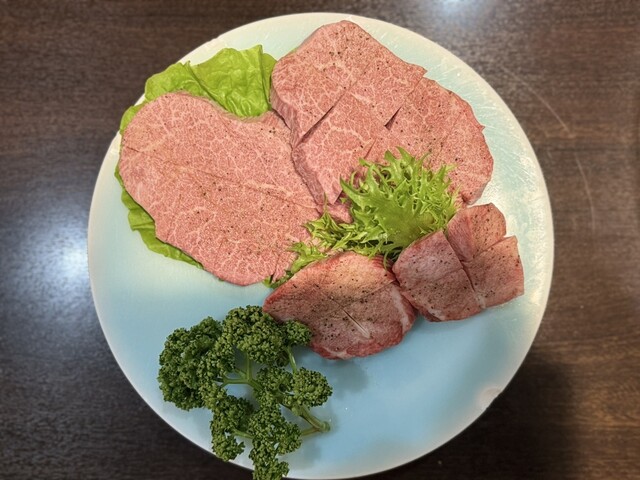
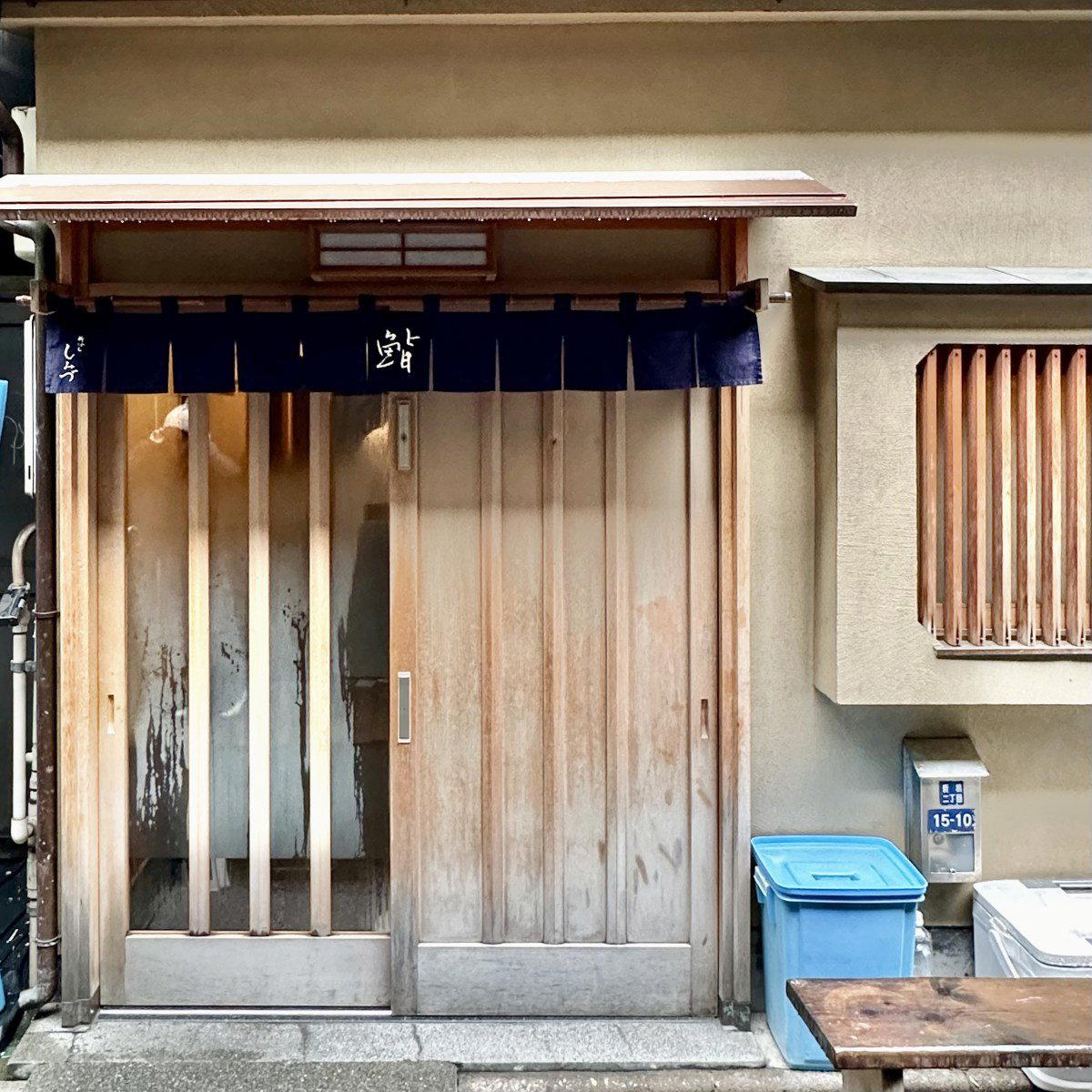
Approaching a serious yakiniku room in Nagoya, the first signal is usually restraint: compact frontage, a grill-centred room, and service that assumes diners understand appetite versus sequencing. Gyutei fits that grammar. The room is small enough for heat, smoke, and timing to matter, with counter seats and tables sharing one proposition: beef is the point, control the craft.
Nagoya’s premium dining conversation often favours sushi counters, kappo rooms, and Italian kitchens with deep wine lists, yet yakiniku occupies a different lane. It is less formal than kaiseki and less performative than high-end omakase, but the margin for error is narrow. Cooking happens at the table, so sourcing, cut selection, and staff pacing matter more than elaborate plating. Gyutei’s repeated inclusion in Tabelog’s Yakiniku 100 selections, including the EAST 2025 list, places it among vetted specialist beef restaurants, not everyday grill houses.
Yakiniku in Nagoya is about sourcing discipline, not just grill heat
At this level, yakiniku is a sourcing conversation before a cooking style. Japan’s beef culture has trained diners to read fat, texture, and portion size precisely; too much richness can flatten a meal, while under-seasoned lean cuts expose weak buying. Serious rooms solve that tension through sequencing: richer cuts in smaller waves, leaner or more textural pieces to reset the palate, and sake, shochu, or wine to keep the meal from turning heavy.
That sourcing-led approach explains why a compact yakiniku restaurant can compete with more formal dining formats in Nagoya. Sushi Isao sits in a higher dinner spend bracket, while Kappo Hosono works a similar price tier through another grammar of Japanese cooking. Bottegon and Baci draw premium diners toward Italian technique and wine, and Toriryori Jun works a tighter poultry-focused lane. Against that mix, Gyutei’s appeal is specific: it asks diners to value beef selection and grill management over ceremony.
The Tabelog 100 Yakiniku EAST recognition matters because yakiniku is crowded, with reputations built through repeat local use rather than international visibility. Selection in 2018, 2020, 2021, 2022, 2023, and 2025 gives Gyutei a longer signal than a single-year spike. It does not make the room a luxury performance; it confirms consistency in a format where inconsistency is easy to notice.
A small-room format changes how the meal feels
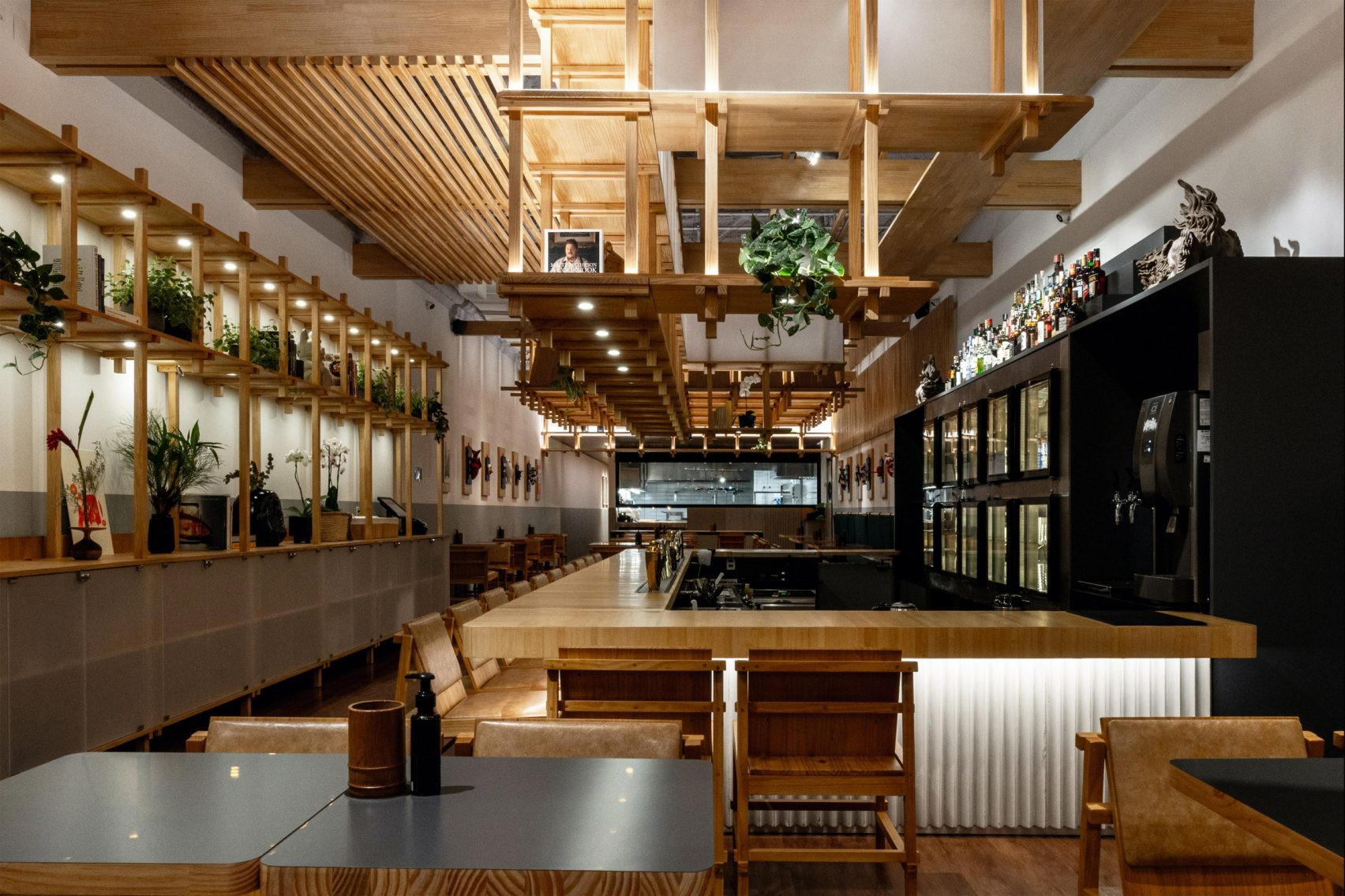
Physical scale is part of the dining logic. With 18 seats, split between counter and table seating, the room cannot act like a large barbecue hall. Smaller capacity tightens pacing and makes private-use inquiries plausible for groups, while suiting diners who want focus rather than a long, loose evening built around volume. Private rooms are not part of the setup, so the atmosphere remains shared, not sealed off.
Nagoya’s neighbourhood geography also matters. Higashi Ward, especially around Izumi and Takaoka, has a calmer restaurant rhythm than the louder nightlife zones. It rewards destination dining: people come for a specific counter, grill, or chef-led room, then leave rather than drift between venues. Gyutei’s relocation from Chikusa Ward into this pocket reinforces its identity as a specialist address, not a passing-footfall restaurant.
The drink structure follows the food. Sake and shochu suit salt, smoke, and fat; wine gives another route, especially when richer beef cuts need acidity or tannin. Breadth is not the point. In yakiniku, the drink list works only if it handles char, rendered fat, and repeated small portions without overwhelming the table.
For readers mapping a wider Nagoya itinerary, the city’s range is broader than one category. The central restaurant grid includes small independent rooms such as 1022, 451, Aaron, Alan., and hotel-adjacent all-day formats such as All Day Dining Montmartre. For the wider city edit, use Our full Nagoya restaurants guide, with parallel planning through Our full Nagoya hotels guide, Our full Nagoya bars guide, Our full Nagoya wineries guide, and Our full Nagoya experiences guide.
Who should choose this grill counter
Gyutei is strongest for diners who want yakiniku as a specialist meal rather than a casual add-on between plans. No private rooms, limited seating, and the award trail point toward a focused dinner where value sits in beef selection, pacing, and compact concentration. It is less suitable for diners wanting a sprawling menu, late-night party atmosphere, or a setting where children can move freely.
The smarter comparison is not with every grill restaurant in Nagoya, but with the city’s other premium small-format meals. A sushi counter narrows attention through rice, fish, temperature, and chef timing. A kappo room uses seasonality and knife work. A yakiniku specialist shifts part of the cooking responsibility to the diner while keeping the hard decisions upstream: which cuts, in what order, with what seasoning, and at what richness. That makes the format more interactive, not less serious.
Visitors extending a Japan dining circuit can read Gyutei alongside other meat, charcoal, and casual-specialist formats across the country, from -Grilled beef Sukiyaki- KAMAKURA TANUKIAN 鎌倉 たぬき庵 in Kamakura to. 鮪と炭火焼き うお炭 秋葉原店 in Tokyo.cafe in Osaka.know in Kumamoto, (Shoku) Vietnam in Kawasaki, and [Curry Senmon Ten] Maruyama Kyoju. in Sapporo. For overseas pairings that keep the Japanese-drinks thread alive, Jōdo Saké Bar in Los Angeles and Onigiri Time in Pasadena show how narrow formats can travel without copying the full restaurant model.
The editorial verdict is clear: choose Gyutei when the night calls for beef, grill craft, and a room small enough to make every course feel accountable. Nagoya has flashier ways to spend a dinner, but this is the more disciplined yakiniku lane, built around source material rather than decoration.
Comparable Spots, Quickly
Comparable venues for context, by category and price tier.
| Venue | Cuisine | Price | Notes |
|---|---|---|---|
| GyuteiThis venue — the venue you are viewing | High-end Wagyu Yakiniku | $$$ | Not listed |
| Chisouan Hijiri | Traditional Kyoto-style kaiseki | $$$ | Higashi |
| Teppan Izumi ~Sankai~ | Teppanyaki Steakhouse | $$$ | Higashi |
| 雪月花たなかさとる | Premium Wagyu Yakiniku | $$$ | Naka |
| Cutlet Matsumura | Modern Tonkatsu | $$$ | Nakamura |
| Sen Kame | Traditional Yakitori & Izakaya | $$$ | Naka |
Recognition history
Dated appearances from independent guides and award organizations, with the underlying list record or original source where available.
Tabelog 100 #47 · No. 47
Tabelog · Tabelog 100 - Yakiniku - EAST - 2025
Continue exploring
More in Nagoya
Restaurants in Nagoya
Browse all →
At a Glance
- Cozy
- Elegant
- Intimate
- Date Night
- Business Dinner
- Group Dining
- Special Occasion
- After Work
- Standalone
- Sake Program
- Extensive Wine List
Current opening hours
- Monday
- 5–9 PM
- Tuesday
- Closed
- Wednesday
- 5–9 PM
- Thursday
- 5–9 PM
- Friday
- 5–9 PM
- Saturday
- 5–9 PM
- Sunday
- 5–9 PM
Hours can change for holidays and private events. Last verified .
An intimate, non-smoking yakiniku hideaway with only 18 seats, relaxed spacing, counter and table seating, and a calm, quietly elegant atmosphere suited to lingering over high-quality Wagyu.