
Tabelog 100 #51
Our verdict
Sushi Gishin places Wakayama sushi in a serious small-counter frame: six seats, a sake-leaning drink program, and selection for Tabelog Sushi WEST “Tabelog 100” 2025. The draw is not spectacle but scale, with a format that suits diners tracking regional Japanese sushi beyond Osaka and Kyoto.

Pearl is the En Primeur Club membership app, where members save venues, book tables and use the concierge.
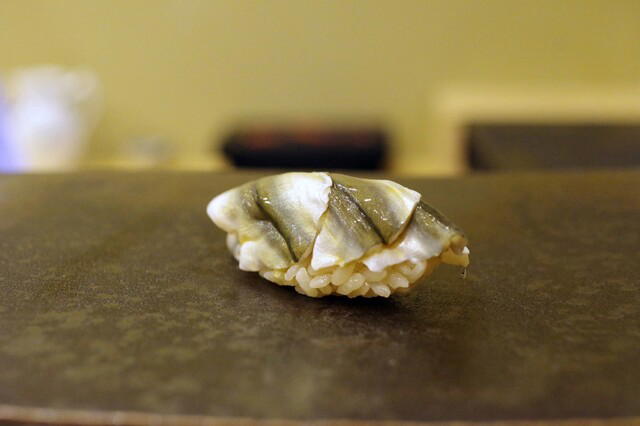
Wakayama is not the stage set most visitors imagine when they think of high-ticket sushi in Japan. Wakayama’s dining rhythm is quieter than Osaka’s, less export-facing than Kyoto’s, and more tied to local regulars than destination choreography. In that setting, a serious sushi booking changes the terms of the evening: fewer distractions, less room for drift, and a sharper focus on the meal itself.
Sushi Gishin belongs to the small group of Wakayama restaurants that make the city legible to serious food travellers. The signal is formal as well as local: recognition in Tabelog’s 2025 Hyakumeiten selection places it inside a regional sushi conversation that reaches beyond prefectural reputation. The Tabelog score of 3.84 adds another useful marker in a market where smaller restaurants often operate with little English-language visibility.
Wakayama sushi works differently when the setting is this focused
Wakayama is often discussed through ramen, seafood, pilgrimage routes, and coastal access rather than higher-budget sushi. That misses the point. The prefecture’s position on the Pacific side of the Kansai region gives sushi restaurants a sourcing logic distinct from the metropolitan venues that define Osaka and Kyoto. The seafood conversation here is less about importing prestige and more about how Wakayama dining interprets what the region can support.
In a focused sushi format, there is little margin for a generic experience. Meals in this bracket depend on rhythm: the work needs to feel measured, the room’s pace matters, and each course needs to land cleanly. At this level, sushi is rarely only about fish quality. Rice, temperature, acidity, and pacing can change how a sequence reads across an evening.
The city comparison is useful. Wakayama’s casual dining identity is strongly associated with local everyday meals, with Chuka Soba Senmon Ten Ide Shoten occupying a different register of local food culture. Other Wakayama dining rooms extend that everyday thread, while places such as Tonkatsu So Fujimaru and Seino show how varied the local map can be. Sushi Gishin sits at the more deliberate end of the scale: more formal, more expensive, and built around concentration rather than breadth.
The sourcing question is the reason to take Wakayama seriously
Ingredient sourcing is the central argument for eating sushi outside Japan’s larger restaurant capitals. Tokyo can command the national auction conversation, and Osaka can absorb much of Kansai’s destination demand, but regional restaurants can express proximity in a different way. Wakayama’s advantage is not volume; it is access to a coastal food culture where seafood has long shaped home cooking, market habits, and restaurant expectations.
That does not mean every piece needs to announce itself as local. Serious sushi restaurants tend to balance regional supply with broader Japanese sourcing when quality demands it. The editorial value here is the decision-making: what a Wakayama sushi restaurant chooses to foreground, what it treats as seasonal, and how it frames the meal. A focused setting makes those decisions harder to hide.
This is also where the city’s broader dining map becomes useful. Other Wakayama dining rooms point to a city with more range than the standard Kansai detour narrative suggests. The sushi restaurant belongs in that wider reading: Wakayama rewards diners who treat it as a food city in its own right, not as a side trip between larger names.
For travellers comparing categories, the gap is clear. Shintaro, Chuka Soba Senmon Ten Ide Shoten, Sizen Mukuan, Seino, and Tonkatsu So Fujimaru all give different ways into Wakayama dining. Sushi Gishin asks for a more deliberate allocation of time and budget, which makes sense only if the diner values sushi, regional context, and focused pacing over breadth of choice.
How to fit it into a Wakayama food itinerary
The practical decision is simple: build the evening around Sushi Gishin rather than treating it as an add-on after sightseeing. The restaurant’s dinner budget is listed at JPY 30,000 - JPY 39,999, and its recognition in the 2025 Tabelog Hyakumeiten selection increases its relevance for travellers who follow Japanese dining awards. That kind of profile also rewards advance planning, especially for visitors passing through Wakayama rather than staying several nights.
The strongest use case is a focused dinner after a day spent around Wakayama, with ramen and casual local meals reserved for another slot. Diners who want breadth in one night may find the format too concentrated; diners who travel for sushi and regional food culture will understand why a Wakayama restaurant at this level belongs on the map.
For broader planning, start with Our full Wakayama restaurants guide, then cross-check the city through Our full Wakayama hotels guide, Our full Wakayama bars guide, Our full Wakayama wineries guide, and Our full Wakayama experiences guide. Readers mapping Japanese dining beyond Wakayama can also compare formats through other dining rooms across Japan and abroad, using Sushi Gishin as a focused Wakayama counterpoint rather than a broad survey meal.
Frequently asked questions
Is Sushi Gishin good for families?
Sushi Gishin is a sushi restaurant in Wakayama. Check directly with the restaurant for current seating, age policies, and suitability for family visits.
What's the vibe at Sushi Gishin?
Sushi Gishin is best treated as a focused sushi booking in Wakayama. The price sits at JPY 30,000 - JPY 39,999, and the 2025 Tabelog Hyakumeiten recognition points to a serious, reservation-minded choice.
Is Sushi Gishin expensive?
Pricing at Sushi Gishin is listed as JPY 30,000 - JPY 39,999 View spending breakdown.
What days is Sushi Gishin closed?
Check directly with Sushi Gishin for current opening days and reservation availability.
What's the address for Sushi Gishin?
Wakayama.
Snapshot
Comparable venues by cuisine and price in the same metro.
| Venue | Cuisine | Price | Awards | Notes |
|---|---|---|---|---|
| Sushi GishinThis venue (the venue you are viewing) | Sushi Omakase | $150–200 | Tabelog 100 #51 | Not listed |
| こってり和歌山らーめん 清乃 | Innovative Seafood Shoyu Ramen | $10–20 | Not listed | Wakayama City Center |
| Urashima Ramen | Traditional Wakayama Ramen Shop | $1–10 | Tabelog 100 #75 | Uchita |
| Nakakooriten Kakigori | Japanese Kakigori | $1–10 | Not listed | Shingu |
| Ichijoin | Shojin Ryori (Buddhist Vegetarian) | $150–200 | Not listed | Koyasan |
| Tonkatsu So Fujimaru | Casual Tonkatsu & Yoshoku | $10–20 | Tabelog 100 #89 | Wakayama (central business district) |
Recognition history
Dated appearances from independent guides and award organizations, with the underlying list record or original source where available.
Tabelog 100 #51 · No. 51
Tabelog · Tabelog 100 - Sushi - WEST - 2025
Continue exploring
More in Wakayama
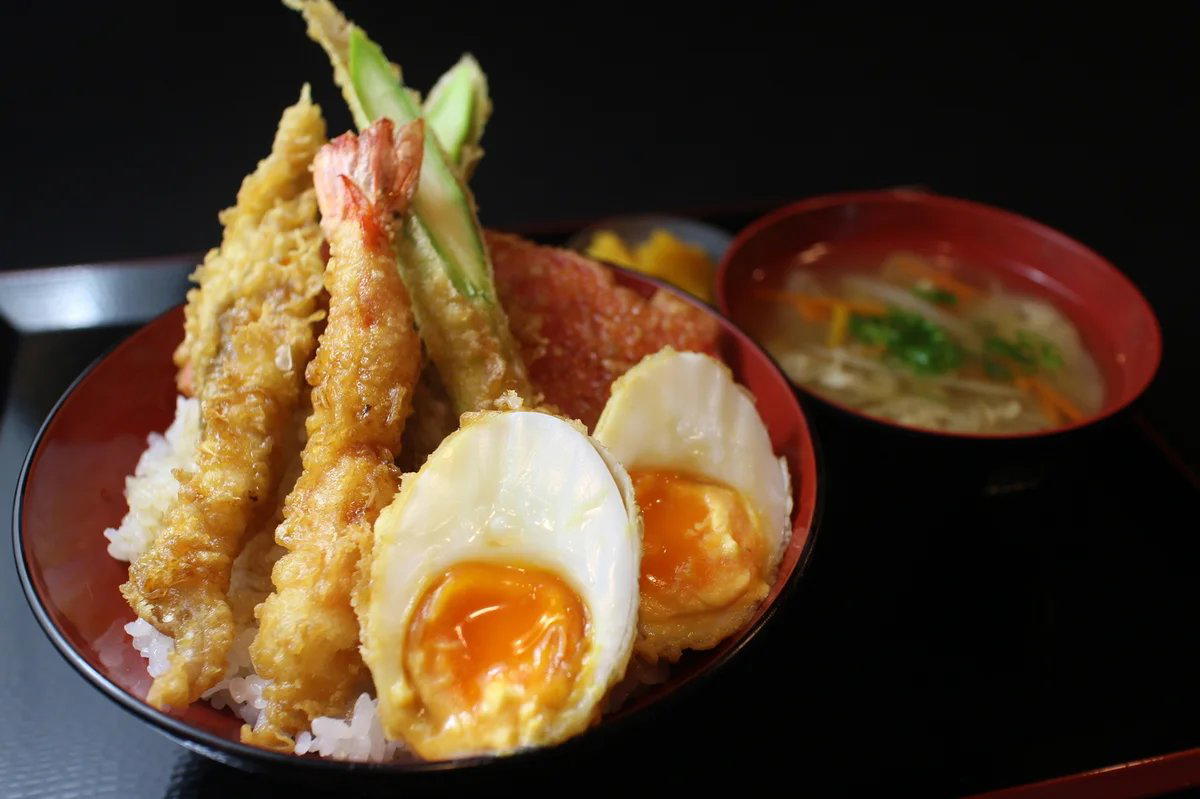
Restaurants in Wakayama
All restaurants in Wakayama →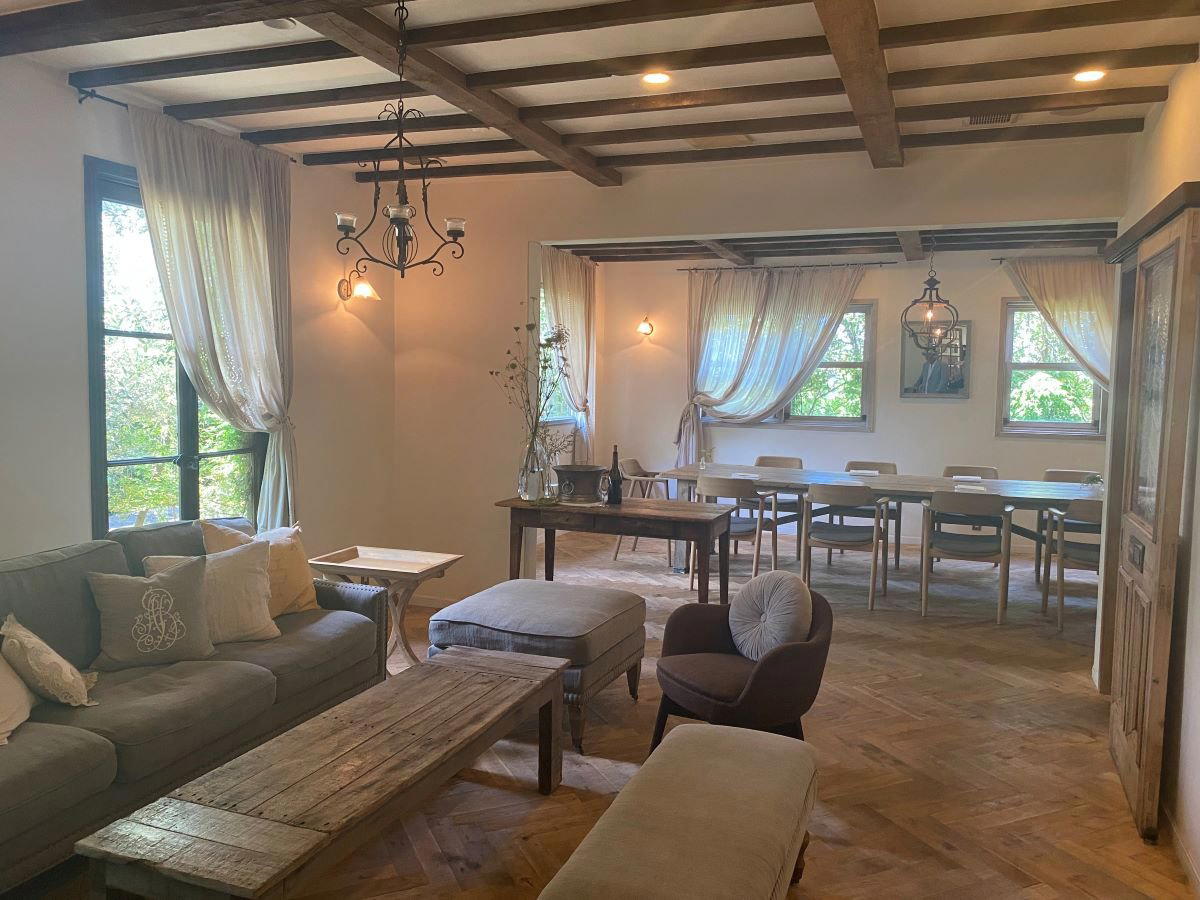
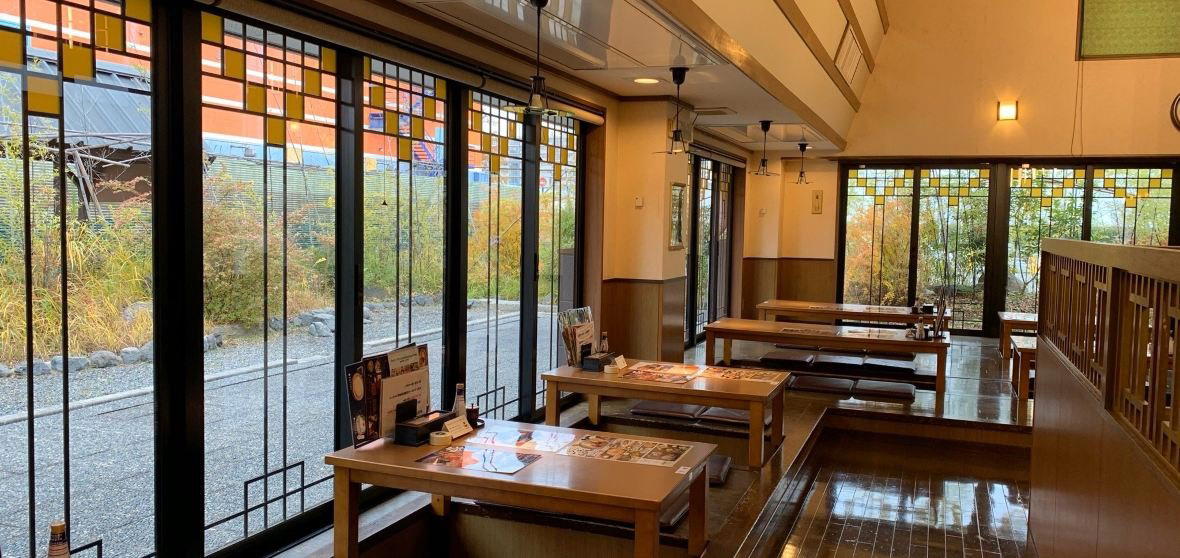
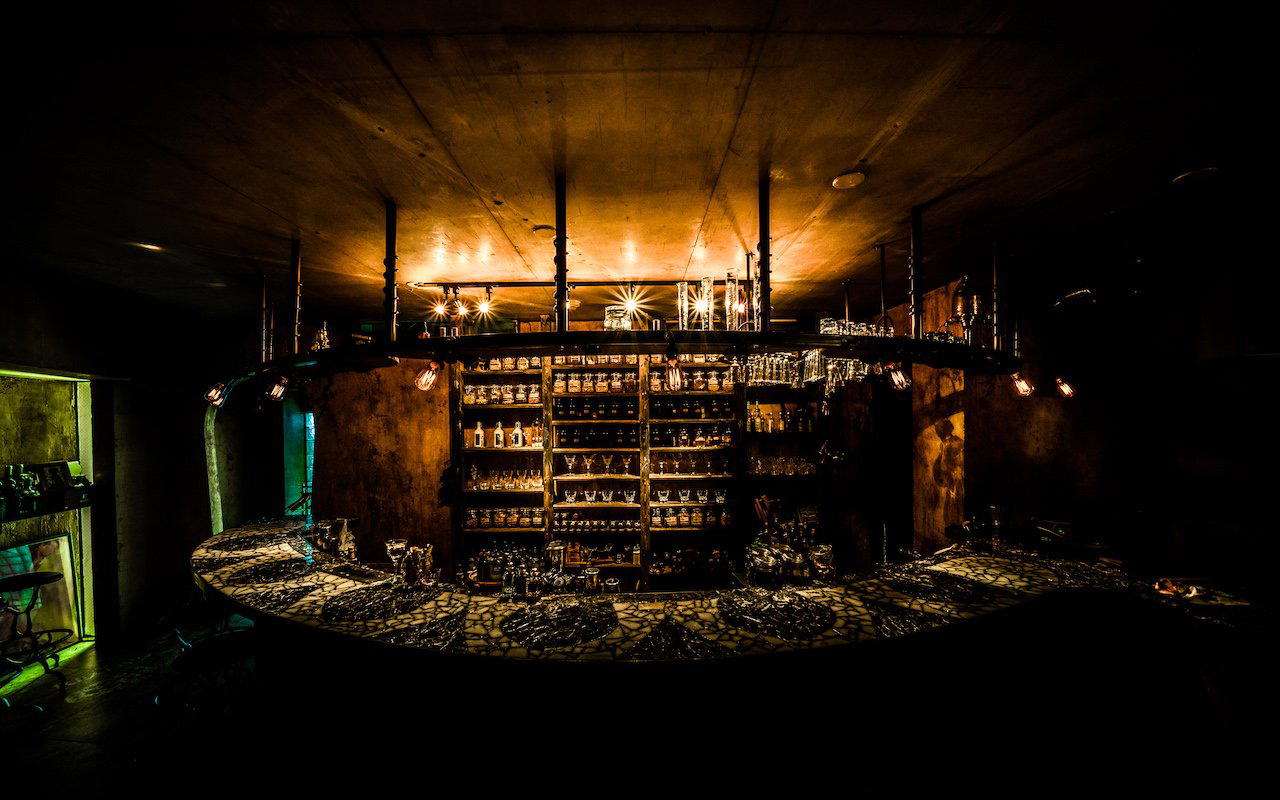
Bars in Wakayama
All bars in Wakayama →

Hotels in Wakayama
All hotels in Wakayama →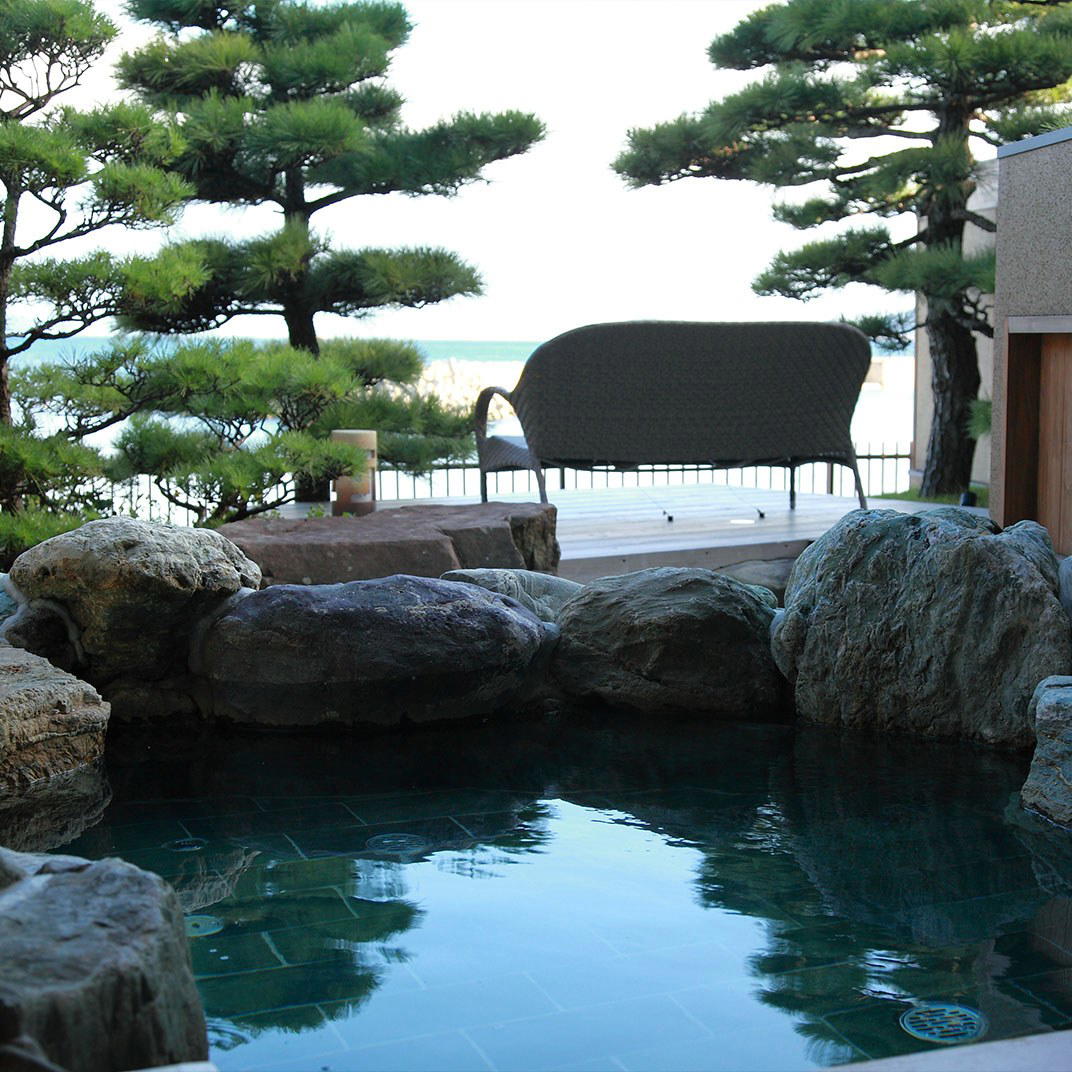
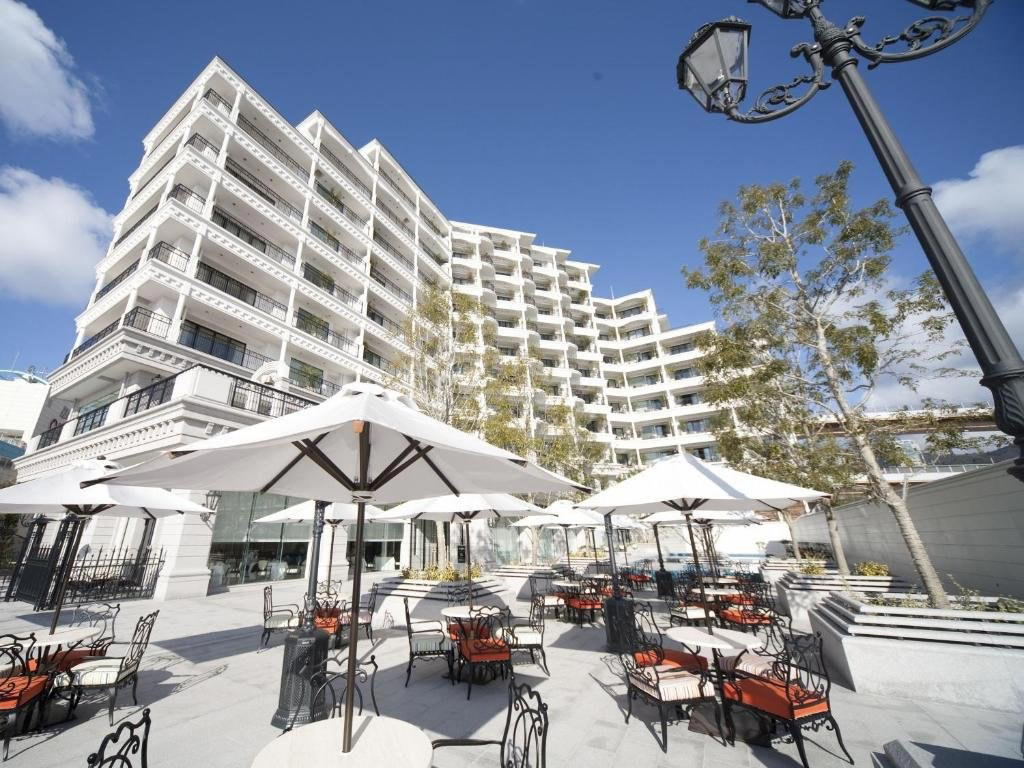

Wineries in Wakayama
Browse all →
Details
- Intimate
- Elegant
- Sophisticated
- Quiet
- Minimalist
- Special Occasion
- Date Night
- Business Dinner
- Solo
- Chefs Counter
- Standalone
- Sake Program
- Omakase
- Set Menu
- Counter Dining
- Sake
- Allergy Accommodating
Current opening hours
- Monday
- 6–9 PM
- Tuesday
- 6–9 PM
- Wednesday
- 6–9 PM
- Thursday
- 6–9 PM
- Friday
- 6–9 PM
- Saturday
- 6–9 PM
- Sunday
- Closed
Hours can change for holidays and private events. Hours as of .
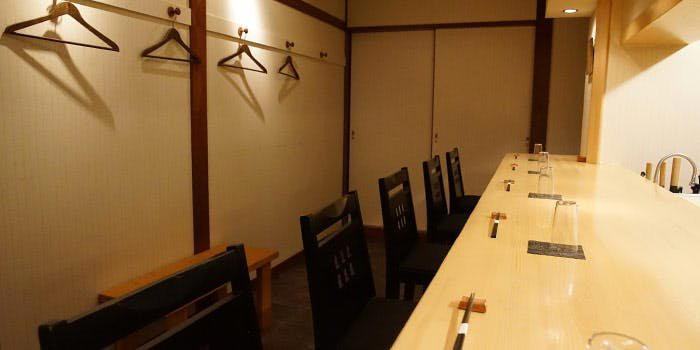
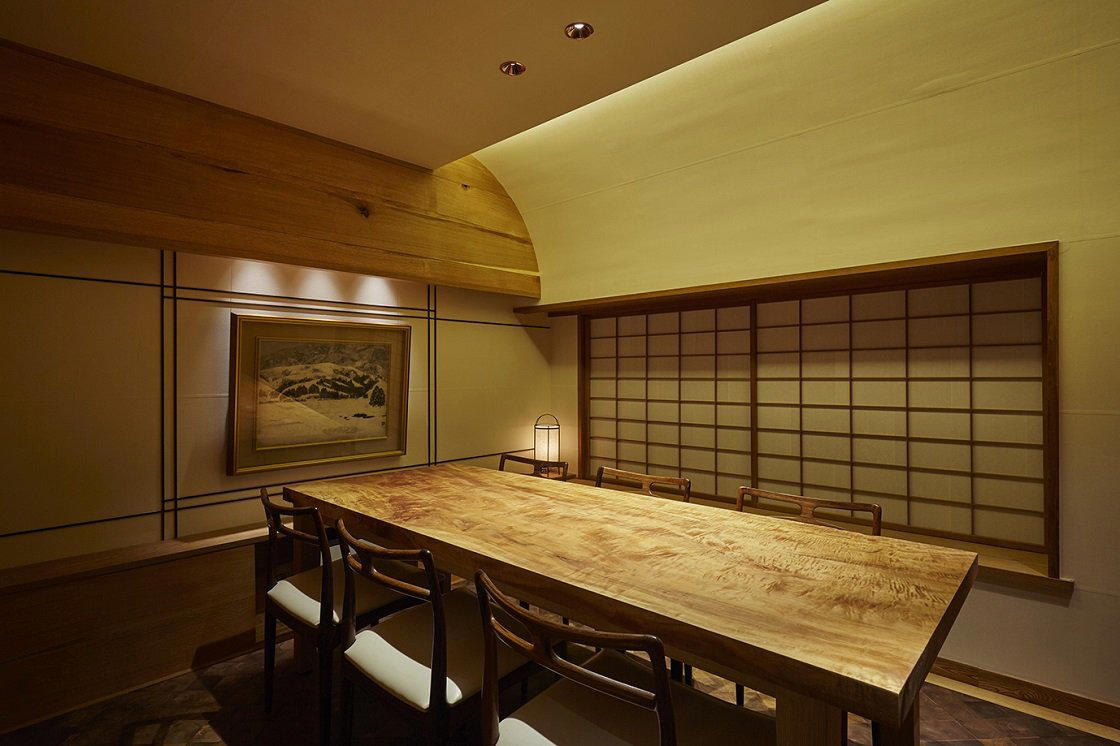
A restrained, quiet sushi counter atmosphere that feels intimate and carefully controlled, with an upscale omakase feel rather than a casual dining room.