
Tabelog 100 #89
Our verdict
Tonkatsu So Fujimaru gives Wakayama’s yoshoku scene a compact, practical anchor: pork cutlet, curry, and Japanese-Western comfort cooking handled with enough consistency to earn Tabelog 100 Yoshoku WEST selection in 2025. It is a small-format, everyday-price restaurant rather than a luxury dining room, which is exactly why it matters in a city better known to outsiders for ramen and coastal routes.

Pearl is the En Primeur Club membership app, where members save venues, book tables and use the concierge.
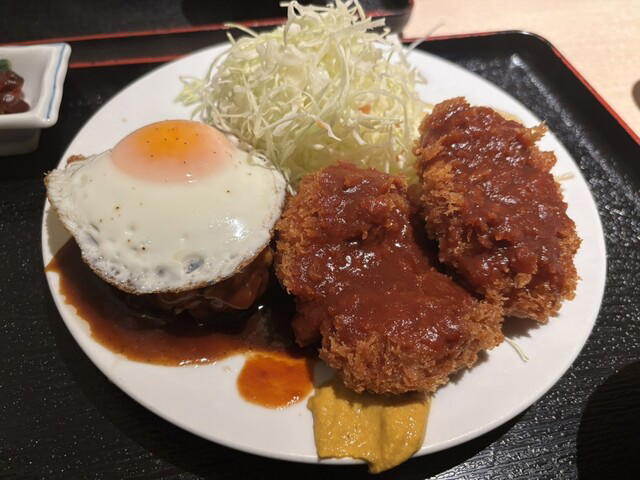
The menu
What to order
- Fillet cutlet (hirekatsu) set meal
- Harekatsu set meal
- Tonkatsu set meals
- Curry with tonkatsu
Approaching a serious tonkatsu room in Japan is rarely theatrical. The signal is smaller: a dining experience built around cutlet, curry, and yoshoku rather than seasonal performance. In Wakayama, that matters. The city’s eating identity is often reduced to chuka soba, yet its stronger everyday restaurants also include other local dining rooms, Japanese-Western comfort food, and pork cutlet shops that treat frying as craft, not convenience.
Tonkatsu So Fujimaru belongs to the latter category. Its selection for Tabelog 100 Yoshoku WEST 2025 places it in a regional conversation around Japanese-Western cooking, not just a local lunch queue. The point is not simply that Wakayama has a notable tonkatsu address; it is that a modestly priced format can carry the scrutiny diners bring to more expensive meals. In a city where Chuka Soba Senmon Ten Ide Shoten defines one shorthand for local appetite and other Wakayama dining rooms occupy different registers of occasion eating, this restaurant shows how yoshoku holds its ground between speed, value, and technical repetition.
Why Wakayama tonkatsu lives or dies by sourcing and repetition
Tonkatsu looks simple until it is bad. The category depends on ingredient selection, batter control, oil management, and timing. Pork cutlet shops lack the camouflage of long tasting menus; the centre of the plate is exposed. Yoshoku also carries a Japanese logic: Western-derived forms adapted into rice-friendly, sauce-compatible, everyday food. Curry on the same card is not incidental. It places the restaurant inside a comfort-food lineage where frying, roux, rice, and cabbage share a grammar.
That makes sourcing more than romance. In tonkatsu, pork quality determines sweetness, fat texture, and how much seasoning the kitchen needs. The crumb and oil decide whether the cutlet reads crisp or heavy. None of this needs luxury signals; it needs consistency across service. The Tabelog 100 Yoshoku WEST selection is a meaningful trust marker because the award category covers restaurants judged against Japanese-Western peers, a field where everyday dishes face close repeat-customer scrutiny.
Wakayama’s broader dining map explains the appeal. Aji Ichi sits in an accessible local-dining conversation, while Sushi Gishin, in the same city, belongs to a more expensive sushi bracket. Chuka Soba Senmon Ten Ide Shoten keeps ramen central to many visitors’ plans, but tonkatsu answers a different need: pleasure in handling a familiar form, not novelty. For the city’s range, Our full Wakayama restaurants guide is a better starting point than treating one genre as the whole story.
A compact room built for solo meals, small groups, and cutlet focus
The format is part of the editorial case. Tonkatsu So Fujimaru is not best understood as a room for lingering ceremony. It is the kind of Japanese restaurant where execution remains the point and the meal is judged by the cutlet, the rice-friendly structure, and the kitchen’s ability to repeat a narrow set of comforts well. Tonkatsu is strongest when the experience is direct.
The pairing universe need not be elaborate. Yoshoku often sits between casual lunch and fuller evening eating, and the cooking can carry a simple drink or nothing beyond tea and rice. The more important distinction is between general convenience and the pleasure of eating fried food at its best. The core argument for a serious cutlet shop is strongest when the frying is eaten close to the moment it reaches the table.
The city context keeps expectations honest. Wakayama is not Osaka, Kyoto, or Tokyo; its appeal is less density than select addresses that reward planning without turning every meal into a production. Other dining in Wakayama represents additional strands of the area’s food culture, while the hospitality side is better considered through Our full Wakayama hotels guide. For travellers building a day around eating as well as sightseeing, the useful move is to think by category: ramen for local shorthand, yoshoku for craft comfort, sushi for a different register, and regional cooking for a slower pace.
Where it fits in a Wakayama eating itinerary
Tonkatsu So Fujimaru is strongest as a precise lunch or early-evening food decision, not a grand-dining substitute. That distinction matters. In Wakayama, the meal that teaches the city is not always expensive. Sometimes it is a cutlet, curry on the side of the genre, and a restaurant disciplined enough to appear in a regional Tabelog 100 list while staying inside everyday dining’s price logic.
Travellers comparing categories should resist flattening the city into a single hit list. Our full Wakayama bars guide, Our full Wakayama wineries guide, and Our full Wakayama experiences guide help round out the trip beyond restaurant reservations. For broader Japan planning, it is more useful to compare Tonkatsu So Fujimaru with other unnamed examples of Japanese casual dining, regional comfort food, and everyday restaurant formats than to treat it as an isolated curiosity. The lesson travels well: familiar dishes can become serious when repetition, price discipline, and technique line up.
The critical read is clear: this is a Wakayama yoshoku address whose value lies in disciplined repetition rather than spectacle. Award recognition gives outside diners a reason to pay attention, but the deeper reason is genre literacy. Tonkatsu, when handled seriously, is not filler between ramen stops. It is one of the clearest tests of how a city cooks for itself.
Frequently asked questions
Can I bring kids to Tonkatsu So Fujimaru?
Tonkatsu So Fujimaru is a casual Wakayama yoshoku and tonkatsu restaurant, so it may be workable for families depending on timing and seating availability. Confirm directly with the restaurant if you need specific accommodations.
What's the vibe at Tonkatsu So Fujimaru?
Expect a direct, food-focused Wakayama restaurant built around yoshoku, tonkatsu, pork cutlet, and curry rather than a formal fine-dining setup. The appeal is disciplined comfort food, not ceremony.
Is Tonkatsu So Fujimaru more mid-range or high-end?
Pricing at Tonkatsu So Fujimaru is listed as Dinner: JPY 1,000 - JPY 1,999; Lunch: JPY 1,000 - JPY 1,999.
What are the opening hours for Tonkatsu So Fujimaru?
Check directly with Tonkatsu So Fujimaru before visiting.
Side-by-Side Snapshot
Comparable venues by cuisine and price in the same metro.
| Venue | Cuisine | Price | Awards | Notes |
|---|---|---|---|---|
| Tonkatsu So FujimaruThis venue (the venue you are viewing) | Casual Tonkatsu & Yoshoku | $10–20 | Tabelog 100 #89 | Not listed |
| Takehara | Traditional Tuna Specialist | $10–20 | Not listed | Katsuura |
| Nakakooriten Kakigori | Japanese Kakigori | $1–10 | Not listed | Shingu |
| Ideshouten Ramen | Wakayama Ramen | $10–20 | Not listed | Wakayama city |
| Chuka Soba Senmon Ten Ide Shoten | Wakayama-style ramen (chuka soba) | $1–10 | Tabelog 100 #59 | / Tanakaguchi area |
| Sizen Mukuan | Kinan Seasonal Japanese Cuisine | $100–150 | Tabelog Bronze #415 | Takao |
Recognition history
Dated appearances from independent guides and award organizations, with the underlying list record or original source where available.
Tabelog 100 #89 · No. 89
Tabelog · Tabelog 100 - Yoshoku - WEST - 2025
Continue exploring
More in Wakayama
Restaurants in Wakayama
All restaurants in Wakayama →

Bars in Wakayama
All bars in Wakayama →

Hotels in Wakayama
All hotels in Wakayama →
Wineries in Wakayama
Browse all →
Details
- Cozy
- Classic
- Solo
- Casual Hangout
- Family
- After Work
- Group Dining
- Standalone
- A La Carte
- Counter Dining
Current opening hours
- Monday
- 11 AM–1:45 PM
- Tuesday
- Closed
- Wednesday
- 11 AM–1:45 PM, 5–7:45 PM
- Thursday
- 11 AM–1:45 PM, 5–7:45 PM
- Friday
- 11 AM–1:45 PM, 5–7:45 PM
- Saturday
- 11 AM–1:45 PM, 5–7:45 PM
- Sunday
- 11 AM–1:45 PM, 5–7:45 PM
Hours can change for holidays and private events. Hours as of .
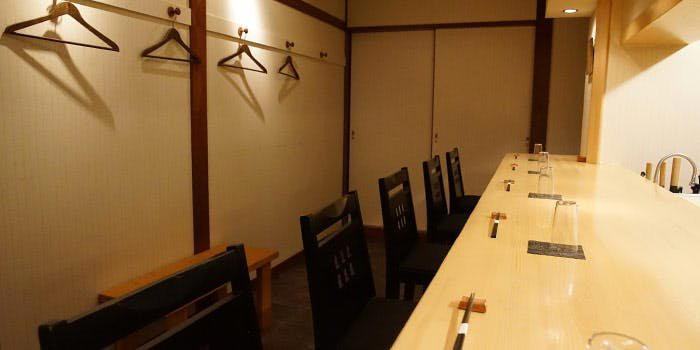
Casual, no-frills yoshoku diner atmosphere with counter and sunken seating, focused on quick, tasty tonkatsu lunches rather than decor; lunchtime can feel busy but still comfortable for solo diners and small groups.