

Star Wine List · Wine Spectator Best of Award of Excellence
Our verdict
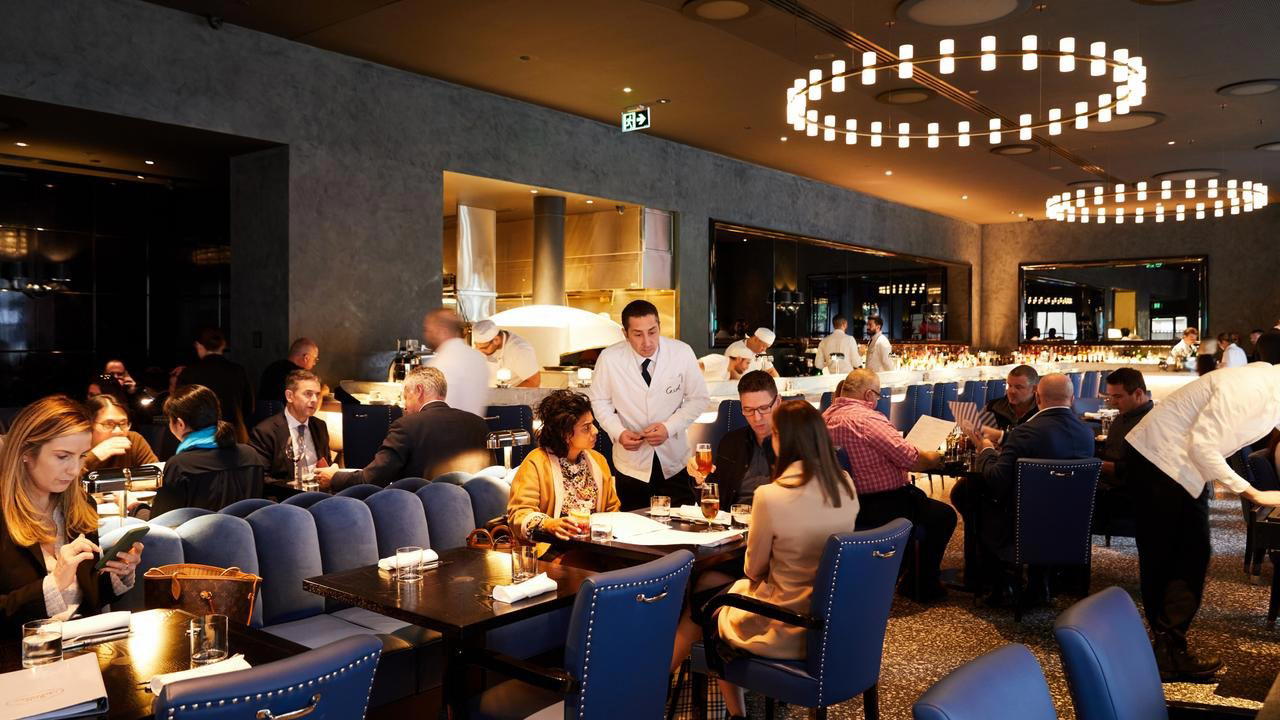
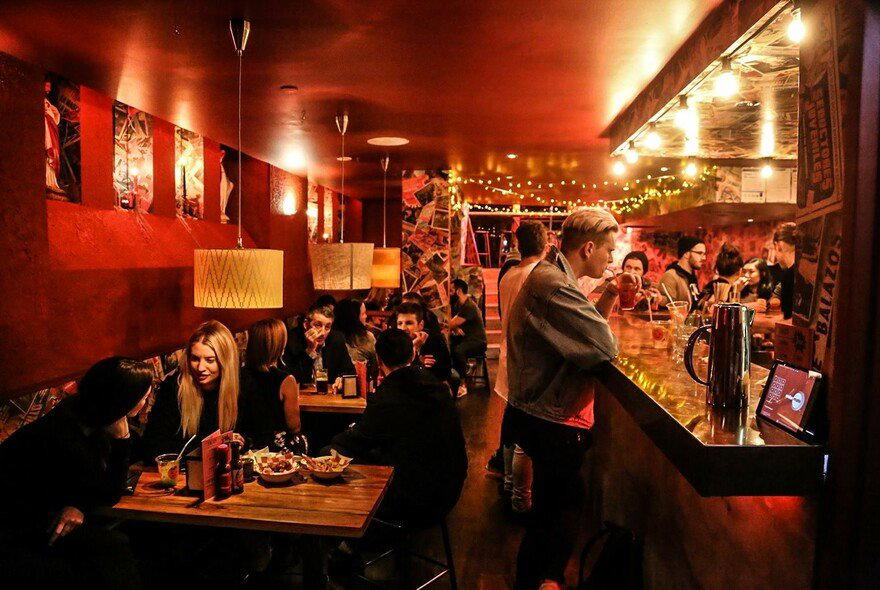
Society at 80 Collins Street occupies the upper tier of Melbourne's formal dining scene, drawing a crowd that arrives dressed for the occasion. Across the Society Dining Room, Lillian Brasserie, The Lounge, and several private dining rooms, the venue holds a 3-Star accreditation from World of Fine Wine and a Regional Winner designation for Australasia. The ritual here begins with a prohibition-inspired cocktail and moves through a service style notable for its anticipatory precision.

Pearl is the En Primeur Club membership app — saves, bookings, and concierge access live there. Same editors, same standards.
- Address
- 80 Collins St, Melbourne VIC 3000, Australia
- Phone
- +61 3 8618 8900
- Hours
- Mon–Thu 5–11:30 PMFri–Sun 12–11:30 PM
- Website
- societyrestaurant.com
- Directions
- Get directions
- Booking
- Book on OpenTable
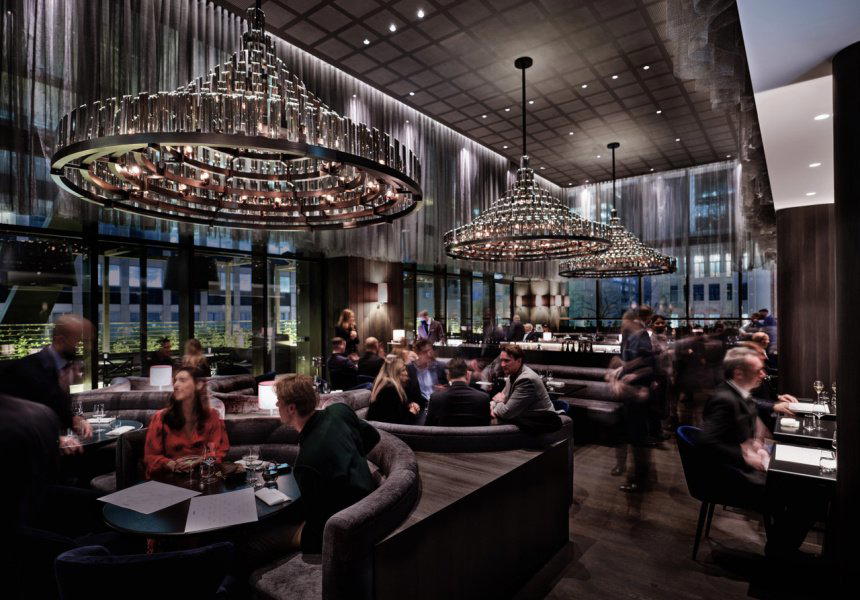
Where Collins Street dressing up finds its dining counterpart
Melbourne's formal dining tier has always had an address problem. The city produces serious food at every price point, from compact natural wine bars in Fitzroy to cerebral tasting menus in the inner suburbs, and the occasions that demand a full-dress evening out can struggle to find rooms that match the expectation. Society, at 80 Collins Street, is one of the clearest answers to that gap. The address alone signals the register: the Collins Street end of the CBD carries the weight of old Melbourne money and new Melbourne ambition in roughly equal measure, and the restaurant sits inside that current rather than against it.
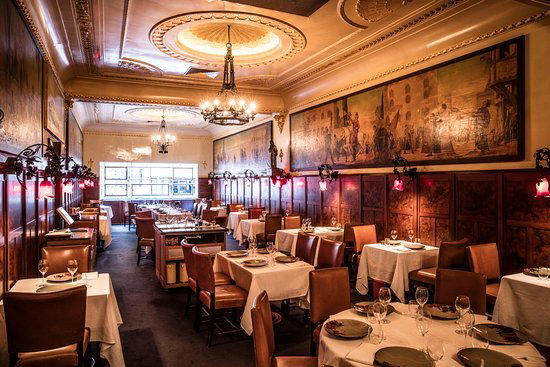
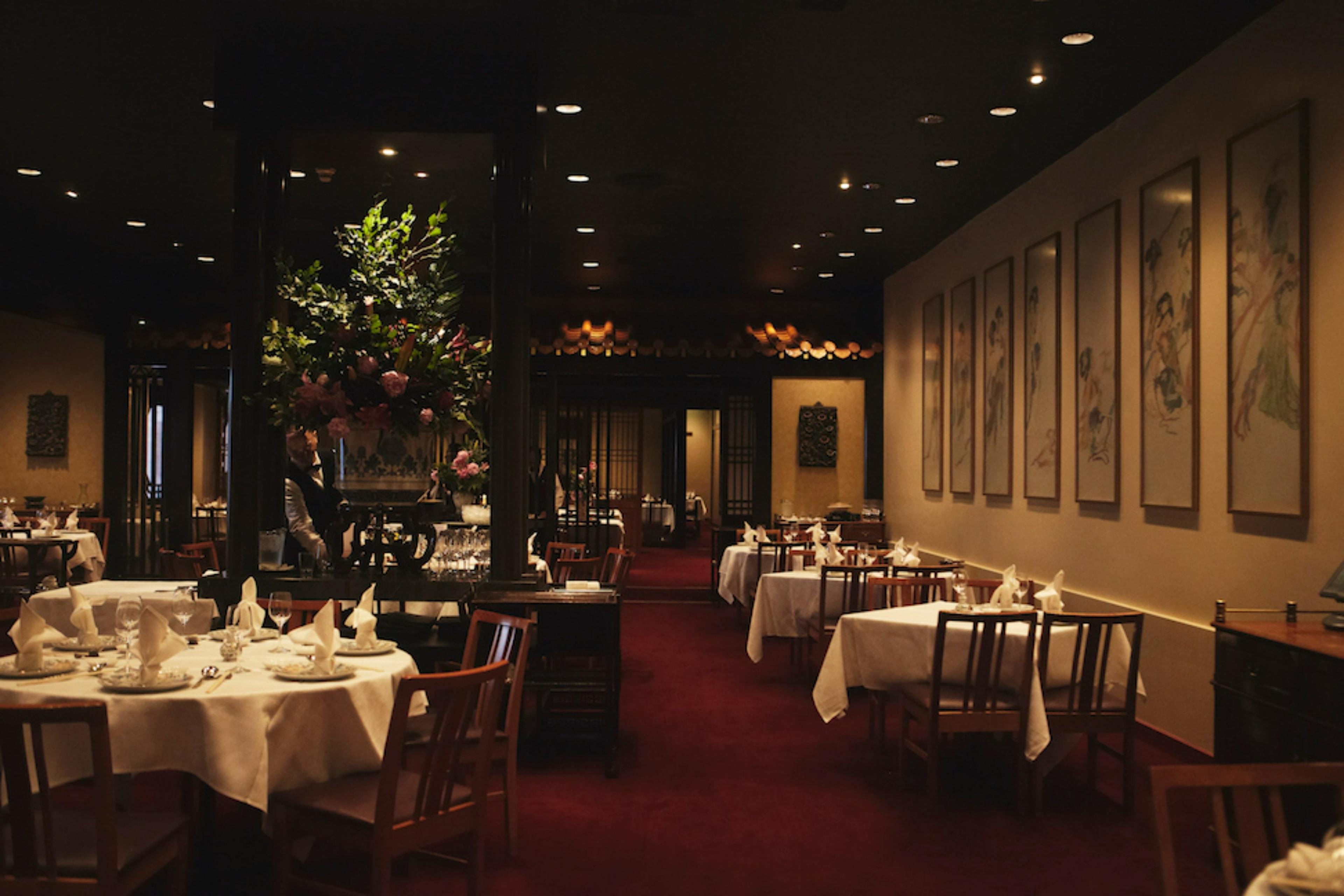
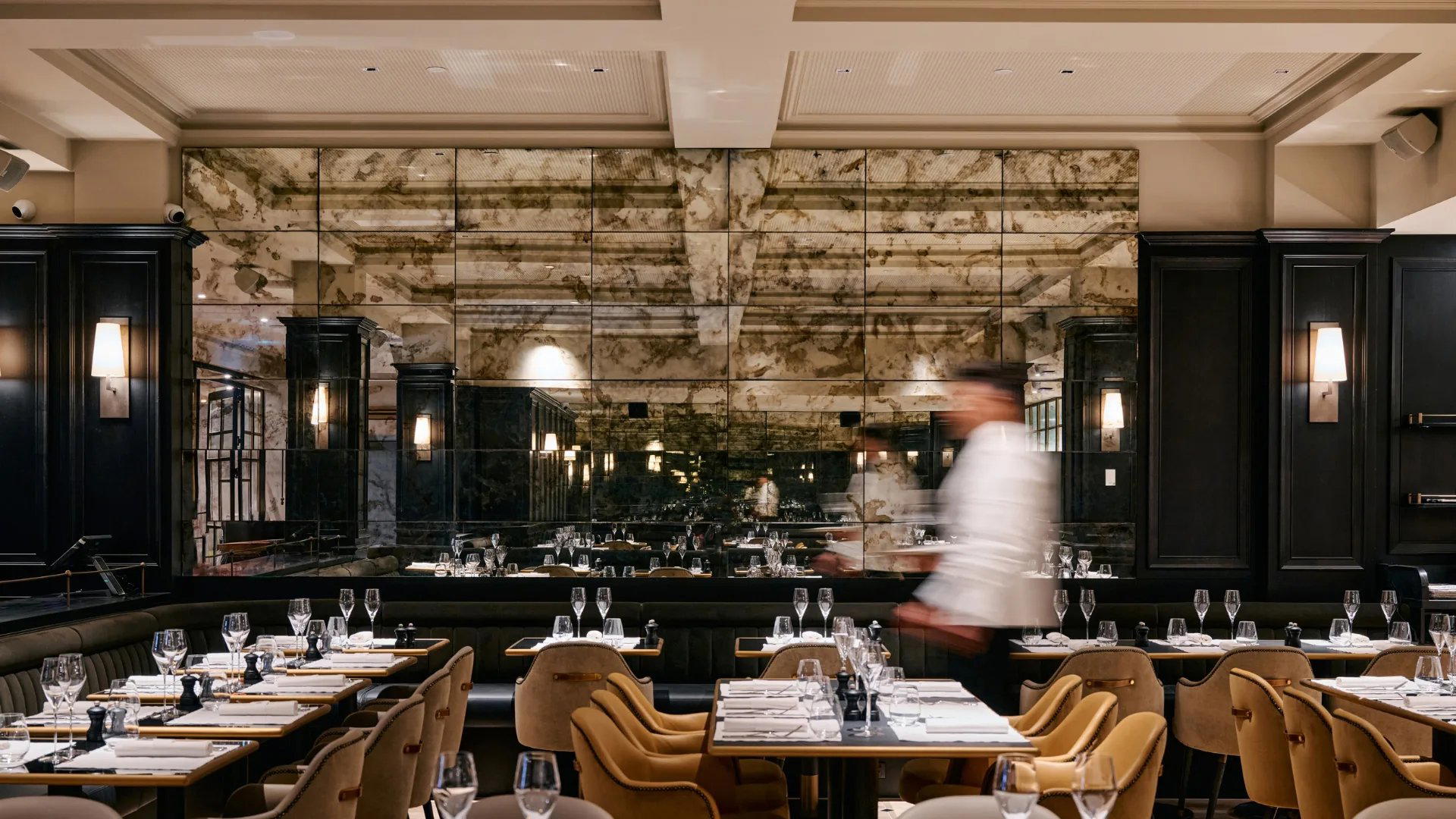
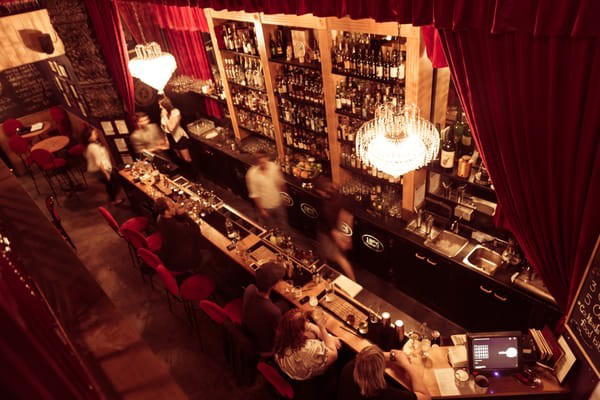
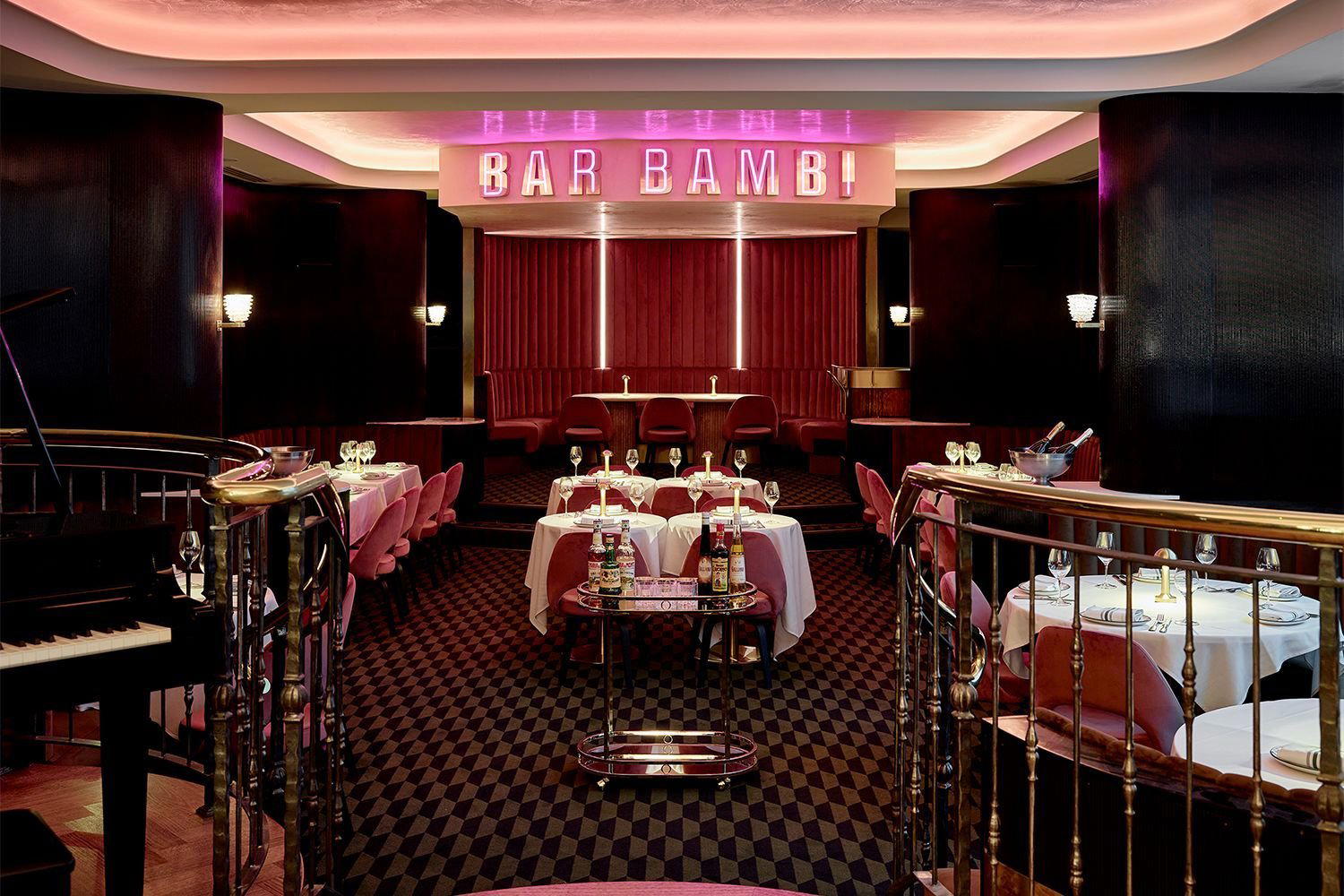
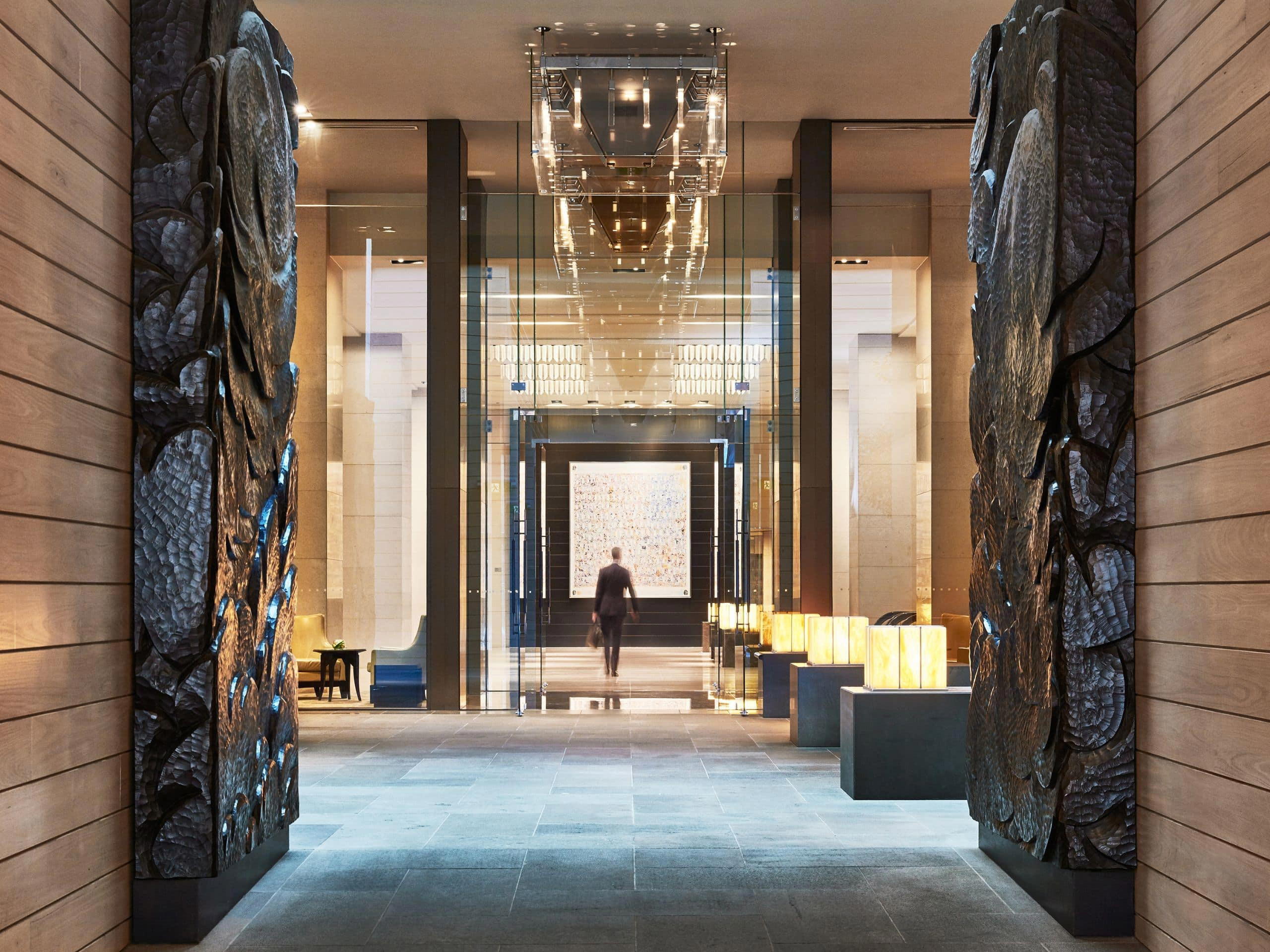
This is the kind of room Melbourne has historically imported from Sydney or London. Designed by Russell and George, the award-winning Melbourne studio, the interior works through velvet booth seating, warm materials, and a layered spatial logic that separates the Society Dining Room, Lillian Brasserie, The Lounge, and several private dining rooms without making any single space feel residual. Each zone has a distinct atmospheric pitch. The Lounge sets the opening note with prohibition-inspired cocktails, a format that positions drinking as a pre-dinner ceremony rather than a lobby wait. The progression from cocktail through to table is choreographed, not incidental.
The dining ritual as the point of arrival
In Melbourne's current restaurant moment, the dining ritual itself has become a differentiating factor. At the more experimental end, venues like Attica (Australian Modern) structure the meal around provenance and surprise, and the format is inseparable from the philosophy. Society operates on a different axis: the ritual here is social, theatrical, and European in register. Service is silver-plated and anticipatory, linen napkins placed before you ask, sourdough sliced and served rather than left to the table. These are the signals of a particular hospitality tradition, one that prioritises the guest's ease over the kitchen's statement.
That approach places Society in a category that Melbourne shares with a small number of addresses. Flower Drum (Cantonese) in the CBD operates on a similar principle of service as performance, where the room's composure is as much part of the offer as what arrives on the plate. Both venues attract a crowd that arrives with a social occasion already in mind rather than coming to be surprised by the food. The contrast with more casual but technically driven rooms, like 48h Pizza e Gnocchi Bar or Aru Melbourne, is deliberate: Society is not in the business of low-key discovery.
A World of Fine Wine benchmark in Australasia
Credentialing in Melbourne's upper dining tier tends to cluster around a few recognisable frameworks. Society holds a 3-Star accreditation from the World of Fine Wine awards, one of the more rigorous wine-program assessments in the international hospitality calendar, and carries a Regional Winner designation for Australasia. At an institution built around the kind of occasion dining that requires a wine list to carry the room, that recognition is structural rather than decorative. The World of Fine Wine methodology prioritises list depth, sourcing intelligence, and service delivery, and a 3-Star outcome places Society in a small peer group across the region.
For context, Australasia's 3-Star accreditations are not numerous. The designation implies a program that can hold its own against serious lists in London, New York, or Hong Kong, and for a restaurant that positions itself as a global dining reference in a local market, that benchmark matters. Venues like Le Bernardin in New York City operate in a category where wine program depth is assumed at the level of table stakes; Society's accreditation suggests the list here reaches toward that tier, rather than treating wine as an afterthought to the room's aesthetics.
Restaurateur logic and the multi-room format
Chris Lucas built Society as a multi-space venue, and the logic behind that structure is worth understanding. The Dining Room, Brasserie, Lounge, and private rooms each serve a different social function. The Brasserie format, named Lillian, accommodates the kind of dropping-in that a formal dining room cannot, while the private rooms allow occasion dining at a scale that corporate Melbourne and celebrations require. This is a hospitality model that references the European grand brasserie tradition, where a single building contains several registers of formality rather than a single fixed format.
Internationally, the comparable model appears at addresses like Emeril's in New Orleans, where a large footprint and a restaurateur's vision combine to produce something that functions as both neighbourhood anchor and occasion destination. In the Australian context, it is a less common model: most of the country's celebrated dining happens in focused, single-format rooms. Brae in Birregurra or Agrarian Kitchen in Hobart are built around a specific, unified proposition. Society's scale runs counter to that trend, and that distinction shapes who uses it and why.
Society inside Melbourne's broader dining map
Melbourne's restaurant scene has become increasingly dispersed across its inner suburbs, and the CBD proper supports fewer destination dining rooms than the city's reputation might suggest. Society anchors the upper end of the Collins Street corridor in a way that few other venues do. Bottarga and Amaru in Armadale represent the kind of tightly defined, neighbourhood-rooted dining that sits at the other end of the ambition spectrum. For visitors staying in the CBD and oriented toward the formal end of the meal register, Society is the address that the room, the service tradition, and the wine credentials combine to support.
The broader picture of serious Australian dining also extends well beyond Melbourne. Saint Peter in Sydney and Bacchus in Brisbane anchor their respective cities' formal tiers, and 400 Gradi in Brunswick East demonstrates how Italian-adjacent cooking has found serious footing across Australian cities. Society operates in a different register from all of these, one where the scale of the operation, the formality of the service, and the depth of the wine program are the primary claims. Our full Melbourne restaurants guide maps the wider field for those calibrating where Society sits in relation to the city's full range.
Planning a visit
Society occupies 80 Collins Street in the Melbourne CBD, accessible from both the Collins Street and Exhibition Street entrances of the precinct. Given the venue's position as a preferred address for occasion dining and corporate entertaining in Melbourne, reservations are advisable well in advance for the Dining Room and private spaces, particularly on Thursday through Saturday evenings when the dressed-up crowd the venue draws is at its densest. The Lounge format allows a more spontaneous entry point, with cocktails setting the pace for what becomes, in most cases, a longer evening. For those staying nearby, our full Melbourne hotels guide covers the CBD accommodation options that place Society within an easy walk. The Melbourne bars guide, wineries guide, and experiences guide complete the picture for a longer stay oriented around the city's upper-end offer.
Frequently asked questions
What's Society known for in terms of accolades?
Society has received recognition including: Society is probably the place to be seen in Melbourne when you are dressed up, in the mood for a lush soiree where you know you will start with a prohibition-inspired cocktail in The Lounge, have plen...; {"wbwl_source": {"slug": "society",….
Where do I go for Society?
Society is located at 80 Collins St, Melbourne VIC 3000, Australia, Melbourne.
What's the signature dish at Society?
Specific menu items are published details are limited we can confirm. What is documented is that Society operates across distinct spaces — the Dining Room, Lillian Brasserie, and The Lounge — each running its own format, so the food programme differs depending on where you sit. The 3-Star World of Fine Wine accreditation signals serious kitchen-to-cellar alignment across the operation. Check the venue's official channels for the latest details.
Do I need a reservation for Society?
Society at 80 Collins Street is a high-profile Melbourne venue that Chris Lucas positioned explicitly as the city's destination for dressed-up occasions. Given that profile and the multi-room format — Dining Room, Brasserie, and private dining — booking ahead is the practical approach, particularly for the main Dining Room. Contact details are best confirmed directly via the venue's current booking channels.
What's the standout thing about Society?
The multi-room architecture sets it apart from most Melbourne CBD dining addresses. A single visit can move across The Lounge for prohibition-inspired cocktails, the Lillian Brasserie, and the main Dining Room — each with its own register of formality. Society holds a 3-Star accreditation from the World of Fine Wine and is an Australasia Regional Winner in that programme, which places its wine operation among the more seriously credentialed in the region.
Can Society handle vegetarian requests?
What is the World of Fine Wine accreditation that Society Melbourne holds?
Society holds a 3-Star accreditation from the World of Fine Wine awards programme and is recognised as a Regional Winner for Australasia — one of the more substantive wine-focused credentials available to restaurants in this part of the world. The accreditation assesses the integration of wine service, list depth, and hospitality rather than food alone. For Melbourne CBD dining rooms where the wine programme is as much the draw as the kitchen, this places Society in a distinct category.
Cuisine-First Comparison
| Venue | Cuisine | Price | Awards | Notes |
|---|---|---|---|---|
| SocietyThis venue — the venue you are viewing | Modern Fine Dining | $100–150 | Star Wine List · Wine Spectator Best of Award of Excellence | Not listed |
| Flower Drum | Fine Dining Cantonese | $50–100 | World's 50 Best #33 · Star Wine List | Cantonese |
| Attica | Modern Australian Indigenous Fine Dining | $300–500 | World's 50 Best #20 · La Liste Top Restaurants | Australian Modern |
| Vue de Monde | Modern Australian Fine Dining | $200–300 | La Liste Top Restaurants · Star Wine List | Australian Fine Dining |
| Florentino | Classic Italian Fine Dining | $150–200 | La Liste Top Restaurants · World's Best Wine Lists Awards WBWL 3-Star | Modern Italian |
| 48h Pizza e Gnocchi Bar | Authentic Italian Pizza and Gnocchi | $20–30 | 50 Top Pizza Asia-Pacific #14 | Not listed |
Recognition history
Dated appearances from independent guides and award organizations, with the underlying list record or original source where available.
Star Wine List
Star Wine List
Wine Spectator Best of Award of Excellence
Wine Spectator
World's Best Wine Lists Awards WBWL Category Winner
World's Best Wine Lists Awards
Full recognition history (8 entries)
World's Best Wine Lists Awards WBWL 3-Star
World's Best Wine Lists Awards
World's Best Wine Lists Awards WBWL Category Winner
World's Best Wine Lists Awards
World's Best Wine Lists Awards WBWL 3-Star
World's Best Wine Lists Awards
World's Best Wine Lists Awards WBWL 3-Star
World's Best Wine Lists Awards
World's Best Wine Lists Awards WBWL Category Winner
World's Best Wine Lists Awards