
Kobe’s Sannomiya area is usually read through beef-steak counters and polished tourist dining, but its yakiniku culture has a different grammar: smoke, offal, counter proximity, and late-day drinking energy. Sumiyaki Shio Horumon 『A』 Kobe Sakaba belongs to that tighter local register, with Tabelog 100 Yakiniku WEST 2025 recognition placing it in a serious Kansai grilling tier.
Pearl is the En Primeur Club membership app — saves, bookings, and concierge access live there. Same editors, same standards.
- Address
- Japan, 〒650-0011 Hyogo, Kobe, Chuo Ward, Shimoyamatedori, 1 Chome−3−12 横丁ビル 1F
- Phone
- +81 78-321-2911
- Website
- instagram.com
 Saves & bookings on Pearl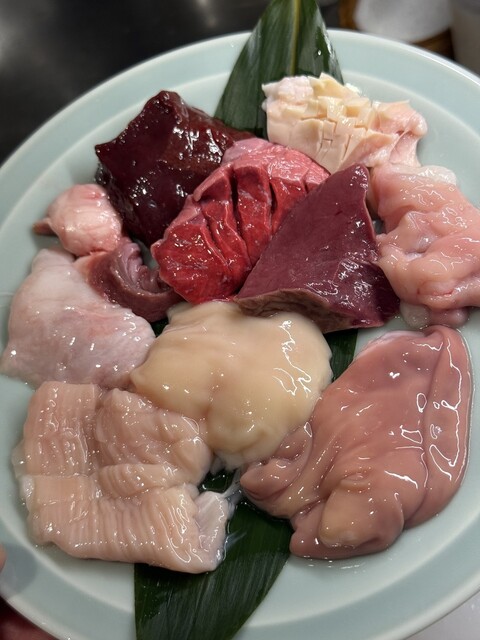
Step off Sannomiya’s main flow and Kobe changes quickly: narrower streets, smaller signs, rooms built for repeat local traffic rather than grand entrances. This is the city behind the international beef mythology. The steakhouse version of Kobe dining is formal, polished, and often centered on a single prized cut; the horumon and yakiniku version stays closer to the grill, the drink, and the conversation across a counter.
Sumiyaki Shio Horumon 『A』 Kobe Sakaba belongs to that second tradition. Its selection for Tabelog 100 Yakiniku WEST 2025 matters because western Japan’s yakiniku field is deep, especially in Kansai, where Korean-Japanese grilling culture, beef prestige, and drinking-room informality overlap. A Tabelog score of 3.84 puts the room in a category where diners are not just chasing Kobe beef as a souvenir; they are choosing charcoal-grilled meat, tripe, steak, sake, shochu, and wine in a compact Sannomiya setting.
Sannomiya's grill culture beyond the steakhouse circuit
Kobe’s global reputation has been shaped by steak restaurants, still a core part of the city’s dining economy. Comparison names such as Kobe Beef Steak Restaurant Royal Mouriya, Kobe Beef TANRYU, Kobe Steak Restaurant Mouriya Lin, and Kobe Beef Steak Ishida. Ikutashinmichi-shop sit at the formal end of the Kobe beef conversation, where experience is framed around provenance, slicing, and chef-controlled presentation. Yakiniku changes the social contract: the table or counter joins the cooking process, the meal moves with ordering and drinking, and secondary cuts can carry as much cultural weight as loin or sirloin.
That is why horumon matters. In Japan, offal grilling is not a compromise; it is a texture-led branch of meat culture with regulars, ordering habits, and drinking logic. Salt seasoning, charcoal heat, and close seating point to a style for diners who want Kobe’s meat culture without ceremony. For travelers, the distinction is useful: steak restaurants explain Kobe’s export image, while yakiniku rooms show how meat folds into everyday urban nights.
The neighborhood reinforces that reading. Shimoyamatedori and the Sannomiya orbit form Kobe’s dense dining hinge, with bars, counters, late meals, and small specialty restaurants within walking range. A meal here can sit beside local choices such as Aburi Niku Kobo Wakkoku Shinkobe ten or Aburi Niku Kobo Wakkoqu Kitano Sakamoto Ten, but it occupies a less polished, more grill-room register. For a wider read on the city’s food map, Our full Kobe restaurants guide is a better starting point than treating Kobe as a single-beef-city cliché.
A compact counter-and-table room built for charcoal, drink, and pace
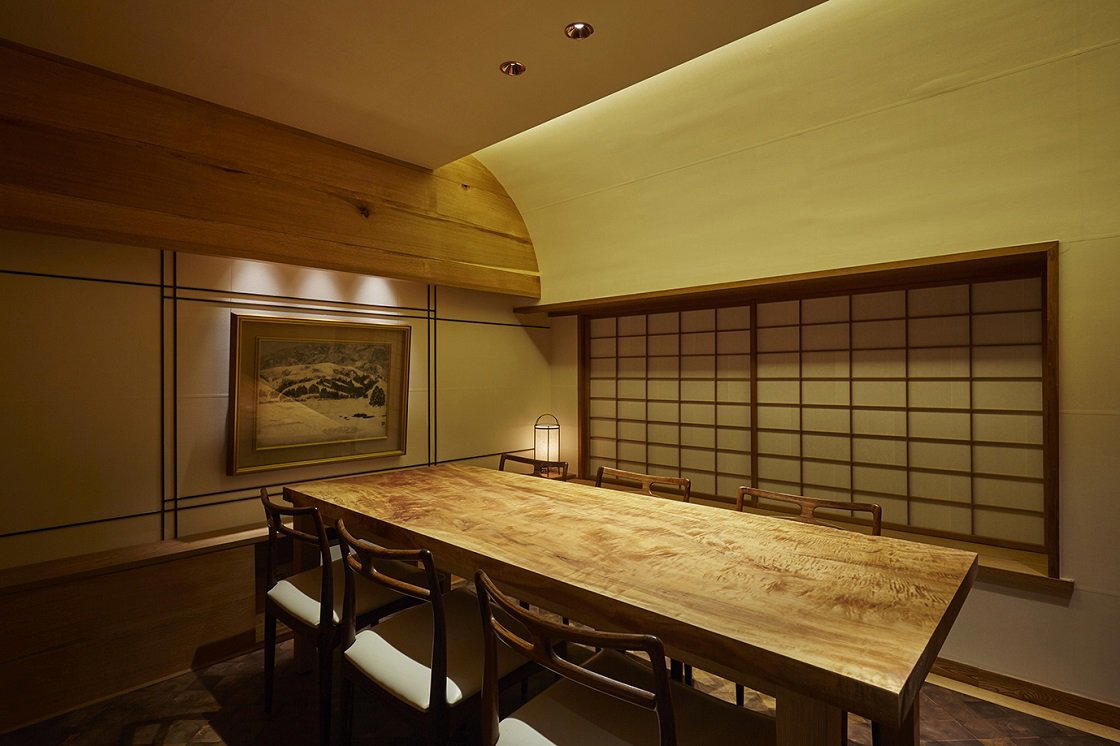
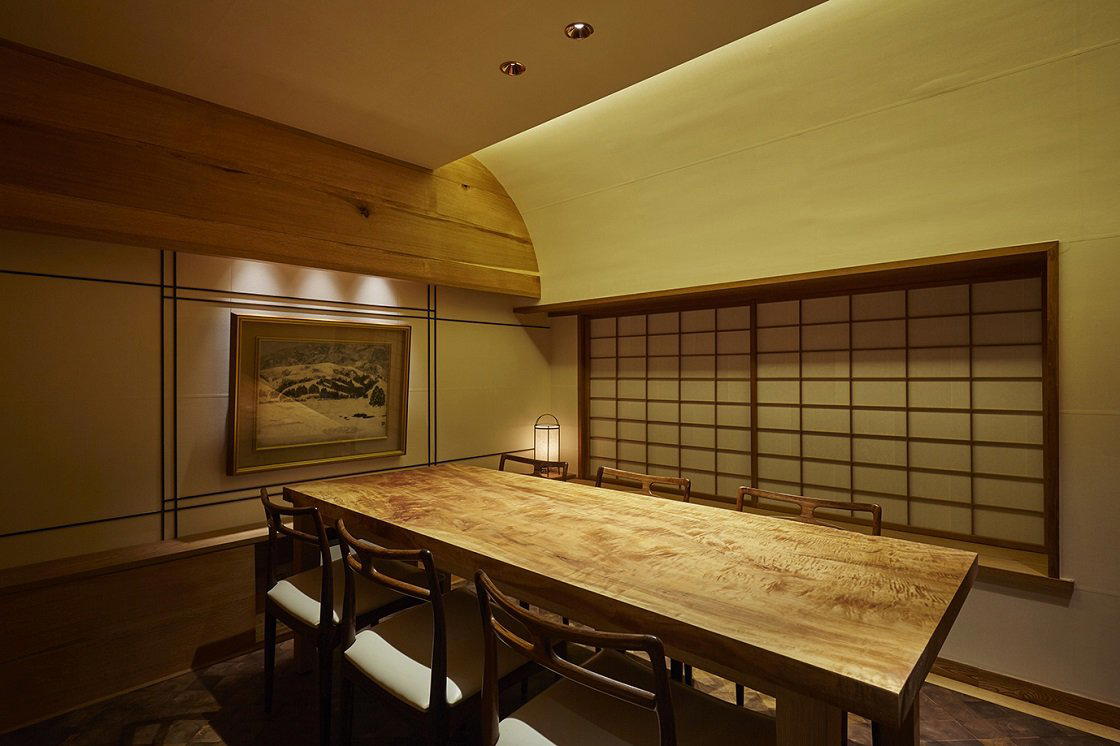
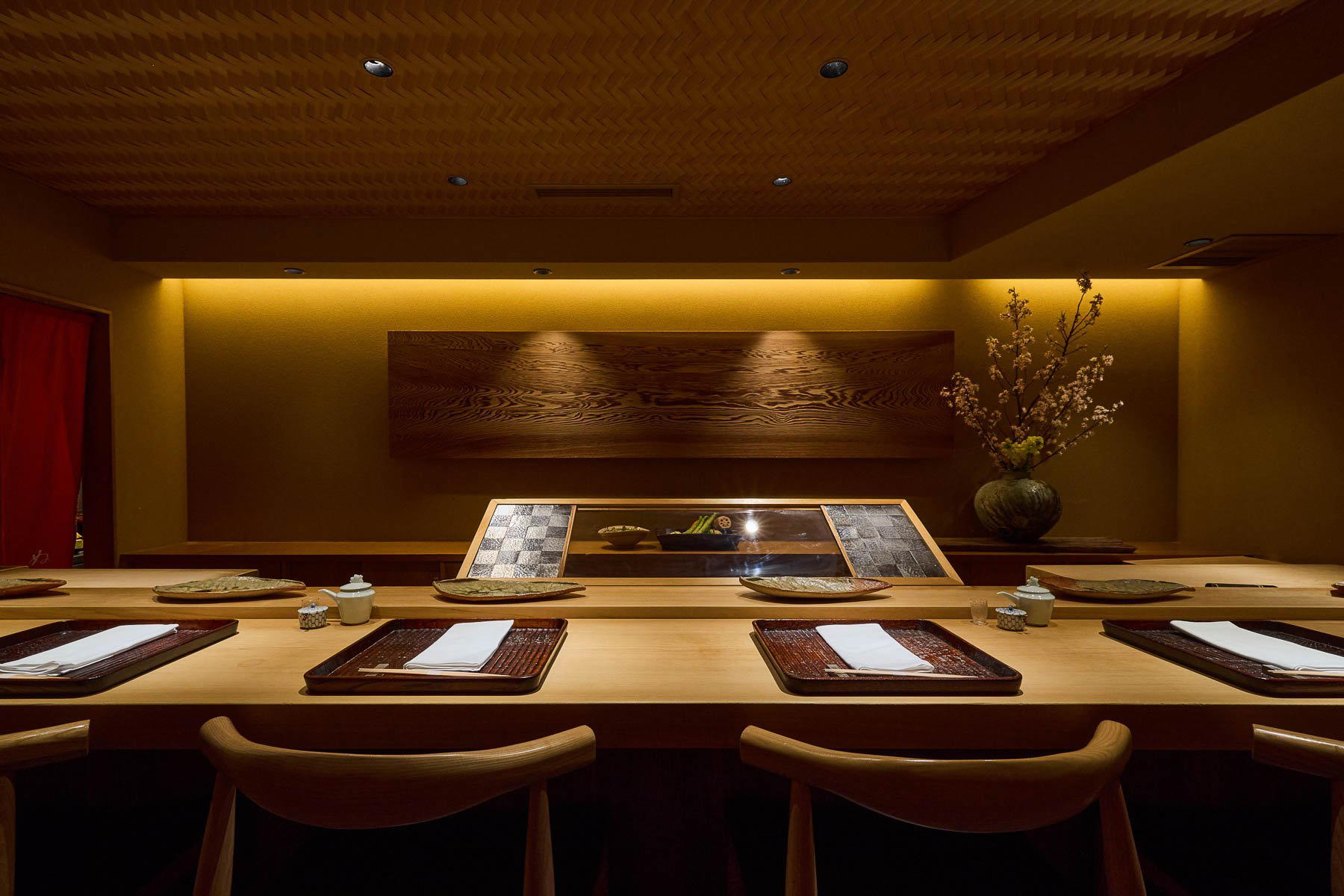
The physical format speaks before the menu. The room has 18 seats, including counter seating and two tables, making it closer to a tightly managed sakaba than a large barbecue restaurant. That scale sets the rhythm. Counter seats suit pairs and solo diners who want to read the grill and room; tables fit small groups ordering in waves. Private-room expectations belong elsewhere, though private use is listed for groups up to 20, showing the space can shift from neighborhood room to full-party hire when planned properly.
Drink list matters because yakiniku in Kansai is rarely just about beef. Sake, shochu, and wine are all part of the stated program, placing the experience between old-school grilled-meat drinking and a more contemporary wine-with-beef pattern. An English multilingual menu also changes access for visitors: this is not an English-first room, but it is more approachable than many small Japanese grill counters. Smoking is allowed, which will divide diners sharply. For some, it fits the sakaba atmosphere; for others, it is a reason to choose a different Kobe meat venue.
Within Kobe, the question is less whether to eat beef than which version of the city’s meat culture fits the night. Akari, Akaneya Coffee Ten, and Ali's Halal Kitchen show how quickly Sannomiya and central Kobe move across categories, from drinking rooms to coffee institutions to international kitchens. Travelers building a full stay should also pair dining research with Our full Kobe hotels guide, Our full Kobe bars guide, Our full Kobe wineries guide, and Our full Kobe experiences guide, because Sannomiya works better when meals, drinks, and transit are planned as one evening rather than separate errands.
How to read it against Japan's wider grill-and-drink map
Japanese dining cities often reveal themselves through small specialty formats. A Kamakura beef sukiyaki room such as -Grilled beef Sukiyaki- KAMAKURA TANUKIAN 鎌倉 たぬき庵 in Kamakura belongs to a different ritual, built around simmering and sweetness rather than smoke and salt. Tokyo’s charcoal-and-tuna lane, represented here by. 鮪と炭火焼き うお炭 秋葉原店 in Tokyo, shows grill culture crossing seafood and izakaya territory. Even out-of-category addresses such as.cafe in Osaka.know in Kumamoto, (Shoku) Vietnam in Kawasaki, and [Curry Senmon Ten] Maruyama Kyoju. in Sapporo underline the same point: serious travelers read Japan through formats, not just cuisines.
On that scale, Sumiyaki Shio Horumon 『A』 Kobe Sakaba is a sharp Kobe answer to a national question: how much of a city’s identity fits into a small room with charcoal heat and a focused meat vocabulary? Its 2012 opening gives it more than a decade of operating history, and the 2025 Tabelog 100 Yakiniku WEST selection confirms the room is judged within a competitive regional category, not merely by tourists looking for the word Kobe on a menu.
The practical judgment is clear. Choose it for a compact Sannomiya yakiniku night where offal, steak, drink, and counter energy are part of the appeal. Choose a formal steakhouse for a calmer, presentation-led Kobe beef meal. Travelers from outside Japan who enjoy sake-bar pacing may find a familiar rhythm by comparison with places such as Jōdo Saké Bar in Los Angeles, while the compact, format-driven clarity has distant kinship with small Japanese specialists abroad such as Onigiri Time in Pasadena. The difference in Kobe is that the grill is not decorative; it organizes the evening.
A Tight Comparison
Comparable venues by cuisine and price in the same metro.
| Venue | Cuisine | Price | Notes |
|---|---|---|---|
| Sumiyaki Shio Horumon 『A』 Kobe SakabaThis venue — the venue you are viewing | Not listed | $$$ | Not listed |
| Kobe Beef Teppanyaki Restaurant Mikinao | Chūō, Kobe Beef Teppanyaki | $$$ | Not listed |
| Kanetatsu | Chūō, Traditional Yakitori | $$$ | Not listed |
| Teppan Dining Hoki | Chūō, Teppanyaki Steakhouse | $$$ | Not listed |
| Kobe Plaisir Honten | Not listed | $$$$ | Chūō, Kobe beef teppanyaki & Hyogo vegetables |
| Yoshokuya Yuuki | Not listed | $$ | Hyōgo, Japanese yoshoku (Western-style comfort food) |
Recognition history
Dated appearances from independent guides and award organizations, with the underlying list record or original source where available.
Tabelog 100 #10 · No. 10
Tabelog · Tabelog 100 - Yakiniku - WEST - 2025
Continue exploring
More in Kobe
Restaurants in Kobe
Browse all →
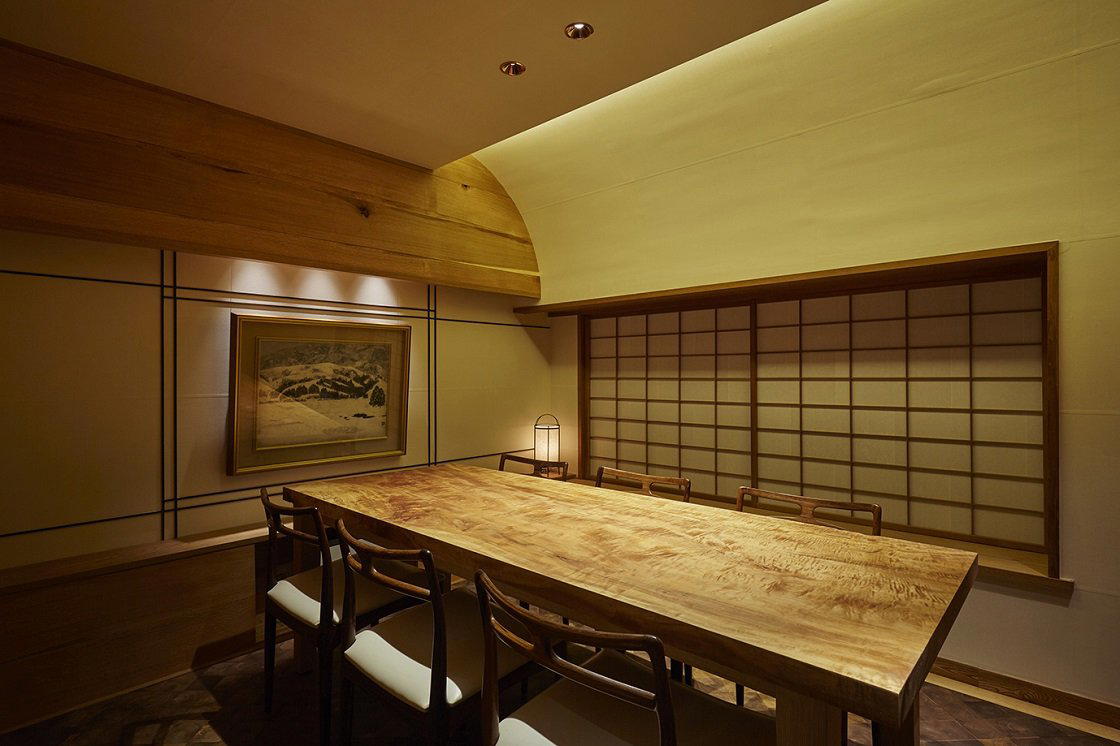
Bars in Kobe
Browse all →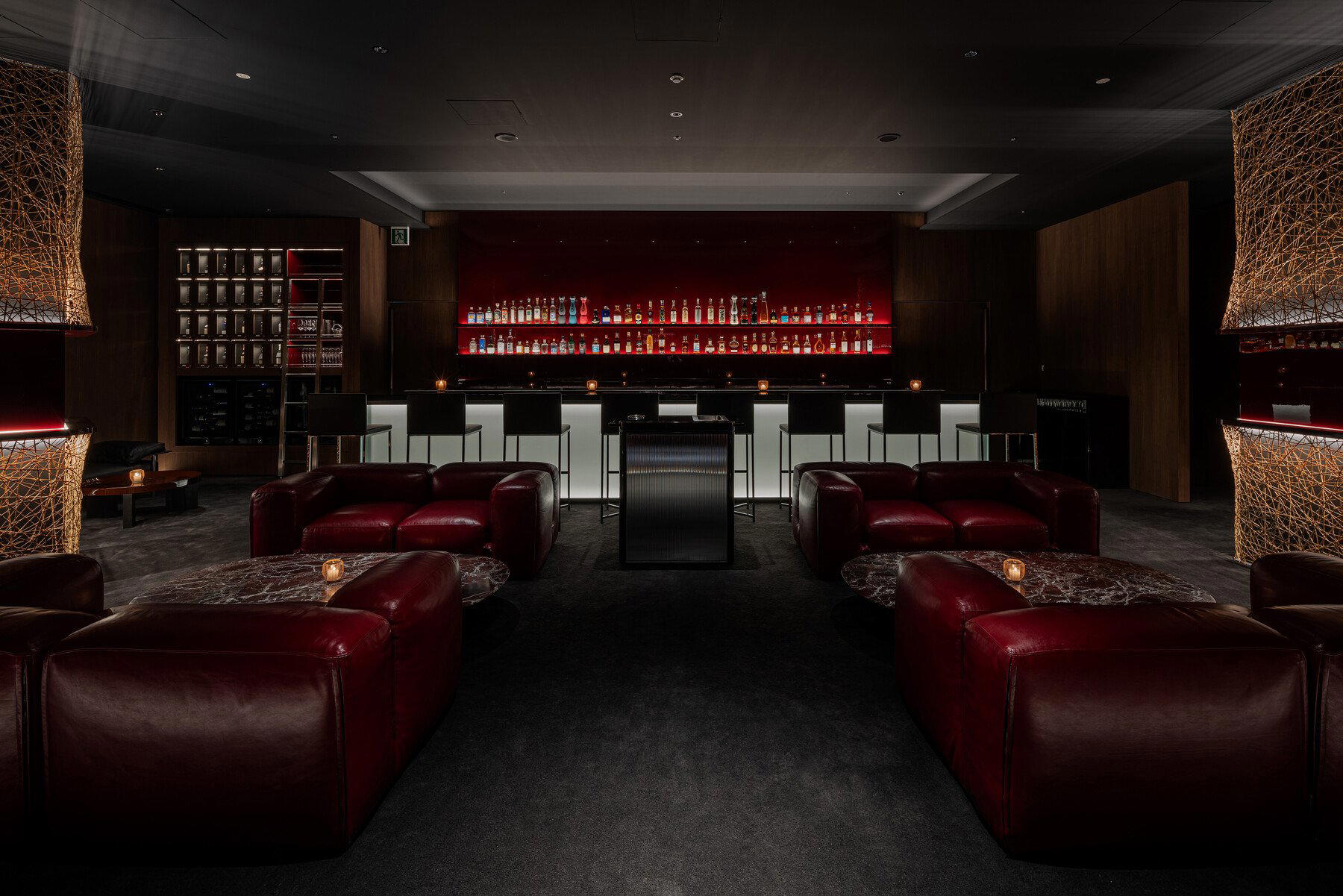



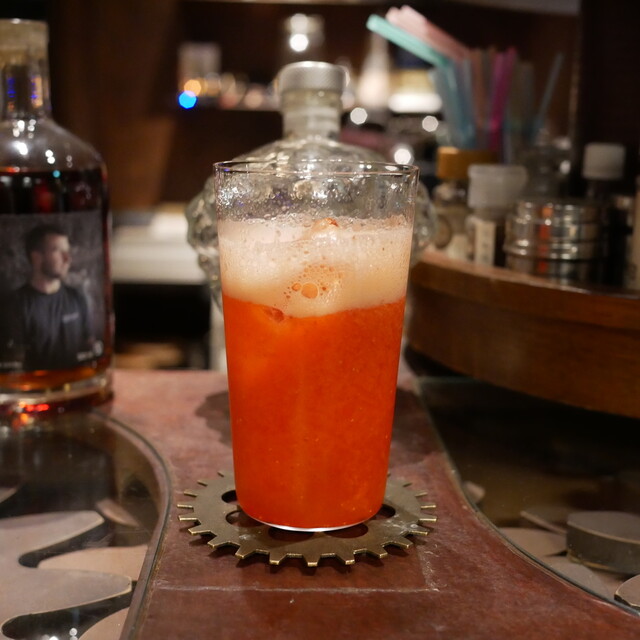
Hotels in Kobe
Browse all →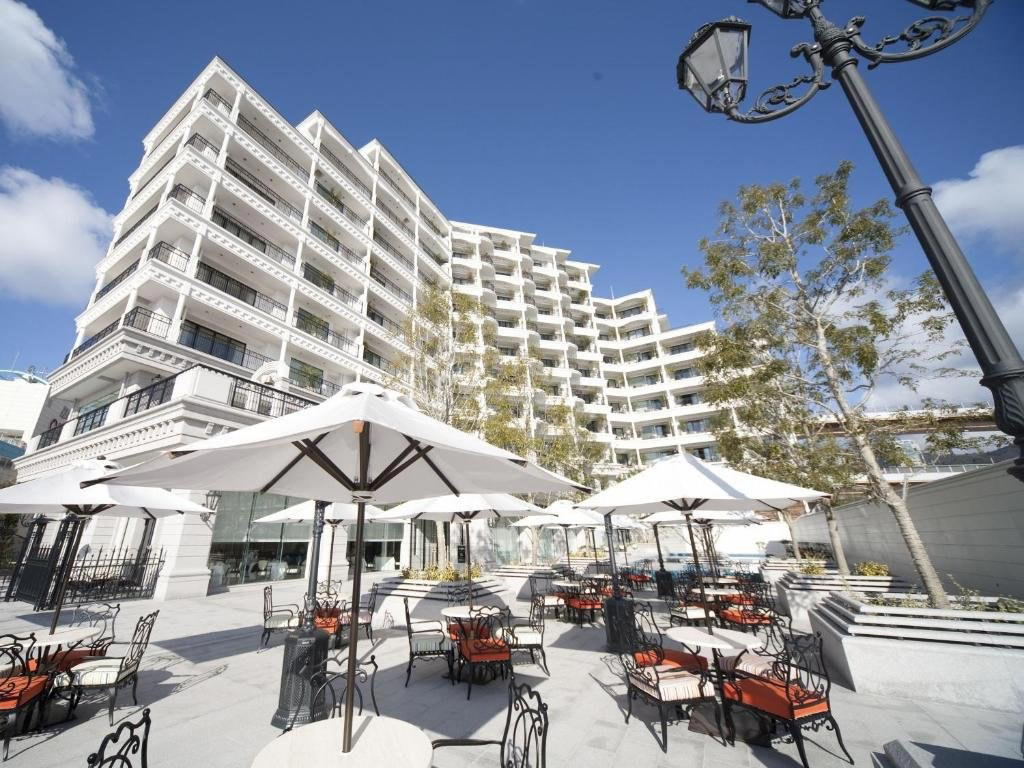


At a Glance
- Cozy
- Intimate
- Lively
- Date Night
- Casual Hangout
- After Work
- Solo
- Group Dining
- Late Night
- Standalone
- Open Kitchen
- Sake Program
- Beer Program
- Local Sourcing
Current opening hours
- Monday
- 11:30 AM–11:30 PM
- Tuesday
- 11:30 AM–11:30 PM
- Wednesday
- 11:30 AM–11:30 PM
- Thursday
- 11:30 AM–11:30 PM
- Friday
- 11:30 AM–11:30 PM
- Saturday
- 11:30 AM–11:30 PM
- Sunday
- 11:30 AM–11:30 PM
Hours can change for holidays and private events. Last verified .
An intimate 18-seat yakiniku bar with a counter and a couple of small tables, where guests grill high-grade Tajima beef over charcoal in a lively, smoky, izakaya-style atmosphere.