
A 10-seat Kamata cafeteria built around tonjiru and genmai, selected for Tabelog 100 - Diner - 2026 and priced at JPY 1,000 - JPY 1,999. The appeal is Tokyo everyday dining at close range: counter seating, take-out, solo-friendly pacing, and a format that treats rice and soup as the main event rather than a side note.
Pearl is the En Primeur Club membership app — saves, bookings, and concierge access live there. Same editors, same standards.
- Address
- 東京都大田区蒲田4-7-6
- Website
- tabelog.com
 Saves & bookings on Pearl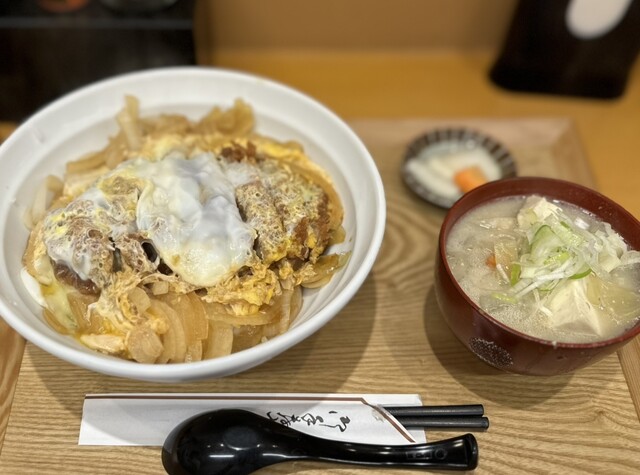
Kamata is not Tokyo’s hotel-lobby omakase or department-store dining-floor version. Around Keikyu Kamata, the rhythm is commuter-practical: quick lunches, compact rooms, food that must justify itself without ceremony. Tonjiru to Genmai no Mise Aoki Shokudo cuts through the city’s luxury-dining noise. The room is small, the format narrow, and the proposition rests on two staples Japanese home cooking has long taken seriously: pork-and-miso soup and brown rice.
Tokyo’s low-price dining culture values discipline over excess. Cafeterias reward repetition, sourcing judgment, and portion logic more than theatre. A 2026 selection for Tabelog 100 - Diner places this address in a national conversation about shokudo cooking, where recognition often goes to places refining familiar food rather than decorating it. The environmental argument is not sloganised; it sits in the meal’s structure: grain-forward, soup-led, modestly scaled, and designed around limited waste rather than menu sprawl.
Tonjiru and genmai put restraint at the centre of the meal
Tonjiru is one of Japan’s great efficiency dishes: miso soup made substantial with pork and vegetables, carrying protein, fat, salt, and warmth in one bowl. Genmai, or brown rice, keeps the grain closer to its whole form than polished white rice. Together, they form a lunch grammar newly relevant in a city where premium dining often signals value through more courses, garnishes, and imported ingredients.
The sustainability story is strongest because it is ordinary. A soup-led cafeteria can use vegetables across preparations, fold nourishment into one bowl, and avoid an overextended menu. Brown rice changes the plate’s hierarchy: the grain is foundation, not filler. That is a quieter environmental consciousness, closer to Japanese household economy than branded farm-to-table language.
The Tokyo-specific point is category. The city ranges from standing soba to counter kaiseki, but shokudo occupies another lane: meals for regular life, not special-occasion performance. Tonjiru to Genmai no Mise Aoki Shokudo stays there while drawing enough attention to enter Tabelog’s 2026 diner selections. The useful tension shows how a compact cafeteria can become noteworthy without abandoning the values that make the category work.
For readers mapping Tokyo by genre rather than neighbourhood, the comparison is less with high-ticket restaurants than other focused everyday formats. Curry shops such as 3 Chome no Curry Ya San, compact visual cafés such as 2D Cafe, and specialist counters such as 124. KAGURAZAKA (Yakitori) show how Tokyo rewards single-minded formats. Kamata’s difference is the domestic register: rice, soup, and cafeteria pacing rather than spectacle.
Kamata keeps the meal grounded
Kamata’s dining culture has a harder edge than central Tokyo’s polished restaurant districts. Ota ward sits between inner-city Tokyo and Haneda-side movement, and its food scene has long favoured practical rooms, short travel radiuses, and value-conscious regulars. That setting suits a 10-seat cafeteria better than a destination dining room. Counter seating gives the meal lunch-counter compactness; the single table keeps group dining secondary to solo and small-party use.
Nearby, the competitive set is varied rather than fashionable. Flowers&Spanish Sonrisa occupies a higher spend bracket, while Grill Suzukou and Ocha to Okashi Mayanchi sit closer to the same everyday price band. Tori Ki Kamata ten and Maru Ichi add to the picture of Kamata as a neighbourhood where specialists matter more than broad menus. Tonjiru to Genmai no Mise Aoki Shokudo is interesting because it applies that specialist logic to cafeteria food, not to a category already carrying prestige.
Here the environmental angle becomes practical rather than decorative. Small capacity limits overproduction. A focused cafeteria model makes purchasing and prep easier to control. Take-out extends the format without turning the room into a high-volume operation. None of this needs grand language; it is the operational common sense that has kept many Japanese everyday restaurants efficient for decades.
Tokyo travellers often over-index on Ginza, Aoyama, Shibuya, and Shinjuku. Kamata asks for a different reading of the city. It is not a substitute for the high craft of sushi, tempura, or kaiseki, but it gives context to how Tokyo eats between appointments, commutes, and errands. For broader planning, Our full Tokyo restaurants guide is the right anchor, with side reading in Our full Tokyo bars guide, Our full Tokyo hotels guide, Our full Tokyo experiences guide, and Our full Tokyo wineries guide for travellers building a full itinerary around the city.
A cafeteria selection that says something about Tokyo now
The 2026 Tabelog 100 - Diner recognition matters because it validates a category visitors chasing star ratings and tasting menus can overlook. In Tokyo, diner-level excellence often depends on consistency: carefully cooked rice, soup as centrepiece, service paced for turnover without carelessness, and a room small enough that the operation has nowhere to hide.
The absence of luxury markers is the editorial point. There is no need to frame this as a secret address or grand discovery. It is a small cafeteria working within a Japanese tradition that already contains a sustainability ethic: use the whole grain, make soup do real work, keep the menu focused, keep the room manageable. That logic travels beyond Kamata, connecting to Japan’s affection for specialist meals, from onigiri-focused counters to curry houses and yakitori rooms.
Readers interested in that wider pattern can trace it across registers: seafood and charcoal at. 鮪と炭火焼き うお炭 秋葉原店, Shinjuku’s compact dining formats at 12/10 Shinjuku ten, regional Japanese beef cooking at -Grilled beef Sukiyaki- KAMAKURA TANUKIAN 鎌倉 たぬき庵 in Kamakura, café minimalism at.cafe in Osaka, and contemporary small-format dining at.know in Kumamoto. Outside Japan, the same narrow-format logic appears at (Shoku) Vietnam in Kawasaki, [Curry Senmon Ten] Maruyama Kyoju. in Sapporo, [ki:] in Kyoto, Jōdo Saké Bar in Los Angeles, and Onigiri Time in Pasadena.
The decision point is simple: come for an everyday Tokyo meal that treats thrift, focus, and nourishment as strengths. In a city where dining ambition often announces itself through scarcity and expense, this Kamata cafeteria makes a sharper argument by keeping the meal small, grounded, and recognisably useful.
Price and Positioning
Side-by-side context: comparable cuisine and price.
| Venue | Cuisine | Price | Notes |
|---|---|---|---|
| Tonjiru to Genmai no Mise Aoki ShokudoThis venue — the venue you are viewing | Not listed | $ | Not listed |
| Maihama | Minato, Japanese Izakaya | $ | Not listed |
| Paris Ogawa Ken Shimbashi ten | Minato, Japanese Bakery Café | $ | Not listed |
| American | Not listed | $ | Chūō, Classic Ginza kissaten & sandwich café |
| Menya Sho Honten | Shinjuku, Chicken shio ramen shop | $ | Not listed |
| Tsuki to Kame | Kōtō, Japanese Curry | $ | Not listed |
Recognition history
Dated appearances from independent guides and award organizations, with the underlying list record or original source where available.
Tabelog 100 #16 · No. 16
Tabelog · Tabelog 100 - Diner - 2026










At a Glance
- Cozy
- Classic
- Intimate
- Solo
- Casual Hangout
- After Work
- Standalone
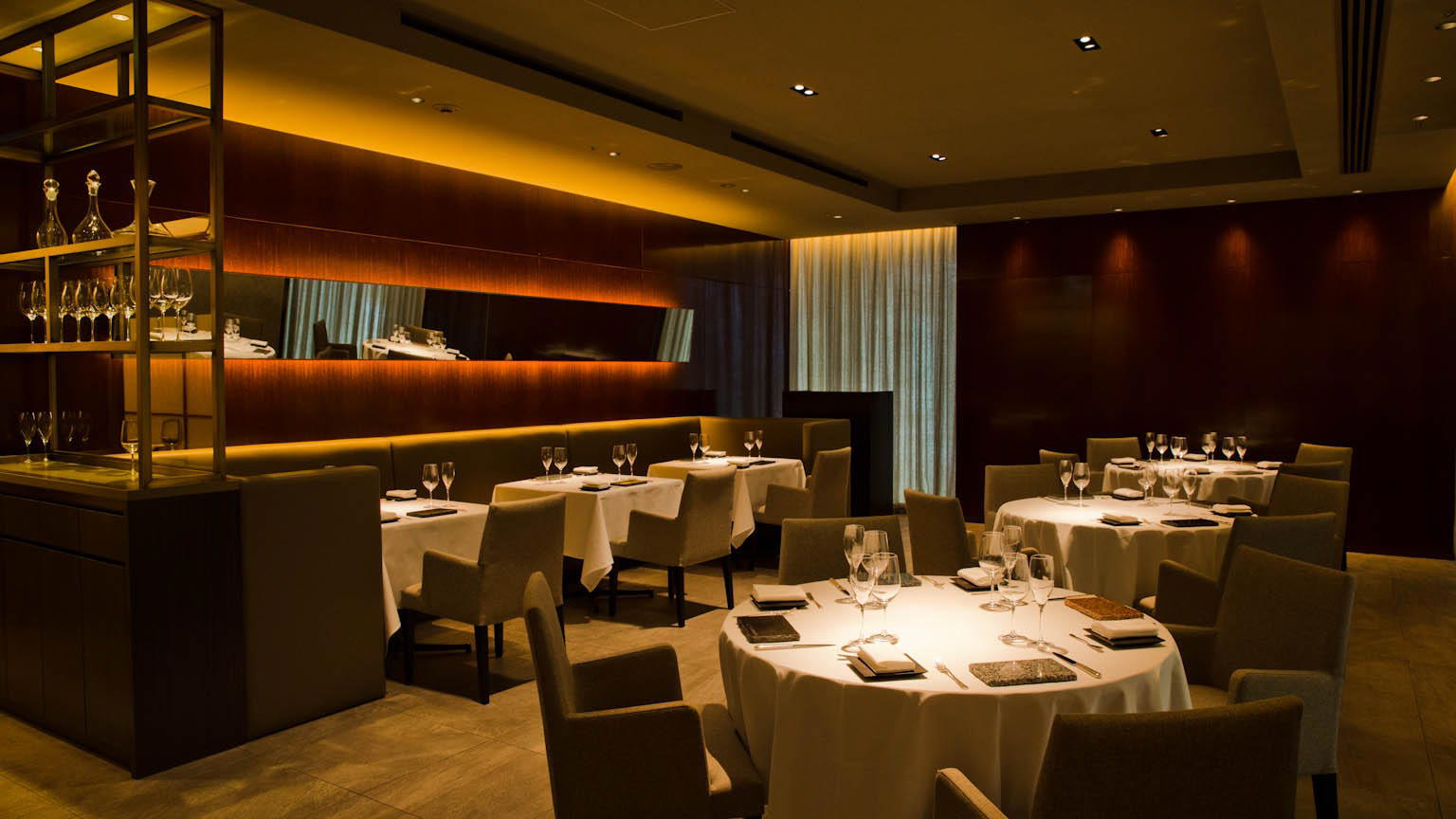
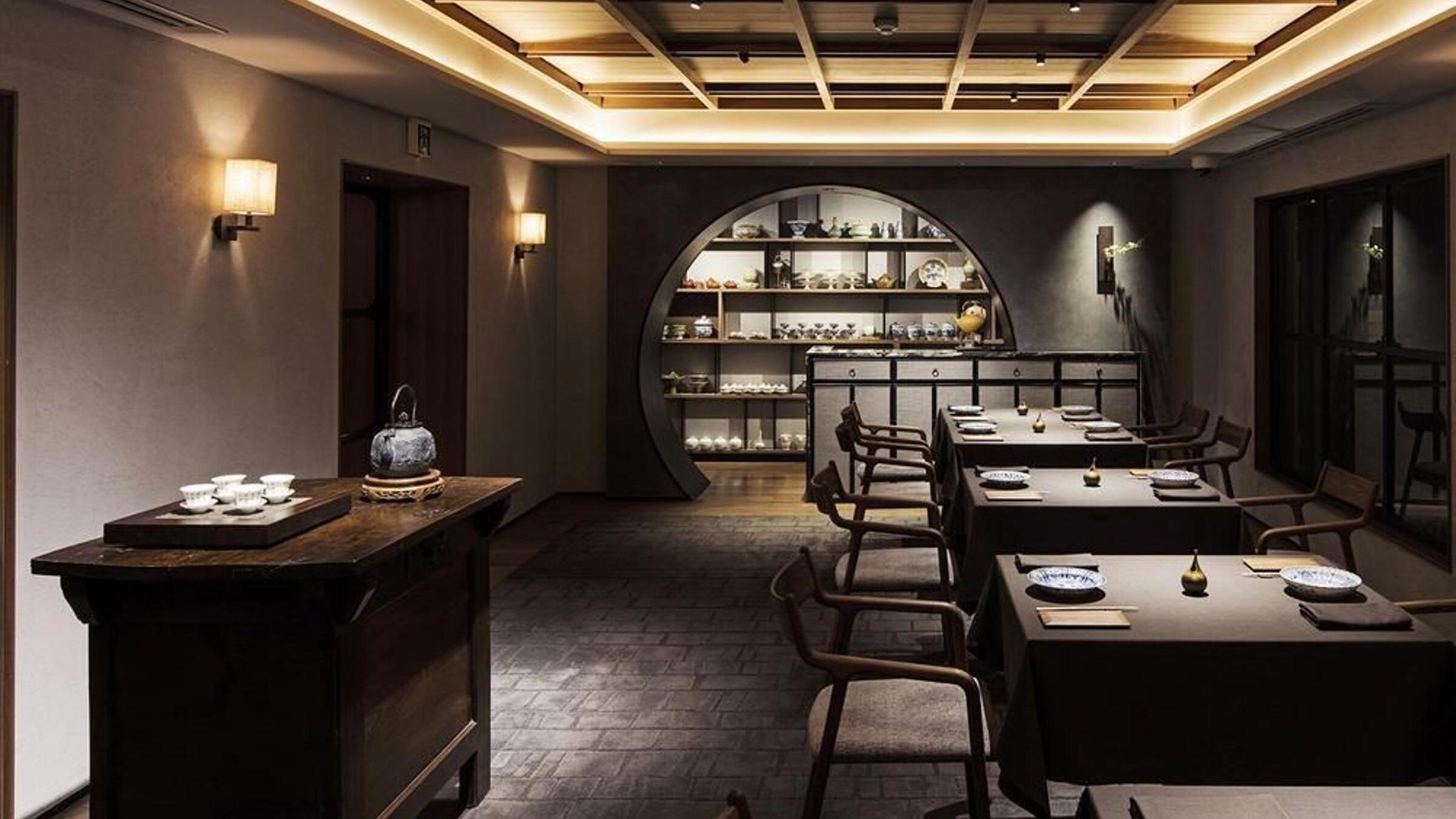
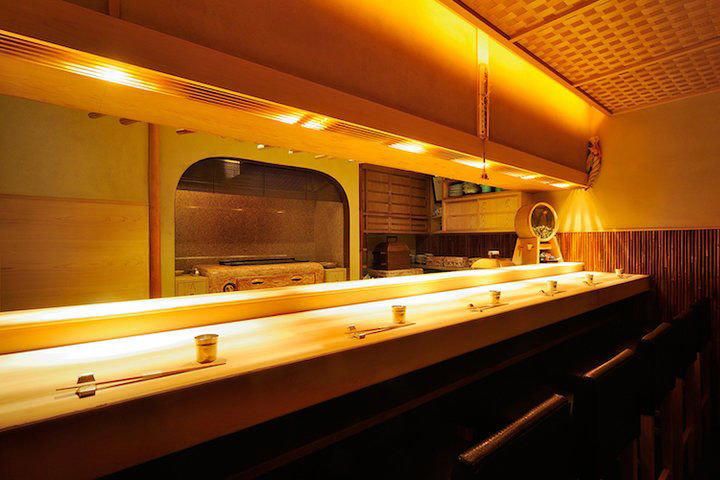
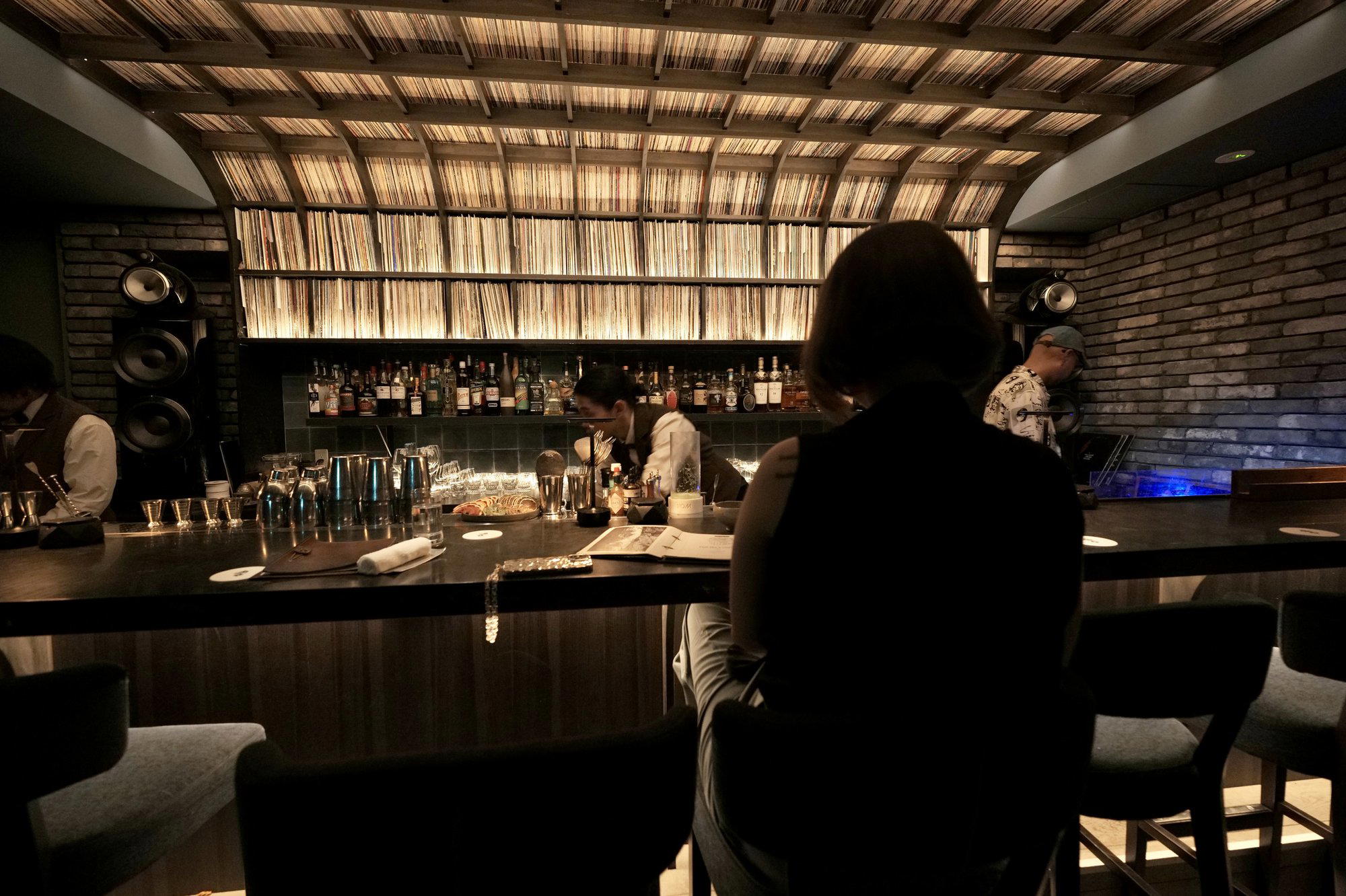
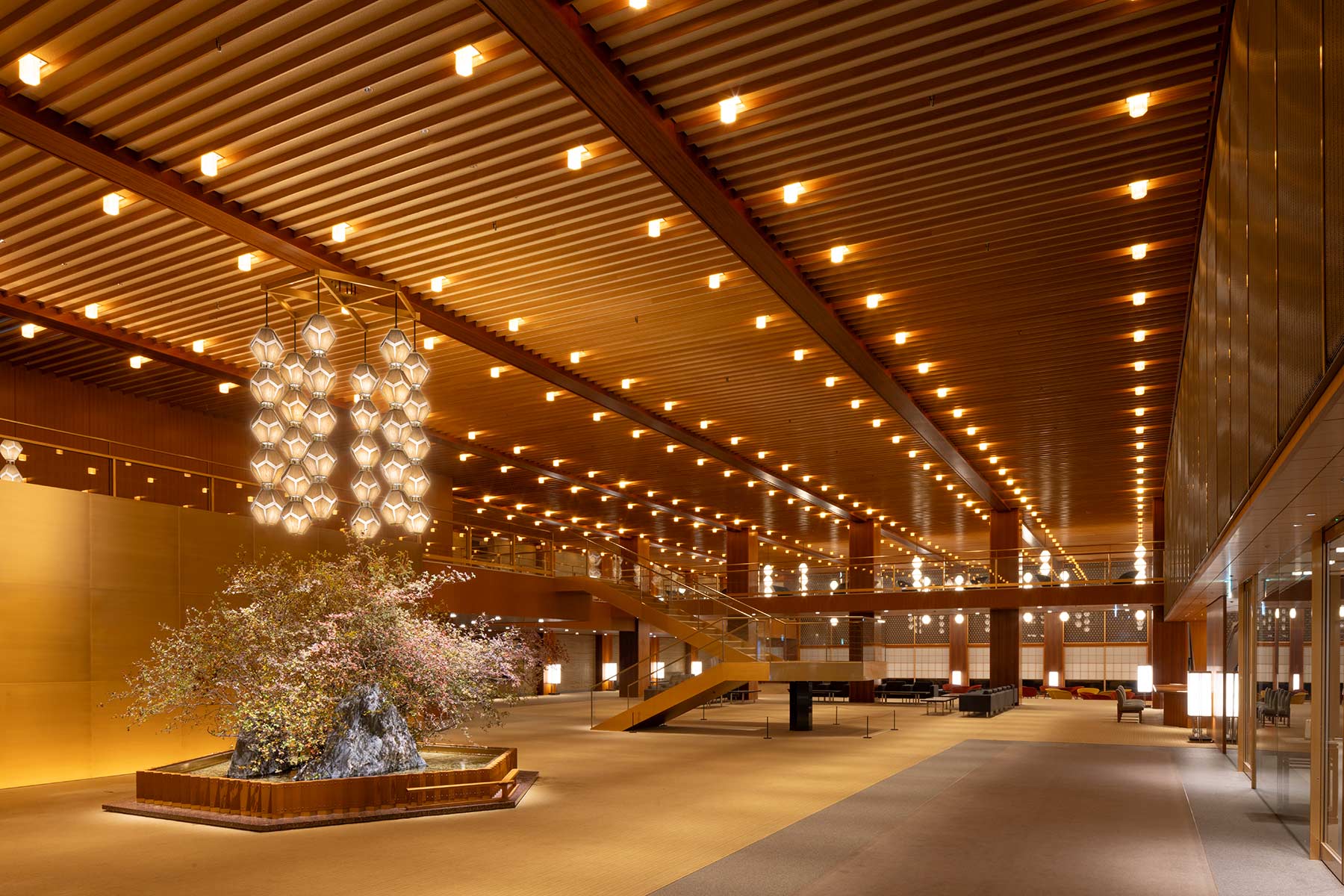
A small, non-smoking cafeteria-style diner with a simple counter and one table, focused on efficient lunch service and homely comfort rather than design, creating an intimate, everyday neighborhood feel.