Sud, O Pássaro Verde

Michelin Plate
Our verdict
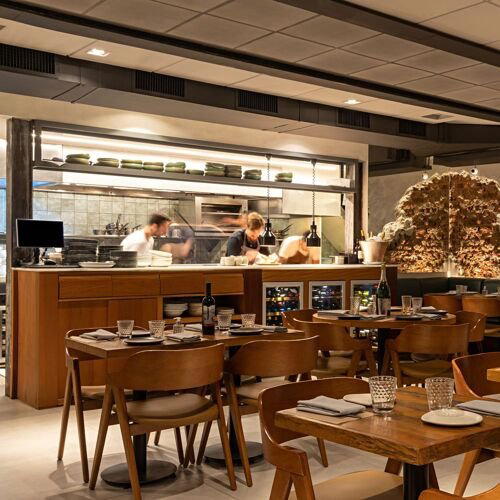
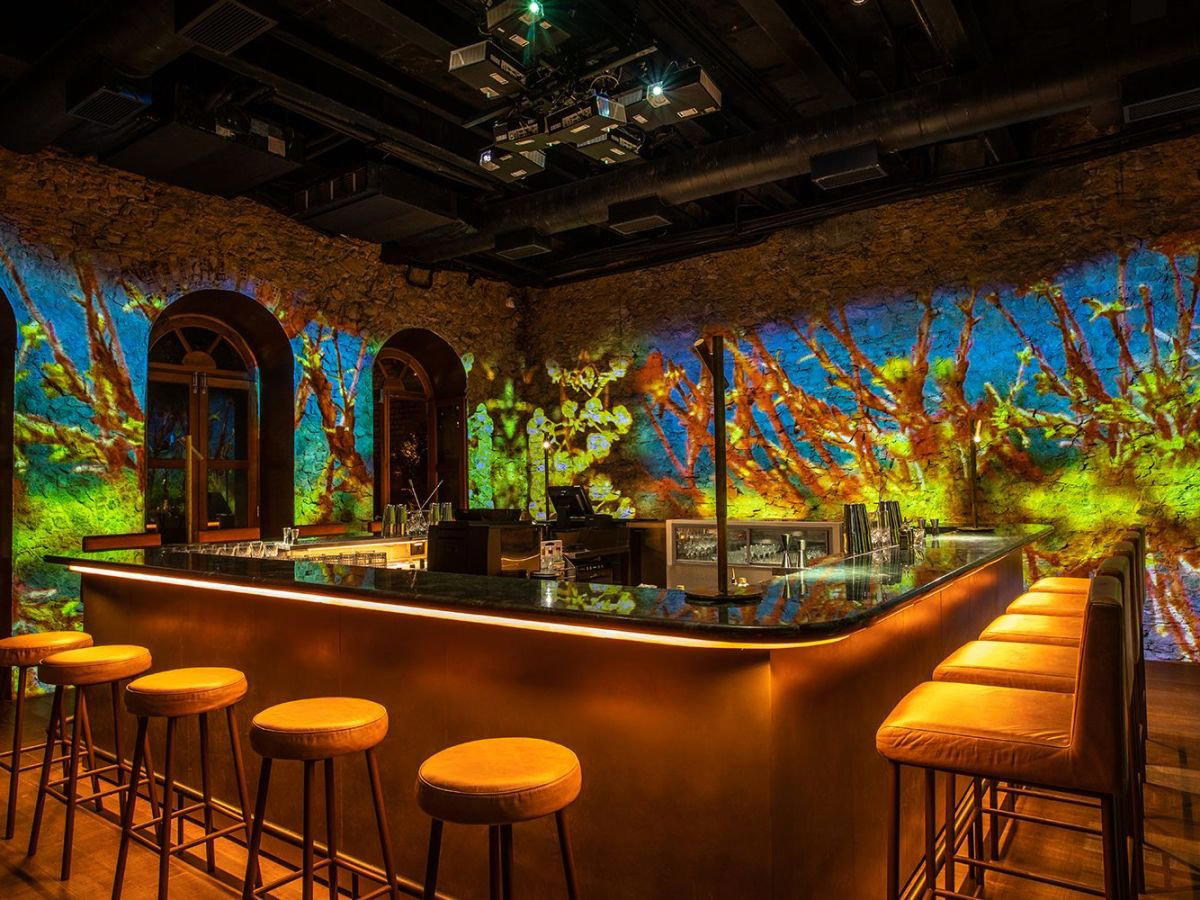
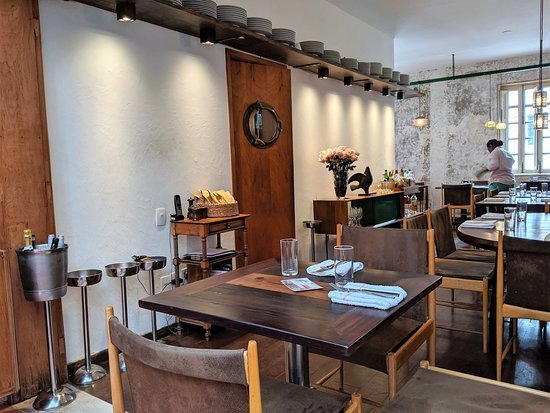
A Michelin Plate recipient in both 2024 and 2025, Sud, O Pássaro Verde operates from Jardim Botânico, one of Rio's quieter residential neighbourhoods, where Brazilian cuisine is treated as a serious culinary tradition rather than a backdrop. Holding, it occupies the mid-premium tier of the city's restaurant scene, credentialed but accessible, where the food does the arguing.

Pearl is the En Primeur Club membership app, where members save venues, book tables and use the concierge.
The menu
What to order
- Bolo de Chocolate Molhadinho
- Organic cauliflower in clay oven
- Slowly roasted lamb
A Quiet Address in a Neighbourhood That Takes Eating Seriously
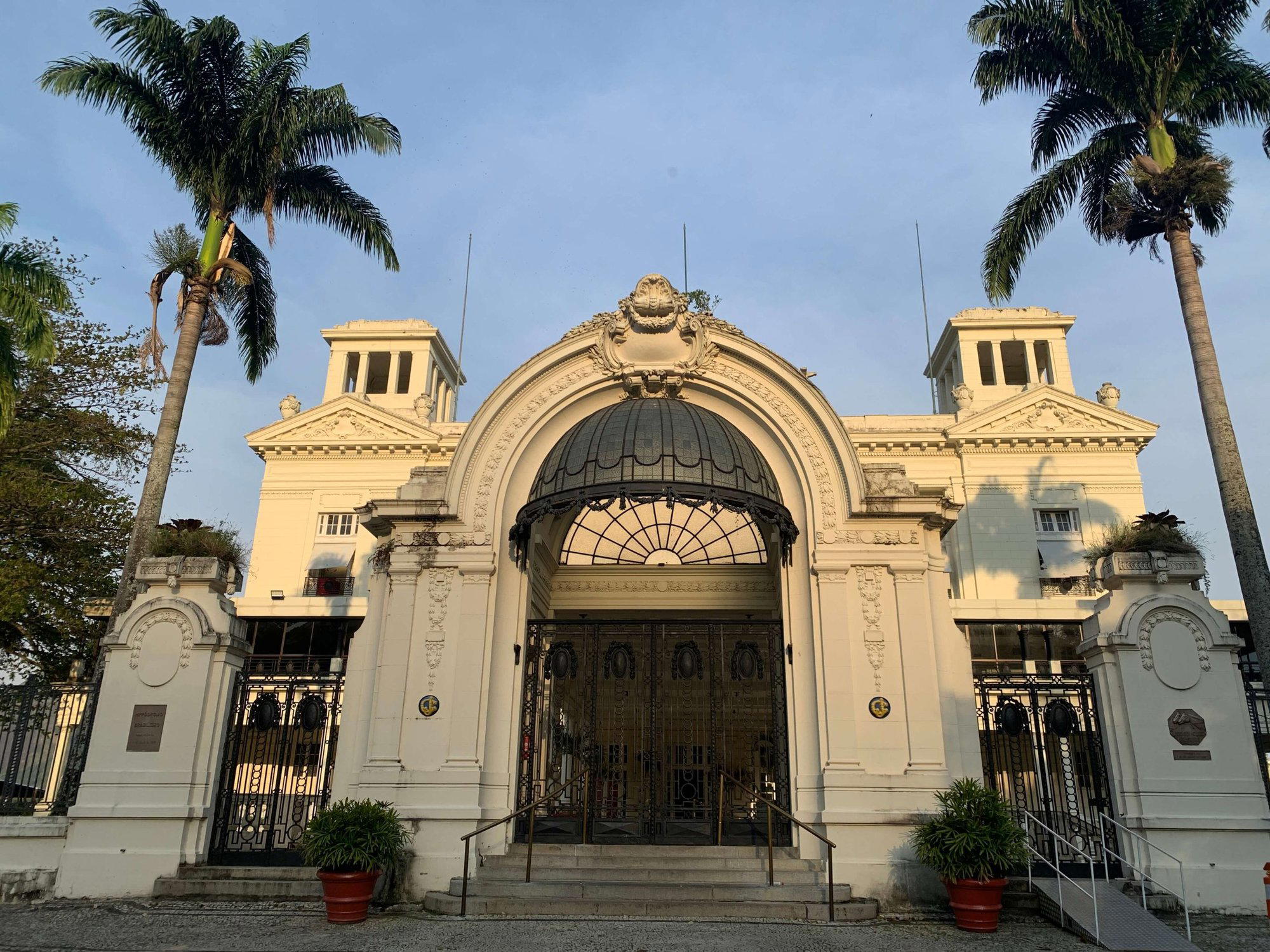
Jardim Botânico sits at a remove from the beachfront restaurant corridor that defines so much of Rio's international dining reputation. The streets around Rua Visconde de Carandaí are residential and tree-lined, the kind of neighbourhood where locals actually live rather than perform leisure. Restaurants here tend to earn their following through repetition, through the regulars who return mid-week rather than the tourists who appear once and leave a review. Sud, O Pássaro Verde, holding its address at number 35, belongs to this quieter circuit of the city's food culture. The name itself, roughly, "The Green Bird", signals something rooted in local imagery rather than international positioning, which is itself a kind of editorial statement about what the kitchen is trying to do.
Brazilian Cuisine as a Subject, Not a Setting
The broader context for Sud is worth establishing: Brazilian cuisine in Rio has, over the past decade, split into at least three distinct registers. At the leading end, restaurants like Lasai and Oteque operate at the $$$$ tier with tasting menus that use Brazilian ingredients as the primary intellectual material, both hold full Michelin stars and compete on a national stage against São Paulo counterparts such as Evvai. Below that, the $$$ tier is where the more interesting negotiation happens: kitchens that take the cuisine seriously without the architecture of a formal tasting menu experience. Sud occupies this register, and the distinction matters because it changes the terms of engagement for the diner. The food arrives as the point in itself, not as a curated sequence designed to build to a revelation.
Brazilian cuisine carries deep regional variation, from the dendê-heavy Afro-Brazilian traditions of Bahia (explored through restaurants like Manga in Salvador and Orixás in Itacaré) to the German-influenced south represented by places like Primrose in Gramado. The Rio kitchen tradition draws on all of these but has its own distinct identity: carioca cooking is shaped by the city's coastal geography, its Portuguese colonial inheritance, and the African diaspora contributions that define so much of what ends up on the plate. Restaurants in Jardim Botânico and the surrounding zona sul tend to interpret this inheritance with a modern sensibility, presenting it to an audience of educated local diners rather than replicating it as folklore. Sud operates within that expectation.
What the Recognition Signals
Two consecutive Michelin Plate designations, 2024 and 2025, place Sud in a specific bracket of Rio's restaurant hierarchy. The Michelin Plate is a deliberate signal: kitchens that receive it are those the Guide's inspectors consider worth eating in, producing food of consistent quality. In a city where the full starred list remains short, the Plate cohort represents the competitive mid-tier, and holding it across consecutive years suggests the kitchen is not coasting on a single strong inspection cycle. That alignment is more telling than either number alone.
Território Aprazível works similar ground in the zona sul register, while Rudä pushes into more experimental territory. For a different angle on Brazilian comfort food traditions, Aconchego Carioca offers the more vernacular end of the spectrum. Sud's position between these poles, credentialed but not clinical, local but not nostalgic, makes it a useful anchor point for understanding what Rio's $$$ Brazilian tier is currently doing.
The Cultural Logic of the Address
Dining in Jardim Botânico carries a specific social grammar in Rio. The neighbourhood's proximity to the Botanical Garden gives it a particular character: quieter than Leblon, less tourist-dense than Ipanema, with a professional residential population that supports consistent mid-week trade. For restaurants, this means the audience is largely made up of people who eat out regularly and compare notes, a different pressure than serving a room that rotates through visitors who may never return. Brazilian restaurants in this context tend to be judged by how well they handle the canon: whether the rice and beans carry the weight they should, whether the proteins are sourced with intention, whether the kitchen has a genuine point of view on the country's diverse ingredient map rather than assembling a greatest-hits plate.
This is the tradition Sud is working within, and the Michelin recognition suggests the kitchen is meeting those expectations with enough regularity to be taken seriously at the national level. The designation places it in a peer group that spans the country, from A Baianeira in São Paulo to AE! Café & Cozinha, and extending to the more pastoral settings of Mina in Campos do Jordão and Castelo Saint Andrews in Gramado, all operating within a national moment in which Brazilian cuisine is being reconsidered on its own terms, not as a regional curiosity but as a serious culinary tradition with geographic and historical depth.
Planning Your Visit
Sud is located at Rua Visconde de Carandaí, 35, in Jardim Botânico, a neighbourhood most comfortably reached by taxi or rideshare from the main beachfront zones of Ipanema and Leblon. The $$$$ tier restaurants in Rio, Lasai, Oteque, require considerable advance booking, sometimes weeks out; at the $$$ tier, Sud is likely to offer more flexibility, though weekend evenings will fill.
Frequently asked questions
Has Sud, O Pássaro Verde won any awards?
Sud, O Pássaro Verde has received recognition including: Michelin Plate (2025); Michelin Plate (2024).
What kind of cuisine does Sud, O Pássaro Verde serve?
What's the signature dish at Sud, O Pássaro Verde?
What the two consecutive Michelin Plate designations (2024 and 2025) do confirm is a kitchen treating Brazilian cuisine as a subject of sustained focus rather than backdrop. For the current menu, check the venue's official channels at Rua Visconde de Carandaí, 35, Jardim Botânico.
What price level is Sud, O Pássaro Verde?
Pricing at Sud, O Pássaro Verde is listed as $$$.
What's the address for Sud, O Pássaro Verde?
Sud, O Pássaro Verde is located at R. Visc. de Carandaí, 35 - Jardim Botânico, Rio de Janeiro - RJ, 22460-020, Brazil, Rio de Janeiro.
Reputation Context
| Venue | Cuisine | Price | Awards | Notes |
|---|---|---|---|---|
| Sud, O Pássaro VerdeThis venue (the venue you are viewing) | Farm-to-Table Brazilian | $20–30 | Michelin Plate | Not listed |
| Lasai | Modern Brazilian Fine Dining | Not listed | 2 Michelin Stars · World's 50 Best #28 | Regional Brazilian, Modern Cuisine |
| Oteque | Modern Seafood Fine Dining | $100–150 | 1 Michelin Star · World's 50 Best #38 | Modern Brazilian, Modern Cuisine |
| Oro | Brazilian Vanguard Fine Dining | Not listed | 2 Michelin Stars · La Liste Top Restaurants | Contemporary Italian, Brazilian, Modern Italian |
| Lilia | Modern Brazilian Creative | $20–30 | Michelin Plate | Not listed |
| Casa 201 | Modern French with Brazilian Ingredients | $150–200 | 1 Michelin Star | French |
Recognition history
Dated appearances from independent guides and award organizations, with the underlying list record or original source where available.
Michelin Plate
Michelin
Full recognition history (3 entries)
Michelin Plate
Michelin
Michelin Plate
Michelin