Aconchego Carioca

Aconchego Carioca sits at the accessible end of Rio's Michelin-recognised dining circuit, holding a 2024 Michelin Plate at the $ price point, a combination that places it well outside the norm.
Pearl is the En Primeur Club membership app — saves, bookings, and concierge access live there. Same editors, same standards.
- Address
- R. Barão de Iguatemi, 245 - Praça da Bandeira, Rio de Janeiro - RJ, 20270-060, Brazil
- Phone
- +55 21 2273-1035
- Website
- instagram.com
- Directions
- Get directions
 Saves & bookings on Pearl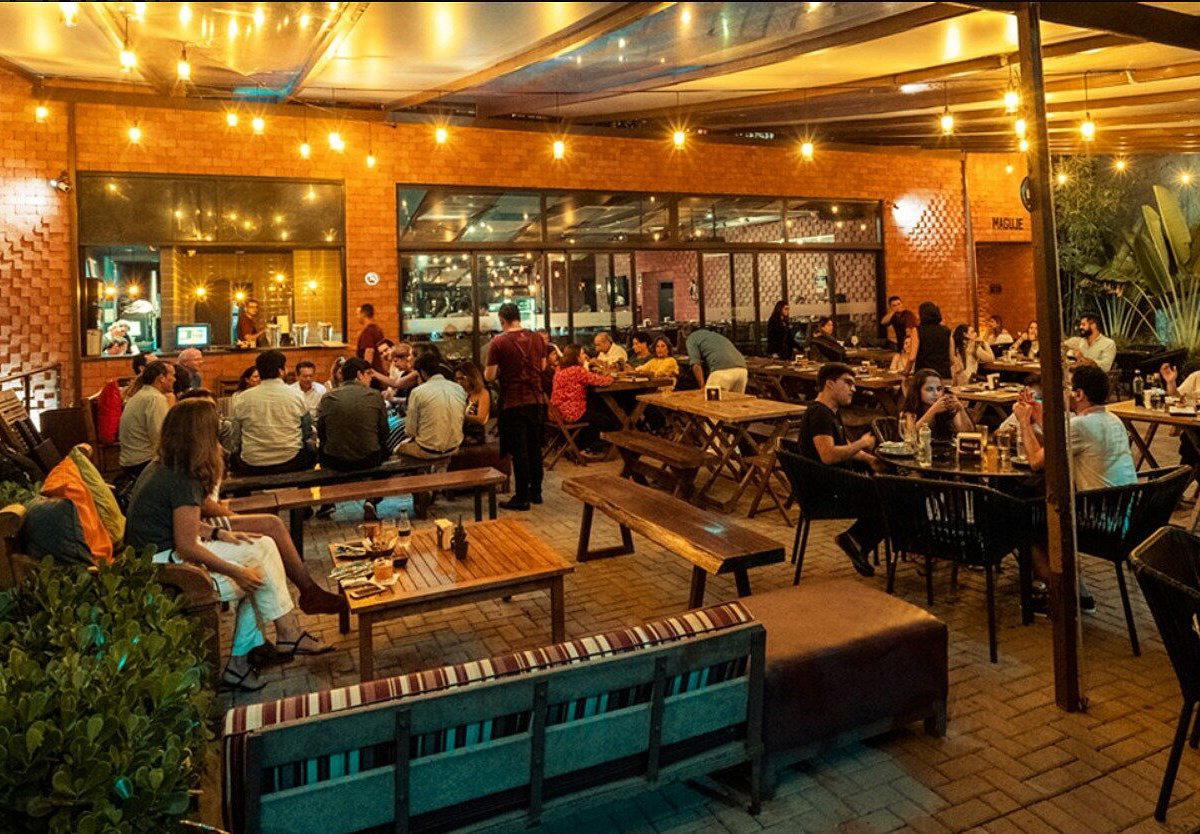
Praça da Bandeira and the Case for Everyday Brazilian
Rio's fine-dining conversation tends to orbit Leblon, Ipanema, and the Jardim Botânico corridor, the addresses where tasting menus run past the R$800 mark and reservation windows stretch months out. Praça da Bandeira sits outside that geography, both physically and culturally. It is a working neighbourhood, transit-heavy, without the postcard setting that pulls tourists toward the Zona Sul. Which is precisely why a place like Aconchego Carioca, a $ restaurant with a 2024 Michelin Plate, tells a more interesting story about what Brazilian cooking looks like when it isn't performing for an international audience.
The Michelin Plate designation, introduced by the guide to recognise restaurants serving food of good quality that falls outside the starred tier, is not the same credential as a star. But placed alongside a price point this low, it signals something worth paying attention to: a kitchen cooking with enough care and consistency to draw the guide's formal notice, in a category and neighbourhood where that recognition is genuinely rare. At the high end, Lasai holds two Michelin stars with regional Brazilian tasting menus, and Oteque carries one star for modern Brazilian cooking, both in entirely different economic territory. Aconchego Carioca occupies a separate bracket entirely, one where the Michelin recognition is unusual enough to function as a genuine differentiator.
Traditional Brazilian Cooking and What That Actually Means
The editorial angle assigned to this piece foregrounds corn and masa, nixtamalization, tortilla craft, heirloom grain varieties, as a lens through which to read the kitchen. Aconchego Carioca is a Brazilian restaurant, and the corn traditions it works within are distinct from Central American masa culture. But corn, in the Brazilian context, is no less foundational. Canjica, pamonha, cural, and the broad category of comida caipira (the rural, interior cooking of Brazil's hinterlands) are built on the same understanding of maize as a structural ingredient rather than an accent. A kitchen working in this register is making different decisions than one sourcing heirloom Oaxacan varieties for hand-pressed tortillas, but the underlying logic of treating a grain as the cultural and textural backbone of a dish, rather than a side note, is shared.
Traditional Brazilian cooking at this price tier tends to prioritise the classics: feijoada, moqueca, tutu de feijão, the slow-cooked cuts that reward patience and technique over novelty. The dishes that define this register are not built for Instagram. They are built for the table, large, generous, often served in clay or cast iron, designed to be eaten slowly and shared. Rio has a handful of addresses doing this kind of cooking with real conviction, and the ones with Michelin recognition at the $ tier are scarcer still. For a broader map of where the city's dining sits across price bands and cooking styles, the EP Club Rio de Janeiro restaurants guide covers the full range.
Where Aconchego Carioca Sits in Rio's Wider Scene
Rio's Michelin-listed restaurants spread across a wide register. At the high end, addresses like Rudä and Sud, O Pássaro Verde operate within the language of modern Brazilian fine dining, with sourcing narratives, technique-forward menus, and price points to match. Território Aprazível offers a different kind of premium experience, set within a hillside garden property in Santa Teresa. These are all legitimate and well-regarded options. But they serve a different reader than the restaurant does.
At volume this high, a score in that range reflects a consistent experience rather than a lucky evening or a curated set of early-adopter reviews. It places the restaurant among the more durably rated kitchens in the city at any price tier, which is a meaningful signal for a neighbourhood restaurant working in the $ bracket. By comparison, many of the city's most-discussed fine-dining addresses accumulate far fewer total reviews, given their lower seat counts and more selective clientele.
Across Brazil more broadly, the Michelin Plate tier at accessible price points has become an interesting category to track. Manga in Salvador, Manu in Curitiba, and Mina in Campos do Jordão each operate within their own regional registers, reflecting how Brazilian cooking at the recognised level is no longer concentrated in São Paulo and Rio alone. D.O.M. in São Paulo remains the benchmark for what Amazonian-inflected fine dining looks like at the starred level, while addresses like A Baianeira and AE! Café & Cozinha in São Paulo, along with Orixás in Itacaré and Castelo Saint Andrews in Gramado, each show how varied the country's recognised dining now is by region and format.
Planning a Visit
The restaurant is located at Rua Barão de Iguatemi, 245, in the Praça da Bandeira neighbourhood. The address is accessible by metro, Praça da Bandeira station sits close by, which makes it a practical option from across the city without requiring a taxi or ride-share. At the $ price tier, it fits naturally into a day that combines local neighbourhood exploration with a meal that does not require advance planning in the way Rio's tasting-menu restaurants do. Given the volume of reviews and the Michelin recognition, it attracts a mix of locals and visitors, so arriving during peak lunch or dinner hours on weekends may require patience. Booking is recommended. For those building a longer Rio itinerary, the EP Club hotels guide, bars guide, and experiences guide cover the city's wider options across categories. The Rio wineries guide is also worth consulting for those interested in Brazilian wine alongside dining.
In Context: Similar Options
Comparable venues nearby, for context on price, style, and recognition.
| Venue | Cuisine | Price | Awards | Notes |
|---|---|---|---|---|
| Aconchego CariocaThis venue — the venue you are viewing | Traditional Brazilian Comfort Food | $$ | Michelin Plate | Not listed |
| Mäska | Modern Brazilian Contemporary | $$$ | Michelin Plate | Ipanema |
| Celeiro | Organic Brazilian Buffet | $$$ | Not listed | Leblon |
| Marine Restô | Modern Brazilian Seafood | $$$$ | Michelin Plate | Copacabana |
| Braseiro da Gávea | Traditional Brazilian Churrascaria | $$ | Not listed | Leblon |
| Tiara | Contemporary Brazilian with Fresh Seafood | $$$ | Michelin Plate | Leblon |
Recognition history
Dated appearances from independent guides and award organizations, with the underlying list record or original source where available.
Michelin Plate
Michelin
Continue exploring
More in Rio de Janeiro
Restaurants in Rio de Janeiro
Browse all →
Bars in Rio de Janeiro
Browse all →
At a Glance
- Cozy
- Lively
- Well Known
- Rustic
- Bohemian
- Casual Hangout
- Group Dining
- Family
- Celebration
- Live Music
- Beer Program
- Craft Cocktails
- Local Sourcing
Current opening hours
- Monday
- Closed
- Tuesday
- 12–11 PM
- Wednesday
- 12–11 PM
- Thursday
- 12–11 PM
- Friday
- 12–11 PM
- Saturday
- 12–11 PM
- Sunday
- 12–5:30 PM
Hours can change for holidays and private events. Last verified .
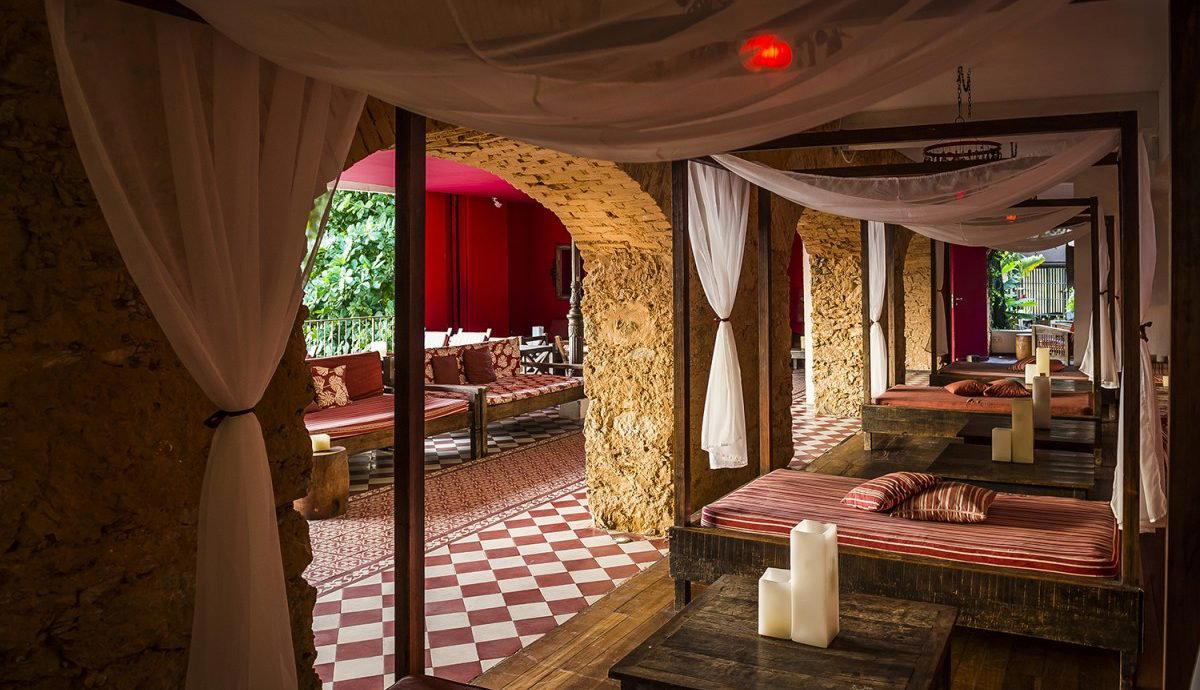
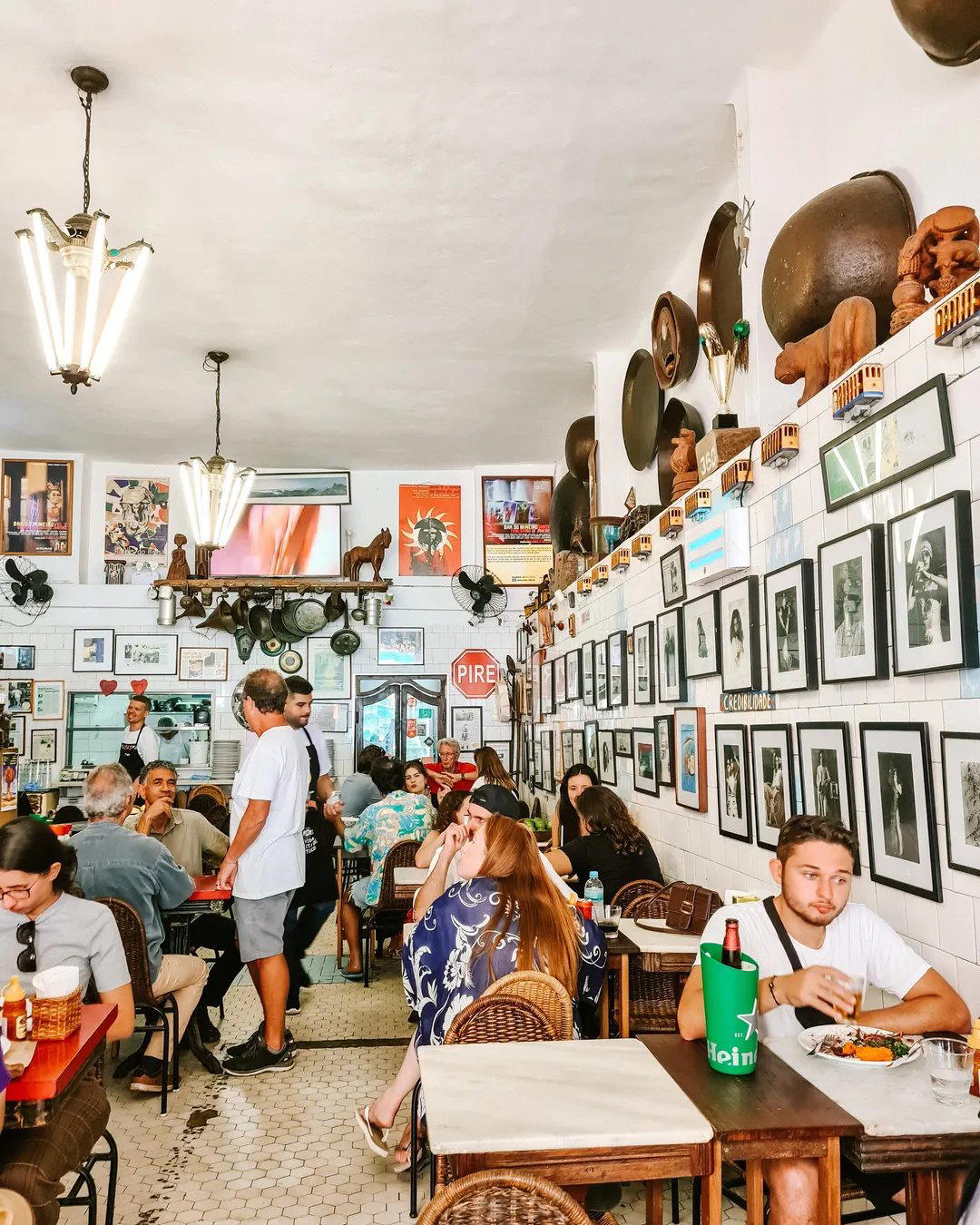
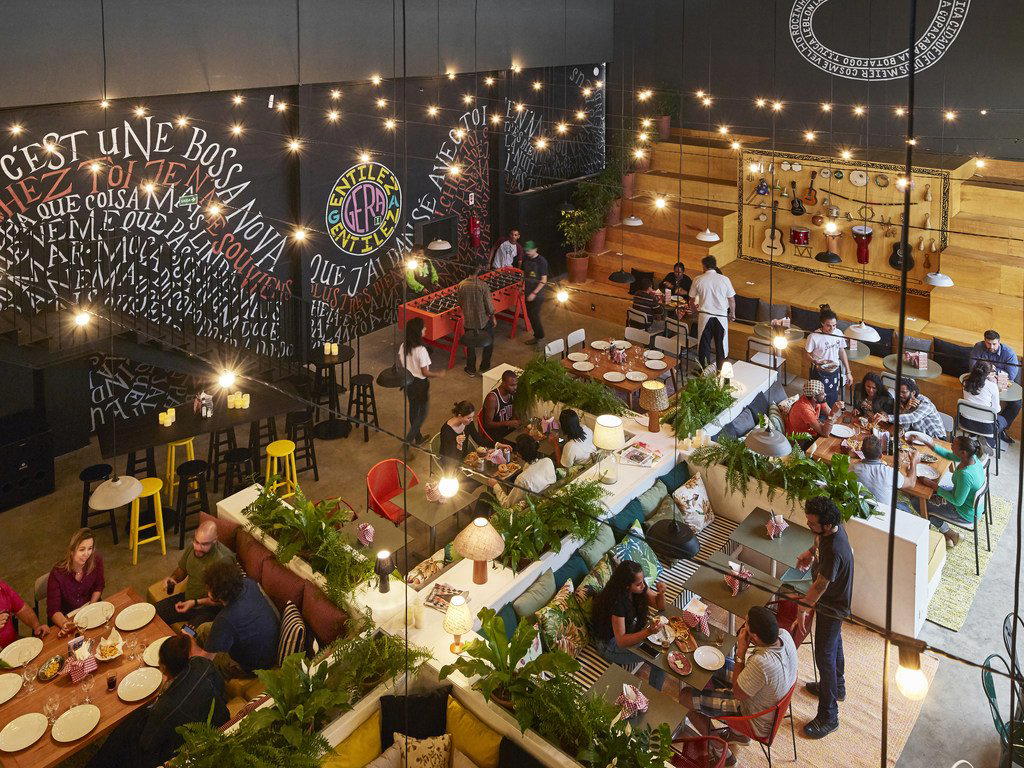
Relaxed, lively, and authentically Brazilian with a casual bar atmosphere; hammocks hang from the ceiling, creating a whimsical and intimate setting despite frequent crowds.