Stuttgarter Stäffele on Buschlestraße occupies a specific niche in Stuttgart's dining scene, where the city's Swabian wine culture and a tradition of neighbourhood restaurants intersect. Set against a fine dining tier that includes Michelin-recognised addresses across the region, this address offers a more grounded register. Visitors looking to read the local scene rather than simply tick off a tasting menu will find the setting instructive.
Pearl is the En Primeur Club membership app — saves, bookings, and concierge access live there. Same editors, same standards.
- Address
- Buschlestraße 2a/b, 70178 Stuttgart, Germany
- Phone
- +4949711664190
- Website
- staeffele.de
- Directions
- Get directions
 Saves & bookings on Pearl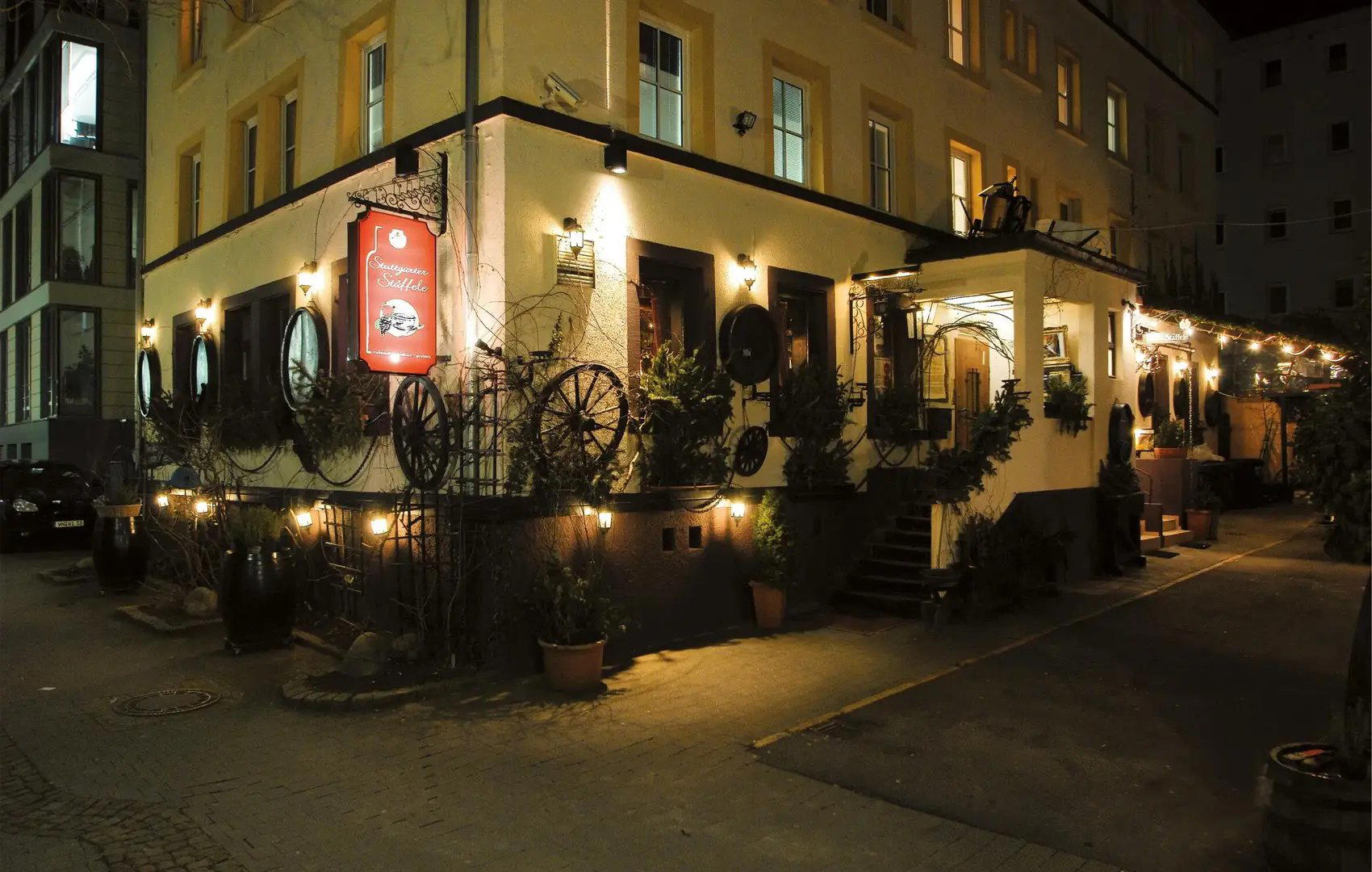
Stuttgart's Staircase Culture and the Wine Districts Behind It
Stuttgart is built on slopes. The city's famous Stäffele, a network of stone staircases threading between hillside vineyards and residential streets, are not incidental geography but the structural logic of a wine-producing city that has always grown its grapes within walking distance of its restaurants. Buschlestraße 2a/b sits in this terrain, and the name Stuttgarter Stäffele is not branding so much as a direct reference to the city's most persistent architectural feature. To understand what kind of place this is, you need to understand the neighbourhood it belongs to before you understand the restaurant itself.
Stuttgart's fine dining tier has consolidated around a small cluster of addresses that operate at national competition level. Speisemeisterei and 5 both operate at the €€€€ bracket with creative and modern cuisine formats respectively, while Délice and Der Zauberlehrling occupy the creative mid-tier at €€€. Hegel Eins rounds out the modern cuisine category at the same price point. Stuttgarter Stäffele is a traditional Swabian restaurant on Buschlestraße in Stuttgart. It operates in a register that Stuttgart's dining culture has historically supported alongside its fine dining addresses: the neighbourhood restaurant that takes wine seriously and treats food as an honest complement to the cellar rather than the other way around.
The Wine Logic of the Swabian Scene
Württemberg is one of Germany's most under-exported wine regions. Despite producing Trollinger, Lemberger, and Schwarzriesling in significant volume, the region drinks most of what it makes, and Stuttgart's restaurant culture reflects that insularity as a feature rather than a flaw. Cellar lists in this city often skew local in a way that would be unremarkable in Burgundy but reads as almost political in a German fine dining context where Riesling from the Rhine and Mosel traditionally dominates the prestige tier.
For comparison, the top end of Germany's sommelier culture runs through addresses like Aqua in Wolfsburg and Vendôme in Bergisch Gladbach, where cellar depth is measured in five-figure bottle counts and international prestige labels. Schwarzwaldstube in Baiersbronn, just an hour south of Stuttgart, operates at three Michelin stars with a wine program that operates at European competition level. Stuttgarter Stäffele does not compete in that tier. What a neighbourhood address in Württemberg can offer instead is proximity to source and a cellar built around the local producers that larger German restaurants overlook in favour of internationally legible names.
The Württemberg wine tradition rewards patience. Estates around Stuttgart's Rotenberg, Uhlbach, and Berg districts produce Lemberger at a quality ceiling that rarely travels as far as it should. A restaurant with its roots in the Stäffele culture of the city has natural access to these producers in a way that an import-heavy fine dining cellar does not. The framing the name invokes belongs to that tradition.
Setting and Register
The address on Buschlestraße places this restaurant in Stuttgart's southern city core, in a part of the city where the hillside residential character softens the harder commercial edges of the centre. Stuttgart's Stäffele paths are most concentrated in the districts south and west of the Schlossplatz, and the address on Buschlestraße is consistent with that geography. The physical experience of arriving, on foot via one of those staircases, past vineyard plots that still exist within the city boundaries, is itself a form of editorial context that the restaurant's name promises to honour.
Register implied by the name and the address is Swabian rather than cosmopolitan: solid, specific, and unpretentious in a way that is not the same thing as casual. Swabia's restaurant culture has always separated quality from spectacle more cleanly than the marketing materials of German tourism tend to suggest. The region that produced both its engineering culture and its wine-and-Maultaschen hospitality tradition does not typically perform warmth; it delivers it through consistency and through food that requires no explanation.
Stuttgart in the Wider German Fine Dining Context
Germany's highest-rated restaurants are distributed across the country in a pattern that reflects regional economic weight as much as culinary tradition. The southwest, anchored by the Black Forest corridor, has historically punched above its population weight in Michelin terms. JAN in Munich and ES:SENZ in Grassau represent the Bavarian contribution to that tier, while addresses like Victor's Fine Dining by Christian Bau in Perl and Waldhotel Sonnora in Dreis anchor the western end of the country. Restaurant Haerlin in Hamburg, Schanz in Piesport, and CODA Dessert Dining in Berlin extend that map further. For readers coming from outside Germany, addresses like Le Bernardin in New York City or Atomix in New York City offer a useful calibration for what the leading European fine dining tier is competing with internationally.
The restaurant is not in that conversation, and understanding that is not a criticism. Stuttgart's dining scene functions across multiple registers simultaneously, and the addresses that sustain a city's food culture over decades are rarely the ones holding three stars. The neighbourhood restaurant that keeps its cellar local, its kitchen honest, and its prices accessible to the professional class that makes up Stuttgart's core dining public performs a different but equally necessary function.
Know Before You Go
Know Before You Go
- Address: Buschlestraße 2a/b, 70178 Stuttgart, Germany
- Neighbourhood: Southern city core, within walking distance of Stuttgart's Stäffele staircase network
- Price Range: About $35 per person
- Booking: Reservations recommended
- When to Visit: Open daily for dinner, 6 to 11 PM
- Getting There: Stuttgart's U-Bahn and S-Bahn network serves the southern city districts; the area is walkable from the city centre via the Stäffele paths themselves
The Minimal Set
Comparable venues nearby, for context on price, style, and recognition.
| Venue | Cuisine | Price | Notes |
|---|---|---|---|
| Stuttgarter StäffeleThis venue — the venue you are viewing | Heslach, Traditional Swabian | $$ | Not listed |
| Schnitzelkönig | Heslach, German Schnitzel House | $$ | Not listed |
| Onkel Otto | Gablenberg, Traditional German Schnitzel | $$ | Not listed |
| Schellenturm | Gablenberg, Swabian German Weinstube | $$ | Not listed |
| Wirtshaus Hasen | Gaisburg, Traditional Swabian Gasthaus | $$ | Not listed |
| Bellevue | Not listed | $$$ | Berg, Modern Regional German with Vegan Options |
Continue exploring
More in Stuttgart
Restaurants in Stuttgart
Browse all →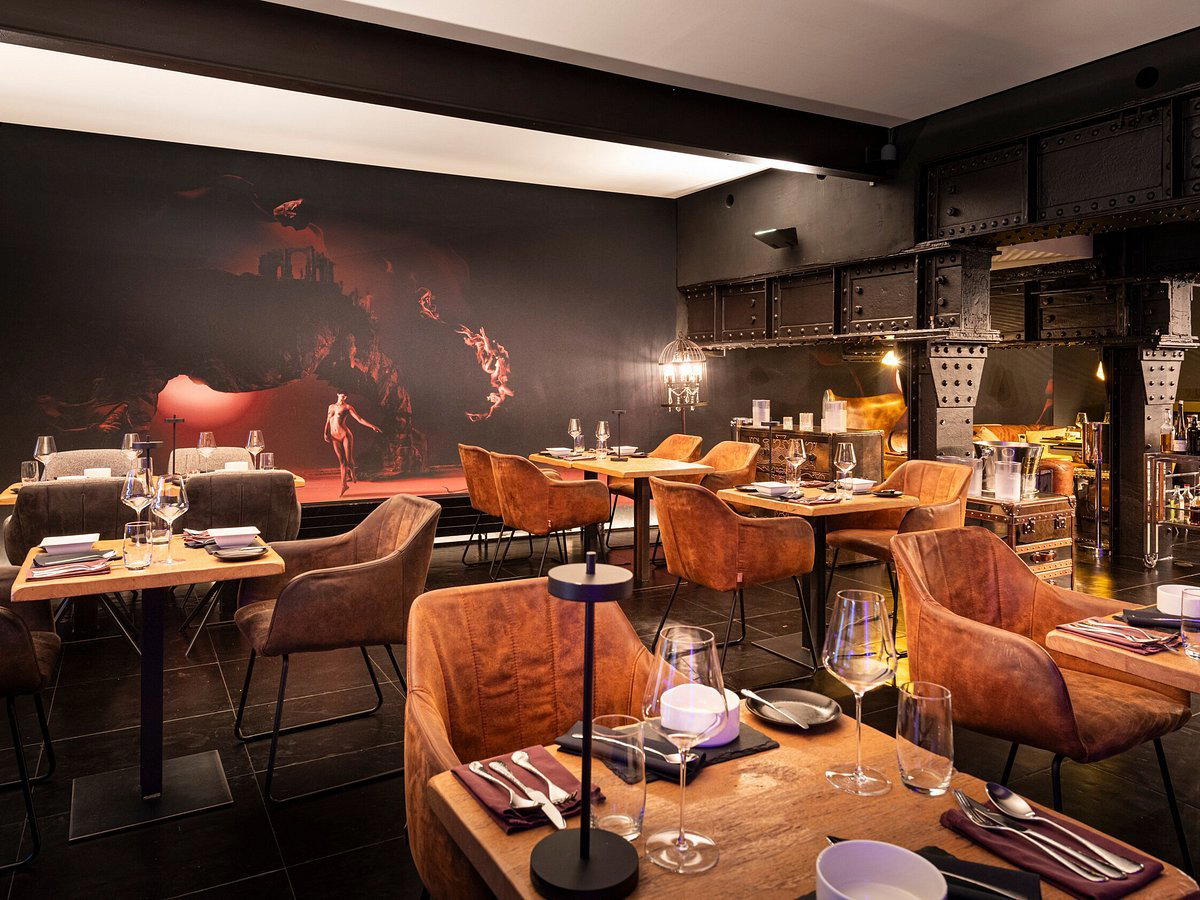
Bars in Stuttgart
Browse all →
Hotels in Stuttgart
Browse all →

At a Glance
- Cozy
- Rustic
- Classic
- Intimate
- Family
- Group Dining
- Casual Hangout
- Historic Building
- Local Sourcing
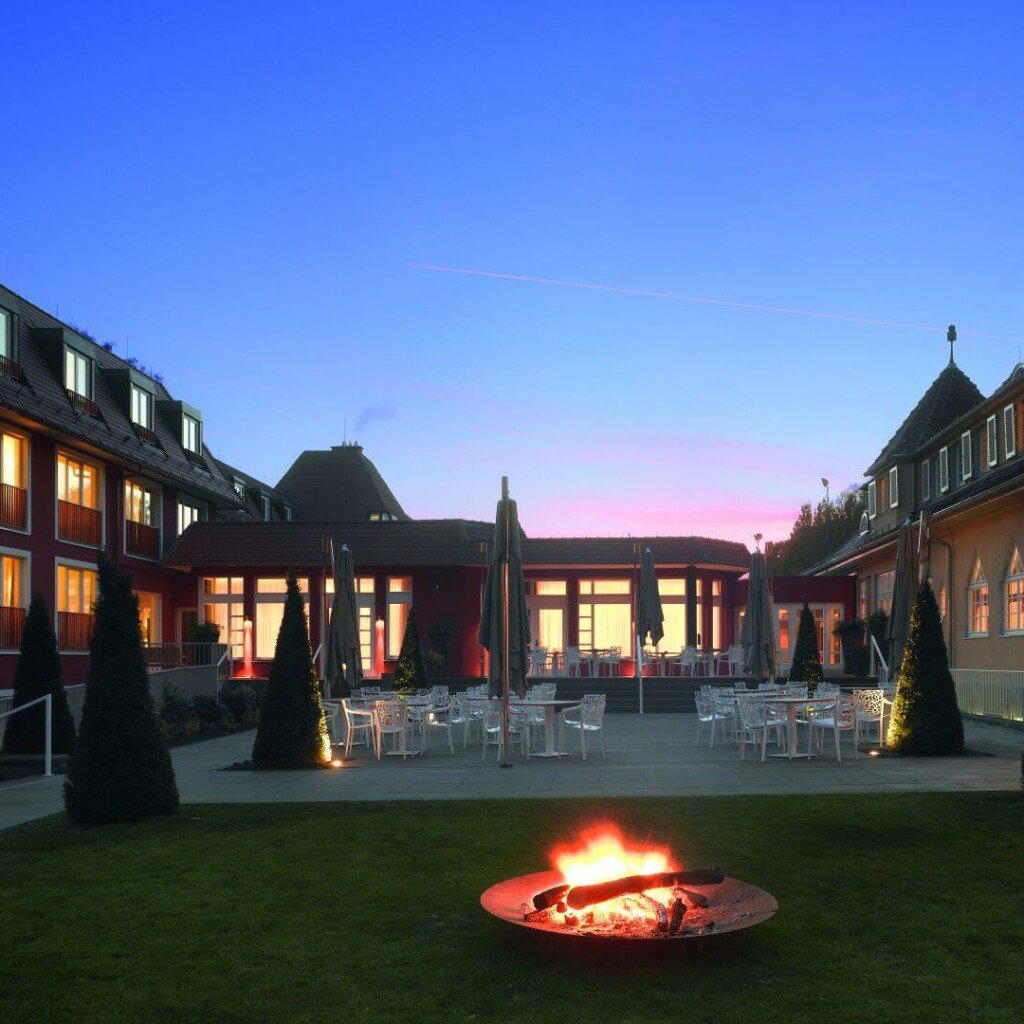
- Garden
Current opening hours
- Monday
- 6–11 PM
- Tuesday
- 6–11 PM
- Wednesday
- 6–11 PM
- Thursday
- 6–11 PM
- Friday
- 6–11 PM
- Saturday
- 6–11 PM
- Sunday
- 6–11 PM
Hours can change for holidays and private events. Last verified .
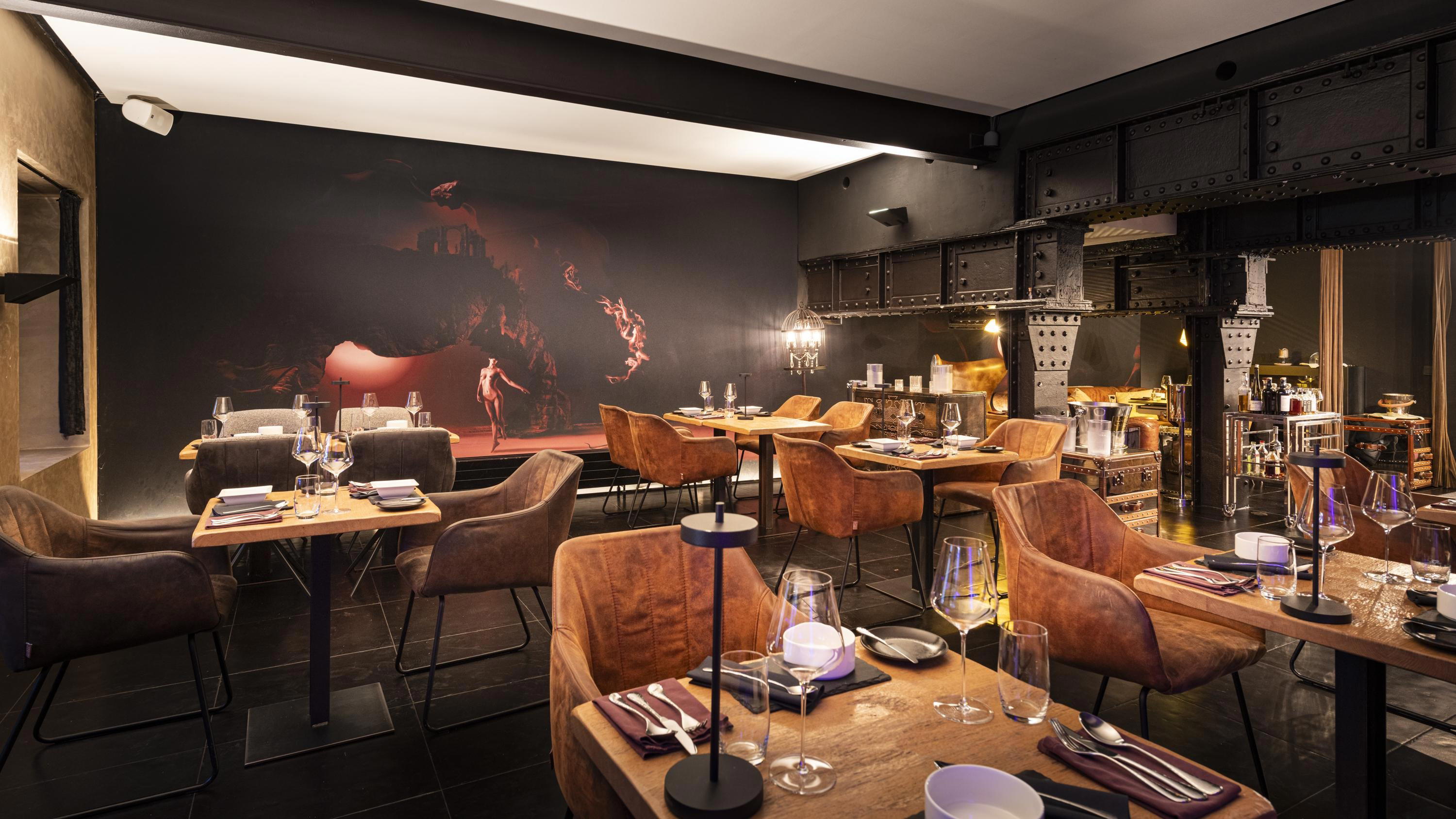
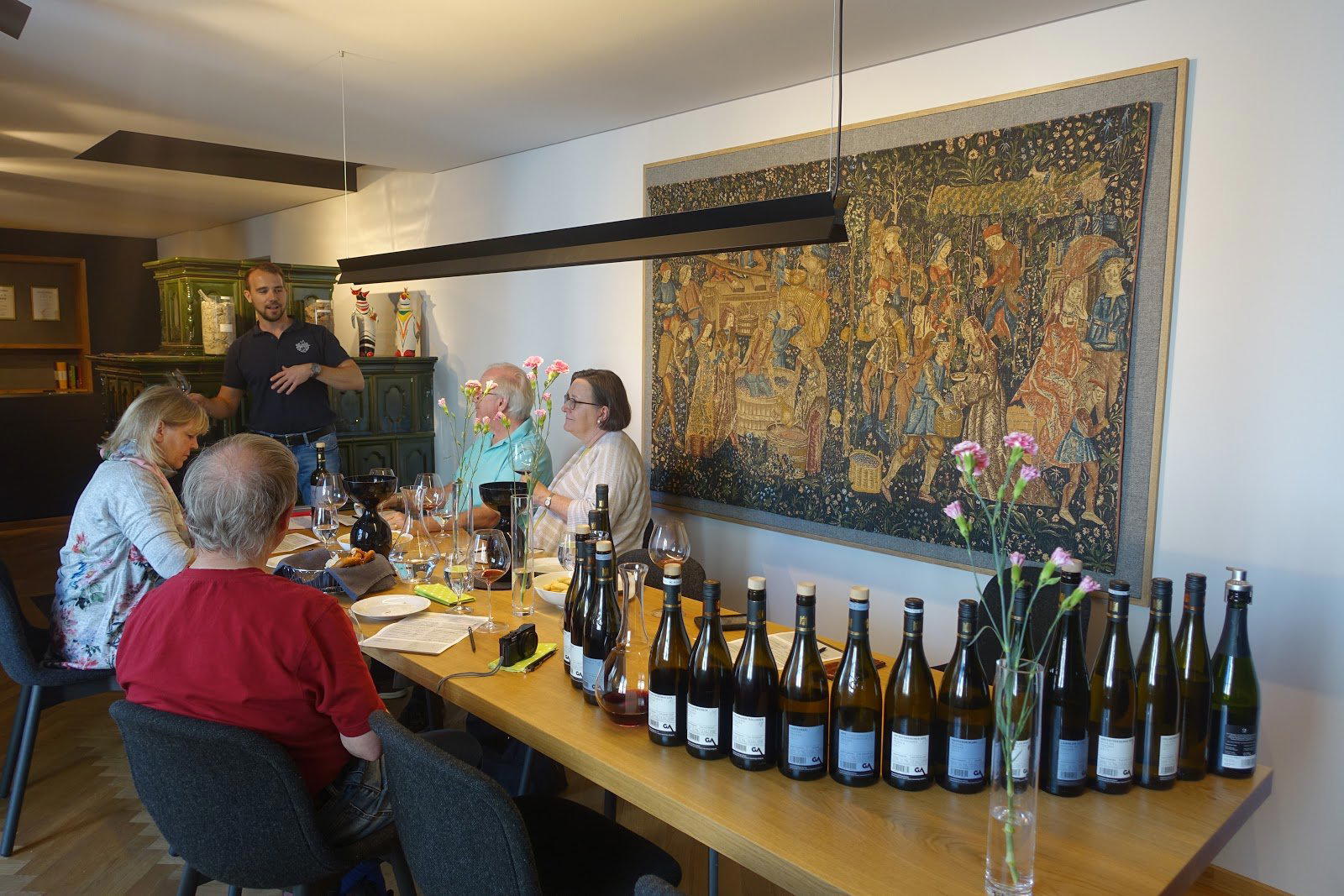
Cozy, grotto-like atmosphere with wood-lined rustic charm across five antique-decorated dining rooms and a vaulted wine cellar.