A traditional Südtirol stube set in the hillside hamlet of Pawigl above Lana, Stube Ida occupies the quieter, altitude-driven register of South Tyrolean dining rather than the valley-floor tourist circuit. The address alone signals intent: this is a place rooted in the agricultural rhythms of the Etschtal rather than positioned for passing trade. It sits in a comparable set defined by place and season rather than by cover counts or category ambition.
 Discover on Pearl
Pearl is the En Primeur Club membership app — saves, bookings, and concierge access live there. Same editors, same standards.
- Address
- Pawigl 43, 39011 Lana BZ, Italy
- Phone
- +39473556600
- Website
- vigilius.it
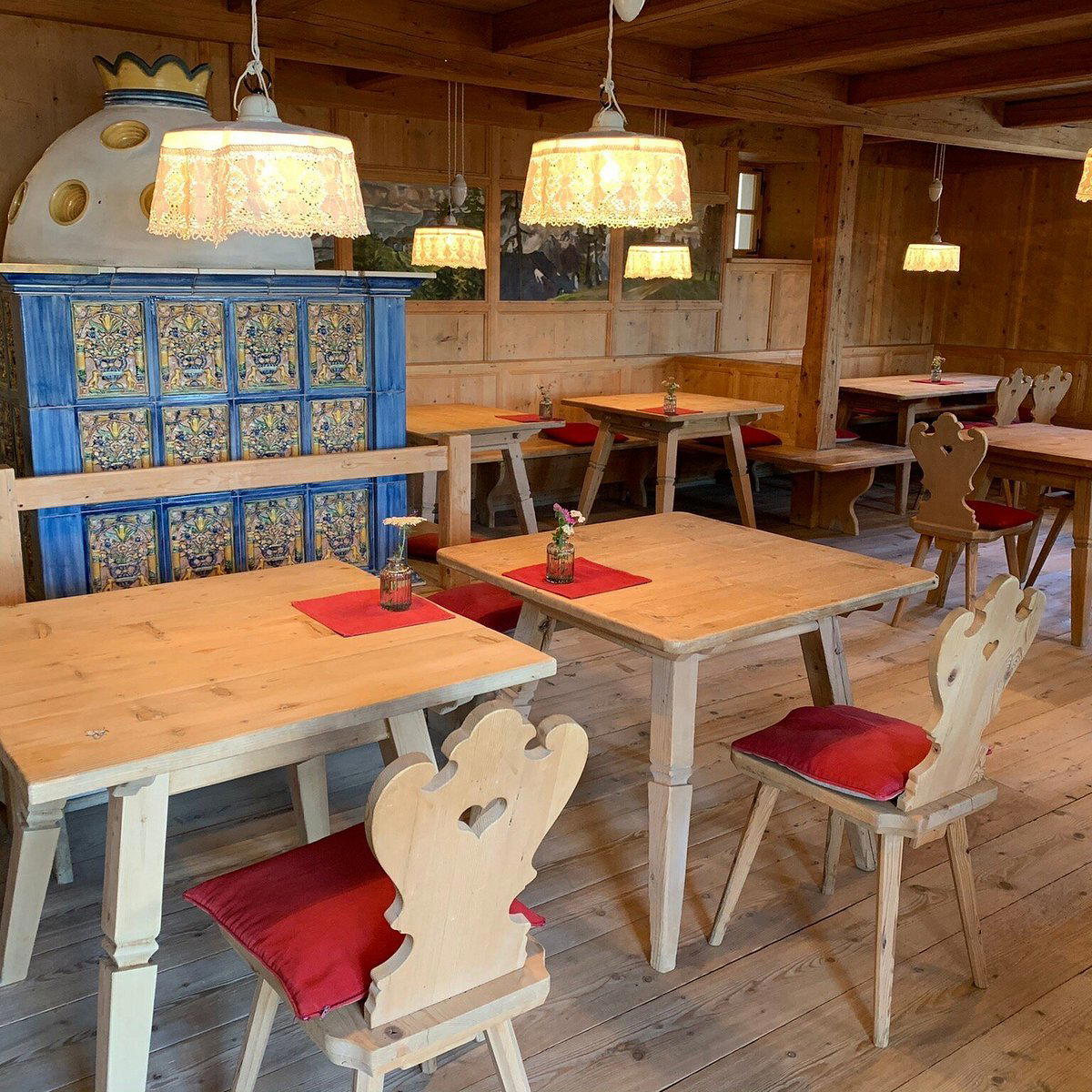
Above the Valley Floor: What Pawigl Tells You Before You Arrive
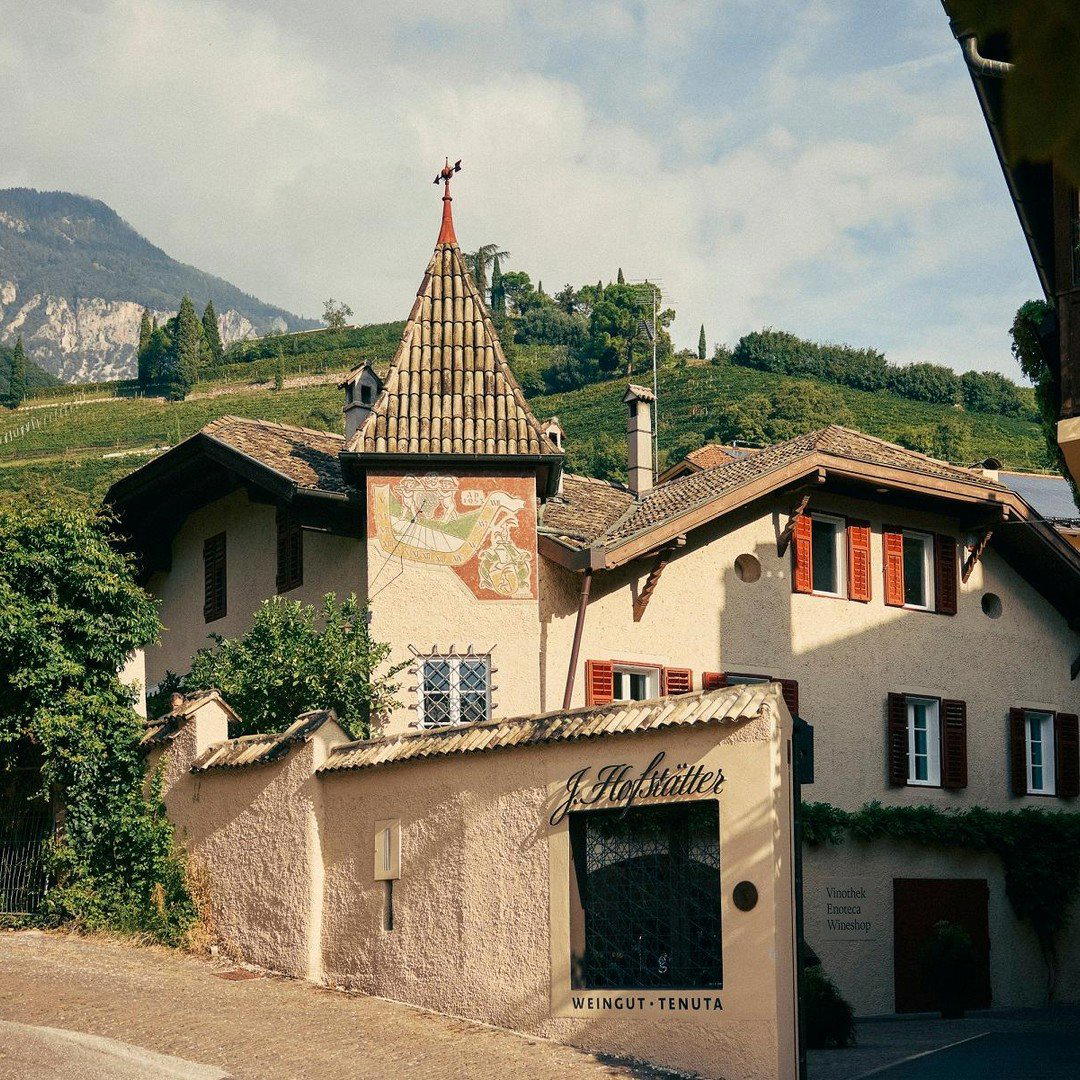
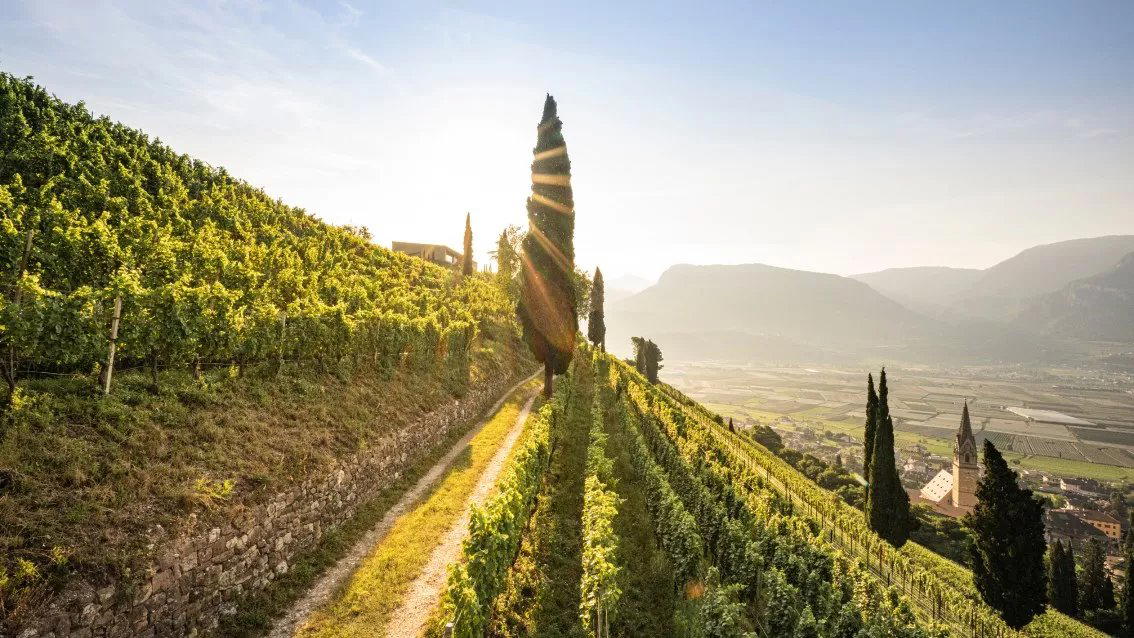
The road to Pawigl rises steeply from Lana's main settlement, switchbacking past orchards and vine terraces before the hamlet levels out into a narrow cluster of farmhouses and working estates. Stube Ida is a restaurant in Lana, Italy, serving Modern South Tyrolean cuisine at a midrange price tier. In South Tyrol, altitude is rarely incidental. Villages at this elevation tend to operate on a different rhythm from the valley towns: quieter, more self-contained, and oriented around the agricultural calendar rather than the hospitality season. Stube Ida, at Pawigl 43, sits inside that logic. Arriving here is not the same as arriving at a restaurant in the conventional sense. The address is the first editorial statement the venue makes.
South Tyrol's dining culture has always been structured around the stube, the low-ceilinged, wood-panelled room that functions simultaneously as gathering place, dining room, and cultural artifact. In the valley towns, many stuben have been smoothed into something more generically European, their pine panelling lacquered rather than darkened by decades of use, their menus adjusted for international visitors. The further you travel from the main tourist circuits, the more the original character reasserts itself. Pawigl's elevation and remove from Lana's centre places Stube Ida in that more traditional register.
The South Tyrolean Stube as a Dining Format
Understanding what a stube offers as a format matters before any conversation about individual dishes or booking logistics. The stube tradition runs parallel to, and largely independent of, the fine-dining trajectory that has produced high-profile Alto Adige tables elsewhere in the region. While venues like Atelier Moessmer Norbert Niederkofler in Brunico represent the Alpine fine-dining pole, and the Italian peninsula's leading addresses, from Osteria Francescana in Modena to Enoteca Pinchiorri in Florence and Le Calandre in Rubano, operate in a different competitive set entirely, the stube occupies a category that prioritises hospitality in its most literal sense: shelter, warmth, and food that reflects the land immediately outside the window.
The typical stube menu in this part of South Tyrol draws on a narrower, more consistent pantry than either fine-dining or casual Italian: cured meats from local farms, grey cheese (Graukäse) produced in small dairies, dumplings (Knödel) that vary by season and household tradition, and wine from the Etschtal slopes or the nearby Vinschgau. These are not dishes that travel easily to a tasting menu format. They are calibrated for the setting, the altitude, and the hour.
Lana's Restaurant Geography and Where Stube Ida Sits
Lana itself supports a range of dining formats across its different sub-settlements. In the valley core, addresses like Brandiskeller and Gutshof serve the main residential and visitor population, while Pfefferlechner and Gasthaus Rafflerhof represent the town's more traditional gasthaus register. Stadele rounds out the local picture with its own distinct positioning. Stube Ida at Pawigl operates at a further remove from this cluster, which means it draws a more deliberate visitor. You do not arrive here by accident. The drive up, the limited passing traffic, the hamlet scale: all of these filter the audience toward those who have made a specific choice.
That self-selection has consequences for the atmosphere inside. Rooms in this tier of South Tyrolean dining tend toward the familial rather than the formal, with service that assumes you understand the format and have chosen it accordingly. The contrast with Italy's more theatrical fine-dining rooms, such as Piazza Duomo in Alba or Enrico Bartolini in Milan, is not one of quality but of register entirely. Stube Ida is doing something structurally different from those addresses, and comparing them on a single scale misses the point of both.
Planning a Visit: Practical Orientation
Lana is accessible by train from Bolzano (approximately 20 kilometres south) via the Merano line, with local bus connections to the wider municipality. Pawigl itself requires either a car or a taxi from Lana's centre, given its hillside position. For visitors building a broader South Tyrolean itinerary, the Etschtal corridor offers natural connections north to Merano and south toward Bolzano, with Alto Adige wine producers accessible along both axes. Direct contact via the address at Pawigl 43 or in-person enquiry through local accommodation is the reliable approach. The nature of venues at this scale and in this location means that telephone or walk-in approaches remain more effective than online booking infrastructure in many cases.
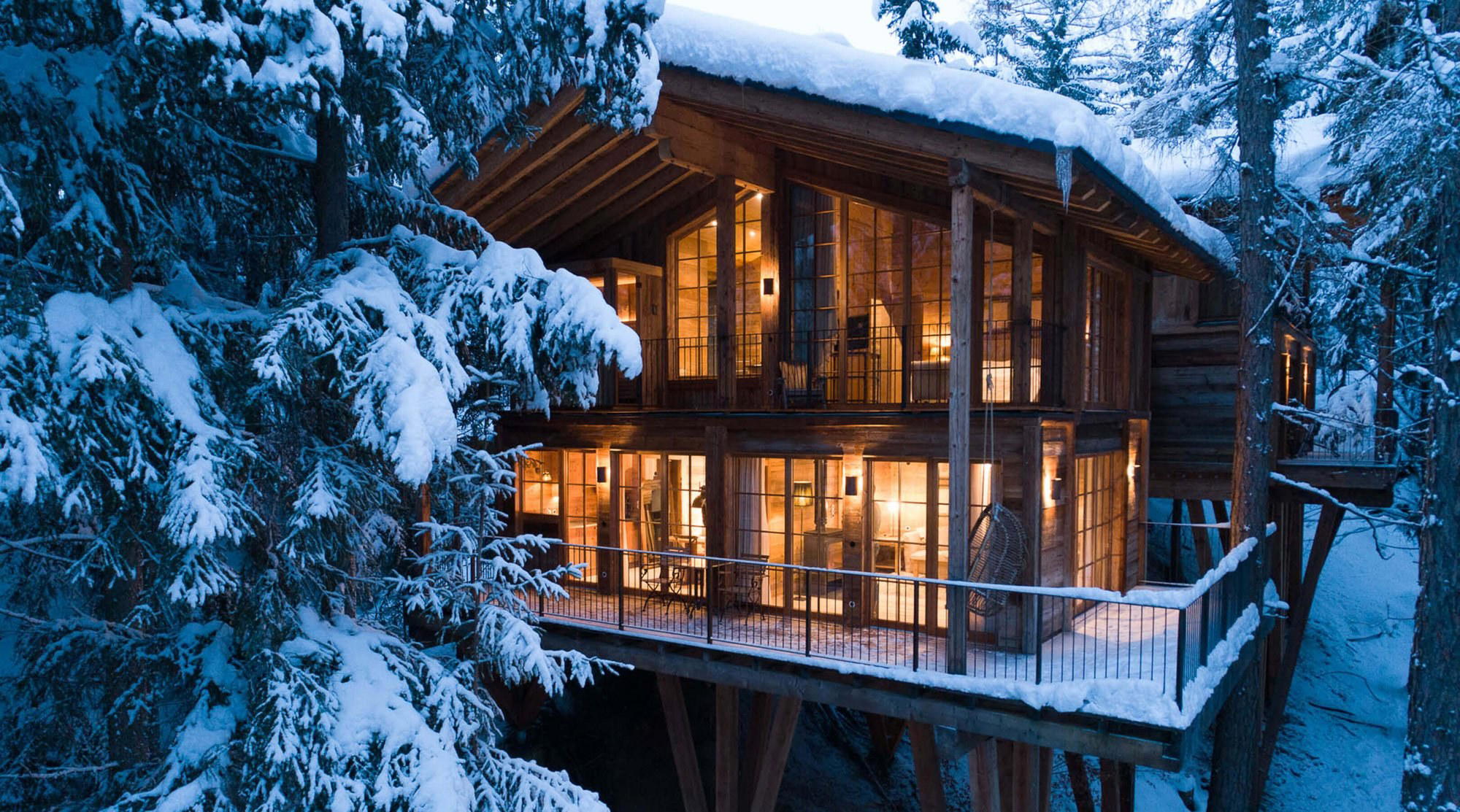
Seasonal timing carries more weight here than at a city restaurant. The agricultural framing of the stube format means autumn, when the apple harvest dominates the Etschtal and local produce is at its most varied, and late spring, before high summer crowds reach the valley, represent the most coherent windows for a visit. Winter brings the interior warmth that the stube format was built around, and the snow-covered hillside approach to Pawigl shifts the experience toward something closer to the original function of these rooms.
South Tyrolean Dining in a Wider Italian Context
South Tyrol's identity within Italian dining remains productively ambiguous. The region's cuisine sits at a cultural border that produces genuinely distinct food culture rather than a simple hybrid. The same Alto Adige that supplies grapes to producers whose wines appear on the lists of Dal Pescatore in Runate and Uliassi in Senigallia also sustains a network of small farm kitchens and stuben that operate entirely outside the fine-dining circuit. The high-end addresses, whether in Alto Adige itself or at the level of Quattro Passi in Marina del Cantone or Reale in Castel di Sangro, draw on and reference regional Italian food culture. The stube operates from the inside of that culture, without the referential distance.
For a reader whose Italian dining frame is built around city restaurants or Michelin-tracked addresses, the adjustment required at Stube Ida is less about lowering expectations and more about shifting the metrics entirely. The question here is not how a dish compares to what you ate at Le Bernardin in New York City or Atomix in New York City, but whether the room, the altitude, and the particularity of place produce a coherent experience on their own terms. At Pawigl 43, the case for that coherence starts with the location itself and works inward from there.
The Short List
Comparable venues nearby, for context on price, style, and recognition.
| Venue | Cuisine | Price | Notes |
|---|---|---|---|
| Stube IdaThis venue — the venue you are viewing | Lana, Modern South Tyrolean | $$ | |
| Gasthaus Rafflerhof | Lana, Traditional South Tyrolean Italian | $$ | |
| Pfefferlechner | Lana, Traditional South Tyrolean | $$ | |
| Gutshof | Lana, Italian Pizza and Sushi | $$ | |
| Stadele | $$$ | Lana, South Tyrolean Fusion with Mediterranean Influences | |
| Brandiskeller | $$ | Lana di Sotto, Traditional South Tyrolean Grill & Wine Cellar |
At a Glance
- Cozy
- Rustic
- Scenic
- Casual Hangout
- Terrace
- Local Sourcing
- Mountain
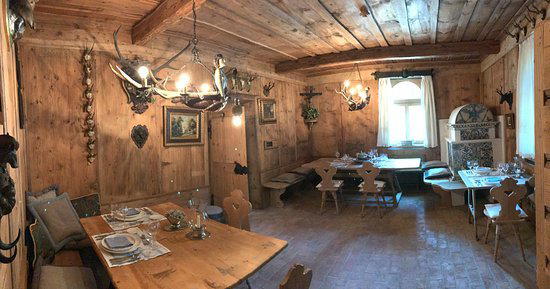
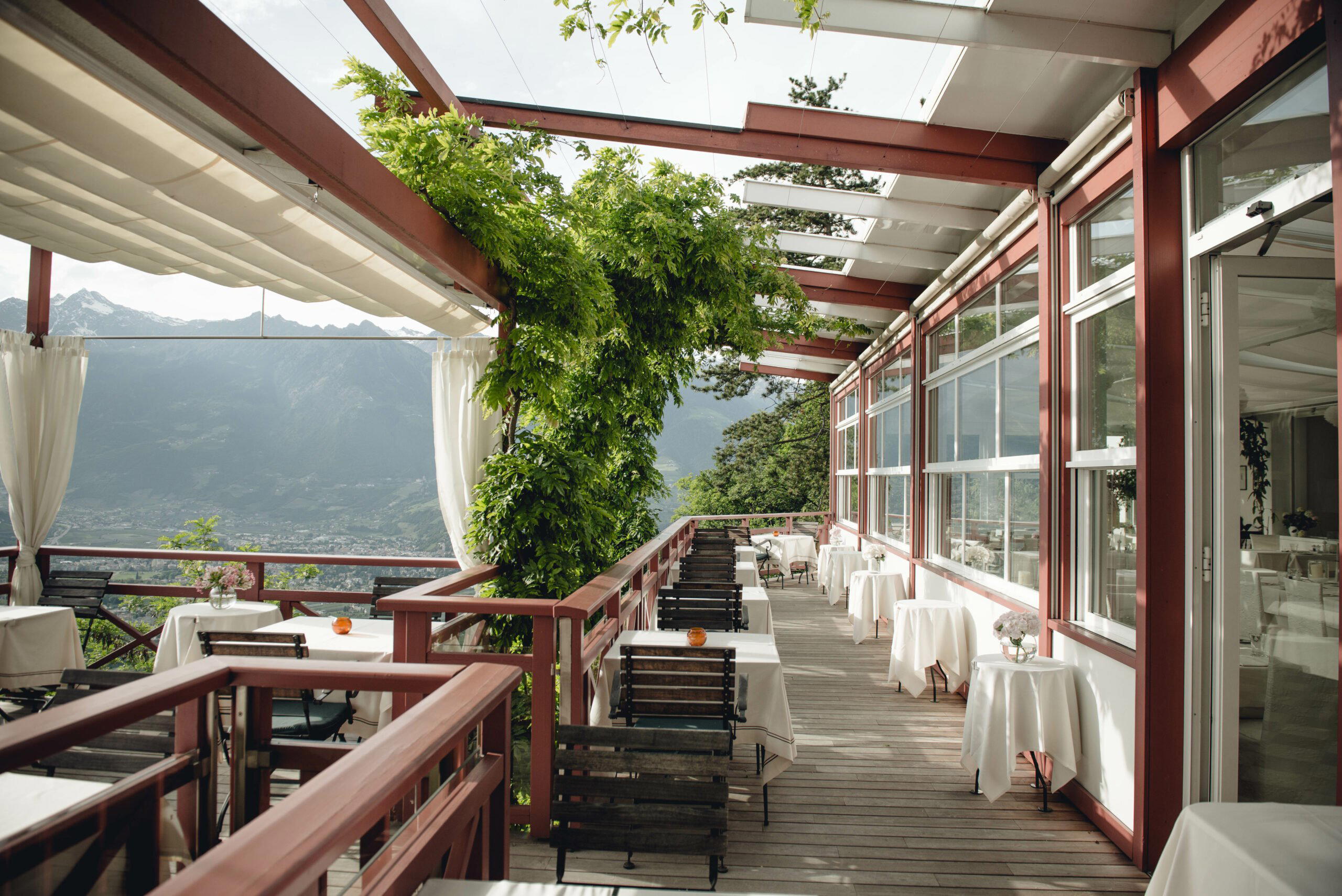
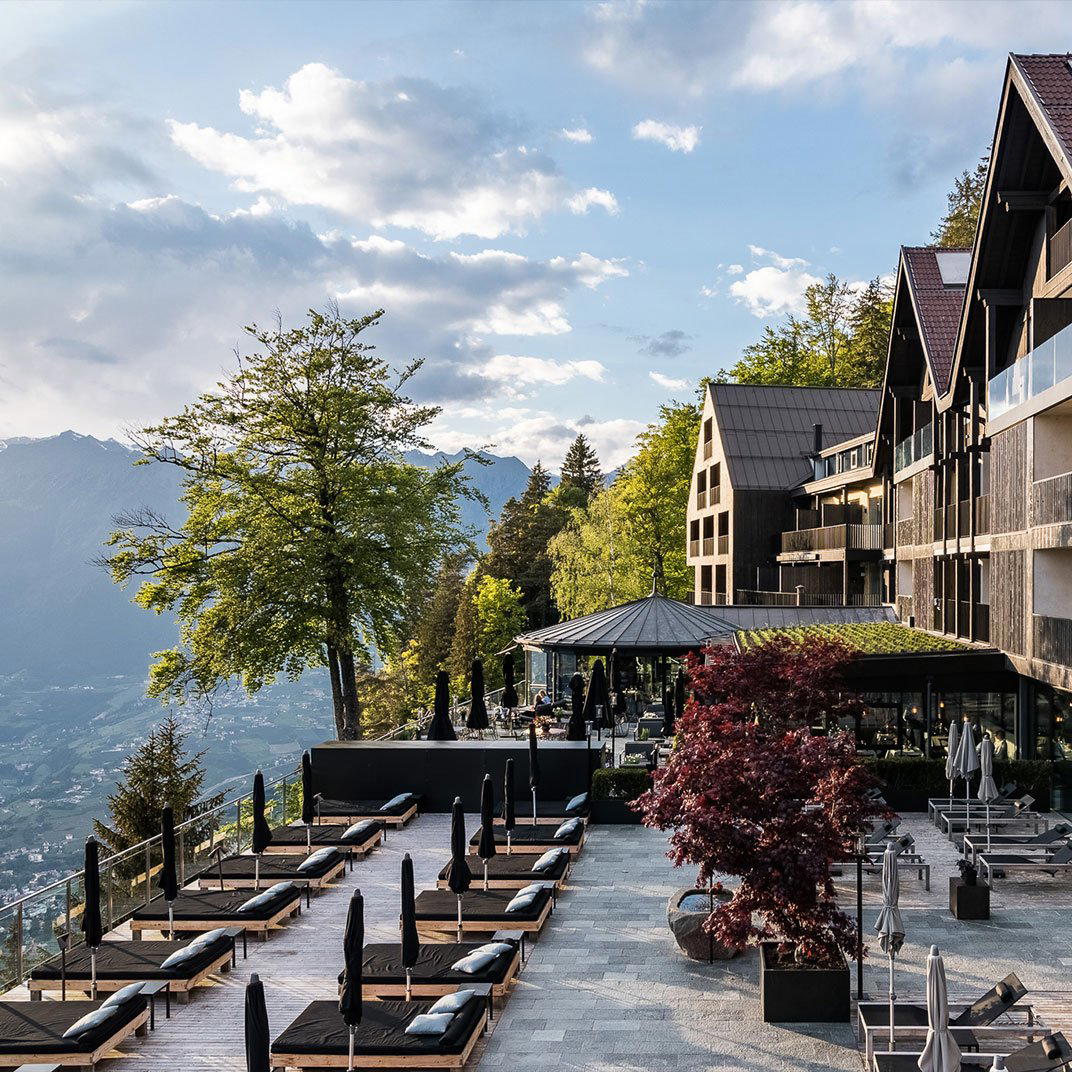
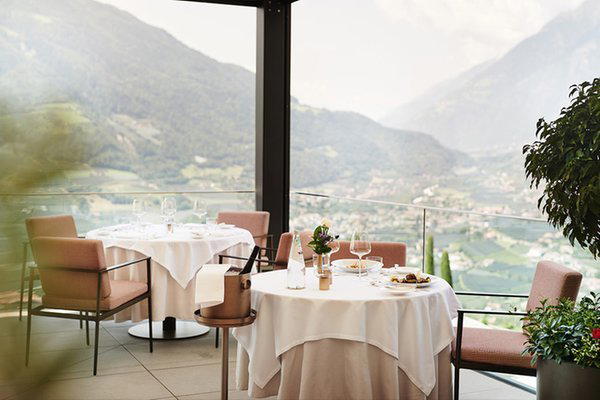
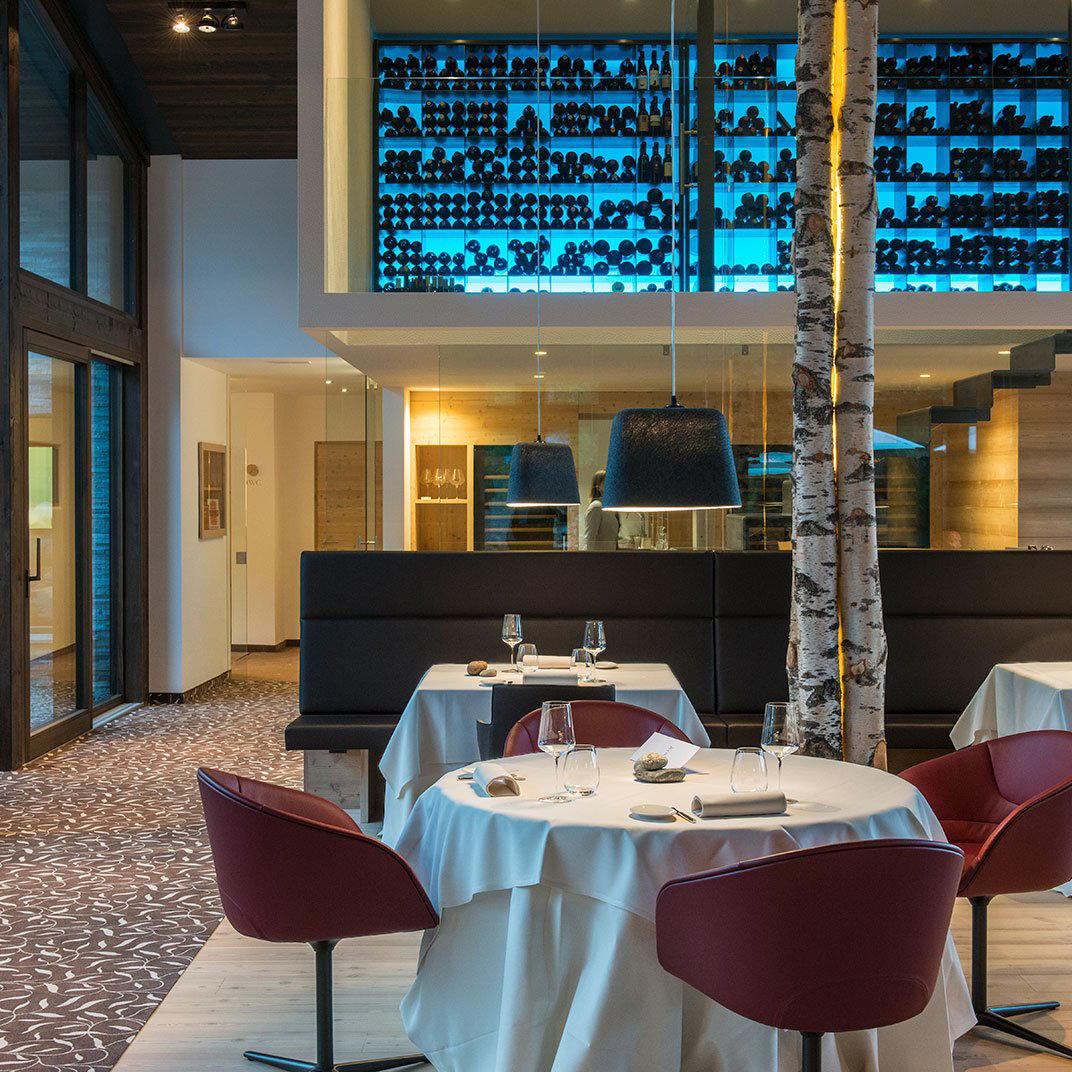
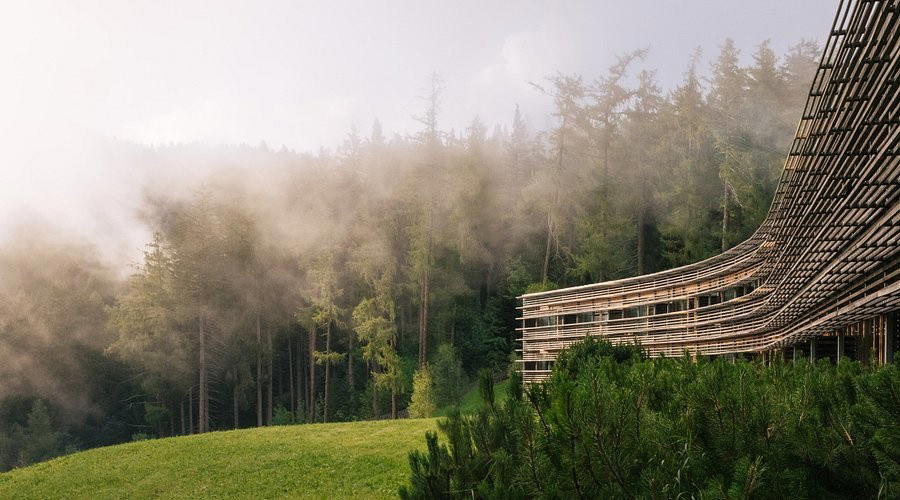
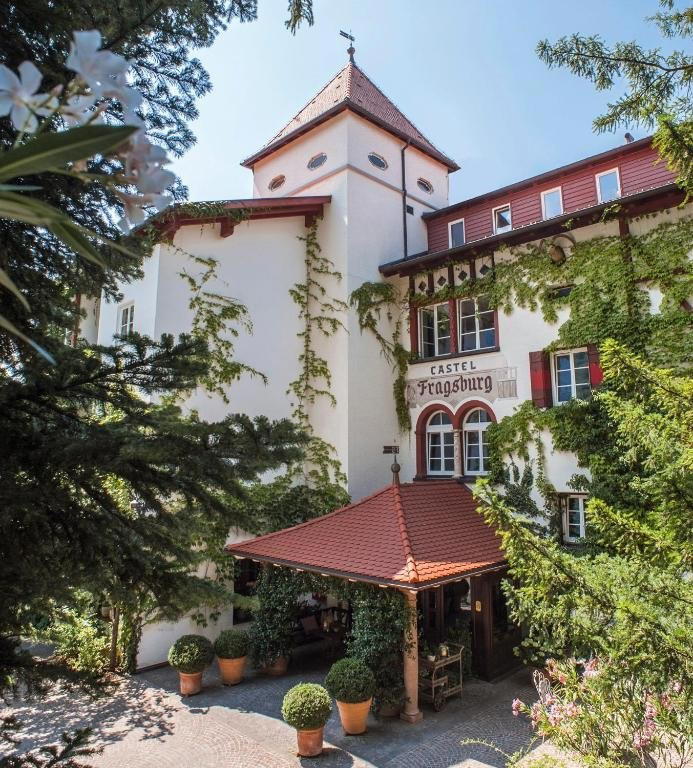
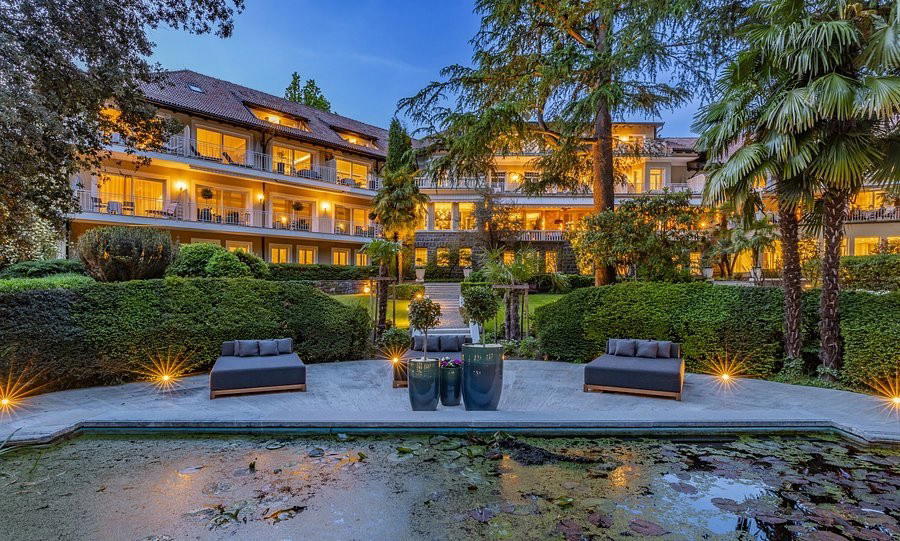
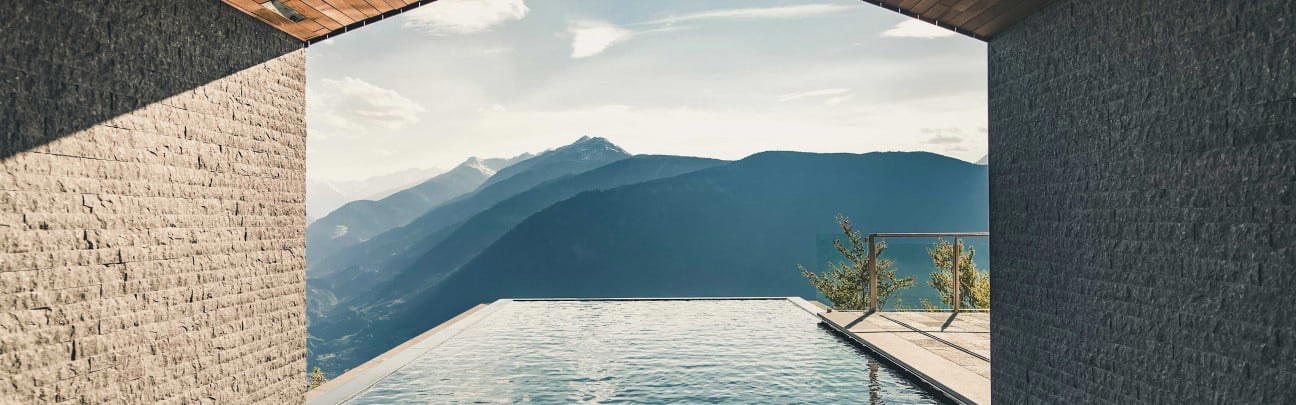
Warm, nostalgic atmosphere with a 100-year-old tiled stove, cozy traditional decor, and mountain views.