Set along Via Brandis in the South Tyrolean town of Lana, Gutshof occupies a position characteristic of the region's farmhouse dining tradition, where the land outside the window tends to shape what arrives on the plate. For visitors working through Lana's compact but considered dining scene, it sits alongside a cluster of addresses that take the Alto Adige larder seriously.
Pearl is the En Primeur Club membership app — saves, bookings, and concierge access live there. Same editors, same standards.
- Address
- Via Brandis, 13, 39011 Lana BZ, Italy
- Phone
- +39473562447
- Website
- gutshof.it
- Directions
- Get directions
 Saves & bookings on Pearl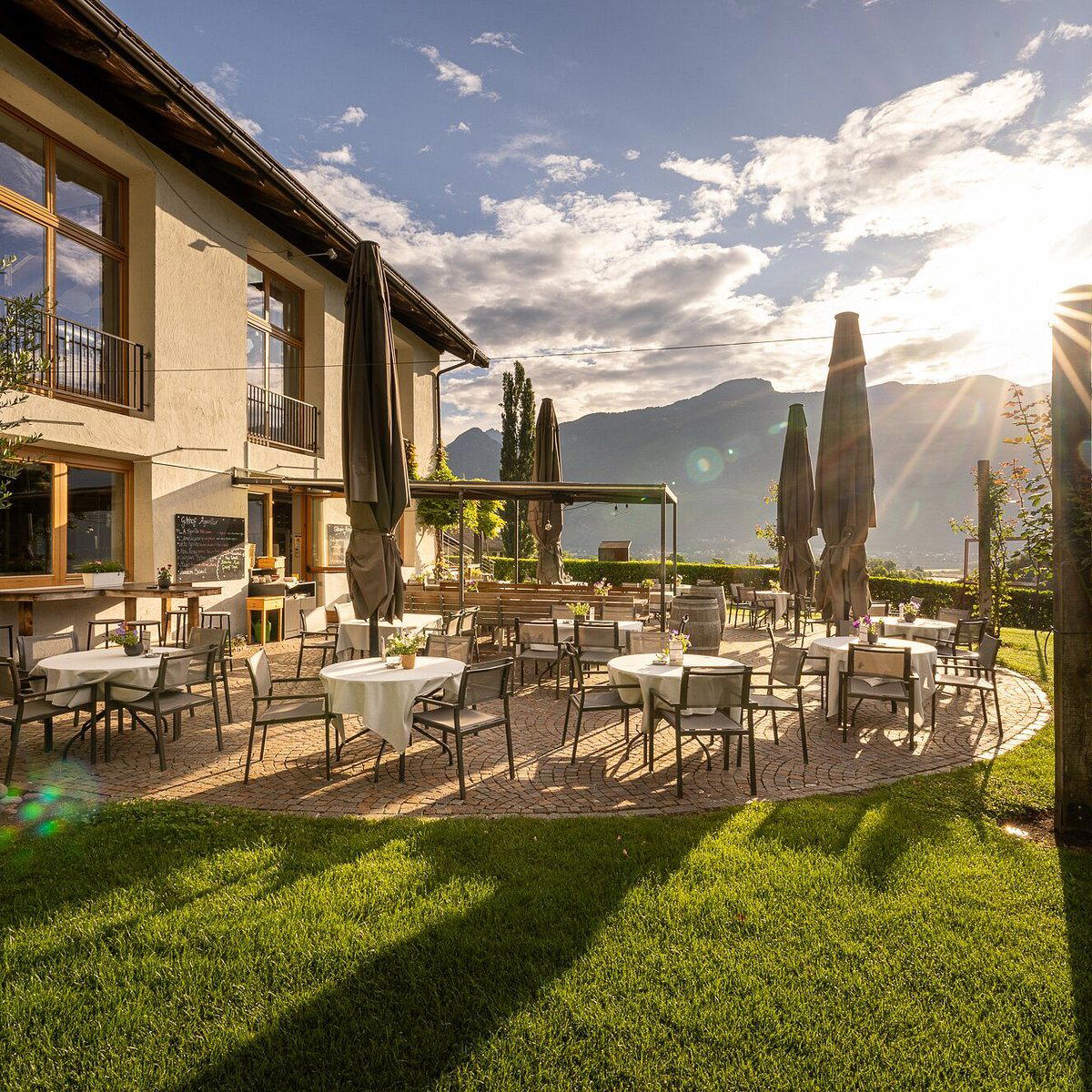
Where the Vineyard Ends and the Table Begins
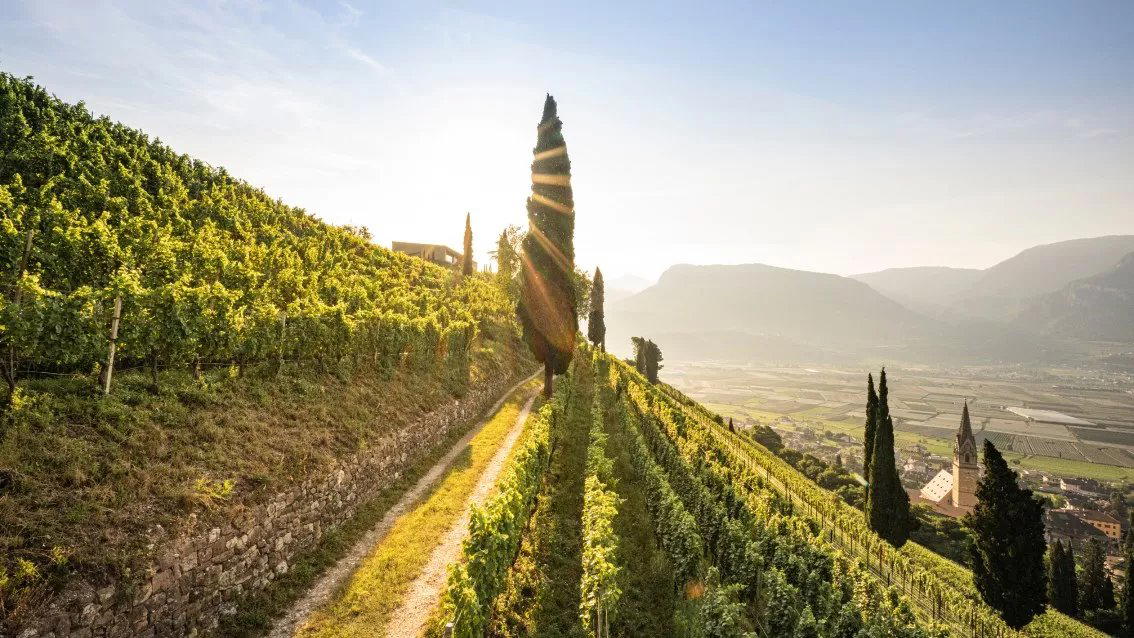
South Tyrol operates on a principle of proximity. In a territory where apple orchards border Pinot Grigio vineyards at 600 metres and small farms supply markets within a ten-kilometre radius, the distance between raw ingredient and finished plate is measured in minutes rather than logistics. Gutshof, at Via Brandis 13 in Lana, sits inside this geography. The address alone positions it within one of Alto Adige's most agriculturally productive valleys, where the Merano basin's mild microclimate supports a growing season that stretches longer than comparable Alpine altitudes.
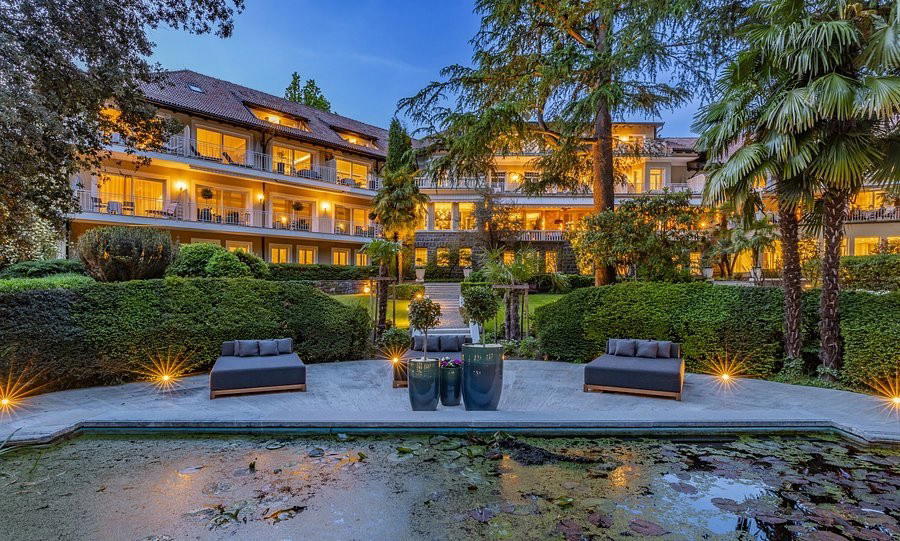
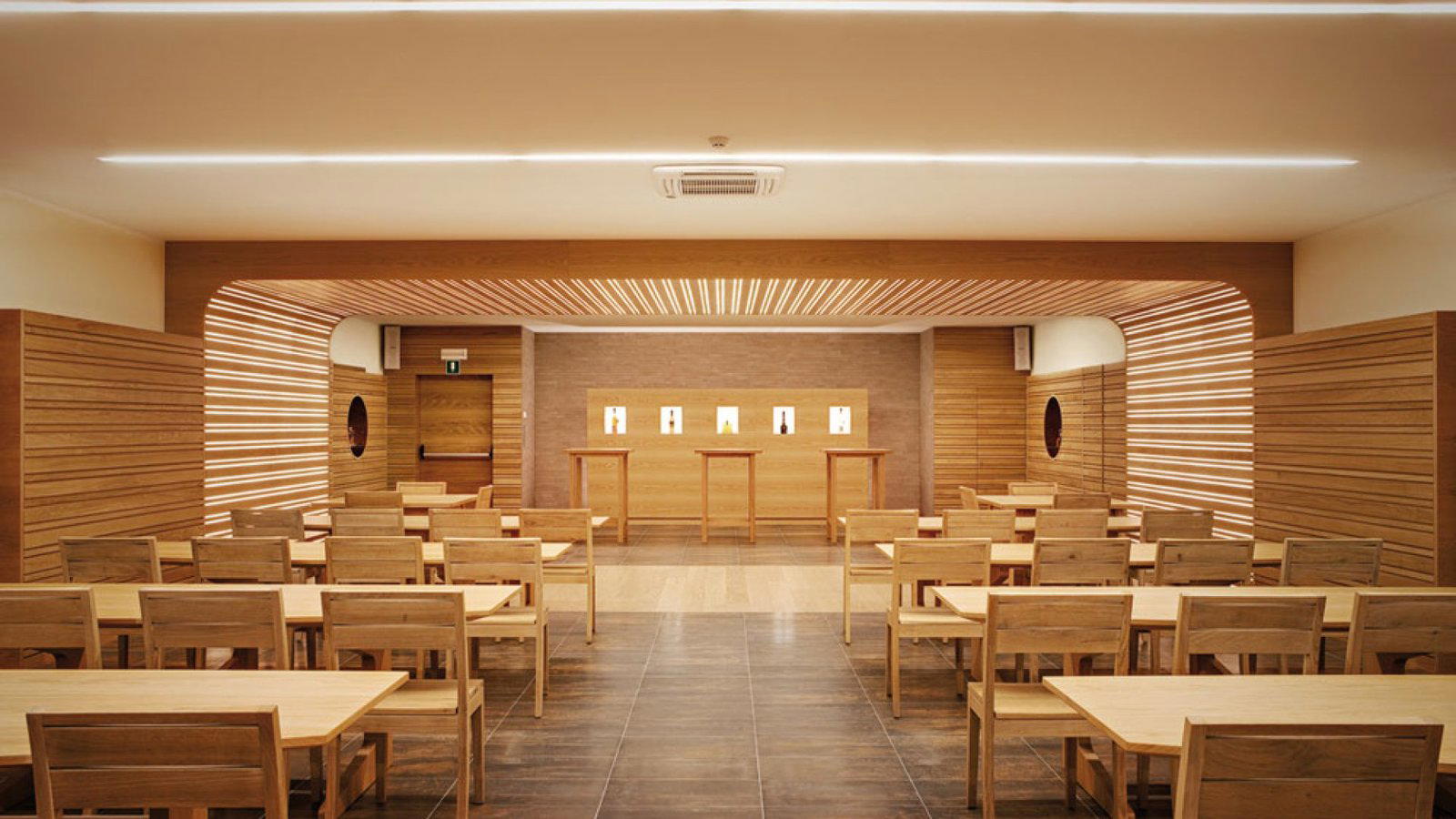
The physical approach to a Gutshof-style property in this part of South Tyrol tends to follow a recognisable pattern: a working estate or farmhouse converted for hospitality, where the architecture retains the practical character of agricultural buildings rather than softening it for tourist comfort. Stone walls, low timber ceilings, and the residual smell of a property that has always been connected to the land are standard. It reflects the accumulated material of a place shaped by generations of agricultural work. In Lana, that production history is visible in the orchards that press against the edge of the town and the wine estates that occupy the terraced slopes above it.
The Alto Adige Larder and Why It Matters Here
Alto Adige's ingredient culture sits at an unusual crossroads. Austrian and northern Italian culinary traditions have converged here for centuries, producing a table that runs from speck and Schlutzkrapfen to bresaola and regional cheese with equal fluency. The province's DOP products, including Speck Alto Adige IGP, are subject to strict production protocols that tie them to specific elevation ranges, curing durations, and local breeds. When a Lana restaurant sources within this system, the provenance chain is verifiable in a way that is harder to claim in more industrialised supply contexts.
This matters practically. The Merano area, which Lana borders directly, has long attracted attention as one of South Tyrol's more sophisticated food destinations. Visitors who base themselves here and work outward will find that the ingredient density in this corridor, from Val Venosta apples to local trout from Alpine streams and mountain dairy, supports a dining register that rewards staying close to the source. Gutshof's position on Via Brandis places it within reach of those supply networks.
For context on how South Tyrol's ingredient-led cooking translates in Italy, the comparison to Norbert Niederkofler's work at Atelier Moessmer in Brunico is instructive. Niederkofler built his three-Michelin-star reputation explicitly around Alpine sourcing as a philosophical commitment, not a marketing position. That approach has since filtered down into a broader regional conversation about what South Tyrolean cooking should prioritise. Lana's dining addresses, including Gutshof, operate downstream of that conversation.
Lana's Dining Tier and Where Gutshof Sits
Lana is not a restaurant city in the way that Bolzano or Merano are. It is a town of roughly 12,000 residents with a dining scene that reflects its character: grounded, local-facing, and built around the rhythms of the agricultural calendar rather than high-season tourism. The addresses worth noting tend to cluster around two models: the traditional Gasthaus, which prioritises volume and familiar regional cooking, and the more considered estate or farmhouse table, where sourcing and setting carry more editorial weight.
Brandiskeller, Gasthaus Rafflerhof, Pfefferlechner, Stadele, and Stube Ida represent the range of that local dining character, each occupying a different position within the town's compact offer. Gutshof, given its address on Via Brandis and its estate-type framing, belongs to the farmhouse-table tier rather than the traditional tavern format. Farmhouse addresses tend to reward advance planning and an interest in the agricultural context of the meal.
Italy's broader fine-dining conversation, from the Adriatic sourcing discipline at Uliassi in Senigallia to the market-led approach at Piazza Duomo in Alba and the decades-long riverside commitment at Dal Pescatore in Runate, consistently rewards restaurants that build a kitchen culture around a specific geography. South Tyrol's farm-to-table proximity is a structural advantage that operators here do not have to manufacture. It is simply the condition of working in this valley.
Planning a Visit
Lana sits approximately four kilometres south of Merano. The town's dining scene is compact enough that a single evening can cover meaningful ground. For Gutshof specifically, given the estate format and the likelihood that sittings are managed rather than open-door, contacting the property in advance is the sensible approach. The Via Brandis address is manageable on foot from the town centre. Season matters here: the Merano corridor sees its most active local food calendar from late spring through autumn, when markets and farm stands are at full capacity and the orchards are in various stages of harvest. Winter visits are quieter but carry their own character, with the regional wine cellars and speck producers working through their curing and ageing cycles.
Italian Dining Reference Points
Gutshof belongs to a tradition of regional Italian dining rooted in immediate geography. The farmhouse-estate format places it in a different category from urban fine-dining institutions like Osteria Francescana in Modena, Enoteca Pinchiorri in Florence, or Enrico Bartolini in Milan. It belongs instead to a tradition that runs through regional Italy's most rooted addresses, places where the kitchen's relationship to its immediate geography is the primary editorial point. That tradition has international parallels, from the hyper-local sourcing discipline at Le Bernardin in New York to the terroir-conscious tasting formats at Atomix, but in South Tyrol it predates the terminology by several generations. The region's farms were supplying its tables long before farm-to-table became a phrase worth using.
The rest of Italy's sourcing-led kitchens at altitude, including Reale in Castel di Sangro and the coastal discipline at Quattro Passi in Marina del Cantone, operate under different climatic and supply conditions, which is precisely what makes the Alpine farmhouse format worth understanding on its own terms. Le Calandre in Rubano brings a different kind of technical precision to northern Italian cooking, but the raw material advantage that comes with operating inside South Tyrol's DOP-dense supply chain is structural rather than achieved. Gutshof is inside that system.
Fast Comparison
Comparable venues nearby, for context on price, style, and recognition.
| Venue | Cuisine | Price | Notes |
|---|---|---|---|
| GutshofThis venue — the venue you are viewing | Italian Pizza and Sushi | $$ | Not listed |
| Stube Ida | Modern South Tyrolean | $$ | Lana |
| Gasthaus Rafflerhof | Traditional South Tyrolean Italian | $$ | Lana |
| Pfefferlechner | Traditional South Tyrolean | $$ | Lana |
| Brandiskeller | Traditional South Tyrolean Grill & Wine Cellar | $$ | Lana di Sotto |
| Stadele | South Tyrolean Fusion with Mediterranean Influences | $$$ | Lana |
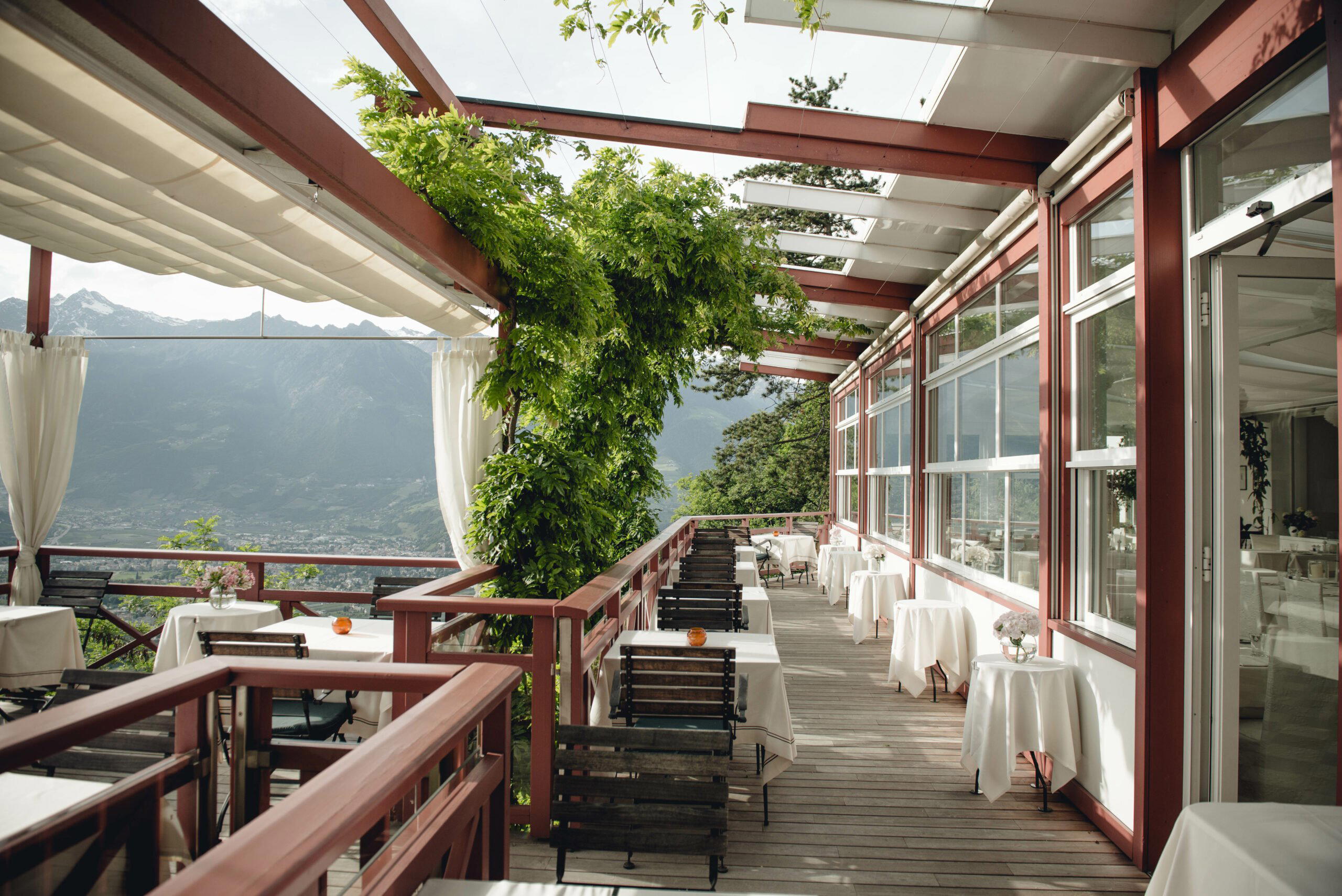
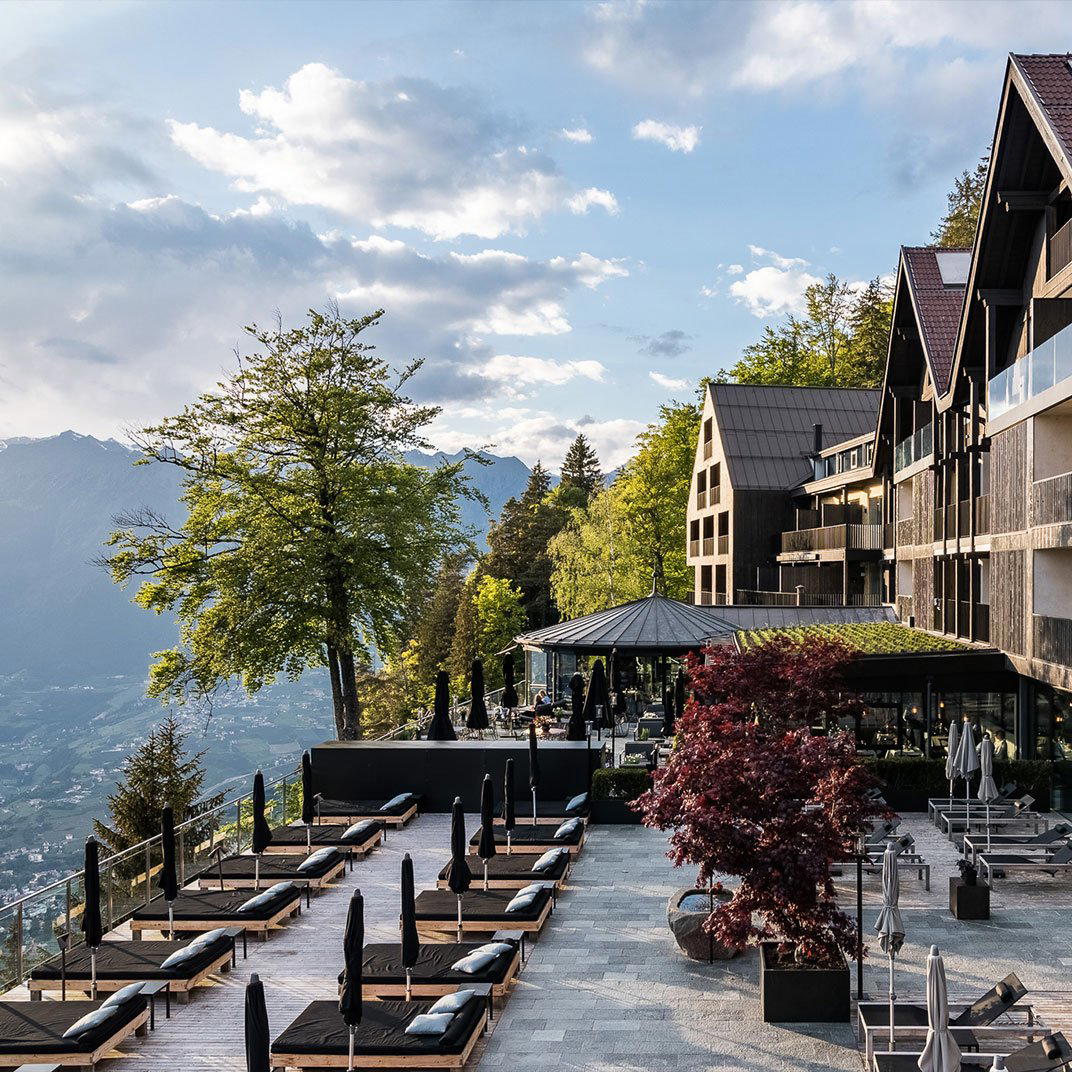
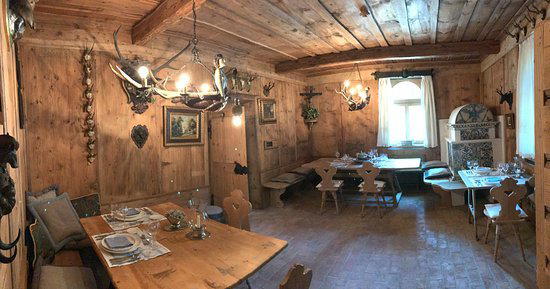
At a Glance
- Rustic
- Scenic
- Cozy
- Brunch
- Family
- Casual Hangout
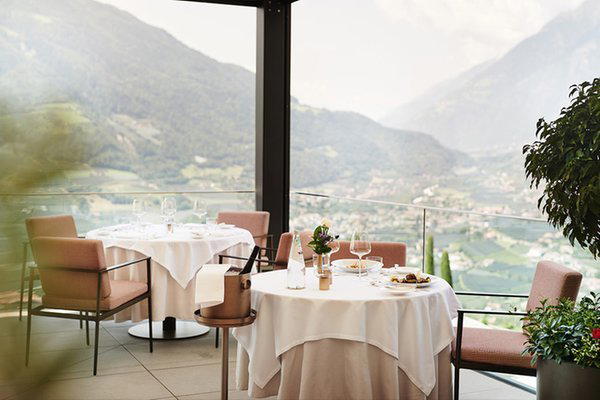
- Terrace
- Garden
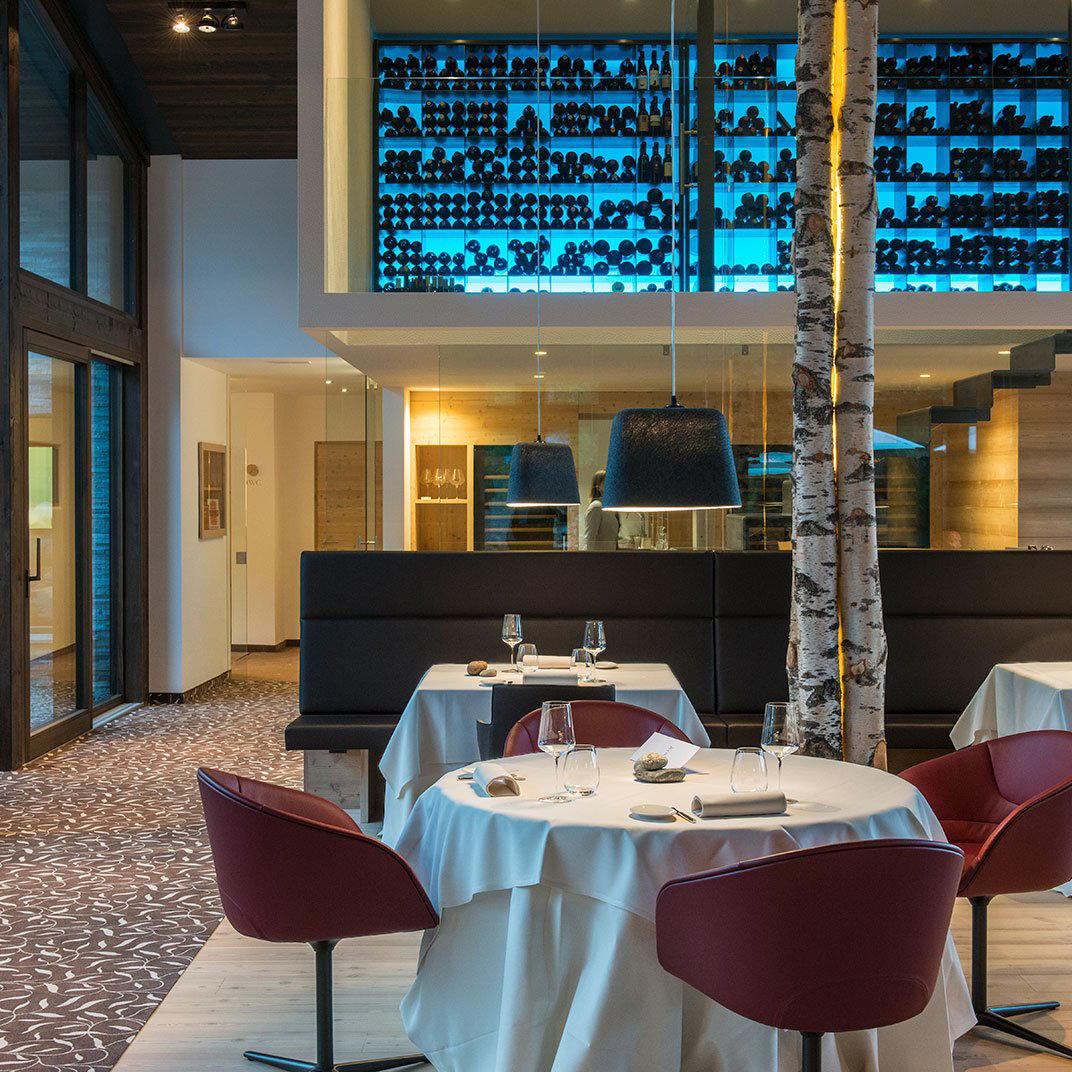
- Extensive Wine List
- Garden
- Mountain
Current opening hours
- Monday
- 8 AM–5 PM
- Tuesday
- 8 AM–10 PM
- Wednesday
- 8 AM–10 PM
- Thursday
- 8 AM–10 PM
- Friday
- 8 AM–10 PM
- Saturday
- 8 AM–6 PM
- Sunday
- 8 AM–10 PM
Hours can change for holidays and private events. Last verified .
Relaxed outdoor garden terrace with great ambience, pleasant service, and a quiet location.