A traditional gasthaus in Lana's South Tyrolean wine country, Gasthaus Rafflerhof sits along Via Rateis in the Burggrafenamt foothills, where the cooking tradition runs toward hearty Alpine-Italian crossover fare. The address places it within reach of Lana's compact dining circuit, where gasthaus culture shapes the local table more than any single chef or concept.
Pearl is the En Primeur Club membership app — saves, bookings, and concierge access live there. Same editors, same standards.
- Address
- Via Rateis, 14, 39011 Lana BZ, Italy
- Phone
- +393343036054
- Website
- rafflerhof.it
- Directions
- Get directions
 Saves & bookings on Pearl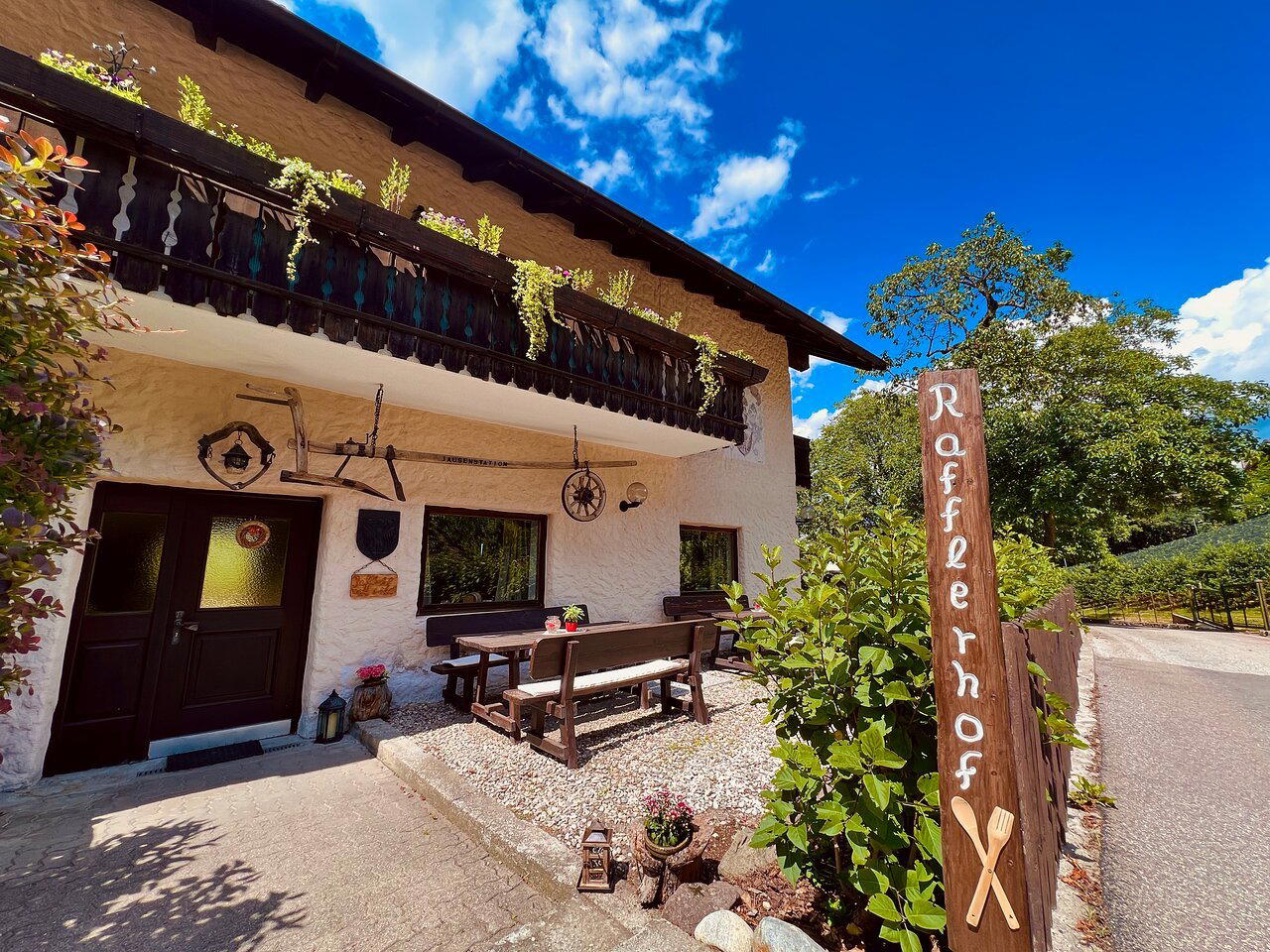
Where the Alpine-Italian Table Takes Its Most Settled Form
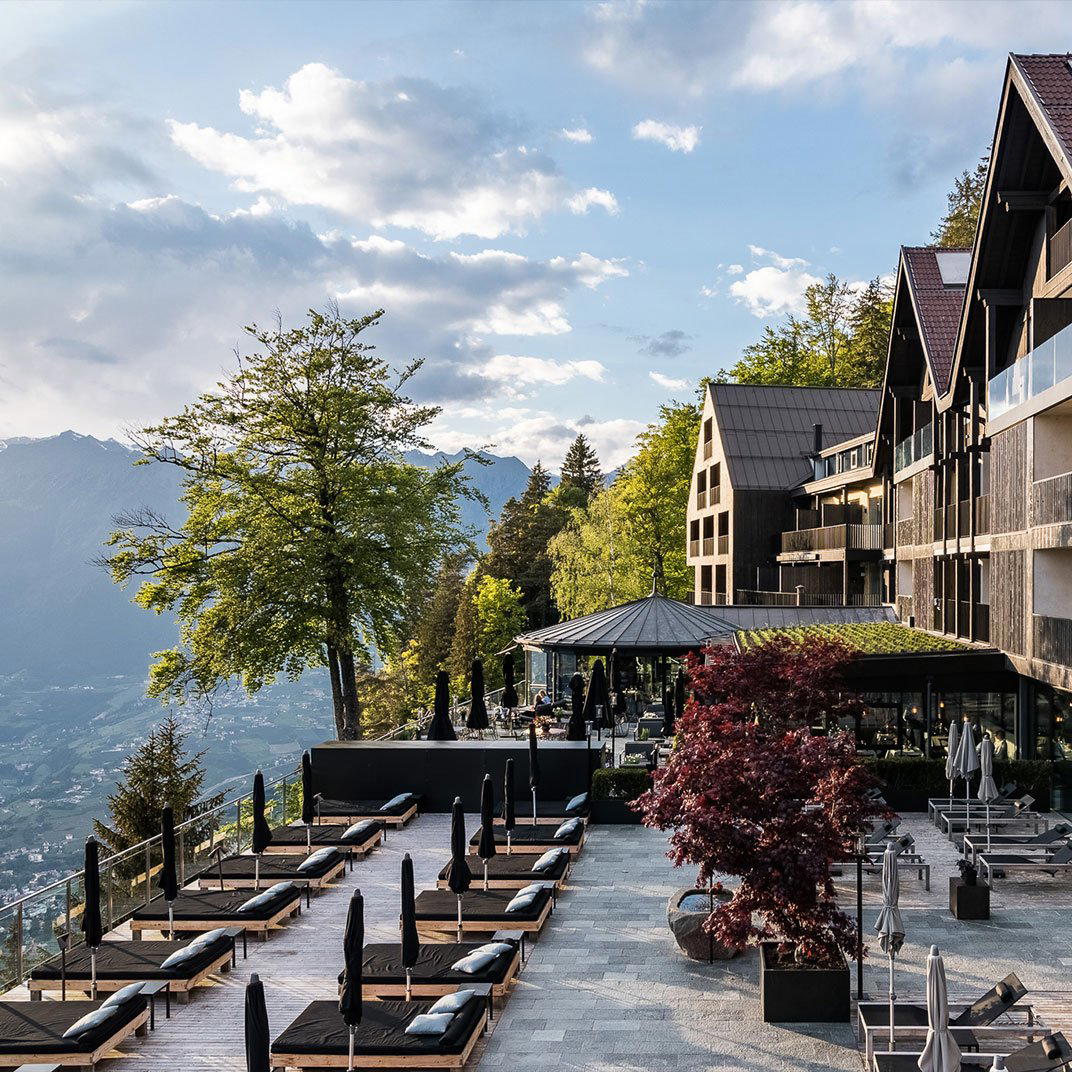
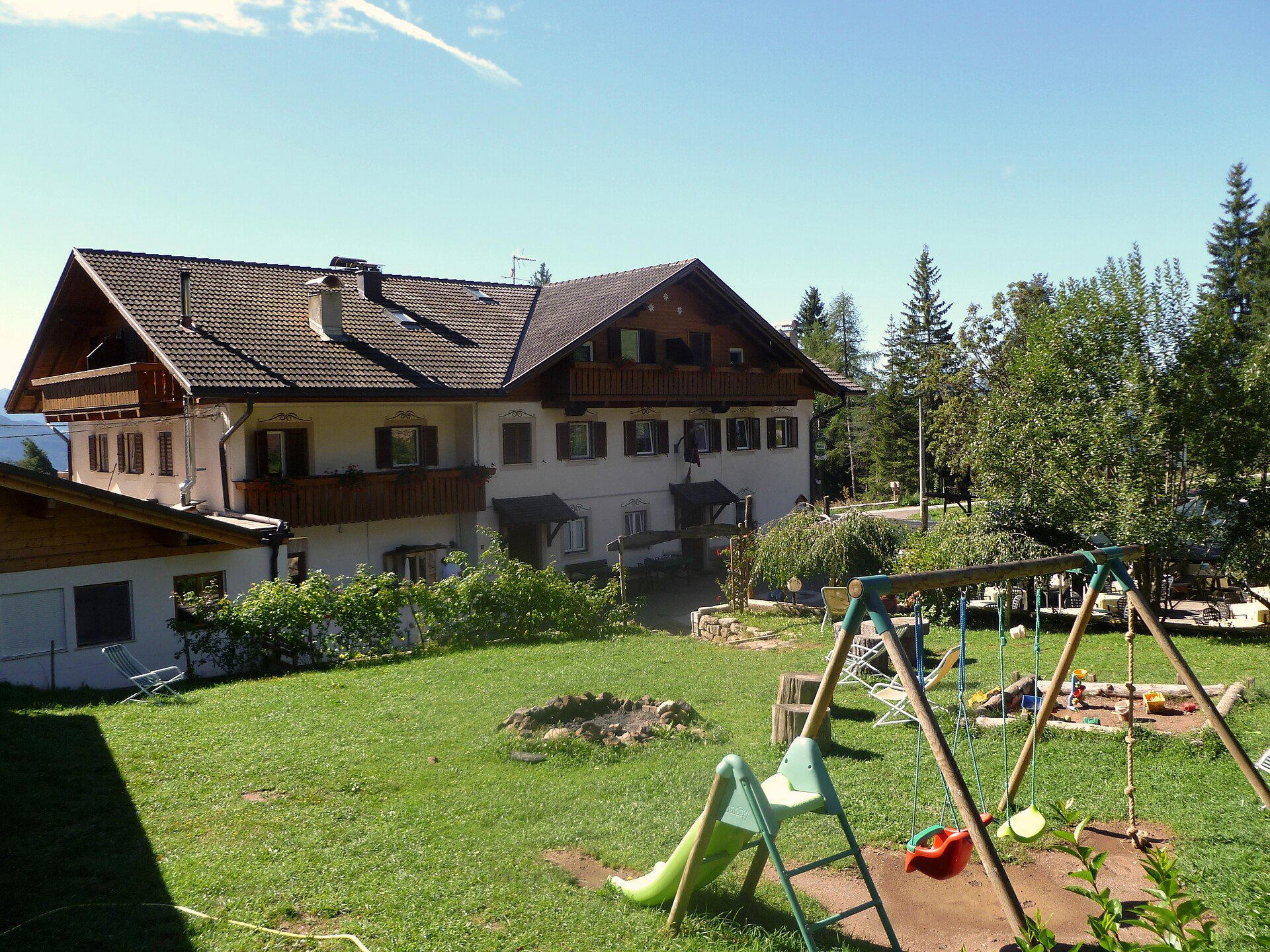
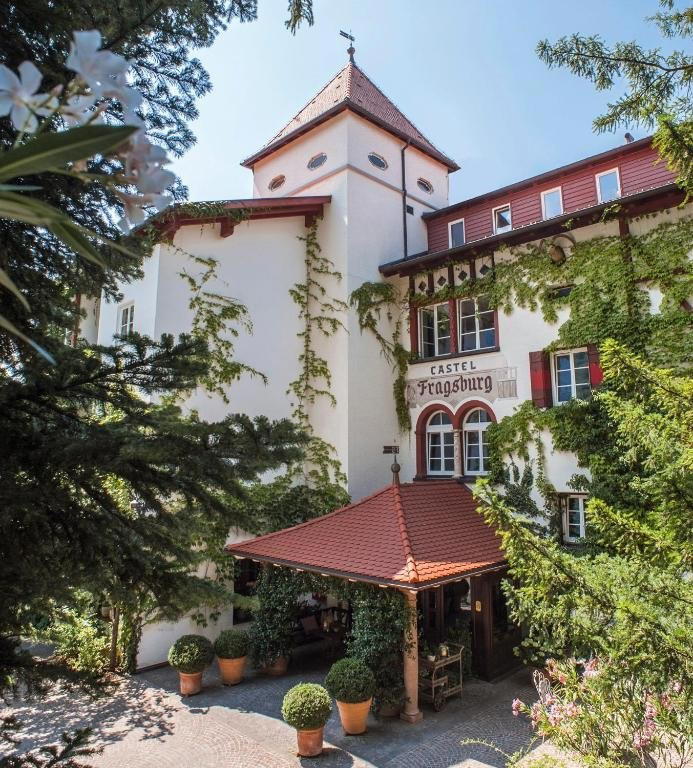
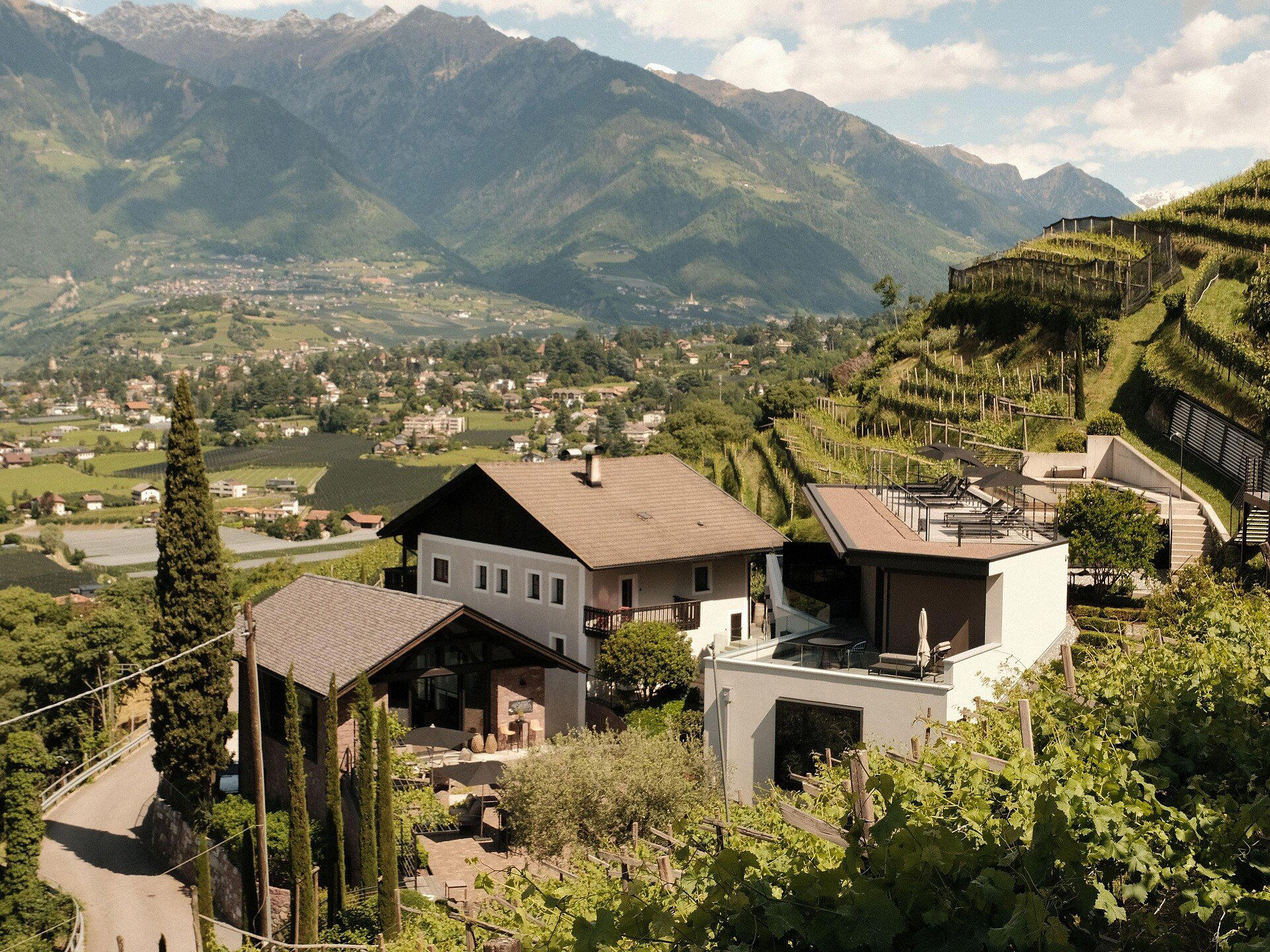
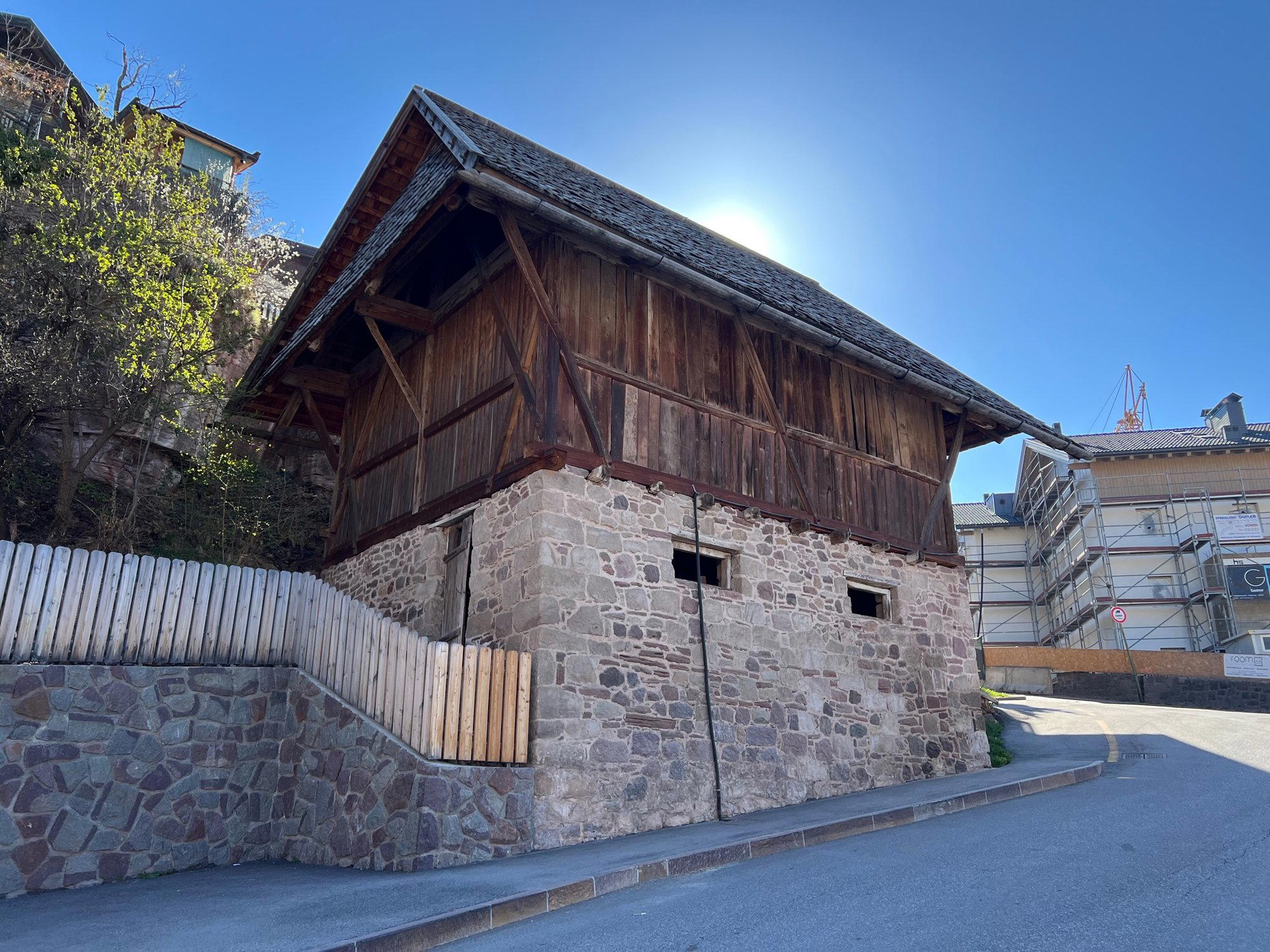
South Tyrol's dining identity is rooted in a paradox: the region is geographically Austrian, administratively Italian, and culinarily neither one nor the other in any pure sense. The gasthaus format, sturdy, unpretentious, organized around the rhythm of the local agricultural year, is where that identity resolves most naturally. In Lana, a market town in the Burggrafenamt valley surrounded by apple orchards and vineyards climbing toward the Texelgruppe plateau, the gasthaus is not a nostalgic affectation. It is the dominant mode of serious eating. Gasthaus Rafflerhof, at Via Rateis 14, occupies that tradition. Stone exteriors, a valley address away from the main commercial drag, and the kind of physical setting that signals continuity rather than reinvention, this is what the gasthaus form looks like when it has not been turned into a concept.
The Cuisine and Its Cultural Roots
South Tyrolean cooking is defined by compression: a small number of ingredients, handled with considerable discipline, arriving in combinations that were worked out centuries before the region's restaurant scene developed any international ambition. Knödel, bread dumplings, dense and precisely seasoned, appear in multiple registers across a typical gasthaus menu. Speck, the region's juniper-and-altitude-cured pork product, functions as both appetizer and flavoring agent in ways that bear no relation to how cured meat is used further south in Italy. Schlutzkrapfen, the half-moon pasta stuffed with spinach and ricotta, is a dish that belongs to this specific Alpine corridor rather than to any broader Italian canon. At establishments like Gasthaus Rafflerhof, these dishes are the grammar, not the vocabulary, they are the structural logic of the menu, not its decorative element.
The cultural significance of this cooking comes from its relationship to the land. Lana's elevation, its proximity to the Adige valley floor and the mountain flanks above it, and its position as one of the warmest apple-growing zones in Europe all shape what ends up on the plate. The Burggrafenamt has long produced Vernatsch (Schiava), a light-bodied red that pairs efficiently with the region's heavier preparations. Local wine at this elevation tends toward freshness and moderate weight, a counterpoint to the richness of Speckknödel or gröstl (the pan-fried meat and potato preparation common across the gasthaus circuit). For a deeper look at how these traditions sit within Lana's broader dining circuit, see our full Lana restaurants guide.
Lana's Gasthaus Circuit in Context
Lana supports a small but coherent restaurant scene, and within it, the gasthaus format occupies a distinct tier. Brandiskeller and Gutshof represent similar points on the local spectrum, where cooking is rooted in the regional tradition rather than positioned against it. Pfefferlechner, Stadele, and Stube Ida each offer their own calibration of the same basic coordinates, local produce, Alpine-Italian crossover technique, and a format that puts the table at the center rather than the chef's biography.
This distinguishes Lana's gasthaus tier from South Tyrol's internationally recognized fine-dining operations. Atelier Moessmer Norbert Niederkofler in Brunico represents a different register entirely: a tasting-menu format with three Michelin stars and a mountain-produce philosophy that has attracted international critical attention. That model and the gasthaus model are not in competition. They serve different purposes and different readers. The gasthaus is where the regional identity is expressed without editorial mediation; the fine-dining room is where it is analyzed and reframed.
Italy's broader fine-dining canon, Osteria Francescana in Modena, Piazza Duomo in Alba, Dal Pescatore in Runate, Le Calandre in Rubano, Enoteca Pinchiorri in Florence, Enrico Bartolini in Milan, Uliassi in Senigallia, Reale in Castel di Sangro, and Quattro Passi in Marina del Cantone, operates in a register that has little bearing on what a gasthaus in Lana is doing or trying to do. Internationally, reference points like Le Bernardin in New York City and Lazy Bear in San Francisco further illustrate how far the global fine-dining conversation has traveled from the gasthaus tradition. None of this diminishes what the gasthaus format offers. It simply clarifies its position: it is the table at which the local tradition is most honestly expressed, without the interpretive layer that fine dining necessarily applies.
Planning a Visit
Gasthaus Rafflerhof is located at Via Rateis 14, in the municipality of Lana in the province of Bolzano. Lana is accessible from the A22 Brenner motorway via the Bolzano Sud or Merano Sud exits, with Merano Sud being the more direct approach for addresses in the upper part of town. The address on Via Rateis places the gasthaus in a quieter part of Lana's residential and agricultural fringe, consistent with the out-of-center positioning typical of working gasthaus operations in South Tyrol's smaller towns. South Tyrolean gasthaus kitchens tend to follow agricultural rhythms, with closures common in late autumn and early spring, timing a visit for the main summer or winter season reduces the chance of finding the kitchen dark.
A Pricing-First Comparison
Comparable venues nearby, for context on price, style, and recognition.
| Venue | Cuisine | Price | Notes |
|---|---|---|---|
| Gasthaus RafflerhofThis venue — the venue you are viewing | Lana, Traditional South Tyrolean Italian | $$ | Not listed |
| Stube Ida | Lana, Modern South Tyrolean | $$ | Not listed |
| Gutshof | Lana, Italian Pizza and Sushi | $$ | Not listed |
| Stadele | Not listed | $$$ | Lana, South Tyrolean Fusion with Mediterranean Influences |
| Brandiskeller | Not listed | $$ | Lana di Sotto, Traditional South Tyrolean Grill & Wine Cellar |
| Pfefferlechner | Lana, Traditional South Tyrolean | $$ | Not listed |
Continue exploring
More in Lana
Restaurants in Lana
Browse all →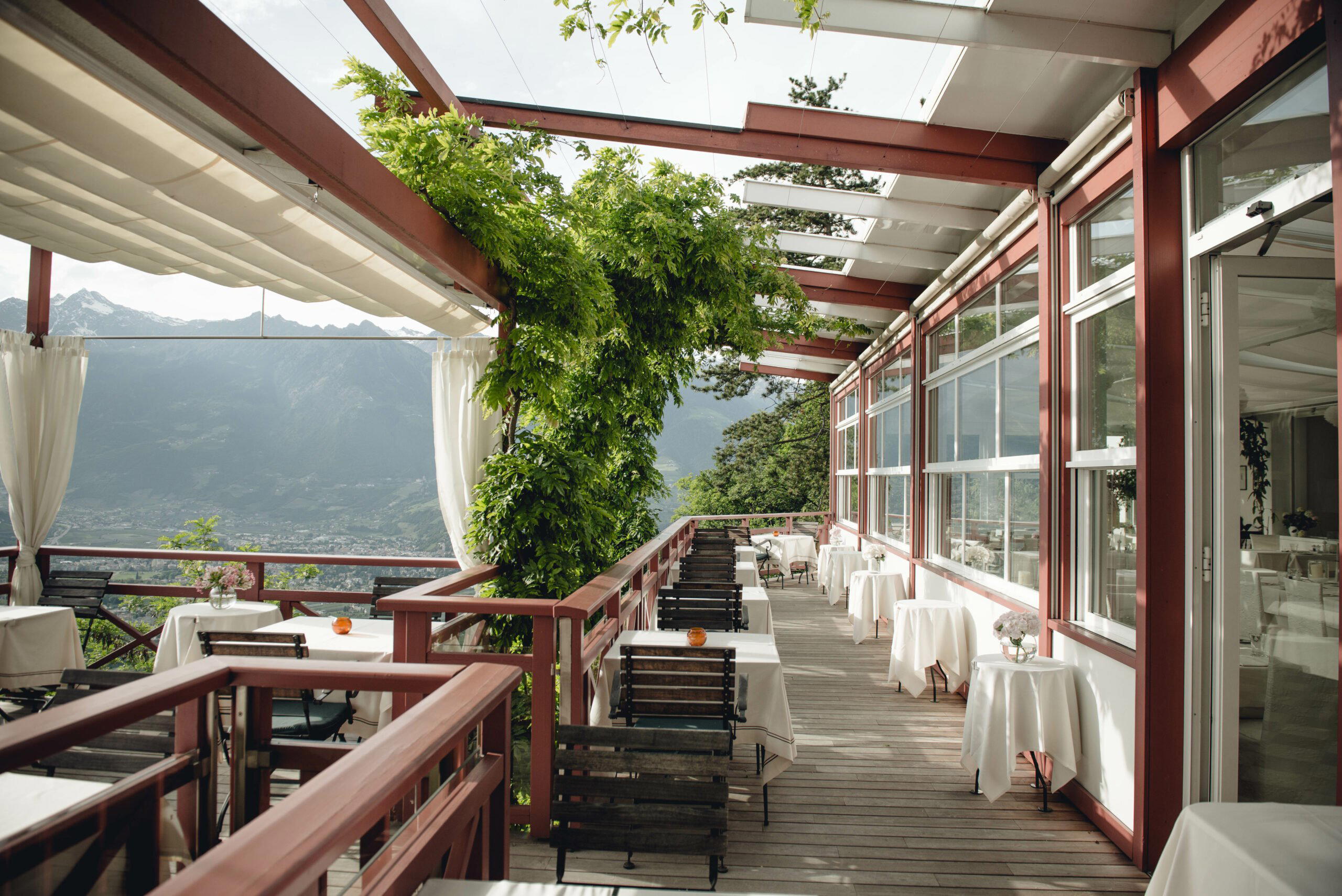
Bars in Lana
Browse all →
Hotels in Lana
Browse all →
At a Glance
- Rustic
- Cozy
- Scenic
- Family
- Group Dining
- Casual Hangout
- Terrace
- Panoramic View
- Local Sourcing
- Mountain
Current opening hours
- Monday
- 11 AM–9 PM
- Tuesday
- 11 AM–9 PM
- Wednesday
- 11 AM–9 PM
- Thursday
- Closed
- Friday
- 11 AM–9 PM
- Saturday
- 11 AM–9 PM
- Sunday
- 11 AM–9 PM
Hours can change for holidays and private events. Last verified .
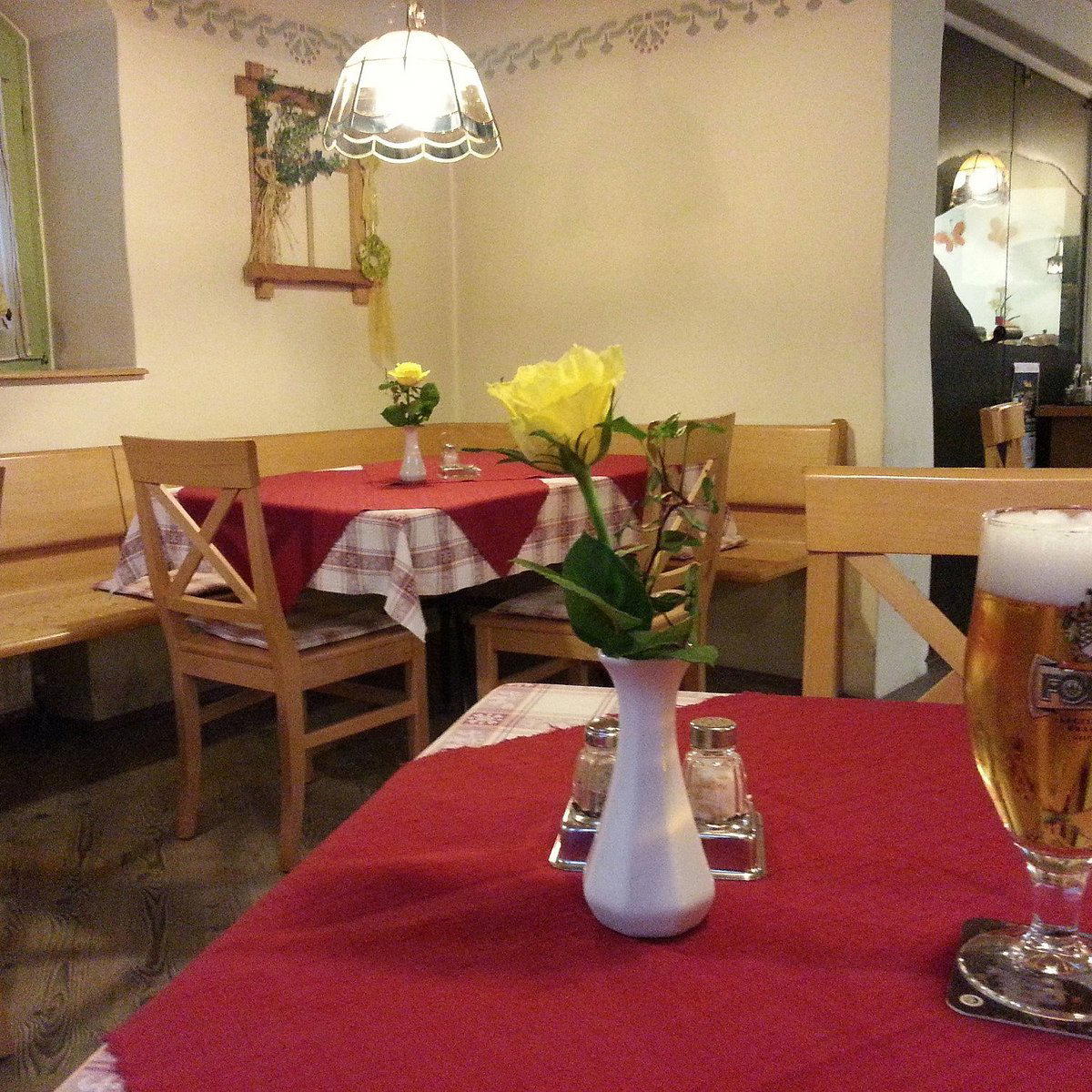
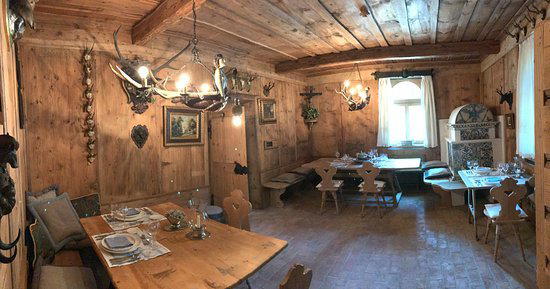
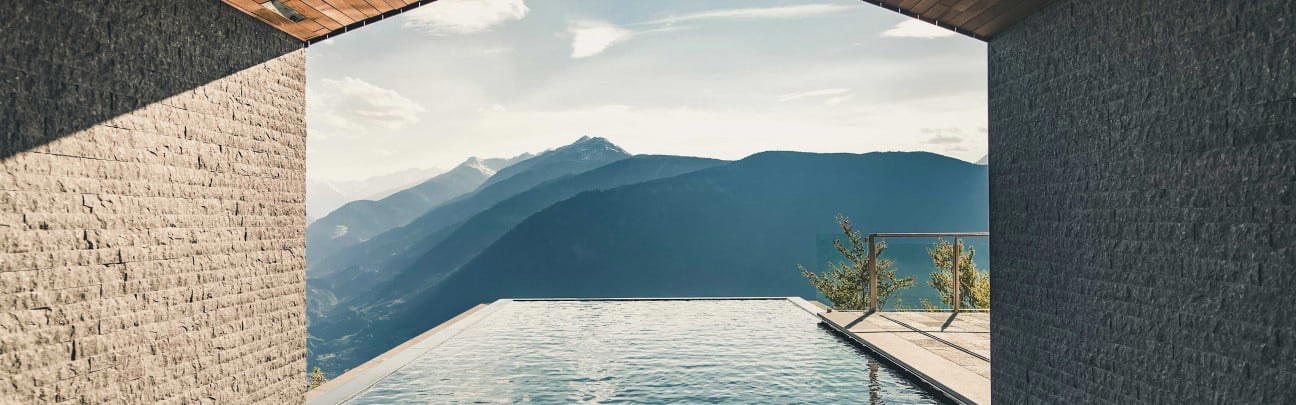
Warm and welcoming atmosphere with a feel-good rustic charm and spectacular panoramic vistas.